
Reviewed · COOKING CLASSES
Traditional Argentinian Cooking Lesson in Buenos Aires
Cooking is often the best way to meet a place. This Buenos Aires class takes you into a local chef’s kitchen, where you prepare empanadas, a contemporary Argentine stew, and dulce de leche semifreddo. I like the hands-on format and the chance to hear how Argentine food grew from regional ingredients and outside influences. I also like that dinner and a glass of wine are included, so the evening feels like a shared meal rather than a quick demonstration.
The small group, limited to 12 people, should keep the class friendly and practical. Saul has earned praise for being fun, patient, and generous with local tips, while Federico has offered detailed guidance on Argentine wine and food. The main drawback is the location: the meeting point at Tronador 3123 can be difficult to find, and you must arrange your own transportation.
In This Review
- Key points at a glance
- What this Buenos Aires cooking class is really like
- Starting with Argentine empanadas
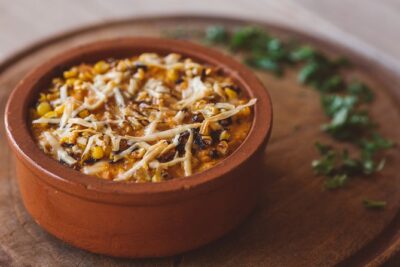
- A contemporary Argentine stew for the main course
- Finishing with dulce de leche semifreddo
- Sitting down with Argentine wine
- The local perspective from Saul and Federico
- Why the small group matters
- Is $175 a fair price?
- Getting to Tronador 3123
- Who will enjoy this class most?
- Booking and cancellation points to remember
- FAQ
- Where does the cooking class meet?
- What time does the experience begin?
- What dishes will I prepare?
- Is wine included?
- Can I request a vegetarian menu?
- Is transportation from my hotel included?
- Should you book the Argentine cooking lesson?
Key points at a glance
- Three courses you actually prepare: Make Argentine empanadas, a stew with a modern recipe, and a dulce de leche and rum semifreddo.
- A local kitchen instead of a formal sightseeing stop: The class takes place in a chef’s cooking studio or home kitchen, creating a more personal setting.
- Wine is part of the meal: Sit down afterward with a glass of Argentine wine and the food you helped prepare.
- Small-group attention: The group is capped at 12 people, and past sessions have sometimes been personalized for very small groups.
- Useful cultural context: The instructor explains regional cooking traditions, culinary influences, and Argentine wine.
- Plan your route carefully: There is no hotel pickup or drop-off, and the address may take some effort to locate.
What this Buenos Aires cooking class is really like
This is an evening experience lasting about three and a half hours, beginning at 6:00 pm and ending back at the same meeting point. The idea is simple: learn a few dishes, eat what you make, and spend time with a local cook who can talk about Buenos Aires beyond the usual restaurant recommendations.
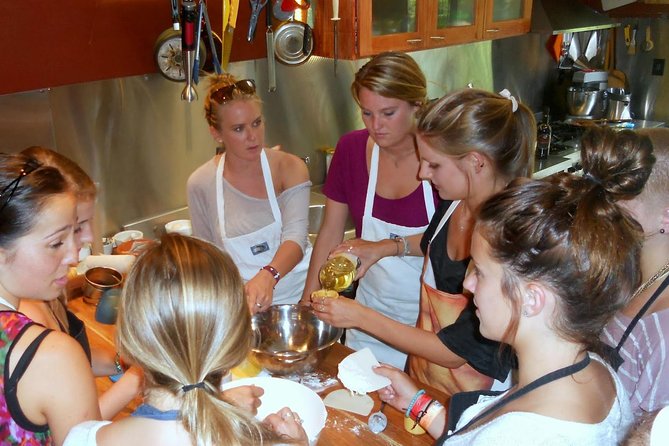
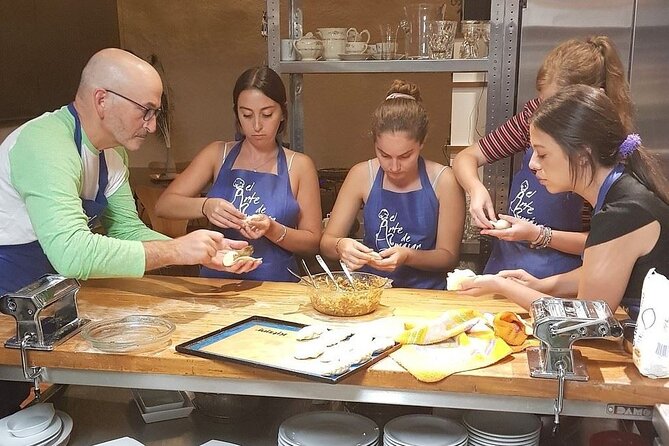
I see the appeal immediately. Food classes can sometimes leave you watching someone else do all the work. This one is designed around preparing three courses yourself. You should expect to handle the dough, work on fillings, take part in the main dish, and help create dessert.
The setting matters too. You are not sitting in a large classroom with a crowd of tourists. You are in a local chef’s kitchen or cooking studio, with a maximum of 12 people. That gives the instructor room to answer questions and adjust the pace. One past booking was even handled as a personalized class for a single participant, though a minimum of two people is required to book.
The class is offered in English. That makes it a good fit if you want more than a recipe card. The cooking is paired with explanations of Argentine ingredients, regional traditions, and the forces that shaped local food.
A few more Buenos Aires trips worth putting side by side
- Argentine Experience Interactive Dining and Cooking
★ 5.0 · 1,382 reviews - Cooking Class Designed by Michelin Chef @ Argentine Experience
★ 5.0 · 1,123 reviews - Buenos Aires: Empanadas and Alfajores Guided Cooking Class
★ 4.8 · 486 reviews
Starting with Argentine empanadas
Empanadas are the right first course for this class. They are familiar enough to understand quickly, but the details of dough, filling, folding, and cooking give you plenty to learn.
You will be shown how to prepare the dough from scratch and how to build the filling. The exact filling is not specified in advance, so you should think of this as a lesson in the method rather than a promise of one particular regional style. That distinction is useful because Argentine empanadas vary across the country.
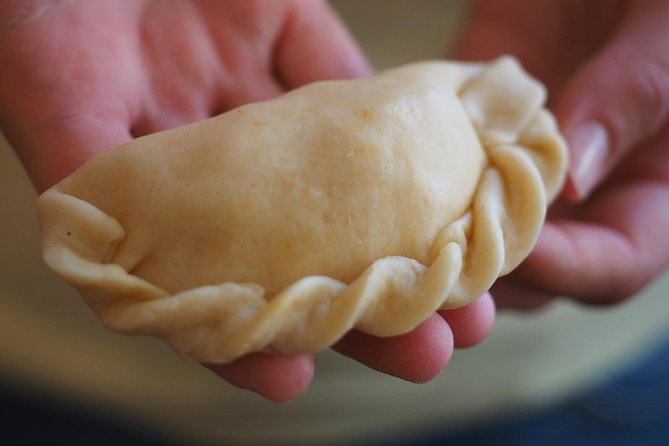
The first part of the class should feel active and social. You will likely be working beside other participants, shaping the pastry and learning the small tricks that make empanadas hold together. The instructor can point out where texture matters, how to avoid overfilling, and how the folding technique affects the finished result.
This is also the dish most likely to be useful when you return home. Empanadas are manageable in a normal kitchen, and the lesson gives you a recipe you can repeat for friends. One participant specifically valued learning to make them from scratch and later used the new skills at home.
If you are hoping for alfajores, set your expectations early. The class menu lists semifreddo for dessert, not alfajores. One person wished those famous Argentine sandwich cookies had been included, so this is worth remembering if they are high on your food wish list.
A contemporary Argentine stew for the main course
The main course is described as a traditional Argentine stew prepared with a contemporary recipe. That means you get a local dish with a slightly different flavor from the most familiar version.
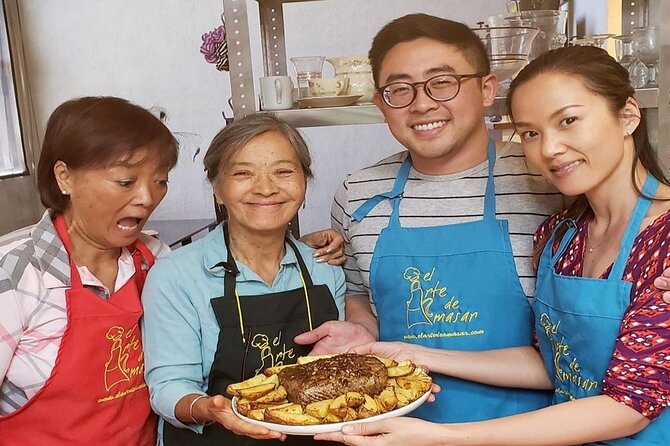
The supplied menu uses the broad word stew, while past sessions have included veal stew and, in another class, a quick roast or sirloin steak with potatoes. The exact main course may therefore vary. I would treat the printed menu as the guide, but not assume that every class will use precisely the same cut of meat or preparation.
That flexibility can be a good thing. Argentine cooking is not limited to steak and grilled meat, though those foods naturally get much of the attention. A stew lets you see another side of the country’s home cooking, including how a familiar dish can be changed without losing its local character.
You will help prepare the dish rather than simply wait for it to appear at dinner. The class is therefore useful for cooks who want to understand timing and technique, not just taste the result. The instructor can explain how the recipe fits into Argentine food culture while you work.
Past participants have especially liked the finished main course. Veal stew was described as memorable, and another session produced a roast with potatoes. Since the recipe is presented as contemporary, you may find that the class is less about copying one strict traditional formula and more about learning a practical interpretation of Argentine cooking.
Finishing with dulce de leche semifreddo
Dessert brings a familiar Argentine ingredient into a less familiar form. Dulce de leche and rum semifreddo is a chilled dessert with a smooth, airy character, and it gives the class a modern finish.
Dulce de leche is one of Argentina’s best-known flavors, so it makes sense here. You are not simply tasting it from a jar or spoon. You are using it as part of a dessert that shows how a classic ingredient can work in a more polished preparation.
The dessert also helps balance the earlier courses. Empanadas and stew are substantial, while semifreddo provides a cool, sweet ending. The inclusion of rum means this is not the most suitable choice for everyone, so mention any dietary or ingredient concerns when you book.
I like the fact that dessert is made during the class rather than added as an afterthought. It gives the evening a full beginning, middle, and end. Still, if your main goal is learning a long list of Argentine sweets, this class is limited. You will make one dessert, not a broad pastry workshop.
Still Argentina, but a completely different sort of afternoon:
- Local Foodie Adventure in Buenos Aires with Sherpa Food Tours
★ 5.0 · 6,875 reviews - Buenos Aires City Private Tour with Local Guide
★ 5.0 · 3,475 reviews - Buenos Aires Small-Group City Tour
★ 5.0 · 2,226 reviews - Buenos Aires Hop-On Hop-Off Bus, Free Walking Tours & Discounts
★ 4.5 · 2,218 reviews
Sitting down with Argentine wine
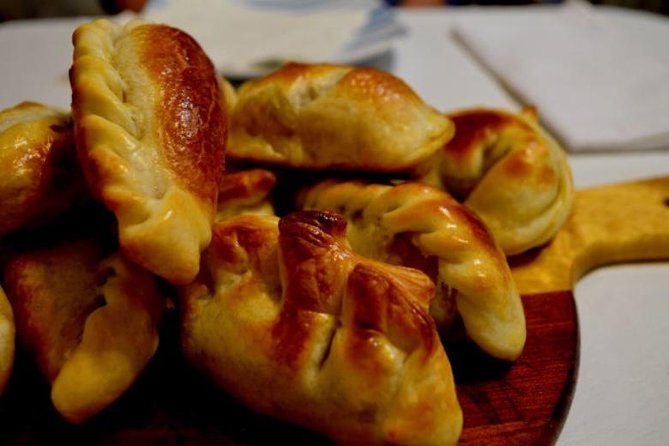
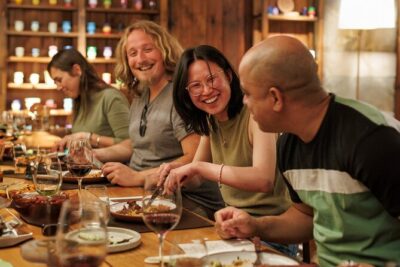
After the cooking, everyone sits down to eat the three courses. A glass of Argentine wine is included, and past classes have paired the meal with Malbec.
This shared table is one of the strongest parts of the experience. You get to taste the food while it is still connected to the work that produced it. The meal also gives you time to ask questions and talk with the instructor and the other participants without rushing from one kitchen station to the next.
Wine receives its own attention during the class. Federico, one of the instructors associated with past sessions, has provided detailed explanations of Argentine wine and gastronomy. That makes the drink more than a basic inclusion with dinner.
The alcohol rule is clear: you must be at least 18 to consume wine. If you do not drink, the supplied information does not specify a nonalcoholic alternative, so ask when booking. The class price includes a glass of wine, but it does not promise an unlimited pairing or a full wine tasting.
The local perspective from Saul and Federico
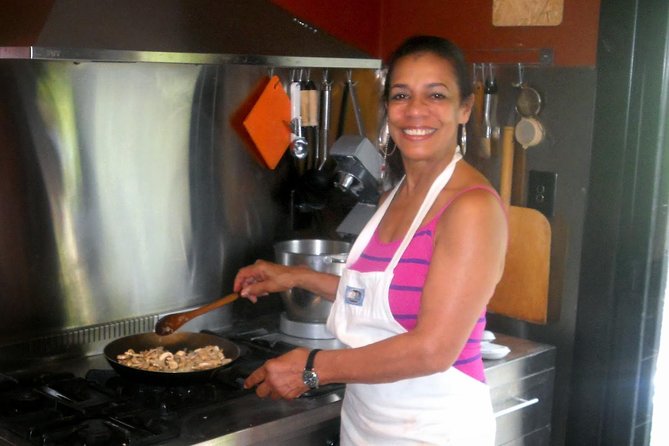
The instructor can shape the entire evening, and the available feedback points to two strong hosts. Saul has been praised for being entertaining, capable, and helpful in the kitchen. He has also shared suggestions about football, restaurants, and things to do around Buenos Aires.
That extra local conversation is a real benefit. You can ask what to eat next, where to look for a good market, or how residents spend their free time. Saul even helped one participant find the train and locate a flea market afterward, showing the kind of practical assistance that can make the class feel less scripted.
Federico has been praised for explaining Argentine wine and food in detail. If your interest leans toward wine, regional dishes, and culinary background, his style may appeal to you.
Because instructors and recipes can vary, you should not book expecting one exact personality or menu. The important point is that the class is built around direct instruction and conversation, not a silent cooking demonstration.
Why the small group matters
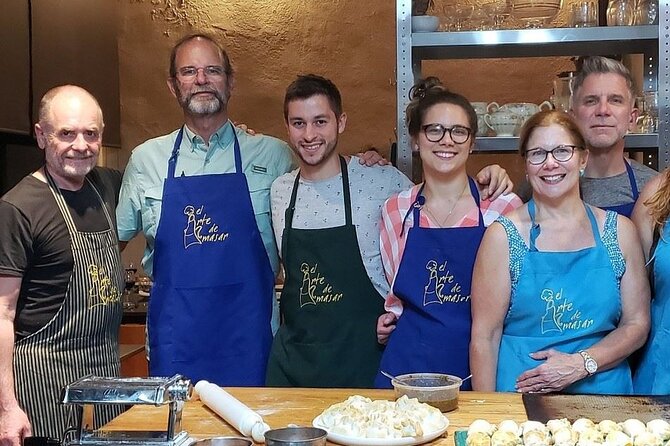
The maximum group size is 12 people. That is not an intimate private lesson, but it is small enough to keep the class manageable.
A small group gives you a better chance to work directly with the food and ask questions. It also makes the final meal more social. If everyone is cooking, the evening can feel like a dinner party with a lesson attached.
The experience requires at least two people per booking. Solo visitors may therefore need to book with another person or confirm how the operator handles a single participant. One past class became highly personalized when only one person attended, but that should not be treated as a guarantee.
The group size is especially important at the stated price. At $175 per person, I would want more than a crowded demonstration. The cap of 12, the three-course meal, the ingredients, instruction, and wine make the price easier to justify than a simple restaurant dinner. Still, this is not the cheapest way to eat in Buenos Aires.
Is $175 a fair price?
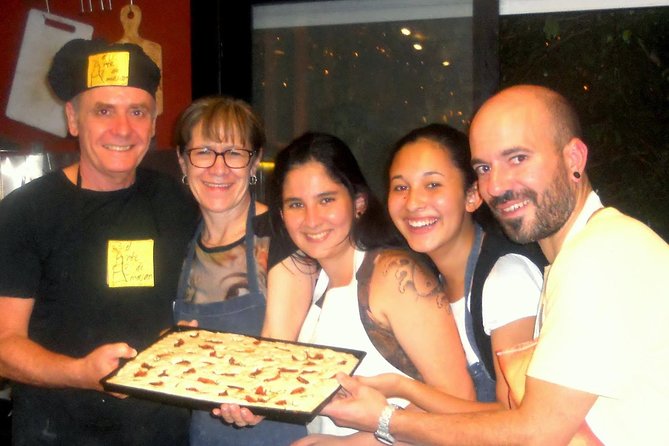
At $175 per person, this class is a premium evening activity. You are paying for the instruction, ingredients, use of the kitchen, the food you prepare, dinner, and a glass of Argentine wine.
The value is strongest if you want a personal cultural activity. You receive practical cooking skills, a meal, and conversation about Argentine food in one package. You also avoid paying separately for a restaurant dinner that would not teach you how to make the dishes.
The value is weaker if your only goal is to eat cheaply. Buenos Aires offers many lower-cost meals, and the class takes about three and a half hours. You should book it because you want the process as much as the food.
I would also consider the size of your party. Couples and friends who like cooking together are likely to get the most from it. Families should check the age details carefully, especially if anyone wants to drink wine, since the minimum drinking age for this activity is 18.
Getting to Tronador 3123
The meeting point is Tronador 3123, C1430DME, in Buenos Aires. There is no hotel pickup or drop-off, and the class ends at the meeting point.
The location may be the biggest practical nuisance. One person found it hard to locate and used the metro to the end of the line, followed by a taxi. That route was described as easy and inexpensive once planned, but you should not leave the journey until the last minute.
Allow extra time to get there, especially for a 6:00 pm start. Confirm the exact address and meeting instructions before setting out. A mobile ticket is provided, but a mobile ticket does not remove the need to plan the route.
The return journey is also your responsibility. Since the class ends after dinner, decide in advance how you will get back to your accommodation. The tour does not include transportation.
Who will enjoy this class most?
I would choose this experience if you enjoy participating rather than watching. It suits people who want to learn a few repeatable recipes and understand how those dishes fit into Argentine food culture.
It is also a good choice for:
- Couples looking for a social evening activity
- Friends who enjoy cooking together
- Food-focused visitors who want local context
- Home cooks interested in empanada dough and fillings
- People who like wine and shared meals
- Visitors who have already seen the major Buenos Aires sights
You may want another activity if you need hotel transportation, dislike group events, or want a class devoted mainly to pastries. You should also ask about the exact main course if you have strong preferences about meat, since the dish has varied between sessions.
Vegetarian meals are available by reservation. Tell the operator about dietary requirements when booking. The provided information does not specify other menu changes, so do not wait until the evening to explain an allergy or restriction.
Booking and cancellation points to remember
Confirmation is provided at the time of booking. The class requires a minimum of two people per booking and has a maximum of 12 participants.
The experience is non-refundable and cannot be changed for any reason after booking. If you cancel or request an amendment, you will not receive your money back. The one exception is an operator cancellation because the minimum number of participants is not reached. In that case, you will be offered another date or experience, or receive a full refund.
That strict policy makes it important to confirm your schedule, transportation, dietary needs, and preferred date before paying.
FAQ
Where does the cooking class meet?
The meeting point is Tronador 3123, C1430DME, Buenos Aires, Argentina. The class ends back at the same meeting point.
What time does the experience begin?
The class starts at 6:00 pm and lasts approximately three hours and 30 minutes.
What dishes will I prepare?
The planned menu includes Argentine empanadas, a contemporary version of an Argentine stew, and dulce de leche and rum semifreddo.
Is wine included?
Yes. The experience includes a glass of Argentine wine. You must be at least 18 years old to consume alcohol.
Can I request a vegetarian menu?
Yes. A vegetarian menu is available by reservation. You should also provide any specific dietary requirements when booking.
Is transportation from my hotel included?
No. Hotel pickup and drop-off are not included. You must make your own way to and from Tronador 3123.
Should you book the Argentine cooking lesson?
I would book this class if you want an evening built around participation, conversation, and food rather than a standard restaurant meal. The three-course format is satisfying, the small group keeps the lesson personal, and the chance to learn empanadas from scratch is a practical souvenir you can take home.
The $175 price makes sense for someone who values instruction, dinner, and local guidance in one evening. I would skip it if you are looking for a low-cost meal, need door-to-door transportation, or specifically want to make alfajores.
Plan your route carefully, report dietary needs in advance, and confirm the menu if the stew matters to you. With those points handled, this is a warm, useful way to spend an evening in Buenos Aires, especially for anyone who believes a good recipe can open a door to the city.
Recently added around Buenos Aires
- Photo Session in Buenos Aires★ 5.0 · 26 reviews
- Your Personal Photographer in Buenos Aires★ 5.0 · 24 reviews
- Discover Buenos Aires’ independent art scene — Ticket included★ 5.0 · 30 reviews
- Your Private Photographer in Buenos Aires★ 5.0 · 4 reviews
- Yerba Mate Workshop – Learn to Drink Mate like a Local!★ 5.0 · 11 reviews
- Taste of Tradition: Yerba Mate & Alfajores Experience★ 4.0 · 5 reviews
- Wine tasting in OASIS Palermo★ 5.0 · 2 reviews
- Day Tour Classic★ 3.5 · 35 reviews
Cooking Classes, compared.
Argentine Experience Interactive Dining and Cooking
Read our review →
Cooking Class Designed by Michelin Chef @ Argentine Experience
Read our review →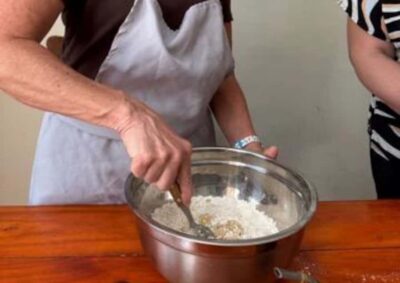
Private Cooking Lessons and Food Tasting in Buenos Aires
Read our review →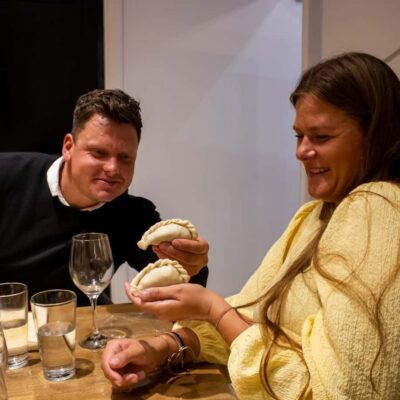
Pachamama – Argentine Cooking Experience in Buenos Aires
Read our review →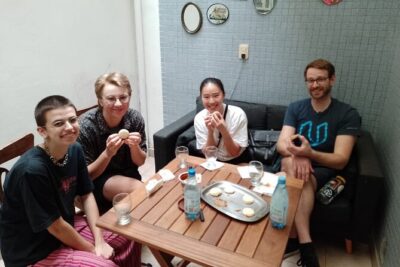
3-Hour Buenos Aires Empanadas and Alfajores Cooking Class
Read our review →
3h Cooking Class in Mendoza with 7 Recipes & Bottomless Drinks
Read our review →Browse the lists this tour appears in