
Reviewed · CITY TOURS
Buenos Aires City Private Tour with Local Guide
Buenos Aires rewards a good first look. This four-hour private tour gives you a practical introduction to the city by combining major sights with a guide who can adjust the route to your interests. You can see La Boca, San Telmo, Plaza de Mayo, Recoleta, Palermo, and Puerto Madero without wrestling with a map or public transport.
I especially like the private vehicle and the chance to shape the outing around your group. I also like the guides’ warm, personal approach. Luca, Ana, Martin, Juan, Maicon, Alfredo, and others are praised for clear English, local insight, patience, and flexibility. The main consideration is time: the full list of stops adds up to more than four hours, so several places are quick photo stops rather than full visits.
In This Review
- Key points to know before booking
- Why this private tour works well for a first day
- Caminito and La Boca: color with a practical warning
- La Bombonera: a quick look at the football temple
- San Telmo, Mafalda, and the old market
- Avenida de Mayo and Plaza de Mayo
- Casa Rosada, the Cathedral, and the city center
- Puerto Madero and the Puente de la Mujer
- Palermo’s Rosedal and the city’s open spaces
- Recoleta Cemetery: the stop worth planning around
- El Ateneo Grand Splendid and Floralis Genérica
- Timing, transport, and the value of $126.65
- Who will enjoy this Buenos Aires tour most?
- Should you book it?
- FAQ
- How long does the Buenos Aires private tour last?
- How many people can join the private tour?
- What is included in the tour price?
- Are food and drinks included?
- Is admission to La Bombonera included?
- Is admission to Casa Rosada included?
- Is admission to Recoleta Cemetery included?
- Can the route be customized?
- Does the guide help take photographs?
- Is the tour available in English?
- Can I cancel for a full refund?
- What happens if bad weather cancels the tour?
Key points to know before booking
- La Boca and La Bombonera together: Caminito is only about 400 meters from Boca Juniors’ famous stadium, making this a strong pairing for first-time visitors and soccer fans.
- A private route for up to four people: At $126.65 per group, the cost works out to about $31.66 each when four people share the car.
- A broad sweep of Buenos Aires: You may pass through La Boca, San Telmo, the city center, Puerto Madero, Palermo, and Recoleta in one outing.
- A guide who can help with photos: The guide stays with you at the stops and can help take pictures, a small service that matters when you are traveling as a couple.
- The best orientation, not a museum marathon: The tour is built to show you the city’s shape and character, with time to return later to the places you like most.
- Entry fees are separate: La Bombonera, Casa Rosada, and Recoleta Cemetery do not include admission, so confirm your plans before assuming you will go inside.
Why this private tour works well for a first day
Buenos Aires is spread across distinct neighborhoods, and each one has a different feel. La Boca is tied to tango, port life, colorful street art, and Boca Juniors. San Telmo brings old market halls and antique shops. Recoleta is formal and grand, while Palermo offers open space and gardens. Puerto Madero is sleek and modern.
Seeing those areas in one private car helps you get your bearings quickly. You are not spending your first day figuring out which bus connects to which neighborhood. Instead, your bilingual guide can explain how the city developed while you move between its historic center, southern districts, and northern parks.
The format also suits a short stay. Several people use it after arriving by cruise ship, and one traveler noted that it worked well as a port pickup. It can also help if you have only one day in Buenos Aires and want a broad look before choosing where to spend more time.
The route is flexible rather than rigid. Guides have adjusted the day to match what groups had already seen, their interests, and their schedules. If you care more about architecture than soccer, or want more time in San Telmo than at a stadium, say so early.
More City Tours in Buenos Aires
- Buenos Aires Small-Group City Tour
★ 5.0 · 2,226 reviews - Buenos Aires: City Highlights Guided Tour with Transfer
★ 4.7 · 1,946 reviews - Buenos Aires: Hop-On Hop-Off City Bus Tour
★ 4.2 · 1,855 reviews
Caminito and La Boca: color with a practical warning
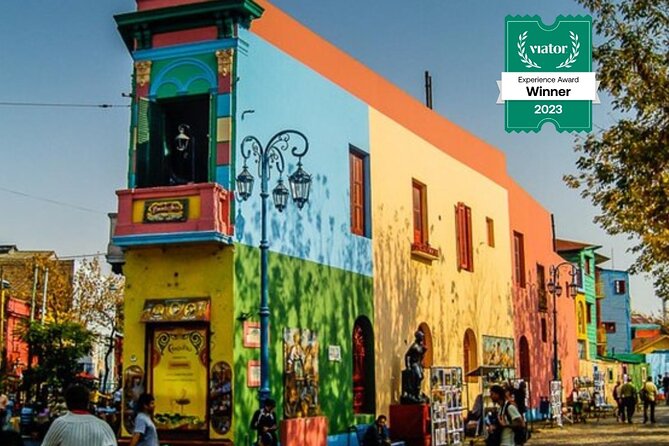
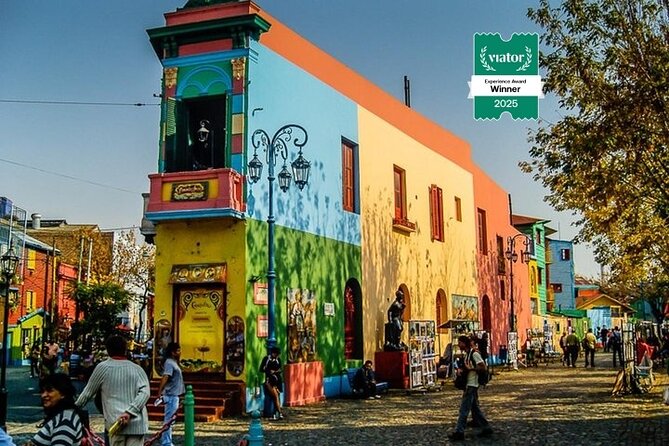
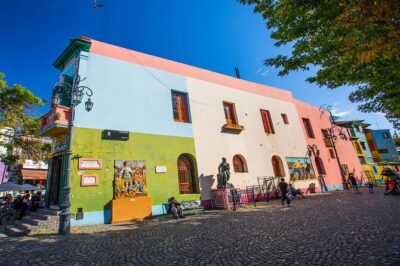
Caminito is Buenos Aires at its most immediately recognizable. This short, curved pedestrian street runs for about 150 meters and is lined with brightly painted buildings. It is also tied to the history and culture of La Boca, one of the city’s best-known neighborhoods.
You get around 40 minutes here, the longest scheduled stop. That gives you time to take photos, look at the artistic displays, and let your guide explain why this small street became such a major symbol of Buenos Aires.
Caminito is also near the Riachuelo River and just 400 meters from La Bombonera. The two stops make sense together, especially if you follow Argentine football or want to understand the local importance of Boca Juniors.
The drawback is that Caminito can feel more arranged for sightseeing than everyday Buenos Aires. I would enjoy it for its color and cultural meaning, but I would not treat it as a complete portrait of La Boca. Use the guide’s local context to look past the painted facades.
La Bombonera: a quick look at the football temple
Estadio Alberto J. Armando, better known as La Bombonera, is the home stadium of Boca Juniors. It opened in 1940 and is closely linked with Diego Maradona, who called it the temple of the Boca. Its capacity is listed as about 40,000 seated spectators, or up to 57,000 with standing room included.
The tour allows roughly 15 minutes here. That is enough for an exterior look and photographs, but it is not enough for a full stadium museum or match-day experience. Admission is not included, so you should ask the guide what access is possible if seeing the interior matters to you.
For a football fan, even a short stop has real value. For everyone else, it is a useful glimpse of how strongly football shapes Buenos Aires identity. The guide can put the stadium, club, and neighborhood into a local setting rather than leaving you with a quick photo and a name.
San Telmo, Mafalda, and the old market
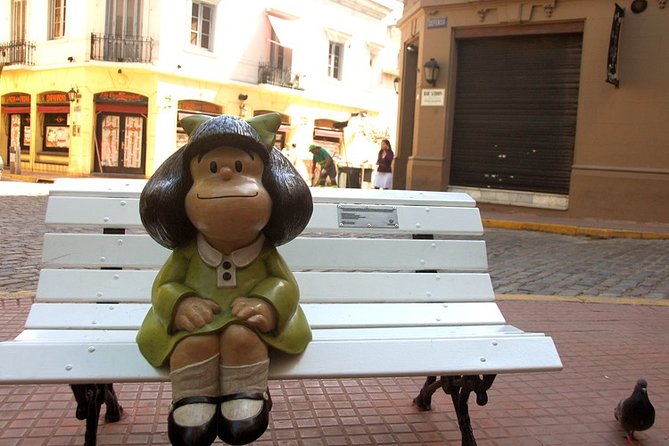
The Mafalda Statue is a small stop with a lot of personality. The famous comic character sits on a bench in San Telmo, near the former home of cartoonist Quino. A plaque recalls that Mafalda lived there, turning an ordinary corner into a cheerful piece of Argentine popular culture.
You have about 15 minutes, which is plenty for a photograph and a short explanation. This is not a major monument, but it gives the route a local touch. It also breaks up the grand palaces and government buildings with something playful and distinctly Argentine.
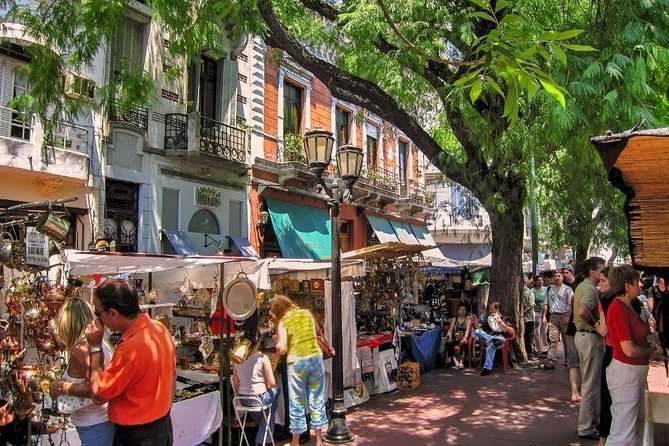
Mercado San Telmo offers a more substantial look at the neighborhood. The indoor market still has older food shops, including produce and meat sellers, but antique dealers and tourist-oriented businesses now share the building. There are also food and drink businesses, including the San Pedro Telmo and La Coruña bars.
The scheduled 30 minutes lets you browse without turning the visit into a long shopping session. I would use this stop to study the building and compare the old neighborhood market with its newer tourist role. If you want to buy antiques or eat, you will likely need more time than the standard route gives you.
Some guides can also include a Sunday market when the schedule fits. That detail matters because San Telmo’s outdoor market adds more street life than the indoor market alone.
More Private Tours in Buenos Aires
- Private Airport Transfer In or Out : Ezeiza (EZE) – Buenos Aires
★ 5.0 · 548 reviews - Private Full-Day Iguazu Falls Tour with Airfare from Buenos Aires
★ 4.5 · 387 reviews - Private City Tour with a friend in Buenos Aires
★ 5.0 · 363 reviews - Private Tour: Buenos Aires and Delta del Tigre with Local Guide
★ 5.0 · 334 reviews
Avenida de Mayo and Plaza de Mayo
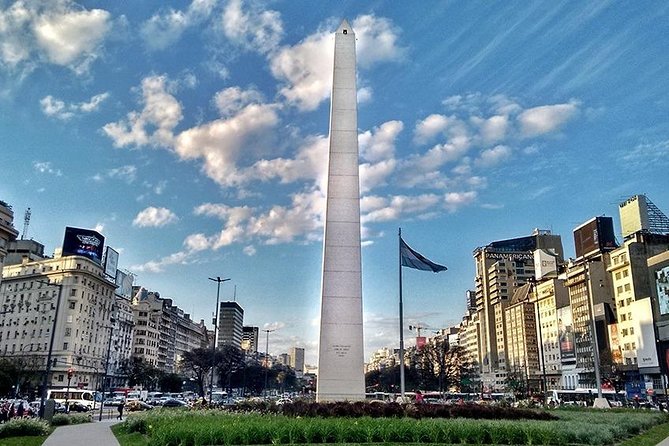
Avenida de Mayo connects Plaza de Mayo with the National Congress building. It opened officially in 1894 and was inspired in part by Madrid’s Gran Vía. This is one of the best stretches for seeing how Buenos Aires presents its political and architectural past.
The tour gives this area about 15 minutes, so expect a moving overview and a short stop, not a careful architectural walk. Your guide can point out important buildings and explain the relationship between the square, the avenue, and the government district.
This is where a bilingual guide adds real value. The buildings are impressive, but the story of Buenos Aires is easier to follow when someone explains how the city changed over time. You can also flag this area for a return visit if you want to walk the avenue at your own pace.
Casa Rosada, the Cathedral, and the city center
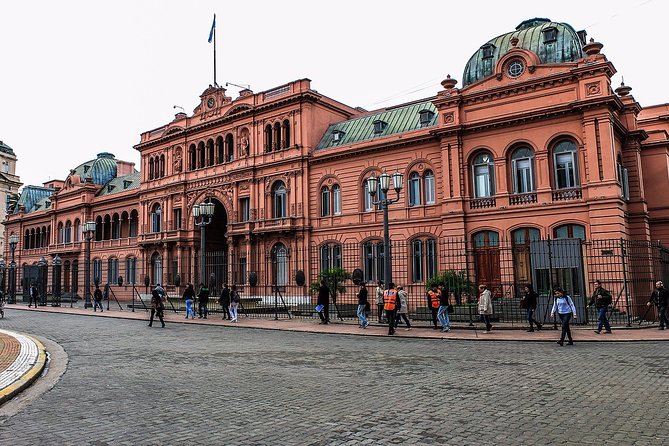
Casa Rosada faces Plaza de Mayo and serves as the seat of Argentina’s national government. The pink palace occupies the site of the old Buenos Aires fort, and the current structure combines the former presidential headquarters with the old post office building.
You have about 30 minutes in this area, but admission is not included. The tour may focus on the exterior unless you arrange or choose entry separately. If you want a close look inside, treat that as an extra plan rather than part of the standard cost.
The Metropolitan Cathedral is another Plaza de Mayo landmark. Its final design is neoclassical and looks more like a Greek temple than the traditional cathedral shape many people expect. It is the main seat of the Catholic Church in Argentina and has been rebuilt several times, with the current building being the sixth construction on the site.
The cathedral stop is about 15 minutes and admission is free. That is enough to see the unusual facade and step inside if open. I would pay attention to the contrast between the cathedral, Casa Rosada, and the square itself. Together, they show the overlap of religion, government, and public life in the heart of Buenos Aires.
Puerto Madero and the Puente de la Mujer
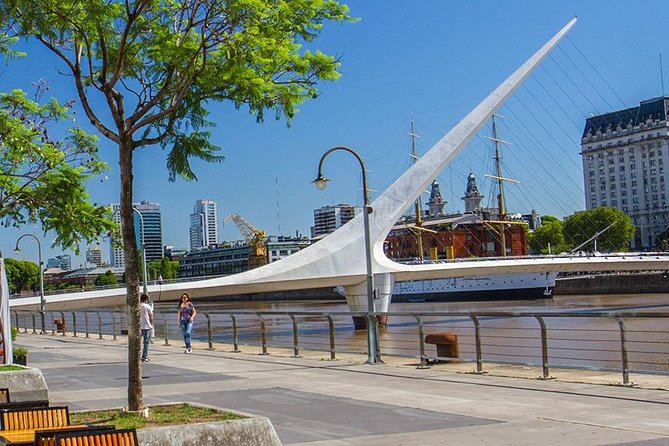
Puerto Madero offers a sharp change from the older parts of the city. The Puente de la Mujer is a white revolving pedestrian bridge designed by Spanish architect Santiago Calatrava. Its shape is meant to suggest a couple dancing tango, with the pole representing the man and the curved bridge representing the woman.
The bridge turns to allow sailing vessels through the docks. You will have about 15 minutes here, mainly for photographs and a quick look at the modern waterfront setting.
This is a short but useful contrast stop. After colonial-era sites, old markets, and ornate cemeteries, Puerto Madero shows Buenos Aires reaching toward modern design. The bridge is photogenic, though the stop may feel brief if you want to walk the docks or linger over the architecture.
Palermo’s Rosedal and the city’s open spaces
Rosedal sits inside Parque 3 de Febrero in Palermo. It contains more than 18,000 roses and a lake, offering a calmer break from the city’s hard streets and traffic. The garden’s design began with landscaper Carlos Thays, who also worked on the Botanical Garden, Avellaneda Park, and Lezama Park. His disciple Benito Carrasco completed the Rosedal in 1914.
You get about 30 minutes here. That should be enough for a pleasant walk, photographs, and a look at the gardens, especially when the roses are in bloom.
A small seasonal detail adds character. Each July, during pruning season, gardeners give residents and visitors flowers or cuttings that can be used to grow new plants. The roses reach their strongest display around October, so the garden’s appearance depends on when you visit.
I like this stop because it shows that Buenos Aires is not only grand avenues and political monuments. Its parks are part of daily city life. If you enjoy gardens, you may want to return with more time.
Recoleta Cemetery: the stop worth planning around
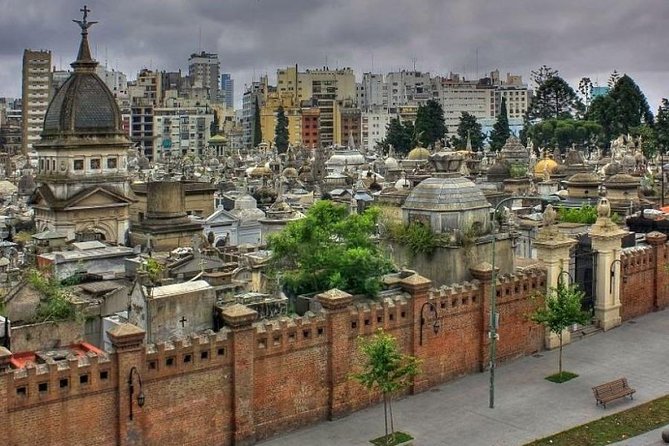
Recoleta Cemetery is one of the tour’s most important stops. It occupies the former garden of the Recoletos monks and sits beside the Basilica Nuestra Señora del Pilar. Inside, narrow lanes lead between elaborate mausoleums and family vaults built when Argentina’s leading families competed to display wealth and status.
More than 90 vaults and mausoleums are listed as National Historic Monuments. The cemetery is also the burial place of major figures in Argentine history, including Eva Perón, known as Evita.
The standard visit lasts about 45 minutes, making it the longest stop after Caminito. Admission is not included. If Evita is your main reason for visiting, tell the guide directly and ask to be taken to her tomb. One visitor had hoped to see it but found that it was not pointed out during the tour, then returned independently. That is an easy issue to avoid with a clear request.
Forty-five minutes gives you a useful introduction, but the cemetery deserves longer if you like sculpture, architecture, or Argentine political history. The passageways can be confusing, and a guide can help you find important vaults without wasting your limited time.
El Ateneo Grand Splendid and Floralis Genérica
El Ateneo Grand Splendid is one of the most memorable stops for book lovers. The bookstore occupies a former theater and keeps the original frescoed dome, railings, boxes, stage, and velvet curtain. A cafe sits on the old stage, while armchairs and theater boxes provide places to read.
The visit lasts about 15 minutes and admission is free. That is enough to see the interior and take pictures, but not enough to browse the collection at leisure. If you want to buy a book or sit with coffee, return later.
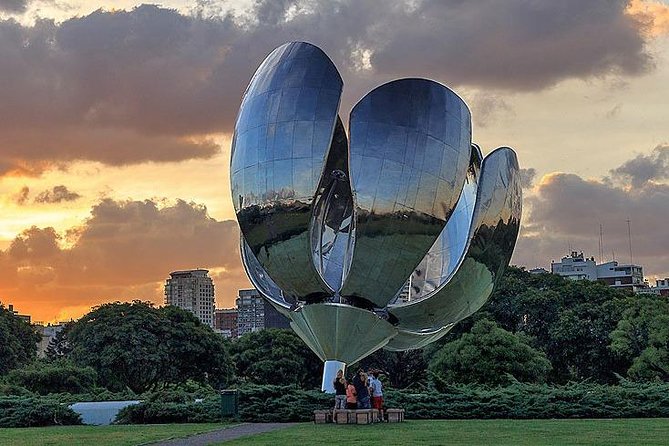
The route finishes at Floralis Genérica, a 20-meter stainless steel and aluminum flower sculpture in United Nations Square. It was donated by Argentine architect Eduardo Catalano and opened in 2002. A hydraulic system and photoelectric cells control its movement, making it more than a fixed monument.
The stop is only about 10 minutes, so think of it as a final photo opportunity. The sculpture gives the tour a modern, open-air ending after the older streets, churches, and cemetery.
Timing, transport, and the value of $126.65
The price is $126.65 for a private group of up to four people. Split four ways, that is about $31.66 per person for four hours of private transport and a bilingual guide. For a couple, the per-person price is higher, but you still get a car, a personal route, and the ability to adjust the day.
The air-conditioned vehicle matters in Buenos Aires, especially when you are crossing a large city in a short period. It also saves energy compared with changing buses or taxis between La Boca, the center, Palermo, and Recoleta.
There is one timing issue to understand. The listed stop times total more than four hours, before adding the driving between neighborhoods. In practice, the guide must keep some stops short, show you certain places from outside, or adjust the route. The description also says you generally have 15 to 20 minutes at each point for photographs. If you want a detailed cemetery visit, a stadium entry, a market meal, and time inside Casa Rosada, this is not the right format.
Food and drinks are not included. Plan to eat before or after, or ask your guide for a local dining suggestion. One group received a dinner recommendation, which shows how a flexible guide can add useful local help beyond the formal route.
Confirmation is provided at booking, public transport is nearby, and most people can participate. The activity is private, so only your group joins. Free cancellation is available up to 24 hours before the start time. Poor weather can lead to a new date or a full refund, and the tour requires good weather.
Who will enjoy this Buenos Aires tour most?
I would choose this tour for a first visit, a short stay, a cruise-port stop, or a family group that wants comfort and flexibility. It is also a good fit if you want a guide who can explain the city in English and help with photos.
Couples may appreciate the private setting and photo help. Families can avoid a long walking day. Four friends sharing the car get the strongest value from the group price.
I would be more cautious if you prefer long, slow visits at every attraction. The route covers a lot, but it does so by sampling. You should also speak up about priorities. Ask for Evita at Recoleta, more time in San Telmo, a closer look at football sites, or a stop that matches what you have already seen.
The strongest quality is the guide. Ana is praised for perfect English and reliable timing. Luca is described as warm and proud of his city. Juan is especially flexible, while Maicon and Alfredo receive praise for tailoring the route and explaining the sights clearly. Guides such as Martin, Rafa, Reuben, Mariana, and Daniel are also singled out for friendly service, flexibility, and local insight.
Should you book it?
Book this private tour if you want to see the main districts in one comfortable half-day and learn how they connect. The price is fair for four people, and the private format gives you something a fixed group tour cannot: the chance to change the emphasis as you go.
Do not book it expecting a full entry tour of every major site. Think of it as an orientation with selected stops, good photographs, and a guide who can help you decide where to return. For a first day in Buenos Aires, that is a smart use of four hours.
FAQ
How long does the Buenos Aires private tour last?
The tour lasts approximately four hours.
How many people can join the private tour?
The price covers one private group of up to four people.
What is included in the tour price?
The price includes a bilingual guide, an air-conditioned vehicle, and private transportation.
Are food and drinks included?
No. Snacks, food, and drinks are not included.
Is admission to La Bombonera included?
No. Admission to La Bombonera is not included.
Is admission to Casa Rosada included?
No. Admission to Casa Rosada is not included.
Is admission to Recoleta Cemetery included?
No. Admission to Recoleta Cemetery is not included.
Can the route be customized?
Yes. The tour can be adjusted to fit your interests, what you have already seen, and your schedule.
Does the guide help take photographs?
Yes. The guide stays with you at the stops and can help with photographs.
Is the tour available in English?
Yes. A bilingual guide provides information throughout the tour.
Can I cancel for a full refund?
Yes. You can cancel at least 24 hours before the start time for a full refund. Cancellations or changes made less than 24 hours before the start are not refunded or accepted.
What happens if bad weather cancels the tour?
If poor weather causes a cancellation, you will be offered a different date or a full refund.
Recently added around Buenos Aires
- Photo Session in Buenos Aires★ 5.0 · 26 reviews
- Your Personal Photographer in Buenos Aires★ 5.0 · 24 reviews
- Discover Buenos Aires’ independent art scene — Ticket included★ 5.0 · 30 reviews
- Your Private Photographer in Buenos Aires★ 5.0 · 4 reviews
- Yerba Mate Workshop – Learn to Drink Mate like a Local!★ 5.0 · 11 reviews
- Taste of Tradition: Yerba Mate & Alfajores Experience★ 4.0 · 5 reviews
- Wine tasting in OASIS Palermo★ 5.0 · 2 reviews
- Day Tour Classic★ 3.5 · 35 reviews
City Tours, compared.
Bike Tour: Half-Day City Highlights of Buenos Aires
Read our review →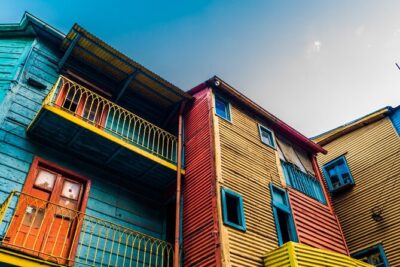
Best of Buenos Aires: Guided Sightseeing City Tour
Read our review →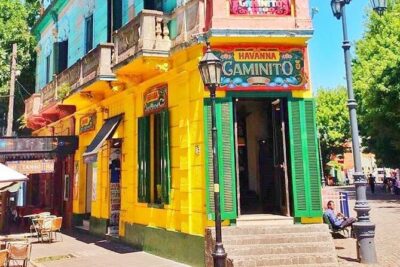
Private City Tour with a friend in Buenos Aires
Read our review →
Buenos Aires Private City Tour with Local Guide
Read our review →Browse the lists this tour appears in