
Reviewed · WALKING TOURS
Buenos Aires Hop-On Hop-Off Bus, Free Walking Tours & Discounts
See Buenos Aires before choosing where to linger. This hop-on hop-off route gives you a useful first look at a huge city, from Congreso and San Telmo to La Boca, Recoleta, Palermo, and the riverfront. I especially like the flexible 1, 2, or 3-day passes and the chance to ride the full circuit before deciding where to get off. The main drawback is practical: several stops can be hard to locate, and route changes or unclear stop numbers can cause real frustration.
I also like that the pass includes multilingual audio, optional walking tours, and discount vouchers that may help offset the $39 price. But I would not treat this as a polished guided sightseeing experience. The audio can be out of sync or cut off, buses may move slowly in traffic, and some stops have little or no clear signage.
In This Review
- Key points to know before you ride
- What the Buenos Aires bus actually offers
- Starting at Diagonal Norte and Congreso
- Paseo de la Historieta and San Telmo
- Usina del Arte, Bombonera, and Caminito
- Costanera Sur and Puerto Madero
- Galerías Pacífico, El Ateneo, and Plaza San Martín
- Floralis Genérica, MALBA, and the Palermo museums
- Parque de la Memoria, Monumental, and Barrio Chino
- Museo Nacional de Arte Decorativo, Recoleta, and Teatro Colón
- Is $39 good value?
- How to make the ride work better
- Who should book this bus?
- Should you book the Buenos Aires hop-on hop-off bus?
- FAQ
- How long does the full bus circuit take?
- What pass durations are available?
- Does the ticket include walking tours?
- Is food included?
- Can I change the duration of my existing ticket?
- What is the cancellation policy?
Key points to know before you ride
- The complete circuit takes about three hours: Ride the full loop first if you want a useful city orientation before choosing your stops.
- You get 27 listed locations: The route reaches central Buenos Aires, La Boca, Puerto Madero, Recoleta, Palermo, the stadium district, and northern neighborhoods.
- Passes last 1, 2, or 3 days: Your ticket begins when you activate it, so a late start may allow use over parts of two calendar days.
- Stop numbers can be confusing: The bus announcements and printed map have sometimes failed to match, so check the attraction and street address as well as the number.
- Walking tours use voluntary payment: These tours are optional, weather-dependent, and should be reconfirmed with the guide on the bus.
- The best value comes from hopping off: A single ride gives you an overview, but the pass earns its keep when you use it to visit several districts.
What the Buenos Aires bus actually offers
Buenos Aires is too spread out for most people to understand on foot in one short visit. This route helps connect areas that would otherwise require a mix of metro rides, taxis, and long walks.
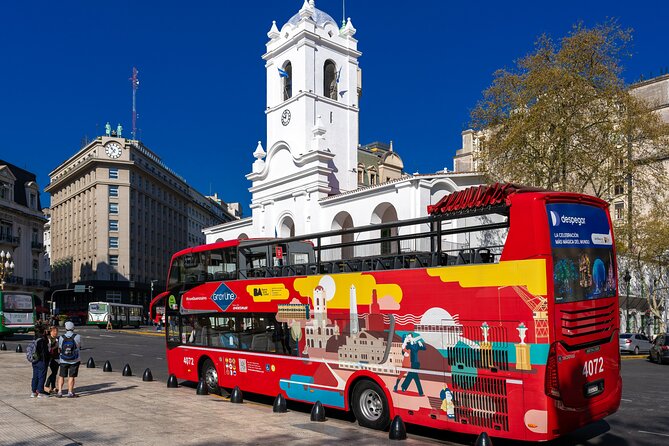
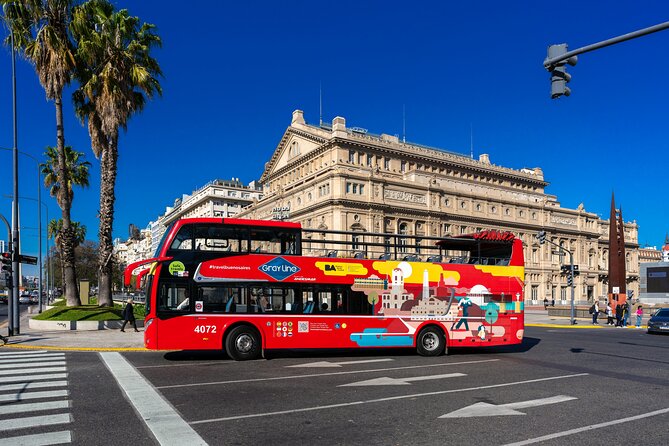
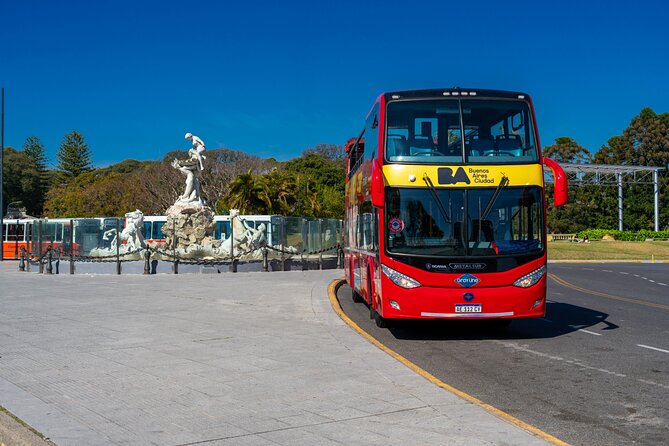
The buses are open-top double-deckers with air conditioning and a sunroof. The upper deck offers the best view for photographs, but the experience depends on the weather and traffic. The covered air-conditioned section at the front of the upper deck can be useful on hot days, although one account found the bus uncomfortably warm and another reported that staff would not lower the air conditioning.
You receive a multilingual audio guide. In practice, I would treat it as background help rather than a full live tour. The audio has been reported as difficult to hear, poorly synchronized with the route, and occasionally incorrect about stop numbers. Some passengers found that the commentary did not match the bus route, while others heard music instead of useful information.
That does not make the bus worthless. The route itself is the main attraction. You can watch the city change from grand civic buildings to colorful La Boca, then to polished Puerto Madero, leafy Recoleta, and the broad northern avenues. The bus gives you a sense of Buenos Aires as a collection of distinct neighborhoods rather than one single center.
More Walking Tours in Buenos Aires
- Buenos Aires: La Boca Guided Walking Tour in English
★ 4.8 · 1,587 reviews - La Boca Walking Tour
★ 5.0 · 1,029 reviews - Recoleta Cemetery Walking Tour
★ 5.0 · 668 reviews
Starting at Diagonal Norte and Congreso
The listed starting point is Av. Pres. Roque Sáenz Peña 728, known as Diagonal Norte. This central location is close to the Obelisco area and makes a sensible first boarding point if you are already in downtown Buenos Aires.
The next stop, Av. Rivadavia 1545, serves Congreso. Here you are near the National Congress building and the formal civic heart of the city. This is a useful place to begin a walking segment because broad avenues, grand façades, and busy public squares give you an immediate introduction to Buenos Aires architecture.
The first challenge appears here: finding the exact bus stop. Some locations are clearly marked, but others have no obvious sign. I recommend checking the street address, the map, and nearby landmarks instead of relying on the stop number alone.
Paseo de la Historieta and San Telmo
At Av. Independencia 311, the route reaches Paseo de la Historieta. This area celebrates Argentine comic characters and offers a lighter, more local break from the city’s monumental buildings.
Stop 3, at Av. San Juan 350, is listed as San Telmo and Plaza Dorrego. This is one of the most rewarding places to hop off. San Telmo is known for old streets, antique shops, cafés, and the historic square at its center. The bus can get you close, but the real pleasure comes from walking slowly here.
The included walking tours may add value in this part of the route. They are optional and operate on a voluntary payment system for the guide, so they are not truly free in the usual sense. Schedules can change, and the tour depends on weather and operating conditions. Ask the guide on board to confirm the time, then arrive at the correct stop.
Usina del Arte, Bombonera, and Caminito
The bus continues south to Av. Caffarena 51, Usina del Arte. This former power station is now a cultural center and concert venue. Its industrial setting makes it a different sort of stop from the central plazas and museums.
Next comes Brandsen 805, marked as Bombonera, the famous Boca Juniors football stadium. Even if you do not attend a match, the stadium district gives you a strong sense of the importance of football in Argentine life.
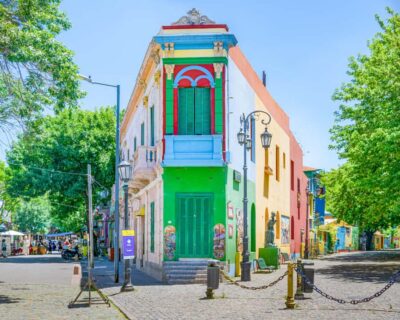
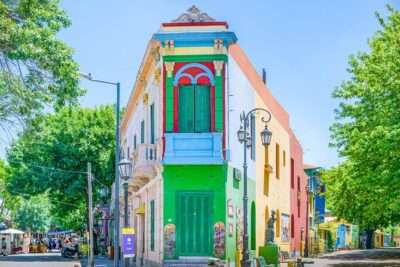
Av. Don Pedro de Mendoza 2163 serves La Boca and Caminito. This is one of the route’s major reasons to buy the pass. Caminito is known for brightly painted buildings, street art, tango displays, and a tourist-focused atmosphere. You should keep your expectations balanced: it is colorful and photogenic, but it is also one of the most commercial parts of the route.
The stop can be especially useful because La Boca is not next door to Recoleta or Palermo. Getting there independently takes more planning. One walking tour around this part of the route has been especially well received, but confirm the language and time before setting off. The walking tours are not guaranteed to operate in every language.
Still Argentina, but a completely different sort of afternoon:
- Local Foodie Adventure in Buenos Aires with Sherpa Food Tours
★ 5.0 · 6,875 reviews - Buenos Aires City Private Tour with Local Guide
★ 5.0 · 3,475 reviews - Buenos Aires Small-Group City Tour
★ 5.0 · 2,226 reviews - Buenos Aires: Piazzolla Tango Show with Optional Dinner
★ 4.4 · 2,122 reviews
Costanera Sur and Puerto Madero
The route uses two different Costanera Sur locations depending on the day. From Monday through Friday, Stop 7 is at Av. Dr. Tristán Achával Rodríguez 337. On Saturday and Sunday, it moves to Julieta Lanteri 1700.
This weekday and weekend change is easy to miss. Check the correct address before you leave, especially if you are planning a timed stop. Route changes have caused confusion, and the bus may not always follow the map exactly.
Stop 8 is Puerto Madero, at Av. Alicia Moreau de Justo 930. This former port district has wide walkways, modern buildings, restaurants, and water views. It offers a sharp contrast with San Telmo and La Boca. You can get off here for a meal or a waterfront walk, though food and drinks are not included in the ticket.
Puerto Madero is also a good place to use the bus as transportation rather than entertainment. After walking in the sun, boarding an air-conditioned bus can save your legs and help you reach the next part of town.
Galerías Pacífico, El Ateneo, and Plaza San Martín
The route returns toward the center at Estación Fluvial, on Cecilia Grierson 320. This stop is useful for the riverfront and nearby ferry connections, though the exact attraction you want may require additional walking.
Galerías Pacífico, at Av. Córdoba 787, is a grand shopping center with impressive interior decoration. It is a convenient central stop, especially in poor weather, but it is a shopping destination rather than a major historical site.
At Av. Callao 927, the bus reaches El Ateneo. This famous bookstore occupies a former theater and is one of the most distinctive stops on the route. You can step inside for the ornate ceiling, balconies, and stage setting, even if you are not looking to buy a book.
Plaza San Martín, at Av. Santa Fe 808, brings you into another elegant central district. The square and surrounding avenues are well suited to a short walk. This section of the route is also useful for connecting major sights that are spread across several blocks.
Floralis Genérica, MALBA, and the Palermo museums
The next group of stops follows Av. Pres. Figueroa Alcorta, a broad avenue lined with cultural attractions and open public spaces.
Floralis Genérica, at number 2800, is a large metal flower sculpture. It is an easy photo stop and a quick way to break up the bus ride.
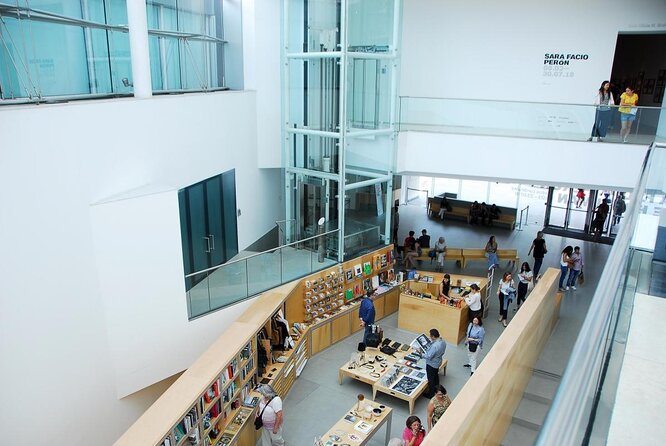
MALBA, at number 3465, is one of Buenos Aires’ major modern art museums. The bus does not include museum admission, but the stop makes it simple to build an art-focused afternoon into your pass.
The Planetario, at Av. Sarmiento 3866, offers a striking domed building in the Palermo area. The route then reaches Club de Pescadores on the Costanera, followed by Aeroparque, the city airport, on Av. Costanera Rafael Obligado. These stops show a different side of Buenos Aires, with open roads and riverfront views replacing dense central streets.
Traffic is the catch. The full circuit can take around three hours, and heavy traffic or frequent traffic lights can make the ride much longer than the route looks on a map. If you have a fixed museum reservation, allow plenty of extra time.
Parque de la Memoria, Monumental, and Barrio Chino
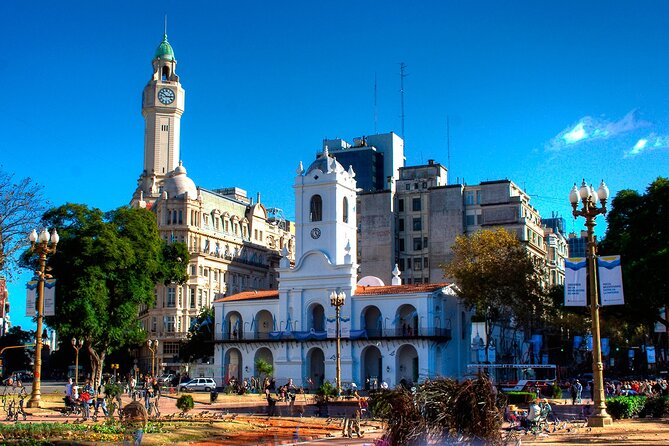
The northern section begins with Parque de la Memoria, at Av. Costanera Rafael Obligado 6745. This memorial park addresses Argentina’s period of state terrorism and is a serious, reflective stop. It is not a quick photo break. Give yourself time if you choose to get off.
The bus then reaches Monumental, the stadium associated with River Plate, at Av. Pres. Figueroa Alcorta 7576. Like Bombonera, this stop is most useful if football interests you.
Barrio Chino is at the junction of Avenida Virrey Vértiz and Echeverría. You can use this stop for restaurants, shops, and a change of pace from the city’s formal avenues.
Campo Argentino de Polo, at Av. del Libertador 4000, and Monumento a los Españoles, at number 3250, continue through Palermo. These stops are spread out, and some points of interest sit farther from the actual bus stop than you might expect. A map helps, but I would not plan to cover every nearby attraction in a short hop-off break.
Museo Nacional de Arte Decorativo, Recoleta, and Teatro Colón
The final stretch includes the Museo Nacional de Arte Decorativo at Av. del Libertador 1920. This museum is a good choice for visitors interested in decorative arts and grand interiors.
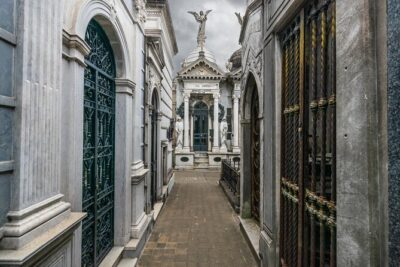
Recoleta follows at Av. del Libertador 1480. It is one of Buenos Aires’ best-known districts, with the famous cemetery, cafés, galleries, and elegant streets nearby. The bus stop gives you a practical starting point, but the area rewards a longer visit than the usual quick hop-off.
The final listed stop is Teatro Colón, at Cerrito 892. The theater is among the city’s key cultural landmarks. Its location also puts you close to the center, making it a convenient place to end your bus day or continue exploring independently.
The published route uses stop numbers from Stop 0 through Stop 25, while some announcements have been heard as one number ahead or behind. Match the address and attraction name to your map. This small habit can prevent a missed stop.
Is $39 good value?
At $39 per person, this is not the cheapest way to move around Buenos Aires. The metro and regular buses cost less, and walking is free. For a short visit, though, the value depends on how much ground you want to cover.
I see the strongest value in the one-day pass if you plan to visit distant areas such as La Boca, Puerto Madero, Recoleta, and Palermo. The bus saves you from arranging separate transport and gives you a broad view between stops.
The two- and three-day options make more sense if you want a relaxed pace. You can ride part of the route one day, return to the districts you liked, and use the included discount booklet at selected locations. The actual savings depend on which discounts you use, so I would not buy the longer pass solely for the vouchers.
The ticket begins when you first activate it. That means a late afternoon start may extend into part of the next calendar day, depending on the option and operating rules. If your schedule changes, cancel the current booking and make a new one to receive the correct QR code. Editing the original reservation may not produce an updated code.
How to make the ride work better
I would ride the entire circuit first if you have enough time. This takes about three hours and lets you see the city’s scale before committing to a neighborhood.
Use the bus as a link between districts, not as your only source of information. Download or keep the route map available, note the street address of your intended stop, and ask staff about current route conditions.
Bring water, sun protection, and patience. The upper deck offers the best views, but sun, rain, and wind can change the comfort level quickly. The lower or covered section is a better fallback in bad weather.
If you want the walking tour, confirm it on board and arrive at the correct stop. It is optional, payment is voluntary, and there is no refund if you choose not to take it.
The service allows service animals and is near public transportation. Most people can participate, but the long circuit, stair access to the upper deck, heat, and uncertain stop locations may not suit everyone.
Who should book this bus?
I would recommend it to first-time visitors with limited time, families who want a simple overview, and anyone who wants to compare neighborhoods before choosing where to spend a full day.
It is also useful for people who prefer not to navigate a large city alone. Drivers have been praised for handling traffic, and several accounts describe friendly, helpful staff and clean buses with frequent service.
I would be more cautious if you want a polished, fully narrated sightseeing tour. The audio quality and synchronization can be inconsistent, and the route may change without clear notice. If you already feel comfortable using public transportation, the metro and walking may give you more control and better value.
Should you book the Buenos Aires hop-on hop-off bus?
Book it if you want a broad first look at Buenos Aires and plan to use the bus for several substantial hops, especially to La Boca, Recoleta, Puerto Madero, and Palermo. The route covers a remarkable amount of ground, and the flexible pass can save time on a short visit.
Skip it if your plans focus on just one or two central districts, or if you dislike waiting in traffic and tracking poorly marked stops. In that case, walking and public transportation will likely be cheaper and more dependable.
My practical choice would be the one-day pass, activated early, with a full circuit first and only two or three carefully chosen stops afterward. That approach captures the bus’s best feature, its reach, while limiting the problems caused by traffic, unclear announcements, and changing stop locations.
FAQ
How long does the full bus circuit take?
The complete route takes approximately three hours, although traffic can make the ride longer.
What pass durations are available?
You can choose a 1-day, 2-day, or 3-day pass.
Does the ticket include walking tours?
It includes access to optional walking tours. The tours use a voluntary payment system for the guide, depend on weather and operating conditions, and should be reconfirmed with the guide on the bus.
Is food included?
No. Food and beverages are not included.
Can I change the duration of my existing ticket?
You should cancel the current reservation and create a new one if you want a different ticket duration. This is necessary because a new QR code is issued with the new reservation.
What is the cancellation policy?
You can receive a full refund if you cancel at least 24 hours before the experience start time. Cancellations or changes made less than 24 hours before the start time are not accepted for a refund.
Recently added around Buenos Aires
- Photo Session in Buenos Aires★ 5.0 · 26 reviews
- Your Personal Photographer in Buenos Aires★ 5.0 · 24 reviews
- Discover Buenos Aires’ independent art scene — Ticket included★ 5.0 · 30 reviews
- Your Private Photographer in Buenos Aires★ 5.0 · 4 reviews
- Yerba Mate Workshop – Learn to Drink Mate like a Local!★ 5.0 · 11 reviews
- Taste of Tradition: Yerba Mate & Alfajores Experience★ 4.0 · 5 reviews
- Wine tasting in OASIS Palermo★ 5.0 · 2 reviews
- Day Tour Classic★ 3.5 · 35 reviews
Walking Tours, compared.
German Footprint & Nazi presence – Walking Tour in Bariloche
Read our review →
Full Day Buenos Aires Private Walking Tour – Your Own Personal BA 101
Read our review →
Discover Buenos Aires: Walking Tour Through San Telmo & Center!
Read our review →
Nazis in Buenos Aires: a historical walking tour
Read our review →Browse the lists this tour appears in