
Reviewed · WALKING TOURS
2 hrs. Walking Tour in San Telmo & Market
San Telmo rewards slow walking. This $13, two-hour tour links colonial churches, Argentine history, Mafalda, the covered market, and the Sunday street fair in a compact route. I especially like the clear historical thread, from the Jesuits and the founding of Buenos Aires to the British invasions and national identity. I also like that the tour ends near both markets, so you can stay for lunch and browse at your own pace.
The main consideration is timing. The Sunday fair gives the neighborhood its fullest charge, but it can also mean crowds and a group of up to 30 people. Outdoor conditions matter too: one tour continued through heavy rain, while another guide adjusted stops to find shade during hot weather.
In This Review
- Key points to know before you book
- Why San Telmo makes a good first walk in Buenos Aires
- The Jesuit story at Iglesia de San Ignacio de Loyola
- Convento Santo Domingo and the making of Argentina
- Mafalda and the Paseo de la Historieta
- San Telmo Market: history before lunch
- The Sunday fair and the liveliest part of the route
- What the guides add to a low-cost tour
- Heat, rain, and the realities of a walking route
- Group size, pace, and who will enjoy it most
- Is $13 good value in Buenos Aires?
- Should you book the San Telmo walk?
- FAQ
- How long does the San Telmo walking tour last?
- What time does the tour start?
- Where does the tour begin?
- Where does the tour end?
- Does the tour include the San Telmo Sunday fair?
- What is the maximum group size?
- Can I cancel for a full refund?
Key points to know before you book
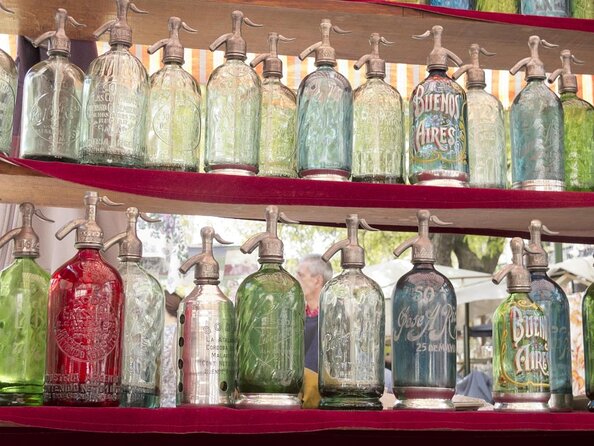
- Sunday is the best day to go: The route includes the traditional San Telmo street fair, with antiques, odd finds, gifts, and street activity.
- History comes before shopping: You begin with the Jesuits, colonial Buenos Aires, the British invasions, and the creation of Argentine national identity.
- Mafalda adds a lighter note: The Paseo de la Historieta brings Argentine comic characters into the streets, including the famous little girl Mafalda.
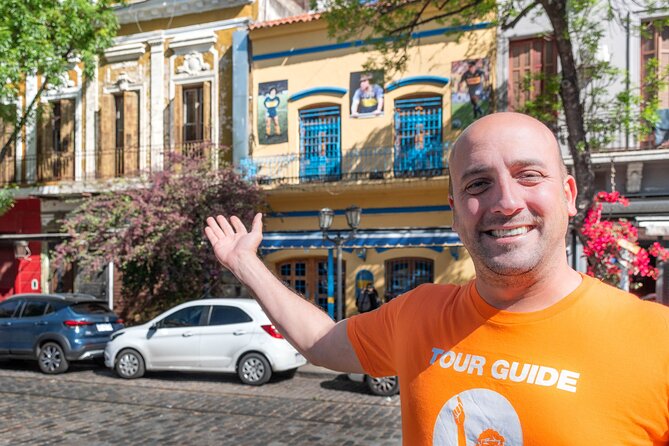
- Guides are a major strength: Juan and Santiago are praised for lively storytelling, clear English, humor, and useful local advice.
- The finish is practical: You end by San Telmo church, half a block from the street fair and two blocks from the food market.
- Expect a simple walking tour: Admission to each stop is free, but the experience is outdoors and weather can change the feel of the day.
Why San Telmo makes a good first walk in Buenos Aires
San Telmo is one of the best areas in Buenos Aires for learning how the city grew. It brings several parts of the city together in a small area: colonial churches, military history, popular culture, food, antiques, and Sunday street life.
I like this route because it does not treat San Telmo as just a market district. The market is a major draw, but the churches and monuments explain why the neighborhood matters. You get a quick introduction to the city’s early years before moving into more familiar pleasures such as comic characters, food stalls, and old objects for sale.
The tour begins at 11 a.m. at Bolívar 225. That start time works especially well on Sunday, when the fair is active and the neighborhood is ready for a long afternoon. Since the tour lasts about two hours, you can finish around 1 p.m. and remain in the area for lunch or more browsing.
This is also a good orientation walk early in a Buenos Aires visit. You will not see every corner of San Telmo, but you will understand the main sights and have a useful sense of where to return.
More Walking Tours in Buenos Aires
- Buenos Aires Hop-On Hop-Off Bus, Free Walking Tours & Discounts
★ 4.5 · 2,218 reviews - Buenos Aires: La Boca Guided Walking Tour in English
★ 4.8 · 1,587 reviews - La Boca Walking Tour
★ 5.0 · 1,029 reviews
The Jesuit story at Iglesia de San Ignacio de Loyola
The first stop is Iglesia de San Ignacio de Loyola, where the guide introduces colonial Buenos Aires, the Jesuits, and the founding of the city. Admission is free, and the stop lasts about 15 minutes.
The value here is the setting. Instead of hearing a general lecture in a plaza, you begin beside one of the city’s early religious landmarks. The discussion gives you a framework for understanding Buenos Aires before the modern avenues, cafés, and grand civic buildings took over.
A strong guide makes this short stop count. Matthias M. was praised for linking political events with cultural changes and for helping you picture earlier Buenos Aires. That sort of storytelling is useful here because the physical stop is brief. You are not spending hours inside the church. You are getting the background needed to read the neighborhood with more attention.
I would not book this tour expecting a detailed architectural study of Iglesia de San Ignacio de Loyola. The focus is the story of colonial Buenos Aires and the Jesuits. If you enjoy seeing how a place connects to larger events, this opening should be one of the better parts of the walk.
Convento Santo Domingo and the making of Argentina
The second stop, Convento Santo Domingo, lasts about 20 minutes. Here the guide explains the British invasions of Buenos Aires and how those attacks helped shape a national identity.
This is one of the more useful history stops because it moves beyond dates and names. The story connects a local building with the development of Argentina as a country. You also learn about the grave of Manuel Belgrano, the creator of the Argentine flag, and the meaning behind its history and colors.
For me, this is the point where the tour becomes more than a pleasant neighborhood stroll. San Telmo is full of attractive old buildings, but the guide gives them a role in the story. You begin to see the district not just as an old quarter, but as a place where military events, politics, religion, and national symbols overlap.
The guide’s delivery matters. Juan is repeatedly praised for being energetic, funny, clear, and easy to follow. He also uses a small speaker and microphone, which helps in a group setting. That is a practical benefit when up to 30 people are present.
A group of that size can still feel crowded around a church or monument. One rating specifically found the group too large, so you should be realistic. This is a shared walking tour, not a private conversation with a historian.
Mafalda and the Paseo de la Historieta
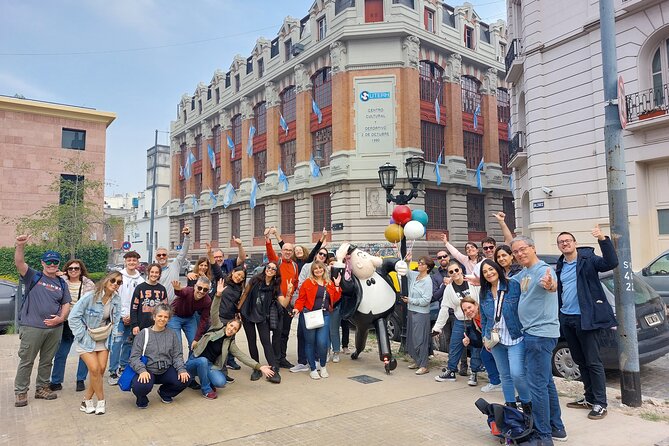
The third stop shifts from national history to Argentine popular culture. At the Paseo de la Historieta, you see comic characters represented in the streets of San Telmo, including Mafalda.
Mafalda is the best-known figure on this route, and she gives the walk a welcome change of pace. After churches, invasions, and national identity, you get a more playful look at how Argentines see themselves and their society.
I like this stop because it makes the neighborhood feel lived in. The characters are not confined to a museum display. They appear as part of the public streets, giving you an easy photo stop and a small window into Argentine comic culture.
The stop lasts about 20 minutes. That is enough time to see the main figures and hear why the comic walk matters, but not enough for a full survey of Argentine comics. If you are coming mainly for Mafalda, keep your expectations in check. The tour uses her as one part of the San Telmo story, not as its sole subject.
For families, this is likely the easiest part of the tour to enjoy together. Children may not follow every detail about colonial government or military history, but a recognizable comic character gives the route a clear, memorable marker.
Still Argentina, but a completely different sort of afternoon:
- Local Foodie Adventure in Buenos Aires with Sherpa Food Tours
★ 5.0 · 6,875 reviews - Buenos Aires City Private Tour with Local Guide
★ 5.0 · 3,475 reviews - Buenos Aires Small-Group City Tour
★ 5.0 · 2,226 reviews - Buenos Aires: Piazzolla Tango Show with Optional Dinner
★ 4.4 · 2,122 reviews
San Telmo Market: history before lunch
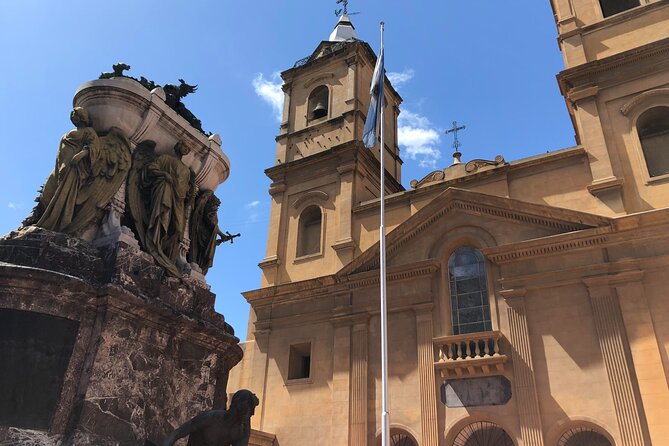
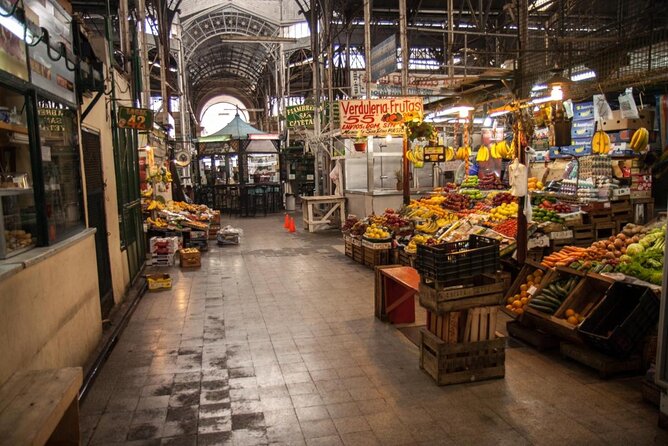
The Mercado San Telmo stop takes about 20 minutes. The guide explains the food market’s history and character, then finishes the tour close enough for you to return for lunch.
This arrangement is smart. You get an introduction before deciding how much time you want to spend inside. The market is not treated as a rushed final photo stop. Instead, it becomes a practical recommendation for what to do after the guided portion ends.
The market can be especially useful if you are still learning how Buenos Aires eats and shops. You might find food counters, old-style stalls, and a mix of local browsing and sightseeing, but the supplied details do not promise a particular restaurant or dish. That is a good reason to use the tour as an introduction and make your own choice afterward.
There is one important caution. One lower-rated experience reported that the covered market was not visited as expected. Weather, operating conditions, timing, or the day’s route may affect how much time you get there. If seeing the indoor market is your main reason for booking, confirm the current plan before setting your expectations too high.
The location is still convenient. The tour ends only two blocks from the food market, so you can return even if the guided stop is shorter than hoped.
The Sunday fair and the liveliest part of the route
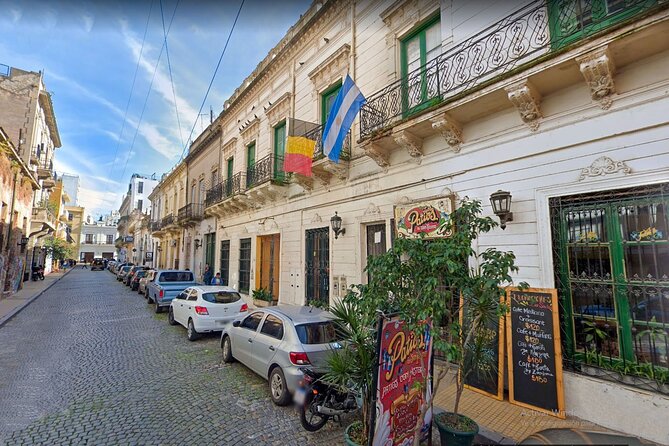
The final stop is the Feria de San Telmo, the traditional Sunday street fair. The walk covers about 20 minutes of the fair, ending near San Telmo church at Humberto 1º 340.
This is the part I would plan around. San Telmo’s Sunday fair adds movement, noise, shopping, and people to the historic setting. You might find antiques, small gifts, old license plates, and international currencies. One participant bought an old license plate and foreign currencies as family gifts, which gives you a sense of the fair’s pleasantly odd mix.
The fair also rewards lingering. Twenty minutes with a guide is enough to understand its place in the neighborhood, but it is not enough to browse every stall. Since the tour ends half a block from the street market, you can continue on your own without having to retrace the whole route.
Sunday has a trade-off. It offers the most atmosphere, but it can also bring larger crowds and make it harder to stay close to the guide. If you prefer a quieter walk, the fair may feel like too much. If you want to see San Telmo as a social event rather than a museum district, Sunday is the clear choice.
The route ends near the church of San Telmo, the street market, and the food market. That makes the finish more useful than a random endpoint. You can eat, shop, or continue exploring without losing time on transport.
What the guides add to a low-cost tour
At $13 per person, the price is low enough that the guide is the real product. The churches, market, comic figures, and fair are all public places. What you are paying for is structure, explanation, and a local voice that helps the area make sense.
Juan receives especially strong praise for his humor, enthusiasm, clear communication, and storytelling. He has also offered restaurant tips at the end, which can be useful if you plan to stay in San Telmo for lunch. Santiago is also praised by a returning participant who had taken another Buenos Aires walk with him and found the experience just as strong.
The English appears to be clear and easy to follow. A microphone and small speaker have helped groups hear the guide, particularly when the route is busy. A family that arrived late also found the guide helpful in getting them back into the group.
There is some variation from guide to guide. One French-language rating described the guide as less open to questions, so do not assume every guide will have the same style. Most of the praise centers on storytelling rather than a highly interactive format.
That distinction matters. If you want constant questions, a private guide, or a specialist in architecture, this may feel basic. If you want a friendly person to explain what you are seeing while keeping the walk moving, the format offers strong value.
Heat, rain, and the realities of a walking route
This is an outdoor tour, and weather can shape the experience. One guide managed a very hot day by stopping in shaded spots. Another handled heavy rain after a severe storm, though the outdoor market was only partly open.
You should arrive ready to walk in whatever conditions the day brings. The tour details say most people can participate, and the route is near public transport, but no special indoor alternative is promised. That means the market and fair may not look the same in bad weather.
The 11 a.m. start can also mean warmth, especially in summer. The advantage is that you reach the market around lunchtime. The disadvantage is that two hours outdoors may feel tiring if the day is hot or wet.
Wear comfortable shoes and bring whatever protection the forecast calls for. This is basic advice, but it matters more here than on a museum visit. The walk includes several stops, transitions between streets, and time around open-air activity.
Group size, pace, and who will enjoy it most
The maximum group size is 30. That keeps the price down, but it can make narrow streets, church entrances, and busy fair areas harder to manage. One rating specifically criticized the group size, while several others felt the two hours passed quickly.
I would recommend this for first-time visitors who want a clear introduction to San Telmo without spending half a day on a formal tour. It also suits couples, solo visitors, families, and friends who want both history and street life.
It is a particularly good fit if you:
- Want colonial and national history explained in plain English
- Plan to visit San Telmo on a Sunday
- Like guided context but still want free time afterward
- Want a low-cost way to orient yourself before lunch
- Enjoy a mix of churches, comics, markets, and street stalls
I would be more cautious if you dislike groups, need a quiet pace, or want guaranteed extended time inside the covered market. You may also prefer another option if rain or intense heat would ruin an outdoor walk for you.
Is $13 good value in Buenos Aires?
Yes, provided you use the tour as an introduction rather than a complete San Telmo experience. At $13, you receive two hours of guided context across five different stops, with no separate admission charges listed for those stops.
The value comes from the sequence. You move from the Jesuits and the city’s founding to the British invasions, Manuel Belgrano, Mafalda, the food market, and the Sunday fair. Doing that alone is possible, but you would need to research the sites and decide how they fit together.
The tour also saves you from wandering past important places without knowing why they matter. That structure was especially valuable to one family, which found that the walk gave shape to an area that might otherwise have been simple wandering.
The 5-star rating from 277 reviews and recommendation by 99 percent of participants point to a very dependable experience, especially for the price. Still, the lower ratings identify fair limits: a group can be too large, questions may not always get much attention, and the market portion may vary.
Free cancellation is available if you cancel at least 24 hours before the 11 a.m. start time. Changes or cancellations inside that window are not accepted for a refund.
Should you book the San Telmo walk?
I would book this tour if you can schedule it on a Sunday and want a short, affordable introduction to one of Buenos Aires’s most characterful districts. The strongest reasons are the excellent guide feedback, the smart route, and the finish near both places where you will likely want to eat and browse.
Book it early if your dates are fixed. The experience is booked an average of 26 days ahead, suggesting that popular Sunday times can fill before your arrival.
I would skip it only if you want a private or highly specialized tour, or if the covered food market is your one must-see stop. For everyone else, this is a practical way to connect San Telmo’s old churches, national story, comic culture, and Sunday fair before exploring on your own.
FAQ
How long does the San Telmo walking tour last?
The tour lasts approximately two hours.
What time does the tour start?
The tour starts at 11 a.m.
Where does the tour begin?
The meeting point is Bolívar 225, C1091 Buenos Aires, Argentina.
Where does the tour end?
The tour ends at Humberto 1º 340, near San Telmo church. It is half a block from the street market and two blocks from the food market.
Does the tour include the San Telmo Sunday fair?
Yes. The route includes the Feria de San Telmo, a traditional street fair held every Sunday.
What is the maximum group size?
The tour can have a maximum of 30 participants.
Can I cancel for a full refund?
Yes. You can cancel at least 24 hours before the experience starts for a full refund. Cancellations made less than 24 hours before the start time are not refunded.
More Shopping Tours in Buenos Aires
- Buenos Aires Shopping Tour
★ 4.5 · 14 reviews - Vintage and Thrift Shopping Tour in BA
★ 5.0 · 3 reviews
More Markets in Buenos Aires
- Buenos Aires: San Telmo and Market Guided Walking Tour
★ 4.8 · 102 reviews - Private Market Tour and Cooking Class in San Telmo with Gabriela
★ 5.0 · 2 reviews
Recently added around Buenos Aires
- Photo Session in Buenos Aires★ 5.0 · 26 reviews
- Your Personal Photographer in Buenos Aires★ 5.0 · 24 reviews
- Discover Buenos Aires’ independent art scene — Ticket included★ 5.0 · 30 reviews
- Your Private Photographer in Buenos Aires★ 5.0 · 4 reviews
- Yerba Mate Workshop – Learn to Drink Mate like a Local!★ 5.0 · 11 reviews
- Taste of Tradition: Yerba Mate & Alfajores Experience★ 4.0 · 5 reviews
- Wine tasting in OASIS Palermo★ 5.0 · 2 reviews
- Day Tour Classic★ 3.5 · 35 reviews
Walking Tours, compared.
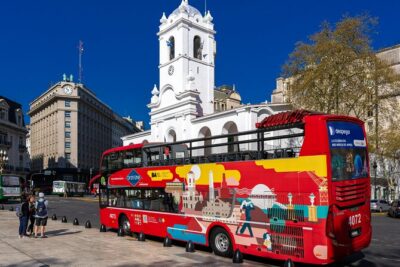
Buenos Aires Hop-On Hop-Off Bus, Free Walking Tours & Discounts
Read our review →
German Footprint & Nazi presence – Walking Tour in Bariloche
Read our review →
Full Day Buenos Aires Private Walking Tour – Your Own Personal BA 101
Read our review →
Discover Buenos Aires: Walking Tour Through San Telmo & Center!
Read our review →
Nazis in Buenos Aires: a historical walking tour
Read our review →Browse the lists this tour appears in