
Reviewed · WALKING TOURS
Nazis in Buenos Aires: a historical walking tour
History still speaks from Buenos Aires streets. This $25 walking tour connects the city’s wartime past with the Holocaust, Nazi fugitives, Peronist politics, and the Jewish community’s long struggle for safety and recognition. Led in English by Max, a history teacher from the University of Buenos Aires, it uses real city locations instead of a classroom slideshow. I especially like the careful treatment of disputed claims and the way photographs and graphics help place old events in today’s streets. The main drawback is that this is a serious, discussion-led tour, not a light sightseeing stroll.
I also like the route’s range. You move through Recoleta, Retiro, and Microcentro, seeing a famous stadium, historic buildings, a museum, and memorial sites along the way. Max’s measured style is a major asset: he explains what is known, separates evidence from rumor, and is willing to say when a point remains uncertain. If you want a simple focus on Nazi fugitives alone, the tour may spend more time than expected on Argentine politics and the Jewish community.
In This Review
- Key points to know before booking
- Why this Buenos Aires walk matters
- Meeting Max near the Monument to Juana Azurduy
- Luna Park and the memory of a 15,000-seat crowd
- ABC Restaurant and the Eichmann story
- The National Arms Museum and the role of institutions
- Palacio San Martin and the diplomatic setting
- Italian Circle of Buenos Aires and community connections
- Recoleta, Retiro, and Microcentro as historical evidence
- The former Israeli Embassy memorial
- Max’s teaching style and the value of evidence
- Price, timing, and practical comfort
- Who should book this experience?
- Should you book the Nazis in Buenos Aires tour?
- FAQ
- How much does the tour cost?
- How long does the walking tour last?
- What language is the tour conducted in?
- Where does the tour begin?
- How will I identify the guide?
- Where does the tour finish?
- Is entry to Luna Park included?
- Are other attraction tickets included?
- What should I bring?
- Is the tour suitable for children or wheelchair users?
Key points to know before booking
- A 2.5-hour history walk: Expect sustained discussion, several stops, and roughly 20 minutes at the main locations.
- Max leads in English: His teaching background helps him answer questions for people with very different levels of World War II knowledge.
- The route covers three central districts: Recoleta, Retiro, and Microcentro give the history a strong urban setting.
- Adolf Eichmann is part of the story: You hear about the coffee stop linked to Eichmann and the spy-like work that led to his identification and capture.
- Several key sites are viewed from outside: Admission to Luna Park, Casa Rosada, and the Libertad Synagogue is not included.
- Best for adults and older children: The tour is not suitable for children under 10 or wheelchair users, and comfortable shoes are important.
Why this Buenos Aires walk matters
The phrase Nazis in Buenos Aires can sound like a sensational headline. The strength of this experience is that it does not treat the subject as a collection of lurid stories. Instead, it asks harder questions: How did Nazi war criminals reach Argentina after 1945? Did officials know they were arriving? Was migration tolerated, organized, or promoted by parts of the government? What did the Jewish community face in Buenos Aires during and after the war?
You will also examine the presidency of Juan Domingo Perón, one of Argentina’s most important twentieth-century political figures. That matters because the story cannot be reduced to a single villain or a single government decision. Argentina’s politics, immigration policies, international relationships, antisemitism, and postwar power struggles all form part of the discussion.
I would bring at least a basic understanding of World War II and the Holocaust. You do not need to be a specialist, and Max is happy to answer questions about Nazism, Judaism, the war, and Argentine history. Still, the more background you have, the more you will get from the finer points.
More History Tours in Buenos Aires
- Historical Sherpa Food Tour of San Telmo with Street Food, Drinks
★ 5.0 · 920 reviews - San Telmo: Historical Guided Tour with Street Food & Drinks
★ 5.0 · 87 reviews - Buenos Aires: La Boca Art and History Walking Tour
★ 4.8 · 55 reviews
Meeting Max near the Monument to Juana Azurduy
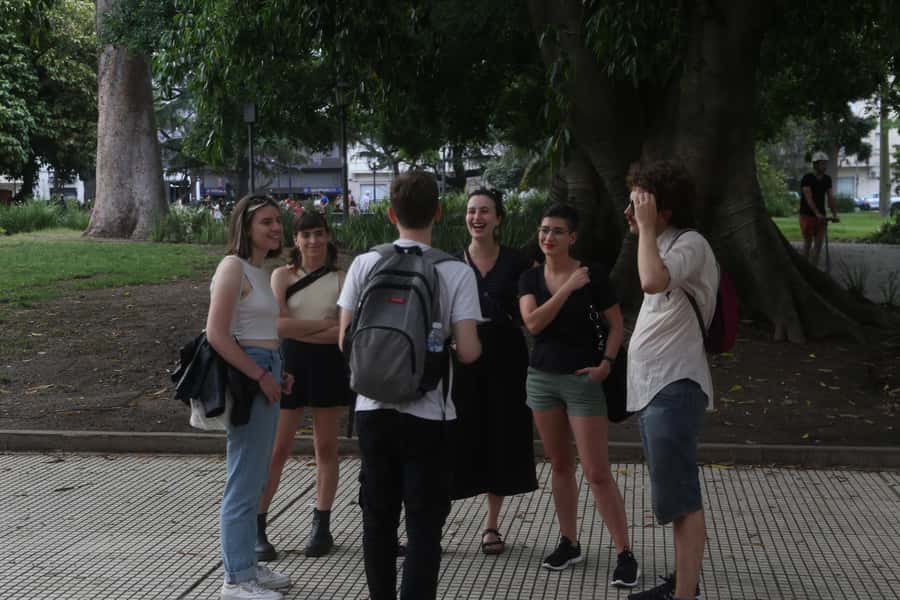
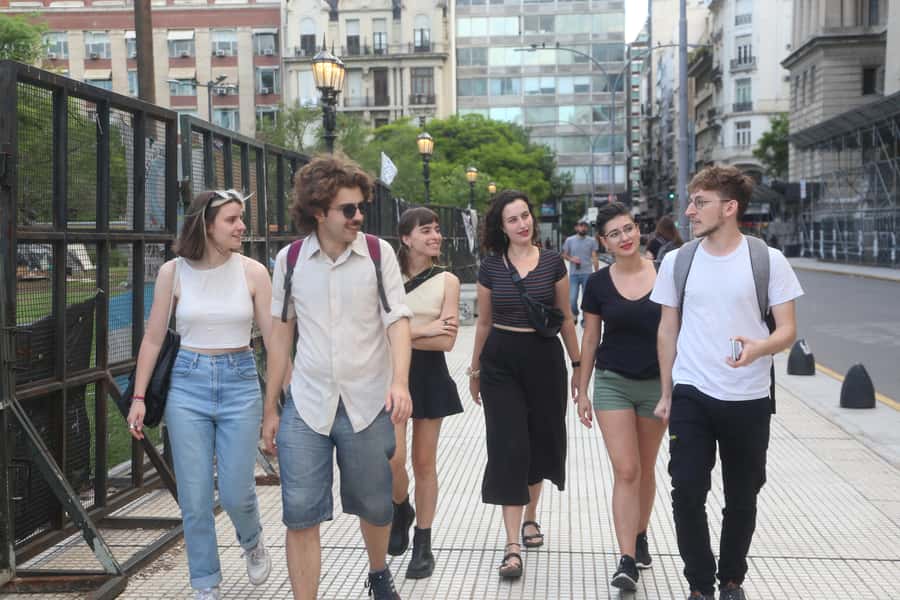
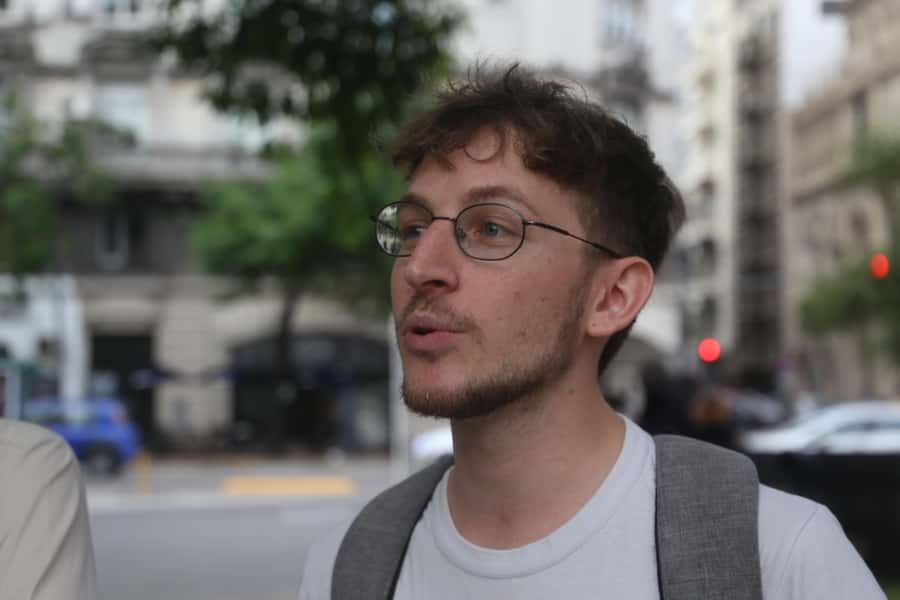
The walk begins a few meters from the Monument to Juana Azurduy, near the benches facing Palacio Libertad, formerly known as the CCK. Max wears a black cap, which makes him easier to spot in this open city setting.
This is a useful starting point because Max can establish the basic timeline before the group begins moving. He sets up the prewar and postwar context, then lets each location add another piece. That approach is better than rushing straight to famous names. You first understand the political and social setting that made later events possible.
The pace appears designed for explanation rather than exercise. You will spend about 20 minutes at several stops, with walking between them. A 10-minute pause is included for the restroom, but I would still use the facilities before meeting if you prefer not to break the rhythm.
Luna Park and the memory of a 15,000-seat crowd
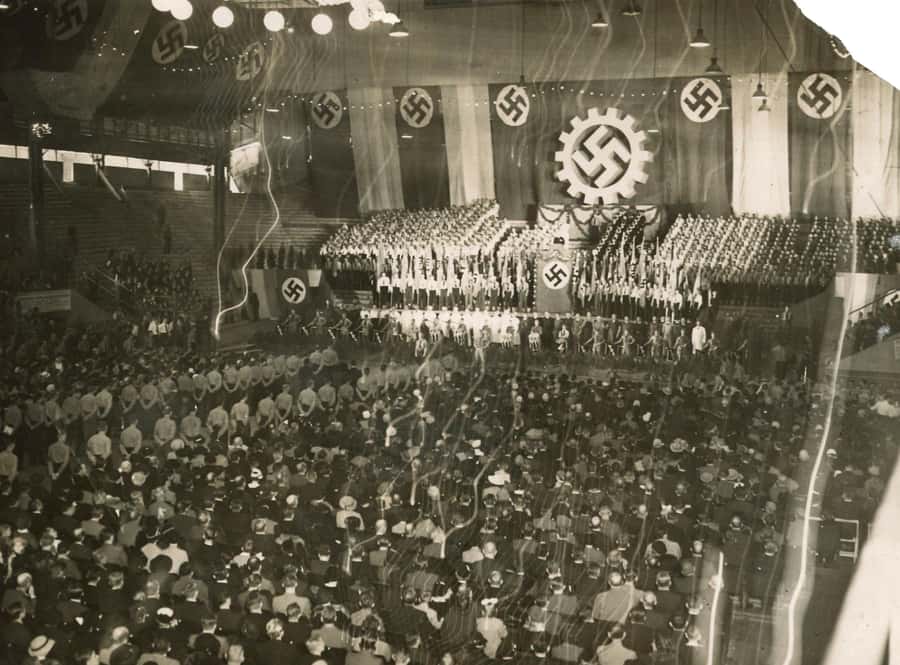
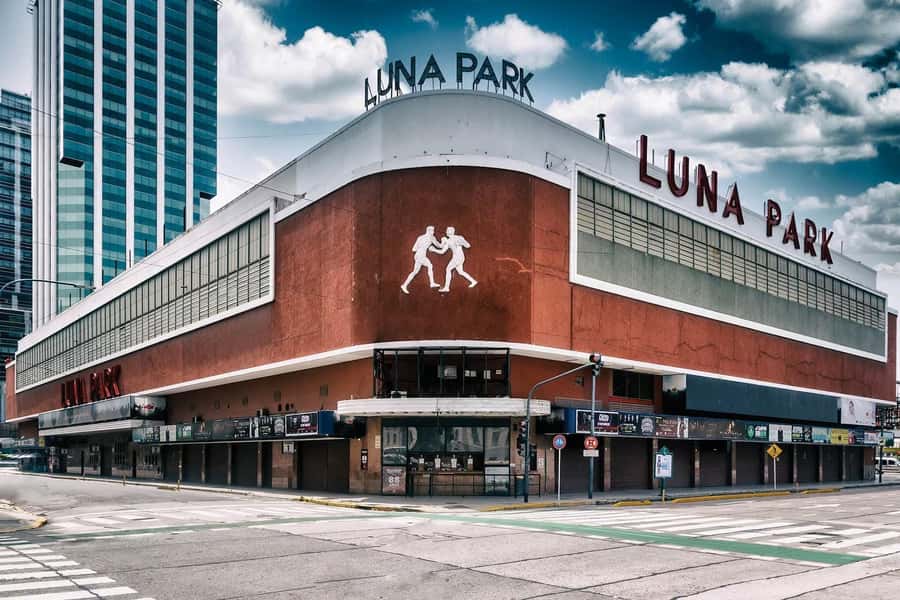
Luna Park is one of the tour’s most striking locations. The still-operational stadium is connected to a Nazi meeting attended by 15,000 people, giving you a physical sense of the scale involved.
You will not simply hear a number and move on. The size of the venue helps frame the discussion about organized political activity in Buenos Aires. A meeting of that scale raises questions about public visibility, local networks, and how openly extremist ideas could be expressed.
Luna Park is also a practical point to understand before booking. Entry to the stadium is not included, so expect to see and discuss the site from the outside rather than take an interior tour. If you hoped to explore the building itself, this may feel limited. If you care more about the historical event than a venue visit, the stop works well.
ABC Restaurant and the Eichmann story
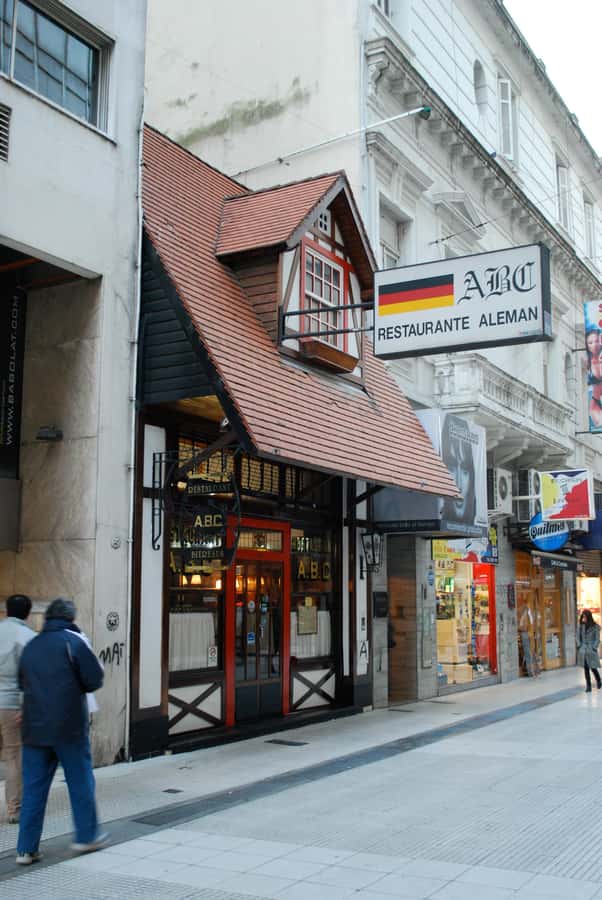
The ABC Restaurant stop brings the tour down to a more personal scale. Here you learn about the place where Adolf Eichmann sat for a cup of coffee, part of the story of how one of the most wanted Nazi war criminals lived in Buenos Aires after the war.
The power of this stop comes from the ordinary setting. A café or restaurant is not a fortress or a battlefield. The idea that Eichmann could sit down for coffee in the city makes the postwar escape story feel close and unsettling.
Max also explains the investigation that led to Eichmann’s identification and capture. The account has a spy-like quality, but the guide’s approach is not simply theatrical. The larger value is understanding how information was gathered, how identities were checked, and why the case became so important.
This is one of the places where a good guide matters most. The story contains many names, dates, claims, and political arguments. Max’s habit of separating firm evidence from uncertain details helps keep the subject grounded.
More Walking Tours in Buenos Aires
- Buenos Aires Hop-On Hop-Off Bus, Free Walking Tours & Discounts
★ 4.5 · 2,218 reviews - Buenos Aires: La Boca Guided Walking Tour in English
★ 4.8 · 1,587 reviews - La Boca Walking Tour
★ 5.0 · 1,029 reviews - Recoleta Cemetery Walking Tour
★ 5.0 · 668 reviews
The National Arms Museum and the role of institutions
At the Museo de Armas de La Nación Tte. Gral. Pablo Riccheri, the discussion broadens from individuals to institutions. The museum is tied to Argentina’s military tradition, making it a suitable place to consider the links between armed forces, state power, international politics, and postwar immigration.
The stop is not described as a full museum visit, and entry is not listed as part of the experience. You should think of it as an outdoor historical stop connected to the surrounding institutions and the stories Max tells.
This section may appeal to you if you want more than a list of Nazi fugitives. It helps explain why the Argentine government and military establishment matter to the debate. It also shows why simple claims about Argentina as a refuge can miss important distinctions between official policy, individual decisions, political sympathy, and later attempts to hide or deny responsibility.
Palacio San Martin and the diplomatic setting
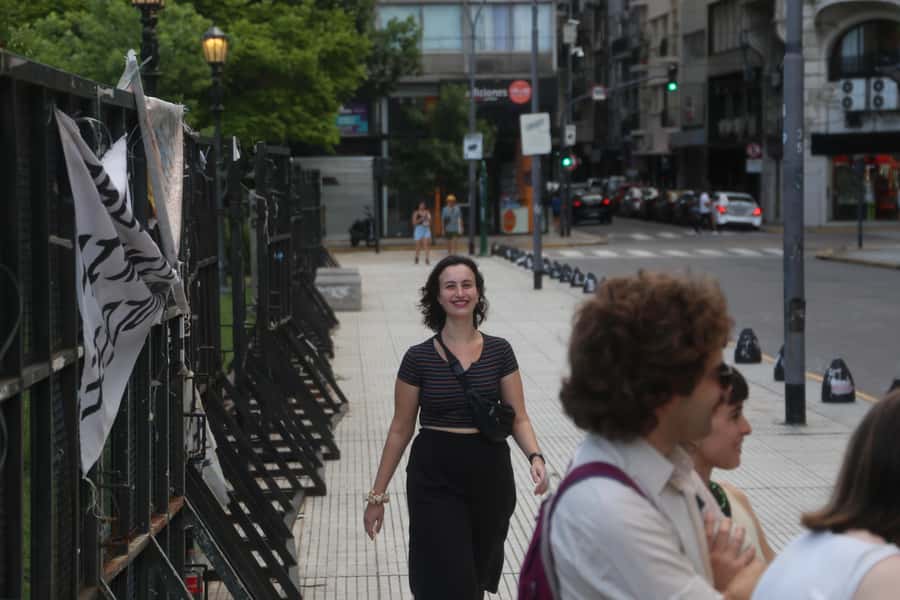
Palacio San Martin adds a diplomatic layer. At this stop, the route connects wartime and postwar Argentina with the international relationships that shaped how the country presented itself and dealt with foreign powers.
The building gives the conversation an appropriate backdrop. Diplomatic history can feel abstract when it is explained only through dates and documents. Here, you are standing in a district where government, foreign policy, and elite institutions are visible in the streets around you.
This is also where the tour’s wider political focus becomes clear. If you booked expecting every minute to center on Nazi fugitives on the run, you may find this section less direct. I think it earns its place because the central question is not only how people arrived in Argentina, but how the country fit into the postwar world.
Italian Circle of Buenos Aires and community connections
The Italian Circle of Buenos Aires provides another setting for discussing migration, community life, and political networks. The stop helps you consider how European identity groups operated in the city and how ideas and loyalties traveled through social organizations.
You will also hear more about the Jewish community in Buenos Aires, described as the second largest in the whole continent. That context is essential. The story is not just about Nazi immigration. It is also about the people already living in Argentina, the pressures they faced, and the ways the country’s Jewish life was affected by global events.
This part of the walk may be especially useful if your interest extends beyond Nazi history. Max places the subject within Argentine history, including the country’s changing politics and the long-term effects on Jewish life. The result is a less narrow and more honest account.
Recoleta, Retiro, and Microcentro as historical evidence
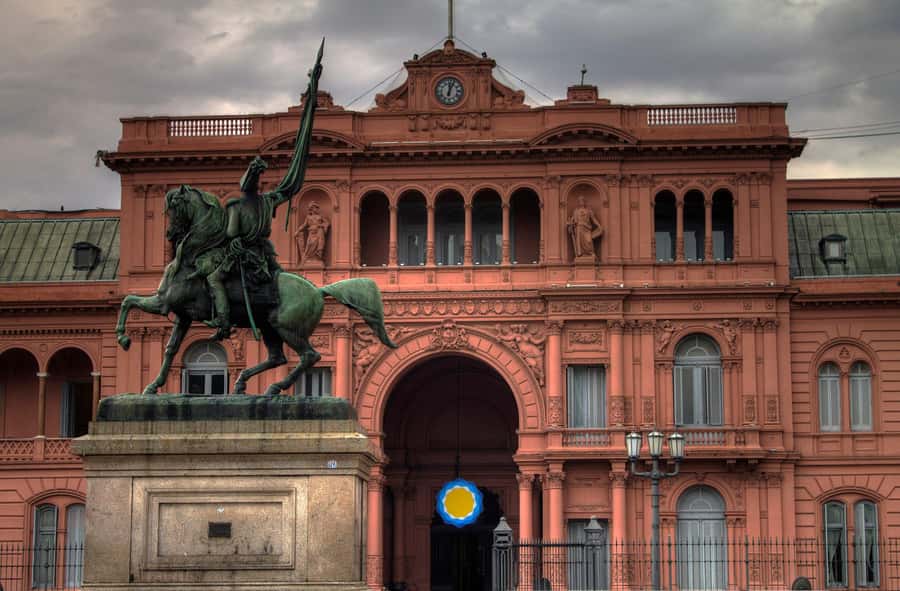
The route crosses three central Buenos Aires districts: Recoleta, Retiro, and Microcentro. These are not random sightseeing zones added to fill time. They let you see how the story touches different parts of the capital.
You pass grand civic and diplomatic buildings, active public spaces, and locations tied to political and community life. The city continues around you while the guide explains events from decades earlier. That contrast gives the tour much of its force.
Do not expect a traditional architectural walk with long pauses for every monument. The buildings are backdrops for the history, and the information takes priority. If you want a slower look at façades and interiors, schedule a separate city walk. If you like learning why a place matters, this route should suit you.
The former Israeli Embassy memorial
The walk ends at Plaza Embajada de Israel, the memorial site of the former Israeli embassy. This location marks the worst terrorist attack in the history of Latin America, giving the tour a painful connection between twentieth-century European extremism, Argentine antisemitism, and later violence.
The ending is deliberately serious. It brings the discussion forward from Nazi fugitives and postwar politics to the danger of forgetting how hatred develops and how old ideologies can take new forms. The memorial is not simply a final photo stop. It asks you to connect the historical material with the present.
The information provided for the meeting point is slightly inconsistent: the route description identifies Plaza Embajada de Israel as the finish, while another note says the activity ends back at the meeting point. I would confirm the exact end location when booking, especially if you have a dinner reservation or another timed activity afterward.
Max’s teaching style and the value of evidence
Max is the central reason this tour works. He is described as friendly, passionate, and highly prepared, but his most useful quality is his care with sources. He supports stops with photographs and graphics, answers questions, and avoids pretending that every disputed point has a neat answer.
That balance matters with a subject that attracts myths. You will hear about Nazis who immigrated after 1945, government knowledge, Perón, Eichmann, Jewish life, and neo-Nazi violence in the 1960s. Those subjects can easily become a simple good-versus-evil lecture. Max instead presents competing interpretations and explains where the evidence is stronger or weaker.
The tour also welcomes participation. You can ask about Judaism, Argentina, the war, or political history, even if those questions take the conversation beyond the headline topic. If you prefer a silent walk with short facts, this may feel too much like a street seminar. If you enjoy questions and context, it offers strong value.
Price, timing, and practical comfort
At $25 per person, the walk is fairly priced for two and a half hours with an English-speaking specialist guide. You are paying for research, explanation, and access to a coherent story, not for admission tickets or a vehicle.
The included experience is a walking tour and guide. Entry to Casa Rosada, Libertad Synagogue, and Luna Park is not included, so budget separately if you plan to visit those places on your own. The tour is listed at two and a half hours, although the included description also refers to two hours. Plan your schedule around the longer figure.
Wear comfortable shoes and bring water. The route uses public city streets, and the stop-by-stop format means you will be standing as well as walking. Children under 10 are not accepted, and the tour is not suitable for wheelchair users.
You can reserve now and pay later, which helps if your Buenos Aires plans are still shifting. Cancellation is free up to 24 hours in advance for a full refund. Starting times vary, so check availability before building the tour into your day.
Who should book this experience?
I would choose this walk if you enjoy modern history, political questions, Jewish history, or guided city walks with a serious purpose. It is particularly useful early in a Buenos Aires visit because it gives you a stronger framework for understanding Perón, Argentina’s international role, and the city’s Jewish community.
It also suits people who have already seen the usual central-city sights and want a different angle. The route visits familiar districts, but the subject changes how you read them.
I would hesitate if you are traveling with young children, need step-free access, or want a relaxed sightseeing outing. The topic includes terrorism, the Holocaust, Nazi war criminals, and neo-Nazi violence. It deserves attention and may be emotionally difficult.
Should you book the Nazis in Buenos Aires tour?
Book it if you want a carefully argued, place-based history lesson and are willing to spend 2.5 hours listening, walking, and asking questions. Max’s preparation, clear English, visual material, and willingness to admit uncertainty give the tour unusual credibility.
Skip it if you only want a quick account of Nazi fugitives or prefer attractions with interior access. For anyone interested in Argentina’s complicated twentieth century, though, this is one of the better uses of $25 in Buenos Aires. You leave with more than a collection of dark anecdotes. You gain a sharper sense of how politics, memory, immigration, and antisemitism can shape a city.
FAQ
How much does the tour cost?
The tour costs $25 per person.
How long does the walking tour last?
The advertised duration is 2.5 hours. Another activity detail refers to a two-hour walking tour, so planning for the longer duration is safest.
What language is the tour conducted in?
The live tour guide speaks English.
Where does the tour begin?
It begins a few meters from the Monument to Juana Azurduy, by the benches facing Palacio Libertad, formerly known as the CCK.
How will I identify the guide?
Max wears a black cap and waits by the benches facing Palacio Libertad.
Where does the tour finish?
The route description identifies Plaza Embajada de Israel as the final stop. Another meeting-point note says the activity ends back at the meeting point, so confirm the exact ending location before booking.
Is entry to Luna Park included?
No. Entry to Luna Park Stadium is not included.
Are other attraction tickets included?
No. Entry to Casa Rosada and the Libertad Synagogue is also not included.
What should I bring?
Bring comfortable shoes and water. The tour includes walking and standing at several stops.
Is the tour suitable for children or wheelchair users?
It is not suitable for children under 10 or for wheelchair users. A 10-minute restroom pause is included during the tour.
Recently added around Buenos Aires
- Photo Session in Buenos Aires★ 5.0 · 26 reviews
- Your Personal Photographer in Buenos Aires★ 5.0 · 24 reviews
- Discover Buenos Aires’ independent art scene — Ticket included★ 5.0 · 30 reviews
- Your Private Photographer in Buenos Aires★ 5.0 · 4 reviews
- Yerba Mate Workshop – Learn to Drink Mate like a Local!★ 5.0 · 11 reviews
- Taste of Tradition: Yerba Mate & Alfajores Experience★ 4.0 · 5 reviews
- Wine tasting in OASIS Palermo★ 5.0 · 2 reviews
- Day Tour Classic★ 3.5 · 35 reviews
Walking Tours, compared.
Buenos Aires Hop-On Hop-Off Bus, Free Walking Tours & Discounts
Read our review →
German Footprint & Nazi presence – Walking Tour in Bariloche
Read our review →
Full Day Buenos Aires Private Walking Tour – Your Own Personal BA 101
Read our review →
Discover Buenos Aires: Walking Tour Through San Telmo & Center!
Read our review →
Browse the lists this tour appears in