
Reviewed · COOKING CLASSES
Pachamama – Argentine Cooking Experience in Buenos Aires
Come hungry, leave with recipes. Pachamama gives you a practical way to understand Argentine food by cooking a full menu rather than simply sitting down to eat one. I especially like the opening picada with wine and the chance to learn how dishes connect to Argentina’s regions and family traditions. The central meeting point is another plus, though the class can feel a little rushed if you want to prepare every dish from start to finish yourself.
You meet at 11 a.m. at Tte. Benjamín Matienzo 1559, near public transportation, and spend about three to three and a half hours in a professional kitchen setting. The price is $75 per person, which is fair for a four-course lunch, drinks, wine tasting, instruction, recipes, photos, and local recommendations. Just note that participation is shared across the group, so you will help with several parts of the meal rather than personally cook every recipe alone.
In This Review
- Key points to know before booking
- Why Pachamama is a good introduction to Argentine food
- The 11 a.m. welcome: picada, wine, and food stories
- Rolling empanada dough and folding the filling
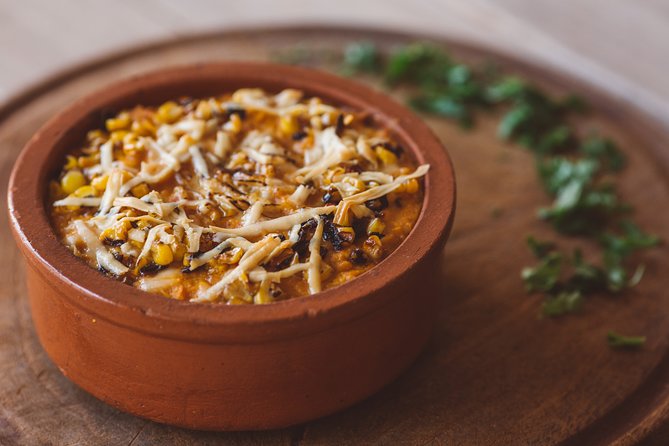
- Humita and the flavors beyond steak
- Dessert, chips, and the final shared meal
- How hands-on is the cooking?
- The instructors and the social atmosphere
- Dietary requests and the practical details
- Is $75 a fair price?
- Who should book this class?
- Should you book Pachamama?
- FAQ
- Where does the Pachamama cooking class meet?
- What time does the class start?
- How long does the experience last?
- What language is the class offered in?
- Is lunch included?
- Are drinks included?
- What food will I cook?
- Is a vegetarian option available?
- Can the class accommodate food allergies or restrictive diets?
- Can I cancel for a full refund?
Key points to know before booking
- Empanadas are the hands-on favorite: You roll the dough, fill your own empanadas, and learn the traditional folding technique.
- The class begins with a picada: This welcome spread gives you a taste of Argentine food culture before the cooking starts.
- Humita adds regional flavor: The squash and corn-based dish offers a useful introduction to food traditions beyond steak and grilled meats.
- The meal is served at the end: You sit together and eat the dishes prepared during class, with beverages and wine included.
- Dietary needs can be accommodated: Vegetarian and restrictive dietary requests should be provided when booking.
- You receive more than a meal: Recipes, class photos, and Buenos Aires recommendations are included.
Why Pachamama is a good introduction to Argentine food
Buenos Aires has no shortage of restaurants, parrillas, bakeries, and neighborhood cafés. Still, a cooking class gives you something a menu cannot: a reason to ask why a dish is made a certain way and how it fits into local life.
Pachamama focuses on the DNA of Argentine cuisine through a complete meal. That means you are not limited to one famous dish. You get a taste of snacks, appetizers, a main course, and dessert, with stories about the origins of the recipes along the way.
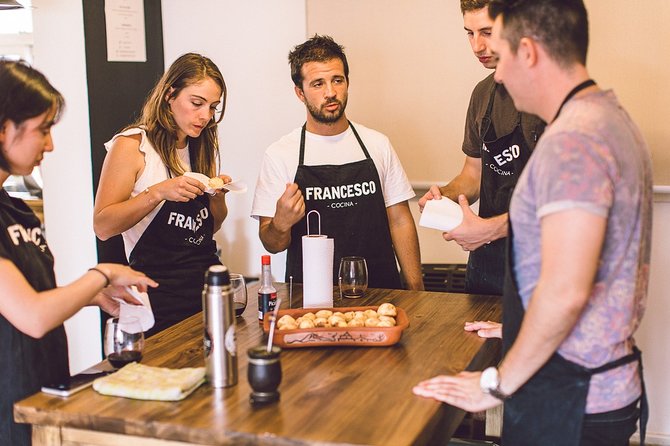
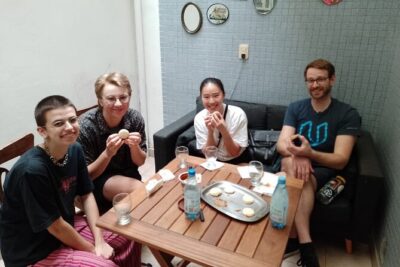
The class is also designed to be social. You begin around a table with a homemade picada, then cook side by side before sharing lunch. Solo participants have found it easy to meet people, while couples, families, and groups of friends can take part together.
I would not book this expecting a silent, highly technical chef school. The aim is participation, conversation, and a broad look at Argentine cooking. You will learn useful methods, but the class also has the relaxed feel of a shared meal with instruction.
A few more Buenos Aires trips worth putting side by side
- Argentine Experience Interactive Dining and Cooking
★ 5.0 · 1,382 reviews - Cooking Class Designed by Michelin Chef @ Argentine Experience
★ 5.0 · 1,123 reviews - Buenos Aires: Empanadas and Alfajores Guided Cooking Class
★ 4.8 · 486 reviews
The 11 a.m. welcome: picada, wine, and food stories
The class starts at 11 a.m. at Tte. Benjamín Matienzo 1559 in Buenos Aires. The address is centrally placed and close to public transportation, which makes it a sensible activity to schedule early in your stay, especially if you want local food suggestions for the rest of your visit.
The first taste is a homemade picada. In Argentina, a picada is a social spread of small bites, often enjoyed before a larger meal. Here, it works as both a welcome snack and a gentle introduction to the country’s eating habits.
You also hear about the history and origins of Argentine cuisine before the cooking begins. This context matters because Argentine food reflects several regional and cultural influences. The class does not treat dishes as isolated recipes. It explains how they became part of everyday cooking.
Wine tasting and other beverages are included. That helps the opening feel like a proper Argentine meal rather than a quick orientation before work begins. Bottled water is also provided.
Rolling empanada dough and folding the filling
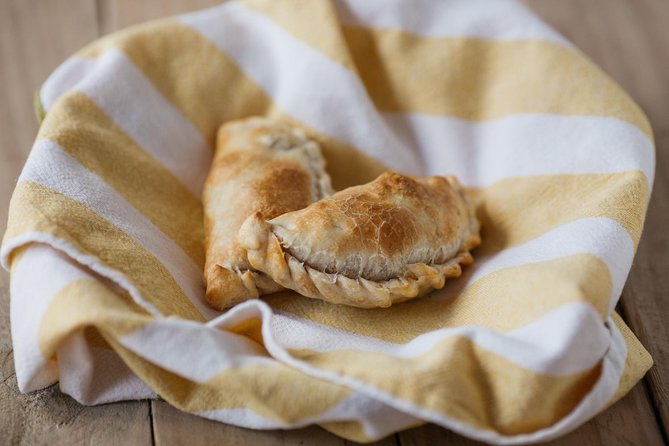
Empanadas are one of the clearest reasons to choose this class. Several people have singled out the empanada-making as the most enjoyable part, and I can see why. You roll your own dough, add the filling, and practice the folding method.
The filling is presented as a Mendoza-style family recipe from Fran’s grandmother. It uses ground beef, onions, sweet paprika, cumin, chili powder, green onions, hard-boiled egg, red wine, vegetable stock, and beef fat. The onions are used generously and caramelized before the mixture is assembled.
That detail gives the class a useful regional angle. Argentine empanadas vary from province to province, and Mendoza’s version is not simply a generic meat pastry. You get a recipe with a stated family connection and a clear flavor profile.
A small caution is worth noting. One person found the filling too onion-heavy and wanted more salt and spice. Pachamama’s response explained that the recipe intentionally uses more onions and seasoning than some standard Argentine versions. Taste is personal here, so you may love the savory, onion-forward filling or prefer a meatier style.
The hands-on work is real, but it is shared. You will not usually prepare the entire filling from raw ingredients alone. The kitchen prepares some steps in advance so the class can complete several dishes within the allotted time. Still, everyone is given tasks, and the empanadas offer one of the most personal parts of the session because you make and fold your own.
Humita and the flavors beyond steak
Argentina is famous for beef, but a good food class should take you past the obvious answer. Pachamama includes humita, a traditional corn and squash dish associated with northern Argentine cooking.
The dish has received strong praise, although one person found it bland and thought it needed more salt. That is not necessarily a flaw in the teaching. The kitchen prefers to avoid oversalting so each person can adjust the dish at the table.
Humita is valuable because it broadens your understanding of Argentine food. It shows how corn, squash, seasoning, and slow cooking can create a filling dish without relying on beef. If you are vegetarian, this part of the meal may be especially useful, though you should still state your dietary requirements when booking.
The menu can include several regional ideas in one sitting. That makes the class more informative than a narrow lesson focused only on empanadas. You leave with a better sense of how food differs across Argentina, even within a single lunch.
Still Argentina, but a completely different sort of afternoon:
- Local Foodie Adventure in Buenos Aires with Sherpa Food Tours
★ 5.0 · 6,875 reviews - Buenos Aires City Private Tour with Local Guide
★ 5.0 · 3,475 reviews - Buenos Aires Small-Group City Tour
★ 5.0 · 2,226 reviews - Buenos Aires Hop-On Hop-Off Bus, Free Walking Tours & Discounts
★ 4.5 · 2,218 reviews
Dessert, chips, and the final shared meal
The full menu includes a snack, appetizer, main course, and dessert. The exact dishes can vary, but past class participants have described making empanadas, humita, crepes or pancakes, and chips. Everyone eats what the group prepares at the end.
The dessert includes a pancake or crepe element, and participants get the chance to flip their own pancake. That is a small but memorable task, especially for beginners. You are not expected to arrive with professional kitchen skills. The instructors guide the process and keep the mood light.
The class ends around the shared table. This is where the format pays off. Instead of carrying a container of food home or watching a chef do all the work, you sit down with the people from your session and eat the finished meal together.
Some people have described the portions as generous enough to leave them with a full belly. I would plan this as lunch, not as a light morning activity. Since beverages, wine, and the four-course meal are included, the $75 price covers more than instruction.
How hands-on is the cooking?
This is the main point to understand before you reserve. Pachamama is hands-on, but it is not a private lesson in which one person cooks every dish from beginning to end.
The kitchen divides tasks among the group. The stated aim is to give each person at least two jobs while keeping the class within three to three and a half hours. You may roll dough, fill and fold empanadas, help prepare another dish, flip a pancake, or assist with plating.
I think that is a sensible compromise for a menu with several courses. If every participant made every component independently, lunch would take much longer and create a crowded work area. The tradeoff is that experienced cooks may want more responsibility, while beginners may appreciate the organized pace.
The feedback is mostly positive about the balance. Several people describe the class as interactive, well managed, and suitable for both new cooks and seasoned home chefs. One person felt it was slightly rushed, so allow for a brisk rhythm rather than a slow, detailed workshop.
The instructors and the social atmosphere
Fran and the team place a strong emphasis on hospitality. The teaching style is friendly and patient, with explanations about ingredients, recipes, and local customs woven into the cooking.
The atmosphere is lively rather than formal. You can expect jokes, conversation, and a chance to meet people from different countries. Solo participants have left having made new friends, while families have enjoyed doing the tasks together.
The experience is described as private, meaning only your group participates in the activity. At the same time, the format can include a small shared class group, and one session had about ten people. If you want a completely private booking, ask about the private-group option directly.
For private groups, the session can be shortened to about two and a half hours and can be held in Spanish. The standard class is offered in English, so it is a good fit if you want explanations without relying on translation.
Dietary requests and the practical details
Vegetarian food is available, but you must mention it when booking. The staff have also accommodated restrictive dietary needs, including a celiac requirement, while allowing the person to take part in the cooking.
I would still provide very clear details about allergies, cross-contact concerns, and ingredients. The available information confirms that accommodations are possible, but it does not promise that every dietary restriction can be handled in the same way.
The class begins and ends at the same address. Hotel pickup and drop-off are not included unless you select an option that specifically includes them. Since the meeting point is near public transportation, you can generally plan to reach it independently.
Confirmation is provided at booking. Free cancellation is available up to 24 hours before the start time for a full refund. Cancellations or changes made within 24 hours are not accepted for a refund. The class also requires a minimum number of participants, and if that minimum is not met, you are offered another date or a full refund.
Is $75 a fair price?
At $75, this is not the cheapest lunch in Buenos Aires. You can eat well in the city for much less, especially at a casual neighborhood restaurant.
The value comes from combining several services in one sitting: a welcome picada, wine tasting, beverages, a four-course lunch, cooking instruction, cultural background, recipes, class photographs, and personal recommendations for Buenos Aires. You are paying for an activity as well as food.
I think the price works best for people who enjoy cooking and want an experience they can repeat at home. The recipes make the class useful after your holiday, and empanadas and humita are practical dishes to recreate.
If you only want to taste Argentine cuisine, a food walk or restaurant meal may cost less and offer a wider range of dishes. If you want a social activity with a meal included, Pachamama offers good value.
Who should book this class?
I would recommend Pachamama to:
- First-time visitors who want an approachable introduction to Argentine food
- Solo visitors who enjoy meeting people over a shared meal
- Couples looking for an activity beyond sightseeing
- Families with older children who can take part in kitchen tasks
- Vegetarians and people with dietary needs who notify the school early
- Home cooks who want recipes they can use after returning home
It is less suited to anyone seeking an advanced culinary course or complete control over each recipe. The class gives you several hands-on jobs, but the staff organize the work so the entire menu can be finished on time.
I also suggest booking early. The experience is booked an average of 40 days ahead, which indicates that popular dates may fill well before arrival. The 11 a.m. start leaves the afternoon open for exploring Buenos Aires, but it also means you should not schedule a late night beforehand if you want to enjoy the cooking.
Should you book Pachamama?
Yes, if you want to eat, cook, and learn in the same afternoon. The strongest reasons are the friendly instruction, the empanada work, the regional food background, and the chance to sit down with a complete meal afterward.
I would book it near the beginning of your stay. The included Buenos Aires recommendations can help shape the rest of your visit, and the recipes give you a way to carry the food experience home.
Just set the right expectation: this is a guided group cooking session, not a private chef apprenticeship. You will participate in several steps, but you will not personally make every dish from raw ingredients to final plate. For most people, that organized pace is exactly what makes the class enjoyable.
FAQ
Where does the Pachamama cooking class meet?
The meeting point is Tte. Benjamín Matienzo 1559, C1426DAA, in Buenos Aires, Argentina. The activity ends at the same location.
What time does the class start?
The standard start time is 11 a.m.
How long does the experience last?
The experience lasts approximately three to three and a half hours. Private groups can request a shorter format of about two and a half hours.
What language is the class offered in?
The regular experience is offered in English. Private groups can arrange the class in Spanish.
Is lunch included?
Yes. A four-course lunch is included, covering a snack, appetizer, main course, and dessert.
Are drinks included?
Yes. Beverages, bottled water, wine tasting, and alcoholic beverages are included.
What food will I cook?
The menu is a traditional Argentine meal. Activities described include making empanadas, preparing humita, working with crepes or pancakes, and making chips. The exact menu may vary.
Is a vegetarian option available?
Yes. You must advise Pachamama of your vegetarian requirement when booking.
Can the class accommodate food allergies or restrictive diets?
Specific dietary requirements should be provided at the time of booking. The kitchen has accommodated restrictive needs, including celiac requirements.
Can I cancel for a full refund?
Yes, if you cancel at least 24 hours before the local start time. Cancellations or changes made less than 24 hours before the experience are not eligible for a refund.
Recently added around Buenos Aires
- Photo Session in Buenos Aires★ 5.0 · 26 reviews
- Your Personal Photographer in Buenos Aires★ 5.0 · 24 reviews
- Discover Buenos Aires’ independent art scene — Ticket included★ 5.0 · 30 reviews
- Your Private Photographer in Buenos Aires★ 5.0 · 4 reviews
- Yerba Mate Workshop – Learn to Drink Mate like a Local!★ 5.0 · 11 reviews
- Taste of Tradition: Yerba Mate & Alfajores Experience★ 4.0 · 5 reviews
- Wine tasting in OASIS Palermo★ 5.0 · 2 reviews
- Day Tour Classic★ 3.5 · 35 reviews
Cooking Classes, compared.
Argentine Experience Interactive Dining and Cooking
Read our review →
Cooking Class Designed by Michelin Chef @ Argentine Experience
Read our review →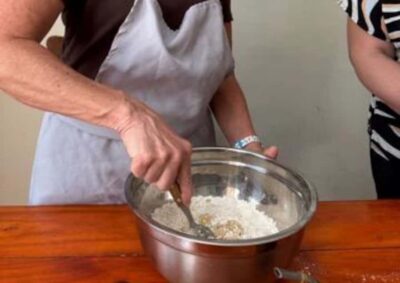
Private Cooking Lessons and Food Tasting in Buenos Aires
Read our review →
3-Hour Buenos Aires Empanadas and Alfajores Cooking Class
Read our review →
3h Cooking Class in Mendoza with 7 Recipes & Bottomless Drinks
Read our review →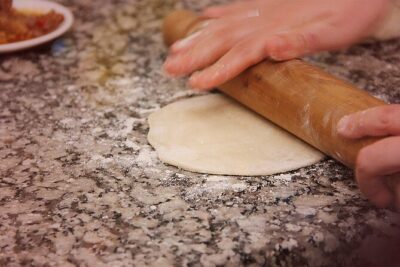
BA: Empanadas and Alfajores Cooking Experience in Palermo
Read our review →Browse the lists this tour appears in