
Reviewed · ASADO AND ARGENTINE FOOD
BA: Empanadas and Alfajores Cooking Experience in Palermo
Food tells the story fast. This two-and-a-half-hour cooking experience in Palermo gives you a hands-on way to learn Argentine food traditions, from folding empanadas to assembling dulce de leche alfajores. I especially like the small group size, capped at 10 people, and the choice between meat and vegan empanadas. The main thing to keep in mind is that the amount of actual cooking can vary, with some sessions involving more watching and assembly than chopping and cooking from scratch.
The class is also a good family pick, though children may need help with sharp knives during vegetable and meat preparation. Hosts such as Tomas, Catalina, Carolina, Thomas, and Chef Valentino have been praised for their warmth and clear instruction, while one less positive experience reported plain-tasting food and limited participation.
In This Review
- Key details before you book
- Why Palermo is a good place for this class
- Beginning with Argentina’s beloved empanada
- Meat, lentils, and making the class work for your group
- Making alfajores while the filling cools
- Mate, wine, and the social side of the afternoon
- What families should know about the kitchen work
- How much value do you get for $49?
- Timing, booking, and cancellation details
- Should you book the Palermo empanada class?
- FAQ
- Where does the cooking experience take place?
- How long does the class last?
- How many people can join the class?
- What foods will I make?
- Are vegan empanadas available?
- Are ingredients and cooking equipment included?
- Are drinks included?
- Is the experience suitable for children?
- Can I cancel for a full refund?
Key details before you book

- You make two Argentine staples: Prepare empanadas, then fill and finish alfajores with creamy dulce de leche and coconut.
- Meat and vegan choices are available: Lentil filling has been used as the plant-based option, making the class workable for mixed groups.
- The class stays small: A maximum of 10 people makes it easier to ask questions, share a work surface, and talk with the host.
- Mate is part of the cultural lesson: Coffee and tea are included, with mate presented as Argentina’s most famous local infusion.
- Recipes go home with you: The recipes are sent by WhatsApp, so you can try the dishes again after your trip.
- The address is in Palermo: Meet at Gorriti 4882, near public transportation, and finish at the same location.
Why Palermo is a good place for this class
The meeting point is at Gorriti 4882 in Palermo, one of Buenos Aires’ best-known areas for restaurants, cafés, bars, and independent shops. This is not a tour that sends you across the city to collect ingredients or visit several sights. You arrive at one cooking venue, settle in, and spend the session with food and conversation.
That simple setup matters. Buenos Aires can feel sprawling, especially if you are still adjusting to its wide avenues, late meal times, and busy neighborhoods. A fixed location and a two-hour-thirty-minute schedule make this an easy activity to place between sightseeing plans.
The venue has been described as pleasant and clean, and the small group format helps create a social mood. You may cook with a family, a couple, solo participants, or people from several countries. The class can be a nice way to meet others without committing to a full-day group outing.
You must arrange your own transportation. The location is near public transportation, but the exact route depends on where you are staying. Allow enough time to reach Gorriti 4882, since late arrival could cut into a short class.
More Asado Experiences in Buenos Aires
- Buenos Aires: 9-Course Argentine Meat Tasting at Fogón Asado
★ 4.9 · 826 reviews - Join a Local Family Asado in Buenos Aires with Betty and Marcelo
★ 5.0 · 686 reviews - Buenos Aires: Empanadas and Alfajores Guided Cooking Class
★ 4.8 · 486 reviews
Beginning with Argentina’s beloved empanada
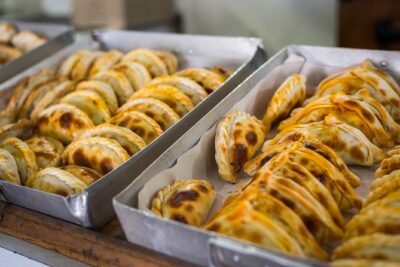
The first major task is the empanada. Argentina has many regional styles, and the filling, seasoning, folding pattern, and cooking method can vary from place to place. The class uses this familiar food to explain more than a recipe. You learn why empanadas matter in everyday Argentine cooking and how small details help identify the filling.
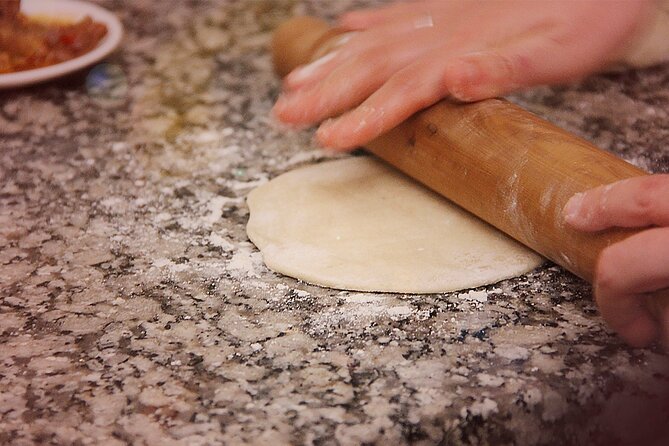
The process can include chopping meat and vegetables, cooking the filling briefly on the stovetop, handling the dough, and placing the filling inside the pastry. You then fold and shape the empanadas before they are cooked and served.
One especially useful lesson is that different fillings may have different folds. A beef empanada and a lentil empanada can be shaped in distinct ways, giving you a simple visual code for telling them apart. That is the kind of practical detail that helps the dish feel like a local food tradition rather than a generic pastry project.
The experience is designed for beginners. You do not need to arrive with cooking skills, and the hosts are there to guide you through the process. Chef Valentino has been praised for his patience and encouragement, while Tomas has been singled out for clear instruction and useful variations on the recipe.
The amount of hands-on work is the main variable. Some sessions have included chopping, rolling dough, stuffing empanadas, and preparing much of the dish. In another session, the shells were already prepared, so the cooking involved chopping, a quick stovetop step, and filling the pastry.
That is worth knowing before you book. If you want a serious pastry lesson covering dough from start to finish, ask the host what your scheduled session will include. If you mainly want to learn the folding, filling, and cultural background, the format should suit you well.
Meat, lentils, and making the class work for your group
The class offers meat or vegan empanadas. The plant-based filling has included lentils, which gives vegetarian members of a group their own dish rather than asking them to skip the main activity.
This is helpful for families and mixed groups. One person can work with beef while another makes a lentil version, and the different shapes can become part of the lesson. You should still communicate dietary needs clearly when booking, since the supplied information confirms meat and vegan choices but does not list every possible allergy or dietary restriction.
The ingredients and cooking tools are included. That leaves you free to focus on learning rather than shopping for supplies in an unfamiliar neighborhood. The food is prepared to be eaten during the experience, so you get an immediate reward for your work.
Most of the positive feedback centers on flavor and ease. Empanadas are described as delicious, and several people felt confident enough to recreate them at home. One person, however, found the food under-seasoned and too plain. That mixed note is useful: the class is more reliable as a cultural cooking activity than as a guarantee of a restaurant-level meal.
Making alfajores while the filling cools
After the savory work, the class turns to alfajores. These Argentine cookies are joined with dulce de leche, the thick caramel-like milk spread that appears in desserts across the country.
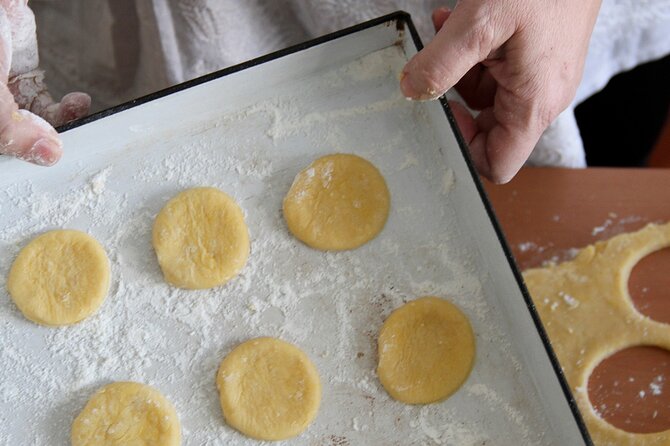
The basic sequence is hands-on. You mix, bake, and assemble the cookies, then add dulce de leche and finish them with coconut. Some participants have also made different shapes, which can be a fun detail for children.
The cookies are fragile. Handle them gently when spreading the dulce de leche or joining the pieces, because pressing too hard can break them. This is a small but valuable tip to remember if you later make them at home.
The timing works well because the alfajores can be prepared while empanada fillings cool. You are not left waiting for one long cooking step to finish. Instead, the class shifts between savory and sweet tasks, with time for conversation and cultural explanations along the way.
The alfajores have received strong praise overall, but one session produced cookies that lacked flavor. Your results may depend on the host, the recipe, and how much of the preparation you do yourself. The best reason to book is the chance to learn a classic Argentine treat and take the method home, not simply to eat a guaranteed perfect dessert.
More asado and Argentine cooking in Buenos Aires:
- The Asado Experience – Premium Steak
★ 5.0 · 347 reviews - Authentic Rooftop Asado Experience with Argentine Wine Pairing
★ 5.0 · 274 reviews - Buenos Aires: Empanada & Alfajor Cooking Lesson in Palermo
★ 4.6 · 186 reviews - Parrilla Tour Palermo
★ 5.0 · 185 reviews
Mate, wine, and the social side of the afternoon
Mate is included as part of the cultural introduction. It is Argentina’s best-known infusion, and sharing it gives the class a clear connection to local daily life. Coffee and tea are also listed as included, but some sessions served wine instead.
That inconsistency is worth noting. If mate is important to you, confirm what will be available on your date. Several people enjoyed wine with the food, and one account describes buying additional wine at the shop next door afterward. Wine may be a pleasant addition, but it should not replace the included mate, coffee, or tea without clear communication.
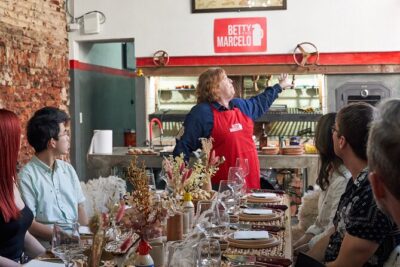
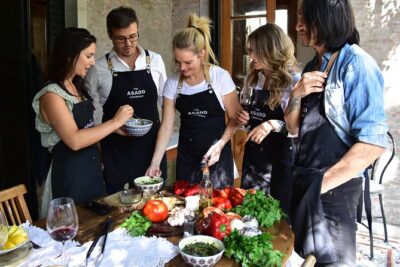
The social setting is one of the strongest reasons to choose this class. You cook side by side, eat what you prepare, and have time to talk instead of being hurried out as soon as the food is served. The group can also share Buenos Aires suggestions and travel stories.
Hosts have been praised for telling family stories about learning these dishes from their grandmothers. One memorable tradition involved whistling while working so a grandmother knew nobody was secretly eating the filling. Small stories like this give the recipes a human connection.
The quality of the cultural explanation can vary. Some hosts have discussed Argentine food, geography, city history, and regional empanada styles. Another session offered little background and did not provide much help with Buenos Aires recommendations. I would treat the class as a food-focused cultural experience, with the quality of conversation depending partly on your host and group.
What families should know about the kitchen work
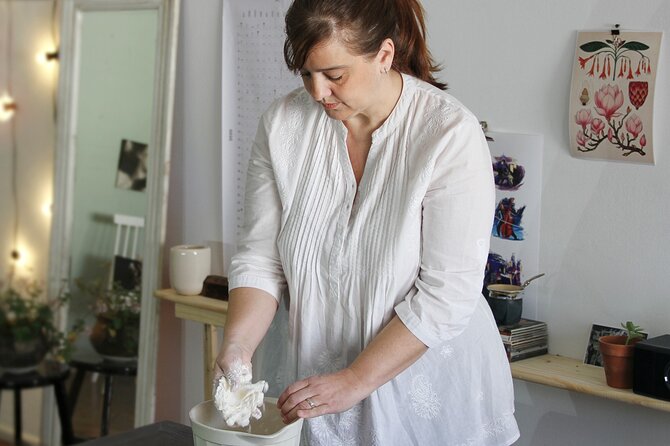
This is marketed as a family-friendly activity, and children aged 10 and 13 have enjoyed it. Kids can help shape dough, fill pastries, decorate alfajores, and try flavors they may not normally eat.
There is some knife work. Children may be asked to help chop vegetables or meat, so adults should expect to supervise and assist. If your child is young or not comfortable with a kitchen knife, you can ask the host to assign a safer task.
The class is not a quiet demonstration. Ideally, everyone gets a chance to participate. Still, one person described a session where most of the group watched while only one participant did much of the work. If equal participation matters to you, speak up early and ask how the tasks will be shared.
For families, the two-and-a-half-hour length is reasonable. It is long enough to complete both dishes but short enough to avoid turning into an exhausting full-day activity. The food also gives children a direct reason to stay involved: they get to eat the empanadas and alfajores they helped make.
How much value do you get for $49?
At $49 per person, this is not the cheapest way to eat empanadas in Buenos Aires. You can buy the finished food for far less. The value here comes from the instruction, ingredients, tools, local host, mate or another included drink, and the recipes you receive afterward.
The recipe follow-up adds real value. The formulas are sent by WhatsApp, giving you a practical souvenir rather than another object to pack. If you make the dishes for friends at home, the class can become part of your trip long after you leave Argentina.
The price also covers a social activity in a small group. With a maximum of 10 people, you are paying for a more personal setting than a large cooking demonstration. The experience has an average rating of 4.9 from 112 ratings, and 96 percent of participants recommend it, which supports the idea that most people consider it worthwhile.
I would book it if you enjoy food, want a break from standard sightseeing, or like bringing home skills rather than souvenirs. I would skip it if you want a professional culinary course, a full lesson in pastry dough, or a guaranteed wine tasting. The class is relaxed and beginner-friendly, not an advanced chef workshop.
Timing, booking, and cancellation details
The experience lasts about two hours and 30 minutes and returns to the starting point. It is often booked about 37 days ahead, so popular dates may fill early, especially if you are visiting during a busy season or need a particular time for your family.
Confirmation is provided at booking. You can cancel for a full refund if you do so at least 24 hours before the local start time. Changes or cancellations made within 24 hours are not accepted for a refund.
The experience provider is Signature Tours. Since a cancellation has occurred in at least one reported case after a time-change problem, keep your booking confirmation and check any schedule update carefully. If the operator changes your time, contact them promptly rather than assuming another class will be transferred automatically.
Should you book the Palermo empanada class?
I would book this experience for a first visit to Buenos Aires, especially if you are traveling with children, a partner, or friends with different food preferences. The strongest points are the friendly hosts, easy recipes, vegan option, small group, and the chance to learn food traditions through doing rather than simply ordering from a menu.
Go in with realistic expectations. You may prepare much of the food, or you may find some dough and cookie work already underway. The cultural talk can be excellent with hosts such as Tomas, Catalina, Carolina, Thomas, or Chef Valentino, but the amount of explanation and participation may vary.
If you want a relaxed afternoon with local food, mate, conversation, and recipes to try later, $49 is fair value. If you want a rigorous cooking school, ask exactly how much will be made from scratch before paying. For most families and food-focused visitors, this is a tasty and practical way to meet Argentine culture at the kitchen table.
FAQ
Where does the cooking experience take place?
The meeting point is Gorriti 4882, C1414BJN, in Buenos Aires. The activity ends at the same location.
How long does the class last?
The experience lasts approximately two hours and 30 minutes.
How many people can join the class?
The maximum group size is 10 participants.
What foods will I make?
You will make Argentine empanadas and dulce de leche alfajores.
Are vegan empanadas available?
Yes. You can choose between meat and vegan empanada options. Lentils have been used as a vegan filling.
Are ingredients and cooking equipment included?
Yes. Empanada ingredients, alfajor ingredients, and cooking tools are included.
Are drinks included?
Coffee and tea are included, and mate is presented as Argentina’s famous infusion. Some sessions have also included wine, but the supplied information does not guarantee wine for every class.
Is the experience suitable for children?
Yes. The activity is described as suitable for families and children. Children may need help with chopping ingredients because sharp knives can be part of the preparation.
Can I cancel for a full refund?
Yes. You must cancel at least 24 hours before the local start time to receive a full refund. Cancellations or changes made less than 24 hours before the experience are not accepted for a refund.
More Cooking Classes in Buenos Aires
- Argentine Experience Interactive Dining and Cooking
★ 5.0 · 1,382 reviews - Cooking Class Designed by Michelin Chef @ Argentine Experience
★ 5.0 · 1,123 reviews - Private Cooking Lessons and Food Tasting in Buenos Aires
★ 5.0 · 223 reviews - Pachamama – Argentine Cooking Experience in Buenos Aires
★ 5.0 · 144 reviews
Recently added around Buenos Aires
- Photo Session in Buenos Aires★ 5.0 · 26 reviews
- Discover Buenos Aires’ independent art scene — Ticket included★ 5.0 · 30 reviews
- Your Personal Photographer in Buenos Aires★ 5.0 · 24 reviews
- Your Private Photographer in Buenos Aires★ 5.0 · 4 reviews
- Yerba Mate Workshop – Learn to Drink Mate like a Local!★ 5.0 · 11 reviews
- Taste of Tradition: Yerba Mate & Alfajores Experience★ 4.0 · 5 reviews
- Wine tasting in OASIS Palermo★ 5.0 · 2 reviews
- Day Tour Classic★ 3.5 · 35 reviews
Asado and Argentine Food, compared.
Join a Local Family Asado in Buenos Aires with Betty and Marcelo
Read our review →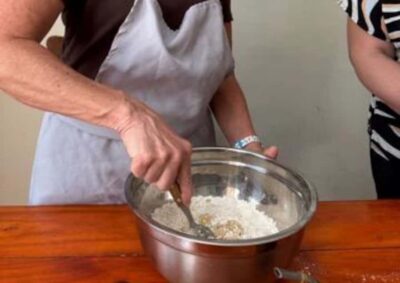

Authentic Rooftop Asado Experience with Argentine Wine Pairing
Read our review →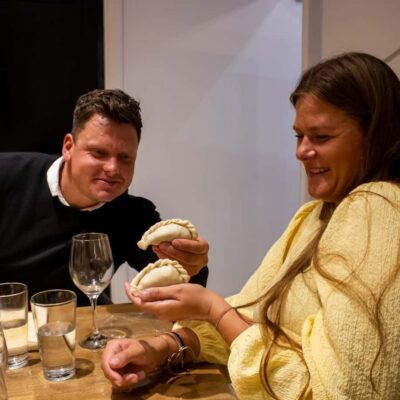
Browse the lists this tour appears in