
Reviewed · ASADO AND ARGENTINE FOOD
Buenos Aires: Empanadas and Alfajores Guided Cooking Class
The best souvenirs can come from your oven. This three-hour Buenos Aires cooking class brings you into an Argentine home to make empanadas, alfajores, and mate with a local host. I like the small group of eight or fewer, which gives you room to work with your hands, and I like the warm family setting at Paseo Colon 1355 in San Telmo.
The second big plus is the mix of food and culture. You learn the twisted empanada seal, known as the repulgue, then sit down to eat what you made while talking with people from several countries. The one caution is that recipe sharing has not always been automatic, and the class can be harder to follow from the far end of the table.
This is a strong choice if you want more than a restaurant meal. The food is filling, the hosts are welcoming, and the $37 price covers the class, ingredients, mate, water, and meal. It is less suited to anyone seeking a polished chef-school setting or a long list of different empanada fillings.
In This Review
- Key points at a glance
- Walking into an Argentine household in San Telmo
- Making empanadas, from dough to the repulgue
- Preparing mate and learning the ritual
- Baking cornstarch alfajores with dulce de leche
- Sitting down to eat what you made
- What the hosts add to the class
- Is $37 a fair price?
- Practical details before you book
- Who should book this cooking class?
- Should you book it?
- FAQ
- How long does the Buenos Aires cooking class last?
- How much does the experience cost?
- Where does the class meet?
- What foods do you make?
- Is mate included?
- Is wine included?
- Is the class offered in English?
- Can I cancel the booking?
Key points at a glance
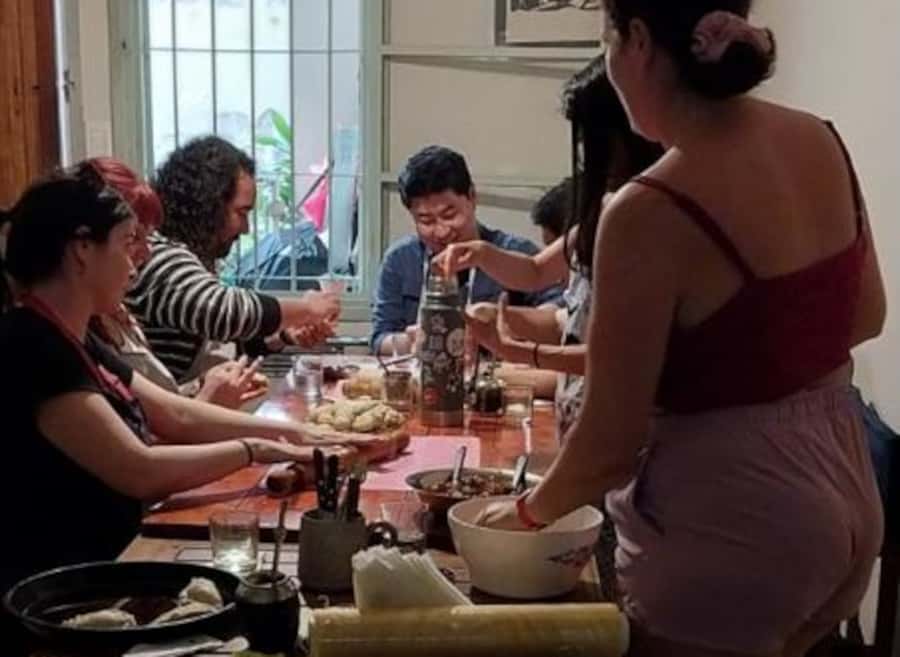
- A real Buenos Aires home: The class takes place in a local household, including a more than 100-year-old home in some sessions.
- Three Argentine staples: You prepare savory empanadas, cornstarch alfajores with dulce de leche, and traditional mate.
- Hands-on cooking: You make dough, prepare fillings, fold the pastries, and practice the repulgue yourself.
- A social meal: You eat the results together, with time for conversation and cultural stories.
- Good for mixed ages: Families with teenagers and younger children have found the format easy to join.
- Flexible booking: You can cancel up to 24 hours before the class for a full refund and reserve without paying today.
Walking into an Argentine household in San Telmo
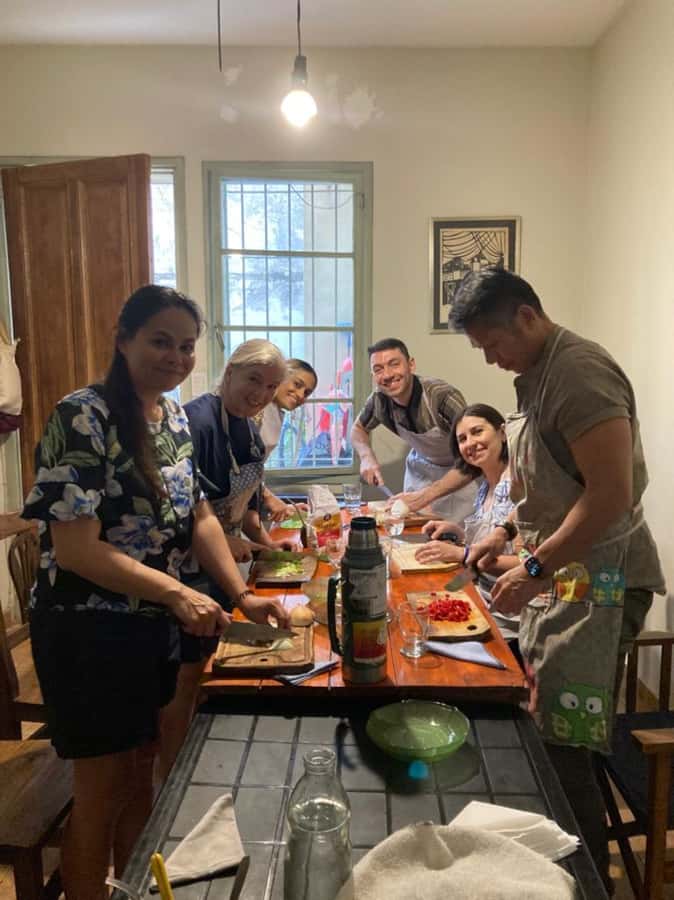
The meeting point is Paseo Colon 1355 in San Telmo. Go to the address at your scheduled start time and ring the bell. The setting matters here. This is not a demonstration behind a restaurant counter. You enter a household, meet the people who run it, and cook in a space that feels personal and lived-in.
That home setting is the heart of the class. One session took place in a more than 100-year-old house, and the small, cozy rooms helped create the feeling of a family cooking night rather than a formal lesson. You can expect the hosts to welcome you into the kitchen and dining area before the practical work begins.
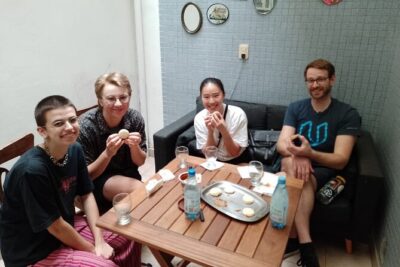
The class is limited to eight participants. That is a useful number for this sort of activity. You are likely to share a table with couples, families, and solo visitors from different countries, but the group is still small enough for each person to handle dough and fillings.
I would not expect a detailed architectural tour of the house. The value is the access to an ordinary domestic setting and the chance to talk with the family. Several hosts have also shared tips about Buenos Aires, Argentine traditions, and daily life, which gives the evening more shape than a simple recipe lesson.
The listed teaching languages are English and Portuguese. English-speaking participants have described the instruction as clear and easy to follow, though one person found some steps less obvious for a beginner. If you are not an experienced cook, pay close attention during the demonstrations and ask for a repeat when needed.
More Asado Experiences in Buenos Aires
- Buenos Aires: 9-Course Argentine Meat Tasting at Fogón Asado
★ 4.9 · 826 reviews - Join a Local Family Asado in Buenos Aires with Betty and Marcelo
★ 5.0 · 686 reviews - The Asado Experience – Premium Steak
★ 5.0 · 347 reviews
Making empanadas, from dough to the repulgue
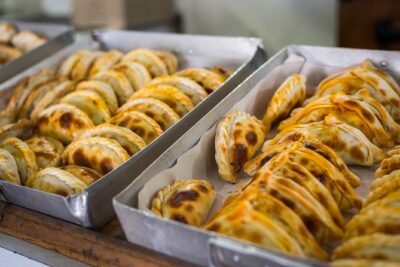
Empanadas are the main event. In Argentina, these stuffed pastries can be baked or fried and appear at many times of day. Their appeal is simple: dough, a savory filling, and a sealed edge that keeps the contents inside.
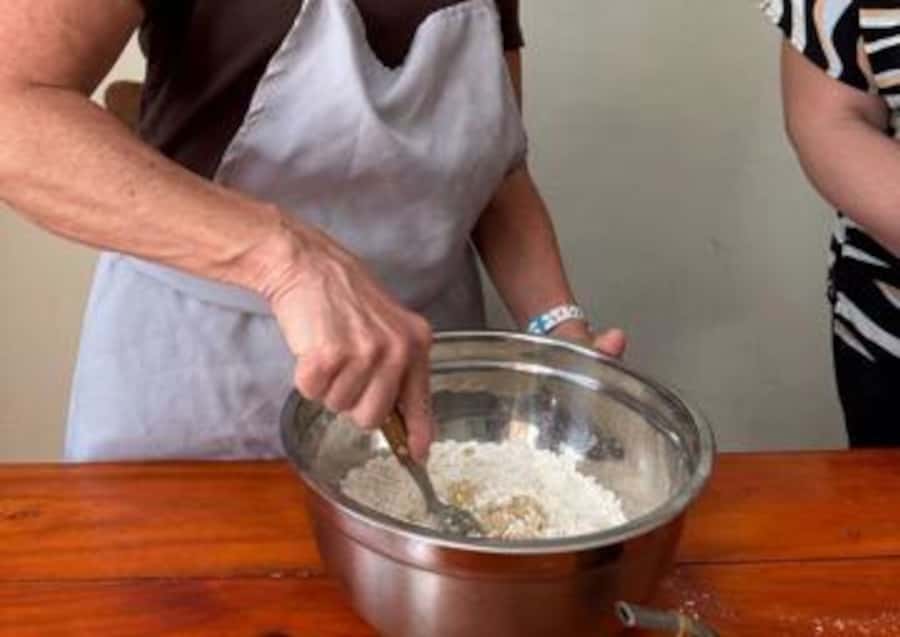
The class takes you through the process rather than handing you a finished pastry to copy. You work with the dough, help prepare the fillings, and then shape the empanadas. This makes the class useful after you leave, since you are learning the sequence and the feel of the dough, not just watching someone else cook.
The repulgue is the small twist or folded pattern along the edge. It may look easy when an experienced cook does it, but your first few attempts can have a mind of their own. That is part of the fun. You do not need restaurant-level precision, and the finished pastry still tastes good if the pattern is not perfect.
The available fillings can include meat and a vegetarian option. The supplied description also points to possibilities such as ham and cheese or vegetables, but the exact combination may vary. One practical note: a participant specifically wished for a second empanada filling instead of preparing the same meat filling twice. If tasting several styles is important to you, ask what the menu includes before booking.
The cooking has a nice rhythm. You listen to the explanation, take part in the preparation, shape the pastries, and then wait for the food to be ready. Because you eat what you make, you have a clear reason to pay attention. A sloppy seal could mean a filling escape, and nobody wants to lose dinner to the oven.
This hands-on format works well for families. A 14-year-old enjoyed making the food from scratch, and another family said that teenagers and younger children could take part. You should still expect some standing, handling ingredients, and close attention to instructions, so very young children may need help from an adult.
Preparing mate and learning the ritual
Mate is more than a herbal drink. It is part of Argentine social life, and the preparation and sharing carry their own customs. During the class, you learn the traditional way to prepare and drink it while the hosts explain its place in Argentine culture.
The mate segment gives the evening a welcome pause. Instead of moving straight from one recipe to the next, you get a chance to hold the cup, watch the preparation, and talk. It also helps explain why mate appears so often in Argentine homes and social gatherings.
This is not presented as a specialist tea tasting. You should think of it as a cultural introduction tied to the household setting. You may like the earthy flavor, or you may decide that one cup is enough. Either way, it gives you a small but meaningful connection to local custom.
The mate is included in the price, along with water. Wine is not included, though it is available to buy. If you want wine with your meal, budget for that separately.
Baking cornstarch alfajores with dulce de leche
After the savory food comes the sweet course. Alfajores take many forms across Argentina and other parts of South America, but this class focuses on a cornstarch version filled with dulce de leche.
You prepare the cookie mixture, shape the pieces, and add the creamy filling. The result is a soft, delicate pastry with the caramel-like sweetness of dulce de leche. It is a good partner to the empanadas because the class moves from a substantial savory dish to a distinctly Argentine dessert.
I like that you make both a main dish and a pastry. Some cooking classes focus on one recipe and leave you hungry for the rest of the evening. Here, you learn two different kinds of dough and finish with enough food to make the class count as a meal.
The alfajores also give beginners a confidence boost. They are familiar enough to understand, but still different from standard cookies you might make at home. If you enjoy the filling, ask for the recipe before you leave, since the instructions are one of the most useful souvenirs from the evening.
More asado and Argentine cooking in Buenos Aires:
- Authentic Rooftop Asado Experience with Argentine Wine Pairing
★ 5.0 · 274 reviews - Buenos Aires: Empanada & Alfajor Cooking Lesson in Palermo
★ 4.6 · 186 reviews - Parrilla Tour Palermo
★ 5.0 · 185 reviews - Buenos Aires: Authentic Argentine Asado BBQ with Live Music
★ 5.0 · 178 reviews
Sitting down to eat what you made
The final meal is not an afterthought. You sit down with the other participants and hosts and eat the empanadas and alfajores prepared during the class. This shared table is where the social side of the experience really pays off.
People arrive as strangers and quickly have something in common: they have folded the same pastries, tried the mate ritual, and waited for the same food. The hosts keep the mood relaxed, with conversation about Argentina, Buenos Aires, food customs, and travel.
The amount of food is generous. Several participants said they left with plenty to eat, and one person even had empanadas left over. Do not plan a large dinner before class. You will want room for the pastries and dessert.
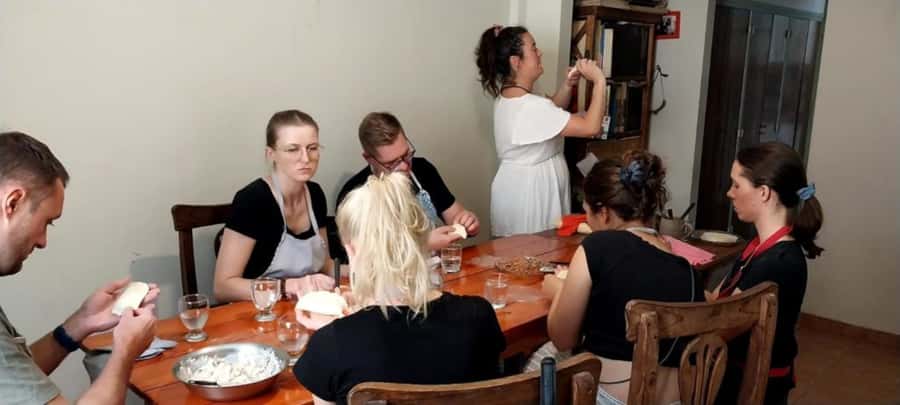
The table setup is informal. One person would have preferred small plates instead of napkins, which is a fair point if you like a more structured meal. Another person found that those seated at the end of the table could not always see every step of the demonstration. If you have a choice, sit where you can see the central work area, or ask the host to bring a demonstration closer.
These are minor issues, but they help set expectations. This is a home cooking evening, not a restaurant with individual place settings or a stage-style presentation. I see that as part of its charm, though visitors wanting polished service may prefer a conventional cooking school.
What the hosts add to the class
The hosts are a major reason to book. Thomas has been praised for teaching in a friendly, humorous way without making the class feel like school. Sophia has been described as especially strong at explaining the food, mate, Buenos Aires, and Argentine traditions. Maria and her family have also hosted sessions, with Sophia guiding the cooking and Stella helping keep the table tidy and drinks filled.
The exact host may vary, but the pattern is consistent: a warm welcome, practical instruction, and plenty of conversation. One host’s wife works as a tour guide and has shared useful tips about the city, which can be a nice bonus if this is early in your stay.
You should not expect the same person at every session. That is not a problem, since the experience is built around the household and the cooking rather than a single celebrity instructor. Still, if you have seen a particular host praised by name, do not assume that person will lead your date.
The hosts also bring context to the food. You hear about the traditions behind mate, the place of empanadas in Argentine life, and the country’s food culture. This is especially helpful if you have already eaten empanadas in restaurants but want to understand how they fit into everyday life.
Is $37 a fair price?
At $37 per person, this is good value for a three-hour activity. Your fee includes instruction, ingredients, mate, water, and a meal. You are not paying only for a plate of food. You are paying for guided preparation, a small group, access to a home, and the time to sit and talk afterward.
Compare it with the cost of ordering empanadas and alfajores at a restaurant. A meal might cost less, depending on where you eat, but it would not teach you the dough, the fillings, the repulgue, or the mate ritual. The class earns its price through participation and personal contact.
The value is strongest if you plan to cook at home later. You leave with techniques that can be repeated, and some participants have also taken home extra empanadas. If you simply want to eat Argentine food without lifting a finger, a restaurant will be more efficient.
Wine costs extra, but it is optional. Since the included meal is already substantial, you can keep the total price close to the advertised amount if you stick with the included drinks.
Practical details before you book
The class lasts three hours, so give yourself enough time to reach Paseo Colon 1355 in San Telmo at the appointed start. The meeting instruction is simple: go to the address and ring the bell.
The activity is wheelchair accessible. The small group can also suit families and people who prefer a quieter setting. The instruction is available in English and Portuguese, so check that one of those languages works for you.
Recipe access deserves a quick note. Some participants received recipes to take home, while others had to follow the host on Instagram and ask for them, and one person was still waiting. I would confirm the recipe-sharing process before leaving the house. That small step turns a pleasant evening into something you can repeat in your own kitchen.
If you want several different empanada flavors, ask about the current fillings. Meat and vegetarian choices have been available, but the exact selection is not fixed in the information provided. This matters if you are traveling with vegetarians or if sampling different styles is your main goal.
You can cancel up to 24 hours ahead for a full refund, and the reserve-now, pay-later option keeps your plans flexible. Those terms are useful if your Buenos Aires schedule is still moving around.
Who should book this cooking class?
I would recommend it most strongly to couples, families with older children, and solo visitors who like meeting people over food. It also suits anyone who wants a cultural activity that feels personal rather than staged.
You do not need to be a skilled cook. The class is designed for participation at different ability levels, though beginners should ask questions and stay near the demonstration area. You will get more from it if you enjoy making a little mess and laughing at imperfect pastry folds.
Vegetarians should ask about the filling before booking, since vegetarian alternatives have been offered. People with other dietary needs should confirm directly, as no detailed dietary information is provided.
I would hesitate only if you want a formal, highly polished cooking lesson, a large selection of fillings, or guaranteed recipe paperwork without needing to ask. I would also choose another activity if you dislike social meals with people you have just met.
Should you book it?
Yes, if you want a warm introduction to Argentine food and home life. For $37, you get three hours of cooking, a full meal, mate, dessert, and a small-group setting where conversation comes naturally.
The main reasons to book are the household atmosphere, the hands-on repulgue practice, and the chance to make two signature foods instead of merely tasting them. Go in knowing that the setup is informal, the filling choices may be limited, and you should confirm how recipes will be delivered. With those points in mind, this is one of the better-value food activities in Buenos Aires.
FAQ
How long does the Buenos Aires cooking class last?
The class lasts three hours.
How much does the experience cost?
The listed price is $37 per person.
Where does the class meet?
Meet at Paseo Colon 1355 in San Telmo, Buenos Aires, at the scheduled starting time. Ring the bell when you arrive.
What foods do you make?
You make Argentine empanadas with savory fillings and alfajores made with cornstarch and dulce de leche.
Is mate included?
Yes. Mate, water, ingredients, the cooking class, and the meal are included.
Is wine included?
No. Wine is available for purchase separately.
Is the class offered in English?
Yes. Instruction is available in English and Portuguese.
Can I cancel the booking?
You can cancel up to 24 hours in advance for a full refund. The reserve-now, pay-later option also lets you book without paying immediately.
More Cooking Classes in Buenos Aires
- Argentine Experience Interactive Dining and Cooking
★ 5.0 · 1,382 reviews - Cooking Class Designed by Michelin Chef @ Argentine Experience
★ 5.0 · 1,123 reviews - Private Cooking Lessons and Food Tasting in Buenos Aires
★ 5.0 · 223 reviews - Pachamama – Argentine Cooking Experience in Buenos Aires
★ 5.0 · 144 reviews
Recently added around Buenos Aires
- Photo Session in Buenos Aires★ 5.0 · 26 reviews
- Your Personal Photographer in Buenos Aires★ 5.0 · 24 reviews
- Discover Buenos Aires’ independent art scene — Ticket included★ 5.0 · 30 reviews
- Your Private Photographer in Buenos Aires★ 5.0 · 4 reviews
- Yerba Mate Workshop – Learn to Drink Mate like a Local!★ 5.0 · 11 reviews
- Taste of Tradition: Yerba Mate & Alfajores Experience★ 4.0 · 5 reviews
- Wine tasting in OASIS Palermo★ 5.0 · 2 reviews
- Day Tour Classic★ 3.5 · 35 reviews
Asado and Argentine Food, compared.
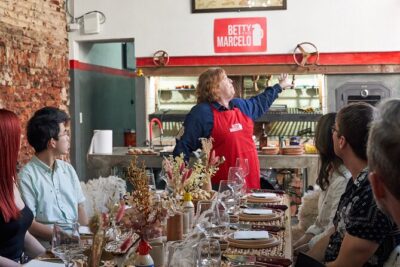
Join a Local Family Asado in Buenos Aires with Betty and Marcelo
Read our review →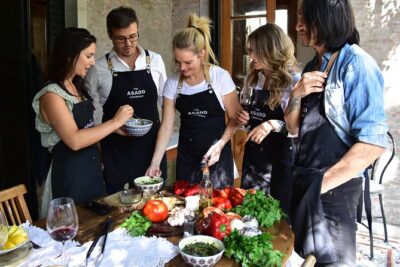

Authentic Rooftop Asado Experience with Argentine Wine Pairing
Read our review →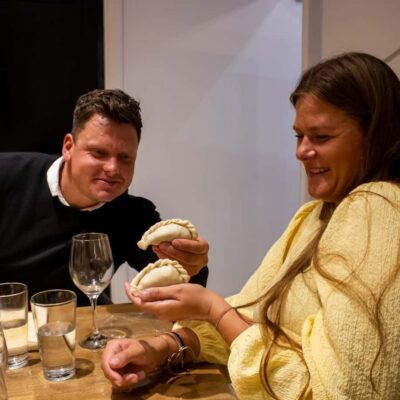
3-Hour Buenos Aires Empanadas and Alfajores Cooking Class
Read our review →Browse the lists this tour appears in