
Reviewed · COOKING CLASSES
Pachamama – Argentine Cooking Experience in Buenos Aires
Argentina reaches the table through fire, spice, dough, and wine. Pachamama makes that story hands-on, with a professional English-speaking chef guiding you through Argentine recipes in a cozy home-style setting. I especially like the from-scratch cooking and the chance to eat what you prepare with Mendoza wines. One thing to note: you may work as part of a group rather than make every dish alone.
I also like the useful extras. You receive recipes by QR code, class pictures, and local Buenos Aires recommendations, while the small-group format makes it easier to chat over the meal. The main practical catch is that the published duration varies between three and three and a half hours, and hotel pickup is not included.
In This Review
- Key points at a glance
- What Pachamama gives you in Buenos Aires
- The welcome picada begins with Argentine customs
- Chipá brings a regional bite to the table
- Beef empanadas show off Argentina’s most portable classic
- Humita stew adds corn, comfort, and local character
- Dessert ends with flames and dulce de leche
- The shared table is part of the lesson
- The teaching style is organized and good-humored
- What the $75 price includes
- Timing, group size, and accessibility
- Who will enjoy Pachamama most
- Should you book Pachamama?
- FAQ
- Where does the Pachamama Argentine cooking experience take place?
- How long does the cooking experience last?
- What food will I prepare?
- Is wine included?
- Is a meal included at the end?
- Is the class taught in English?
- Can dietary requirements be accommodated?
- How many people are in the group?
- Is hotel transportation included?
Key points at a glance
- Four Argentine recipes: Prepare chipá, beef empanadas, humita stew, and dulce de leche crepes, with a welcome picada and other accompaniments.
- A meal, not just a class: Sit down together at the end and pair the food with Durigutti wines from Las Compuertas in Mendoza.
- Small-group setting: The experience is advertised for up to 10 participants in one section, while another description gives a capacity of 14, so confirm the final group size when booking.
- English instruction: The class is given in English, with Spanish available for private groups.
- Dietary flexibility: Vegetarian, gluten-free, and lactose-free adaptations are available.
- Useful take-home extras: Recipes arrive as a PDF through a QR code, along with class photos and Buenos Aires tips.
What Pachamama gives you in Buenos Aires
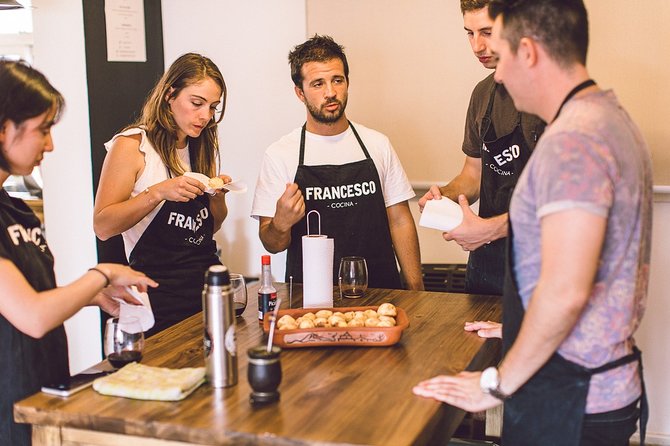
Pachamama is a cooking class built around Argentine identity rather than a single famous dish. You learn about mate, chimichurri, regional empanadas, local spices, and the customs behind the food. That makes the experience useful even if you already know your way around a kitchen.
The setting is described as intimate and homey. You are not being sent from one restaurant stop to another. Instead, you spend the session in one place, working with the chef and the other people at your table, then sharing the finished food together.
That format matters in Buenos Aires. A steak dinner can be excellent, but it does not explain how Argentine food fits into daily life, family gatherings, or regional cooking. Here, the cooking provides the context, and the final meal gives you time to enjoy it without rushing off to the next sight.
The class is conducted in English, which makes it a practical choice if you want detailed instruction rather than a demonstration you simply watch. For private groups, the class can be held in Spanish.
A few more Buenos Aires trips worth putting side by side
- Argentine Experience Interactive Dining and Cooking
★ 5.0 · 1,382 reviews - Cooking Class Designed by Michelin Chef @ Argentine Experience
★ 5.0 · 1,123 reviews - Buenos Aires: Empanadas and Alfajores Guided Cooking Class
★ 4.8 · 486 reviews
The welcome picada begins with Argentine customs
The session starts with a homemade picada, local bread, preserves, pickles, and a vermouth cocktail. A picada is a shared spread, so it sets the tone immediately: this is food meant to be placed in the middle of the table and passed around.
You also learn about the history of Argentine cuisine at this point. The welcome course is more than a snack before the real activity. It introduces the ingredients and social habits that shape the rest of the class.
The vermouth is a nice local touch. Water and homemade lemonade are included as well, so you are not limited to alcoholic drinks while cooking. If you want the full wine pairing later, pace yourself during the welcome drink. The session lasts several hours, and there is a lot of food ahead.
This first course is especially helpful if you are new to Argentine food. You can ask about unfamiliar preserves, pickles, or bread before you begin handling the ingredients yourself.
Chipá brings a regional bite to the table
One of the first recipes is chipá with barbecue sauce and fermented spicy sauce. Chipá is a cheese bread associated with northeastern Argentina and nearby parts of South America. Its inclusion gives the menu some regional range instead of focusing only on beef and pastries.
The dish also shows how the class works. You are not simply handed a plate of finished food. You help prepare the recipes and learn how they fit into local cooking traditions. The barbecue sauce and fermented spicy sauce add contrast to the mild, chewy bread.
The spicy sauce may be worth asking about if you have a low tolerance for heat. The available information does not specify how hot it is, but the class includes it as part of the dish rather than as an optional garnish.
This course is a good example of why the class suits curious eaters. You leave with a broader view of Argentine cuisine, not just the familiar image of grilled beef and Malbec.
Beef empanadas show off Argentina’s most portable classic
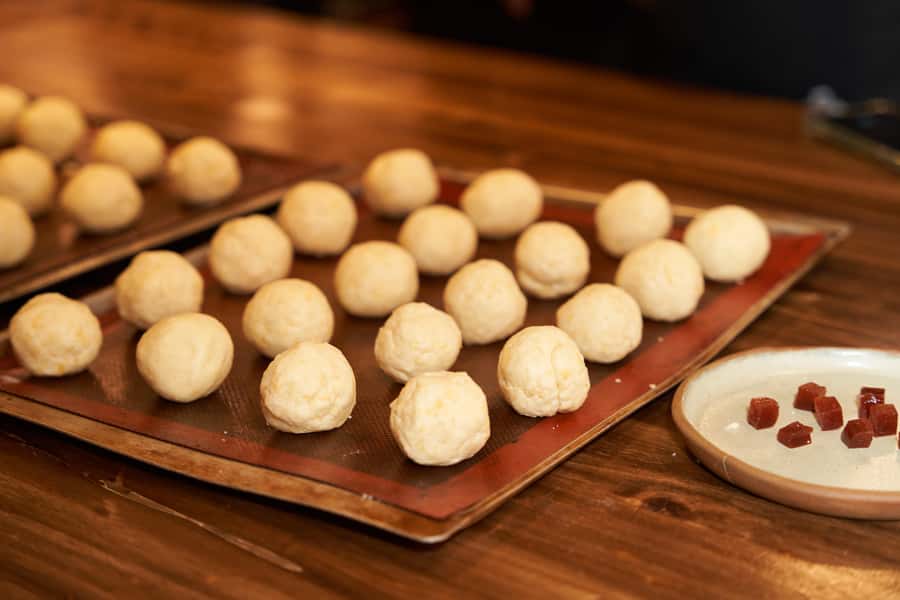
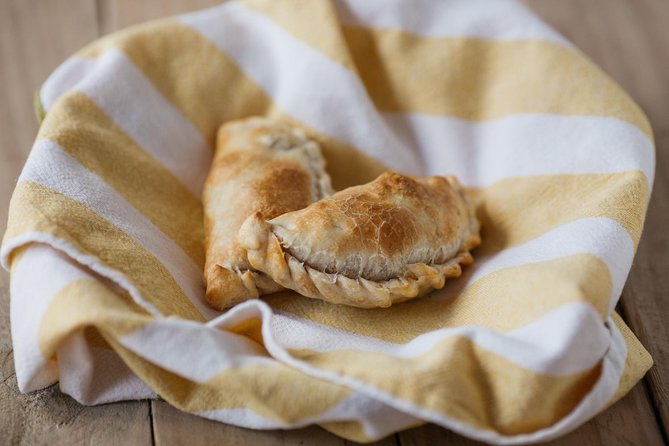
Next comes beef empanadas with chimichurri sauce. Empanadas are one of Argentina’s best-known foods, but they vary by region, filling, seasoning, and cooking method. Making them in class gives you a better sense of how the dough, filling, and folding technique work together.
Chimichurri adds the sharp, herby flavor many people associate with Argentine cooking. It is traditionally served with grilled meats, but it works well with empanadas too, cutting through the savory filling.
The class description says you cook from scratch, but it is important to keep your expectations realistic. A participant described the work as taking turns assisting with the preparation, with dishes made as a group effort rather than each person producing every recipe individually.
That is not a flaw for everyone. Group preparation lets the chef keep the timing under control and gives you a chance to talk while the food comes together. If you want a private lesson in which you personally make every empanada and sauce, ask about a private group instead.
For most people, the real value is learning the method and flavor combinations well enough to repeat them at home.
Still Argentina, but a completely different sort of afternoon:
- Local Foodie Adventure in Buenos Aires with Sherpa Food Tours
★ 5.0 · 6,875 reviews - Buenos Aires City Private Tour with Local Guide
★ 5.0 · 3,475 reviews - Buenos Aires Small-Group City Tour
★ 5.0 · 2,226 reviews - Buenos Aires Hop-On Hop-Off Bus, Free Walking Tours & Discounts
★ 4.5 · 2,218 reviews
Humita stew adds corn, comfort, and local character
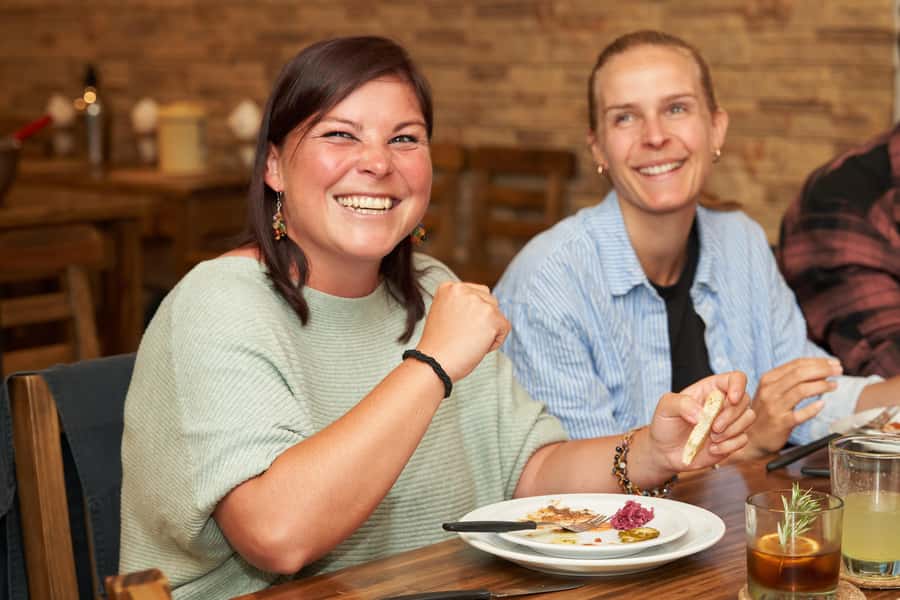
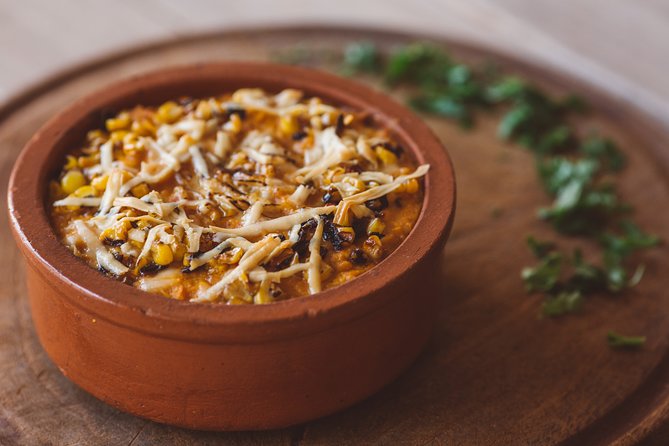
The main course is a gratinated humita stew. Humita is a corn-based dish with roots in the Andean region and a place in Argentine regional cooking. It offers a useful change of pace after the bread and beef empanadas.
The gratin gives the dish a hearty finish, while the corn brings a softer, sweeter note. You also get to see how Argentine food includes satisfying meat-free dishes, even in a menu that includes beef.
This is one of the reasons the activity can work well for mixed groups. The menu can be adapted for vegetarian, gluten-free, and lactose-free diets. You should share your needs when booking, since the cooking process and ingredients may need to be adjusted in advance.
The class is not marketed as a specialist health-food workshop, so do not assume every dietary version will be identical to the standard menu. Still, the stated flexibility is a real advantage for groups with different eating requirements.
Dessert ends with flames and dulce de leche
Dessert is flamed dulce de leche crepes served with ice cream and homemade limoncello. Dulce de leche is one of Argentina’s defining sweet flavors, and the crepes provide a familiar base for it.
The flaming presentation gives the final course a little ceremony. It also makes dessert part of the shared experience instead of an afterthought. You finish with a dish that is unmistakably Argentine in flavor, even though crepes themselves are widely known.
The homemade limoncello is included with the dessert course. Since the class also includes wine and vermouth, anyone avoiding alcohol should ask what nonalcoholic alternatives are available for the pairing.
The full menu is generous for a three-hour class. You begin with a picada, add chipá, empanadas, humita, and dessert, then sit down for the meal. Come hungry, but not so hungry that you rush through the explanations.
The shared table is part of the lesson
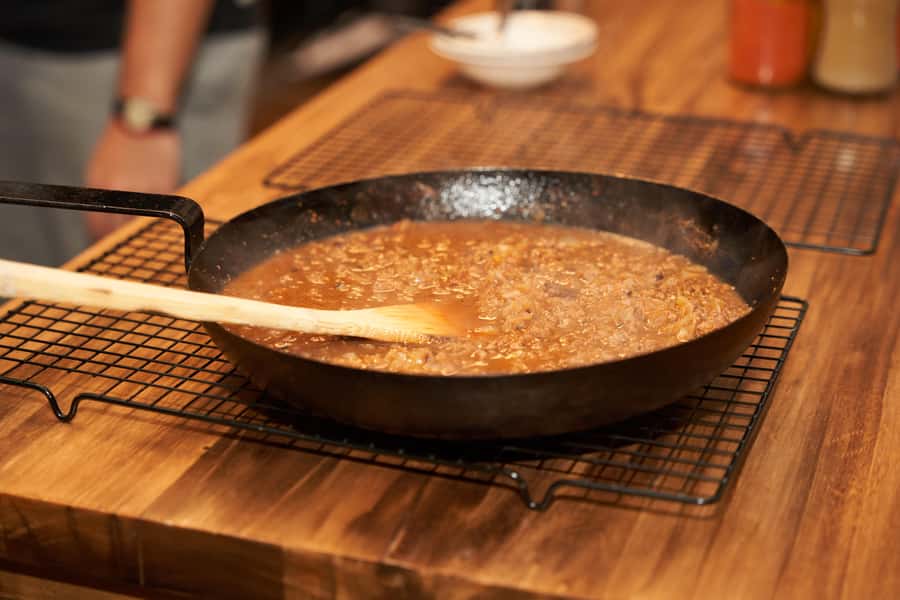
At the end, everyone sits around the table and eats the food prepared during the class. This final meal is where Pachamama shifts from cooking instruction to social experience.
The menu is paired with Durigutti wines from Las Compuertas in Mendoza. Mendoza is Argentina’s leading wine region, so the pairing adds another important part of the country’s food culture. The wine is not just an extra drink added to the price. It helps connect the dishes to Argentine habits of long meals and relaxed conversation.
You can also expect vermouth, water, and homemade lemonade to be included. The mix gives you options, although the alcohol content across the session is worth keeping in mind.
The group setting is a strength if you enjoy meeting people from different countries. One highly positive account described the afternoon as a chance to cook, eat, drink, and meet new people. Another praised the friendly chefs and the way the session was organized.
The tradeoff is privacy. If you want a quiet meal with only your own companions, a small-group class may feel more social than you prefer. For many visitors, though, that shared table is exactly what makes the activity feel connected to Argentine customs.
The teaching style is organized and good-humored
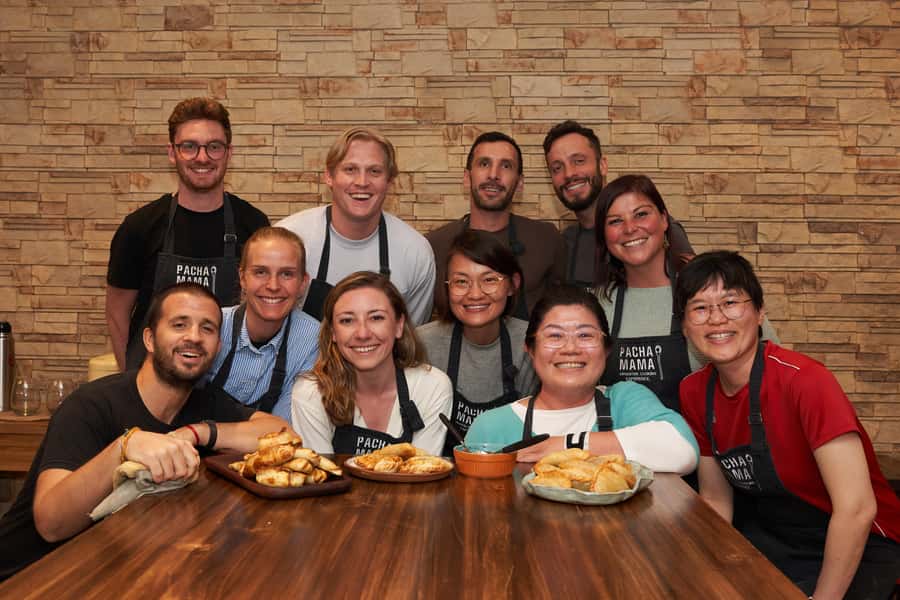
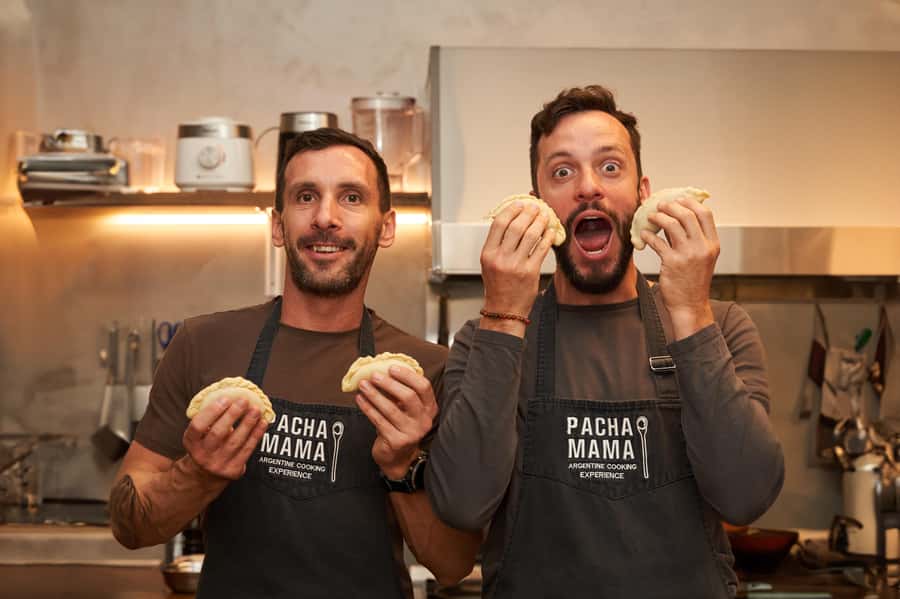
The class is led in English by professional chefs. Franco is identified as the host, and a direct account of the experience praised him and his staff for making sure the group had a good time.
The teaching style appears to be carefully planned. Participants have described the session as well organized, well rehearsed, and well executed. That matters in a cooking class with several courses, sauces, drinks, and a final meal. Good timing keeps the food moving and prevents the class from becoming a long wait between recipes.
The strongest praise centers on three things: the food, the friendly staff, and the clear explanations. You should expect the chef to explain not only how to prepare the dishes, but also where they come from and why they matter.
Still, this is a social group class, not a one-to-one professional cooking course. You may help with some steps while watching others being completed. If personal kitchen time is your top priority, a private booking is the better choice.
What the $75 price includes
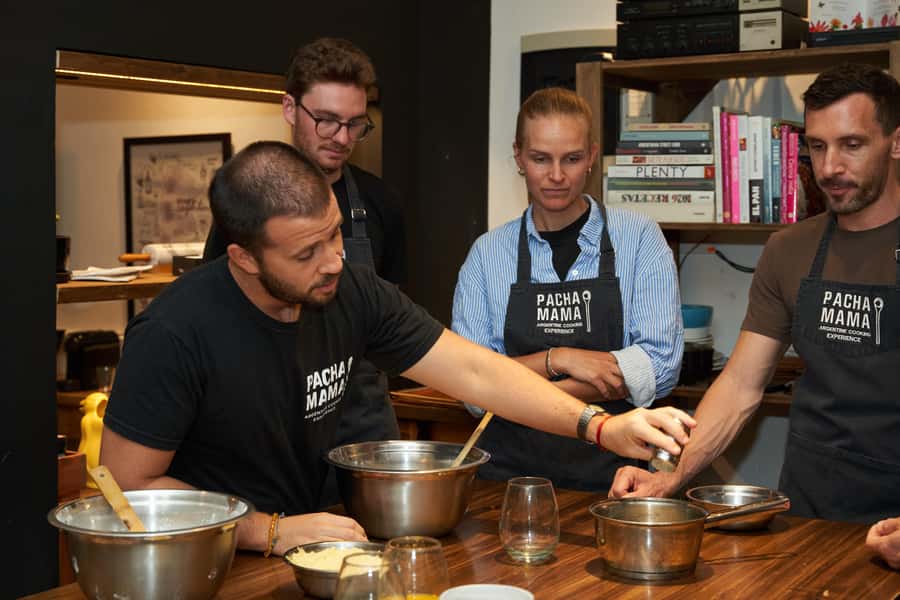
At $75 per person, Pachamama is not the cheapest way to eat in Buenos Aires. You could order a substantial meal for less, especially if you choose a simple neighborhood restaurant.
The value comes from combining several services in one sitting:
- A welcome picada with bread, preserves, and pickles
- A vermouth cocktail
- Hands-on preparation of a multi-course menu
- Chipá, empanadas, humita, and dessert
- Durigutti wines from Mendoza
- Water and homemade lemonade
- English-language instruction
- Recipes in PDF format
- Class photographs
- Local Buenos Aires recommendations
You are paying for food, drinks, teaching, and a social evening. The price makes the most sense if you would otherwise pay separately for a meal and a cultural activity.
The value is also stronger for couples, solo visitors, and small groups who want a ready-made evening with a clear structure. It is less compelling for people who mainly want a large steak dinner or who dislike group participation.
Hotel pickup and drop-off are not included, so add your own transportation cost and time when comparing this with other activities. The exact meeting location within Buenos Aires Province is not given in the supplied details, so check that before booking and allow time to reach it.
Timing, group size, and accessibility
The experience is listed as three hours in the main activity details, while the fuller description calls it a three-and-a-half-hour experience. Private groups can adapt it to two and a half hours.
That difference is worth checking before you plan a tight evening. A cooking class with five stages, explanations, drinks, and a shared meal naturally needs room to run long. I would avoid scheduling a major show or dinner reservation immediately afterward.
The group size is also described in two ways. One detail gives a capacity of up to 14 people, while the activity information calls it a small group limited to 10 participants. Ask for the expected number at your chosen time if group size affects your decision.
The experience is wheelchair accessible. That is useful practical information, though you should still confirm any personal access needs with the provider before arrival.
Free cancellation is available up to 24 hours in advance for a full refund. You can also reserve and pay later, which helps if your Buenos Aires schedule is still changing.
Who will enjoy Pachamama most
I would recommend this activity to you if you:
- Want to learn about Argentine food through cooking rather than only eating
- Enjoy shared meals and meeting people from different places
- Like a relaxed class with several recipes
- Need vegetarian, gluten-free, or lactose-free adjustments
- Want recipes and city tips to use after the class
- Have an afternoon or evening free for a three to three-and-a-half-hour activity
It is also a good choice for solo visitors. The shared table gives you a natural way to talk with other people without needing to arrange your own dining companions.
Families and mixed-age groups may also appreciate the clear menu and group format, though the supplied details do not give a minimum age. Ask before booking if children will attend.
I would be more cautious if you want to cook every dish individually. The class uses group preparation, and one participant specifically noted that each person did not make every recipe alone. That is the main difference between a friendly cultural cooking experience and a formal chef-training lesson.
Should you book Pachamama?
Book Pachamama if you want Argentine food explained by people who care about its origins, then served in a warm shared setting with wine. The combination of empanadas, chimichurri, humita, dulce de leche, and Mendoza wine gives you a broad taste of the country in one sitting.
The activity earns its strong reputation through organization, friendly instruction, tasty food, and a generous amount of included food and drink. Its main limits are the group-style cooking, the lack of hotel transport, and the unclear three-hour versus three-and-a-half-hour timing.
For a first visit to Buenos Aires, this is a particularly useful choice if you want something social and practical. You will not just leave with a full stomach. You will also have recipes, photos, and a better understanding of how Argentine cooking brings people to the table.
FAQ
Where does the Pachamama Argentine cooking experience take place?
The experience takes place in Buenos Aires Province, Argentina. The supplied information does not provide a more specific address, so check the meeting location before booking.
How long does the cooking experience last?
The activity is listed as three hours, while the fuller description gives three and a half hours. Private groups can adapt the experience to two and a half hours.
What food will I prepare?
The menu includes chipá with barbecue sauce and fermented spicy sauce, beef empanadas with chimichurri, humita stew gratin, and flamed dulce de leche crepes with ice cream and homemade limoncello.
Is wine included?
Yes. The menu is paired with Durigutti wines from Las Compuertas in Mendoza. Vermouth, water, and homemade lemonade are also included.
Is a meal included at the end?
Yes. After preparing the menu, you share the food around the table with the group and enjoy the included drink pairings.
Is the class taught in English?
Yes. The regular experience is given in English. Private groups can request a Spanish-language class.
Can dietary requirements be accommodated?
The experience can be adapted for vegetarian, gluten-free, and lactose-free diets. Tell the provider about your requirements when booking.
How many people are in the group?
The activity is described as a small group limited to 10 participants. Another detail lists capacity for up to 14 people, so confirm the expected group size for your date.
Is hotel transportation included?
No. Hotel pickup and drop-off are not included.
Recently added around Buenos Aires
- Photo Session in Buenos Aires★ 5.0 · 26 reviews
- Your Personal Photographer in Buenos Aires★ 5.0 · 24 reviews
- Discover Buenos Aires’ independent art scene — Ticket included★ 5.0 · 30 reviews
- Yerba Mate Workshop – Learn to Drink Mate like a Local!★ 5.0 · 11 reviews
- Taste of Tradition: Yerba Mate & Alfajores Experience★ 4.0 · 5 reviews
- Your Private Photographer in Buenos Aires★ 5.0 · 4 reviews
- Wine tasting in OASIS Palermo★ 5.0 · 2 reviews
- Day Tour Classic★ 3.5 · 35 reviews
Cooking Classes, compared.
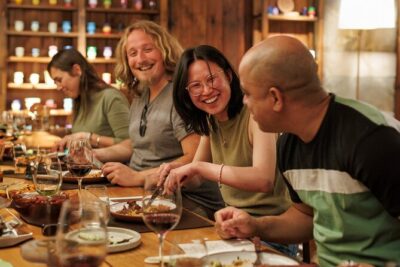
Argentine Experience Interactive Dining and Cooking
Read our review →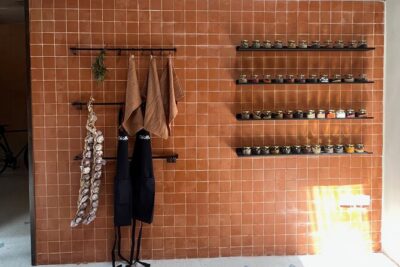
Cooking Class Designed by Michelin Chef @ Argentine Experience
Read our review →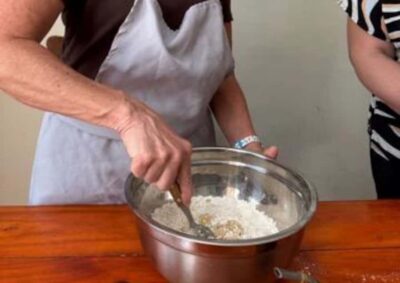
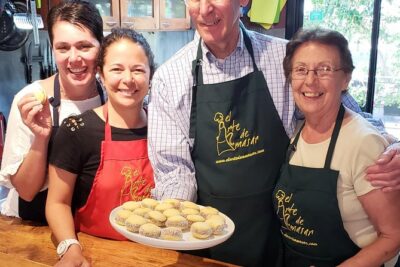
Private Cooking Lessons and Food Tasting in Buenos Aires
Read our review →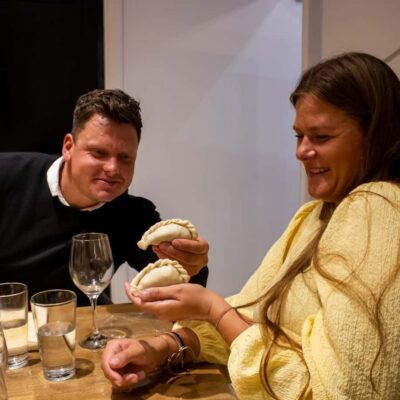
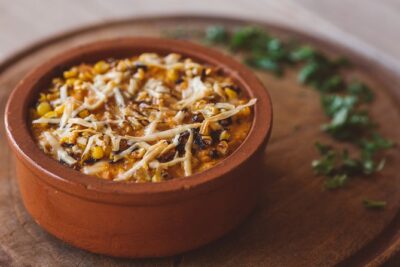
Pachamama – Argentine Cooking Experience in Buenos Aires
Read our review →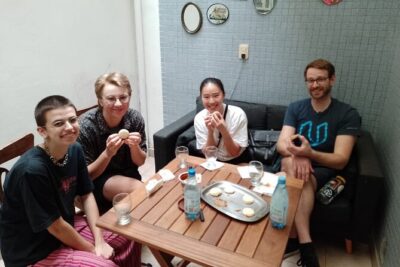
3-Hour Buenos Aires Empanadas and Alfajores Cooking Class
Read our review →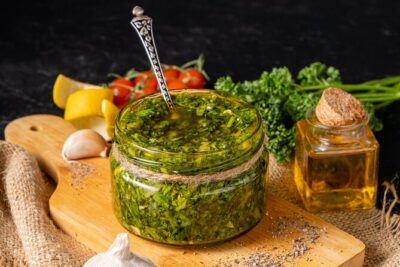
3h Cooking Class in Mendoza with 7 Recipes & Bottomless Drinks
Read our review →Browse the lists this tour appears in