
Reviewed · WORKSHOPS
Mate Experience Workshop in Buenos Aires
Mate is more than a drink. It is a social ritual.
This two-hour workshop at Vamos Academy in central Buenos Aires gives you a friendly, hands-on introduction to Argentina’s most famous beverage. I like the small maximum group of five, which should make it easier to ask questions and take part, and I like that you prepare and share your own mate rather than simply watch a tasting. The included Argentine pastries and mate souvenir add real value.
The main drawback is that transportation is not included, so you must make your own way to the academy on Maipú Street. Also, mate can taste bitter at first, and the workshop may be less appealing if you prefer a quick sample rather than a social activity built around conversation and custom.
In This Review
- Key Points at a Glance
- Why Mate Matters in Buenos Aires
- Arriving at Vamos Academy on Maipú Street
- The Welcome and Cultural Introduction
- Watching the Live Demonstration
- Making and Sharing Your Own Mate
- Regional Styles, Pastries, and Tereré
- What the $40 Price Delivers
- Who Will Enjoy This Workshop Most
- Practical Details to Know Before Booking
- Should You Book the Mate Experience Workshop?
- FAQ
- Where does the Mate Experience Workshop begin?
- What time does the workshop start?
- How long does the experience last?
- Is transportation to the academy included?
- Is the experience offered in English?
- What is included in the price?
- How many people can join the workshop?
- Can I cancel for a full refund?
Key Points at a Glance
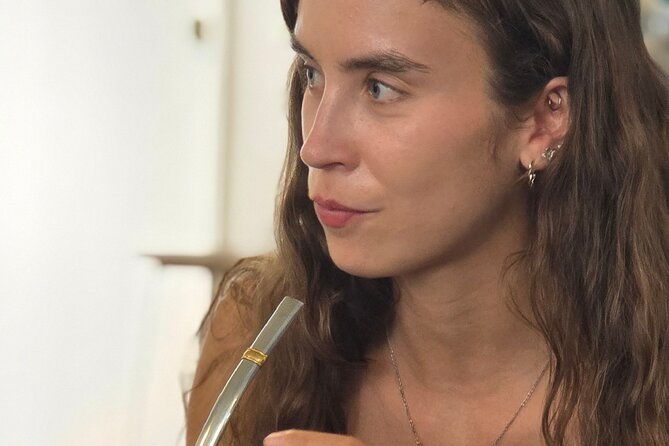
- You prepare your own mate: Learn how to fill the gourd, position the bombilla, add water, and share the drink properly.
- The group is capped at five people: This creates a more personal setting than a large food tour.
- The lesson covers social rules: You learn how mate is passed around, who serves it, and why the ritual matters.
- You taste more than hot mate: The workshop also introduces regional styles and refreshing tereré.
- Argentine pastries are included: Snacks help balance mate’s earthy, bitter flavor.
- You take home a mate souvenir: The gift gives you a practical way to continue the tradition after leaving Buenos Aires.
Why Mate Matters in Buenos Aires

If you have only seen mate in photographs, it is easy to think of it as a type of herbal tea. That description is accurate but incomplete. Mate is also a shared habit, a sign of friendship, and a familiar part of daily life in Argentina.
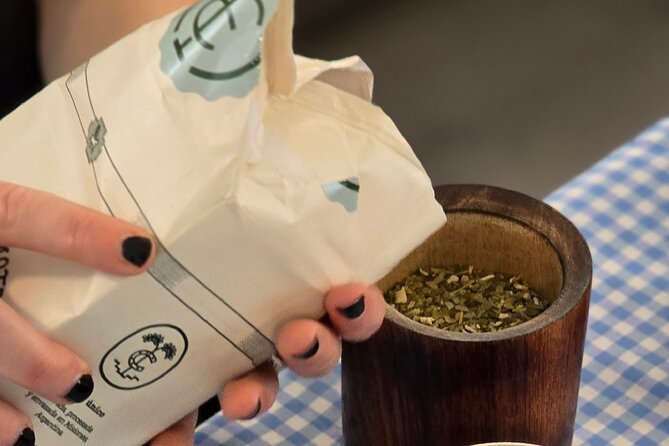
The drink is made by steeping yerba mate, a dried plant, in a small gourd or cup. A metal straw called a bombilla filters the liquid as you drink. The container is passed from person to person, usually with one person preparing and refilling it.
That shared element is what makes this workshop useful. You are not simply learning a recipe. You are learning a small set of social customs that can otherwise be hard to understand from the outside. The workshop explains how mate is prepared, how it is offered, and how it moves through a group.
I especially like that the experience treats mate as part of Argentine social culture rather than presenting it as a novelty drink. The lesson can help you recognize what is happening when you see people sharing mate in a park or gathering. One account describes the ritual as feeling like a large social circle, which is a good way to understand its appeal.
A few more Buenos Aires trips worth putting side by side
- Local Foodie Adventure in Buenos Aires with Sherpa Food Tours
★ 5.0 · 6,875 reviews - Buenos Aires City Private Tour with Local Guide
★ 5.0 · 3,475 reviews - Buenos Aires Small-Group City Tour
★ 5.0 · 2,226 reviews
Arriving at Vamos Academy on Maipú Street
The workshop begins at Vamos Academy Spanish School and English Classes, located at Maipú 464 in central Buenos Aires. The meeting point is also the ending point, and the stated start time is 2:00 pm.
You will need to arrange your own transportation to the academy. Private transportation is not included, but the location is near public transportation, which makes the meeting point practical for a city-based activity. Allow enough time to reach Maipú Street, especially if you are unfamiliar with Buenos Aires or are coming from another part of the city.
The academy setting gives the workshop a different feel from a restaurant tasting. You are entering a language school for foreigners, so the activity is designed with international visitors in mind. That matters because the host can explain customs clearly instead of assuming you already know the basic rules.
Confirmation is provided when you book, and the experience is offered in English. Service animals are allowed. The maximum group size is five people, one of the strongest practical features of the experience.
The Welcome and Cultural Introduction
The session begins with a warm welcome and an introduction to mate’s place in Argentina. The exact length of this opening is not specified, but the workshop is planned as a roughly two-hour activity, so the explanation should lead into the practical portion without taking up the entire visit.
This opening is important for first-time drinkers. Mate has its own vocabulary, equipment, and etiquette. Without context, the gourd, bombilla, hot water, and repeated refills can seem like a complicated way to drink tea. With context, the pieces make sense.
The host explains the background of the tradition and the differences between regional styles. That regional angle gives the lesson more depth. You are not told that every Argentine prepares mate in precisely the same way. Instead, you get a sense that preferences and methods can vary.
The strongest part of the instruction is the attention to social rules. You learn about sharing, serving, and the small habits that shape the ritual. This is the sort of information you can use later, especially if you meet Argentine friends or see mate being passed around in a public space.
Watching the Live Demonstration
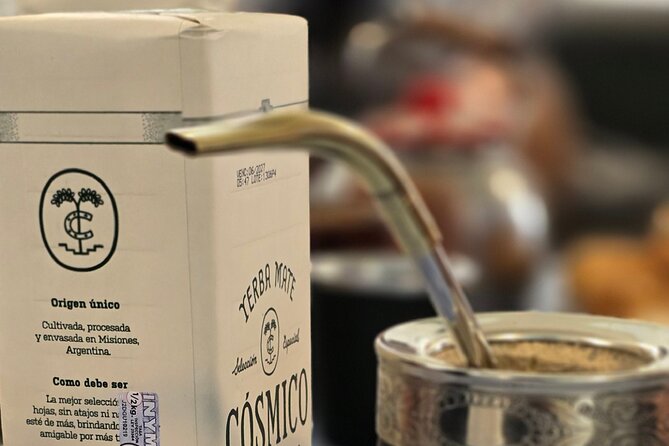
Before making your own drink, you watch a live demonstration. This is a helpful order for the lesson because the preparation has several steps, and seeing it once makes your turn less intimidating.
The demonstration covers the techniques needed to prepare mate correctly. You can expect guidance on handling the yerba mate, using the gourd, placing the bombilla, and adding water. The available details do not specify the exact water temperature or the equipment provided at each stage, so you should treat this as an introduction rather than a formal technical course.
The host’s teaching style is one of the experience’s biggest strengths. The feedback points to clear explanations, patience with questions, and a friendly approach. That combination is important because mate can be an acquired taste. A good explanation helps you understand what you are tasting instead of deciding too quickly that it is simply bitter.
I would pay close attention during the demonstration, especially to how the bombilla is positioned and how the drink is passed. Those details are easy to overlook, yet they are part of what separates the ritual from an ordinary cup of tea.
Still Argentina, but a completely different sort of afternoon:
- Buenos Aires Hop-On Hop-Off Bus, Free Walking Tours & Discounts
★ 4.5 · 2,218 reviews - Buenos Aires: Piazzolla Tango Show with Optional Dinner
★ 4.4 · 2,122 reviews - Buenos Aires: City Highlights Guided Tour with Transfer
★ 4.7 · 1,946 reviews - Buenos Aires: Hop-On Hop-Off City Bus Tour
★ 4.2 · 1,855 reviews
Making and Sharing Your Own Mate
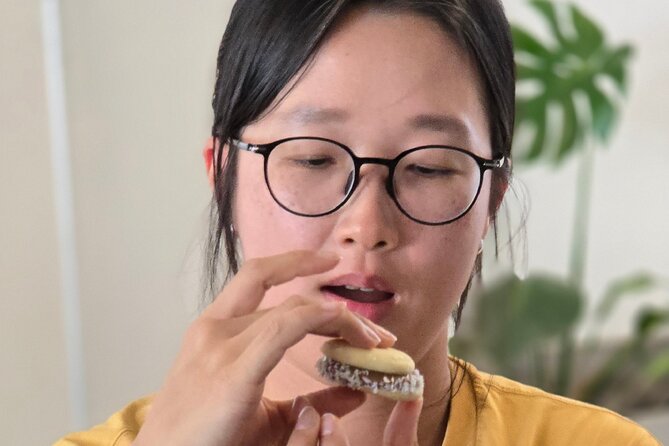
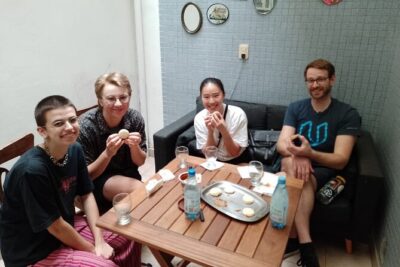
The hands-on section is the heart of the workshop. You get to prepare your own mate and share it with the group. This gives the activity a social rhythm, since each person is learning while also taking part in the custom.
You are not expected to arrive with prior experience. The activity is designed for foreigners, including people who have never tried mate. One participant described the first sip as a little difficult, followed by a smoother appreciation as the drink continued. That is useful advice: do not judge mate after one quick taste.
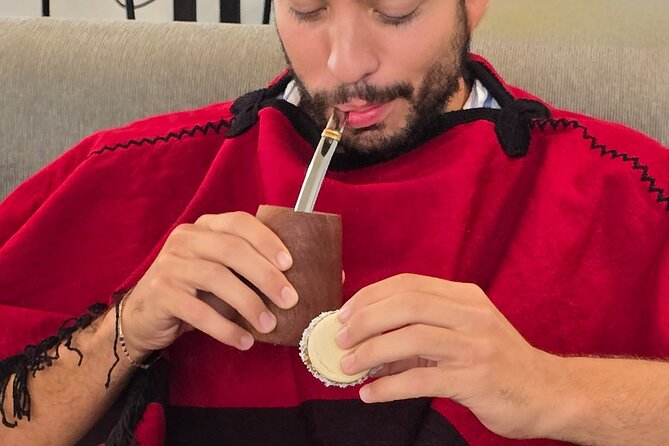
The flavor can be earthy and bitter, especially if you are used to sweet tea or coffee. You might find it more enjoyable after several sips, once you understand the purpose of the ritual. The included Argentine pastries are a welcome touch here. They give you something to eat alongside the drink and make the tasting feel more relaxed.
Sharing also helps you meet the other people in the group. Several accounts describe the workshop as a good way to talk with new acquaintances, and one person said the conversation continued for hours afterward. That kind of connection cannot be guaranteed, but the format encourages it more than a private tasting at a counter.
With only five participants, you should have a better chance to practice, ask questions, and speak with the host. A larger group might offer more energy, but this small format is better suited to a cultural lesson where everyone is meant to take a turn.
Regional Styles, Pastries, and Tereré

The workshop does not stop with one preparation method. You also learn about regional styles, which helps show how mate changes across Argentina and neighboring parts of South America.
The supplied details do not name each regional style, so you should not expect a detailed survey of every province. Still, even a short comparison can make the experience more useful. You begin to notice that mate is not one fixed recipe. Water, preparation, serving habits, and local preferences can all affect the result.
Argentine pastries are included as snacks. They are a practical part of the experience, not just a decorative extra. Mate’s strong flavor is easier to appreciate when you have something sweet or savory to eat with it. The pastries also make the two-hour session feel more like a hosted cultural gathering than a classroom lecture.
You will also learn to prepare tereré. Unlike hot mate, tereré is a refreshing cold version, making it an interesting contrast within the same tradition. The workshop presents it as another way to enjoy yerba mate, not as a separate drink with no connection to the main ritual.
This section gives the experience useful range. You taste and prepare mate, then see how the same basic tradition can suit a warmer or more refreshing style. If you are visiting Buenos Aires in hot weather, the tereré portion may be especially appealing.
What the $40 Price Delivers

The price is $40 per person for about two hours. That is not the cheapest way to sample mate, since you could buy a drink on your own for much less. The value comes from the instruction, the social setting, the pastries, and the souvenir.
I would see this as a cultural workshop rather than a beverage purchase. You are paying for a host who explains the ritual, demonstrates the technique, answers questions, and guides you through your own preparation. The group limit of five also adds value because the experience is unlikely to feel like a mass tasting.
The mate to take home is a particularly useful inclusion. You leave with more than a memory and a temporary taste. You have a physical reminder of the lesson and the basic equipment needed to continue exploring mate. The available information does not specify the exact design or contents of the souvenir, so do not book expecting a particular brand or elaborate gift set.
For a short visit to Buenos Aires, the price can make sense. One person with only a few days in the city described the workshop as one of their few genuine local experiences. That is the right way to judge it. If you want a structured introduction to an important Argentine custom, $40 is reasonable. If you are already familiar with mate or mainly want a cheap drink, it may not be the best use of your budget.
Who Will Enjoy This Workshop Most
I would recommend this experience to first-time visitors who want a cultural activity that is easy to fit into an afternoon. The two-hour length is manageable, and the 2:00 pm start leaves room for other plans before or after the session.
It is also a good choice for solo visitors. The small group and shared preparation give you a natural way to meet people without needing to arrange a social outing yourself. Couples and friends can enjoy it too, but the real benefit comes from joining a small group and learning together.
The workshop should suit you if you enjoy food traditions, language exchange, and social customs. It is less suitable if you dislike bitter drinks, do not want to share utensils as part of the ritual, or prefer a private and quiet activity.
The English-language format makes the lesson accessible if your Spanish is limited. Since it takes place at a Spanish academy for foreigners, the setting is built around explaining Argentine culture to an international audience.
Practical Details to Know Before Booking
The activity is offered in English and uses a mobile ticket. You meet at Vamos Academy, Maipú 464, and return to that same location at the end.
The maximum is five people, but the experience also requires a minimum number to operate. If that minimum is not met and the activity is canceled, you are offered another date or experience, or a full refund.
Free cancellation is available if you cancel at least 24 hours before the 2:00 pm start time. Changes or cancellations made less than 24 hours before the start are not accepted for a refund. The cut-off is based on local Buenos Aires time, so check the time carefully if you are booking from another country.
You should arrive ready to participate, not just observe. The workshop includes making and sharing mate, tasting pastries, and learning several preparation methods. Bring curiosity, and give yourself permission to need more than one sip before deciding how you feel about the flavor.
Should You Book the Mate Experience Workshop?
I would book this if you want a friendly, compact introduction to Argentine social culture. The strongest reasons are the very small group, the clear hands-on teaching, the chance to learn the etiquette behind sharing mate, and the take-home souvenir.
The workshop is especially worthwhile during a short Buenos Aires visit, when you may not have time to make local friends or learn a tradition naturally. It gives you a simple entry point into a custom that can otherwise feel private or unfamiliar.
I would skip it if your main goal is simply to drink mate cheaply, or if you strongly dislike bitter flavors and shared serving rituals. For everyone else, the $40 fee buys a thoughtful cultural lesson, snacks, conversation, and a skill you can continue using after you leave Argentina.
FAQ
Where does the Mate Experience Workshop begin?
It begins at Vamos Academy Spanish School and English Classes, Maipú 464, C1006 Buenos Aires, Argentina.
What time does the workshop start?
The stated start time is 2:00 pm.
How long does the experience last?
The workshop lasts approximately two hours.
Is transportation to the academy included?
No. Private transportation to the academy is not included. The meeting point is near public transportation.
Is the experience offered in English?
Yes. The workshop is offered in English.
What is included in the price?
Coffee and/or tea, Argentine pastries, and a mate to take home as a souvenir are included.
How many people can join the workshop?
The activity has a maximum of five participants. It also requires a minimum number of participants to operate.
Can I cancel for a full refund?
Yes. You can cancel at least 24 hours before the experience start time for a full refund. Cancellations or changes made less than 24 hours before the start time are not accepted for a refund.
Recently added around Buenos Aires
- Photo Session in Buenos Aires★ 5.0 · 26 reviews
- Your Personal Photographer in Buenos Aires★ 5.0 · 24 reviews
- Discover Buenos Aires’ independent art scene — Ticket included★ 5.0 · 30 reviews
- Your Private Photographer in Buenos Aires★ 5.0 · 4 reviews
- Yerba Mate Workshop – Learn to Drink Mate like a Local!★ 5.0 · 11 reviews
- Taste of Tradition: Yerba Mate & Alfajores Experience★ 4.0 · 5 reviews
- Wine tasting in OASIS Palermo★ 5.0 · 2 reviews
- Day Tour Classic★ 3.5 · 35 reviews
Workshops, compared.
Cooking Class Designed by Michelin Chef @ Argentine Experience
Read our review →
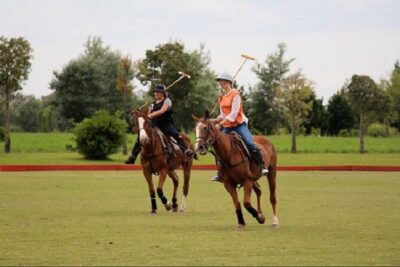
Polo Match, BBQ and Lesson Day-Trip from Buenos Aires
Read our review →
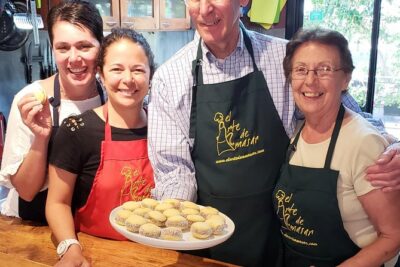
Private Cooking Lessons and Food Tasting in Buenos Aires
Read our review →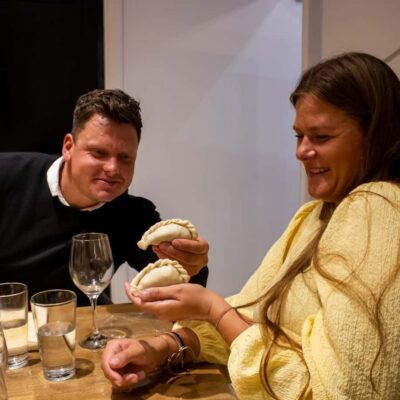
3-Hour Buenos Aires Empanadas and Alfajores Cooking Class
Read our review →Browse the lists this tour appears in