
Reviewed · WALKING TOURS
Buenos Aires in One Day Private Walking Tour
Buenos Aires rewards slow looking. This six-hour private walk brings the city’s grand avenues, political landmarks, old neighborhoods, and cemetery stories together with plenty of explanation along the way. I especially like the private format, which allows the guide to adjust the pace, and the way the tour connects architecture with Argentina’s politics, immigration, religion, and daily life. The main drawback is simple: this is a serious amount of walking, with one taxi ride and lunch at your own expense.
The tour costs $199 per person and begins at 10 a.m. near Florida Street. It ends at Plaza Dorrego in San Telmo, not back at the starting point, so you need to plan your return. Guides including Carlos, Soledad, Clemencia, and Eilat have earned praise for clear English, strong local knowledge, and a friendly manner, though one afternoon handoff between guides was less polished than the rest of the day.
In This Review
- Key Points Before You Book
- Why This Buenos Aires Walk Is Worth Your Day
- Florida Street and Retiro: A Fast Start in the City Center
- Avenida Alvear: Palaces, Immigrants, and Buenos Aires Style
- Recoleta Cemetery: The Emotional Center of the Tour
- Palermo and the City’s Public Monuments
- Downtown: Teatro Colón, the Obelisk, and Argentina’s Economy
- Plaza de Mayo: Argentina’s Political Stage
- San Telmo and Defensa Street: Colonial Streets with Difficult Stories
- Puerto Madero: From British Docks to a New District
- Coffee, Lunch, and the Pace of a Private Day
- Is $199 Per Person Good Value?
- Who Should Book This Tour?
- FAQ
- How long does the Buenos Aires walking tour last?
- Where does the tour begin?
- Where does the tour end?
- Is transportation included?
- Is Recoleta Cemetery admission included?
- Are meals included?
- Is this a private tour?
- What happens if it rains?
- Should You Book the Buenos Aires One-Day Walk?
Key Points Before You Book
- A true city walk: Expect roughly six to seven hours on foot, not a quick bus tour with photo stops.
- Private attention: Your group takes part alone, and the route can be adjusted when timing and city conditions allow.
- The cemetery is a major feature: Recoleta Cemetery receives about 45 minutes, with special attention to Eva Perón and other famous tombs.
- History comes from the pavement: Plaza de Mayo, San Telmo, Defensa Street, and Puerto Madero help explain Argentina’s political and social story.
- You pay for the extras: Lunch, coffee, hotel transfers, and the required taxi ride are not included.
- The finish matters: You end at Plaza Dorrego, a useful spot for cafes, antique shops, and further San Telmo exploring.
Why This Buenos Aires Walk Is Worth Your Day
Buenos Aires is too large and varied to understand from a single central square. One block can shift from French-style mansions to British railway architecture, from a church to a political protest site, or from a polished shopping arcade to a colonial street.
This tour’s greatest strength is the guide’s running commentary. You are not simply pointed toward Casa Rosada or the Obelisco. You hear why these places matter, how the city grew, and how Argentina’s past still shapes its streets.
The private setup gives the experience an advantage over a large group walk. You can ask about architecture, Perón, tango, immigration, military coups, or modern Buenos Aires without waiting for a crowd to move along. Several guides have received especially strong praise. Carlos is often singled out for his English and insight into Argentine life, while Soledad, Clemencia, and Eilat have also been described as warm and well informed.
The tradeoff is pace. You cover a lot of ground, and the six-hour estimate may stretch closer to seven hours depending on stops, lunch, traffic, and conversation. One person found the afternoon portion too long, especially at the cemetery. If you prefer a gentle stroll with long cafe breaks, this may feel demanding.
More Day Trips in Buenos Aires
- Gaucho Day Trip from Buenos Aires: Santa Susana Ranch
★ 4.0 · 272 reviews - Colonia del Sacramento Small-Group Day Trip
★ 4.5 · 155 reviews - Gaucho Experience: A Day Trip to Don Silvano Ranch
★ 4.0 · 148 reviews
Florida Street and Retiro: A Fast Start in the City Center
Meet outside the Florida Garden cafe at Florida 899, near the corner with Paraguay Street. Look for a small BA Walking Tours sign in the guide’s hand or clothing, and arrive before the 10 a.m. start.
The opening walk along Calle Florida gives you an immediate sense of downtown Buenos Aires. This pedestrian street is lively and central, but the guide’s job is to look beyond the shops and explain the older buildings and the way the city developed around them.
From there, the route reaches Retiro and Plaza San Martín. This elegant park carries several layers of the city’s past. The guide explains its early military use, former bullfighting activity, and connection with the slave trade. That combination is important because it prevents the plaza from becoming just another attractive green space.
You also see the Paz Palace, a grand belle-epoque mansion, along with the Kavanagh Building and the Church of Santísimo Sacramento. The British Clock Tower and railway stations open a different chapter, showing how British money, engineering, and trade affected Argentina.
The General San Martín Monument brings the national story into focus. Here, the guide explains the role of José de San Martín in Argentina’s independence and the formation of the country.
Avenida Alvear: Palaces, Immigrants, and Buenos Aires Style
Avenida Alvear is where the city’s nickname, Paris of the South, starts to make visual sense. The route passes grand residences, formal facades, art galleries, and hotels that reflect the wealth of Argentina’s old ranching families.
You see the Palacio Ortiz-Basualdo, now associated with the French Embassy, the Alzaga-Unzué Manor, the Duhau Mansion, the Hume Mansion, and Alvear Palace. These buildings are not treated as isolated showpieces. The guide links them to French and Italian influence, Catholic and Jewish communities, immigration, and the city’s changing social structure.
That context is one of the tour’s best features. A street of mansions can seem remote if you only hear architectural labels. Here, the buildings help explain who had money, where cultural influence came from, and how Buenos Aires developed its European look.
You should not expect to enter every building. Much of the tour takes place outdoors, and one disappointed participant felt that too few interiors were included. If you love exterior architecture and historical explanation, this section should satisfy you. If you need museum visits and interior access, set your expectations lower.
Recoleta Cemetery: The Emotional Center of the Tour
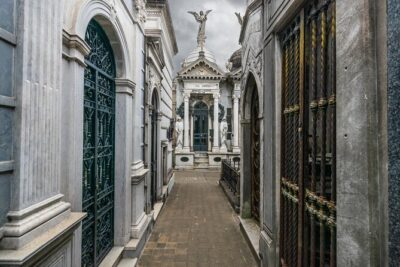
Recoleta is a small neighborhood with an outsized reputation. Its cemetery is the strongest single stop of the day, with about 45 minutes devoted to monuments, famous graves, and stories connected to Argentina’s public life.
Eva Perón’s tomb is the obvious draw, but the guide uses it as a starting point rather than the entire subject. You learn how the cemetery became a city of family mausoleums, religious symbols, political memory, and elaborate sculpture.
The cemetery is best understood with a guide. Without context, its dense lanes and ornate tombs can blur together. With explanation, a monument can reveal a family’s status, a national conflict, or a chapter in the life of a public figure.
The nearby Church of Nuestra Señora del Pilar helps set the scene for old Recoleta. The area also includes the Buenos Aires Exhibition Center, Palais de Glace, Buenos Aires Design Center, and the National Gallery of Art. Palais de Glace is tied to the development of tango, adding an artistic and social note to the neighborhood.
This part can also be the day’s slowest stretch. One guide transition after lunch was criticized for adding waiting time, and another person felt the cemetery portion went on a little too long. That is useful to know if your group has limited stamina. The private format gives you a chance to ask for a shorter visit, but the cemetery remains a central part of the experience.
More Private Tours in Buenos Aires
- Buenos Aires City Private Tour with Local Guide
★ 5.0 · 3,475 reviews - Private Airport Transfer In or Out : Ezeiza (EZE) – Buenos Aires
★ 5.0 · 548 reviews - Private Full-Day Iguazu Falls Tour with Airfare from Buenos Aires
★ 4.5 · 387 reviews - Private City Tour with a friend in Buenos Aires
★ 5.0 · 363 reviews
Palermo and the City’s Public Monuments
The walk continues into Palermo, Buenos Aires’ largest and most populated neighborhood. The point here is less about ticking off a long list of sights and more about seeing how everyday city life differs from the monumental center.
You pass the National Gallery of Art, Peynot’s grand monument, the Floralis Monument, and the National Library building. The giant metal flower is one of the city’s most recognizable modern works, while Eva Perón’s monument connects Palermo to the country’s political memory.
The guide also explains the place where Eva Perón died. That detail can feel stark, but it helps connect a public figure’s national image with the actual geography of Buenos Aires.
Palermo makes a useful contrast with Recoleta. Recoleta presents old money, ornate tombs, and European-style residences. Palermo gives you a broader sense of the city’s scale and daily rhythm. Since this is still a walking tour, you see these areas from the street rather than from inside museums or galleries.
Downtown: Teatro Colón, the Obelisk, and Argentina’s Economy
The return toward El Centro brings you to the city’s best-known symbols. The route includes Galerías Pacífico, once linked to the Pacific British Railroad and now a grand shopping arcade known for its mural paintings.
You pass the Centro Naval, a reminder of Argentina’s former wealth and the influence of ranchers and military leaders. The guide then explains Teatro Colón, one of the city’s major opera houses, and the Obelisk, including what it represents in the story of Buenos Aires.
The tour also points out the house connected with Mariquita Sánchez, whose name is linked to Argentina’s national anthem. From there, the conversation turns toward the bank and finance district and Argentina’s more recent economic story.
This is where the experience offers more than a sightseeing checklist. You get a look at the city’s institutions, symbols, and financial center, while the guide places them in a political and economic frame. That said, many of these attractions are viewed from outside. The tour offers explanation, not scheduled performances or extended interior visits.
Plaza de Mayo: Argentina’s Political Stage
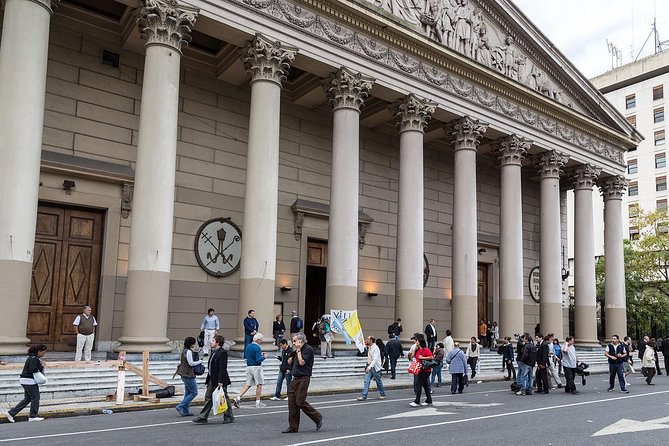
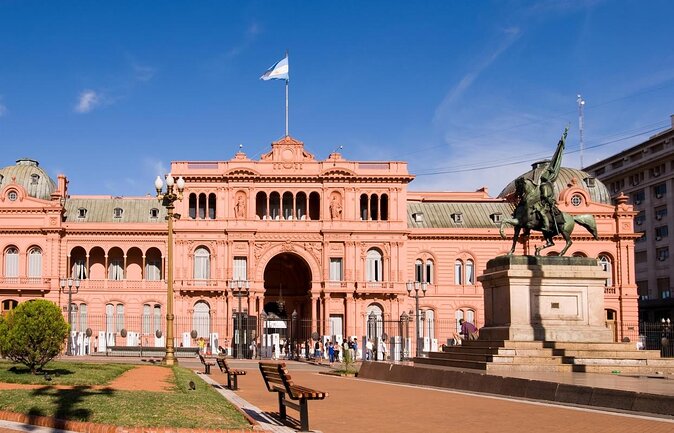
Plaza de Mayo is the core historical stop. Here you see Casa Rosada, the presidential office, the Cabildo, the Metropolitan Cathedral, and the Pirámide de Mayo.
The Cathedral is especially important. It contains the guarded tomb of General San Martín, and it is also associated with Pope Francis, who worked there before becoming pope. The Cabildo recalls the city’s colonial government, while Casa Rosada represents Argentina’s modern executive power.
The Pirámide de Mayo leads into the story of the Mothers of the Disappeared. Their public presence gave the square a lasting connection to Argentina’s dictatorship and the families still seeking answers. This is one of the places where a guide adds real value because the political meaning is not always obvious from the buildings alone.
The tour also discusses the monument to Manuel Belgrano, the National Bank, government ministries, and traces of recent coups, including visible shrapnel damage. The result is a walk through Argentina’s national story without turning the city into a lifeless history lesson.
San Telmo and Defensa Street: Colonial Streets with Difficult Stories
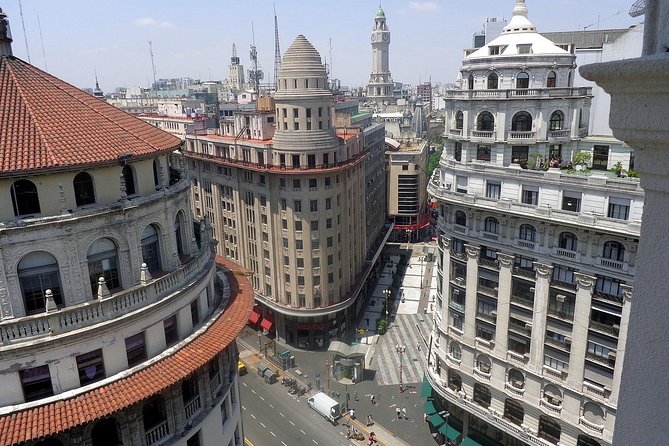
San Telmo is the oldest neighborhood in Buenos Aires, and its streets offer a very different mood from Retiro and Recoleta. You pass colonial-style houses, old churches, preserved shops, markets, and narrow streets shaped by earlier city limits.
Defensa Street carries the story of Buenos Aires’ defense against British invasions in 1806 and 1807. The guide also explains the British presence in Argentina, which appears again in railways, commerce, and architecture.
The route includes Bolívar Street and Manzana de las Luces, an early center of learning and schooling. You also see the oldest preserved shop, church, and house mentioned during the walk, along with the Viceroy Liniers House, Santo Domingo Convent, and the Carlos Calvo Market.
One unusual stop is the tiny house said to have been donated by its owner to a freed slave. It provides a direct way to discuss slavery in Buenos Aires, a subject often missed in a standard city tour.
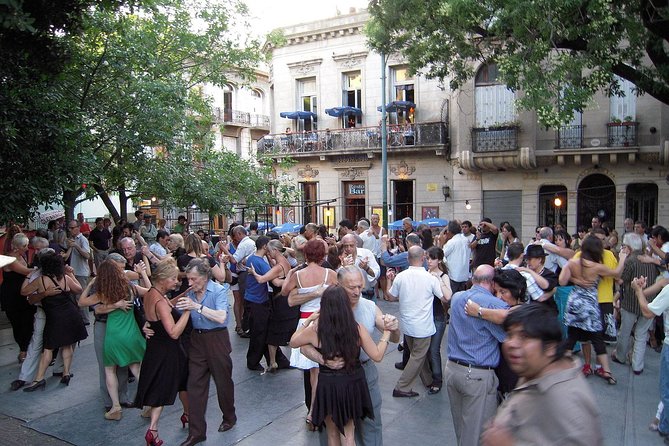
At Plaza Dorrego, the focus turns to San Telmo’s antiques market. The square is a good place to understand the neighborhood’s present-day character, with cafes and antique shops surrounding a site that once served as the center of the old residential district.
Puerto Madero: From British Docks to a New District
Puerto Madero offers a modern counterpoint to San Telmo. The neighborhood was built by extending Buenos Aires across old British dockyards and into reclaimed waterfront areas.
The stop is brief, about 15 minutes, but useful. You see how the city moved beyond its original coast and reused former industrial space. After colonial streets, churches, and political monuments, Puerto Madero shows a newer Buenos Aires shaped by redevelopment.
The tour includes one taxi ride between attractions, usually costing about $5 to $7. That cost is not included, and transportation during the tour is generally your responsibility. This is worth planning for because the route covers districts that are too far apart to connect entirely on foot within one day.
Coffee, Lunch, and the Pace of a Private Day
Coffee and lunch are built into the day, but you pay for both. The break gives your legs a chance to recover and lets you ask the guide about places you pass or subjects that need more explanation.
The break can also create a guide change. Some schedules use one guide in the morning and another later in the day. Several people had excellent experiences with both Carlos and Soledad, but one person found the second guide’s English less fluent and the handoff slow. That does not define every departure, but it is a fair consideration for anyone booking a private tour for polished continuity.
Bring comfortable shoes, water, and sun or rain protection. The tour operates in all weather, and the city’s conditions can affect which parts are covered. Strikes, demonstrations, repairs, traffic, or other local events may force changes.
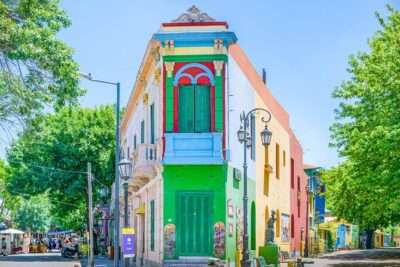
An optional extension to La Boca adds about 45 minutes and requires a taxi. The extension is not included, so ask about the extra cost before agreeing. La Boca’s colorful tin houses and connection with Italian immigrants, sailors, and dock workers make it tempting, but it adds more time to an already full day.
Is $199 Per Person Good Value?
At $199 per person, this is not a budget walking tour. The price covers a private English-speaking guide and admission to Recoleta Cemetery, but not food, transfers, or the taxi ride.
The value depends on what you want from Buenos Aires. If you want a quick orientation, you can see several of these places independently for much less. If you want a guide to connect architecture, immigration, politics, religion, British influence, tango, and national identity across many neighborhoods, the price becomes easier to defend.
The private format matters most for couples, families, or small groups with limited time. You get a focused explanation instead of a large group’s fixed pace. Children eight and under are free with a paying adult, which can improve the cost for families.
I would not book this for a relaxed afternoon. I would book it as a one-day foundation, especially at the beginning of a Buenos Aires stay. You learn where the major districts are, which neighborhoods deserve a second visit, and how the city’s stories fit together.
Who Should Book This Tour?
Book it if you have only one full day, enjoy walking, and want history and architecture explained in plain language. It also suits first-time visitors who prefer a private guide to a sightseeing bus or a short group tour.
It is a good choice for people who like political history, urban design, old buildings, and stories tied to real streets. The best guides, including Carlos, Clemencia, Soledad, and Eilat, have been praised for making the city feel understandable and personal.
Think twice if you dislike long walks, need frequent indoor breaks, or expect entrance to many buildings. Also confirm the ending point before you start. Plaza Dorrego is a pleasant place to finish, but it may be far from your hotel, and the tour does not provide a return transfer.
FAQ
How long does the Buenos Aires walking tour last?
The advertised duration is approximately six hours. Some departures may run closer to seven hours depending on walking speed, conversations, lunch, and local conditions.
Where does the tour begin?
The meeting point is outside the corner door of Florida Garden at Florida 899, near Paraguay Street. The start time is 10 a.m.
Where does the tour end?
The planned ending point is Plaza Dorrego in San Telmo. It is near cafes, antique shops, and the San Telmo Antiques Market, but hotel drop-off is not included.
Is transportation included?
No. The tour is mainly on foot, and one taxi ride is required between attractions. The taxi usually costs about $5 to $7 and is paid separately.
Is Recoleta Cemetery admission included?
Yes. Cemetery admission is included in the tour price.
Are meals included?
No. The tour includes a coffee and lunch break, but you pay for your own food and drinks.
Is this a private tour?
Yes. Only your group participates in the private activity.
What happens if it rains?
The tour operates rain or shine. Weather, demonstrations, strikes, repairs, and other city conditions can affect the route and the number of sights covered.
Should You Book the Buenos Aires One-Day Walk?
Book it if you want to understand Buenos Aires, not just photograph it. The day covers an impressive spread of the capital, from Retiro mansions and Recoleta tombs to Plaza de Mayo, San Telmo, Puerto Madero, Palermo, and the downtown core.
The strongest reason to choose it is the guide’s ability to connect places that otherwise seem unrelated. The clearest warning is the physical demand and the sometimes uneven afternoon handoff. Wear good shoes, budget for lunch and taxis, and remember that you finish in San Telmo.
For a short first stay, this is a useful and serious introduction to Buenos Aires. For a slower visit, use it to get oriented, then return to the neighborhoods that catch your interest.
More 1-Day Tours in Buenos Aires
- Buenos Aires to Iguazu Falls: Private Day Trip, Flights Included
★ 5.0 · 58 reviews - Colonia Day Trip & Optional Private Transfers from Buenos Aires
★ 3.0 · 45 reviews - Iguazu Falls Private Day Trip from Buenos Aires with Airfare
★ 4.5 · 35 reviews - Premium Day Trip to Colonia del Sacramento
★ 5.0 · 34 reviews
More Walking Tours in Buenos Aires
- Buenos Aires Hop-On Hop-Off Bus, Free Walking Tours & Discounts
★ 4.5 · 2,218 reviews - Buenos Aires: La Boca Guided Walking Tour in English
★ 4.8 · 1,587 reviews - La Boca Walking Tour
★ 5.0 · 1,029 reviews - Recoleta Cemetery Walking Tour
★ 5.0 · 668 reviews
Recently added around Buenos Aires
- Photo Session in Buenos Aires★ 5.0 · 26 reviews
- Your Personal Photographer in Buenos Aires★ 5.0 · 24 reviews
- Discover Buenos Aires’ independent art scene — Ticket included★ 5.0 · 30 reviews
- Your Private Photographer in Buenos Aires★ 5.0 · 4 reviews
- Yerba Mate Workshop – Learn to Drink Mate like a Local!★ 5.0 · 11 reviews
- Taste of Tradition: Yerba Mate & Alfajores Experience★ 4.0 · 5 reviews
- Wine tasting in OASIS Palermo★ 5.0 · 2 reviews
- Day Tour Classic★ 3.5 · 35 reviews
Walking Tours, compared.
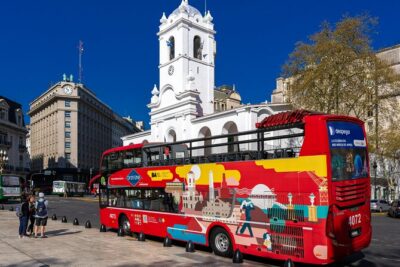
Buenos Aires Hop-On Hop-Off Bus, Free Walking Tours & Discounts
Read our review →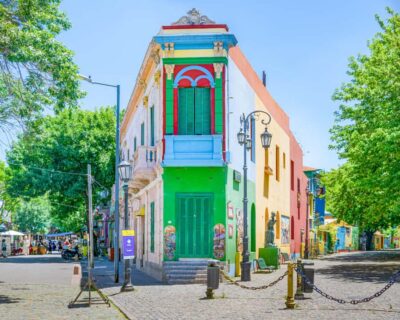
German Footprint & Nazi presence – Walking Tour in Bariloche
Read our review →
Full Day Buenos Aires Private Walking Tour – Your Own Personal BA 101
Read our review →
Discover Buenos Aires: Walking Tour Through San Telmo & Center!
Read our review →
Browse the lists this tour appears in