
Reviewed · HISTORICAL TOURS
Social History and Secrets of La Boca (pick up option)
La Boca rewards curious walkers. This 2.5-hour small-group tour moves beyond the painted facades of Caminito, linking immigrant life, football, art, fire-fighting, and neighborhood customs in one compact morning. I like the unusual stops, especially the historic tenement house and the old volunteer fire station. I also like the coffee at Bar La Perla, where the tour makes room for an ordinary porteño ritual, not just a photo stop.
The main consideration is its short length. You see eight places, but several visits last only 10 or 15 minutes, and the Boca Juniors stadium and Quinquela Martín fine arts museum are viewed from outside. At $35 per person, the price is fair for the included coffee and two admissions, though you should choose this tour for neighborhood context rather than a full museum visit.
In This Review
- Key details that make this La Boca walk different
- Why La Boca needs more than a Caminito photo
- Starting beside the Nicolas Avellaneda transporter bridge
- Inside Argentina’s first volunteer fire station
- Conventillo 1881 and the lives behind the facades
- La Bombonera, Boca Juniors, and neighborhood folklore
- Caminito as an open-air museum
- Bar La Perla and the porteño coffee pause
- San Juan Evangelista and the immigrant community
- Benito Quinquela Martín and La Boca’s artistic identity
- What $35 buys you in practical terms
- Who will get the most from this experience
- Should you book the Social History and Secrets of La Boca tour?
- FAQ
- Where does the La Boca tour start?
- Where does the tour end?
- How long does the experience last?
- What is included in the price?
- Do you enter the Boca Juniors stadium or the Quinquela Martín fine arts museum?
- How many people can join the tour?
Key details that make this La Boca walk different
- The Nicolas Avellaneda bridge: Learn how one of only eight surviving transporter bridges in the world carried people across the water.
- Argentina’s first volunteer fire station: Enter the small museum and see the early trucks used in the late 19th century.
- Conventillo 1881: Visit a historic tenement house and meet its artist owners.
- La Bombonera from street level: Hear about Boca Juniors customs and folklore without paying for the stadium museum.
- Coffee at Bar La Perla: Pause in a Notable Cafe for the kind of coffee break associated with local Buenos Aires life.
- A group capped at 10: The small size gives Paola De Luca room to answer questions and adjust the conversation to the group.
Why La Boca needs more than a Caminito photo
La Boca is often reduced to a few blocks of bright walls, tango poses, and souvenir shops. That picture is not false, but it is incomplete. The neighborhood has a strong working-class identity shaped by immigrants, artists, football supporters, religious institutions, and community groups.
This walk gives you a way to connect those pieces. Instead of treating Caminito as the whole story, it begins near the Nicolas Avellaneda transporter bridge and ends at Caminito. That direction matters. You first get a sense of the neighborhood’s transport links and social institutions, then finish among the famous painted streets.
I appreciate that balance. You still see La Boca’s most recognizable corner, but you do not spend the entire experience chasing colorful walls. The tour also keeps its scale manageable, with no more than 10 people. That is useful in a neighborhood where narrow streets and busy photo spots can make a large group awkward.
Paola De Luca leads the experience. A strong feature of her approach is the room she gives you to ask questions. One detailed account describes the morning as educational, personal, and fun, with plenty of space for conversation. That is especially helpful in La Boca, where the best questions often involve local customs rather than dates alone.
More History Tours in Buenos Aires
- Historical Sherpa Food Tour of San Telmo with Street Food, Drinks
★ 5.0 · 920 reviews - Nazis in Buenos Aires: a historical walking tour
★ 4.9 · 193 reviews - San Telmo: Historical Guided Tour with Street Food & Drinks
★ 5.0 · 87 reviews
Starting beside the Nicolas Avellaneda transporter bridge
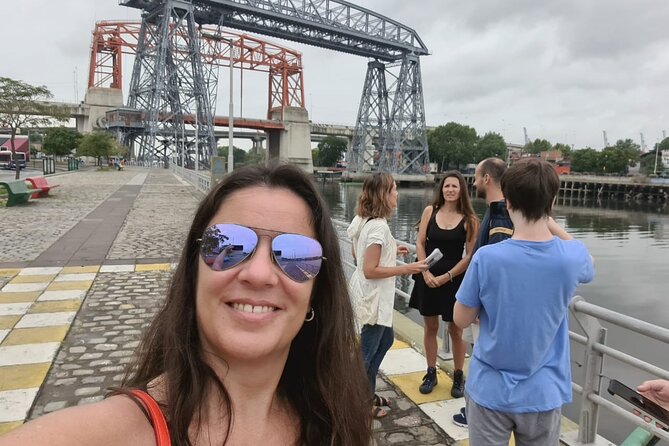
The meeting point is at Martín Rodríguez and Avenida Don Pedro de Mendoza. From there, the first stop is the Puente Transbordador Nicolas Avellaneda, a steel transporter bridge with a very particular design.
You learn how this type of bridge worked and why it is unusual. Rather than carrying a normal road deck over the water, a suspended platform moved across the river channel. The bridge is one of only eight transporter bridges still existing in the world, which gives this brief 10-minute stop real weight.
There is no admission charge, so the value here comes from explanation and context. If you enjoy engineering, port history, or old infrastructure, this may be one of the most memorable parts of the morning. If bridges are not your main interest, it is still a useful opening because it points to La Boca’s connection with work, movement, and the waterfront.
The stop is short, so do not expect a long technical lecture or a full visit inside a bridge complex. Think of it as a sharp introduction that helps you see the neighborhood as a working port district, not only an art quarter.
Inside Argentina’s first volunteer fire station
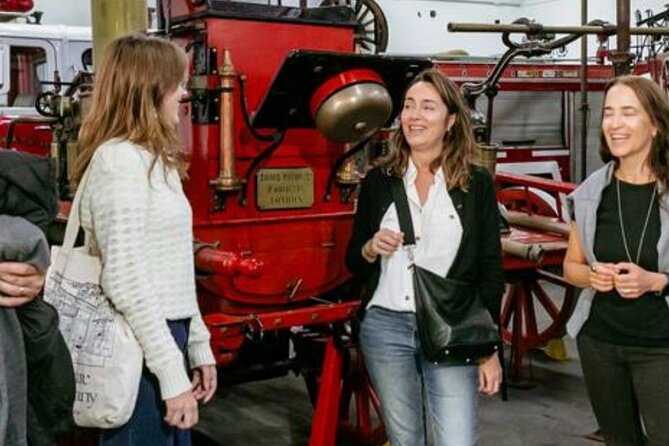
The Plazoleta Bomberos Voluntarios de La Boca brings you to the volunteer fire station, described as the first in Argentina. You also enter a small museum with the first trucks used in the late 19th century.
This is one of the tour’s strongest inclusions because you do not simply pause outside. Admission is included, and the small collection adds a human scale to the neighborhood’s past. Old fire trucks are easy to understand, even if you know little about fire-fighting history. They show the tools and limits faced by an earlier generation.
The station also helps explain how local communities organized themselves. A volunteer firehouse is not just a collection of vehicles. It reflects a place where residents had to depend on one another and build practical institutions close to home.
You spend about 15 minutes here, so the visit remains focused. I would not book this experience expecting a large museum with many galleries. The appeal is the chance to enter a working community institution and see a few early vehicles while Paola explains their place in La Boca’s story.
Conventillo 1881 and the lives behind the facades
The 30-minute visit to Conventillo Historico 1881 is likely the tour’s most personal stop. You enter a historic tenement house and meet its artist owners.
The word conventillo refers to the crowded communal housing that became closely linked with immigrant life in Buenos Aires. Families or individuals lived in small rooms arranged around shared spaces. This type of building helps you picture daily life in a way that a street view cannot.
Meeting the artist owners adds another layer. You are not only looking at an old building preserved behind a door. You encounter people who live with its artistic and cultural identity. That makes this stop different from a standard architectural walk, where you might hear about a facade and move on.
The half-hour allocation is generous compared with several other stops. It gives you time to look around, listen, and ask questions. I would pay close attention here if you want the social side of La Boca, especially the relationship between housing, immigration, and art.
There is one practical point to keep in mind. A visit to a historic tenement may feel more intimate and less polished than a formal museum. That is part of the appeal, but it also means the experience depends on your interest in people and place rather than display cases and perfect presentation.
More history-led tours in Buenos Aires:
- Buenos Aires: La Boca Art and History Walking Tour
★ 4.8 · 55 reviews - Recoleta Cemetery – Small Group Tour of History & Secrets
★ 5.0 · 53 reviews - Buenos Aires: Historic Buenos Aires Landmarks & Icons Tour
★ 4.9 · 37 reviews - Private Evita and Peronism Historical Tour in Buenos Aires
★ 5.0 · 33 reviews
La Bombonera, Boca Juniors, and neighborhood folklore
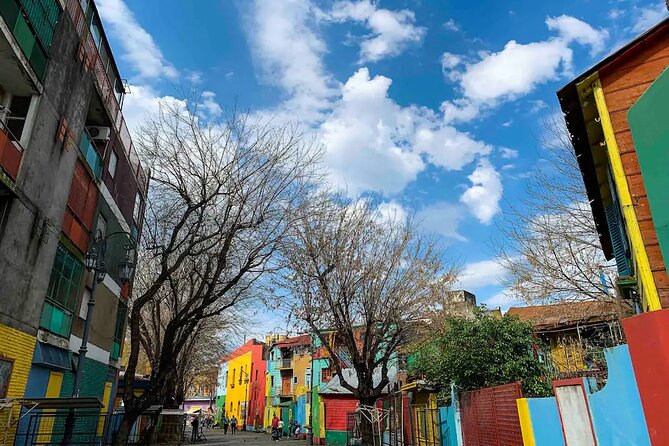
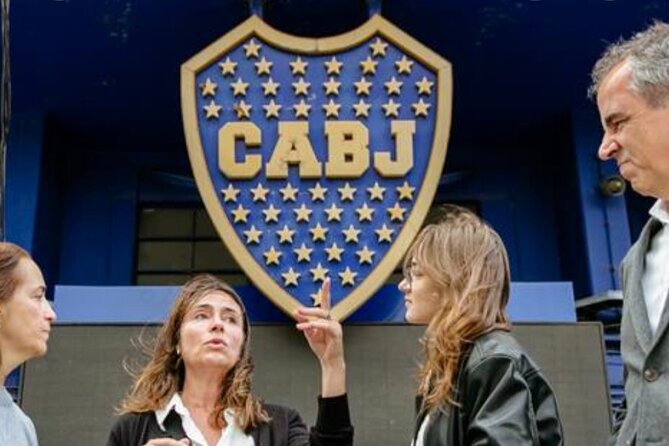
The tour then reaches Estadio Alberto J. Armando, better known as La Bombonera, the home of Boca Juniors. You see the stadium from outside and spend about 15 minutes learning about its history, customs, and folklore.
For football fans, this stop will carry special force. Boca Juniors is woven into La Boca’s public identity, and the stadium gives you a direct link to that passion. Even if you do not follow football, the explanation can help you understand why the club matters so much to the neighborhood.
The limits are clear. You do not enter the stadium, and the Boca Juniors museum is not included. If walking through the stadium interior is a priority, you will need a separate ticket or another visit. This tour offers cultural context and an exterior view, not a full football stadium experience.
That makes the stop a good fit for a mixed group. A serious supporter may want more time, while someone with only a passing interest can hear the basics without spending a large part of the morning inside a sports museum.
Caminito as an open-air museum
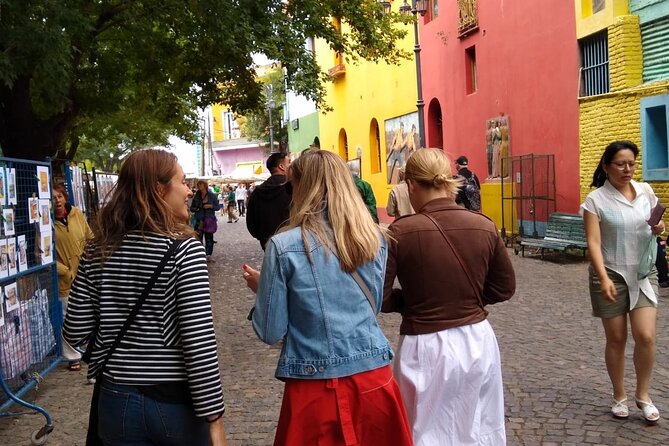
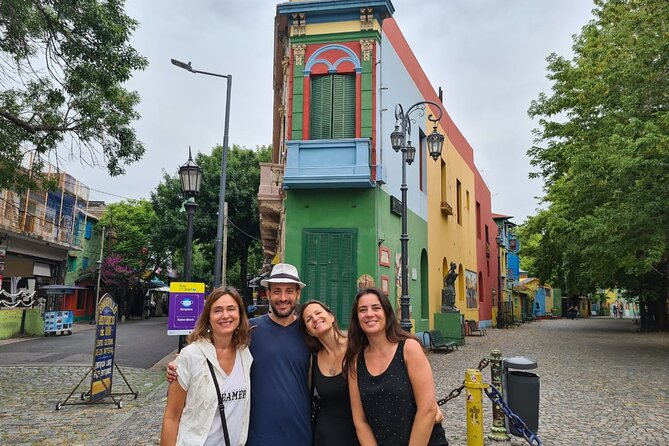
Caminito is the visual centerpiece most people associate with La Boca. The tour treats it as an open-air museum and allows about 20 minutes for the walk.
The painted buildings and public art make this an easy place to photograph, but the stop works better after the earlier visits. Once you have heard about the tenement house, the fire station, the school, and Quinquela Martín, Caminito feels less like a stand-alone display and more like one expression of the neighborhood.
Twenty minutes is enough for an introduction and a look around, but it is not enough for a slow, independent exploration of every side street. The tour ends at Caminito, so you can choose to stay afterward if you want more photos or time in the area. That end point is convenient because you are not required to return to the original meeting place.
I would keep your expectations sensible. Caminito is a popular public space, and this tour does not promise a quiet private visit. Its strength is the guide’s explanation of what you are seeing, not an escape from the area’s public activity.
Bar La Perla and the porteño coffee pause
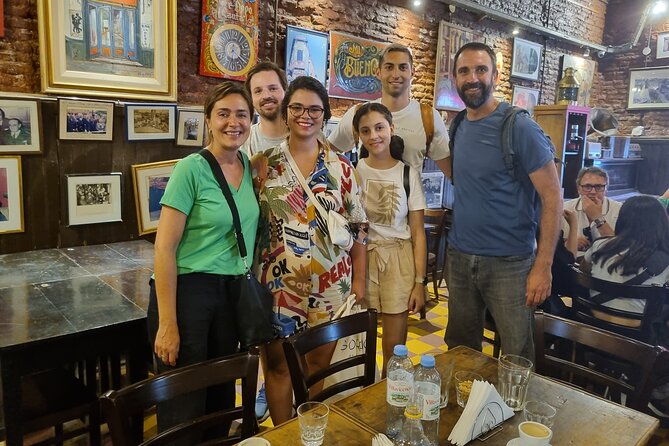
The longest stop is Bar La Perla, where you have coffee and possibly tea as part of the tour. The visit lasts about 40 minutes, and Paola invites you to enjoy a drink at a Notable Cafe.
This is a welcome change of pace. After several short outdoor stops, you get a seat, time to talk, and a chance to ask follow-up questions. The coffee is not just a refreshment folded into the price. It is used to show how porteños, the people of Buenos Aires, spend time in a traditional cafe.
I like this part because it leaves room for the neighborhood to feel lived-in. A cafe is an everyday place, not a monument. You get a better sense of local rhythm by sitting down than by rushing from one landmark to the next.
The included drink adds real value to a $35 tour, especially because the cafe visit is substantial rather than a quick takeaway. Still, the stop may feel long if you prefer constant sightseeing. If you want a fast-paced checklist, 40 minutes over coffee may test your patience. If you enjoy conversation and a pause, it is one of the best-designed parts of the morning.
San Juan Evangelista and the immigrant community
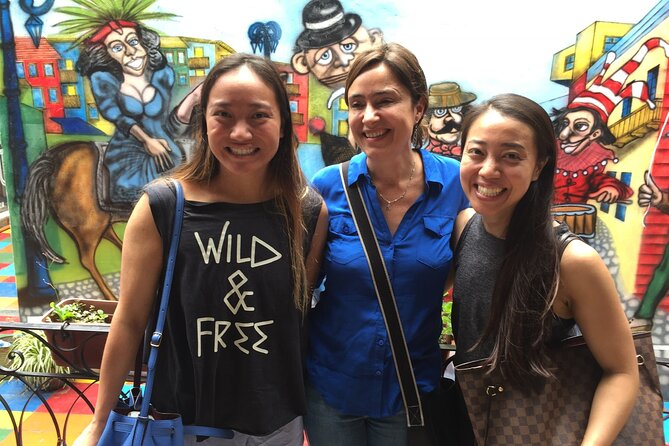
The stop at Colegio San Juan Evangelista is brief, only about three minutes. You see the Salesian school and church and learn about the Salesians who arrived with immigrants in La Boca.
Because the visit is so short, it functions as a quick piece of context rather than a full architectural or religious tour. It connects education and faith with the communities that settled in the neighborhood.
Do not expect to enter for an extended visit. The provided plan identifies this as a free stop, but it does not promise an interior tour. Its value comes from the link Paola makes between the institution and immigrant life.
This is a good example of the tour’s overall method. Several locations receive only a short explanation, but together they create a broader picture of La Boca. You are not spending an hour at every site. You are collecting the pieces that explain how the district developed.
Benito Quinquela Martín and La Boca’s artistic identity
Near the end, you hear the story of Benito Quinquela Martín, described as the father of the La Boca neighborhood, at the Museo Benito Quinquela Martín. The stop lasts about 10 minutes.
Quinquela is an important name for understanding why La Boca is so strongly associated with art. This short introduction gives you a person to connect with the painted streets and the neighborhood’s artistic image.
The fine arts museum itself is not included. You view it from outside and learn about Quinquela rather than touring the full collection. That distinction matters when you plan your day. If you want to study his paintings, allow extra time after the tour or arrange a separate museum visit.
As a short final lesson, this works well. By this point, you have seen the social, sporting, religious, and artistic sides of La Boca. Quinquela provides a final link between the physical neighborhood and the image it presents to the world.
What $35 buys you in practical terms
At $35 per person, the tour offers a useful package for a 2.5-hour experience:
- Entry to Conventillo Historico 1881
- Entry to the volunteer fire station and its small museum
- Coffee or tea at Bar La Perla
- A guide-led walk through eight La Boca locations
- A group limited to 10 people
- An ending at Caminito rather than a return to the starting point
The price looks strongest if you value access and explanation. Two of the most distinctive places, the tenement house and fire station, are included rather than treated as outside photo stops. The cafe invitation also means you are not paying the full price for a walk with no included break.
The value is weaker if your main goals are the Boca Juniors museum or the Quinquela Martín fine arts museum. Neither is included. You will need to budget extra time and money if those interiors matter to you.
The tour is booked an average of 14 days ahead, so I would reserve early if the date is important. Confirmation normally arrives when you book, though a booking made within 17 hours of departure is confirmed as soon as possible and depends on availability.
You can cancel without charge up to 24 hours before the start time for a full refund. Changes made inside that 24-hour window are not accepted, and the experience requires a minimum number of people. Those are ordinary conditions, but they are worth noting before you build a tight Buenos Aires schedule.
Who will get the most from this experience
I would recommend this walk to you if you want a guided introduction to La Boca that mixes famous sights with places you might not find on your own. It suits people who enjoy local stories, small museums, neighborhood institutions, and conversation.
It is also a good choice for a first visit to Buenos Aires. You get the broad outline of La Boca in one morning, then finish in Caminito with enough orientation to decide what deserves more of your time.
Football fans should book it if they want context around Boca Juniors, but not if they require a stadium interior visit. Art lovers will appreciate the Quinquela Martín story, but should plan a separate museum visit for the paintings.
I would be more cautious if you dislike walking, short outdoor stops, or changing subjects often. The schedule moves from engineering to fire-fighting, housing, football, public art, coffee, religion, and painting. That variety is the point, but it will feel scattered if you prefer one theme explored in depth.
The small group is a real advantage. Paola’s willingness to answer questions gives the experience a personal feel, and the 10-person limit makes that easier. You should use the coffee stop to ask about anything that caught your attention earlier, since it is the tour’s best chance for an unhurried conversation.
Should you book the Social History and Secrets of La Boca tour?
Book it if you want the neighborhood behind the postcard. The transporter bridge, volunteer fire station, historic conventillo, La Bombonera, Caminito, Bar La Perla, Salesian school, and Quinquela Martín story create a varied portrait of La Boca.
The strongest reasons to go are the access to Conventillo 1881, the small fire-station museum, the included cafe stop, and Paola De Luca’s conversational style. The clearest limitations are the short time at several locations and the lack of entry to the Boca Juniors and Quinquela Martín museums.
For $35, I see this as a solid-value orientation walk rather than a complete La Boca day. Book it if you want history and human stories alongside the famous colors. Skip it only if you already know the district well or plan to spend your time inside the two museums that this experience does not cover.
FAQ
Where does the La Boca tour start?
It starts at Martín Rodríguez and Avenida Don Pedro de Mendoza in Buenos Aires.
Where does the tour end?
The tour ends at Caminito in La Boca.
How long does the experience last?
It lasts approximately 2 hours and 30 minutes.
What is included in the price?
The price includes coffee or tea, entrance to Conventillo Historico 1881, and entrance to the volunteer fire station.
Do you enter the Boca Juniors stadium or the Quinquela Martín fine arts museum?
No. The Boca Juniors stadium and the Quinquela Martín fine arts museum are not entered on this experience.
How many people can join the tour?
The experience has a maximum of 10 participants.
Recently added around Buenos Aires
- Photo Session in Buenos Aires★ 5.0 · 26 reviews
- Your Personal Photographer in Buenos Aires★ 5.0 · 24 reviews
- Discover Buenos Aires’ independent art scene — Ticket included★ 5.0 · 30 reviews
- Your Private Photographer in Buenos Aires★ 5.0 · 4 reviews
- Yerba Mate Workshop – Learn to Drink Mate like a Local!★ 5.0 · 11 reviews
- Taste of Tradition: Yerba Mate & Alfajores Experience★ 4.0 · 5 reviews
- Wine tasting in OASIS Palermo★ 5.0 · 2 reviews
- Day Tour Classic★ 3.5 · 35 reviews
Historical Tours, compared.

Historical Sherpa Food Tour of San Telmo with Street Food, Drinks
Read our review →
Nazis in Buenos Aires: a historical walking tour
Read our review →
San Telmo: Historical Guided Tour with Street Food & Drinks
Read our review →
Recoleta Cemetery – Small Group Tour of History & Secrets
Read our review →
Private Evita and Peronism Historical Tour in Buenos Aires
Read our review →Browse the lists this tour appears in