
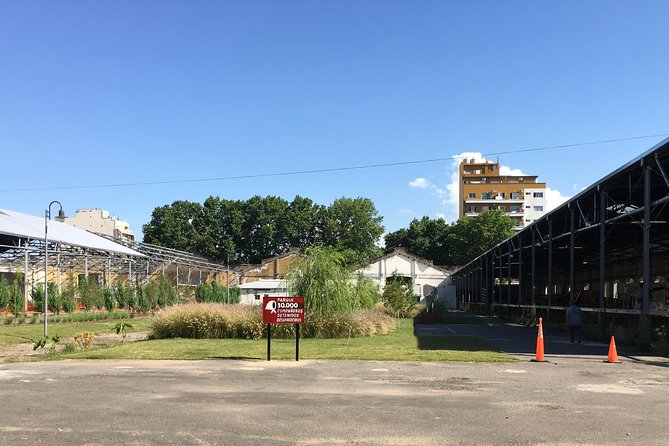
Reviewed · WALKING TOURS
In the Footsteps Of Dictators & the Auschwitz of Argentina -Private Walking Tour
Some stories demand a quiet walk. This private Buenos Aires tour examines Argentina’s 1976 to 1983 military dictatorship, the disappeared, and the former clandestine detention center often called the Auschwitz of Argentina. I like the small private format, which lets guide Elisa explain painful events at a human pace, and I like that bus tickets or taxis are included, so you move through the city as locals do.
The main consideration is that you cannot enter the former clandestine center. Restoration, conservation, and evidence-gathering work continue, and parts of the site were demolished before democracy returned. The tour takes place around the building, with murals, memorial plaques, and recorded testimonies carrying much of the experience.
- A serious look at Argentina’s Dirty War: Learn how clandestine centers operated during the 1976 to 1983 dictatorship.
- Guide Elisa brings personal feeling: Her clear, engaging approach helps keep a painful subject understandable rather than overwhelming.
- Only about seven blocks of walking: Expect more standing during discussions than strenuous exercise.
- The former center is viewed from outside: Murals, plaques, and audio testimonies reveal what happened at the site.
- Local transport is part of the plan: Bus tickets or taxis during the tour are included.
- A private experience for your group: No strangers join you, making it easier to ask difficult questions.
In This Review
- Why This Buenos Aires Tour Matters
- Starting at Avenida Rivadavia 6401
- Around the Former Clandestine Center
- Garage Olimpo and the Places Behind the Names
- Elisa’s Clear, Human Approach
- What Two and a Half Hours Feels Like
- The Value of $52.80 for a Private Tour
- Who Should Book This Experience
- Practical Advice Before You Go
- Should You Book In the Footsteps of Dictators?
- FAQ
- How long does the tour last?
- Where does the tour begin?
- Where does the tour finish?
- Can I enter the former clandestine center?
- How much walking is involved?
- Is transportation included?
- Is this a private tour?
- Is the guide bilingual?
- Is the tour suitable for children?
- What happens if bad weather cancels the tour?
- Can I cancel for a full refund?
Why This Buenos Aires Tour Matters
Buenos Aires is famous for grand avenues, cafés, tango, and elegant old neighborhoods. Those sights matter, but they do not tell the whole story. This tour points you toward a recent and painful chapter that still shapes Argentina’s public life.
From 1976 to 1983, Argentina was ruled by a military dictatorship. Clandestine Centers of Detention, Torture and Annihilation were used to kidnap and torture people suspected of opposing the government. Many were killed or disappeared, leaving families without answers.
I find the tour valuable because it treats this period as more than a list of dates. You hear about individuals, the disappeared, and the people who kept searching for them. The focus also includes the remarkable mothers and women who refused to stop demanding information about their missing relatives.
This is not a cheerful sightseeing outing. It asks you to listen, stand quietly, and think. That makes it a poor fit for anyone seeking a light afternoon activity, but an important choice if you want to understand Argentina beyond its traditional sights.
Starting at Avenida Rivadavia 6401
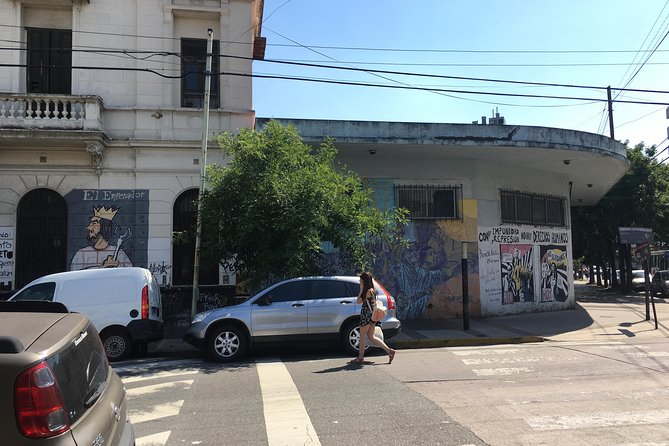
The tour begins at Av. Rivadavia 6401, in the C1406GLH area of Buenos Aires. Transportation to this meeting point is not included, so you need to arrange your own way there.
The route uses public transportation, with bus tickets or taxis provided during the experience. I like this detail because it keeps the outing connected to ordinary city life. You are not sealed inside a sightseeing vehicle, and the movement between locations becomes part of the setting.
The exact balance between buses and taxis may depend on the day and the needs of your group. At the end, the guide can help flag down a taxi and explain to the driver where you want to go. That is useful if you are unfamiliar with Buenos Aires or would rather not work out the return trip alone.
The tour lasts about two and a half hours. You walk only around seven blocks, but do not mistake the short distance for a quick stroll. Much of the time is spent listening to detailed explanations and recorded testimonies, so comfortable shoes still matter.
More Private Tours in Buenos Aires
- Buenos Aires City Private Tour with Local Guide
★ 5.0 · 3,475 reviews - Private Airport Transfer In or Out : Ezeiza (EZE) – Buenos Aires
★ 5.0 · 548 reviews - Private Full-Day Iguazu Falls Tour with Airfare from Buenos Aires
★ 4.5 · 387 reviews
Around the Former Clandestine Center
The central stop is a former clandestine detention center. The site is often referred to as the Auschwitz of Argentina, a comparison intended to signal the scale and horror of state violence, not to suggest that the two places are identical.
You will not go inside the former center. Areas remain closed while archaeological restoration, conservation, and the gathering of evidence continue. Part of the building was also dismantled before democracy returned, and the former cell areas were demolished.
That limitation is important. If you expect preserved prison rooms, original cells, or a standard museum interior, this tour may disappoint. The most important material is often visible from outside, but the experience depends heavily on the guide’s explanation.
From the surrounding area, you see murals, paintings, and graffiti connected to the site and the people represented by it. These works give the location a public voice. They also show how remembrance continues outside the walls, especially when physical evidence has been damaged or removed.
Memorial plaques name people who disappeared. They turn a broad subject into a series of individual lives. I find that detail especially useful because it helps you avoid thinking of the Dirty War only in terms of statistics.
You also hear recorded testimonies. These add voices to the guide’s account and help convey how detention, torture, and disappearance affected real people. The material can be upsetting, so plan on giving yourself some quiet time after the tour rather than rushing straight into a busy meal or another major attraction.
Garage Olimpo and the Places Behind the Names
Garage Olimpo is identified as one of the concentration centers connected with these events. It is part of the discussion of the former clandestine network and the crimes committed during the dictatorship.
The wording around the site matters. You are not entering a fully preserved detention complex. Instead, you examine what remains, what has been altered, and how memorial work continues. That may sound less dramatic than walking through old cells, but it reflects a hard truth: places of violence do not always survive intact, especially when sections were dismantled before democracy.
This is where a strong guide makes a major difference. Elisa is praised for giving detailed information without making the subject feel unbearable. Her approach appears to combine careful explanation with personal stories, allowing you to follow the events without being buried under dates and political terms.
I would ask questions as you go. A private tour gives you room to clarify the difference between a detention center, a memorial, and an active research site. It also lets the discussion follow your own interests, perhaps toward the disappeared, the military government, the women searching for relatives, or the way evidence is preserved.
Elisa’s Clear, Human Approach
The guide is bilingual in English and Spanish and university educated. Elisa’s name comes up repeatedly in the feedback, with particular praise for her extensive command of the period and her engaging delivery.
The subject is sad and at times disturbing. Elisa’s style is described as detailed but manageable, which is a valuable balance. A guide can either turn a difficult topic into a dry lecture or overwhelm you with grim detail. Here, the aim is to keep the information clear while respecting its emotional weight.
Personal stories also help the past feel close. This dictatorship ended in 1983, not centuries ago, and the consequences remain part of Argentina’s memory. The tour works best when you let the guide connect public events with individual experiences.
I would choose this experience for an adult interested in politics, human rights, modern Argentina, or the way societies remember state violence. It is not suitable for children, according to the tour information. The material requires maturity and attention.
More Walking Tours in Buenos Aires
- Buenos Aires Hop-On Hop-Off Bus, Free Walking Tours & Discounts
★ 4.5 · 2,218 reviews - Buenos Aires: La Boca Guided Walking Tour in English
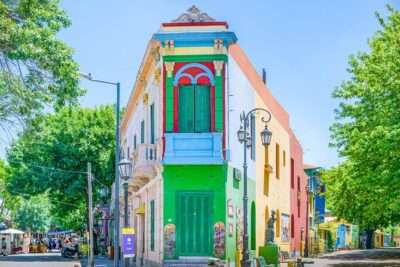
★ 4.8 · 1,587 reviews - La Boca Walking Tour
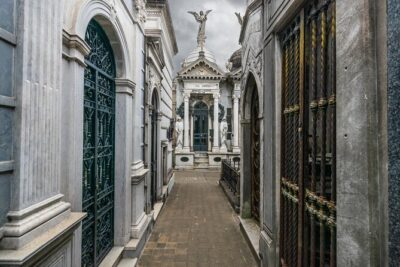
★ 5.0 · 1,029 reviews - Recoleta Cemetery Walking Tour
★ 5.0 · 668 reviews
What Two and a Half Hours Feels Like
The time is used for discussion rather than distance. You walk roughly seven blocks, then spend periods standing while the guide explains the site and its background.
That makes this tour physically easier than a long city walk, but it is not entirely effortless. If standing is uncomfortable, tell the guide at the beginning so the pace and pauses can be handled sensibly. Wear shoes that work on city streets, and dress for the weather.
Rain can affect the experience, so bring suitable clothing if the forecast looks uncertain. An umbrella is a practical idea, and your hotel may be able to lend you one. The tour requires good weather, and a poor-weather cancellation results in a choice of a new date or a full refund.
The afternoon departure option suits many sightseeing schedules, though the supplied information refers to afternoon departure choices without giving exact times. Confirm the available time when you book.
The Value of $52.80 for a Private Tour
At $52.80 per person, the cost needs to be judged against what is included and how specialized the subject is. This is not simply a general walking tour of Buenos Aires. You receive a private guide, bilingual instruction, and bus tickets or taxis during the tour.
The private format is the biggest value point. Your group is the only group participating, so the guide does not have to deliver a one-size-fits-all speech to strangers. You can ask about a particular testimony, pause over a memorial plaque, or request more background on the military government.
The price makes most sense for two or more people who care about the subject. A solo visitor pays the full per-person rate but still receives the benefit of individual attention. If you mainly want to see buildings from inside, the cost may feel less worthwhile because the former center cannot be entered.
I also appreciate that snacks and drinks are not bundled into the price. That keeps the arrangement simple, but bring a few extra pesos if you want coffee, bottled water, food, or a drink during the outing. Any taxi you choose after the tour is also your responsibility.
Who Should Book This Experience
I would recommend this tour to adults who want a more serious view of Buenos Aires. It suits people who have already read about Argentina’s dictatorship and want clearer context, as well as those starting with little background.
It is especially useful if you value discussion over polished displays. The former center is not presented as a conventional museum, and the outside murals, plaques, and testimonies become meaningful through explanation.
You should think twice if you want a relaxed, family-friendly activity or an indoor attraction with preserved rooms. Children are not permitted, and the subject includes kidnapping, torture, rape, murder, and disappearance. Those details are central to understanding the period, but they are not easy listening.
The tour also suits anyone interested in the determination of the mothers and women who searched for disappeared family members. Their persistence gives the experience a human focus and shows that the story is not only about military leaders and government policy.
Practical Advice Before You Go
Arrange your own transportation to Av. Rivadavia 6401. The tour itself includes bus tickets or taxis, but getting to the starting point is not included.
Bring water and a few extra pesos if you may want a coffee, snack, or drink. Since the guide can help you find a taxi at the end, you can finish near Avenida Rivadavia and Avenida Lacarra and then continue to your accommodation or another destination.
Confirmation is sent within 48 hours of booking, subject to availability. You can cancel for a full refund up to 24 hours before the start time. Changes or cancellations made inside that period are not accepted for a refund.
Book with the weather in mind. If rain forces cancellation, you are offered another date or a full refund. Since you will spend time outdoors, weather-appropriate clothing is more than a minor comfort.
Should You Book In the Footsteps of Dictators?
Book it if you want to understand Argentina’s recent past through places, names, testimonies, and personal accounts. The private format, included local transport, and Elisa’s careful teaching make the $52.80 price reasonable for an adult with a serious interest in the subject.
Do not book it expecting to walk through intact cells or a conventional museum. You remain outside the former center, and the experience asks you to listen and reflect. For me, that limitation is also part of the lesson: the missing rooms and altered building show how remembrance can depend on plaques, voices, murals, and determined people.
If you want Buenos Aires beyond the usual highlights, this is a strong choice. It is difficult, focused, and worthwhile, provided you arrive ready for an honest account of the Dirty War.
FAQ
How long does the tour last?
The experience lasts approximately 2 hours and 30 minutes.
Where does the tour begin?
It begins at Av. Rivadavia 6401, C1406GLH, Buenos Aires.
Where does the tour finish?
It finishes near Avenida Rivadavia and Avenida Lacarra, close to the former clandestine center.
Can I enter the former clandestine center?
No. The tour does not enter the former center because some areas remain closed for restoration, conservation, and evidence-gathering work.
How much walking is involved?
The tour includes approximately seven blocks of walking. You should also expect periods of standing during historical discussions.
Is transportation included?
Bus tickets or taxis used during the tour are included. Transportation to the meeting point and taxis taken after the tour are not included.
Is this a private tour?
Yes. Only your group participates in the private activity.
Is the guide bilingual?
Yes. The guide speaks English and Spanish and is university educated.
Is the tour suitable for children?
No. The tour is not intended for children.
What happens if bad weather cancels the tour?
If poor weather causes cancellation, you are offered a different date or a full refund.
Can I cancel for a full refund?
Yes. You must cancel at least 24 hours before the local start time to receive a full refund.
Recently added around Buenos Aires
- Photo Session in Buenos Aires★ 5.0 · 26 reviews
- Your Personal Photographer in Buenos Aires★ 5.0 · 24 reviews
- Discover Buenos Aires’ independent art scene — Ticket included★ 5.0 · 30 reviews
- Your Private Photographer in Buenos Aires★ 5.0 · 4 reviews
- Yerba Mate Workshop – Learn to Drink Mate like a Local!★ 5.0 · 11 reviews
- Taste of Tradition: Yerba Mate & Alfajores Experience★ 4.0 · 5 reviews
- Day Tour Classic★ 3.5 · 35 reviews
- Wine tasting in OASIS Palermo★ 5.0 · 2 reviews
Walking Tours, compared.
Buenos Aires Hop-On Hop-Off Bus, Free Walking Tours & Discounts
Read our review →
German Footprint & Nazi presence – Walking Tour in Bariloche
Read our review →
Full Day Buenos Aires Private Walking Tour – Your Own Personal BA 101
Read our review →
Discover Buenos Aires: Walking Tour Through San Telmo & Center!
Read our review →
Browse the lists this tour appears in