
Reviewed · FOOTBALL AND STADIUM TOURS
The Best Argentine Soccer Experience at La Bombonera
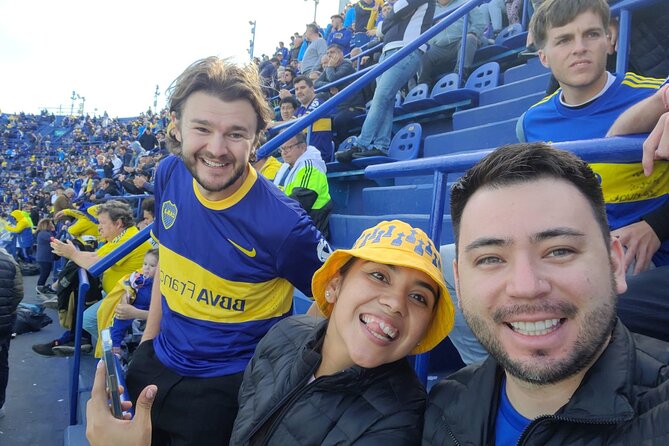
Football gets loud in Buenos Aires. This three-hour La Bombonera experience puts you inside the world of Boca Juniors, with an English-speaking guide who explains the clubs, leads you through police checkpoints, and stays with you from the meeting point to the stadium and back. I like the very small group size, capped at three people, and the chance to see both the match and the famous barra brava, Boca’s passionate supporter group.
I also like the local food touch. Depending on the match time, you may enjoy a choripán outside the stadium, with your choice of condiments, or select another meal at an added cost if available. The main consideration is the price: at $250 per person, this is a costly football outing, and the non-refundable policy means you need to be certain before booking.
In This Review
- Key points to know before booking
- Why La Bombonera matters to football fans
- Meeting at Av. Martín García 390
- Walking through checkpoints and security
- Inside Estadio Alberto J. Armando
- Club stories that give the match meaning
- Choripán outside the stadium
- Returning by public transport
- Is $250 a fair price?
- Weather, group size, and practical limits
- Who should book this La Bombonera experience?
- Should you book it?
- FAQ
- How long does the La Bombonera experience last?
- Where does the tour begin and end?
- Is the experience offered in English?
- How many people can join?
- Is food included?
- Is the experience refundable?
- Do I need to use public transportation?
Key points to know before booking
- La Bombonera is the entire focus: The tour centers on Estadio Alberto J. Armando, the home of Boca Juniors.
- A guide handles the complicated parts: You are accompanied through multiple police checkpoints and by stadium guards.
- The group is tiny: A maximum of three participants allows for close attention and easier communication.
- You see more than the match: The experience includes the crowd, supporter culture, club stories, and the atmosphere around the ground.
- Choripán may be part of the day: The classic Argentine sausage sandwich is offered depending on the match schedule.
- Public transport brings you back: The activity ends at the original meeting point after a guided return.
Why La Bombonera matters to football fans
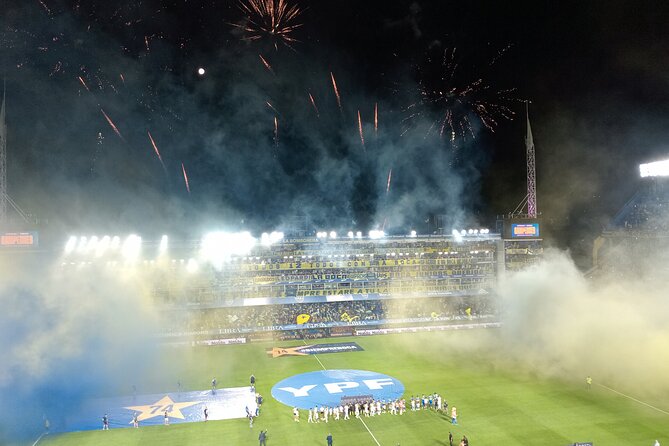
La Bombonera is not simply a place where Boca Juniors plays. For many football fans, the stadium is part of the club’s identity. The name means the candy box, a reference to the stadium’s unusual shape, and the venue is known for its intense crowd atmosphere.
This experience gives you a chance to understand that setting through the clubs and their stories, rather than treating the match as a random event on your Buenos Aires schedule. Your guide explains the context of the teams, which is especially useful if you know international football but not the rivalries and traditions of Argentine soccer.
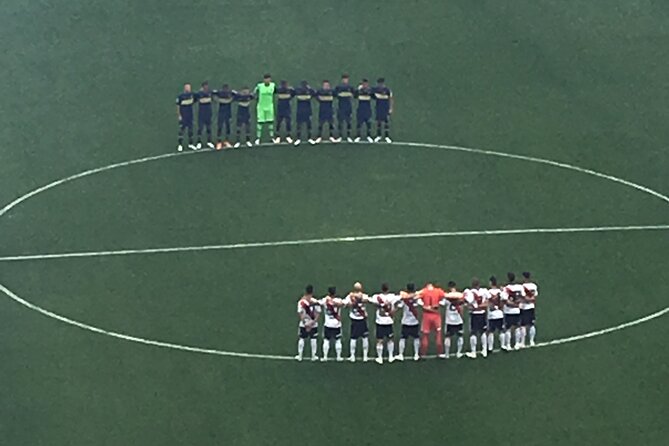
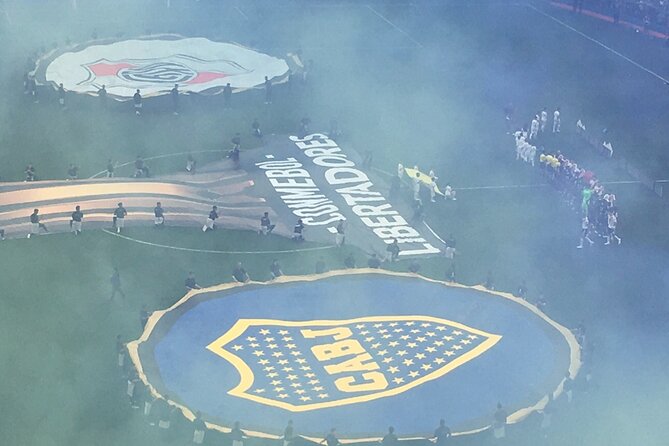
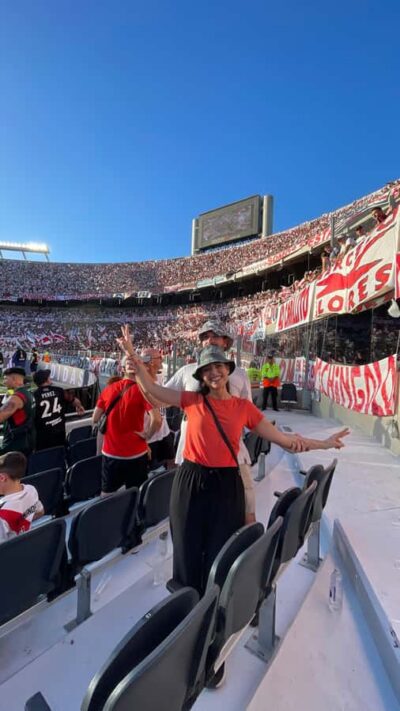
The strongest possible match is the Boca Juniors versus River Plate Superclásico. That fixture is one of the biggest events in Argentine sport. An account of the Superclásico describes it as an incredible experience that exceeded already high expectations. That is a strong endorsement of the atmosphere, but it also tells you something practical: a major rivalry match can be far more intense than an ordinary league game.
You should not expect a quiet, polished stadium tour. The point is to see the match with the fans and feel the force of Boca’s home support. That raw quality is the appeal, but it also makes it important to listen closely to your guide.
More football and stadium visits in Buenos Aires:
- Buenos Aires: Tickets to Boca Juniors Museum & Stadium
★ 4.5 · 581 reviews - Boca Juniors Tickets for a Match at La Bombonera
★ 4.5 · 140 reviews - Soccer Match in Buenos Aires with Transfers and Local Guide
★ 5.0 · 103 reviews
Meeting at Av. Martín García 390
The meeting point is Av. Martín García 390, in Buenos Aires. The activity starts and finishes there, so you do not need to arrange a separate return to your hotel or another part of the city.
The location is near public transportation, which helps with arrival. Still, I would build in time to find the exact meeting point. Matchday traffic, crowds, and changing street conditions can make a short trip take longer than expected.
Your mobile ticket is confirmed at booking, and the tour is offered in English. That matters here because the guide is not only describing football. The guide also helps you navigate checkpoints, guards, and the movement around the stadium. Clear instructions are part of the experience.
Walking through checkpoints and security
One of the most useful parts of the tour is the help with access and security. The description specifically warns that there are quite a few police checkpoints and guards. You are not left to guess where to go or how to respond at each stage.
This is a practical advantage of joining a guide-led visit. A football stadium on matchday can have several layers of control, and a visitor who does not know the area may find the process confusing. Your guide permanently accompanies you on and off the pitch, with safety given as the first priority.
You should treat the guide’s instructions seriously. This is not the moment to wander away for photographs, argue with security, or assume that a route is open because it was open earlier. The experience is built around staying together and moving safely through the matchday system.
The small maximum of three people is valuable here. A guide can keep track of a tiny group much more easily than a large crowd. You also have a better chance to ask questions about the stadium, Boca Juniors, and the supporter culture without shouting across a tour group.
Inside Estadio Alberto J. Armando
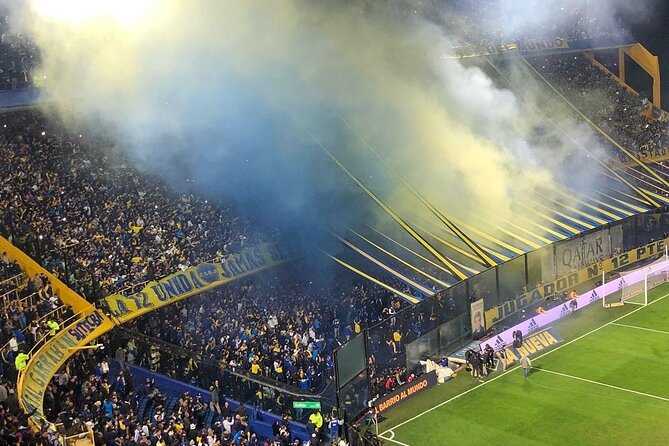
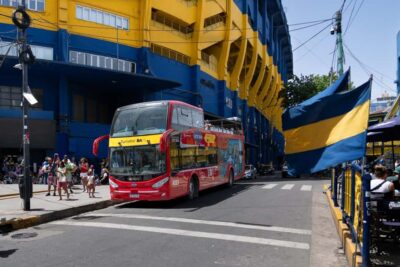
The main stop is Estadio Alberto J. Armando, better known as La Bombonera. Inside, you are promised a good view of the match, along with a close look at the fans and the barra brava.
The match itself is only one part of what you are paying for. You are also paying for an explanation of the setting and for help interpreting what happens around you. Chants, crowd reactions, club symbols, and the behavior of supporters can be difficult to understand from a standard seat with no local guidance.
The mention of the barra brava is important. This is a powerful supporter culture, not a stage-managed entertainment show. You may find the atmosphere thrilling, but it can also feel intense. Keep your attention on your guide and follow every instruction about where to stand, when to move, and how to behave.
The information provided does not specify your exact seat, section, or the match date. That is worth noting before you book. You are promised a good view, but you should not assume a particular row, stand, or hospitality area unless the operator confirms it directly.
A few more Buenos Aires trips worth putting side by side
- Local Foodie Adventure in Buenos Aires with Sherpa Food Tours
★ 5.0 · 6,875 reviews - Buenos Aires City Private Tour with Local Guide
★ 5.0 · 3,475 reviews - Buenos Aires Small-Group City Tour
★ 5.0 · 2,226 reviews - Buenos Aires Hop-On Hop-Off Bus, Free Walking Tours & Discounts
★ 4.5 · 2,218 reviews
Club stories that give the match meaning
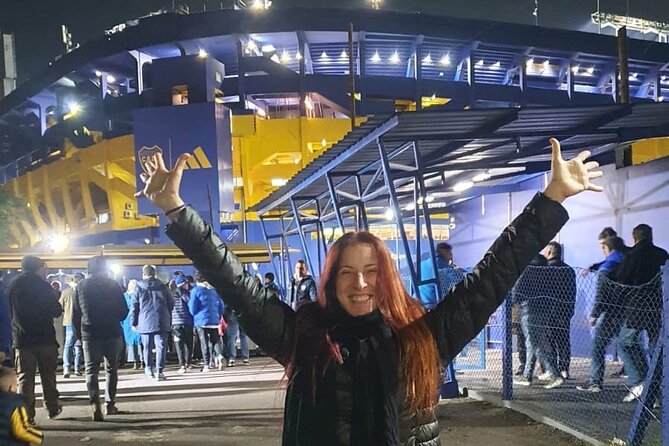
A football match makes more sense when you understand the teams. The guide explains the context of each club and shares the stories behind them. That turns the outing from a simple ticket purchase into a lesson in Argentine football culture.
For a first visit to Buenos Aires, this background can be especially helpful. You may recognize Boca Juniors and River Plate, but still have little sense of why the rivalry matters or how deeply club identity runs. The guide’s storytelling gives you a framework for reading the crowd and understanding the emotion in the stadium.
This is also where the English-language format earns its keep. A match can communicate plenty through noise and movement, but local context is harder to pick up without explanation. You can ask questions as the experience develops instead of trying to reconstruct everything afterward.
The supplied information does not name the guide, so you should not book expecting a particular host. What is clear is that the guide’s role is active: explaining the clubs, managing the checkpoints, staying with you, and helping you return safely.
Choripán outside the stadium
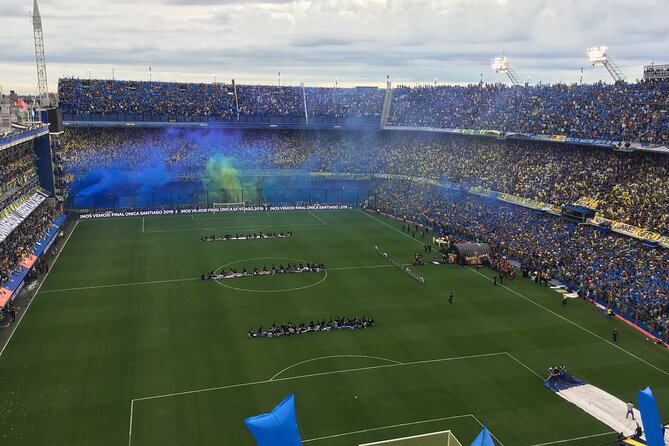
Depending on the match time, the experience may include a choripán. This is an Argentine sausage sandwich, usually served with condiments, and it is a familiar part of the food culture around stadiums.
I like this detail because it connects the football outing to an ordinary local custom. You are not simply being taken from a meeting point into a stadium and back. You may also get a taste of what people eat around the ground before or during a match.
The timing matters. Choripán is not guaranteed for every departure because the food stop depends on the schedule. You can choose the condiments you want, and you may be able to replace it with another meal. That alternative can carry an extra charge and depends on availability.
Treat the food as a welcome part of the outing, not the reason to pay $250. The real value lies in the match access, small group, local explanation, and assistance with security. The sandwich adds an Argentine touch, but it does not transform an expensive tour into a cheap meal.
Returning by public transport
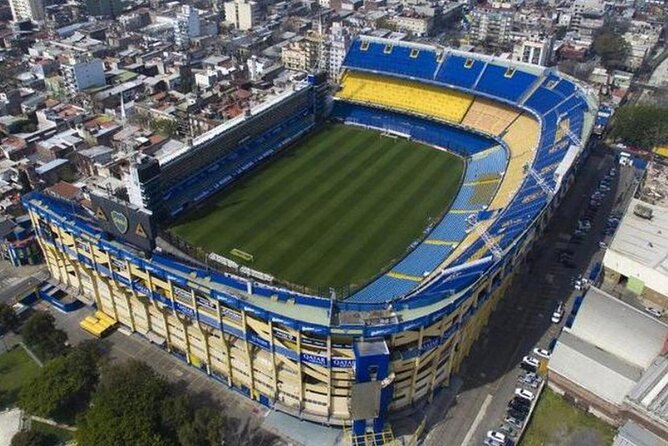
After the match, the guide returns with you by public transport to the starting point. This keeps the activity organized from beginning to end and removes the need to work out your own route after an emotional and possibly crowded event.
The return is another reason to listen carefully. Public transport after a match can be busy, and the guide’s job is to keep the group together and get everyone back safely. The experience ends at Av. Martín García 390, not at the stadium.
The total duration is about three hours. Match timing can affect the pace, the food option, and the return, so do not schedule a tight dinner reservation or another ticket immediately afterward. The available information does not promise an exact end time beyond the approximate three-hour duration.
Is $250 a fair price?
At $250 per person, this experience is expensive by ordinary Buenos Aires standards. It is not priced like a basic stadium admission or a casual football match ticket.
The better question is what the fee solves for you. You receive an English-speaking guide, a maximum group of three, assistance through multiple checkpoints, accompaniment at the stadium, match views, club explanations, possible choripán, and a guided return by public transport. If those details spare you uncertainty and help you enter a complicated football setting safely, the price may be reasonable for a special occasion.
The value is strongest for visitors who want a managed and personal experience. If you already understand Buenos Aires, know how to reach La Bombonera, speak Spanish comfortably, and can arrange legitimate match access on your own, you may find the cost harder to justify.
The price also makes the cancellation terms important. This experience is non-refundable and cannot be changed for any reason. Do not book until your date and plans are firm.
Weather, group size, and practical limits
The activity requires good weather. If poor weather causes cancellation, you are offered another date or a full refund. If the minimum number of participants is not met, you may receive a different date or experience, or a full refund.
Most people can participate, and the activity is near public transportation. The information does not give specific details about wheelchair access, seating location, luggage storage, or restrictions on personal items. If any of those points affect you, ask before paying.
The group maximum of three is one of the clearest practical advantages. A tiny group makes it easier to stay in contact with the guide, ask questions, and respond to instructions. It also gives the outing a more personal feel than a large stadium excursion.
You should be comfortable following directions in a controlled matchday environment. The operator repeatedly places safety first, and that is not a throwaway note. La Bombonera on matchday is presented as an intense football setting with several police and security controls.
Who should book this La Bombonera experience?
I would recommend it most strongly to a football fan who wants more than a stadium photograph. You will get the most from it if you care about Boca Juniors, Argentine club culture, supporter behavior, and the story behind the match.
It also suits a first-time visitor who wants help navigating an unfamiliar stadium environment. The English-language guidance, small group, security assistance, and escorted return remove much of the guesswork.
The experience is less suitable if you want a low-cost outing, a formal stadium tour, or a clearly specified premium seat. You should also think twice if you dislike loud crowds or do not want to follow strict instructions around security personnel.
For the Superclásico, the appeal is obvious. Boca Juniors against River Plate can deliver an unforgettable atmosphere and may exceed even high expectations. At the same time, that match is likely the setting in which safety instructions matter most.
Should you book it?
Book this experience if seeing Boca Juniors at La Bombonera is a major Buenos Aires goal and you value close guidance more than saving money. The small group, English support, stadium access, club stories, crowd views, possible choripán, and escorted public-transport return create a focused football day.
Skip it if $250 feels uncomfortable, your schedule may change, or you want exact details about seating before committing. Since the booking is non-refundable, make the decision carefully.
For the right visitor, this is not just a match ticket. It is a guided introduction to one of Argentina’s most emotionally charged football settings, with practical help at every stage.
FAQ
How long does the La Bombonera experience last?
The activity lasts approximately three hours, including the stadium visit and the return to the original meeting point by public transport.
Where does the tour begin and end?
It begins at Av. Martín García 390, C1165ABP, in Buenos Aires, and ends back at the same meeting point.
Is the experience offered in English?
Yes. The experience is offered in English, and the guide explains the clubs, their stories, and the matchday setting.
How many people can join?
The activity has a maximum of three participants.
Is food included?
Depending on the match time, you may enjoy a choripán outside the stadium with your choice of condiments. You may be able to replace it with another meal, but an additional cost may apply and availability is not guaranteed.
Is the experience refundable?
No. The booking is non-refundable and cannot be changed for any reason. If poor weather causes cancellation, you are offered another date or a full refund. If the minimum number of participants is not met, you may be offered another date or experience, or a full refund.
Do I need to use public transportation?
The guide returns with you by public transport to the original meeting point. The starting area is near public transportation, which helps with getting to the activity.
Recently added around Buenos Aires
- Photo Session in Buenos Aires★ 5.0 · 26 reviews
- Your Personal Photographer in Buenos Aires★ 5.0 · 24 reviews
- Discover Buenos Aires’ independent art scene — Ticket included★ 5.0 · 30 reviews
- Your Private Photographer in Buenos Aires★ 5.0 · 4 reviews
- Yerba Mate Workshop – Learn to Drink Mate like a Local!★ 5.0 · 11 reviews
- Taste of Tradition: Yerba Mate & Alfajores Experience★ 4.0 · 5 reviews
- Wine tasting in OASIS Palermo★ 5.0 · 2 reviews
- Day Tour Classic★ 3.5 · 35 reviews
Football and Stadium Tours, compared.

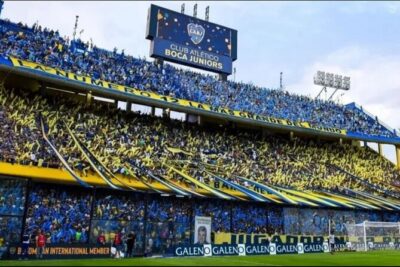
Boca Juniors Tickets for a Match at La Bombonera
Read our review →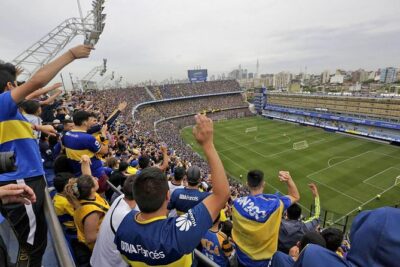
Soccer Match in Buenos Aires with Transfers and Local Guide
Read our review →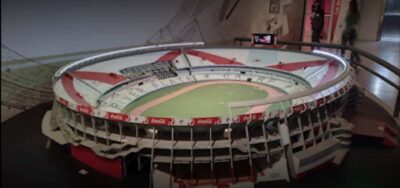
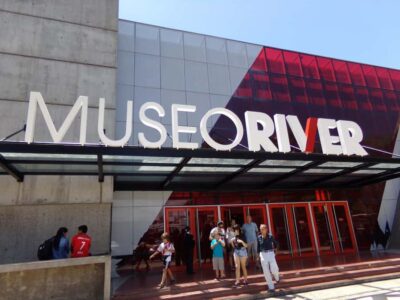

Buenos Aires Football Experience: Boca & River Stadium Tour
Read our review →Browse the lists this tour appears in