
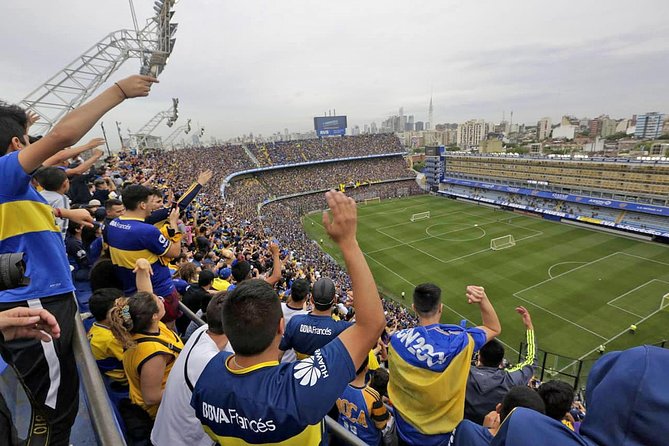
Reviewed · FOOTBALL AND STADIUM TOURS
Soccer Match in Buenos Aires with Transfers and Local Guide
Football is Buenos Aires at full volume. This experience gives you a practical way to attend a professional match, reach the stadium with a bilingual local guide, and understand the clubs and fans around you. I especially like the guided transport and match access, since getting to a stadium safely and finding the right entrance can be confusing. I also like the chance to see a major club such as River Plate, Independiente, Racing, or San Lorenzo rather than watching from a tourist bar.
The main drawback is uncertainty. Argentine fixtures and kickoff times can change during the week before the match, and the final club or stadium may not be the one you first expect. At $172 per person for about four hours, this is not a cheap ticket, so the value depends on how much you want local football culture with support rather than simply a seat at a game.
In This Review
- Key points before you book
- Why a Buenos Aires football match is worth your evening
- Starting at Defensa 831 and joining the group
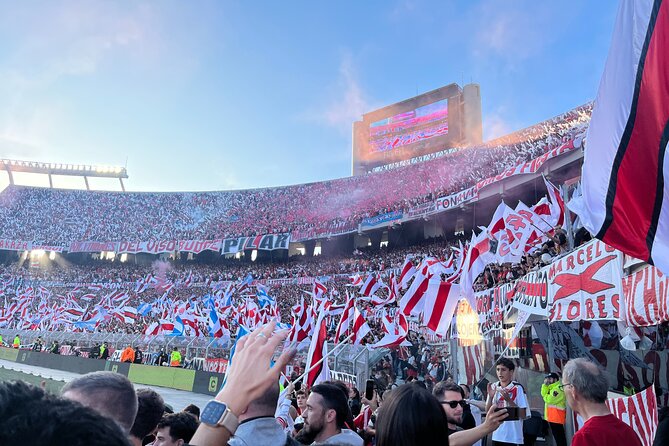
- River Plate at El Monumental
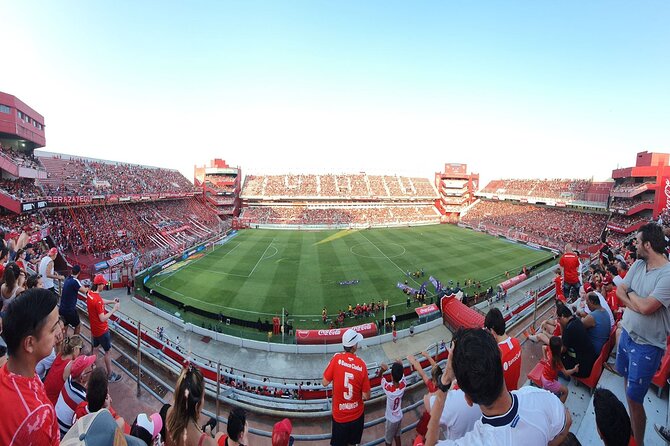
- Independiente at Estadio Libertadores de América
- San Lorenzo at Estadio Pedro Bidegain
- Racing at Estadio Presidente Perón
- Huracan in a tango and bohemian district
- Vélez at Estadio José Amalfitani
- Argentinos Juniors and the Maradona connection
- What is included, and what you still pay for
- Fixture changes and the rules that matter
- Who should book this experience?
- Should you book the Buenos Aires football match?
- FAQ
- How long does the soccer match experience last?
- Where does the experience begin?
- Where does the experience end?
- Which stadium will I visit?
- Is Boca Juniors included?
- Is the match ticket included?
- Is transportation included?
- Is food included?
- What identification do I need?
- Can I bring food, drinks, or a professional camera?
- Can the match date or kickoff time change?
- How many people are in the group?
- Is the tour suitable for most people?
Key points before you book
- Expect a real first-division match: The experience is built around professional Argentine football, not a stadium tour or exhibition game.
- The club can vary: Possible venues include River Plate, Independiente, San Lorenzo, Racing, Huracan, Vélez, and Argentinos Juniors. Boca Juniors is discussed in the tour description, but it is not listed among the detailed stadium options, so confirm the club before you commit.
- A guide stays with you: Guides such as Manuela, Gabi, Matteo, Matthieu, Andres, and Leandro have helped visitors understand the match and feel secure.
- Transport is part of the price: Transfers, admission, bottled water, and a snack are included, although extra food and drinks cost more.
- Fixture changes are normal: The match date and kickoff time are confirmed only during the week before the game.
- Pack lightly: You need valid identification, and food, drinks, and professional cameras are not allowed inside.
Why a Buenos Aires football match is worth your evening
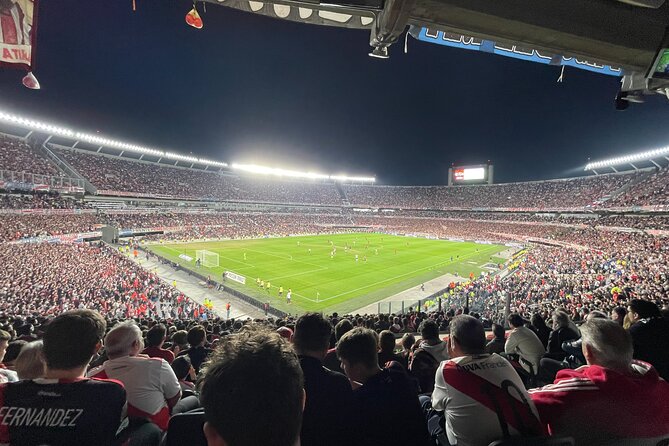
Buenos Aires football is not just ninety minutes of play. It is singing, flags, drums, neighborhood pride, and a crowd that treats each attack as a personal matter. Even a match between teams you barely know can become a memorable part of your time in Argentina.
I like this tour because it removes the hardest parts of attending a match on your own. A guide meets you, gets you to the stadium, helps with the entry process, explains the clubs, and brings you back afterward. That matters in a city where stadium districts can feel unfamiliar, especially after the final whistle when large crowds leave at once.
The atmosphere is the real prize. One especially memorable match took place at Racing’s Estadio Presidente Perón. The walk toward the ground came with singing, drums, food smells, and a home crowd that kept chanting for the full match. That kind of build-up is difficult to find in a standard sightseeing program.
The football itself can be high quality. Argentine first-division teams play with skill, speed, and plenty of pressure. You might see a close contest, a late equalizer, or a result that changes the mood of the whole stadium in seconds. You do not need to know every player to understand the basic drama.
More football and stadium visits in Buenos Aires:
- Buenos Aires: Tickets to Boca Juniors Museum & Stadium
★ 4.5 · 581 reviews - Boca Juniors Tickets for a Match at La Bombonera
★ 4.5 · 140 reviews - Buenos Aires: Boca Juniors and River Plate Football Tour
★ 4.3 · 82 reviews
Starting at Defensa 831 and joining the group
The stated meeting point is Tangol’s office at Defensa 831 in Buenos Aires. The detailed schedule begins there, with about thirty minutes allowed for gathering the group and heading toward the stadium.
The general description also refers to meeting your guide at your hotel, and several past arrangements involved pickup and drop-off at different hotels. Because those details do not fully match, confirm the exact pickup plan when you book. The important point is that the tour ends back at the meeting point or your central hotel, depending on the arrangement provided for your departure.
The group is limited to 15 people. That is small enough for a guide to keep everyone together without creating a large coach-tour feel. It also helps when you need quick instructions about security, entrances, seating, or where to regroup.
Guides are a major part of the experience. Manuela was praised for staying with a family throughout the evening and making the outing feel safe with a 10-year-old child. Gabi was singled out for being attentive and reassuring, while Matteo and Matthieu were noted for explaining what to expect and keeping the group organized. Andres was appreciated for his football knowledge and friendly manner, and Leandro was described as a particularly strong escort.
Guide quality can vary by departure, of course. Still, the repeated pattern is useful: the guide is not simply there to hand over a ticket. You get context about the clubs, practical help in the stadium, and company during what can otherwise be a confusing night.
River Plate at El Monumental
El Monumental is one of the best-known football grounds in Argentina. River Plate is one of the country’s two biggest clubs, and the stadium is also linked to the Argentine national team and the 1978 World Cup final victory.
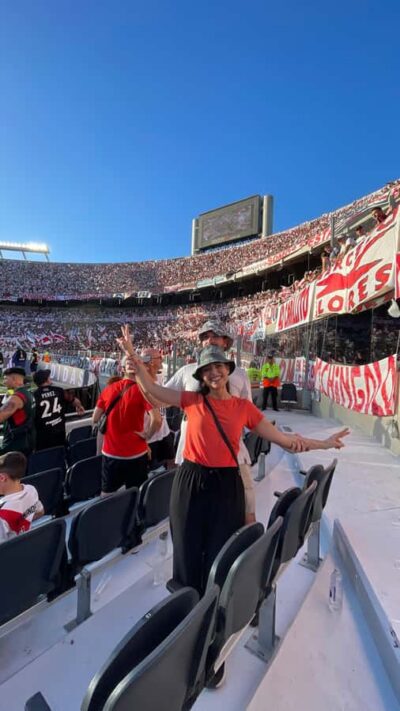
If River Plate is your match, expect a major-club setting with strong football tradition. One account described a River Plate match as quieter and more family-friendly than a Boca Juniors match, with heavy police presence and restrictions on alcohol sales around the stadium. That may appeal to you if you want a more orderly first match.
The entry rules matter here. River Plate requires a passport for foreign visitors. A foreign identity card is not accepted, even though other stadiums may accept an ID card or driver’s license. You also need to complete Face ID registration for the River Plate option, so do not leave that step until match day.
The tour description refers to La Bombonera and El Monumental as key Buenos Aires football venues, but the detailed possible-stadium list does not include Boca Juniors or La Bombonera. If seeing Boca is the main reason you are booking, ask Tangol directly before paying. Do not assume that a general mention of Boca means your ticket will be there.
Independiente at Estadio Libertadores de América
Independiente plays at Estadio Libertadores de América in Avellaneda. The club is known as Rey de Copas, or King of Cups, because it won the Copa Libertadores seven times.
This is a strong choice for someone who wants a club with a serious continental record but perhaps less international fame than River Plate or Boca. The history gives your guide plenty to explain, and the fans provide the emotional charge that makes the evening worthwhile.
One former outing to an Independiente match included a dramatic home equalizer after the visitors had opened the scoring. That is a useful reminder that the match does not need to be a famous derby to be exciting. A regular league game can produce the most authentic night.
A few more Buenos Aires trips worth putting side by side
- Local Foodie Adventure in Buenos Aires with Sherpa Food Tours
★ 5.0 · 6,875 reviews - Buenos Aires City Private Tour with Local Guide
★ 5.0 · 3,475 reviews - Buenos Aires Small-Group City Tour
★ 5.0 · 2,226 reviews - Buenos Aires Hop-On Hop-Off Bus, Free Walking Tours & Discounts
★ 4.5 · 2,218 reviews
San Lorenzo at Estadio Pedro Bidegain
San Lorenzo’s Estadio Pedro Bidegain offers another angle on Buenos Aires football culture. The club is associated with creative supporter songs and is also known for its connection with Pope Francis.
Here, listen to the crowd as much as you watch the pitch. The singing is part of the event, and your guide can explain the club’s identity and the people who follow it. If you want the social and musical side of football, San Lorenzo could be a fine match choice.
The practical routine remains the same: follow the guide, carry only essentials, and do not bring food, drinks, or a professional camera. Stadium security can be strict, and a small bag makes the process easier.
Racing at Estadio Presidente Perón
Racing Club plays at Estadio Presidente Perón, where the home support is famous for its constant energy. The atmosphere may begin before you reach the gates, with fans singing and food vendors working the streets near the stadium.
I would put Racing high on the list for atmosphere. A match between Racing and River Plate was remembered less for the final score than for the walk to the stadium, pounding drums, chants, and the way the home crowd stayed involved for the entire game.
This can also be one of the noisier choices. If you want a calm introduction to Argentine football, River Plate may feel easier. If you want full-throated support and do not mind a more intense setting, Racing may be the better fit.
Huracan in a tango and bohemian district
Huracan plays at Estadio Tomás Adolfo Ducó, in a traditional tango and bohemian part of Buenos Aires. The club has a long local identity and a strong connection to its neighborhood.
The appeal here is less about global fame and more about place. You get a match tied to a specific part of the city, which can feel more personal than visiting only the biggest names. The stadium option also gives the guide a chance to explain how football clubs connect with Buenos Aires neighborhoods.
The supplied schedule allows roughly thirty minutes at each stadium stop, but it should not be read as a plan to visit all seven grounds. These are alternative match venues, not a stadium-hopping tour. Your actual evening centers on the club playing the selected fixture.
Vélez at Estadio José Amalfitani
Vélez Sarsfield plays at Estadio José Amalfitani. The club is described as a world champion and an export club, and the stadium also hosted matches during the 1978 World Cup.
For you, this may be a good option if the fixture works with your plans and you want a club with national and international football credentials. It may not carry the same name recognition as River Plate, but that is part of the point. You are seeing the city’s wider football culture, not only its two most famous brands.
Argentinos Juniors and the Maradona connection
Argentinos Juniors plays at Estadio Diego Armando Maradona, named for the legendary player who began with the club. That connection gives this match a clear historical hook, even if you are not a devoted football fan.
A guide can make the connection meaningful by explaining why Maradona matters to Argentine football and to the club. If you have limited time in Buenos Aires and want a match with a strong local story, Argentinos Juniors may be more interesting than a generic fixture.
What is included, and what you still pay for
The $172 price includes a bilingual guide, stadium transfer, entrance ticket, bottled water, and a snack. One outing also included one food item and one drink at the stadium, but the written inclusions only promise a snack and water. I would treat that as the safe expectation and ask what the food package means for your specific match.
Additional food and drinks are not included. You also cannot bring your own food or drinks into the stadium, so carry enough Argentine pesos or another accepted payment method for concessions. One guide helped a visitor cover snack costs with cash, but that should be considered a courtesy, not a guaranteed part of the package.
The price is high compared with buying a basic local ticket independently. You are paying for more than the seat, though. Transfers, ticket handling, bilingual explanations, safety guidance, and return transport all have real value, particularly if this is your first Argentine match.
Still, the price needs careful thought. One unhappy customer reported receiving a different seating arrangement and having to arrange independent transport after an unexpected change. The operator responded that the package includes several services beyond the ticket. That disagreement shows why you should confirm the exact stadium, seating area, food, and transport plan before the match.
Fixture changes and the rules that matter
Argentine football schedules can move at short notice. Match dates and kickoff times are subject to change, with confirmation during the week before the game. If the selected match is rescheduled, the operator says you will be notified in advance, and an alternate arrangement may be offered.
One family had a match rescheduled and still managed to adjust its plans with help from the operator. Another booking originally involved one fixture, then shifted through different options before ending with a River Plate match against Argentinos Juniors. The lesson is simple: keep some flexibility in your Buenos Aires schedule.
Bring your passport or another accepted identification document. For River Plate, bring your passport specifically. Leave professional cameras, outside food, and drinks behind, and take only essentials such as your phone and wallet.
Free cancellation is available up to 24 hours before the start time. Changes or cancellations inside that 24-hour window are not accepted for a refund.
Who should book this experience?
I would recommend this tour to a first-time football visitor who wants to attend a professional match without handling every detail alone. It also suits solo visitors, couples, and families who value a guide and organized transport.
It is a particularly good choice if you care about supporter culture, club identity, and the feeling around the stadium. You will get more from it if you are willing to sing along, listen to the guide, and watch the crowd as closely as the players.
I would hesitate if your priority is the lowest possible ticket price, a guaranteed Boca Juniors match, or a specific kickoff time. You should also think twice if you dislike schedule changes or want complete control over your seat and stadium choice.
Should you book the Buenos Aires football match?
Book it if you want a reliable introduction to Argentine football and value help with transport, entry, and local context. The strongest parts are the stadium atmosphere, the passionate guides, and the sense that you are attending a real match rather than watching a staged performance.
Before booking, confirm four details: the club, stadium, seating section, and pickup plan. Ask what snack or food is included, and keep your schedule open during the week before the match. With those points settled, the $172 cost can be fair for a short, well-supported football night in Buenos Aires.
FAQ
How long does the soccer match experience last?
The experience lasts approximately four hours, including the meeting, transfer to the stadium, match, and return journey.
Where does the experience begin?
The detailed meeting point is Tangol’s office at Defensa 831, C1065 Buenos Aires. The general description also refers to hotel pickup, so confirm your exact meeting arrangement before the day.
Where does the experience end?
The listed end point is back at the meeting point. The general description says the guide may return you to your central Buenos Aires hotel, so confirm the drop-off arrangement for your booking.
Which stadium will I visit?
Possible stadiums include River Plate, Independiente, San Lorenzo, Racing, Huracan, Vélez, and Argentinos Juniors. The final stadium depends on the selected match and confirmed fixture.
Is Boca Juniors included?
Boca Juniors and La Bombonera are mentioned in the general description, but they are not included in the detailed list of possible stadium stops. Ask the operator directly if Boca is essential to your plans.
Is the match ticket included?
Yes. A stadium entrance ticket is included in the experience price.
Is transportation included?
Yes. Transfers to the stadium are included, and the general description says the guide returns you to your central hotel afterward. Confirm the precise pickup and drop-off details.
Is food included?
A snack is included, along with bottled water. Additional food and drinks cost extra. One past arrangement included one food item and one drink, but you should confirm what your particular booking provides.
What identification do I need?
You must present an ID, passport, or driver’s license to enter. For River Plate, a passport is specifically required, and foreign ID cards are not accepted.
Can I bring food, drinks, or a professional camera?
No. Food, drinks, and professional cameras are not allowed inside the stadium. The operator recommends bringing only essentials such as your phone and wallet.
Can the match date or kickoff time change?
Yes. Fixtures and kickoff times can change, and final confirmation is made during the week before the match. If the selected match is rescheduled, you should be notified in advance.
How many people are in the group?
The maximum group size is 15 people.
Is the tour suitable for most people?
Yes. The activity information says most people can participate. A bilingual guide is provided, and families have used the experience successfully.
Recently added around Buenos Aires
- Photo Session in Buenos Aires★ 5.0 · 26 reviews
- Your Personal Photographer in Buenos Aires★ 5.0 · 24 reviews
- Discover Buenos Aires’ independent art scene — Ticket included★ 5.0 · 30 reviews
- Your Private Photographer in Buenos Aires★ 5.0 · 4 reviews
- Yerba Mate Workshop – Learn to Drink Mate like a Local!★ 5.0 · 11 reviews
- Taste of Tradition: Yerba Mate & Alfajores Experience★ 4.0 · 5 reviews
- Wine tasting in OASIS Palermo★ 5.0 · 2 reviews
- Day Tour Classic★ 3.5 · 35 reviews
Football and Stadium Tours, compared.

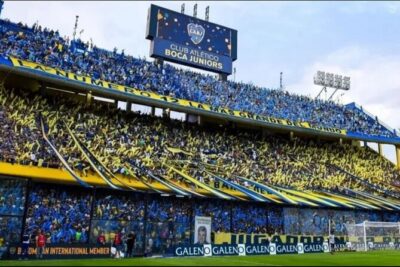
Boca Juniors Tickets for a Match at La Bombonera
Read our review →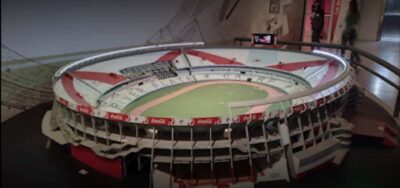
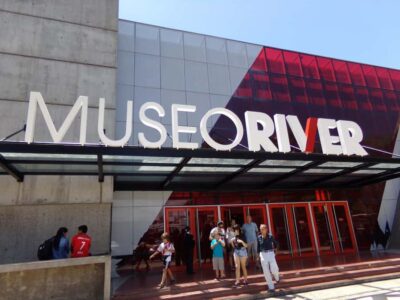
Buenos Aires Football Experience: Boca & River Stadium Tour
Read our review →
Boca Juniors Game at La Bombonera with Local & Transport
Read our review →Browse the lists this tour appears in