Reviewed · BUENOS AIRES TOURS
Recoleta & Cemetery for curious people
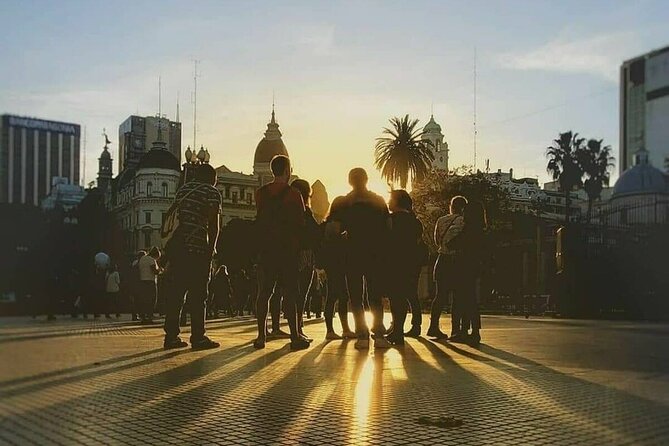
Buenos Aires tells its story in stone. This 150-minute walk links Plaza San Martín, grand mansions, diplomatic buildings, and Recoleta Cemetery to explain how wealth shaped Argentina’s capital. I like the interactive format, which invites questions instead of delivering a nonstop lecture, and I like the chance to see the city’s elite districts before entering the cemetery. The main consideration is that the cemetery ticket costs extra, and the tour’s historical discussions may appeal more to curious adults than to visitors seeking a quick photo walk.
This is a small-group or private experience led by a university-degree guide in Spanish, English, or French. Nicolas, also called Nico, earned especially warm praise for his humor, patience, and little-known stories, while Ignacio was singled out for making the visit feel personal. Allow some flexibility in your schedule: one description says the group can make the walk shorter or longer depending on its interests, even though the planned duration is 150 minutes.
In This Review
- Key points before you book
- Why this walk is different from a standard cemetery tour
- Plaza San Martín sets up the city’s big questions
- Kavanagh, Torre Monumental, and the city’s changing ambitions
- Mansión Estrugamou and Palacio San Martín reveal old wealth
- A five-minute pause, then the diplomatic quarter
- Recoleta Cemetery turns architecture into social history
- The guide makes or breaks the discussion
- What the $34 price includes, and what it does not
- Timing, languages, and physical demands
- Who will enjoy this most
- Should you book the Recoleta walk?
- FAQ
- Where does the tour meet?
- Where does the tour end?
- How long does the experience last?
- Is the cemetery ticket included?
- What languages are available?
- Is the tour wheelchair accessible?
- Can I book a private or small-group tour?
Key points before you book
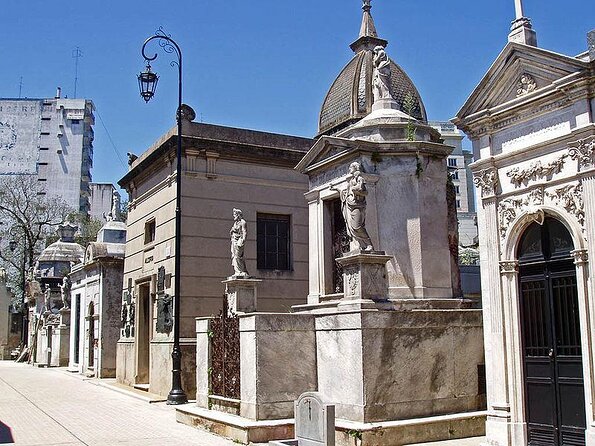
- The route begins at Rapa Nui and ends at Recoleta Cemetery, connecting several of Buenos Aires’s most important monuments on foot.
- The main subject is power, from wealthy landowners and Argentina’s Gilded Age to the people granted lasting space in the cemetery.
- The cemetery ticket is not included, so you must buy admission at the entrance or online in advance.
- Discussion is part of the tour, with time to ask questions and examine how Buenos Aires presents its past.
- Nicolas, Nico, and Ignacio are praised by name for humor, historical detail, and thoughtful answers.
- The tour is wheelchair accessible, and private or small-group formats are available.
Why this walk is different from a standard cemetery tour
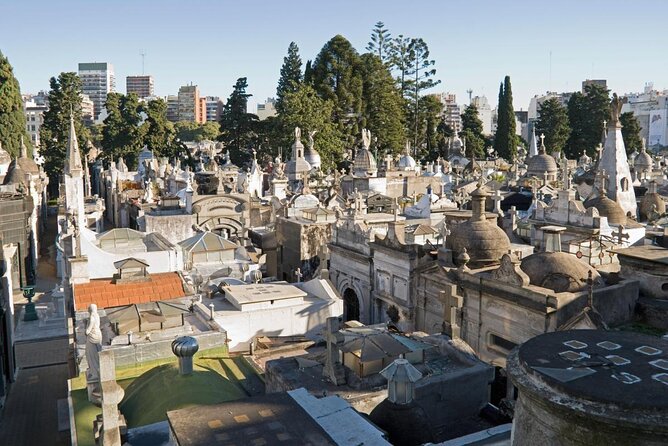
Many cemetery visits focus on famous graves, impressive statues, and a few dramatic stories. This one uses Recoleta Cemetery as a way to ask larger questions about Argentina. Who receives a grand tomb? Who gets remembered? Which parts of the past are celebrated, and which are left out?
That approach gives the walk a clear purpose. You are not simply moving from one notable tomb to another. You are looking at architecture, social rank, public memory, and the role of Buenos Aires’s elite in the country’s development.
The tour also begins well before the cemetery. From Plaza San Martín onward, the guide uses the city’s buildings to explain the ambition behind Buenos Aires’s old nickname, the Paris of South America. The focus is not just on pretty façades. You are encouraged to consider why certain buildings were made to look European, who paid for them, and what that ambition said about Argentina at the time.
I like this structure because it makes Recoleta Cemetery feel less isolated from the rest of the city. The tombs become part of a much bigger story about money, politics, social status, and national identity.
A few more Buenos Aires trips worth putting side by side
- Local Foodie Adventure in Buenos Aires with Sherpa Food Tours
★ 5.0 · 6,875 reviews - Buenos Aires City Private Tour with Local Guide
★ 5.0 · 3,475 reviews - Buenos Aires Small-Group City Tour
★ 5.0 · 2,226 reviews
Plaza San Martín sets up the city’s big questions
The meeting point is the Rapa Nui store, and the first formal stop is Plaza General San Martín. The tour includes two separate guided segments here, each listed at about 10 minutes. That gives the guide room to introduce the square, establish the historical setting, and begin the conversation about Buenos Aires’s upper class.
The plaza is an effective opening because the route quickly shifts from public space to private wealth. You get a sense of how the city’s grand central areas were planned and presented. The guide can also begin framing Argentina’s rise as a potential world power, along with the later problems that interrupted that promise.
Do not expect a long stop with extensive time for independent sightseeing. The emphasis is on explanation and discussion. If your main goal is a quiet walk through a park, you may find the commentary more demanding than expected. If you enjoy connecting buildings to national events, the opening gives the rest of the tour a useful foundation.
Kavanagh, Torre Monumental, and the city’s changing ambitions
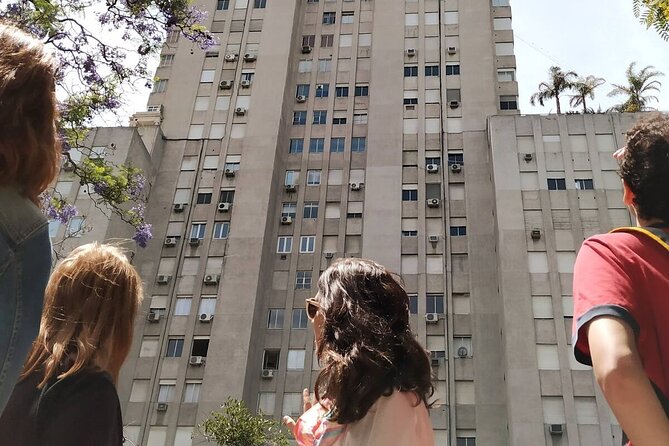
The next stops include Edificio Kavanagh and Torre Monumental, with about 10 minutes at each. These buildings help show the changing face of Buenos Aires, from aristocratic residences to large urban structures that reflect a more modern city.
At Edificio Kavanagh, the guide examines the building as part of Buenos Aires’s architectural ambition. It is one of the stops where the tour’s title idea, Argentina’s Gilded Age, becomes more concrete. You are asked to look at how buildings communicate status and confidence.
Torre Monumental adds another layer. The tour does not treat the city as a collection of unrelated monuments. Instead, it uses the route to consider how Buenos Aires presented itself to the world and how that image changed over time.
The stops are short, so you should expect an exterior-focused explanation rather than an interior visit. That is useful for keeping the walk moving, but it also means you will want to pay close attention. The guide’s commentary carries much of the value here.
Mansión Estrugamou and Palacio San Martín reveal old wealth
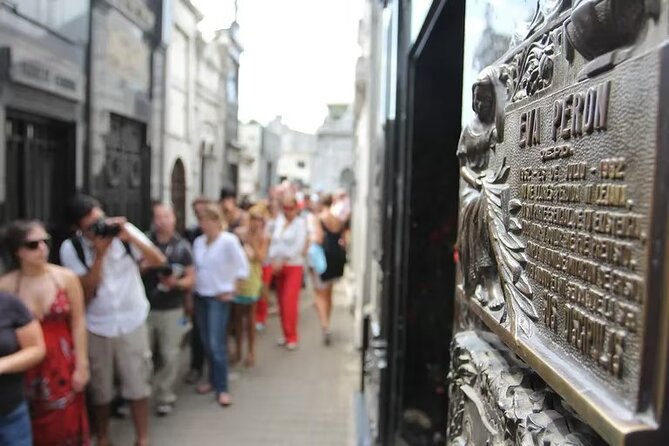
Mansión Estrugamou, also known as Casa Basavilbaso, is one of the more atmospheric stops. The building offers a chance to discuss the private world of the people who benefited from Argentina’s land-based wealth.
This is where the tour’s social questions become especially important. Grand residences can look like beautiful architecture, but they also record who had the money, land, and influence to build on such a scale. The guide uses these places to examine the rise of powerful landowners and the gap between public prosperity and private privilege.
Palacio San Martín continues that theme. The stop helps connect elite residences with Argentina’s political and diplomatic life. You are not only hearing about rich families. You are considering how social power moved through the city’s institutions.
The guide’s style matters here. Nicolas, known as Nico, was praised for offering side stories that went beyond basic facts and for answering individual questions with patience. That kind of guide is a strong match for this route because many of the buildings invite questions that do not fit neatly into a standard script.
Still Argentina, but a completely different sort of afternoon:
- Buenos Aires Hop-On Hop-Off Bus, Free Walking Tours & Discounts
★ 4.5 · 2,218 reviews - Buenos Aires: Piazzolla Tango Show with Optional Dinner
★ 4.4 · 2,122 reviews - Buenos Aires: City Highlights Guided Tour with Transfer
★ 4.7 · 1,946 reviews - Buenos Aires: Hop-On Hop-Off City Bus Tour
★ 4.2 · 1,855 reviews
A five-minute pause, then the diplomatic quarter
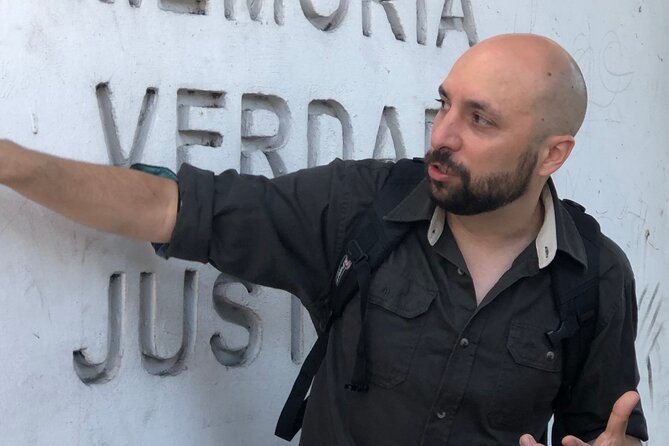
The route includes a brief five-minute break at Carrefour Express. It is not a long rest stop, but it gives you a practical chance to buy something before the walk continues.
After the pause, the tour visits the Embassy of France, the Jockey Club, and Palacio Duhau, now associated with Park Hyatt Buenos Aires. The Embassy of France and the Jockey Club help develop the idea of Buenos Aires as a city eager to reflect European taste, influence, and social codes.
The Jockey Club is particularly useful in the story of elite life. The tour looks at the institutions that shaped the habits and identity of the wealthy. You are encouraged to think beyond the façades and ask how these places functioned within the wider society.
Palacio Duhau receives a shorter five-minute explanation. That makes sense within a route that needs to reach the cemetery, but it is also a reminder that this is a survey walk. You will see many important exteriors, yet none receives a full architectural tour.
I would treat the route as a carefully chosen introduction rather than a complete study of every building. The variety is a strength, but the pace means you should not expect long photo stops or interior access.
Recoleta Cemetery turns architecture into social history
The final 45-minute guided segment takes place at La Recoleta Cemetery. This is the heart of the experience, and the extra cemetery ticket is the one cost you need to plan for.
The cemetery’s grand tombs and family mausoleums provide the visual drama, but the guide’s job is to explain what they represent. You will learn about people buried there while also considering the wider groups and institutions they stood for. The tour asks you to notice who has a permanent place in public memory and who may be absent.
That anthropological viewpoint is the strongest reason to choose this walk instead of a simple cemetery visit. The guide does not just point out famous names. You discuss the way societies honor the powerful, build stories around national figures, and preserve certain versions of the past.
The cemetery segment lasts about 45 minutes, enough time for a meaningful introduction without turning the entire afternoon into a grave-by-grave survey. If you want to spend hours exploring tombs on your own, plan extra time after the guided portion. The actual cemetery entry is optional, and tickets can be bought at the entrance or in advance online.
Because the guide has already discussed mansions, clubs, embassies, and elite neighborhoods, the cemetery feels like the natural final chapter. The grand buildings show wealth in life. The mausoleums show how wealth and status can continue shaping memory after death.
The guide makes or breaks the discussion
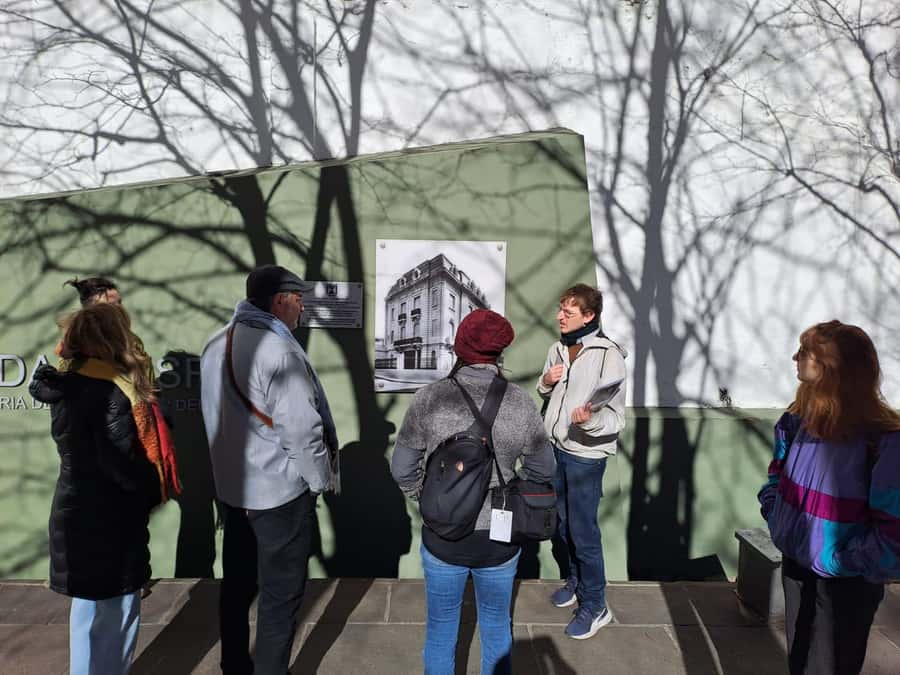
This tour depends heavily on the person leading it. The format asks the guide to explain architecture, politics, social class, and national history while also responding to questions. That is a lot to ask from a standard sightseeing guide.
The strongest feedback names Nicolas, or Nico, as an historian with a good sense of humor and a supply of lesser-known stories. One visitor described the walk as a favorite day in Buenos Aires because Nico took his time and adapted the length to the group. Ignacio was also praised as an extraordinary guide who offered a particularly effective way to understand the city.
Guide availability may vary, so I would not assume a specific person when booking. Still, the comments give you a useful picture of the intended style: informed, conversational, flexible, and open to local anecdotes.
This is not the right choice if you want to keep your headphones in and simply follow a fixed route. It works best when you ask questions, compare buildings, and let the conversation develop. The activity is designed for participation.
What the $34 price includes, and what it does not
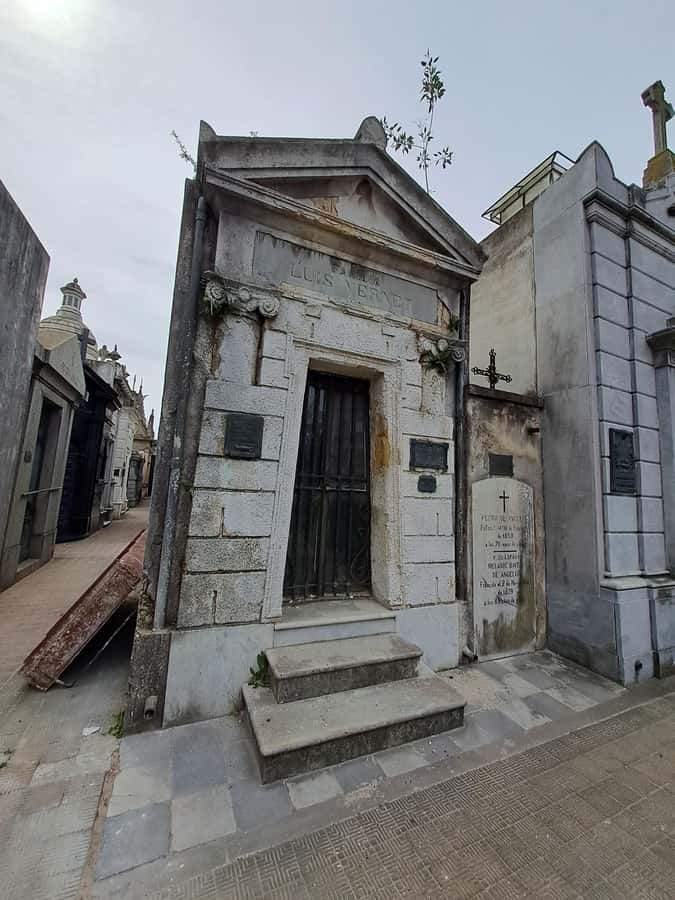
At $34 per person, the price is reasonable if you value interpretation rather than transportation or entry packages. You receive a guided walk lasting 150 minutes, with a university-degree guide and a route covering several major stops before reaching the cemetery.
You are paying for the guide’s time and the way the sites are connected. There is no coach, meal, or bundled attraction admission. The cemetery ticket is separate, which keeps the base price lower but means you must budget for that additional purchase.
The value is strongest for first-time visitors who want a framework for understanding Recoleta and Buenos Aires’s elite districts. If you already know the city well and only want access to the cemetery, you may find the walk longer than necessary. If you are interested in politics, architecture, social class, or national identity, the price buys much more than a list of famous graves.
The high score of 4.9 from 24 ratings also suggests a consistently strong experience, though the quality of a discussion-based tour always depends partly on your guide and your willingness to participate.
Timing, languages, and physical demands
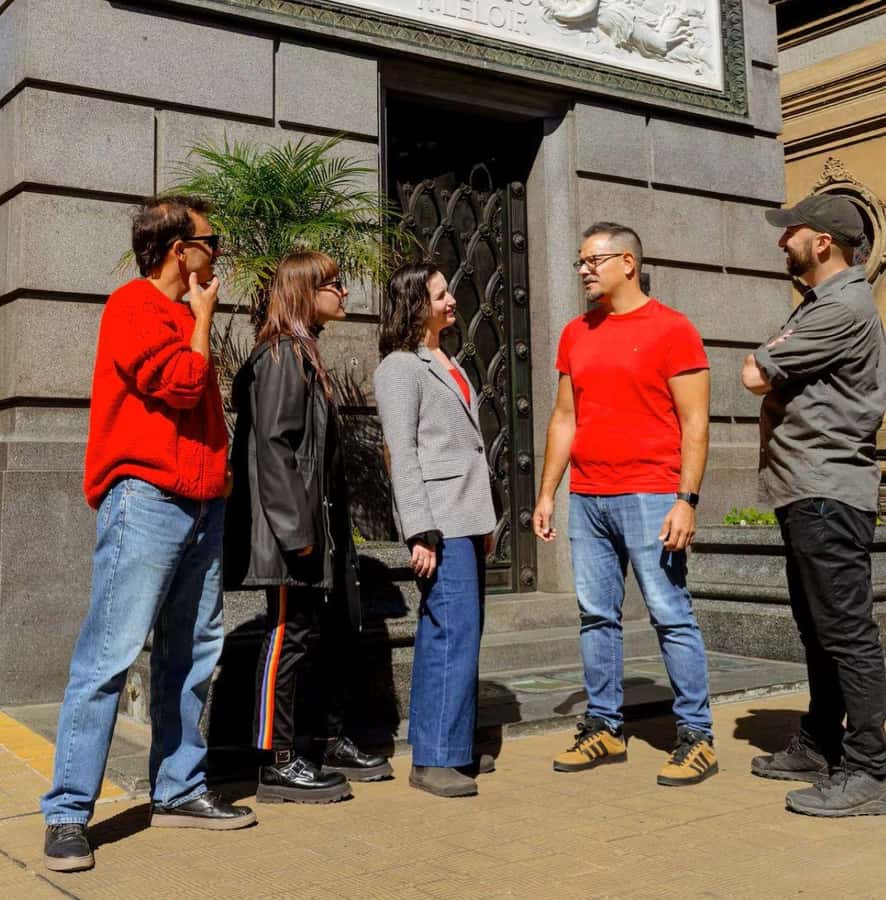
The stated duration is 150 minutes, with starting times available according to the date you choose. The route has many stops, most lasting about 10 minutes, so you should expect steady walking with brief pauses for explanation.
The tour is available in Spanish, English, and French. That range is useful in Buenos Aires, where a thoughtful explanation of local history may matter more than a quick translation of basic facts.
Private and small-group options are available. A smaller group should make it easier to ask questions and follow the guide’s side stories. The activity is wheelchair accessible, which is an important practical advantage, though the route includes many outdoor city stops and a cemetery, so you may want to confirm current conditions for your specific booking.
Free cancellation is available up to 24 hours in advance, and you can reserve now while paying later. Those policies are helpful if your Buenos Aires schedule is still shifting.
Who will enjoy this most
I would recommend this walk to you if you like history with an argument attached. The guide does not simply announce dates and names. You will discuss Argentina’s possible rise as a world power, its setbacks, and the role of wealthy landowners and urban elites.
It also suits visitors who enjoy architecture but want more than design terms. The buildings become evidence of social ambition. The cemetery becomes evidence of how a country chooses to remember itself.
Couples, solo visitors, and small groups should all find the format workable. It may be especially good for a second day in Buenos Aires, after you have seen enough of the city to recognize that its polished European appearance is only part of the story.
Families with older children could enjoy it if they are comfortable with sustained historical discussion. Younger children may lose interest during the building stops, particularly because the tour includes many short explanations rather than hands-on activities.
I would not choose it if your priority is a fast cemetery visit, extensive free time, or admission to every building. Several stops are viewed from outside, and the group moves through a lot of ground in a limited time.
Should you book the Recoleta walk?
Book it if you want Recoleta to make sense, not just look impressive. The route from Plaza San Martín to the cemetery gives you a useful way to connect grand architecture, social privilege, diplomacy, and public memory.
The best reason to go is the discussion. Nicolas, Nico, and Ignacio are praised for the qualities this experience needs most: clear historical explanation, humor, patience, and an ability to answer personal questions. The main drawbacks are the extra cemetery admission, the walking pace, and the fact that the tour offers exterior explanations rather than interior visits.
I would book this for a curious visitor who wants context and conversation. I would skip it only if you prefer to explore Recoleta Cemetery independently or have little interest in the forces behind Buenos Aires’s grandest buildings.
FAQ
Where does the tour meet?
The meeting point is the Rapa Nui store.
Where does the tour end?
The route ends at La Recoleta Cemetery.
How long does the experience last?
The stated duration is 150 minutes.
Is the cemetery ticket included?
No. Entry to the cemetery is optional, and the ticket is not included in the tour price. You can buy it at the entrance or in advance online.
What languages are available?
The tour is offered in Spanish, English, and French.
Is the tour wheelchair accessible?
Yes, the activity is listed as wheelchair accessible.
Can I book a private or small-group tour?
Yes. Private and small-group options are available.
Recently added around Buenos Aires
- Photo Session in Buenos Aires★ 5.0 · 26 reviews
- Your Personal Photographer in Buenos Aires★ 5.0 · 24 reviews
- Discover Buenos Aires’ independent art scene — Ticket included★ 5.0 · 30 reviews
- Your Private Photographer in Buenos Aires★ 5.0 · 4 reviews
- Yerba Mate Workshop – Learn to Drink Mate like a Local!★ 5.0 · 11 reviews
- Taste of Tradition: Yerba Mate & Alfajores Experience★ 4.0 · 5 reviews
- Wine tasting in OASIS Palermo★ 5.0 · 2 reviews
- Day Tour Classic★ 3.5 · 35 reviews
Buenos Aires Tours, compared.
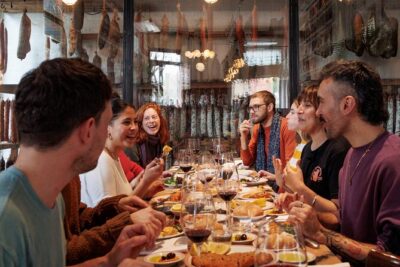
Local Foodie Adventure in Buenos Aires with Sherpa Food Tours
Read our review →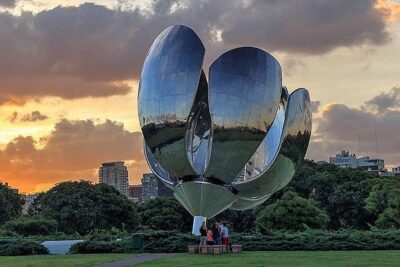
Buenos Aires City Private Tour with Local Guide
Read our review →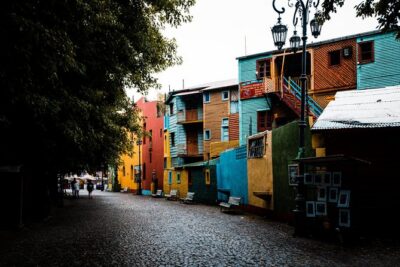
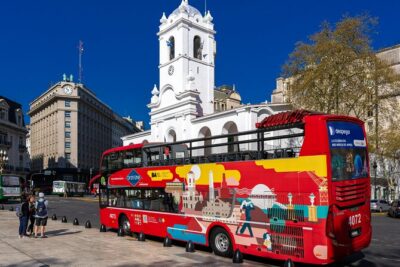
Buenos Aires Hop-On Hop-Off Bus, Free Walking Tours & Discounts
Read our review →