Reviewed · BUENOS AIRES TOURS
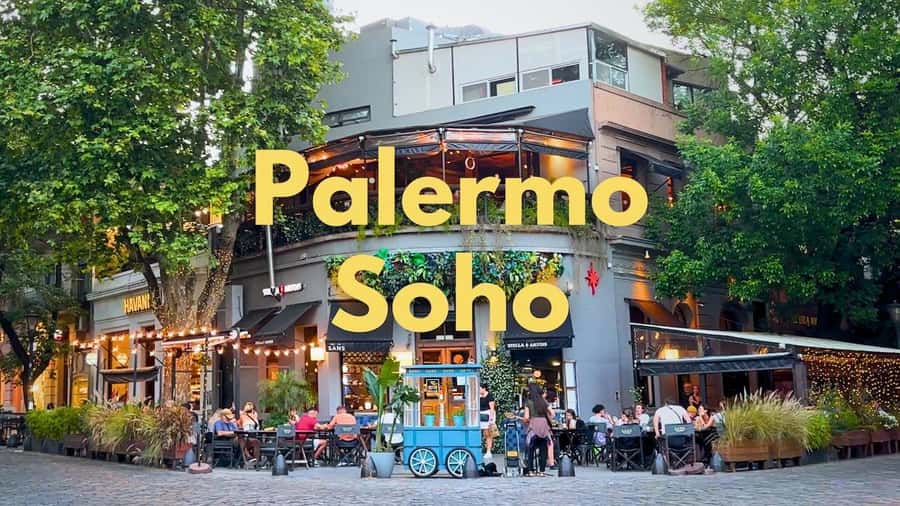
Palermo SoHo for curious people
Palermo’s cool facade hides a serious story. I like that this two-hour walk looks past stylish shops and sourdough bakeries to explain how railways, immigration, real estate, and currency troubles shaped the neighborhood. I also like the discussion-led format, with anthropologist Nico encouraging questions instead of delivering a nonstop speech.
The main consideration is pace. You cover many stops in two hours, so several visits are brief, and this is not a classic sightseeing tour packed with grand monuments. If you want a relaxed shopping stroll, this may feel too analytical. If you want to understand why Palermo SoHo looks and feels the way it does, the small-group setting and unusual subject matter offer strong value for $25.
In This Review
- Key points about this Palermo walking tour
- Why Palermo SoHo needs more than a café guide
- Meeting at Distrito Arcos and starting near Montagne
- Puente Pacífico and the transport story
- Polo Científico Tecnológico and modern Palermo
- Pasaje Emilio Zola and the quieter side of Palermo
- Ukrainian and Polish institutions in a fashionable district
- El Preferido, Don Julio, and the business of being famous
- Cultural associations and the changing meaning of Palermo
- Plaza Inmigrantes de Armenia and the neighborhood’s name
- Helados Italia and a 15-minute pause
- Pasaje Russel and the final walk to Plaza Serrano
- What $25 buys you
- Who should book this experience?
- Should you book Palermo SoHo for Curious People?
- FAQ
- How long does the Palermo SoHo tour last?
- How much does the tour cost?
- Where does the tour begin?
- Where does the tour finish?
- What languages are available?
- Is the tour wheelchair accessible?
- Is this a private tour or a group tour?
- Who leads the experience?
- What topics does the tour cover?
- Is food included in the price?
Key points about this Palermo walking tour
- A social history walk, not a photo checklist: You look at Palermo through immigration, transport, culture, property speculation, and currency changes.
- Nico brings the neighborhood to life: His approach is described as informative, humorous, professional, and personable, with room for questions and conversation.
- The route links old and new Palermo: You move from Puente Pacífico and the Polo Científico Tecnológico to Plaza Serrano, passing cultural associations, restaurants, and old passages.
- Immigration gets proper attention: The Ukrainian and Polish cultural stops, plus Plaza Inmigrantes de Armenia, add depth to a district often reduced to cafés and nightlife.
- You discuss Argentina’s two exchange rates: The tour connects peso devaluation and real estate speculation to the neighborhood’s rapid change.
- A useful final stop: The walk ends at Plaza Serrano, where you can continue eating, shopping, or exploring Palermo on your own.
Why Palermo SoHo needs more than a café guide
Palermo SoHo is easy to enjoy at surface level. You can spend an afternoon moving between boutiques, cocktail bars, restaurants, galleries, and coffee shops without asking how the district became this fashionable.
This walk asks better questions. What did the train and tram contribute to Palermo’s beginnings? Who lived here first? When did the area shift from a traditional neighborhood into a fashionable destination? What happens when rising property values meet a falling currency?
Those questions make the tour useful for anyone who likes cities as living places rather than museum displays. You are not simply told that Palermo changed. You discuss who gained from that change, who may have been pushed aside, and why the Argentine peso matters to the look of the neighborhood.
The guide has a university degree and an anthropological perspective. That does not mean you need academic knowledge. The tone is designed for curious people who want to talk, challenge ideas, and connect the visible streets with larger forces.
A few more Buenos Aires trips worth putting side by side
- Local Foodie Adventure in Buenos Aires with Sherpa Food Tours
★ 5.0 · 6,875 reviews - Buenos Aires City Private Tour with Local Guide
★ 5.0 · 3,475 reviews - Buenos Aires Small-Group City Tour
★ 5.0 · 2,226 reviews
Meeting at Distrito Arcos and starting near Montagne
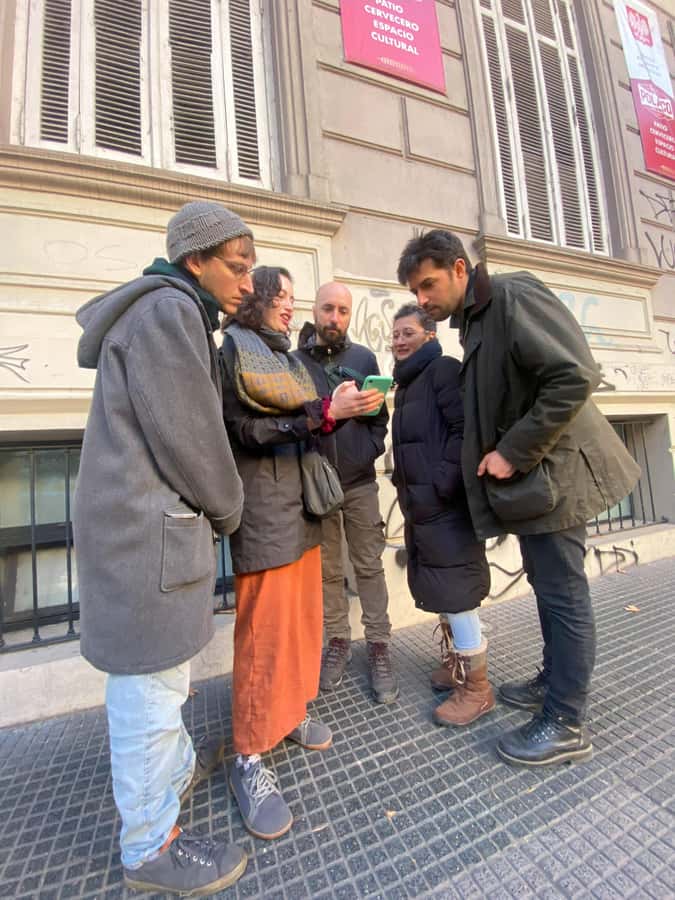
The meeting point is beside the amphitheater at Distrito Arcos, next to the Montagne store. This is a practical starting place because it gives the group a clear commercial landmark rather than an obscure street corner.
One participant had trouble finding the meeting point, but Nico helped them get oriented. I would still allow extra time to locate the amphitheater, especially if you are unfamiliar with Palermo or arriving by public transport.
Distrito Arcos is also a useful place to identify the contrast at the heart of the walk. You begin near a premium outlet complex, then move into streets where older institutions, immigrant organizations, cafés, restaurants, and new development sit close together.
That contrast is the point. Palermo SoHo is not a carefully preserved historic quarter. It is a neighborhood where layers of the city remain visible beside rapid commercial change.
Puente Pacífico and the transport story
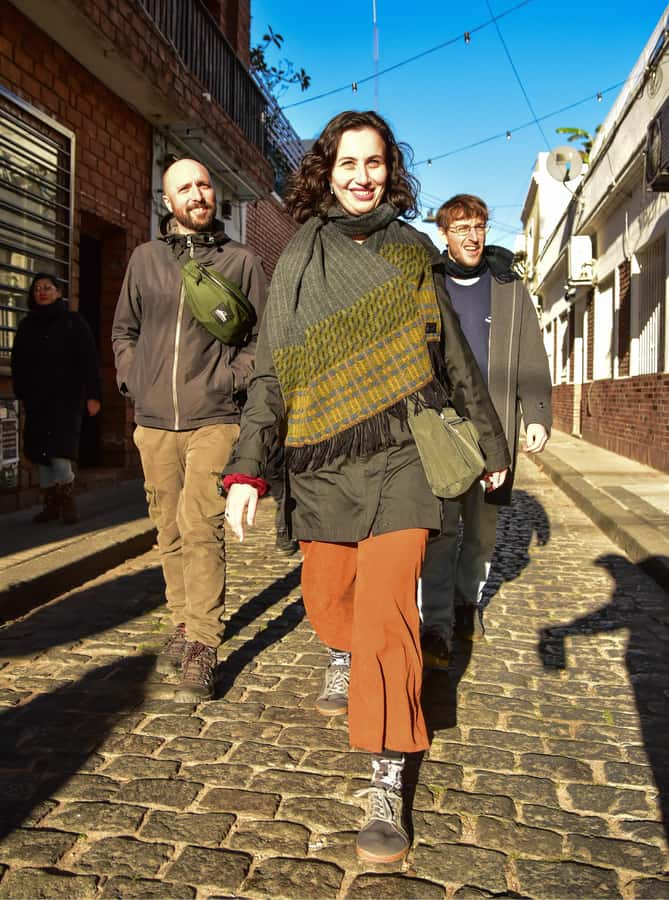
The first major stop is Puente Pacífico, with about 15 minutes of guided discussion. The bridge is tied to the transport systems that helped shape Palermo’s early growth.
This is where the tour begins to correct the easy idea that fashionable Palermo simply appeared because creative businesses moved in. Rail and tram connections helped determine who could reach the area, how it developed, and how it connected with the wider city.
You should expect explanation rather than a long monument visit. The value is in understanding the role of infrastructure. A bridge, rail line, or tram route can change land values and daily movement long before a neighborhood acquires a fashionable label.
For visitors who enjoy urban planning, this may be one of the most useful parts of the walk. For someone mainly interested in food and shopping, it may feel less immediately exciting. The guide’s job is to make that ordinary infrastructure matter, and Nico’s humor helps keep the subject from becoming dry.
Polo Científico Tecnológico and modern Palermo
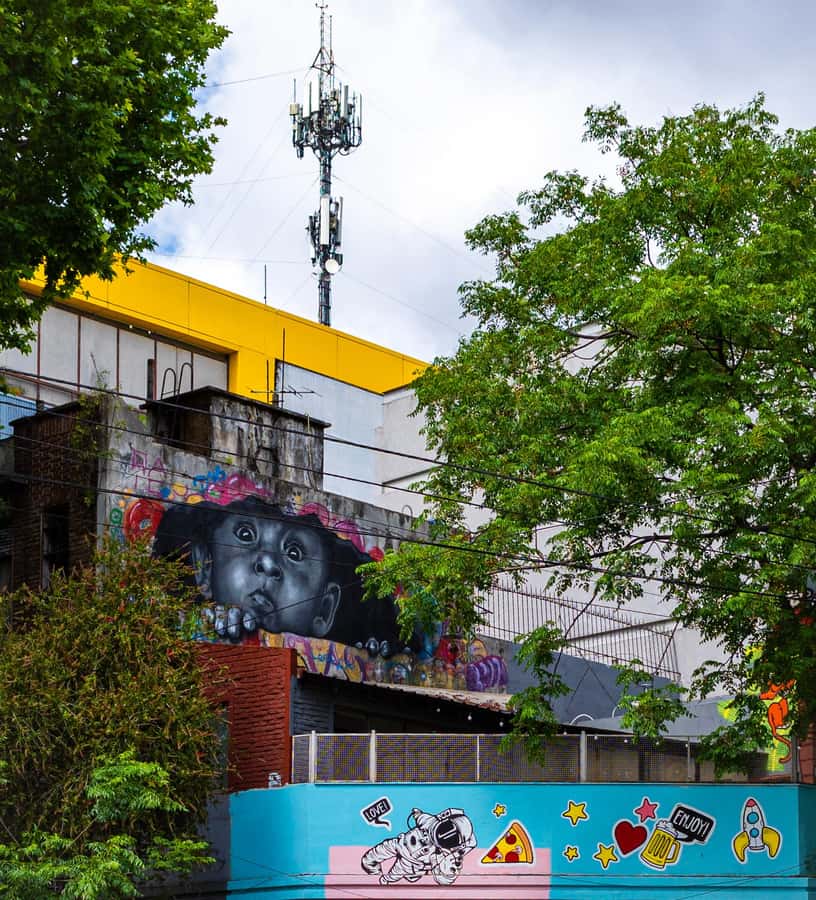
The route continues to the Polo Científico Tecnológico, where the guide spends around 20 minutes. This is the longest stop, which tells you that the modern identity of Palermo deserves serious attention.
The Polo Científico Tecnológico represents a newer, more institutional side of the district. Its presence helps frame the question of what Palermo is becoming. The neighborhood is not only about restaurants, fashion, nightlife, and design. It also has links to science, technology, investment, and new forms of urban activity.
This stop should help you connect the past with the present. Earlier transport networks opened the area to growth. Later changes in investment and property use helped produce the Palermo SoHo associated with tourism and style.
The guide also addresses real estate speculation here or nearby in the wider discussion. You learn why property values are connected to Argentina’s currency situation, including the effect of peso devaluation and the confusion created by two exchange rates.
That subject matters in practical terms. A currency crisis can change who can afford property, how owners price buildings, and how quickly an area changes for international visitors. You do not need to master Argentine economics before joining. The tour aims to explain the issue through the streets around you.
Still Argentina, but a completely different sort of afternoon:
- Buenos Aires Hop-On Hop-Off Bus, Free Walking Tours & Discounts
★ 4.5 · 2,218 reviews - Buenos Aires: Piazzolla Tango Show with Optional Dinner
★ 4.4 · 2,122 reviews - Buenos Aires: City Highlights Guided Tour with Transfer
★ 4.7 · 1,946 reviews - Buenos Aires: Hop-On Hop-Off City Bus Tour
★ 4.2 · 1,855 reviews
Pasaje Emilio Zola and the quieter side of Palermo
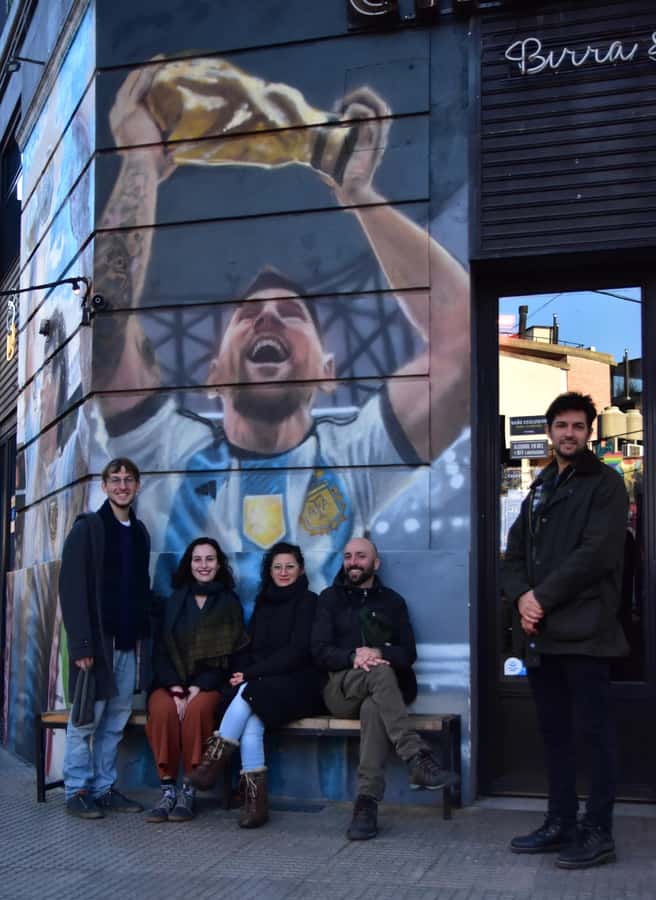
Pasaje Emilio Zola receives about 10 minutes. A passage like this offers a break from Palermo’s major commercial streets and gives you a closer look at the neighborhood’s smaller-scale spaces.
The stop is listed as a visit rather than a long guided presentation. That suggests a useful rhythm: some places receive careful explanation, while others are viewed as part of the route. You should not expect every location to have an extended talk.
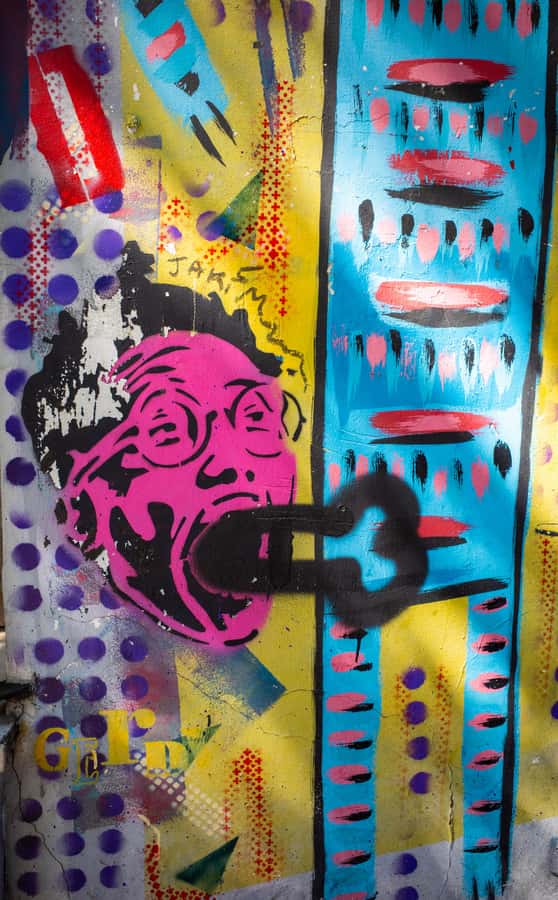
This is also a reminder that Palermo SoHo is more than its main restaurant strips. Side passages can reveal how the district feels away from the most public displays of fashion and tourism.
The walk’s strength comes from these changes in scale. You move from major transport infrastructure to a narrow passage, then to cultural associations and famous restaurants. The neighborhood becomes easier to read because you are comparing different kinds of places.
Ukrainian and Polish institutions in a fashionable district
The Asociación Ucrania de Cultura Prosvita receives about 15 minutes, making it one of the most substantial cultural stops. This is where the tour brings immigration history into clear focus.
Many visitors first meet Palermo through its current food and design scene. The Ukrainian cultural association points to an older story, one involving communities that built institutions and maintained cultural identity in Argentina.
The Klub Polaco adds another short visit later in the route. Together, these stops show that Palermo’s identity did not begin with boutique hotels or fashionable bars. The district has long been shaped by people who arrived from elsewhere and created a place for community, language, and tradition.
The information provided does not specify the interiors or whether either organization is open for a full visit on the day. You should think of them as cultural waypoints with guided context, not guaranteed museum entries.
That distinction matters. If you want formal exhibitions and long indoor visits, this is not that kind of tour. If you want to notice institutions you might otherwise walk past, the stops are valuable.
El Preferido, Don Julio, and the business of being famous
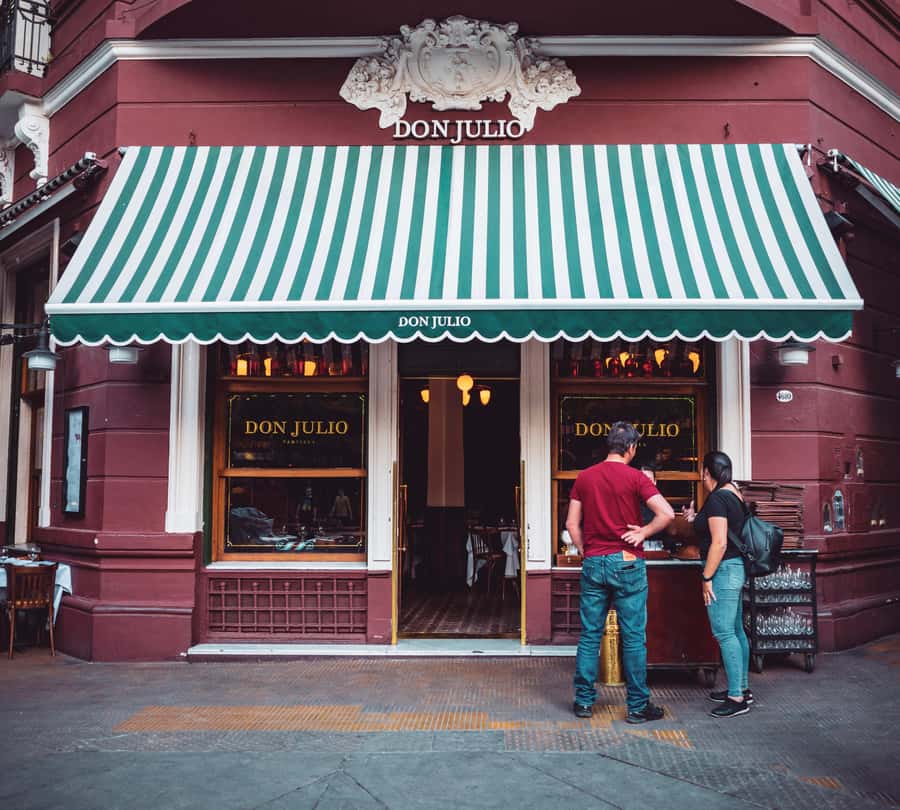
El Preferido de Palermo receives about five minutes, followed by a visit to Don Julio Parrilla for about five minutes. These names help explain the food identity that made Palermo SoHo famous far beyond Buenos Aires.
You are not joining a meal or a tasting as part of the included experience. The restaurants are used as examples of the neighborhood’s commercial culture and its appeal to visitors.
Don Julio in particular represents the power of reputation. A restaurant can become part of a district’s identity, draw international attention, and contribute to the sense that the surrounding streets are a destination rather than simply a residential area.
El Preferido adds another well-known food reference. Together, the stops let the guide discuss how dining, tourism, branding, and property values interact.
This is a good place to keep expectations realistic. The tour does not include lunch, a steak, or a reserved table. If you want to eat at either restaurant afterward, you will need to arrange that separately.
Cultural associations and the changing meaning of Palermo
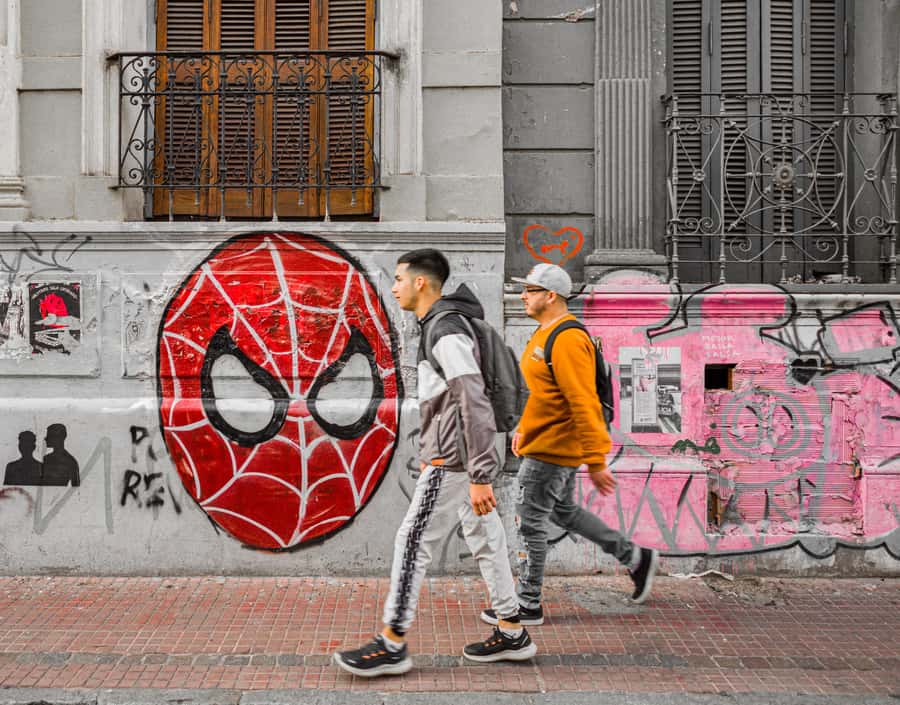
After the food stops, the route passes ACILBA for about three minutes. The short stop reinforces the broader theme: Palermo’s identity is built from institutions and communities as well as businesses aimed at the current market.
The tour’s discussion of gentrification is especially useful here. The word can sound abstract, but in Palermo it becomes easier to consider when you are standing among cultural groups, popular restaurants, upscale development, and tourist activity.
Gentrification does not mean a neighborhood simply becomes better or worse. It means changes in investment, prices, businesses, and residents can create benefits and costs at the same time. More restaurants and improved public spaces may attract visitors and jobs. Rising rents and property speculation may also make life harder for long-established residents.
A two-hour walk cannot settle every argument. What it can do is give you a clearer set of questions. Who is the neighborhood designed for now? What remains from earlier Palermo? Which changes are temporary, and which may define its future?
Plaza Inmigrantes de Armenia and the neighborhood’s name
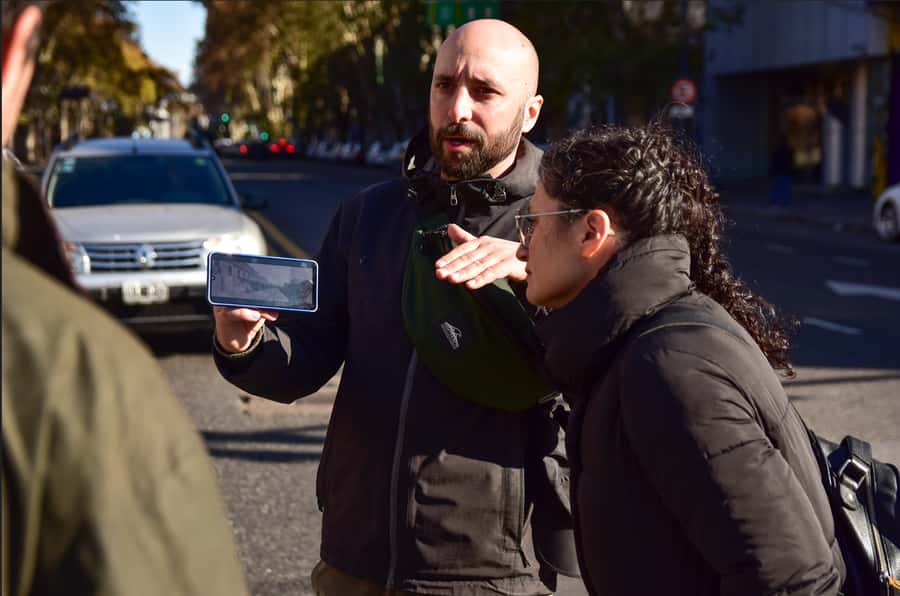
Plaza Inmigrantes de Armenia receives about 10 minutes of guided attention. This is one of the clearest points for connecting Palermo to immigration.
The plaza’s name directs attention to Armenian identity and settlement, adding another layer to the Ukrainian and Polish references. The district’s fashionable image can make its earlier communities easy to miss. A stop like this puts those communities back into the story.
The tour also asks when Palermo became SoHo. That label is not just a marketing detail. It suggests a particular image: creative businesses, independent shops, stylish restaurants, and a district appealing to an international audience.
By discussing the timing and meaning of the name, the guide helps you separate the older neighborhood from the newer brand. You can still enjoy the cafés and shops, but you will understand that the branding came after a long period of urban and social development.
Helados Italia and a 15-minute pause
The break at Helados Italia lasts about 15 minutes. It gives the group time to rest and makes the two-hour route feel less like a continuous lecture.
The included information does not state that ice cream is included in the $25 price, so plan to treat this as a break rather than a promised tasting. You may have an opportunity to buy something, but the tour price covers the guided walk and discussion.
This pause is also useful for the social side of the experience. Since the format encourages conversation, a short stop can give you time to ask Nico about places you noticed or topics that came up earlier.
One participant appreciated Nico’s help locating places of personal interest. That is worth noting if you have a particular cultural organization, restaurant, or street you want to find. The tour is structured, but the guide appears willing to respond to individual questions.
Pasaje Russel and the final walk to Plaza Serrano
Pasaje Russel receives around 10 minutes of guided discussion before the tour ends at Plaza Serrano. Like Pasaje Emilio Zola, it brings you into a smaller-scale setting after the larger streets and major landmarks.
Finishing at Plaza Serrano makes practical sense. This is one of the best-known gathering points in Palermo SoHo, and it gives you an easy base for continuing the afternoon or evening.
You can use the ending to revisit the themes of the walk. The plaza is closely tied to the neighborhood’s current popularity, while the earlier route has shown you transport links, immigrant institutions, science and technology, restaurants, and property change.
The tour does not return to the starting point. Keep that in mind if you need to collect something at Distrito Arcos or have a timed reservation nearby.
What $25 buys you
At $25 per person, the experience offers good value if you want interpretation rather than simple orientation. You receive a guided walk, a university-educated guide, and a focused discussion of subjects that are rarely covered in a standard neighborhood stroll.
The price is less compelling if you only want restaurant recommendations or a quick introduction to the main streets. You could walk through Palermo SoHo independently at no cost, though you would miss the connections between the sites.
The strongest value comes from the guide’s point of view. Nico is described as humorous, professional, informative, and personable. That combination matters because gentrification, immigration, and exchange rates can become heavy topics when handled poorly.
The five-star rating from four verified bookings is encouraging, though it is still a small sample. The consistent praise centers on Nico’s delivery, unusual perspective, help with directions, and fair price. Those are the qualities I would give the most weight to when deciding.
Who should book this experience?
I would choose this walk if you have already seen the basic Buenos Aires sights and want a neighborhood study with a human angle. It suits people interested in urban change, migration, food culture, architecture, economics, and the gap between a local district and its tourist brand.
It also works well for visitors who dislike passive tours. You are expected to chat, question, and discuss. That means the experience may be less satisfying if you prefer to remain quiet or move quickly from one photo stop to the next.
The walk is wheelchair accessible, and private or small-group options are available. The guide speaks Spanish, French, and English, so you can select the language that lets you take part most easily.
Because the route lasts two hours and includes several short stops, wear comfortable shoes and arrive ready to walk. The walk begins by Distrito Arcos and finishes at Plaza Serrano, so plan your next activity from the final location rather than the meeting point.
Should you book Palermo SoHo for Curious People?
Book it if you want to understand how Palermo became Palermo SoHo. The combination of transport history, immigrant communities, restaurant culture, gentrification, real estate speculation, and Argentina’s currency problems gives you far more context than a standard café-and-shopping tour.
Skip it if your priority is food included in the price, long interior visits, or a relaxed stroll with little discussion. The route is compact and information-heavy, and some stops last only a few minutes.
For curious visitors, $25 is a fair price for a thoughtful introduction to a neighborhood that is easy to admire and easy to misunderstand. Nico’s approachable style is the main reason to book, especially if you want a guide who will answer questions rather than simply point out the next fashionable address.
FAQ
How long does the Palermo SoHo tour last?
The walking experience lasts two hours.
How much does the tour cost?
The listed price is $25 per person.
Where does the tour begin?
The meeting point is by the amphitheater at Distrito Arcos, next to the Montagne store.
Where does the tour finish?
The walk ends at Plaza Serrano.
What languages are available?
The tour is available in Spanish, French, and English.
Is the tour wheelchair accessible?
Yes, the activity is listed as wheelchair accessible.
Is this a private tour or a group tour?
Private and small-group options are available.
Who leads the experience?
The walk is led by a university-degree guide with an anthropological perspective. The guide named in the available information is Nico.
What topics does the tour cover?
The discussion includes Palermo’s past and future, gentrification, immigration, real estate speculation, peso devaluation, and Argentina’s two exchange rates.
Is food included in the price?
The information provided includes a break at Helados Italia but does not state that food or ice cream is included. The listed inclusion is the guided walk and discussion.
Recently added around Buenos Aires
- Photo Session in Buenos Aires★ 5.0 · 26 reviews
- Your Personal Photographer in Buenos Aires★ 5.0 · 24 reviews
- Discover Buenos Aires’ independent art scene — Ticket included★ 5.0 · 30 reviews
- Your Private Photographer in Buenos Aires★ 5.0 · 4 reviews
- Yerba Mate Workshop – Learn to Drink Mate like a Local!★ 5.0 · 11 reviews
- Taste of Tradition: Yerba Mate & Alfajores Experience★ 4.0 · 5 reviews
- Wine tasting in OASIS Palermo★ 5.0 · 2 reviews
- Day Tour Classic★ 3.5 · 35 reviews
Buenos Aires Tours, compared.
Local Foodie Adventure in Buenos Aires with Sherpa Food Tours
Read our review →
Buenos Aires City Private Tour with Local Guide
Read our review →
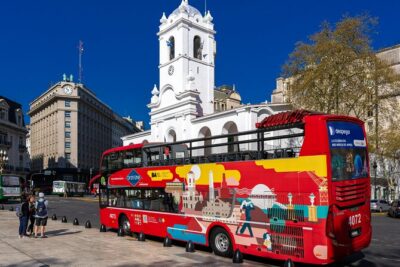
Buenos Aires Hop-On Hop-Off Bus, Free Walking Tours & Discounts
Read our review →