
Reviewed · BARILOCHE TOURS
OneWay Journey: from Bariloche, Argentina to Puerto Varas, Chile
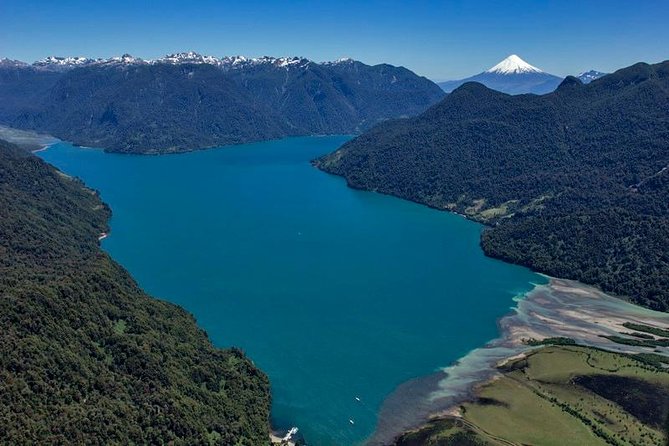
Three lakes, two countries, one long day. This Andean Lakes Crossing links Bariloche in Argentina with Puerto Varas in Chile by boat and bus, following a route used by the first inhabitants of Patagonia. I love the changing scenery, from Nahuel Huapi’s broad blue water to the emerald surface of Todos los Santos, and I like that the group is limited to 14 people. The main drawback is the pace: you spend about 12 hours moving between buses, boats, ports, customs, and lunch.
This is more than a transfer, but it is not a relaxed lake cruise. The first half is usually the scenic high point, while the later bus rides and border procedures can feel tiring. You also need to plan carefully for lunch, baggage, passport checks, and your arrival in Puerto Varas.
In This Review
- Key points before you book
- What the Bariloche to Puerto Varas crossing actually is
- Bariloche and Puerto Pañuelo: getting onto the water
- Lake Nahuel Huapi: the most rewarding first cruise
- Puerto Frías and the Argentina-Chile border
- Peulla: a late lunch in a small ecological village
- Lago Todos los Santos and the Chilean side
- Arriving in Puerto Varas
- What the $347 price includes, and what it does not
- The long-day question: who will enjoy it?
- How to prepare for the Andean Lakes Crossing
- Should you book this one-way crossing?
- FAQ
- How long does the Bariloche to Puerto Varas crossing take?
- How much does the experience cost?
- Does the price include hotel pickup and drop-off?
- What luggage can I bring?
- Is lunch included?
- Do I need to pay any additional fees?
- What passport details are needed?
- How many people can join the experience?
- Can I cancel for a refund?
Key points before you book
- Three lakes, two countries: Travel across Nahuel Huapi, Frías, and Todos los Santos while crossing from Argentina into Chile.
- The first lake is the star: The opening boat ride on Nahuel Huapi brings wide views, native forest, birds, and mountain scenery.
- Expect a bus-and-boat relay: This is a practical crossing with several transfers, not one continuous cruise.
- Lunch costs extra: The meal stop in Peulla costs about US$25 and may not happen until 2:30 or 3 p.m.
- Pack for changing weather: Sunblock, sunglasses, comfortable shoes, and waterproof clothing all make sense.
- Budget beyond the ticket: The $347 fare excludes food, some port charges, park fees, and accommodation in both cities.
What the Bariloche to Puerto Varas crossing actually is
The trip begins at 8 a.m. in San Carlos de Bariloche and finishes in Puerto Varas about 12 hours later. You travel by road and water, changing between buses and boats as the route passes through the Andes and across the border.
That arrangement is the whole point of the journey, and also its main challenge. You get views that a direct flight cannot offer, but you give up speed. The day has plenty of starts and stops, so I would choose this crossing because you want to see the route, not simply because you need to reach Chile.
The price is $347 per person. That is a serious fare for a one-way transfer, but it includes the land and lake transfers, a driver-guide, and transport for one suitcase up to 23 kilograms plus one carry-on up to 10 kilograms. It does not cover every cost connected with the crossing, so your real budget needs to be a little higher.
The group limit of 14 is helpful. A smaller group makes the transfers easier to manage and gives the guide a better chance to help with directions and timing. Still, the boats and border facilities involve other passengers, so the entire experience will not feel private.
A few more Bariloche trips worth putting side by side
- Bariloche: 7 Lakes & San Martin de Los Andes Road Trip
★ 4.5 · 624 reviews - German Footprint & Nazi presence – Walking Tour in Bariloche
★ 5.0 · 337 reviews - Bariloche: Circuito Chico with optional Cerro Catedral
★ 4.5 · 316 reviews
Bariloche and Puerto Pañuelo: getting onto the water
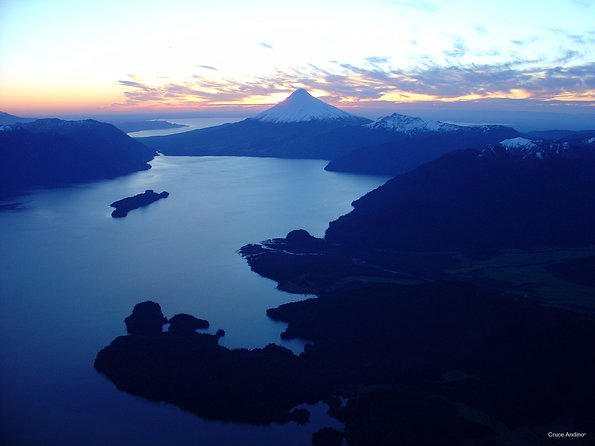
Bariloche is a fitting starting point. The city sits inside Nahuel Huapi National Park, and its civic center is known for traditional chocolate shops, hotels, and restaurants. It works well as a base in both summer and winter, but this crossing uses it mainly as the gateway to the lake.
From Bariloche, you head to Puerto Pañuelo, the passenger port about 25 kilometers away. The port sits between the city and Puerto Blest, and this is where the first major transition from road to water takes place.
Allow yourself patience at the start. A port charge of US$3.50 or AR$500 is listed for Nahuel Huapi National Park and Puerto Pañuelo, payable in cash. The amount can change when authorities revise it. Since the tour fare does not include this payment, I would carry Argentine pesos as well as a small amount of other cash.
The advertised hotel pickup adds convenience, but the handling of drop-off deserves attention. The experience information says pickup and drop-off are included, yet one passenger was left carrying luggage a considerable distance across Puerto Varas and up a steep hill. I would confirm the exact end point before departure, especially if you have heavy bags or a hotel away from the central area.
Lake Nahuel Huapi: the most rewarding first cruise
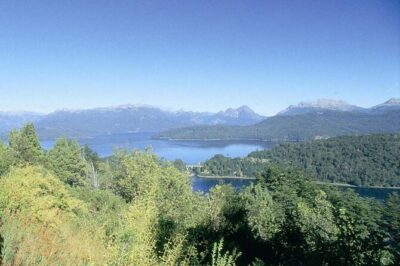
The opening crossing on Lago Nahuel Huapi is the part I would most anticipate. The lake is broad, blue, and surrounded by forests and mountain scenery. Depending on conditions, you might see condors, eagles, deer, and other wildlife around the national park.
Bring binoculars if you have them. A camera is useful too, but do not spend the whole crossing looking at a screen. The value here is the scale of the setting: water, forest, distant peaks, and changing light across a large Patagonian lake.
The boat portion lasts about two hours, though the full stop is listed as longer. You can spend time on deck when conditions allow, then retreat inside if the weather turns cold or wet. Rain does not necessarily ruin the day. Boats and buses provide shelter, and even a gray crossing can have its own moody beauty.
This is also the place to be careful about wildlife etiquette. Feeding seagulls may be offered or tolerated on board, but it is a poor practice around a protected lake. Food dropped into the water can affect the natural balance, and the birds are already skilled scavengers. Enjoy the view without feeding them.
Puerto Frías and the Argentina-Chile border
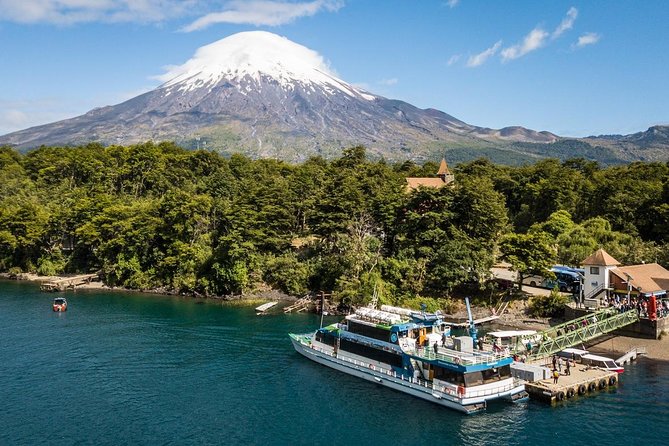
After the first lake section, the route reaches Puerto Frías and Lago Frías, the smallest of the three lakes used on the crossing. Its green-turquoise color comes from glacial meltwater, giving it a different character from Nahuel Huapi.
Puerto Frías is also where border procedures take place. This is not a casual detail. You need to provide passport information for every person when booking, including passport name, number, expiry date, and country. Bring the same passport used for the reservation.
The stop itself is listed at about 20 minutes, but customs timing can affect the day. Border procedures may take longer than expected, and delays can push lunch later into the afternoon. I would not plan an important evening reservation in Puerto Varas immediately after arrival.
The scenery here combines native forests with Patagonian waterways. One especially striking point is where the green waters of the Frías River meet the blue waters of Nahuel Huapi. The area includes Valdivian Forest, a cold forest type found in few places around the world.
Still Argentina, but a completely different sort of afternoon:
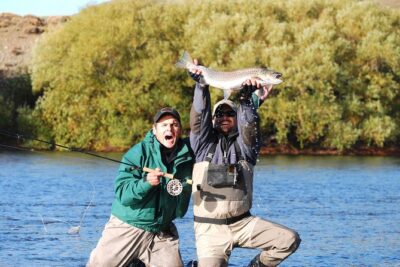
- Fly Fishing Bariloche
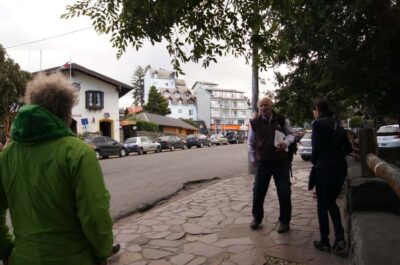
★ 5.0 · 305 reviews - Bariloche: German Immigration and History Walking Tour
★ 4.8 · 169 reviews - San Martín de los Andes por 7 Lagos
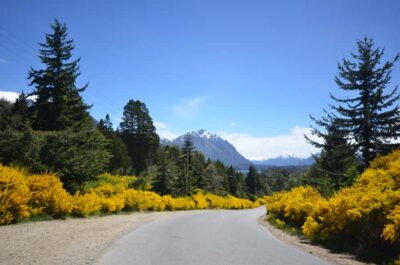
★ 4.4 · 155 reviews - Circuito Chico
★ 4.5 · 146 reviews
Peulla: a late lunch in a small ecological village
Peulla is the main pause between the lake crossings. It is a small ecological village and has been recognized as one of Chile’s most sustainable locations. The setting gives you a chance to stretch your legs after the first series of transfers.
Lunch is not included and costs about US$25 per person. The meal stop may not happen until 2:30 or 3 p.m., possibly later if customs takes extra time. That is late for many people, so I strongly suggest carrying food or substantial snacks.
This is one of the few practical flaws that can affect your enjoyment. You may start early, spend hours moving between transport stages, and then discover that the planned meal is still some time away. A small packed breakfast and snacks will make the day easier without taking anything away from the included lunch.
Peulla is also a useful point for judging your energy level. The crossing is only halfway complete, and the second lake cruise still lasts about two hours. If you dislike long transfer days, you may prefer a day trip from Bariloche that returns to Argentina, followed by a flight to Chile. That option gives you the best part of the scenery without committing to the full crossing.
Lago Todos los Santos and the Chilean side
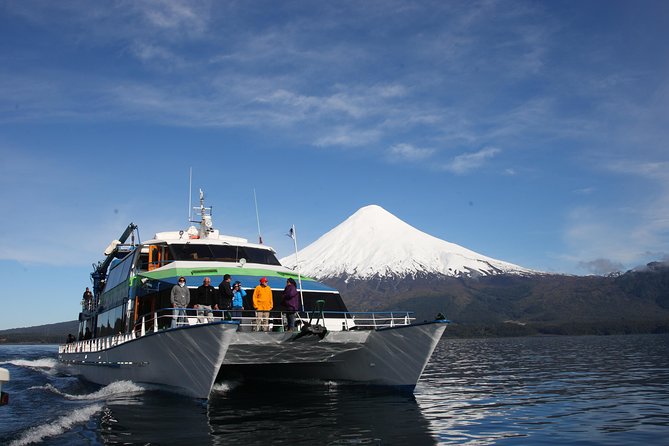
The second major boat journey crosses Lago Todos los Santos. Its waters are described as emerald, with evergreen forests and high hills enclosing the route. The view changes again from the open scale of Nahuel Huapi to a more enclosed setting.
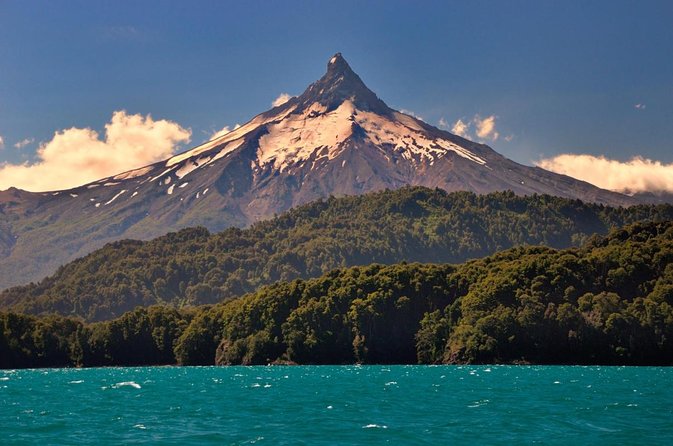
From the catamaran deck, you may see waterfalls and three snowy peaks: Mount Tronador, Osorno Volcano, and Puntiagudo Volcano. Clear weather matters here. When clouds settle over the mountains, much of the drama can disappear, and this part of the journey may feel less memorable than the first lake.
The weather is a real factor throughout the crossing. One trip can bring bright skies and sharp mountain views; another can bring rain and cloud. Waterproof clothing is not optional packing advice for this route. Comfortable shoes matter too, since you will be transferring between buses, ports, and boats.
Language can affect the experience. Commentary may be delivered in Spanish to the larger group, with English explanations provided separately or in a quieter setting. If you are not comfortable with Spanish, stay close to the guide during the national park section and ask for key information directly. Engine noise can make one-to-one explanations hard to hear.
Arriving in Puerto Varas
Puerto Varas is the final destination, near Puerto Montt. It is a useful base for exploring southern Chile, with access to places such as Frutillar and views toward Osorno and Calbuco. The area also has German pioneer influence, international food, Chilean wine, and clear night skies when the weather cooperates.
The crossing ends in Puerto Varas, but accommodation is not included. You need to arrange your own stay in Chile, and you should make sure your booking begins on the correct night. This point is easy to overlook because the trip is sold as a one-way journey.
The late arrival is another reason to keep your first evening simple. A hotel with a clear check-in process and an easy-to-find location will be more useful than a distant property that saves a few dollars. Because drop-off arrangements may not always match your expectations, confirm how close the vehicle will come to your accommodation.
What the $347 price includes, and what it does not
At $347, this is expensive compared with a simple bus or flight. You are paying for a special route, several lake crossings, coordinated land transport, a guide, and the chance to see two national settings in one day.
The fare includes:
- Driver-guide
- All land and lake transfers
- One suitcase up to 23 kilograms
- One carry-on up to 10 kilograms
The fare does not include:
- Food and drinks
- The Peulla lunch, listed at about US$25
- Port, migration, and national park charges
- The Puerto Pañuelo and Nahuel Huapi fee, listed as US$3.50 or AR$500
- Accommodation in Bariloche or Puerto Varas
- Anything not specifically included in the program
I think the price makes sense for people who value the route itself. It makes less sense if your main goal is efficient transportation. A flight may be faster, while a separate Bariloche lake excursion may give you more time to enjoy the prettiest part without paying for the full one-way crossing.
The long-day question: who will enjoy it?
You will probably like this experience if you enjoy scenic transport, changing viewpoints, national parks, and the feeling of crossing a border by several different forms of travel. It is especially useful if you already plan to visit both Bariloche and Puerto Varas and want the journey between them to become part of your holiday.
You should think twice if you need a fast, predictable transfer. The route can feel tiring because of the repeated bus and boat changes. Lunch is late, customs may slow the schedule, and poor weather can hide the mountains.
I would also be cautious if you have difficulty carrying luggage. The planned baggage allowance is reasonable, but the exact drop-off experience may involve more walking than expected. Ask for clear instructions before leaving Bariloche.
The experience received an overall rating of 4.2 from 52 ratings, which fits my view of it: the scenery and logistics can be excellent, but the day is demanding and not every part has equal scenic value. Strong weather can turn it into a memorable journey. Cloud, rain, late food, and poor end-of-day baggage handling can make it feel overpriced.
How to prepare for the Andean Lakes Crossing
Pack for a full day outdoors and in transit. I would bring:
- Passport and a copy of its key details
- Cash for the port or park charge
- Snacks and water
- Sunblock and sunglasses
- Waterproof clothing
- Comfortable walking shoes
- Binoculars and a camera
- A small layer for cold boat decks
Keep your passport and essential items in your carry-on, not in your checked suitcase. You may need them during border procedures, and you do not want to open your main bag at every stop.
Do not assume the scheduled lunch will arrive at midday. Eat breakfast, carry snacks, and treat the Peulla meal as a later stop. If you have dietary concerns, the available information does not specify alternatives, so ask the provider before departure.
Book with the weather in mind, but accept that Patagonia makes no promises. Clear skies give you the best chance of seeing Tronador, Osorno, and Puntiagudo. Rain can still leave you with a pleasant day because much of the route is covered by boat cabins and buses.
Free cancellation is available if you cancel at least 24 hours before the 8 a.m. start time. Changes or cancellations made inside that period are not accepted for a refund.
Should you book this one-way crossing?
Book it if you want the journey between Argentina and Chile to be the attraction. The Nahuel Huapi cruise, glacial Lago Frías, emerald Todos los Santos, and the mountain views offer a memorable alternative to flying.
Skip it if you want the cheapest or quickest way to reach Puerto Varas. You may prefer a shorter Bariloche lake trip followed by a flight, especially if you are sensitive to long days, late lunches, or repeated transfers.
For the right person, this is a scenic and unusual way to cross the Andes. Just budget for extras, carry food, protect your luggage from the weather, and confirm the final drop-off point before you go.
FAQ
How long does the Bariloche to Puerto Varas crossing take?
The journey takes approximately 12 hours, with an advertised start time of 8 a.m.
How much does the experience cost?
The listed price is $347 per person.
Does the price include hotel pickup and drop-off?
Hotel pickup and drop-off are listed as included, but the exact final drop-off arrangements should be confirmed because the vehicle may not leave you directly at your accommodation.
What luggage can I bring?
The included allowance is one suitcase up to 23 kilograms and one carry-on up to 10 kilograms.
Is lunch included?
No. Lunch in Peulla costs about US$25 per person and is not included. The stop may occur around 2:30 or 3 p.m., or later if customs takes extra time.
Do I need to pay any additional fees?
Yes. Port, migration, and national park fees are not included. The Puerto Pañuelo and Nahuel Huapi National Park charge is listed as US$3.50 or AR$500, payable in cash, though authorities can change the amount.
What passport details are needed?
The passport name, number, expiry date, and country are required for every participant at booking.
How many people can join the experience?
The maximum group size is 14 people.
Can I cancel for a refund?
You can cancel at least 24 hours before the experience start time for a full refund. Cancellations or changes made less than 24 hours before departure are not accepted for a refund.
Recently added around Bariloche
- Snow excursion in Bariloche – Suitable for the whole family★ 4.5 · 3 reviews
- MATE tasting ceremony – (Argentina traditional tea)★ 5.0 · 2 reviews
- Exclusive Sailboat Trip through the Lakes of Bariloche★ 4.0 · 9 reviews
- Snow Baptism Adventure: Skiing and Snowboarding at Cerro Catedral★ 4.0 · 5 reviews
- Transfer from the Airport to Bariloche★ 3.5 · 4 reviews
- Camino de los siete Lagos, bilingüe★ 4.0 · 4 reviews
- GERMAN TREKKING TO BERGHOF – Mountain stories★ 4.5 · 4 reviews
- 10 Secrets of Bariloche, Nahuel Huapi, and Patagonia★ 5.0 · 46 reviews
Bariloche Tours, compared.
German Footprint & Nazi presence – Walking Tour in Bariloche
Read our review →
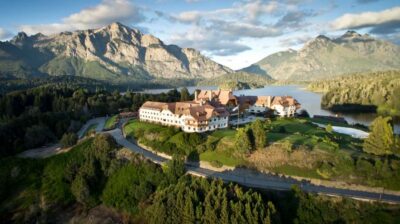
Bariloche Small Circuit: Mt Campanario and Llao Llao Peninsula
Read our review →Browse the lists this tour appears in