Reviewed · BUENOS AIRES TOURS
Get Curious in Palermo SoHo
Palermo Soho rewards slow walking. This two-hour, 10-minute tour links cafés, immigrant clubs, old industry, famous food stops, and everyday porteño life, giving you a fuller picture of a neighborhood that changed more than its stylish streets suggest. I especially like the small maximum of 10 people and the way the walk connects Palermo’s past with its current café and restaurant culture. I also like that the guide encourages questions rather than simply pointing out pretty buildings.
The main consideration is that this is a walking and discussion tour, not a sightseeing bus ride or a food tour with included tastings. You will pay $25 per person, while snacks are extra, and several stops are outside locations where the value comes from the explanation. Still, the route offers a useful introduction to Palermo Soho for anyone who wants context before exploring its shops, bars, and restaurants alone.
In This Review
- Key points at a glance
- Why Palermo Soho needs more than a quick stroll
- Starting beside Arcos de Palermo Shopping Mall
- From the GIOL winery to the Polo Científico Tecnológico
- Ukrainian and Polish roots on ordinary Palermo streets
- Mate, coffee, and the new Palermo Soho
- Don Julio and the question of expensive dining
- Helados Italia and a small taste of migration
- Plaza Serrano, Palermo Soho’s social center
- Club Eros and the everyday side of Buenos Aires
- What the $25 price really buys you
- Timing, pace, and practical details
- Who will get the most from this walk
- Should you book Get Curious in Palermo Soho?
- FAQ
- How long does Get Curious in Palermo Soho last?
- How much does the tour cost?
- Where does the tour begin?
- Where does the tour end?
- Are food and drinks included?
- How large is the group?
Key points at a glance
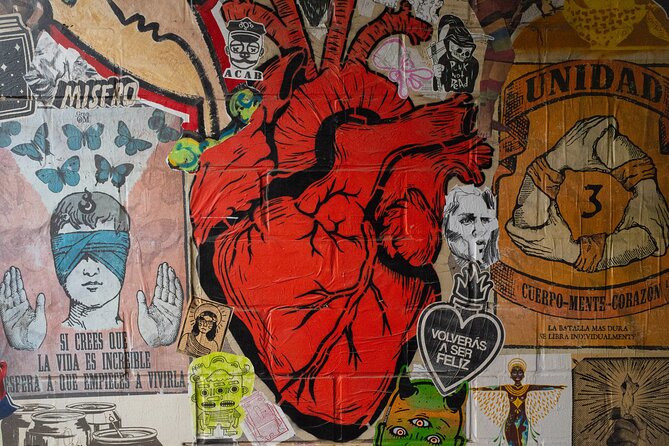
- A small-group walk capped at 10 people: The size should make conversation easier and give you a better chance to ask about Buenos Aires, immigration, food, and local life.
- Palermo’s working-class past comes first: The former GIOL winery, now the Polo Científico Tecnológico, helps explain how the area changed.
- Immigration is part of the street story: Ukrainian, Polish, Jewish, Armenian, and Italian communities all appear in the walk.
- Food is used as a cultural clue: Don Julio, mate, coffee, ice cream, and milanesa a la napolitana all help explain modern Palermo.
- The route ends at Plaza Serrano: You finish beside the large PALERMO letters, close to the neighborhood’s craft market and nightlife.
- The guide matters here: Nicholas, also called Nick or Nico, has been praised for speaking several languages and making history feel like a conversation.
Why Palermo Soho needs more than a quick stroll
Palermo Soho is easy to enjoy at surface level. You can browse boutiques, stop for coffee, and take photographs around Plaza Serrano without knowing much about the streets beneath the polished image. This tour asks you to pause and consider how the neighborhood became this fashionable.
The walk looks at Palermo as a place shaped by work, migration, food, and changing residents. That gives you a better way to read the neighborhood. A café is not just a café. A traditional club is not just an old doorway. A popular restaurant raises questions about who can afford the area today and what kind of city Buenos Aires wants to present.
The guide’s university background is part of the package. That does not mean the tour feels like a lecture. The strongest feedback points to an easygoing style, with Nicholas, Nick, or Nico offering facts while keeping the group involved. One participant who had already taken other tours with him booked this walk to learn more about Buenos Aires beyond the main tourist sights. That is a good clue about the tour’s purpose: it is for building understanding, not collecting postcard views.
A few more Buenos Aires trips worth putting side by side
- Local Foodie Adventure in Buenos Aires with Sherpa Food Tours
★ 5.0 · 6,875 reviews - Buenos Aires City Private Tour with Local Guide
★ 5.0 · 3,475 reviews - Buenos Aires Small-Group City Tour
★ 5.0 · 2,226 reviews
Starting beside Arcos de Palermo Shopping Mall
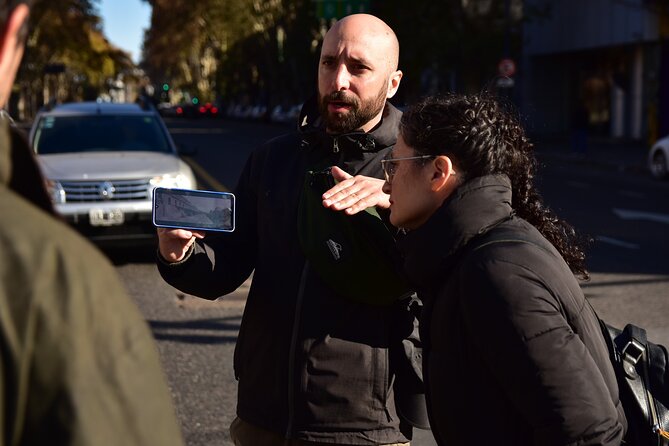
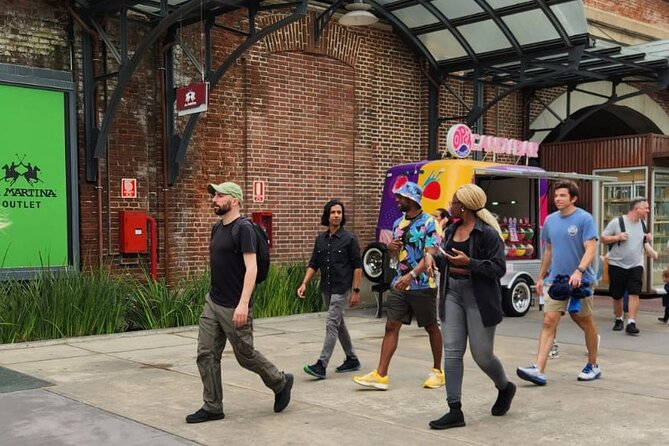
The meeting point is at Avenida Juan B. Justo 634, by Arcos de Palermo Shopping Mall. The opening stop lasts about 25 minutes and is free of admission charges. Use this time to settle in, meet the group, and get your bearings before the route becomes more specific.
Beginning near a shopping mall may sound ordinary, but it fits the tour’s theme. Palermo Soho is a neighborhood of contrasts, where newer retail and dining spaces sit beside traces of earlier work and immigration. The first section introduces the area as a place that has been remade, not as a frozen historic quarter.
The tour’s small size matters from the start. With no more than 10 people, you should find it easier to hear the guide and ask about subjects that interest you. If your group is curious about architecture, Argentine society, food, or the neighborhood’s changing identity, this format should work better than a large general city walk.
From the GIOL winery to the Polo Científico Tecnológico
The former GIOL winery is one of the most useful stops on the route. It has been recycled into the Polo Científico Tecnológico, and the guide uses the site to explain Palermo’s shift from a working-class neighborhood into one of Buenos Aires’ fashionable districts.
This is the kind of stop that gives the walk its value. You are not only hearing that Palermo changed. You are shown a place where an older working purpose has been given a new one. The story also helps explain why present-day Palermo contains such a mix of old institutions, renovated buildings, coffee shops, boutiques, and high-end restaurants.
The stop lasts about 15 minutes. That is enough for a clear explanation, but not enough for an extended architectural visit. Admission is free, and the emphasis is on the neighborhood story rather than going inside every location. I would treat this as a lesson in urban change, not as a formal museum stop.
Ukrainian and Polish roots on ordinary Palermo streets
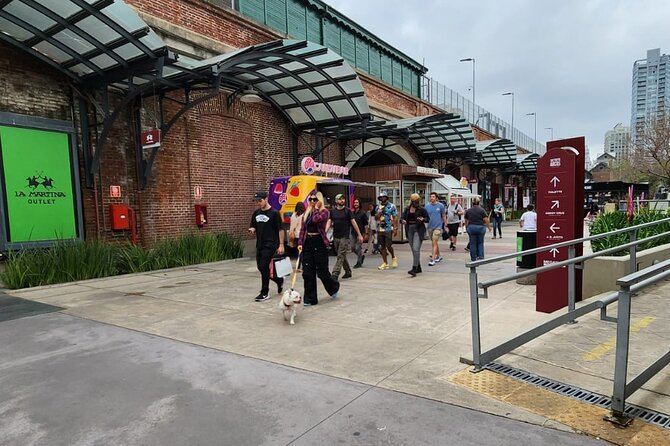
The Asociación Ucrania de Cultura PROSVITA en la República Argentina was founded in 1924 by immigrants. The tour uses it to discuss the large wave of European immigration that reached Buenos Aires in the late 19th and early 20th centuries.
A 10-minute stop may sound brief, but it creates an important shift in your understanding of the city. Buenos Aires was not shaped by one cultural tradition. Communities brought language, food, religion, clubs, and social networks with them, then made a place within the wider city. The Ukrainian association is a visible reminder of that process.
The Klub Polaco, founded in 1929 by Polish immigrants, adds another example. Seeing two immigrant institutions in the same walk helps you understand that the city’s European connections are not limited to the most familiar Italian and Spanish influences. These clubs also give the tour a social focus. Immigration is presented through organizations and community life, not only through dates and population figures.
The information provided includes two additional cultural stops connected to Jewish and Armenian communities. The Jewish institution was founded in 1919 by Jewish immigrants, and the guide discusses the diversity that shapes Argentina and porteño identity. The Armenian section asks why Armenian immigrants came to Argentina, why they settled in Palermo, and what is happening in the area today.
Because the exact names and timing of those two stops are not specified, you should expect them to be short discussion points within the route rather than plan around a particular building visit. Their inclusion is still important. Together, the Ukrainian, Polish, Jewish, Armenian, and Italian stories show Palermo as a meeting place for many communities.
Still Argentina, but a completely different sort of afternoon:
- Buenos Aires Hop-On Hop-Off Bus, Free Walking Tours & Discounts
★ 4.5 · 2,218 reviews - Buenos Aires: Piazzolla Tango Show with Optional Dinner
★ 4.4 · 2,122 reviews - Buenos Aires: City Highlights Guided Tour with Transfer
★ 4.7 · 1,946 reviews - Buenos Aires: Hop-On Hop-Off City Bus Tour
★ 4.2 · 1,855 reviews
Mate, coffee, and the new Palermo Soho
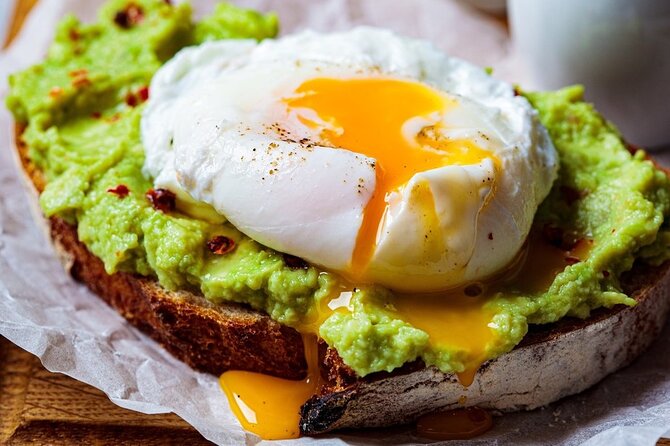
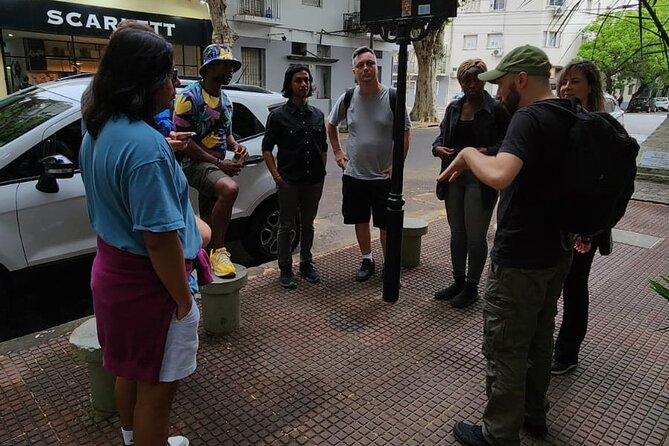
At Scarlett Boutique Soho, the guide turns to a question you will notice quickly: why does Palermo Soho have so many cafés? The discussion compares mate and coffee while considering who lived in the neighborhood in the past and who lives there now.
This is one of the more useful parts of the tour because it connects social change to daily habits. Coffee shops can signal new work patterns, new spending power, and a new type of resident. Mate, meanwhile, points toward a deeply rooted Argentine custom that remains part of ordinary life. The point is not simply to choose one drink over the other. It is to ask what each says about the people using the neighborhood.
The stop lasts about 15 minutes. You should not assume that a drink is included. Snacks are specifically not included, so budget separately if you want coffee, mate, ice cream, or food during or after the walk. That keeps the tour price low, but it also means you should not book it expecting a tasting package.
Don Julio and the question of expensive dining
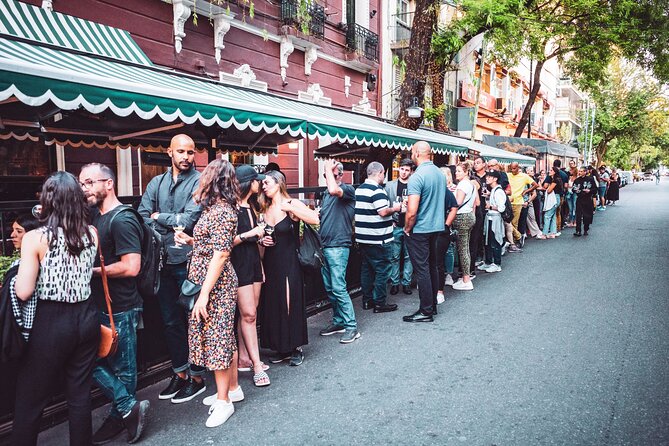
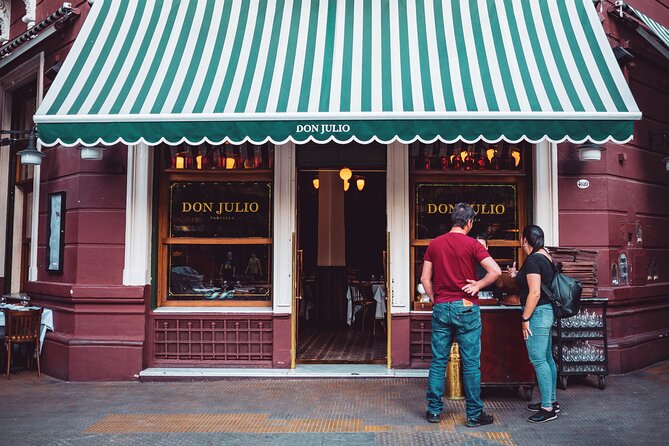
Don Julio Parrilla is used to discuss Palermo’s restaurant culture, including trendy cafés and top-rated restaurants. The guide asks whether that kind of dining is really worth the price.
That question is more useful than a simple recommendation. Palermo Soho can tempt you to spend heavily because of its polished restaurants and international reputation. A short stop at Don Julio gives you a chance to think about what makes a restaurant famous, what diners are paying for, and how the area’s food culture fits into the neighborhood’s larger transformation.
The stop lasts only about 10 minutes, and there is no included meal. You will not get a full parrilla lesson or a reserved table as part of the tour. Think of it as a cultural marker, then decide later if you want to return for a meal. Since the route ends near Plaza Serrano, you can continue exploring restaurants and bars after the walk.
Helados Italia and a small taste of migration
Helados Italia was founded in the 1970s by Italian immigrants, and the tour includes a chance to taste its ice cream. This is the one clearly described food tasting on the route, and it gives the immigration story a simple, memorable form.
Italian influence is central to Argentine food culture, so gelato offers more than a sweet break. It shows how an immigrant tradition can become part of the city’s everyday identity. The stop lasts about 10 minutes, which keeps the pace moving while giving you a concrete experience rather than another explanation from the sidewalk.
The listed tour price is $25, and snacks are not included. The wording around the ice cream suggests a tasting opportunity, but you should not assume that every food or drink is covered in the fee. If a small treat matters to you, bring some extra Argentine pesos or a payment method accepted at the shop.
Plaza Serrano, Palermo Soho’s social center
The route ends at Plaza Serrano, the heart of Palermo Soho. On weekends, the Feria de Artesanos runs from morning into the afternoon, making this a particularly useful ending point if your schedule lines up with the market.
You finish beside the large PALERMO letters at Serrano. That makes the meeting and ending locations easy to identify, and it leaves you in a good place to continue your day. You can browse the craft fair on a weekend, look for a café, or use the plaza as a base for more independent exploration.
Ending here is practical rather than ceremonial. The tour gives you enough background to make your next few hours more meaningful. Instead of seeing Plaza Serrano as just a popular gathering spot, you will have heard how the neighborhood’s past, immigrant communities, food businesses, and new residents fit together.
Club Eros and the everyday side of Buenos Aires
Club Eros is described as a traditional club and bodegón, a type of informal restaurant associated with familiar food and local social life. The guide uses it to explain Argentina’s passion for fútbol and everyday porteño routines, including milanesa a la napolitana.
This stop helps keep the tour from becoming a parade of fashionable addresses. Palermo is not only coffee, boutique shopping, and expensive dining. Traditional clubs and bodegones show another side of the neighborhood, where food, sport, conversation, and regular habits matter.
Milanesa a la napolitana is a useful example because it combines a simple breaded cutlet with a distinctly Argentine treatment. You will not receive a full meal at Club Eros as part of the tour, but the stop can help you recognize the dish later and understand why familiar food often says more about daily life than a famous restaurant does.
What the $25 price really buys you
At $25 per person, this is fairly priced if you value interpretation and conversation. You are paying for about two hours and 10 minutes with a university-degree guide, a small group, and a route that covers several different parts of Palermo’s identity. Admission is free at the listed stops, so the fee mainly supports the guiding rather than entry tickets.
The value is strongest for a first visit to Palermo Soho or for a return visit when you want more than shops and restaurants. The walk can help you choose where to spend the rest of your day. It can also give you useful questions to ask when you encounter Argentine food, immigrant institutions, or old buildings elsewhere in Buenos Aires.
The value is weaker if you want several full food tastings, interior visits, or major historic landmarks. Snacks are not included, and many stops are short. You should book this for explanation and local context, then plan your own meals and shopping afterward.
Timing, pace, and practical details
The experience lasts approximately two hours and 10 minutes. The itinerary includes many stops of 10 to 25 minutes, so the pace should feel organized but not rushed. One published description calls it a leisurely walking tour, which fits the route better than an intense sightseeing circuit.
Wear comfortable shoes and be ready to remain outdoors for most of the experience. The tour is near public transportation, service animals are allowed, and most people can participate. The maximum group size is 10, a useful limit for a neighborhood walk where several stops depend on hearing and discussion.
Confirmation is provided when you book. Free cancellation is available up to 24 hours before the start time for a full refund. Cancellations or changes made less than 24 hours before the start are not accepted for a refund, and the cut-off follows local Buenos Aires time.
Who will get the most from this walk
I would recommend this experience to you if you like city walks that explain how neighborhoods work. It suits history buffs, food-minded visitors, and anyone who wants to understand Buenos Aires beyond its best-known sights.
It is also a good choice if you enjoy speaking with a guide. Nicholas has been praised for his friendly manner, broad language ability, and ability to make the subject entertaining. The group may include people from different backgrounds, which can add to the conversation.
You may want a different activity if you dislike walking, need a meal included, or prefer a tour built around formal attractions and entry tickets. The route is strongest when you are willing to look at ordinary institutions and ask why the neighborhood feels the way it does.
Should you book Get Curious in Palermo Soho?
Book it if you want Palermo Soho to become more than a pleasant place for coffee and photographs. The combination of GIOL’s industrial past, immigrant associations, Italian ice cream, high-end dining, traditional club life, and Plaza Serrano gives you a clear way to understand the area’s changes.
I would especially choose it early in a Buenos Aires visit, then return to Plaza Serrano or another stop with your new context. At $25, the tour offers solid value for a small group and an informed guide, provided you understand that food purchases and snacks are extra.
Skip it if you want a dedicated restaurant crawl or a major landmark tour. For a thoughtful introduction to Palermo’s past and present, however, this is an engaging and practical choice.
FAQ
How long does Get Curious in Palermo Soho last?
The tour lasts approximately two hours and 10 minutes.
How much does the tour cost?
The price is $25 per person.
Where does the tour begin?
The meeting point is at Avenida Juan B. Justo 634, by Arcos de Palermo Shopping Mall in Buenos Aires.
Where does the tour end?
The walk ends at Plaza Serrano, beside the large PALERMO letters.
Are food and drinks included?
Snacks are not included. The route includes a chance to taste ice cream at Helados Italia, but the provided information does not state that all food or drinks are covered in the tour price.
How large is the group?
The tour has a maximum of 10 participants.
Recently added around Buenos Aires
- Photo Session in Buenos Aires★ 5.0 · 26 reviews
- Your Personal Photographer in Buenos Aires★ 5.0 · 24 reviews
- Discover Buenos Aires’ independent art scene — Ticket included★ 5.0 · 30 reviews
- Yerba Mate Workshop – Learn to Drink Mate like a Local!★ 5.0 · 11 reviews
- Taste of Tradition: Yerba Mate & Alfajores Experience★ 4.0 · 5 reviews
- Your Private Photographer in Buenos Aires★ 5.0 · 4 reviews
- Wine tasting in OASIS Palermo★ 5.0 · 2 reviews
- Day Tour Classic★ 3.5 · 35 reviews
Buenos Aires Tours, compared.
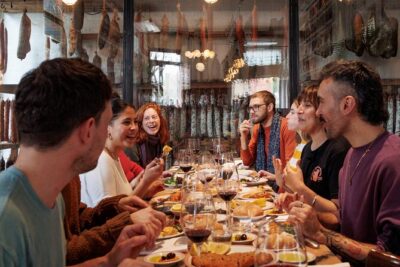
Local Foodie Adventure in Buenos Aires with Sherpa Food Tours
Read our review →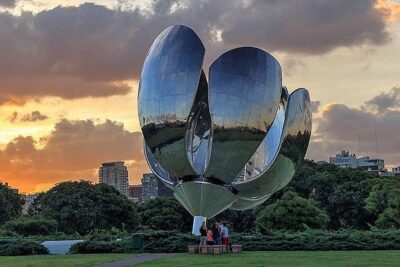
Buenos Aires City Private Tour with Local Guide
Read our review →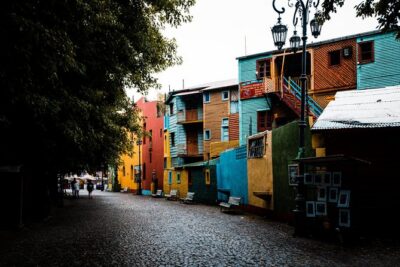
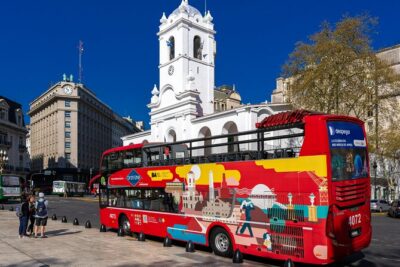
Buenos Aires Hop-On Hop-Off Bus, Free Walking Tours & Discounts
Read our review →