Reviewed · BUENOS AIRES TOURS
Buenos Aires: Montserrat, San Telmo, La Boca, and Puerto …
Buenos Aires reveals itself one neighborhood at a time. This four-hour tour links Montserrat, San Telmo, La Boca, and Puerto Madero, giving you a useful first look at the city’s politics, immigrant roots, football culture, tango traditions, and modern waterfront.
I like the way the route mixes famous sights with odd little details, such as the city’s smallest house and its oldest pharmacy. I also like the range of languages and the warm guiding style praised by guests, especially Alejandra, who was described as friendly and full of useful cultural context. The main drawback is the pace: four neighborhoods in four hours means some stops are brief, and the tour is not suitable for wheelchair users.
In This Review
- Key points to know before you book
- Starting beneath the Metropolitan Cathedral
- Montserrat and the old Avenida de Mayo
- San Telmo, Mafalda, and stories along Calle Defensa
- San Telmo Market and Plaza Dorrego
- La Boca, Caminito, and Boca Juniors
- Puerto Madero and the Puente de la Mujer
- What the four-hour format really means
- Is $100 per person good value?
- Who should book this Buenos Aires walk?
- Should you book it?
- FAQ
- Where does the tour begin?
- Where does the tour finish?
- How long does the experience last?
- Which languages are available?
- Is a visit inside Café Tortoni guaranteed?
- Are meals and drinks included?
Key points to know before you book
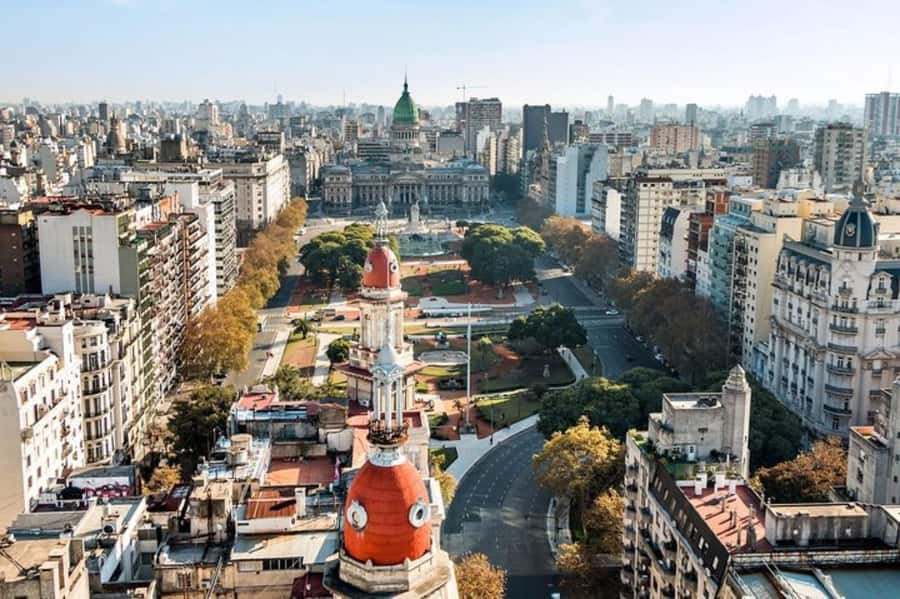
- Four neighborhoods in four hours: You move from colonial Montserrat to San Telmo, La Boca, and sleek Puerto Madero.
- History hides in small places: The route includes the oldest bookstore, church, and pharmacy, plus Buenos Aires’ first two-story building.
- San Telmo brings the local character: See Mafalda, Plaza Dorrego, the 1897 market, the smallest house, and French Passage.
- La Boca is colorful and football-mad: Caminito and Boca Juniors Stadium are the main draws, with tango nearby.
- The final stop changes the mood: Puerto Madero brings modern towers, a riverside promenade, Puente de la Mujer, and historic naval vessels.
- The price reflects guided coverage: At $100 per person, the value rests on seeing four major districts with a live guide rather than exploring only one area.
Starting beneath the Metropolitan Cathedral
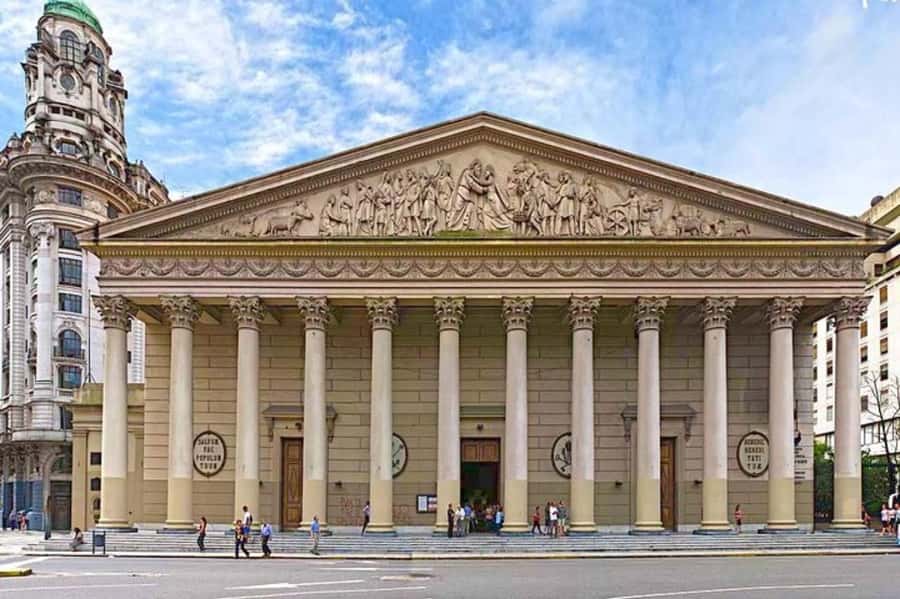
The tour begins at the Catedral Metropolitana de Buenos Aires, a fitting place to start because you are already at the city’s political and historic center. From here, Plaza de Mayo opens out as Buenos Aires’ oldest major square and one of its main gathering places.
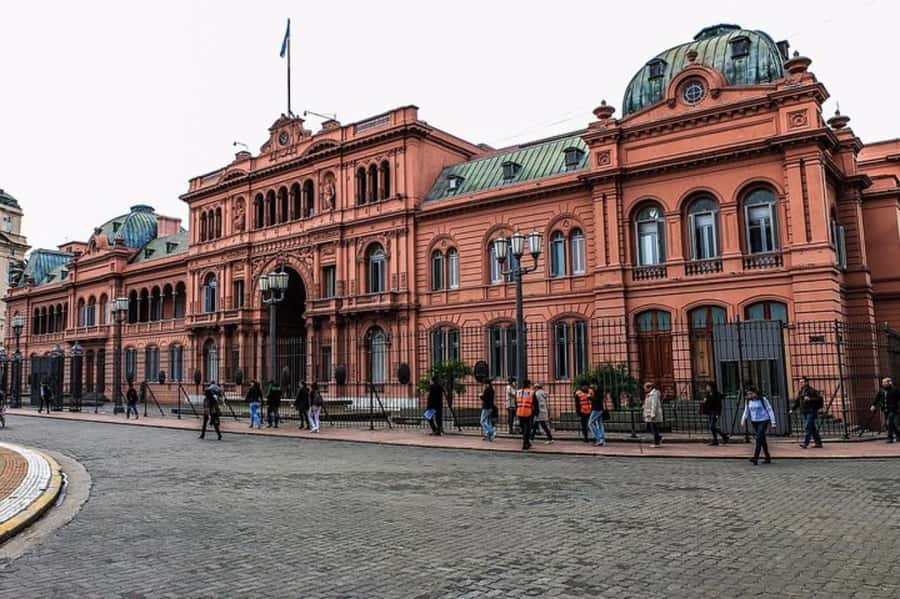
You can expect to see the Casa Rosada, the executive office with its famous pink facade, along with the Cabildo, the Metropolitan Cathedral, and government ministries connected with the economy and defense. These buildings help explain how Buenos Aires grew into Argentina’s center of power.
I find Plaza de Mayo most useful as a starting point rather than a place to linger for hours. A guide can connect the buildings around you, so the square becomes more than a collection of grand facades. You learn how the executive and legislative sides of government are linked by Avenida de Mayo.
The area can feel formal and monumental, especially compared with the more intimate streets later in the day. That contrast is part of the route’s appeal. You begin with national institutions, then move toward markets, immigrant stories, football, tango, and waterfront redevelopment.
A few more Buenos Aires trips worth putting side by side
- Local Foodie Adventure in Buenos Aires with Sherpa Food Tours
★ 5.0 · 6,875 reviews - Buenos Aires City Private Tour with Local Guide
★ 5.0 · 3,475 reviews - Buenos Aires Small-Group City Tour
★ 5.0 · 2,226 reviews
Montserrat and the old Avenida de Mayo
Montserrat is one of Buenos Aires’ oldest neighborhoods, and the walk here focuses on details that are easy to miss on your own. The route includes the city’s oldest bookstore, oldest church, oldest pharmacy, and first two-story building.
Those superlatives are not just trivia. They give you a sense of how the city developed from a compact colonial settlement into a major capital. The oldest pharmacy, in particular, points to everyday urban life rather than only presidents and monuments.
From Plaza de Mayo, you look toward Avenida de Mayo, the city’s first boulevard and the first avenue in South America. It links Casa Rosada with the National Congress, creating a direct symbolic line between executive and legislative power.
Café Tortoni sits along this avenue and is described as the oldest café in Argentina and South America. The tour may include a visit if space and access allow, but this is not guaranteed. Keep that qualification in mind. You can appreciate the cafe from the outside even if an interior visit is not possible, but do not book this experience solely for guaranteed café seating.
The historic Calle Defensa carries the tour onward. Here, the pleasure is in walking slowly enough to notice old facades, narrow details, and the way Buenos Aires mixes grand civic architecture with ordinary street life. Comfortable shoes matter because the experience involves substantial walking across several districts.
San Telmo, Mafalda, and stories along Calle Defensa
San Telmo is the city’s second-oldest neighborhood, and the change in mood is immediate. The route continues along Calle Defensa, where you encounter the statue of Mafalda, the beloved Argentine comic character created as a sharp-eyed cultural figure.
The Mafalda stop is small, but it adds a distinctly Argentine note to the walk. You are not simply checking off buildings. You are seeing how a comic character became part of the city’s public identity.
The guide also points out the smallest house in Buenos Aires and shares stories connected with sailors, immigrants, enslaved people, and old urban legends. These details give San Telmo a human scale. You begin to picture the people who lived, worked, arrived, and passed through these streets.
Some of the stories are likely to be more memorable than another formal monument. I like this part of the experience because it makes the neighborhood feel inhabited rather than preserved only for display. At the same time, the exact depth of each story depends on the guide and the time available.
San Telmo is also where the tour’s walking demands become clear. You are moving through historic streets, pausing for landmarks, then continuing toward the market and Plaza Dorrego. If you prefer a slow, photo-heavy visit, four hours may feel tight.
San Telmo Market and Plaza Dorrego
San Telmo Market opened in 1897 and has changed with the neighborhood. Today, it combines antique shops, small restaurants, and traditional fruit and vegetable stalls. That mixture gives you a better feel for daily Buenos Aires than a market devoted only to souvenirs.
You can browse, look at old objects, and take in the market’s layered character. Meals are not included, so you should treat any food stop as optional and keep the schedule in mind. The tour does not promise a long restaurant break.
Before reaching San Juan Avenue, you visit Plaza Dorrego, the city’s second-oldest square. This is one of the more atmospheric pauses on the route, with historic buildings and a setting suited to photographs.
Nearby, Ezeiza’s house adds another architectural stop, while the French Passage provides a particularly good backdrop for pictures. The area also offers places to eat, but again, the cost is your responsibility and the available time may limit a full meal.
San Telmo is probably the best section for people who want texture and local character. It is less about one enormous sight and more about connections between streets, market life, popular culture, old homes, and stories of migration. If you enjoy that style of sightseeing, this portion may be the heart of the tour.
Still Argentina, but a completely different sort of afternoon:
- Buenos Aires Hop-On Hop-Off Bus, Free Walking Tours & Discounts
★ 4.5 · 2,218 reviews - Buenos Aires: Piazzolla Tango Show with Optional Dinner
★ 4.4 · 2,122 reviews - Buenos Aires: City Highlights Guided Tour with Transfer
★ 4.7 · 1,946 reviews - Buenos Aires: Hop-On Hop-Off City Bus Tour
★ 4.2 · 1,855 reviews
La Boca, Caminito, and Boca Juniors
A short transfer of about ten minutes takes you from San Telmo toward La Boca. This break from walking is helpful, especially because the route covers several neighborhoods in one afternoon.
La Boca is known for Boca Juniors Stadium and its football club, one of the most recognizable names in Argentine sport. Even if you are not a dedicated football fan, the stadium gives you a look at how strongly the club is tied to local identity.
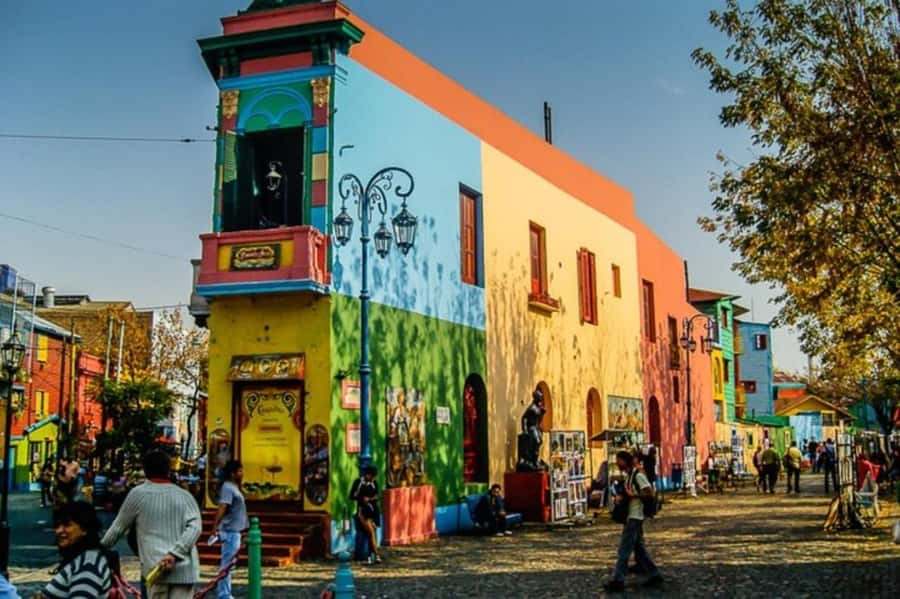
The tour then explores Caminito, an open-air street museum filled with color. The area is associated with La Boca’s immigrant past and with tango, and you may see tango dancers performing in traditional restaurants.
Caminito is visually loud and highly photographed, but the guide can help place it in context. You hear about sailors and immigrants earlier in San Telmo, then see another side of the city’s port-connected culture here. The route gives you a chance to compare the polished civic center with a neighborhood celebrated for art, football, music, and strong local symbolism.
You will have time for souvenirs, photographs, and a look at the performances. Still, this is not presented as a full Boca Juniors stadium tour or a dedicated tango show. If you want stadium access, a match, or an evening tango performance, you would need to arrange that separately.
La Boca is also an area where it pays to follow the guide’s route and timing. The information provided focuses on Caminito and the stadium, not on an extended free-roaming visit. Keep your expectations centered on a guided introduction rather than a long independent exploration.
Puerto Madero and the Puente de la Mujer
After another transfer of about ten minutes, the tour changes tone again. Puerto Madero was once an abandoned port project and is now a modern district of towers, restaurants, bars, and a riverside promenade.
This final section shows how quickly Buenos Aires can shift from old streets to contemporary urban design. The contrast helps you understand the city as a place still reshaping its waterfront, not just a museum of colonial and nineteenth-century buildings.
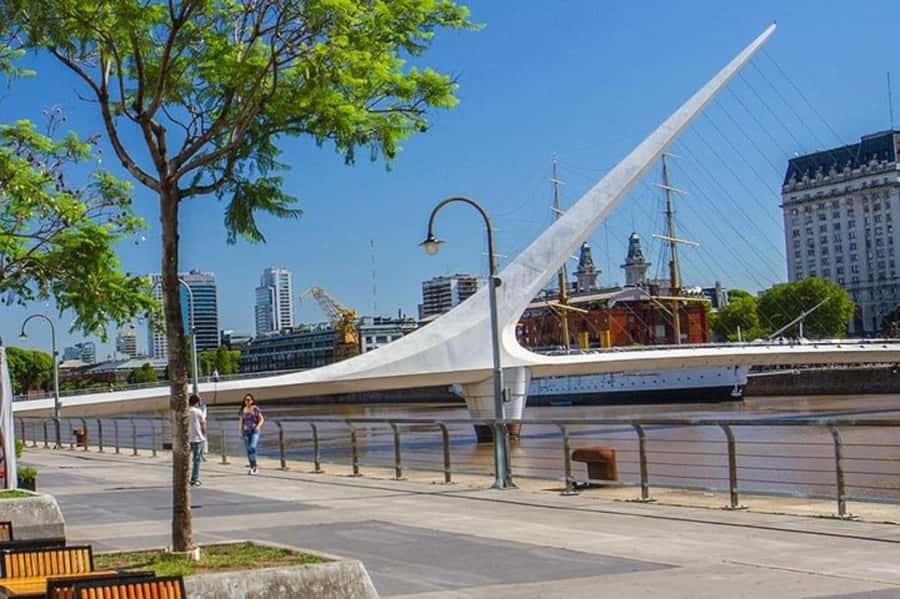
The main landmark is Puente de la Mujer, designed by Santiago Calatrava. Its sweeping form makes it one of the city’s most recognizable modern structures and a natural finish for a tour that began at the historic cathedral.
Puerto Madero also contains two historic naval vessels: the frigate Sarmiento and the corvette Uruguay. The route highlights them as ships with stories to tell, though the information provided does not promise an interior visit or ship admission. You should see them as part of the waterfront setting unless your guide explains otherwise.
Ending at Puente de la Mujer works well. You finish with open space, modern architecture, and a riverside promenade rather than another crowded historic street. If you want dinner or drinks, Puerto Madero has restaurants and bars, but those expenses are not part of the $100 tour price.
What the four-hour format really means
The structure is simple: about one hour in Montserrat, one hour in San Telmo, a ten-minute transfer, one hour in La Boca, another ten-minute transfer, and one hour in Puerto Madero. This gives each district a clear role, but it also leaves little room for wandering.
I would choose this format if you want an organized introduction to Buenos Aires and have limited time. The route covers major sights that are spread across the city, and the transfers save you from working out the connections yourself.
I would not choose it if you want long museum visits, extended shopping, or a leisurely lunch. Meals and drinks are excluded, and the four-hour schedule is built around orientation, walking, storytelling, and photo stops.
The tour is led in English, Spanish, or Portuguese. That is useful if you want cultural explanations rather than simply following a route. Alejandra received especially warm praise for her friendly manner and clear presentation, while Sebastian was noted for helping make sure the outing ran smoothly. Guide quality can shape a walking tour, and these personal touches matter.
The available rating is 5 out of 5 from three reviews, including one from Emilia of Australia who highlighted Alejandra’s history and culture commentary. That is encouraging, though the sample is small. I would treat it as a sign of strong early satisfaction, not as proof that every guide or every departure will feel identical.
Is $100 per person good value?
At $100 per person, this is not a budget walking tour. The value depends on what you want to accomplish in four hours.
You are paying for a guided route through four major areas, two short transfers, local explanation, and a planned introduction to landmarks that would otherwise require separate research. If you are new to Buenos Aires, that can be worthwhile. The tour helps you decide where to return for more time later.
The price is harder to justify if you already know the city well or prefer to use public transportation and explore independently. You also need to budget separately for food, drinks, souvenirs, and any admission not specifically included.
I see the strongest value in the cultural range. In one outing, you move from government buildings and historic churches to immigrant stories, a market, football, tango, modern architecture, and old naval vessels. That breadth is difficult to reproduce without planning several separate visits.
Who should book this Buenos Aires walk?
I recommend it most for first-time visitors, short-stay travelers, and anyone who wants a clear overview before choosing which neighborhoods deserve a second day. It also suits people who enjoy history told through streets and buildings rather than through long museum lectures.
Football fans will appreciate the Boca Juniors stop, while fans of architecture get Avenida de Mayo, old San Telmo homes, Puente de la Mujer, and Puerto Madero’s towers. People interested in popular culture get Mafalda and tango, and food-minded visitors can note San Telmo and Puerto Madero for later meals.
You should think twice if walking is difficult. The activity is not suitable for wheelchair users, and the route includes several pedestrian sections. Wear comfortable shoes, check the weather, and dress for conditions because much of the experience takes place outdoors.
Free cancellation is available up to 24 hours before the start, and you can reserve while paying later. Those terms help if your Buenos Aires schedule is still changing, but the real decision is about pace and coverage.
Should you book it?
Book this tour if you want a well-organized first look at Buenos Aires and prefer a guide to connect the city’s historic, social, and modern sides. The strongest reasons are the unusual small-scale stops in Montserrat, the character of San Telmo, the La Boca football and tango connection, and the polished finish at Puente de la Mujer.
Skip it if you want to spend half a day in one neighborhood, guarantee entry to Café Tortoni, or take a full stadium or tango tour. At $100, it asks you to value orientation and expert commentary. For a first visit with limited time, that broad view can be a smart use of four hours.
FAQ
Where does the tour begin?
The tour begins at the Catedral Metropolitana de Buenos Aires.
Where does the tour finish?
It finishes at Puente de la Mujer in Puerto Madero.
How long does the experience last?
The tour lasts four hours.
Which languages are available?
The live guide is available in English, Spanish, and Portuguese.
Is a visit inside Café Tortoni guaranteed?
No. A visit depends on availability.
Are meals and drinks included?
No. Meals, drinks, and personal expenses are not included.
Recently added around Buenos Aires
- Photo Session in Buenos Aires★ 5.0 · 26 reviews
- Your Personal Photographer in Buenos Aires★ 5.0 · 24 reviews
- Discover Buenos Aires’ independent art scene — Ticket included★ 5.0 · 30 reviews
- Your Private Photographer in Buenos Aires★ 5.0 · 4 reviews
- Yerba Mate Workshop – Learn to Drink Mate like a Local!★ 5.0 · 11 reviews
- Taste of Tradition: Yerba Mate & Alfajores Experience★ 4.0 · 5 reviews
- Wine tasting in OASIS Palermo★ 5.0 · 2 reviews
- Day Tour Classic★ 3.5 · 35 reviews
Buenos Aires Tours, compared.
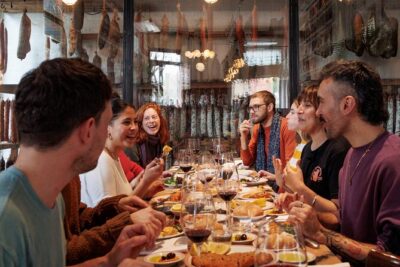
Local Foodie Adventure in Buenos Aires with Sherpa Food Tours
Read our review →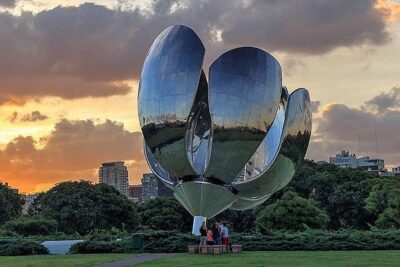
Buenos Aires City Private Tour with Local Guide
Read our review →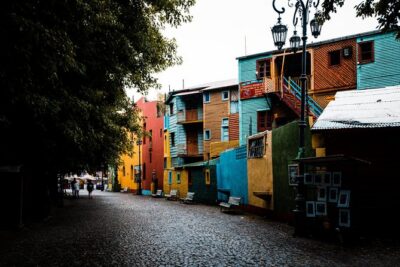
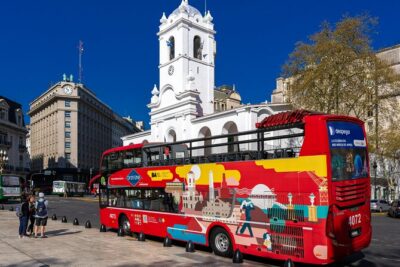
Buenos Aires Hop-On Hop-Off Bus, Free Walking Tours & Discounts
Read our review →