Reviewed · BUENOS AIRES TOURS
Buenos Aires for curious people
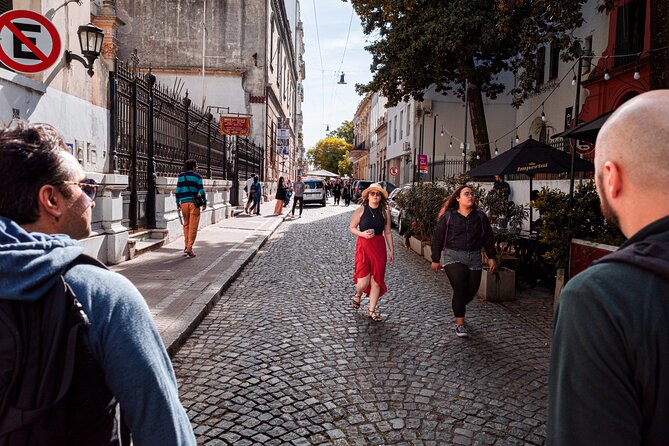
History gets better on foot. This three-hour Buenos Aires walk connects the city’s streets with its political, social, and cultural past, from first inhabitants and British invasions to Evita, Perón, and the desaparecidos. I like the conversation-first approach and the route’s less obvious stops, including the former Club Atlético detention center. I also like that guides speak Spanish, English, French, or Portuguese.
The main consideration is simple: you will walk for about three hours, with only a 20-minute break at San Telmo Market. The $30 price is fair for a private or small-group experience, but you should bring water, wear good shoes, and expect discussion rather than a quick list of facts.
In This Review
- Key points about this Buenos Aires walking tour
- A walking tour for people who ask why
- Starting at Bar Británico and Parque Lezama
- Churches, Swedish connections, and the city’s mixed identity
- Club Atlético and the memory of the desaparecidos
- San Telmo’s church, plaza, and market pause
- From the Faculty of Engineering to the waterfront
- Reaching Casa Rosada and Plaza de Mayo
- Is $30 a fair price?
- How much walking should you expect?
- Who will enjoy this experience most?
- Language, group size, and guide quality
- Should you book Buenos Aires for curious people?
- FAQ
- Where does the tour begin?
- Where does the tour finish?
- How long does the experience last?
- What is the price?
- Which languages are available?
- Is the tour private or shared?
- Is the tour wheelchair accessible?
- Is food included?
- What should I bring?
- Can I cancel the booking?
Key points about this Buenos Aires walking tour
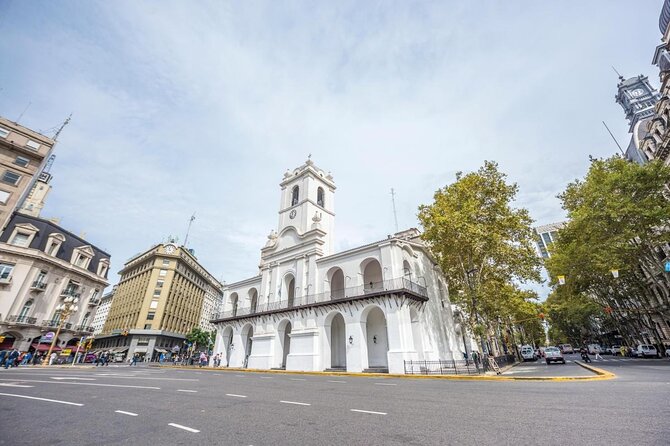
- The route links Lezama Park with Casa Rosada, giving you a clear historical path through southern Buenos Aires.
- The tour asks difficult questions, including what happened to the city’s African-descendant population and how the memory of the desaparecidos shapes Argentina today.
- You visit places many basic city walks skip, such as the Russian Orthodox Church, Club Atlético memorial space, and the Faculty of Engineering.
- San Telmo Market provides a 20-minute pause, useful for catching your breath and seeing one of the city’s best-known market areas.
- Guide Nicolás has earned praise for clear, thoughtful explanations, and the experience is offered in four languages.
- The tour ends near Plaza de Mayo, with drop-off choices at Casa Rosada, Museo Casa Rosada, or Plaza de Mayo.
A walking tour for people who ask why
Buenos Aires is easy to admire at street level. You see grand buildings, broad avenues, old churches, political symbols, and cafés. The harder part is understanding how all those pieces fit together.
This experience takes that harder route. Instead of treating the city as a row of photo stops, it uses the streets as evidence. You are invited to ask why Buenos Aires developed as it did, who benefited from that development, and which parts of the past were ignored or pushed aside.
That approach matters in Argentina. Questions about immigration, class, race, military rule, political leadership, and money are not sealed away in museums. They still shape everyday life. A guide who can connect those subjects to the places around you gives the walk more value than a standard introduction to monuments.
The tone is meant to be conversational. You are not expected to listen silently while someone recites dates. You can raise questions, disagree, and ask for more detail. If you enjoy history with room for debate, this format should suit you well.
The strongest praise has gone to Nicolás, who was described as friendly, well informed, and able to explain both basic ideas and more unusual details. One person found the tour a particularly good first introduction to the city, while another said that nearly three hours left them with a much clearer sense of Argentina’s past and present.
A few more Buenos Aires trips worth putting side by side
- Local Foodie Adventure in Buenos Aires with Sherpa Food Tours
★ 5.0 · 6,875 reviews - Buenos Aires City Private Tour with Local Guide
★ 5.0 · 3,475 reviews - Buenos Aires Small-Group City Tour
★ 5.0 · 2,226 reviews
Starting at Bar Británico and Parque Lezama
The meeting point is by Bar Británico, next to Parque Lezama. This is a useful starting place because the park gives the guide room to introduce Buenos Aires before the walk becomes a steady sequence of churches, plazas, streets, and political landmarks.
At Parque Lezama, the guided portion lasts about 15 minutes. The focus is on the city’s earliest inhabitants and the historical roots of Buenos Aires. That makes the stop more than a pleasant green space. It begins the larger question of how a city changes when new populations, outside powers, and national ambitions arrive.
I like this opening because it places modern Buenos Aires in a longer frame. You are not starting with a famous president or palace. You begin with the people and forces that came before the city’s familiar political identity.
The park is also where you should make sure you are ready for the walk. Comfortable shoes, water, sunscreen, and a camera are recommended. The tour lasts three hours, and the route includes repeated walking segments rather than one long talk in a single location.
Churches, Swedish connections, and the city’s mixed identity
The Russian Orthodox Church of the Holy Trinity is the next major stop. You spend about 10 minutes here, with time for sightseeing and discussion. Its presence helps show that Buenos Aires was shaped by more than the Spanish colonial tradition often used as a shortcut explanation.
The route then continues to Club Sueco Restaurante for another short guided stop. The name itself points to the wider story of immigration and foreign communities in Argentina. Buenos Aires is often described as a nation of immigrants, but this tour encourages you to ask what that phrase means in practice, which communities arrived, and how different groups became part of the city.
This section should appeal to you if you like social history more than a simple parade of architectural details. The stops are brief, so you should not expect extended interior visits or a formal museum presentation. Their value comes from the guide’s ability to connect each place to the bigger story.
The experience also addresses the African-descendant population of Buenos Aires. That is an important subject because it complicates the popular image of Argentina as mainly European in culture and ancestry. The tour’s promise is not just to mention the community, but to discuss what happened to its visibility and place in the city’s story.
Club Atlético and the memory of the desaparecidos
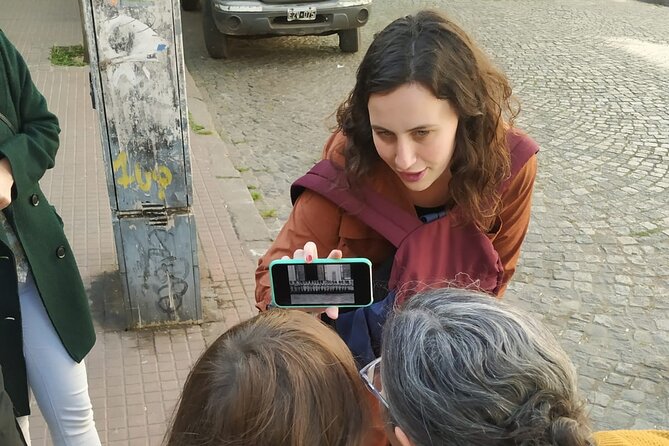
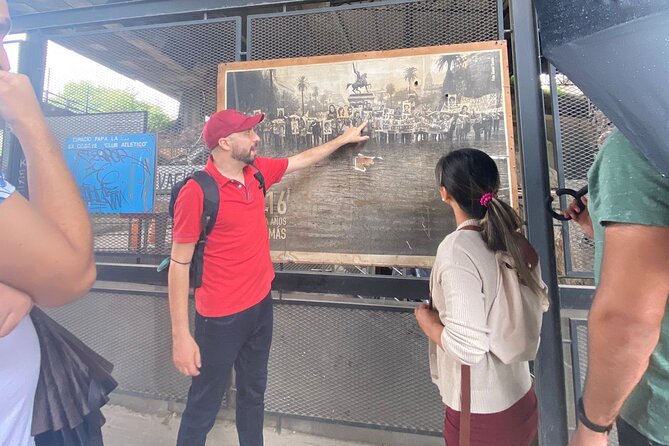
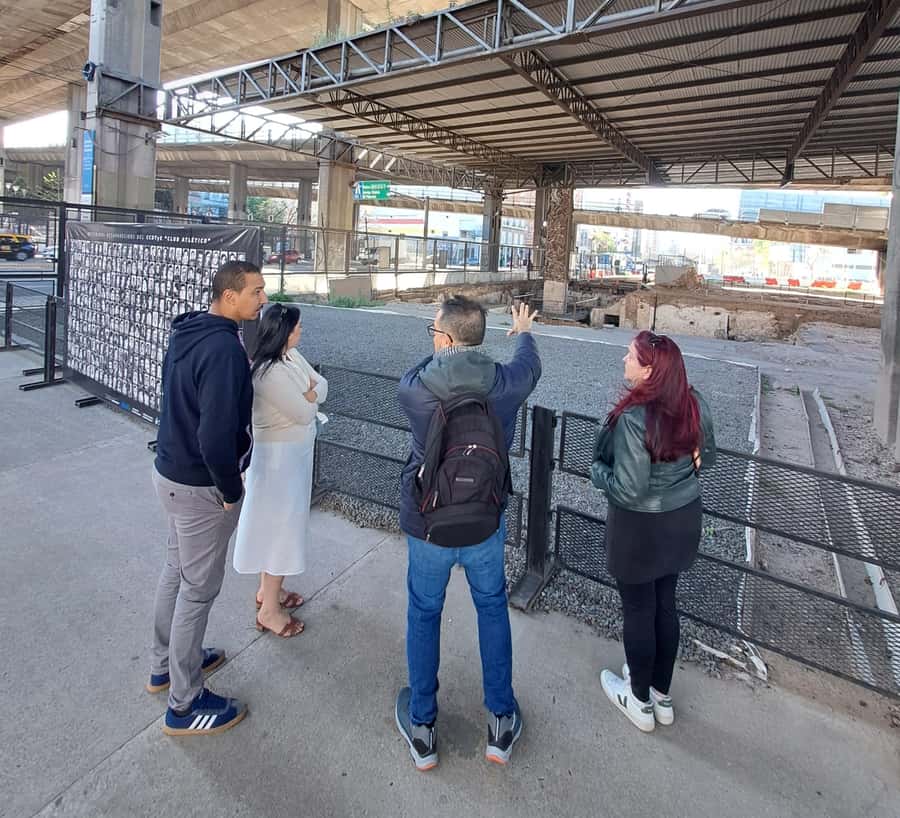
One of the most serious stops is Espacio para la Memoria ex CCD Club Atlético. The guided visit takes about 10 minutes, followed by walking onward.
This site connects the route to Argentina’s military dictatorship and the desaparecidos, the people who were forcibly disappeared. The subject requires care, and it changes the tone of the walk. Here, history is not remote or decorative. It concerns memory, state violence, and the ways a city marks painful events.
I see this as one of the best reasons to choose this experience instead of a basic sightseeing walk. You get a more honest picture of Buenos Aires, one that includes political trauma as well as grand buildings and famous leaders.
The stop is short, so you should not expect a full museum visit or an extended archive session. Still, even a concise explanation can help you understand why memory sites matter in Argentina. It also prepares you for later discussion near Plaza de Mayo, where political history remains highly visible.
Still Argentina, but a completely different sort of afternoon:
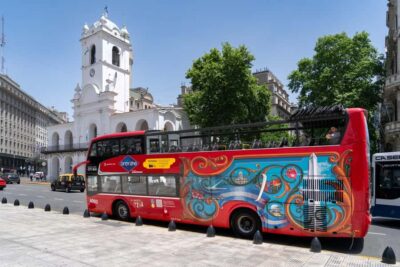
- Buenos Aires Hop-On Hop-Off Bus, Free Walking Tours & Discounts
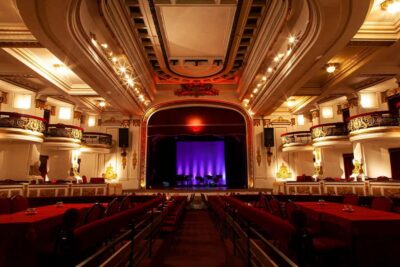
★ 4.5 · 2,218 reviews - Buenos Aires: Piazzolla Tango Show with Optional Dinner
★ 4.4 · 2,122 reviews - Buenos Aires: City Highlights Guided Tour with Transfer
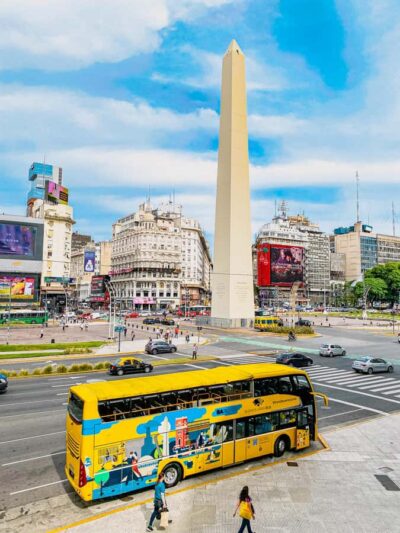
★ 4.7 · 1,946 reviews - Buenos Aires: Hop-On Hop-Off City Bus Tour
★ 4.2 · 1,855 reviews
San Telmo’s church, plaza, and market pause
The walk continues to Parroquia de San Pedro González Telmo, with roughly 10 minutes for a guided visit and walk. This church brings the route back to the older character of San Telmo, one of the city’s most historic districts.
You then reach Plaza Dorrego for about five minutes of guided discussion. The stop is short, but the plaza helps you read the neighborhood as a public space rather than just a backdrop for photographs. It is a natural place to consider how old districts are preserved, used, and presented to visitors.
San Telmo Market provides the main break, lasting about 20 minutes. This is the one clear pause in the itinerary, so use it wisely. You can rest your feet, get food or a drink if you choose, and take in the market atmosphere. Meals and drinks are not included, so bring money if you want refreshments.
The break is practical, but it also gives the route some breathing room. Three hours of history and discussion can be a lot to absorb. A short market stop lets you reset before the walk turns toward the modern political heart of Buenos Aires.
One limitation is that 20 minutes is not enough for a slow market visit, a substantial meal, and extensive browsing. Think of it as a brief pause, not a separate market tour.
From the Faculty of Engineering to the waterfront
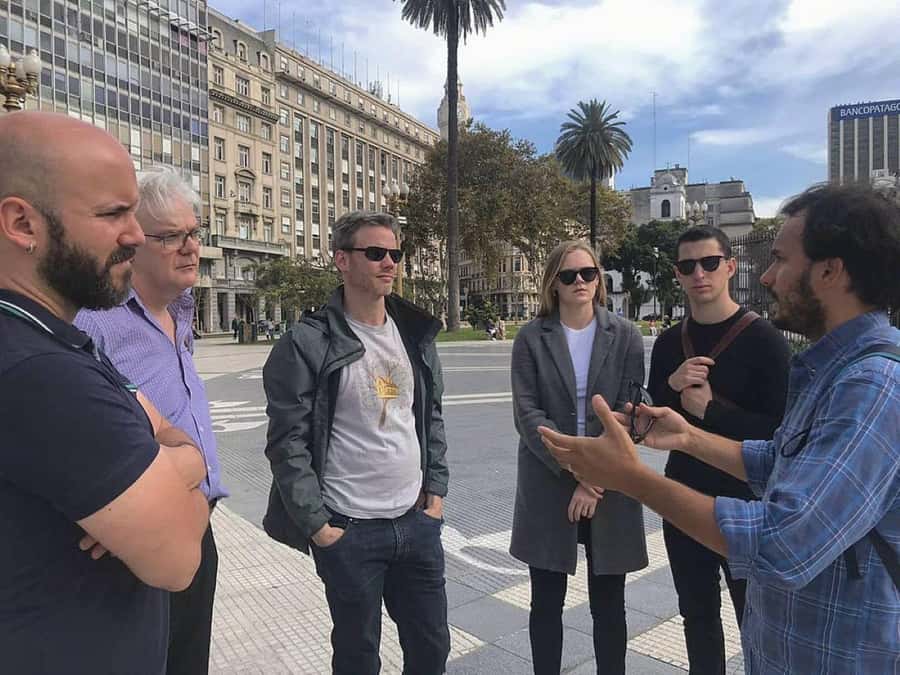
After San Telmo Market, the route reaches the Faculty of Engineering for around five minutes of guided walking. The stop adds another layer to the city’s public architecture and institutional identity.
The tour then continues to UCA Santa María de los Buenos Aires for about 10 minutes. These stops may be less familiar than Casa Rosada, but that is part of the appeal. They give the guide places to discuss how Buenos Aires presents education, religion, civic life, and national identity through its buildings.
You should not expect every stop to offer a long visit or entry inside. The schedule is built around short explanations while moving through the city. That keeps the route varied, but it also means the experience works best for people who enjoy listening while walking.
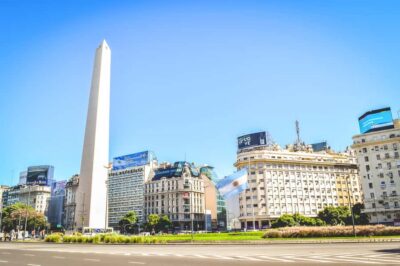
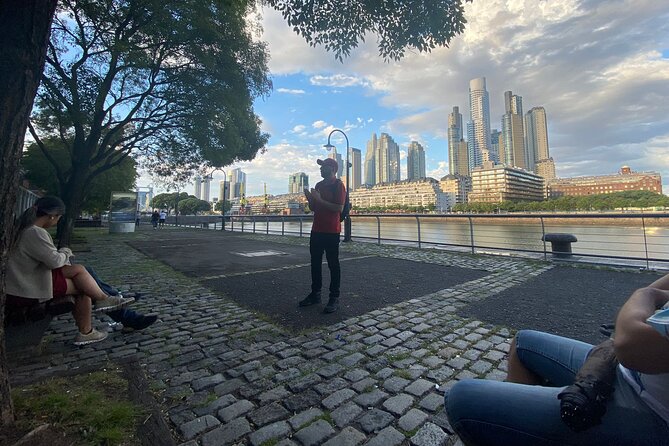
The final major landmark is Puente de la Mujer, where the guided portion lasts about 15 minutes. The bridge offers a strong visual change from the older streets of San Telmo and the historic center. It helps show the city in its newer, more polished form before the tour finishes among Argentina’s most important political buildings.
Reaching Casa Rosada and Plaza de Mayo
The walk ends near three related destinations: Museo Casa Rosada, Casa Rosada, and Plaza de Mayo. These are practical drop-off choices because you finish in an area where you can continue sightseeing on your own.
Casa Rosada gives the tour a natural political ending. Along the way, the discussion includes Argentina’s political leaders, Evita and Perón, and the meaning attached to the presidential seat. These subjects are often reduced to colorful anecdotes, but the tour aims to place them within the broader history of Argentine politics.
Plaza de Mayo is equally important. It brings together government, public protest, national ceremony, and collective memory. After hearing about dictatorship and the desaparecidos, arriving here gives the political discussion a physical setting.
The tour also raises the question of why the US dollar holds such power over Argentina’s local economy. This is a useful modern topic because it connects historical choices with the financial realities you may notice during a visit. The discussion is not limited to what happened long ago. It asks how the past continues to affect Argentina now.
I like ending here because the route moves from early settlement and immigration to current politics and economic concerns. You finish with questions still open, which is appropriate for a discussion-based experience.
Is $30 a fair price?
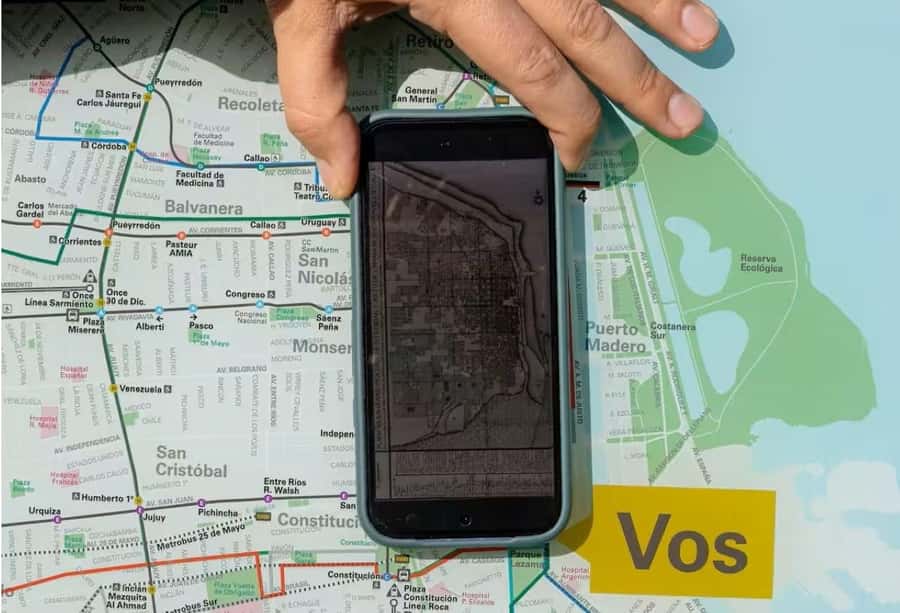
At $30 per person, the tour is priced below many private city walks while offering a fairly long three-hour route. Its value depends heavily on the guide and the group size.
For a private or small-group booking, the price is especially reasonable if you want to ask questions and shape the discussion around your interests. One booking became a private experience, allowing the participant to ask many questions and finish a little earlier. That flexibility can be a real benefit, though a smaller group may also mean the tour does not use the full scheduled time.
The price covers a professional guide, historical interpretation, and opportunities for discussion. It does not cover food, drinks, or transportation to Bar Británico. You should also budget for any purchases during the San Telmo Market break.
I would choose this tour for its content rather than for convenience. It is not a hop-on, hop-off overview, and it is not built around shopping or food. You pay for context, questions, and a route that joins overlooked subjects to famous sights.
How much walking should you expect?
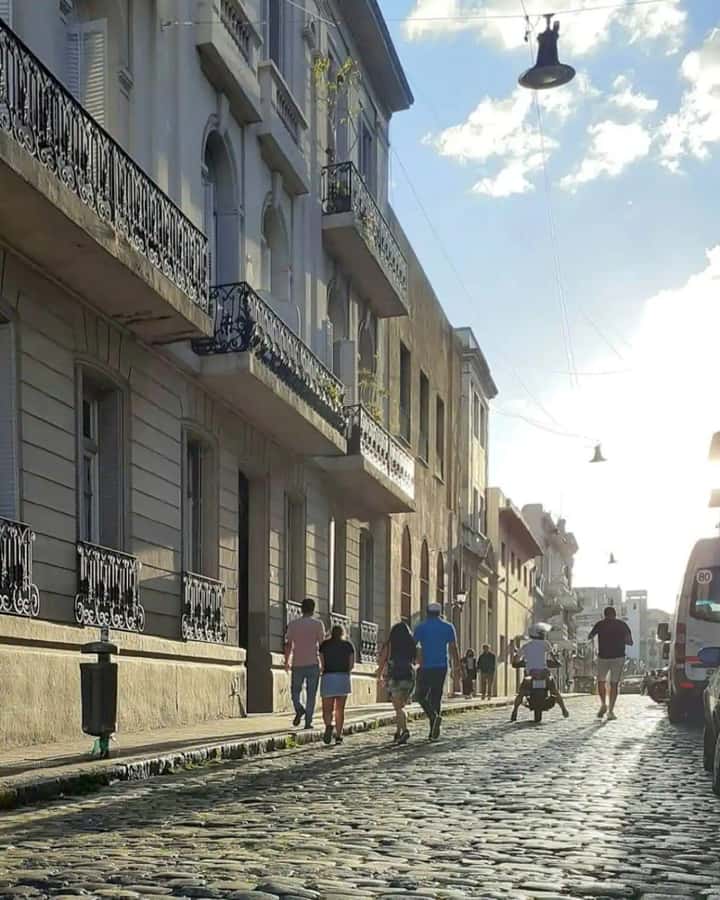
The total duration is three hours, with several short walking segments and one 20-minute break. The route begins at Bar Británico and finishes around Casa Rosada and Plaza de Mayo.
The activity is listed as wheelchair accessible, but the itinerary includes streets, plazas, churches, a market, and multiple walking sections. If you use a wheelchair or have mobility concerns, confirm the current route details with the provider before booking, especially for the exact access conditions at each stop.
For most people, the practical advice is simple:
- Wear comfortable walking shoes.
- Carry a water bottle.
- Use sunscreen.
- Prepare for changing weather.
- Bring a camera if you want to record the route.
There is no included transport to the starting point. Plan to reach Bar Británico on your own and leave enough time to find the meeting place.
Who will enjoy this experience most?
I would recommend this walk to you if you like asking questions, comparing viewpoints, and understanding how politics and society shape a city. It is particularly useful as an early Buenos Aires activity because it gives you background for later visits to Plaza de Mayo, Casa Rosada, San Telmo, and other historic districts.
It also suits people who have already seen the standard landmarks and want more substance. The stops at Club Atlético, the Russian Orthodox Church, Club Sueco Restaurante, and the Faculty of Engineering give the route a broader reach than a palace-and-cathedral circuit.
Families with older children or teenagers may appreciate the discussion format, provided they are comfortable with serious subjects such as forced disappearances and political violence. The tour is also a good match for solo visitors who want a setting where they can ask direct questions.
You may want a different experience if you prefer a relaxed stroll with long photo stops, a food tour, or a tightly scripted lecture. The pace includes many stops, and the subjects can be demanding. The market break is brief, and meals are not included.
Language, group size, and guide quality
The tour is available in Spanish, English, French, and Portuguese. That makes it easier to choose the language in which you can discuss complex political and historical issues comfortably.
Private and small-group options are available. Group size matters here more than it does on a simple monument tour. The whole point is conversation, so a smaller group gives you more room to ask about immigration, race, Evita and Perón, the military dictatorship, or Argentina’s relationship with the dollar.
Nicolás is the guide name most closely associated with the strongest praise. His explanations were described as interesting, striking, and clear, from basic orientation to unusual details about Buenos Aires. The available ratings are all five stars, with five recorded ratings, which suggests a strong early record. That is encouraging, though a small number of ratings cannot tell you everything about long-term consistency.
Should you book Buenos Aires for curious people?
Book it if you want Buenos Aires explained rather than simply displayed. The route covers famous places, but its real value lies in the questions connecting them: who lived here first, why foreign powers wanted the city, how immigration changed Argentina, what happened to the African-descendant population, and why political memory still matters.
At $30, it is a good buy for a private or small-group history walk, especially if Nicolás is guiding in a language you speak well. Go prepared to walk, think, and participate. If you want a quick orientation with little discussion, choose another city tour. If you want a more thoughtful introduction to Argentina’s capital, this is a strong choice.
FAQ
Where does the tour begin?
The meeting point is by Bar Británico, near Parque Lezama.
Where does the tour finish?
The tour ends with drop-off options at Museo Casa Rosada, Casa Rosada, or Plaza de Mayo.
How long does the experience last?
The walking experience lasts three hours.
What is the price?
The price is $30 per person.
Which languages are available?
The live guide can provide the tour in Spanish, French, English, or Portuguese.
Is the tour private or shared?
Private or small-group options are available.
Is the tour wheelchair accessible?
The activity is listed as wheelchair accessible.
Is food included?
No. Meals and drinks are not included. There is a 20-minute break at San Telmo Market.
What should I bring?
Bring comfortable shoes, water, sunscreen, and a camera. You should also be ready for changing weather.
Can I cancel the booking?
You can cancel up to 24 hours in advance for a full refund. Reserve-now, pay-later booking is also available.
Recently added around Buenos Aires
- Photo Session in Buenos Aires★ 5.0 · 26 reviews
- Your Personal Photographer in Buenos Aires★ 5.0 · 24 reviews
- Discover Buenos Aires’ independent art scene — Ticket included★ 5.0 · 30 reviews
- Your Private Photographer in Buenos Aires★ 5.0 · 4 reviews
- Yerba Mate Workshop – Learn to Drink Mate like a Local!★ 5.0 · 11 reviews
- Taste of Tradition: Yerba Mate & Alfajores Experience★ 4.0 · 5 reviews
- Wine tasting in OASIS Palermo★ 5.0 · 2 reviews
- Day Tour Classic★ 3.5 · 35 reviews
Buenos Aires Tours, compared.
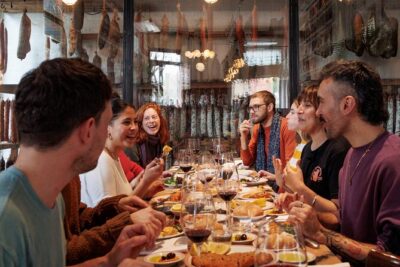
Local Foodie Adventure in Buenos Aires with Sherpa Food Tours
Read our review →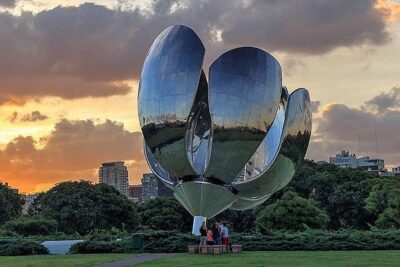
Buenos Aires City Private Tour with Local Guide
Read our review →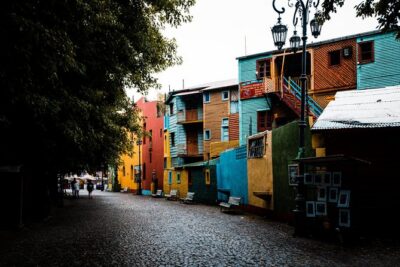
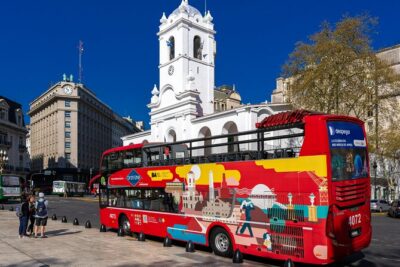
Buenos Aires Hop-On Hop-Off Bus, Free Walking Tours & Discounts
Read our review →