Reviewed · BUENOS AIRES TOURS
Buenos Aires : Explore El Zanjon de Granados, Hidden Tunnels.
The city has a past beneath its feet. In San Telmo, El Zanjon de Granados opens a network of brick tunnels, cisterns, and passageways hidden behind a plain colonial facade. I like the way this one-hour visit combines archaeology with stories about daily life, and I especially like that the underground galleries offer a cool break on a hot Buenos Aires day. The main consideration is simple: the site is modest, and much of what you see is old drainage and sewer construction rather than grand architecture.
I also like the small scale and focused route, which lets the guide explain the details instead of sending you through a huge museum. Victoria, one of the guides, has earned particular praise for bringing the past to life with wit and clear storytelling. If you have already seen Buenos Aires’ main sights, this makes a fine second look at the city. If you want a dramatic attraction packed with major artifacts, you may find it less exciting.
In This Review
- Key points to know before you go
- What you find behind the San Telmo facade
- Walking the brick galleries and cisterns
- Ceramics, utensils, and the evidence left behind
- Stories of colonial Buenos Aires and nineteenth-century convents
- Why the one-hour format works
- Is $24 a fair price?
- Who will enjoy El Zanjon de Granados most?
- Tips for fitting the tour into your day
- Should you book this Buenos Aires tunnel tour?
- FAQ
- Where does the tour take place?
- How long does the experience last?
- What language is the tour offered in?
- What does the $24 price include?
- Is transportation included?
- Can most people participate?
- Can I cancel for a full refund?
Key points to know before you go
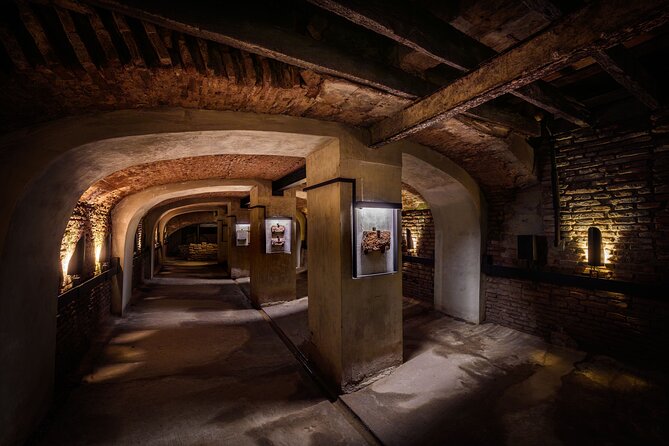
- Seventeenth- and eighteenth-century tunnels: Walk through original brick galleries, cisterns, and underground passageways beneath San Telmo.
- Colonial life below street level: The tour connects the tunnels with stories about early Buenos Aires, nineteenth-century convents, and changing city life.
- Archaeology in place: Excavations revealed ceramics, utensils, and remains of old walls, giving the site more substance than a simple tunnel walk.
- A one-hour historical stop: The short format fits neatly into a day of sightseeing and does not demand a major time commitment.
- English or Spanish guiding: You can choose the language that suits you, with entrance included in the $24 price.
- Best after the city’s headline sights: The experience works particularly well once you have some sense of Buenos Aires above ground.
What you find behind the San Telmo facade
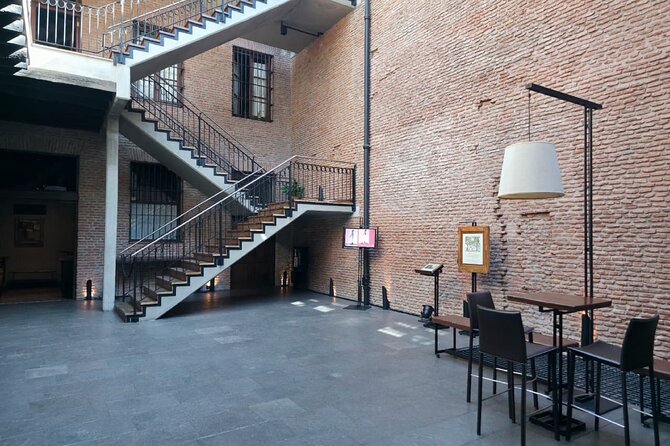
El Zanjon de Granados begins with a surprise. From the street, the building does not announce a major underground attraction. The colonial facade is sober and restrained, which makes the transition below ground feel all the more unexpected.
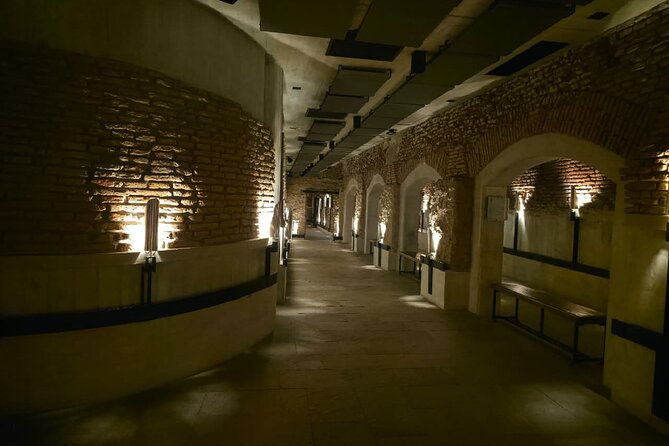
Once inside, the focus shifts from polished city streets to brickwork, narrow passageways, and the practical systems that helped an older Buenos Aires function. You walk through galleries lit to show their original construction. The lighting matters because it draws your eye to the curves of the brick, the junctions between passages, and the uneven traces left by earlier building work.
This is not a palace tour. You will not find vast rooms filled with art or a grand procession of rooms. The appeal comes from scale and intimacy. You are looking at the physical remains of a working city, including spaces built for water management and drainage. That may sound less glamorous than a cathedral or mansion, but it gives you a useful look at how urban life operated below street level.
I find that this kind of site can sharpen your sense of a city. Buenos Aires is often presented through avenues, cafes, plazas, and elegant architecture. Here, you get the less polished side of the story: water, waste, construction, adaptation, and the reuse of old spaces.
A few more Buenos Aires trips worth putting side by side
- Local Foodie Adventure in Buenos Aires with Sherpa Food Tours
★ 5.0 · 6,875 reviews - Buenos Aires City Private Tour with Local Guide
★ 5.0 · 3,475 reviews - Buenos Aires Small-Group City Tour
★ 5.0 · 2,226 reviews
Walking the brick galleries and cisterns
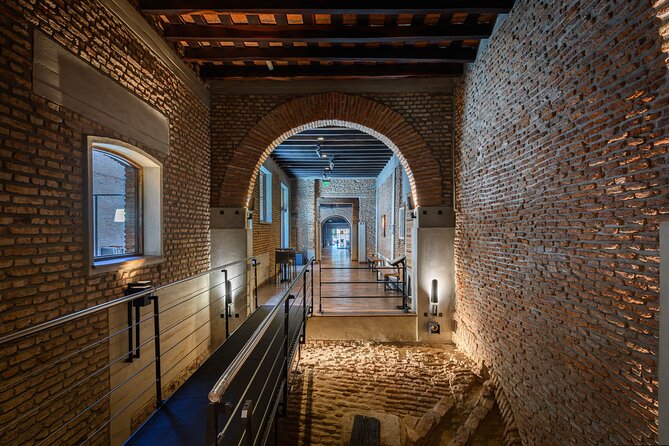
The central part of the visit takes place underground. You move through brick galleries and passageways dating from the seventeenth and eighteenth centuries, with cisterns forming part of the site’s practical network.
The route is short, at about one hour, but it has enough variety to hold your attention. You are not simply walking down one straight tunnel. The experience brings together several connected elements, including underground corridors, water structures, archaeological remains, and sections of old walls.
The brick construction is the visual star. Under the lighting, the masonry becomes easier to read. You can see how the builders shaped the galleries and how later changes affected the site. The setting feels more like an archaeological record than a reconstructed attraction, although the property has been restored and prepared for visitors.
That distinction is worth keeping in mind. Restoration makes the tunnels accessible and helps reveal their form, but this is not a perfectly preserved time capsule. The site has passed through many stages, and part of the story is how modern work rescued it from neglect.
The galleries may appeal most to you if you enjoy architecture, urban history, or unusual sites. If tunnels make you uncomfortable, or if you need wide, open rooms, the route may feel less rewarding. The available information says most people can participate, but it does not provide detailed information about every physical feature of the underground path.
Ceramics, utensils, and the evidence left behind
The excavations uncovered archaeological pieces, including ceramics, utensils, and remains of ancient walls. These objects help turn the tour from a walk through old masonry into a lesson about people who used the site and lived around it.
A ceramic fragment can seem small beside a famous museum object. Here, its value comes from context. It belongs to the same underground story as the walls and passageways around you. The pieces help connect ordinary household activity with the larger development of Buenos Aires.
The remains of old walls are also important. They show that the property did not have one single life. Buildings change, rooms are altered, and urban spaces are adapted for new needs. The archaeology gives you clues about those changes rather than offering a neat, simplified story.
You should not expect a large collection or a long museum visit. The archaeological material supports the tour instead of taking it over. The guide’s explanation is what gives the pieces meaning, so the quality of the storytelling matters a great deal.
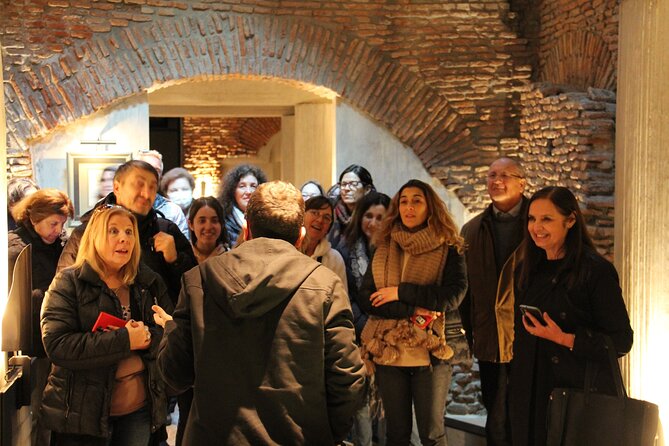
That is where Victoria receives especially strong praise. Her approach combines historical knowledge with humor and lively stories. A good guide can help you picture colonial routines, explain why the underground structures mattered, and connect the remains to the city above. Without that context, the site could look like a series of old tunnels. With it, the same brickwork becomes evidence of daily life and changing urban needs.
Stories of colonial Buenos Aires and nineteenth-century convents
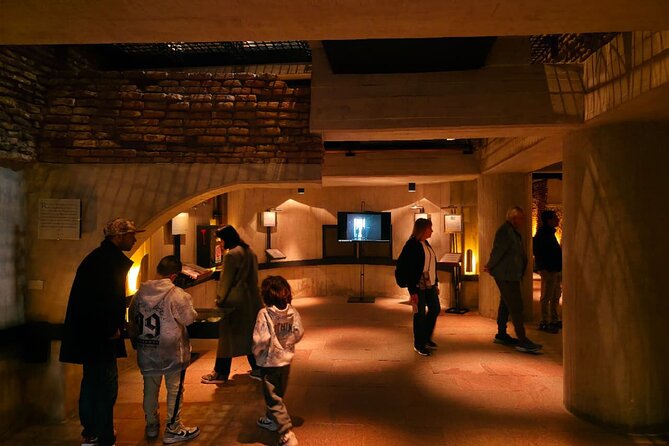
The tour does more than explain dates and building methods. It places El Zanjon de Granados within the social history of Buenos Aires.
You hear about colonial life and the ways people used the property and its surrounding spaces. You also hear stories connected with nineteenth-century convents. These details widen the experience beyond engineering. The tunnels are not isolated objects. They belong to a neighborhood shaped by religion, homes, sanitation, construction, and the gradual growth of a city.
This storytelling is one of the strongest reasons to choose the tour. A tunnel on its own may hold your attention for a few minutes. A tunnel linked to former residents, changing buildings, and the pressures of city life gives you more to think about.
The guide also explains the restoration that rescued the heritage site. That part matters because you are seeing both the older structures and the result of modern conservation. The tour can help you understand why a place that might once have been overlooked now deserves protection.
I would pay attention to how the guide links the physical evidence to the stories. Look for the moments when a wall, passage, or cistern becomes part of a larger explanation. The best value here comes not from the number of rooms but from the connection between what you see and what you learn.
Still Argentina, but a completely different sort of afternoon:
- Buenos Aires Hop-On Hop-Off Bus, Free Walking Tours & Discounts
★ 4.5 · 2,218 reviews - Buenos Aires: Piazzolla Tango Show with Optional Dinner
★ 4.4 · 2,122 reviews - Buenos Aires: City Highlights Guided Tour with Transfer
★ 4.7 · 1,946 reviews - Buenos Aires: Hop-On Hop-Off City Bus Tour
★ 4.2 · 1,855 reviews
Why the one-hour format works
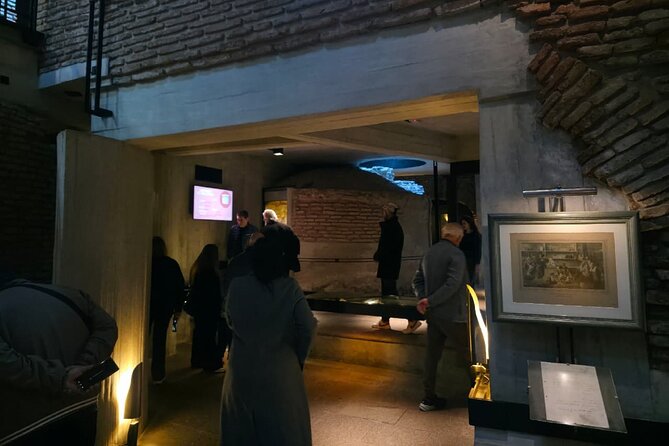
At approximately one hour, this is an easy experience to add to a full Buenos Aires itinerary. You do not need to surrender half a day, and the visit leaves room for San Telmo’s other attractions.
The short duration also suits the site. El Zanjon de Granados is focused rather than sprawling, so a compact tour keeps the material from becoming repetitive. You get a concentrated look at the tunnels, archaeology, architecture, and history without turning the visit into a marathon.
There is another practical benefit. One visitor specifically valued the underground setting as a place to escape hot weather. The galleries can provide a cooler change from the streets, making the tour useful as well as interesting during a warm afternoon.
The tradeoff is that the experience may feel brief if you are fascinated by archaeology or old construction. You will not have hours to examine every feature. The site is best treated as a sharp, unusual stop within a broader day, not as the sole reason to visit San Telmo.
Is $24 a fair price?
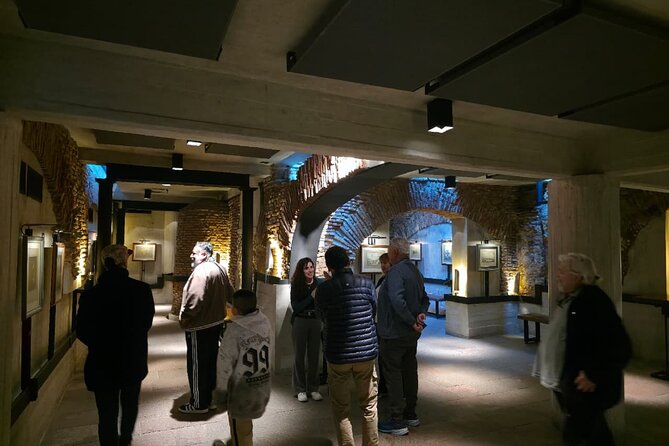
The cost is $24 per person, with admission and a guide in English or Spanish included. Lunch and private transportation are not included.
For a one-hour activity, that price may seem high if you measure value only by time. I would judge it instead by the combination of access, interpretation, and the unusual setting. You are paying to enter a preserved underground site that would be difficult to understand fully without a guide. The archaeology and restoration story add value, too.
The price makes the most sense if you care about history and architecture, or if you prefer small cultural attractions to large, crowded monuments. It is less compelling if you mainly want entertainment, spectacular views, or a large collection of objects.
Because private transportation is not included, you will need to make your own way to the site. The location is near public transportation, which keeps the visit practical for a self-guided day in Buenos Aires. You can pair it with other San Telmo stops rather than treating it as a separate excursion.
The experience is offered in English, which is useful if you do not speak Spanish. You can also choose Spanish if that is your preferred language. Confirmation arrives at booking, and free cancellation is available up to 24 hours before the start time. If you cancel later, the payment is not refunded, so keep the local cut-off time in mind.
Who will enjoy El Zanjon de Granados most?
I would recommend this tour to you if you like finding the infrastructure behind a city’s grand image. It suits people who enjoy archaeology, restoration, architecture, and stories about ordinary urban life.
It is also a good choice for a repeat visit to Buenos Aires. Once you have seen the better-known streets and landmarks, you may appreciate this quieter view of San Telmo. The tour helps you look at the neighborhood with a different question: what lies beneath the buildings and how did the city function before modern systems took over?
Families and mixed-age groups may appreciate the one-hour length, especially if some members of your group would not enjoy a long museum visit. Most people can participate, according to the available information, but you should consider your own comfort with underground spaces and brick passageways.
History fans will probably get the most from the guide’s explanations. If your interest is mainly visual, your response may depend on how much you enjoy old masonry and archaeological traces. One of the more balanced assessments of the site described it as well restored but modest, with much of the experience centered on old sewer tunnels. That is fair. The attraction is not pretending to be something grander than it is.
Tips for fitting the tour into your day
I would place El Zanjon de Granados after you have spent time in Buenos Aires’ main areas. The context makes a difference. After seeing the city’s streets, plazas, and architecture, the underground remains give you another layer of the same place.
San Telmo is the natural setting for a day built around older Buenos Aires. Since transportation is not included, plan your route around public transportation or your own city itinerary. The attraction is near public transportation, so it does not require a private transfer.
Allow about an hour for the visit itself. You may want a little extra time around it for getting there and continuing to your next stop, but the actual experience is designed as a compact visit.
Choose the language that lets you follow historical details comfortably. The stories about colonial life, convents, archaeology, and restoration are central to the experience. If you understand the guide easily, you will get much more from the same walls and tunnels.
Finally, do not expect a theatrical underground show. The appeal is quieter and more grounded. You are seeing old construction, archaeological evidence, and restored heritage, with a guide supplying the human story.
Should you book this Buenos Aires tunnel tour?
Book El Zanjon de Granados if you want an unusual, well-explained look at Buenos Aires beneath street level. The strongest reasons are the original brick galleries, the archaeological remains, the cool underground setting, and guides such as Victoria, whose lively delivery can make a modest site feel much more meaningful.
Skip it if you need a major monument, a large museum collection, or a dramatic visual spectacle. The tunnels are mainly practical infrastructure, and the visit lasts only about an hour.
For most history-minded visitors, the $24 price is reasonable because it includes entry and an English or Spanish guide. I would schedule it after the city’s headline sights, then use the experience to read San Telmo with sharper eyes. You may not leave with a grand story of kings or battles, but you will leave with a better sense of how Buenos Aires was built, used, and preserved.
FAQ
Where does the tour take place?
The tour takes place at El Zanjon de Granados in San Telmo, Buenos Aires.
How long does the experience last?
The visit lasts approximately one hour.
What language is the tour offered in?
The guide is available in English or Spanish.
What does the $24 price include?
The price includes entrance to El Zanjon de Granados and a guide.
Is transportation included?
No. Private transportation is not included, although the site is near public transportation.
Can most people participate?
Yes. The available information states that most travelers can participate.
Can I cancel for a full refund?
Yes, if you cancel at least 24 hours before the experience start time. Cancellations made less than 24 hours in advance are not refunded, and changes within that period are not accepted.
Recently added around Buenos Aires
- Photo Session in Buenos Aires★ 5.0 · 26 reviews
- Your Personal Photographer in Buenos Aires★ 5.0 · 24 reviews
- Discover Buenos Aires’ independent art scene — Ticket included★ 5.0 · 30 reviews
- Your Private Photographer in Buenos Aires★ 5.0 · 4 reviews
- Yerba Mate Workshop – Learn to Drink Mate like a Local!★ 5.0 · 11 reviews
- Taste of Tradition: Yerba Mate & Alfajores Experience★ 4.0 · 5 reviews
- Wine tasting in OASIS Palermo★ 5.0 · 2 reviews
- Day Tour Classic★ 3.5 · 35 reviews
Buenos Aires Tours, compared.
Local Foodie Adventure in Buenos Aires with Sherpa Food Tours
Read our review →
Buenos Aires City Private Tour with Local Guide
Read our review →

Buenos Aires Hop-On Hop-Off Bus, Free Walking Tours & Discounts
Read our review →