Reviewed · BUENOS AIRES TOURS
Buenos Aires: Discover Mate – Masterclass with Argentine Pastry
Mate is easier to understand with a guide. This one-hour class at Matea Aromas y Sabores introduces you to Argentina’s famous infusion through its history, preparation, social rules, and several yerba styles. I like the hands-on preparation lesson and the chance to pair mate with traditional Argentine pastries, since mate is rarely served in ordinary cafés or restaurants.
I also like the warm teaching style associated with guides such as Martina and Michaela, who explain the ritual in a relaxed, approachable way. The main drawback is value: at $55 per person, the class may feel costly if you only taste two blends or want a longer cultural workshop. The experience is private, so it suits people who prefer a focused session rather than a large group.
In This Review
- Key points to know before booking
- Why mate is hard to try casually in Buenos Aires
- Arriving at Matea Aromas y Sabores on Ayacucho
- The first lesson: what mate means in Argentina
- Preparing the mate correctly
- Learning the social rules of sharing
- Comparing plain, flavored, and premium yerba
- Argentine pastries complete the experience
- The teaching style and private format
- Is $55 a fair price for one hour?
- Who will enjoy this Buenos Aires activity?
- My verdict: book it for culture, not quantity
- FAQ
- Where does the mate masterclass take place?
- How long does the experience last?
- What is included in the experience?
- Can I try different mate flavors?
- Is this a private tour?
- Is the location near public transportation?
- Are service animals allowed?
- Can I cancel for a full refund?
Key points to know before booking
- Mate is prepared and shared correctly: You learn how to fill the mate, position the straw, add water, and follow the social rules around passing it.
- Traditional pastries are part of the lesson: The food helps you understand how Argentines enjoy mate, rather than treating it as a stand-alone tea tasting.
- You may sample plain and flavored yerbas: Options described in past sessions include coffee and citric ginger, along with organic and premium blends.
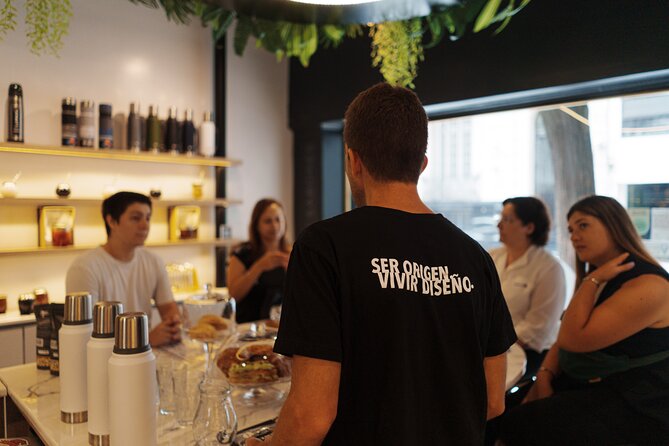
- The class takes place in a dedicated mate shop: The store at Ayacucho 1538 presents mate as its main subject, with yerba and mate equipment available to browse.
- It is a private activity lasting about one hour: Your group participates on its own, which makes questions and demonstrations easier.
- The experience has a 4.8 rating and 96 percent recommendation rate: The strongest praise centers on clear explanations, friendly guides, and the cultural meaning behind the drink.
Why mate is hard to try casually in Buenos Aires
Most first-time visitors hear the same advice: try mate in Argentina. The trouble is finding it served in the usual places.
Mate is generally prepared at home and shared among friends, family, or colleagues. It is not normally ordered like coffee at a café, and you cannot count on finding it at a hotel, bar, or restaurant. Unless someone invites you into their home, you may see mate everywhere in daily life without ever getting a proper introduction.
That makes this class useful. It gives you a clear way into a custom that can seem closed to outsiders. You are not simply handed a gourd and told to drink. You learn why the vessel, straw, water temperature, and serving order matter.
I especially like that the class treats mate as a social ritual, not just an herbal drink. The preparation is only half the story. The other half is knowing how the group shares it, who refills it, and what your actions mean once the mate is passed to you.
A few more Buenos Aires trips worth putting side by side
- Local Foodie Adventure in Buenos Aires with Sherpa Food Tours
★ 5.0 · 6,875 reviews - Buenos Aires City Private Tour with Local Guide
★ 5.0 · 3,475 reviews - Buenos Aires Small-Group City Tour
★ 5.0 · 2,226 reviews
Arriving at Matea Aromas y Sabores on Ayacucho
The meeting point is Ayacucho 1538, in Buenos Aires. The shop is near public transportation, which helps if you are fitting the class between museums, shopping, or another appointment.
This is not a sightseeing tour with several stops. You arrive at the store and stay there for the full session, then finish back at the same place. That keeps the class simple, but it also means you should book it for what it is: a focused introduction to mate rather than a broader neighborhood walk.
The setting matters. Matea Aromas y Sabores presents itself as the first space in Latin America where mate is the central subject. You can expect a shop built around the drink, with exclusive yerba blends, premium products, and mate accessories available to examine.
That gives the lesson a practical edge. After hearing how different yerbas vary, you can look at the products and decide what might suit you. You do not need to buy anything, but having the items in front of you makes the process easier to understand than a talk in a generic meeting room.
The first lesson: what mate means in Argentina
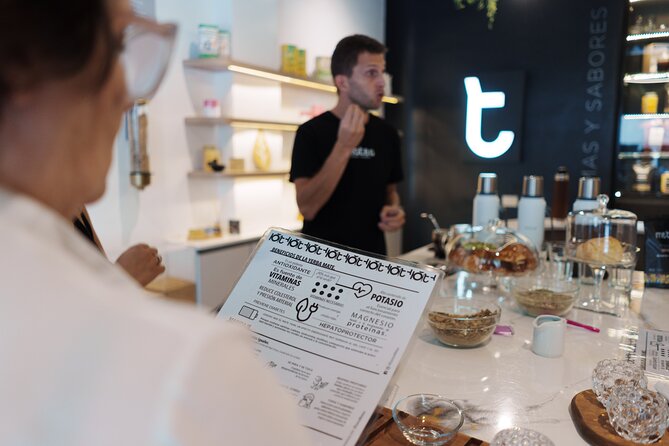
The class begins with the background of mate and its place in Argentine culture. The exact presentation can vary by guide, but the focus is on the drink’s history, its role in social life, and the reasons preparation is treated with care.
This context prevents a common mistake. An unprepared visitor may think mate is simply loose herbs in a cup with a metal straw. That description misses the shared nature of the ritual and the small rules that make it work.
The guide explains how mate is passed around and what you should do when it reaches you. You learn that the person preparing the drink controls the process, adding water and passing it to each person in turn. Even small actions can be unfamiliar at first, so having someone explain them before you try is valuable.
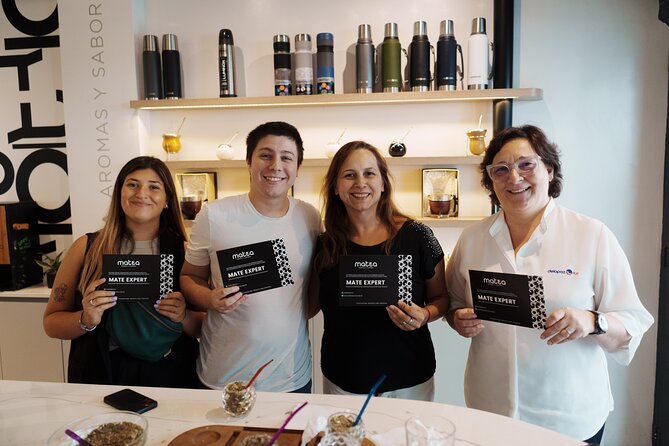
Michaela has been praised for making this part fun and accessible, while Martina has been described as warm and inviting. Those details matter because mate can feel intimidating if the lesson is too formal or too vague. The best version of this class gives you enough structure to feel comfortable, without turning a simple social custom into a test.
Preparing the mate correctly
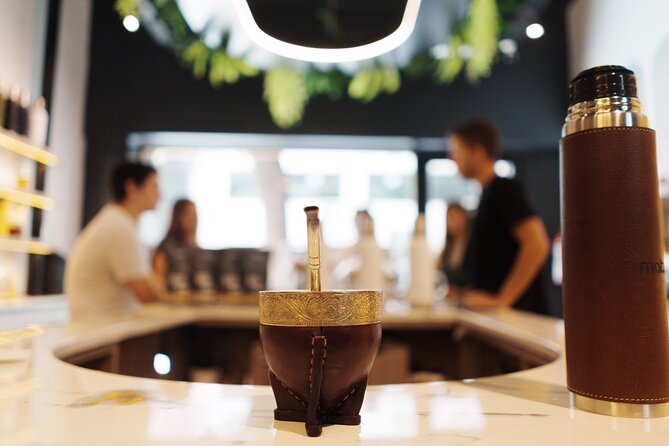
The most useful part of the session is the practical demonstration. You learn how to prepare a mate pot, arrange the yerba, and use the bombilla, the metal straw used for drinking.
You also learn how to add water in the right way. Water that is too hot can damage the flavor, while careless pouring can leave the yerba poorly arranged. The class gives you a chance to see the method clearly and then understand why each step matters.
This is where the lesson earns its place in a Buenos Aires itinerary. You could read instructions online, but that does not show you the texture, angle, or serving rhythm. A guide can correct confusion right away and explain what beginners often get wrong.
You should expect a demonstration rather than a long cooking workshop. The full class lasts about an hour, so the preparation segment needs to move at a good pace. One past experience felt too brief and included only two flavors, which is a fair warning for anyone expecting a large tasting menu or an extended workshop.
Still, for a first introduction, an hour can be enough. You leave knowing how to make mate properly and, just as important, how not to offend someone when you are offered a turn.
Still Argentina, but a completely different sort of afternoon:
- Buenos Aires Hop-On Hop-Off Bus, Free Walking Tours & Discounts
★ 4.5 · 2,218 reviews - Buenos Aires: Piazzolla Tango Show with Optional Dinner
★ 4.4 · 2,122 reviews - Buenos Aires: City Highlights Guided Tour with Transfer
★ 4.7 · 1,946 reviews - Buenos Aires: Hop-On Hop-Off City Bus Tour
★ 4.2 · 1,855 reviews
Learning the social rules of sharing
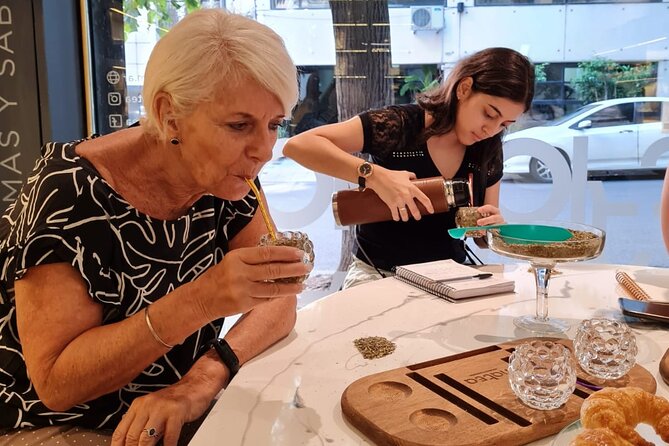
The etiquette lesson may be the most surprising part. Mate is passed from person to person, and the person serving it manages the refill and handoff. That system can seem mysterious when you first encounter it in an Argentine home.
You learn how to receive the mate, drink it, and return it without disturbing the arrangement. The details are simple once explained, but they are not always obvious from watching someone else.
I like this section because it gives you confidence for a real social moment. If you are invited to share mate later in your visit, you will understand that the drink is an act of connection, not merely a personal beverage. You can take part without constantly wondering if you are holding the bombilla incorrectly or breaking the rhythm.
The class also helps explain why you might not see mate served in cafés. The ritual depends on shared preparation and familiar customs. It is closer to being invited into a household habit than ordering a drink from a menu.
Comparing plain, flavored, and premium yerba
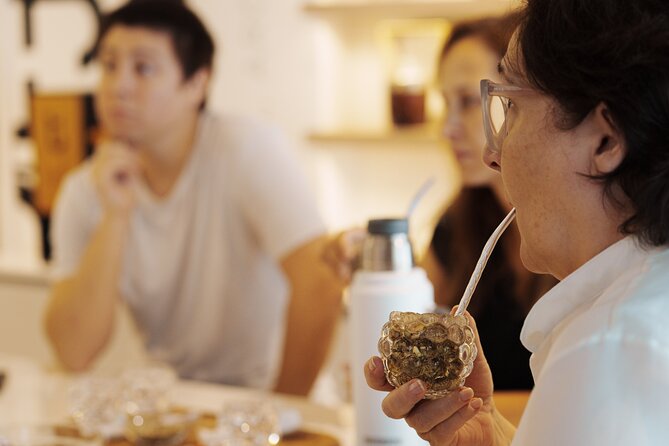
The tasting portion introduces the flavor side of mate. You may try a traditional plain yerba along with flavored or infused versions. Past examples include coffee and citric ginger, and the shop offers organic and premium blends.
This is a good arrangement for beginners. Plain mate can taste strong or unfamiliar, while flavored blends give you an easier first step. At the same time, you should not assume the flavored option is automatically better. One coffee-loving participant preferred the plain mate, while citric ginger appealed more to another person.
That contrast is useful. Mate is not one fixed flavor, and your first reaction may depend on the blend, the preparation, and how you normally drink hot beverages. If you dislike one sample, do not write off the whole category.
The class also covers how to assess quality and freshness. That advice can help if you want to buy yerba during your time in Argentina. Instead of choosing a package only because of its design, you gain a few points to consider when comparing ordinary, organic, flavored, and premium options.
The tasting is not unlimited. The amount depends on the session, and at least one participant felt that two flavors did not match the price. I would book this for cultural understanding first and tasting variety second.
Argentine pastries complete the experience
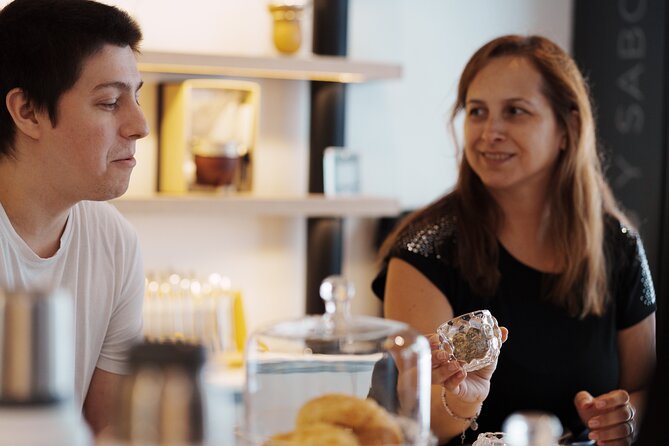
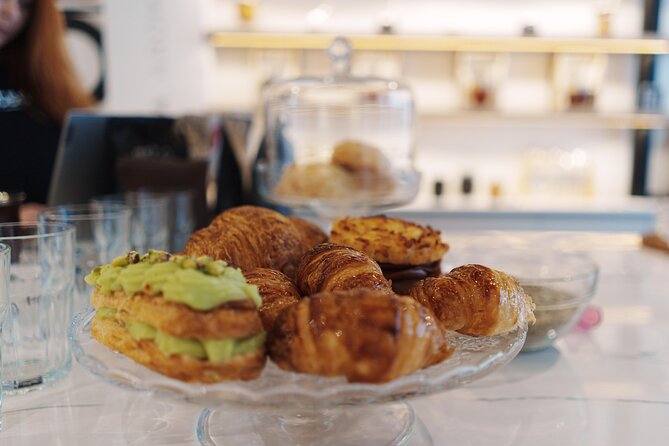
Traditional Argentine pastries are served with the mate. This small food pairing adds a welcome local touch and makes the session feel more like a social break than a technical class.
Pastries also help you understand how mate fits into everyday life. The drink is often shared slowly, with something sweet or savory nearby. The food gives you time to notice how the infusion works alongside familiar Argentine flavors.
Do not expect a full meal. The information describes pastries and small accompaniments, not lunch or dinner. If you arrive hungry, eat beforehand and treat the food here as part of the tasting.
For families and couples, the pastries make the class more relaxed. For solo participants, they provide an easy part of the experience to enjoy while asking questions or comparing impressions. The combination of drink, food, and conversation is one of the class’s strongest features.
The teaching style and private format
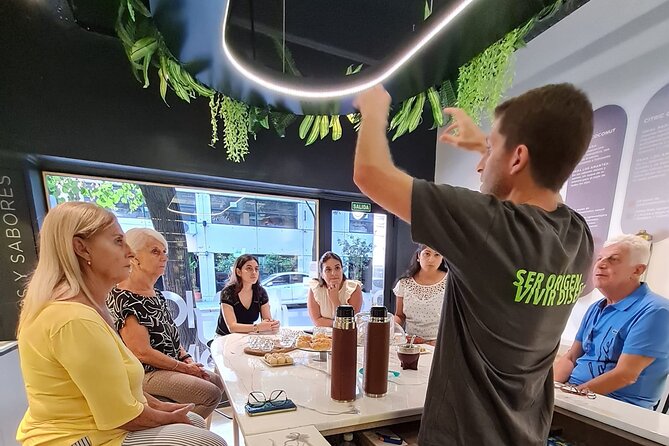
This is a private activity, so only your own group takes part. That can make a big difference in a one-hour session. You can ask basic questions without worrying about holding up a large crowd, and the guide can adjust the explanation to your level.
A private class also works well when one person already knows about mate and another person knows nothing. The more experienced person can explore blends and quality, while the beginner gets a clear introduction to preparation and etiquette.
The teaching quality appears to depend heavily on the individual guide. Martina and Michaela have both been praised for warmth, patience, and clear explanations. One guide was especially patient when a group arrived late and responded quickly to messages.
But the experience is not perfectly uniform. One participant found the instructor insufficiently enthusiastic and said explanations had to be pulled out through repeated questions. That is the main reason I would keep expectations sensible. You are paying for a private introduction, not a guaranteed masterclass from a professional historian or tea sommelier.
The positive pattern is strong, though. The experience carries a 4.8 rating from 24 reviews, and 96 percent of people recommend it. The praise focuses on the parts that matter most here: friendly instruction, useful cultural context, and a fun way to try something difficult to access elsewhere.
Is $55 a fair price for one hour?
At $55 per person, this is not a cheap beverage tasting. You are paying for a private class, instruction, pastries, access to several mate styles, and the chance to ask questions in a dedicated shop.
The price makes better sense if mate is high on your Argentina wish list. Since it can be hard to try mate properly without a local invitation, this class solves a real problem. You get the social rules and preparation method in one sitting, rather than spending days searching for a café that may not serve it.
The value is weaker if you mainly want a large tasting. The session lasts about an hour, and some participants tried only two flavors. You may find the price high if you expect a full meal, numerous samples, or a longer workshop.
I would compare it with the cost of buying a mate, bombilla, and several yerbas without knowing how to use them. The class can save you from buying the wrong equipment or preparing the drink badly. It also gives you cultural context that a shop purchase alone cannot provide.
For a one-time visitor, the convenience and private format are the main reasons to pay the premium. For someone on a tight budget, reading about mate and trying to accept an invitation from an Argentine acquaintance may be better value, if that opportunity exists.
Who will enjoy this Buenos Aires activity?
This experience suits you best if you have never tried mate or have only tasted it without understanding the ritual. It is also a good fit if you want an activity that feels distinctly Argentine rather than another standard city attraction.
Solo visitors should find the private format comfortable, especially if you want to ask plenty of questions. Couples and friends can compare the plain and flavored blends, while families can enjoy the pastries and short duration.
The class is also useful for anyone who wants to take mate home. You can learn how to prepare it, understand the difference between blends, and browse the shop’s yerbas and mate items afterward.
You may want to skip it if you already prepare mate confidently or if you expect a long, highly detailed seminar. The one-hour format keeps the experience accessible, but it limits how much history, tasting, and practice can fit into the schedule.
The activity is near public transportation, and service animals are allowed. Confirmation arrives at booking. If your schedule changes, you can cancel for a full refund up to 24 hours before the local start time. Changes or cancellations inside that window are not refunded, and the class requires a minimum number of participants.
My verdict: book it for culture, not quantity
I would book the Buenos Aires mate masterclass if you want to understand why this drink matters and learn how to join the ritual without guessing. The best parts are the preparation demonstration, social etiquette, Argentine pastries, and the chance to taste plain and flavored yerbas in a dedicated shop.
I would hesitate only if $55 feels high for a one-hour activity or if your main goal is sampling many blends. Go in expecting a friendly cultural lesson with a modest tasting, not an all-day food experience.
If mate is one of those Argentine customs you keep hearing about but cannot access on your own, this is a practical way in. You may leave with a new morning ritual, a favorite yerba, and enough confidence to accept the next mate passed your way.
FAQ
Where does the mate masterclass take place?
The class begins and ends at Matea Aromas y Sabores, located at Ayacucho 1538, C1112AAB, Buenos Aires.
How long does the experience last?
The masterclass lasts approximately one hour.
What is included in the experience?
The class covers the history and culture of mate, preparation methods, sharing etiquette, yerba blends, and tasting. Traditional Argentine pastries are also served.
Can I try different mate flavors?
Yes. The experience includes tastings of mate, and past sessions have included plain and flavored yerbas. Examples include coffee and citric ginger.
Is this a private tour?
Yes. Only your group participates in the activity.
Is the location near public transportation?
Yes. The meeting point is near public transportation.
Are service animals allowed?
Yes. Service animals are allowed.
Can I cancel for a full refund?
Yes. You can cancel at least 24 hours before the experience starts for a full refund. Cancellations or changes made less than 24 hours before the start time are not refunded or accepted.
Recently added around Buenos Aires
- Photo Session in Buenos Aires★ 5.0 · 26 reviews
- Your Personal Photographer in Buenos Aires★ 5.0 · 24 reviews
- Discover Buenos Aires’ independent art scene — Ticket included★ 5.0 · 30 reviews
- Your Private Photographer in Buenos Aires★ 5.0 · 4 reviews
- Yerba Mate Workshop – Learn to Drink Mate like a Local!★ 5.0 · 11 reviews
- Taste of Tradition: Yerba Mate & Alfajores Experience★ 4.0 · 5 reviews
- Wine tasting in OASIS Palermo★ 5.0 · 2 reviews
- Day Tour Classic★ 3.5 · 35 reviews
Buenos Aires Tours, compared.
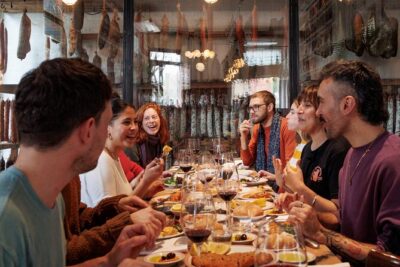
Local Foodie Adventure in Buenos Aires with Sherpa Food Tours
Read our review →
Buenos Aires City Private Tour with Local Guide
Read our review →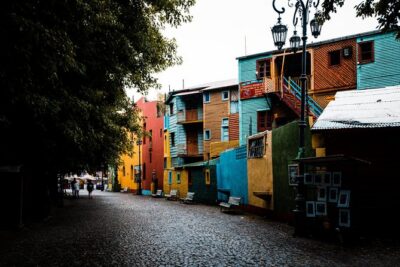

Buenos Aires Hop-On Hop-Off Bus, Free Walking Tours & Discounts
Read our review →