Reviewed · BUENOS AIRES TOURS
Buenos Aires: Chacarita, The Largest Cemetery In Argentina
History waits among the tombs. This three-hour walking tour through Chacarita Cemetery brings you to the final resting places of Carlos Gardel, Gustavo Cerati, Gilda, Osvaldo Pugliese, Alfonsina Storni, and other major Argentine figures. I like the way it connects tango, cinema, poetry, popular music, sport, and national memory in one place. I also like the small group, limited to six people, since that gives you a better chance to ask questions and keep pace with your guide.
The main consideration is simple: this is a walking tour over cemetery grounds, and it is not suitable for wheelchair users or people with mobility impairments. The tour is conducted in Spanish, so you will get the most from it if you understand Spanish or are comfortable learning through a slower explanation. Guide Miguel has earned particular praise for his patience, clear speaking, and personal interest in Buenos Aires.
In This Review
- What makes this cemetery tour worth your time
- Entering Chacarita, Argentina’s largest cemetery
- Carlos Gardel and the sound of tango
- From Jorge Newbery to María Salomé Loredo de Subiza
- Gustavo Cerati and Argentina’s modern music
- Gilda, Pugliese, and other Argentine personalities
- The Chacarita chapel and Panteón VI
- Commonwealth War Graves Buenos Aires
- The German Cemetery and its distinct style
- Elcano Park and the final stretch
- What the $20 price delivers
- How to prepare for the cemetery walk
- Who should book the Chacarita Cemetery tour?
- FAQ
- Where does the tour meet?
- How long does the experience last?
- What language is the tour in?
- How large is the group?
- How much does the tour cost?
- Is the tour suitable for wheelchair users?
- What should I bring?
- Should you book it?
What makes this cemetery tour worth your time
- Carlos Gardel’s mausoleum: Pay respects to the quintessential tango singer, one of Argentina’s most recognizable cultural figures.
- Gustavo Cerati’s tomb: Connect Argentina’s tango tradition with its modern rock scene at the resting place of the Soda Stereo frontman.
- A broad view of Argentine culture: The route includes actors, poets, composers, singers, athletes, and public figures, not only political names.
- Two distinct cemetery traditions: The German Cemetery and the Commonwealth War Graves site add religious, national, and architectural variety.
- A small Spanish-speaking group: With no more than six participants, the pace can feel personal, and Miguel is noted for answering questions patiently.
- Useful preparation: Bring comfortable shoes, water, a hat, and sunscreen. A ten-minute restroom pause is included during the three-hour walk.
Entering Chacarita, Argentina’s largest cemetery
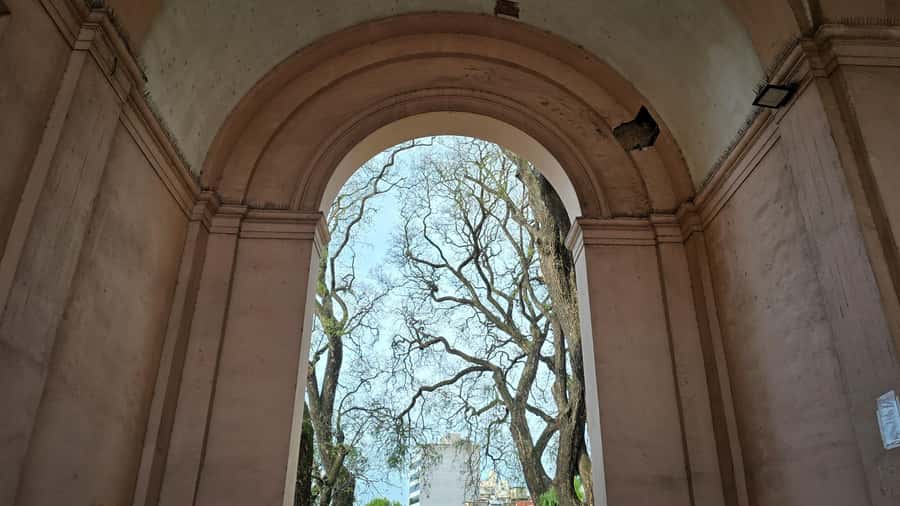
The tour begins at the main door of Chacarita Cemetery. That meeting point is easy to understand, but you should arrive ready to walk rather than expecting a quick series of roadside stops. The cemetery is described as the largest in Argentina, and its scale helps explain why a guide is useful.
Chacarita is not presented only as a place of mourning. Its mausoleums, chapels, memorials, sculpture, and changing architectural styles make it a record of Argentine society. A guided visit helps you read those details while also putting names and stories to the people buried there.
The opening stop includes a short introduction and photo opportunity. From there, you move between important mausoleums and sections of the cemetery. The listed visits range from about ten to thirty minutes, with time also needed to walk from one place to the next.
You should wear shoes that can handle several hours on foot. The route is not suitable for wheelchair users or people with mobility difficulties, so consider that before booking. A hat, sunscreen, and water are sensible choices, especially because the experience takes place outdoors.
A few more Buenos Aires trips worth putting side by side
- Local Foodie Adventure in Buenos Aires with Sherpa Food Tours
★ 5.0 · 6,875 reviews - Buenos Aires City Private Tour with Local Guide
★ 5.0 · 3,475 reviews - Buenos Aires Small-Group City Tour
★ 5.0 · 2,226 reviews
Carlos Gardel and the sound of tango
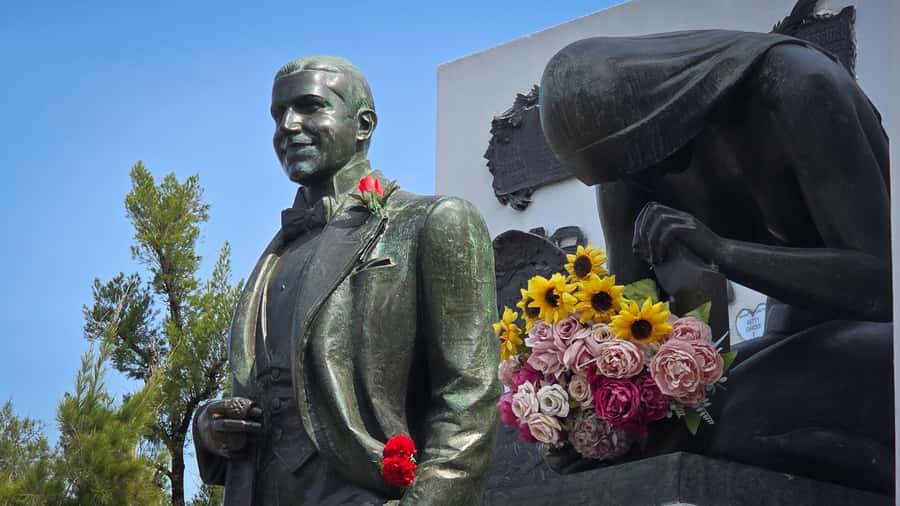
The visit to the Mausoleum of Carlos Gardel is one of the tour’s main draws. Gardel is described as the quintessential voice of tango, and his tomb gives the music a physical point of reference.
If you know tango mainly as a dance performed in Buenos Aires restaurants, this stop adds another layer. Gardel represents the voice and personality of the genre, not just its familiar steps and bandoneón sound. Your guide can place him within the wider story of Argentine culture and explain why his memory remains so strong.
The stop lasts about ten minutes, enough for a guided explanation and photographs without turning the visit into a long pause. I appreciate this focused approach. A cemetery tour can lose its rhythm if every location receives the same amount of time, but here the schedule gives major figures their due while keeping the walk moving.
From Jorge Newbery to María Salomé Loredo de Subiza
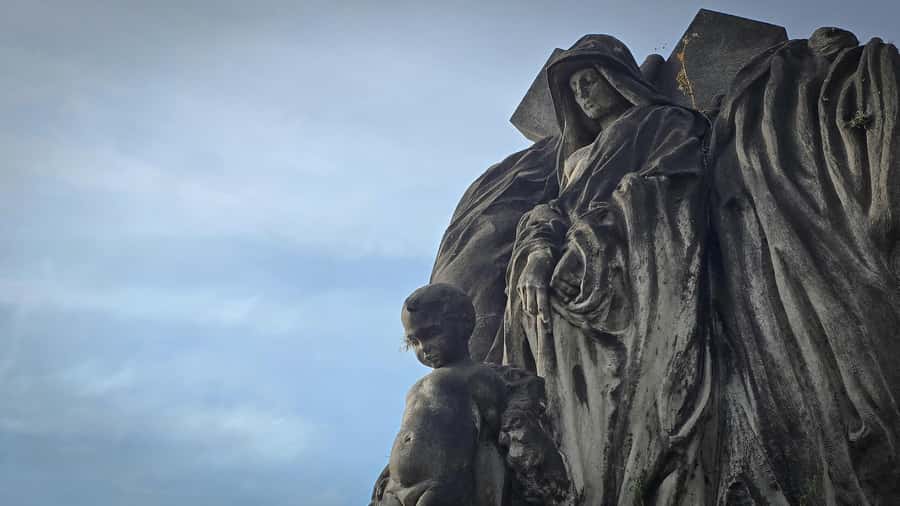
The route continues to the Mausoleum of Jorge Newbery, followed by the mausoleum of María Salomé Loredo de Subiza. These stops broaden the tour beyond the best-known entertainment names.
The supplied details do not specify the full stories attached to these two mausoleums, so you should treat them as places where the guide’s explanation matters most. Rather than passing by them as decorative structures, you can ask Miguel to explain who these people were and why their resting places are included.
That is one benefit of a group capped at six. You are not competing with a large crowd to hear the answer, and the guide has room to adjust the explanation to the group’s questions. Miguel is repeatedly praised for his patience and personal attention, including by a Spanish learner who found his slower speaking helpful.
Gustavo Cerati and Argentina’s modern music
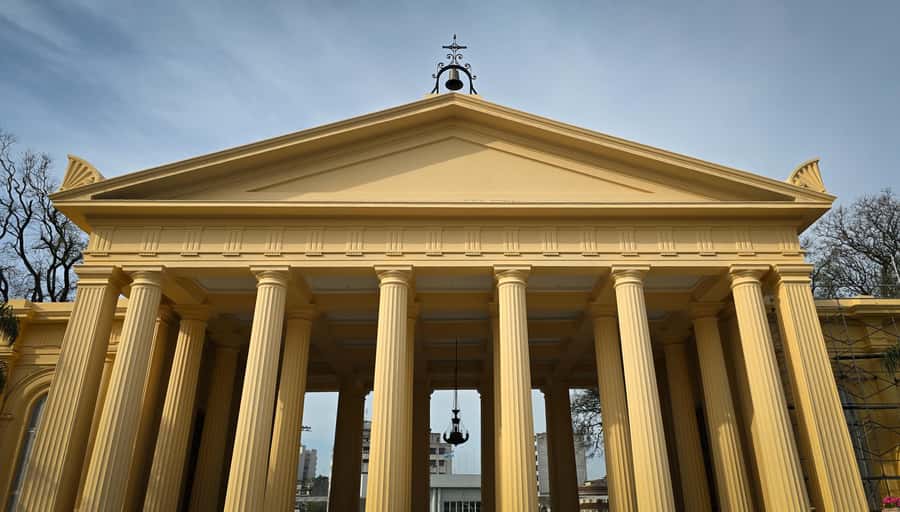
The Mausoleum of Gustavo Cerati brings the tour into the modern era. Cerati was a major figure in Argentine rock, and his inclusion beside Gardel and Osvaldo Pugliese shows how the country’s musical memory crosses generations.
This is a particularly useful stop if you already know Cerati or Soda Stereo. It also gives the route a wider appeal for younger visitors who may not connect as quickly with early tango figures. You are not being asked to choose between old and new Buenos Aires. The tour places both in the same cultural conversation.
The visit is scheduled for about fifteen minutes. That extra time makes sense because Cerati’s importance may call for more context than a quick photo stop. The tour’s focus is not limited to grand architecture. It also asks you to think about how musicians continue to shape a city after their deaths.
Still Argentina, but a completely different sort of afternoon:
- Buenos Aires Hop-On Hop-Off Bus, Free Walking Tours & Discounts
★ 4.5 · 2,218 reviews - Buenos Aires: Piazzolla Tango Show with Optional Dinner
★ 4.4 · 2,122 reviews - Buenos Aires: City Highlights Guided Tour with Transfer
★ 4.7 · 1,946 reviews - Buenos Aires: Hop-On Hop-Off City Bus Tour
★ 4.2 · 1,855 reviews
Gilda, Pugliese, and other Argentine personalities
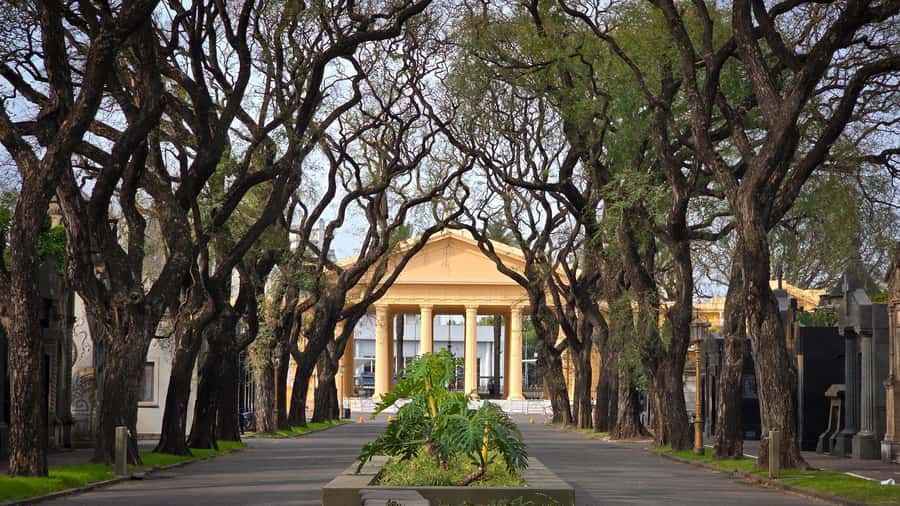
The stop at Gilda’s tomb continues the look at popular music. Gilda is a major name in Argentine popular culture, and her place on the route helps show that public memory is not reserved for composers, opera figures, or official national heroes.
The tour also pays tribute to Osvaldo Pugliese, one of Argentina’s prominent tango composers and orchestra directors. His inclusion gives you a chance to consider tango as a musical tradition built by composers and bandleaders as well as singers.
Luis Sandrini is another important name connected with the route. He was a legendary actor who entertained generations of Argentines, with a career tied to both comedy and emotional performance. Alfonsina Storni adds a literary and poetic voice. Her story is described through the language of love and sacrifice, giving the cemetery a more personal and tragic tone.
You may also encounter the final resting places of musicians, athletes, and other public figures. The route is strongest when you treat it as a cross-section of Argentine identity. One section recalls tango, another popular music, another film, another poetry. The result is less like a list of famous graves and more like a guided lesson in who Argentina remembers.
The Chacarita chapel and Panteón VI
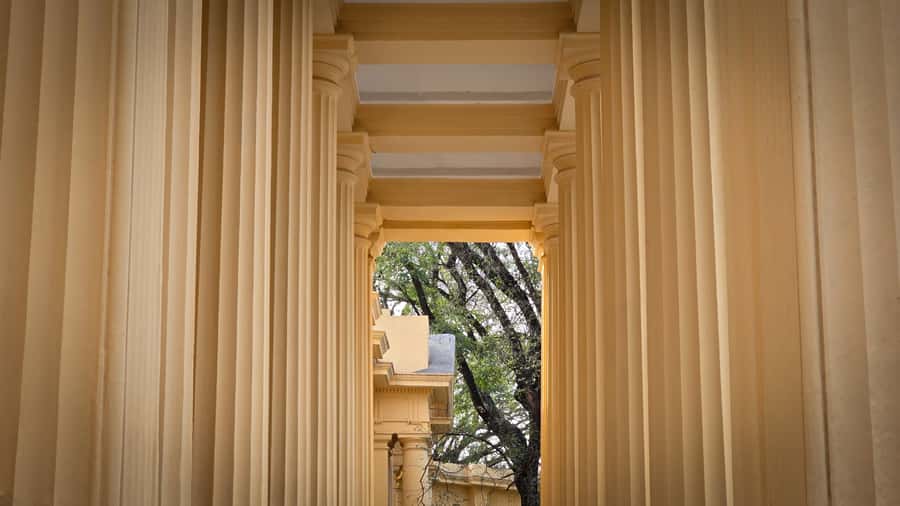
The Chapel of Chacarita Cemetery is one of the architectural stops. Here, the focus shifts from an individual grave to a religious building within the cemetery itself.
The chapel offers a useful change of scale. Mausoleums can feel intensely personal, while a chapel reflects the shared ceremonies and beliefs connected with the cemetery. The guided visit lasts about ten minutes, giving you time to look at the structure and hear how it fits into the wider site.
Panteón VI receives the longest listed visit, around thirty minutes. That length suggests a more substantial stop, and it is likely to be one of the tour’s key architectural or historical sections. The exact details of what you will see there are not specified, so you should ask the guide what makes this pantheon important.
This is also where the tour’s pace may feel less hurried. If you prefer grand memorial spaces and architectural details to celebrity graves, Panteón VI could be one of the most rewarding parts. If your main goal is only to photograph Gardel or Cerati, the longer stop may feel less essential, but it gives the experience more depth.
Commonwealth War Graves Buenos Aires
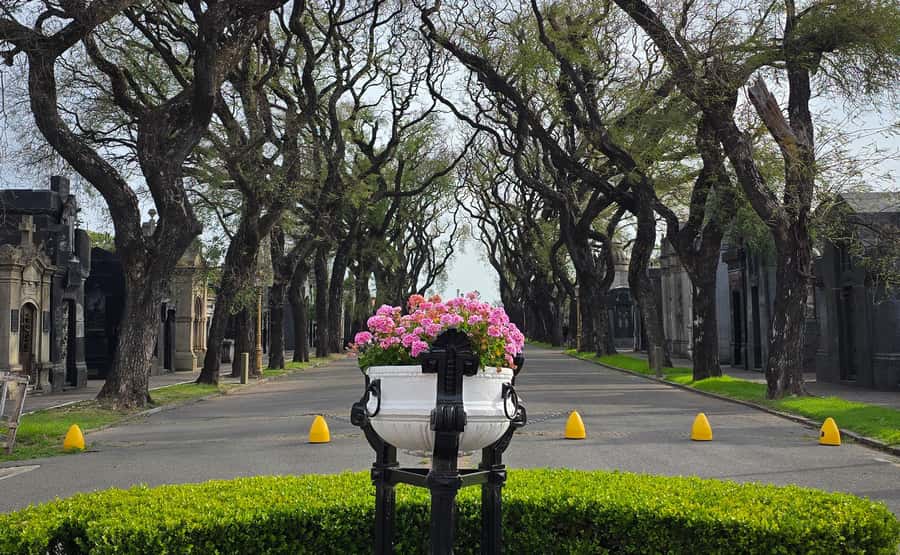
The route then moves to the Commonwealth War Graves site in Buenos Aires. This stop introduces a different national and military tradition within the broader cemetery visit.
The name indicates a connection with Commonwealth war graves, and the scheduled visit lasts about fifteen minutes. The guide can help explain the site’s purpose and the people commemorated there. It is a useful reminder that Buenos Aires contains memorials tied not only to Argentine cultural life but also to international communities and conflicts.
This section also changes the tone. The earlier stops center on singers, actors, poets, and public figures whose work shaped popular memory. Commonwealth graves bring attention to service, remembrance, and formal commemoration. That contrast makes the overall route more varied.
The German Cemetery and its distinct style
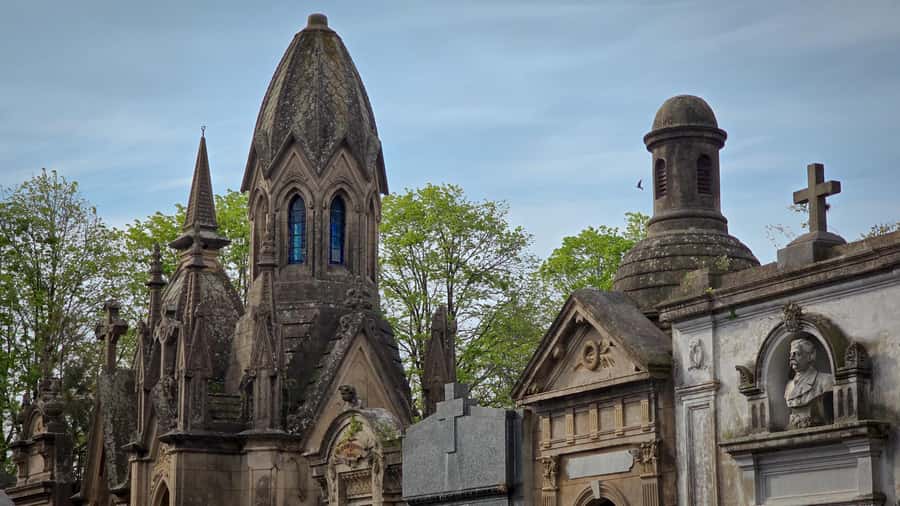
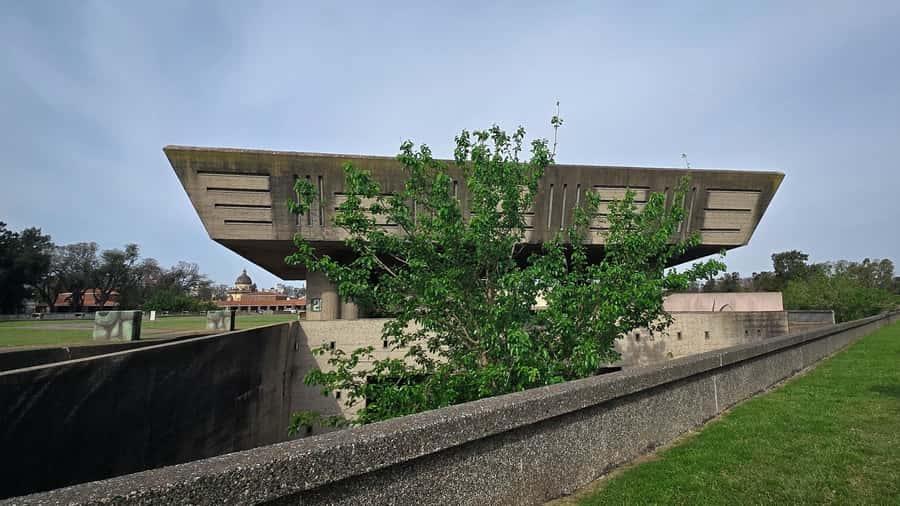
The German Cemetery is a separate highlight. The tour includes its distinctive style, religious temples, national historical monuments, and notable people buried there.
You should expect this part to feel different from the main Chacarita route. Even without inventing details about individual structures, the stated emphasis on temples and national monuments tells you where to look: religious design, memorial form, and the way a community preserves its identity.
The visit lasts about fifteen minutes and includes sightseeing as well as a guided explanation. I like this addition because it keeps the experience from becoming a single-theme tour about Argentine celebrities. You get a look at how different communities have marked death, faith, and belonging in Buenos Aires.
The German Cemetery is especially worthwhile for anyone interested in architecture or the city’s international character. It also gives you a reason to book the full tour rather than visiting only the famous graves inside Chacarita.
Elcano Park and the final stretch
Elcano Park appears near the end of the route, with about ten minutes set aside for a visit and sightseeing. The itinerary does not give further details about the park, so you should expect a short guided look rather than a separate park excursion.
Its inclusion may provide a change of surroundings after several hours among mausoleums and memorials. It also gives the guide a final place to connect the cemetery areas with the surrounding city.
Because the full experience lasts three hours, you should not plan a tightly timed activity immediately afterward. The schedule includes a ten-minute pause for restroom use, but the route also requires walking between stops. Start times vary, so check availability when choosing a date.
What the $20 price delivers
At $20 per person, the tour offers good value if you want context rather than simply directions to a few famous graves. You are paying for three hours of a guided route, access to several sections, explanations in Spanish, and a small group limited to six people.
A self-guided visit could cost less, but it would leave you to identify the mausoleums and understand their place in Argentine culture. Gardel and Cerati are easy names to recognize, yet the route also includes people such as Sandrini, Pugliese, Storni, Newbery, and Gilda. Without a guide, those connections may be easy to miss.
The strongest value comes from Miguel’s reported approach. He is praised for his personal attention, patience, enthusiasm for Buenos Aires, and ability to answer questions. One participant also found him willing to speak Spanish slowly for language practice. That is a real advantage if you are learning Spanish and want a cultural activity where the guide can adapt to your level.
The tour is less useful if you want an English-language explanation. The stated guide language is Spanish, and no English service is promised. You should also think about the physical demands. This is not a seated history talk, and the cemetery’s size means you will spend much of the three hours walking and standing.
How to prepare for the cemetery walk
Bring comfortable shoes, a hat, sunscreen, and water. Those items are listed for good reason, since you will be outdoors and moving between several stops.
The small group format should make it easier to hear the guide and ask questions, but it does not remove the need for a steady pace. People with mobility impairments or wheelchair users should not book this experience because it is specifically listed as unsuitable.
The tour is conducted in Spanish. You do not need to be a specialist in Argentine history, but a basic ability to follow spoken Spanish will make the stories much easier to enjoy. If you are learning, ask Miguel to speak slowly. His patience has been singled out as one of his best qualities.
You can cancel up to 24 hours before the tour for a full refund, and the booking option allows you to reserve now and pay later. Those policies help if your Buenos Aires schedule is still changing, though the practical details of timing and availability should be checked before you commit.
Who should book the Chacarita Cemetery tour?
I would recommend this experience to you if you want a cultural tour that goes beyond the usual Buenos Aires sights. It suits music fans, readers interested in Argentine poetry, film followers, architecture enthusiasts, and anyone curious about how a city remembers its public figures.
It is also a good choice if you prefer small groups and direct conversation. Miguel’s patient style appears especially helpful for Spanish learners, and the six-person limit gives the tour a more personal feel than a large walking group.
You should skip it if you dislike cemetery visits, need step-free access, or want an English-language tour. You may also prefer another activity if you have only a short time in Buenos Aires and want a broad city overview rather than a focused look at one large cemetery complex.
FAQ
Where does the tour meet?
The meeting point is at the main door to Chacarita Cemetery.
How long does the experience last?
The guided walking tour lasts three hours and includes a ten-minute pause for restroom use.
What language is the tour in?
The live tour guide conducts the experience in Spanish.
How large is the group?
The group is limited to six participants.
How much does the tour cost?
The price is $20 per person.
Is the tour suitable for wheelchair users?
No. The experience is listed as unsuitable for wheelchair users and people with mobility impairments.
What should I bring?
Bring comfortable shoes, a hat, sunscreen, and water.
Should you book it?
Book this tour if you want to understand Buenos Aires through the people it remembers. The mix of Gardel, Cerati, Gilda, Pugliese, Sandrini, Storni, the Chacarita chapel, Panteón VI, and the German and Commonwealth cemetery sections gives you far more than a short celebrity-grave visit.
At $20, the small group and three-hour Spanish-language guidance make it a sensible buy, especially if you value stories and context. Just arrive prepared for a long walk, bring water and sun protection, and choose it only if Spanish and cemetery settings suit your travel style.
Recently added around Buenos Aires
- Photo Session in Buenos Aires★ 5.0 · 26 reviews
- Your Personal Photographer in Buenos Aires★ 5.0 · 24 reviews
- Discover Buenos Aires’ independent art scene — Ticket included★ 5.0 · 30 reviews
- Your Private Photographer in Buenos Aires★ 5.0 · 4 reviews
- Yerba Mate Workshop – Learn to Drink Mate like a Local!★ 5.0 · 11 reviews
- Taste of Tradition: Yerba Mate & Alfajores Experience★ 4.0 · 5 reviews
- Day Tour Classic★ 3.5 · 35 reviews
- Wine tasting in OASIS Palermo★ 5.0 · 2 reviews
Buenos Aires Tours, compared.
Local Foodie Adventure in Buenos Aires with Sherpa Food Tours
Read our review →
Buenos Aires City Private Tour with Local Guide
Read our review →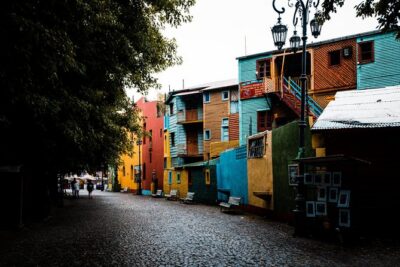
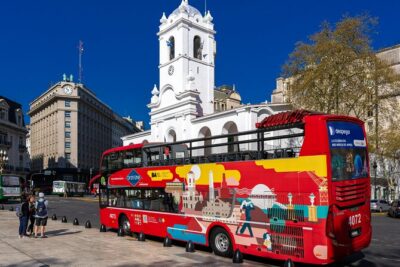
Buenos Aires Hop-On Hop-Off Bus, Free Walking Tours & Discounts
Read our review →