
Reviewed · WALKING TOURS
Alberdi Neighborhood: Revolutionary Identities Walking Tour
Look beyond Córdoba’s usual postcard stops. This two-hour walk through Alberdi connects local activism with the neighborhood’s role in the Cordobazo and University Reform, then ends beside the river with criollitos and mate. I like the way it links public events to everyday places, and I like the small group limit of six, which should give you more room to ask questions.
The main consideration is that the tour is partly an outdoor history lesson, not a standard sightseeing loop. Access inside the stadium, museum, and hospital depends on opening times, so you may see some buildings from outside. The walk is mostly flat, but you still need comfortable shoes, water, and sun protection.
In This Review
- Why This Walk Through Alberdi Matters
- A Neighborhood Where Politics Lives on the Street
- Starting at San Jerónimo Cemetery
- Julio César Villagra Stadium and Alberdi’s Soccer Identity
- The University Reform Museum and Student Activism
- National Clínicas Hospital, a Historic Building
- The Cordobazo and a Broader Argentine Story
- Ending by the Costanera with Criollitos and Mate
- Is Two Hours Enough for the Route?
- What You Get for $18
- Who Will Enjoy Alberdi’s Revolutionary Identities Walk?
- Should You Book This Alberdi Tour?
- FAQ
- Where does the tour meet?
- How long does the walking tour last?
- What language is the tour offered in?
- How large is the group?
- Is the route difficult?
- Does the tour enter the stadium, museum, and hospital?
- What food and drink are included?
- What should I bring?
- What happens if it rains?
Why This Walk Through Alberdi Matters
- San Jerónimo Cemetery begins the story with real people: You visit the graves of three leaders connected to Córdoba’s revolutionary identity.
- The Cordobazo and University Reform get local context: The tour shows how Alberdi’s residents helped shape events that reached far beyond the neighborhood.
- Soccer is treated as part of community identity: Julio César Villagra Stadium offers a look at the passion surrounding one of Alberdi’s key institutions.
- The route leaves the standard tourist path: You see a part of Córdoba that ordinary city tours often skip.
- The ending is social, not ceremonial: A picnic by the Costanera includes criollitos and a lesson in preparing mate.
- A group of six keeps the conversation focused: The small format suits anyone who prefers questions and discussion over a large crowd.
A Neighborhood Where Politics Lives on the Street
Alberdi is useful for understanding Córdoba because its story is not kept in one grand monument. It is spread through a cemetery, a soccer stadium, a museum, a hospital, and the riverfront. Each stop adds a different piece to the neighborhood’s identity.
The tour focuses on activism and the role of local residents in two major moments: the University Reform and the Cordobazo. You do not simply hear dates and names. You are asked to connect those events with the institutions and communities around you.
That approach gives the walk its main strength. Córdoba’s political past can feel abstract when it is presented only as a list of movements and protests. Alberdi makes it more tangible. You are walking through the places where students, workers, medical professionals, football supporters, and neighborhood residents formed a shared sense of purpose.
I especially like that the tour does not treat the past as finished business. Its stated aim is to connect Alberdi’s earlier struggles with the neighborhood today. That makes the experience more useful for you if you want to understand how Argentine and Latin American activism developed at street level.
The guide speaks Spanish and English. Alba, who led one of the highly praised tours, was noted for explaining lesser-known parts of Córdoba and Argentine history from perspectives that ordinary city tours often miss. That is the kind of guide this route needs: someone who can explain why a place matters without turning every stop into a lecture.
More walking tours in Cordoba:
- La Docta Free Walking Tour “Córdoba La Moderna”.
★ 4.7 · 25 reviews - Buenos Aires Hop-On Hop-Off Bus, Free Walking Tours & Discounts
★ 4.5 · 2,218 reviews - Buenos Aires: La Boca Guided Walking Tour in English
★ 4.8 · 1,587 reviews
Starting at San Jerónimo Cemetery
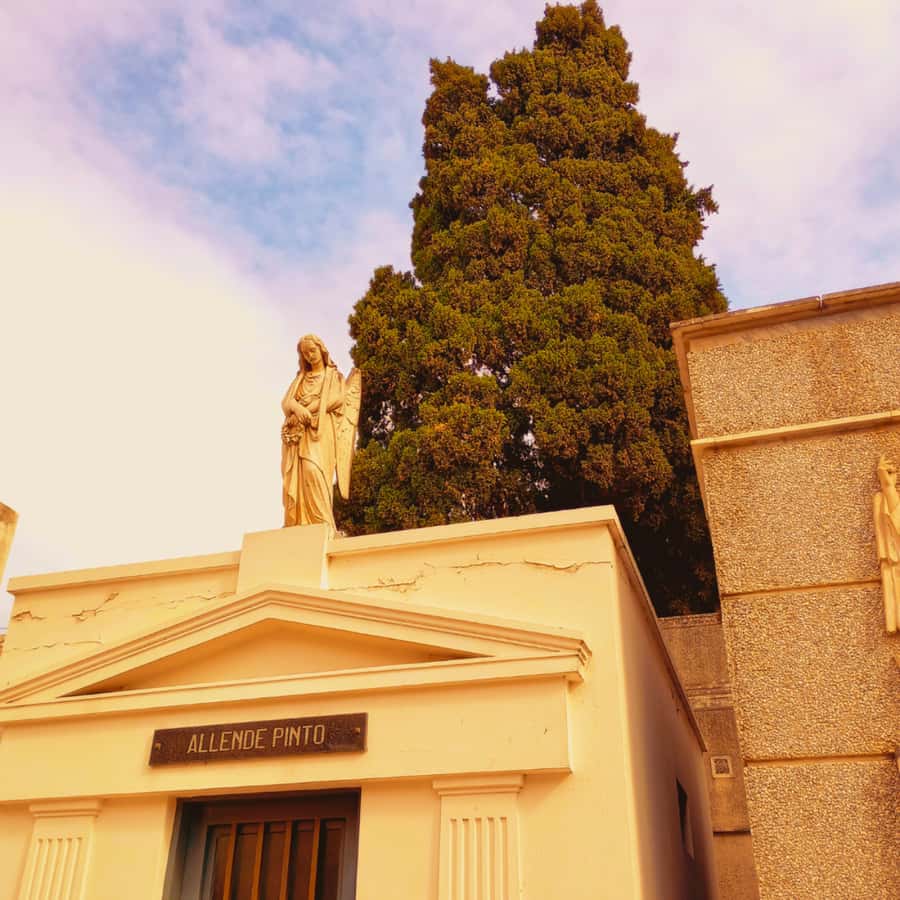
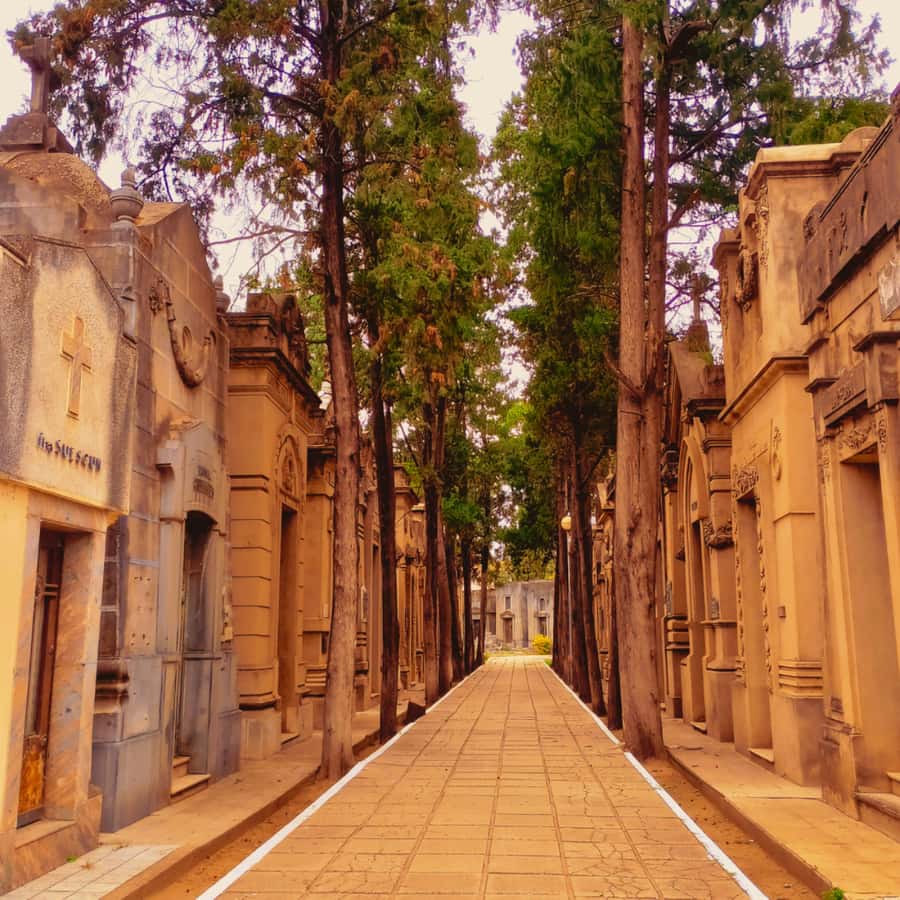
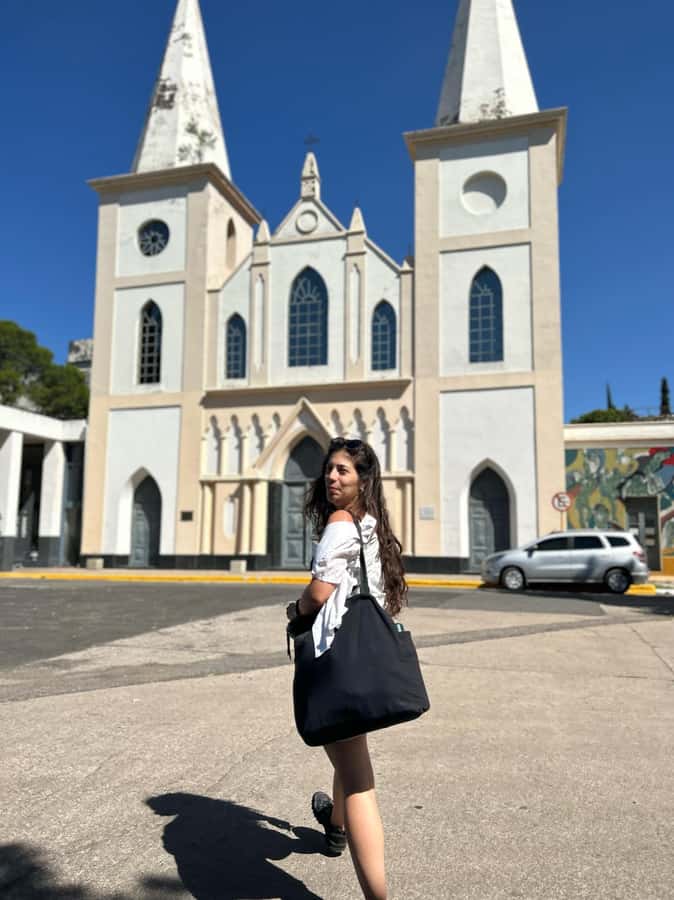
The meeting point is next to the main entrance, at the chapel door of San Jerónimo Cemetery. Pay close attention to that detail. Cemeteries often have several entrances, and meeting at the chapel makes the starting point clear.
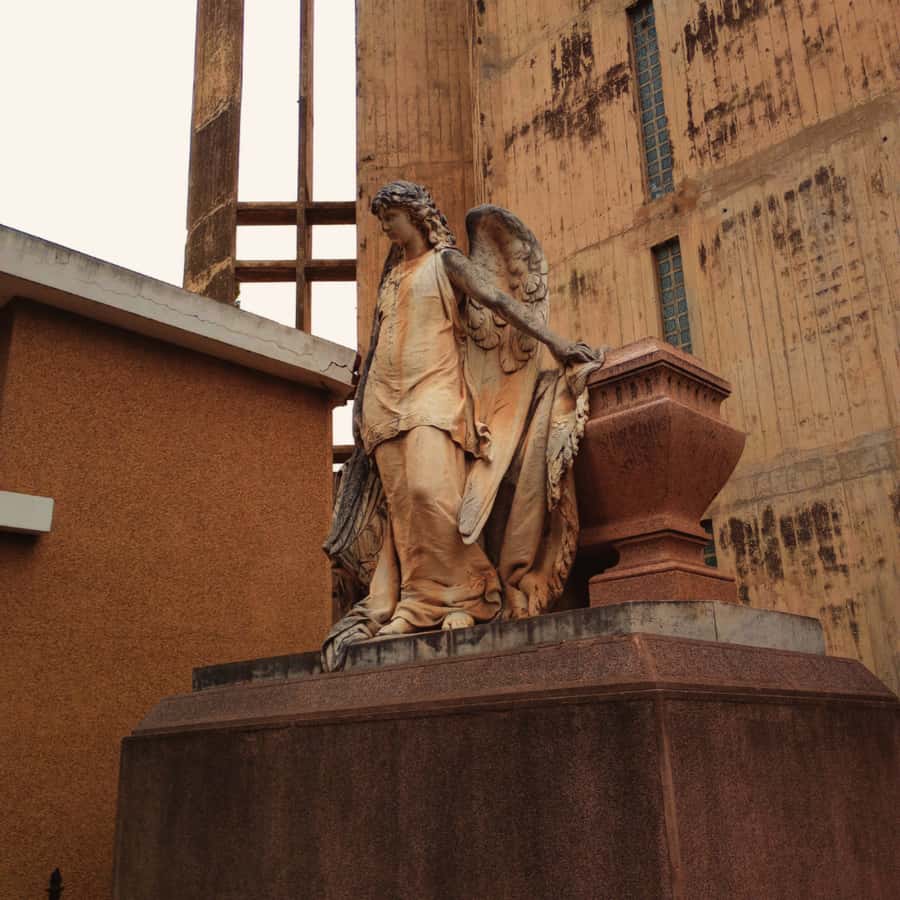
Beginning here sets a serious tone. You visit the graves of three leaders connected with Córdoba’s revolutionary events, giving the tour human scale from the first stop. Instead of beginning with a broad explanation about political change, the guide can start with individuals and the choices they made.
A cemetery visit also changes your pace. You are not rushing between photo stops. You are walking carefully, listening, and considering how public memory is preserved. For anyone interested in social movements, this is a stronger opening than a generic introduction at a plaza.
You should be comfortable walking inside a cemetery. That is an explicit part of the experience, and it may not suit every visitor. The tour is designed around conversation and interpretation, so respectful behavior and attention matter more here than taking quick pictures.
The cemetery is also one reason to choose suitable clothing and shoes. The overall route is mainly flat, but it lasts about two hours and includes several stops. Bring a water bottle, especially on a sunny day.
Julio César Villagra Stadium and Alberdi’s Soccer Identity
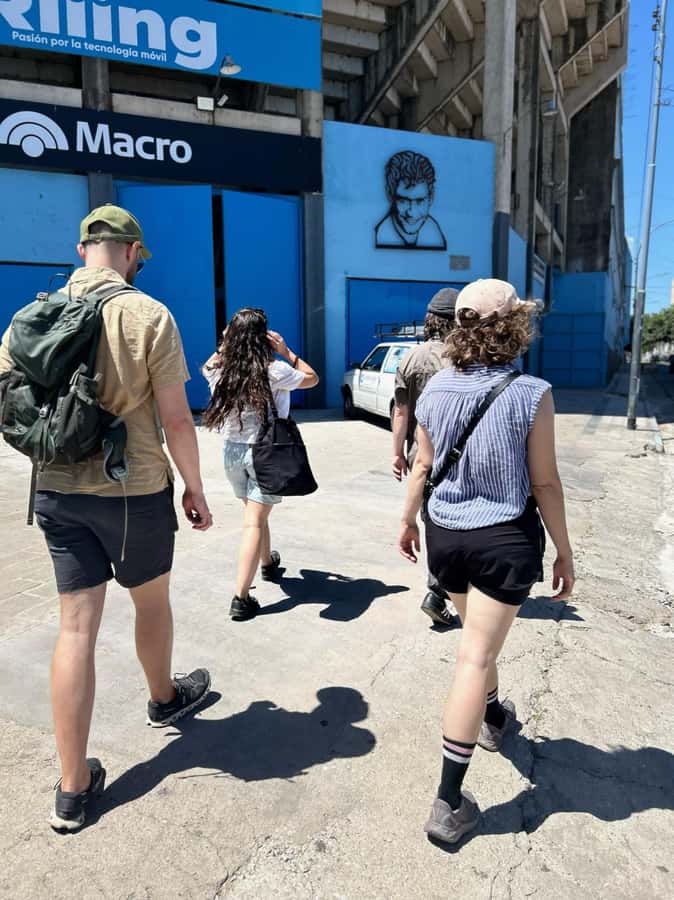
From the cemetery, the walk continues to Julio César Villagra Stadium. Here the tour shifts from graves and political leaders to football, showing how soccer helps give Alberdi its particular identity.
This stop matters because neighborhood identity is not built only through formal institutions. A stadium can act as a meeting place, a source of pride, and a way for residents to describe themselves. The tour uses that passion for soccer to help you see Alberdi as a living community rather than a collection of historic addresses.
The exact experience depends on timing. Entering the stadium is not guaranteed because it is not open every day. If you cannot go inside, you will still stop there to learn about its role, but you should not book this walk expecting a full stadium visit.
That uncertainty is worth keeping in mind. If you care mainly about football architecture or stadium access, this may not be the right tour. If you want to understand how football fits into local identity, the stop remains useful even when viewed from outside.
I like the balance here. The stadium prevents the route from becoming a purely academic history walk. It adds the sound, emotion, and loyalty of present-day Alberdi to a tour that also deals with political struggle.
The University Reform Museum and Student Activism
The next major stop is the University Reform Museum. The University Reform is one of the two central events covered on the walk, so this is where the student side of Córdoba’s political story comes into sharper focus.
The museum gives the guide a place to explain how university activism affected Argentina and Latin America. The value is not only in seeing museum material. It is in understanding how a local struggle over education and university life had effects well outside Córdoba.
Again, opening hours can affect the visit. The museum is not open every day, so you may not be able to enter. That is an important practical limit, especially if you are booking because of the museum itself.
If the doors are open, you can expect the stop to add physical evidence to the guide’s explanation. If they are closed, the route still includes the location and the surrounding story. I would treat the museum as an advantage, not a guarantee.
This stop suits you best if you enjoy social and political history. It may feel less satisfying if you want a tour built around interiors, art displays, or a long list of famous objects. The focus is on ideas, activism, and local impact.
A few more Cordoba trips worth putting side by side
- Wine Tour Privado a Colonia Caroya, Córdoba – Argentina
★ 5.0 · 103 reviews - La Cumbrecita and Villa General Belgrano Full Day Tour
★ 4.5 · 55 reviews - Wine Tour Privado a Calamuchita, Córdoba – Argentina
★ 5.0 · 50 reviews - PRIVATE TOUR: La Cumbrecita & Villa Gral. Belgrano
★ 5.0 · 33 reviews
National Clínicas Hospital, a Historic Building
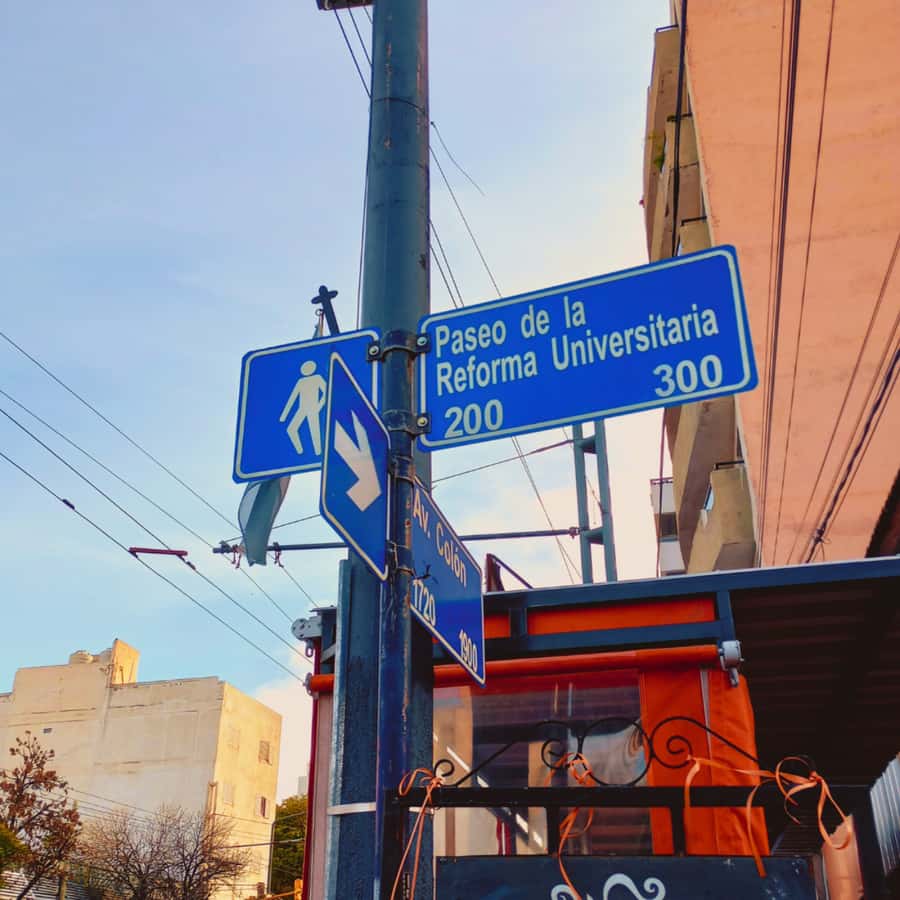
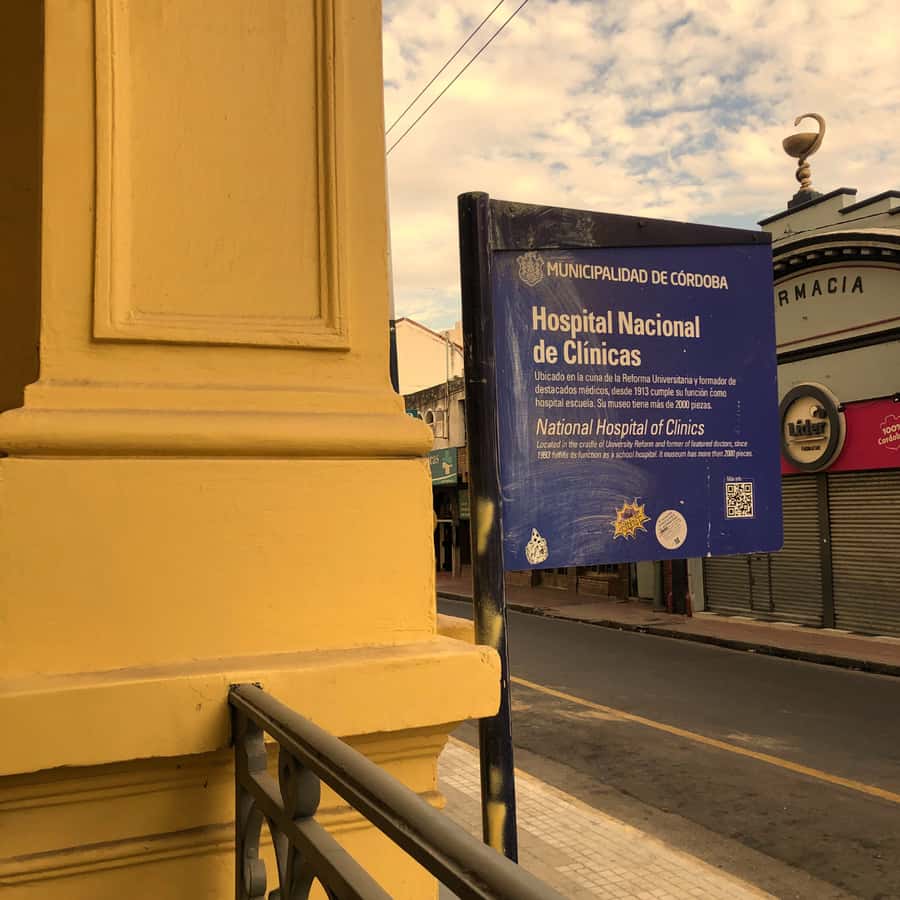
The route then reaches the National Clínicas Hospital, described as a national historic building. Like the museum and stadium, it may not be open for entry at every tour time.
The hospital adds another layer to Alberdi’s story. It shows how a neighborhood can be shaped by public institutions as well as by political groups and sporting organizations. Its presence helps explain why this area became important in Córdoba’s civic life.
You can expect the guide to use the building as a place to discuss the people and institutions tied to the neighborhood. The supplied details do not promise a guided interior visit, so keep your expectations realistic. The building itself and the explanation around it are part of the route; access inside depends on the day and time.
For me, this is one of the route’s most useful features. A hospital is not an obvious sightseeing stop, yet it can reveal how education, medicine, politics, and local identity meet in one part of a city. You get a broader picture of Alberdi than you would from a simple monument-to-monument walk.
The Cordobazo and a Broader Argentine Story
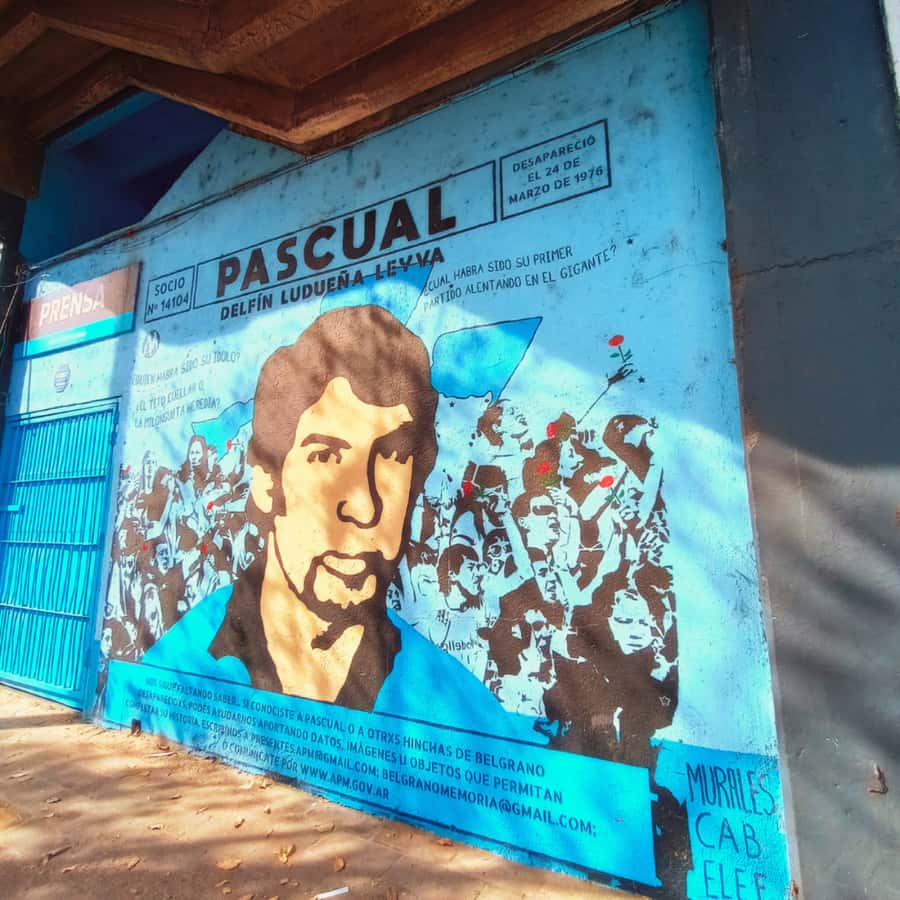
The Cordobazo is the other central event covered on this walk. The tour presents it through Alberdi and its neighbors, rather than treating it as a distant event that happened somewhere else in Córdoba.
That local framing is valuable. Major political events are often remembered through leaders and headlines. This walk asks you to consider the residents and communities whose actions helped create those events. You can better understand why a neighborhood would become important when you see its institutions together.
The tour also places these events within Argentina and Latin America. That wider connection should appeal to you if you want more than a local anecdote. Alberdi becomes a starting point for understanding how activism, education, work, and community organization influenced the region.
At the same time, this is still a two-hour walk. The guide cannot give you a full university course on Argentine politics in that time. Expect a focused introduction with several stops, not an exhaustive account of every cause, date, or personality connected with the Cordobazo and University Reform.
The route is strongest when you listen for connections. Ask yourself how the cemetery, stadium, museum, and hospital relate to one another. The tour’s purpose is not just to show four places. It is to explain how those places helped make Córdoba the city you see today.
Ending by the Costanera with Criollitos and Mate
The walk ends beside the river, at the Costanera, with a picnic. You try a traditional merienda of criollitos and an infusion of mate, and you learn how to prepare the drink.
This is a smart ending. After two hours of political and social history, you get time to sit, eat, and talk. The mate lesson turns a familiar Argentine custom into an activity you can share with the group rather than something you simply watch from a café table.
Criollitos are a traditional pastry, and they make the picnic feel tied to local daily life. The experience is modest, but that is part of its appeal. You are not being promised a large meal or a formal cooking class. You are getting a small taste of how people gather and share a drink.
Mate also provides a natural way to continue the conversation. If the earlier stops raise questions about identity and community, the shared drink gives the group a relaxed setting for those discussions. One strong comment about this tour specifically praised ending with a mate experience done together.
Do not expect the picnic to replace lunch. The included food is pastry, and the included drink is mate. Bring water for the walk, since the picnic is not described as a full refreshment stop.
Is Two Hours Enough for the Route?
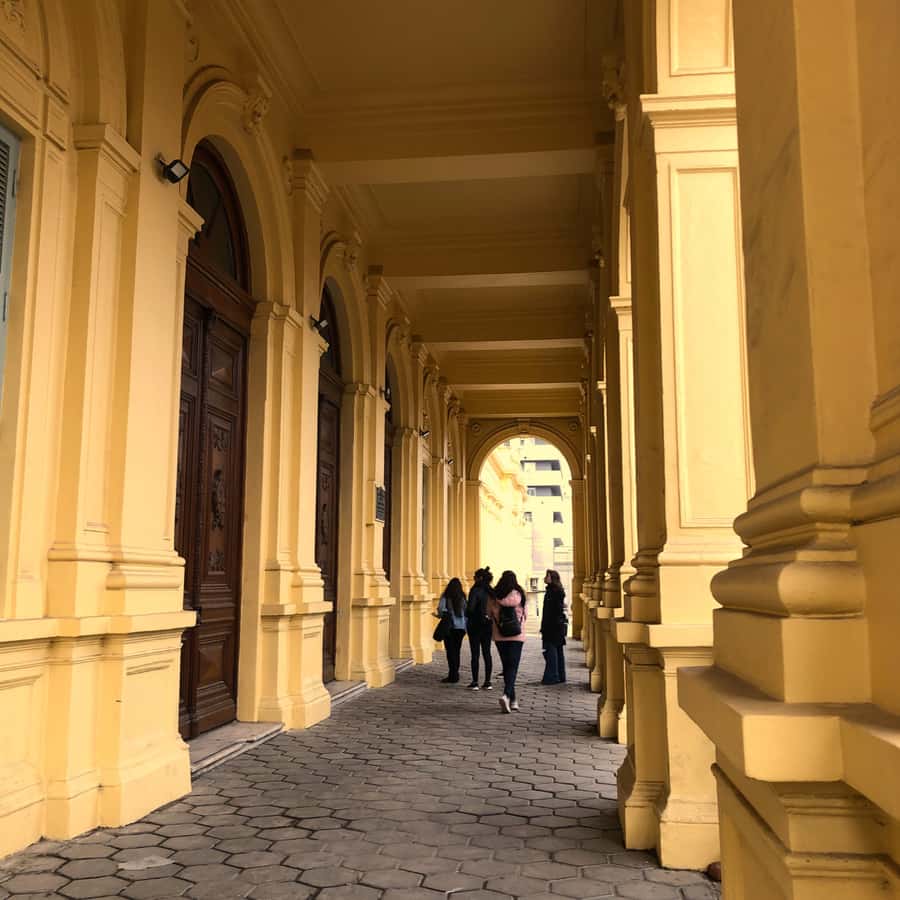
The advertised duration is two hours, including several stops. The route is mainly flat, which makes it manageable for most people who are comfortable walking that length. It is still a walking tour, not a short transfer between sights.
Wear comfortable clothes and shoes. Sunscreen is sensible, and a water bottle is specifically recommended. The route is outdoors for much of the time, so weather affects comfort.
Rain can lead to rescheduling. If the forecast looks uncertain, check the available departure time and remain flexible. This is not an experience that can simply move indoors, since the neighborhood walk is the main event.
The small group size, limited to six participants, is a real benefit. It should make it easier to hear the guide, ask about the Cordobazo or University Reform, and discuss the less familiar parts of Alberdi. A small group also feels better suited to a cemetery and a conversation about political memory than a large procession.
The tour is offered in Spanish and English. That makes it accessible to international visitors, while the subject matter still rewards you if you already know a little about Argentine history or local politics.
What You Get for $18
At $18 per person, the tour offers more than a basic neighborhood stroll. The price includes the guide, the two-hour route, stops at four significant locations, and the final merienda with mate. It also gives you access to a focused local story that is difficult to get from a standard Córdoba city-center tour.
The value depends on what you want. If you prefer famous churches, polished attractions, and guaranteed interior access, you may find the route less satisfying. Several key buildings may be closed, and the main reward comes from the guide’s interpretation.
For me, the strongest value lies in the subject. You are not paying only to walk from one address to another. You are paying for an explanation of how Alberdi’s residents contributed to events that shaped Argentina and Latin America, followed by a local food and drink tradition.
The maximum group size of six also improves the price calculation. A small group can make a history walk more personal and less repetitive. You have a better chance of asking a question about something you see and getting a direct answer.
Free cancellation up to 24 hours before the tour and reserve-now, pay-later booking add useful flexibility. They matter most if your Córdoba plans are still changing, but the weather rule remains important because rain may cause the tour to be rescheduled.
Who Will Enjoy Alberdi’s Revolutionary Identities Walk?
This experience suits you if you want to:
- Understand Córdoba through activism and local communities
- Visit a less tourist-focused neighborhood
- Learn about the Cordobazo and University Reform
- Connect political events with real buildings and people
- Explore with a small group
- Try mate in a relaxed setting
- Hear the story in Spanish or English
It is especially good for travelers who have already seen Córdoba’s main central sights and want a different angle. It also works well as an introduction to Argentine political history because the guide uses physical places instead of only abstract explanations.
You may want to skip it if your priority is guaranteed entry into the stadium, museum, or hospital. You may also prefer another activity if you dislike walking through cemeteries or want a food tour with several dishes.
The experience has earned two five-star ratings, with praise focused on its clear structure, unusual perspective, and explanation of lesser-known parts of Córdoba. Those strengths match the design of the walk: it gives you a guided argument about the neighborhood, not just a string of attractions.
Should You Book This Alberdi Tour?
Book it if you want to see Córdoba through its people, movements, and neighborhood institutions. The walk offers a thoughtful route from San Jerónimo Cemetery to the stadium, University Reform Museum, National Clínicas Hospital, and the Costanera, with mate and criollitos to finish.
Go with realistic expectations. Interior access can change, rain may reschedule the walk, and the snack is a merienda rather than a meal. But at $18, with a maximum of six participants and a guide such as Alba bringing the story to life in Spanish or English, this is a strong choice for curious visitors who want a local view of Córdoba beyond the usual tourist circuit.
FAQ
Where does the tour meet?
The guide waits next to the main entrance of San Jerónimo Cemetery, at the chapel door.
How long does the walking tour last?
The tour lasts two hours and includes several stops along the route.
What language is the tour offered in?
The tour is offered in Spanish and English.
How large is the group?
The tour is limited to six participants.
Is the route difficult?
The walk is mainly flat, but it lasts about two hours. Comfortable shoes and clothing are recommended.
Does the tour enter the stadium, museum, and hospital?
Entry depends on the time and day of the tour because these places are not open every day. The walk still includes stops at all three locations.
What food and drink are included?
The picnic includes criollitos, a traditional pastry, and an infusion of mate. You also learn how to prepare mate.
What should I bring?
Bring sunscreen, comfortable clothes, comfortable shoes, and a water bottle.
What happens if it rains?
The tour will be rescheduled in case of rain. You can cancel up to 24 hours in advance for a full refund.
Recently added around Cordoba
- PRIVATE TOUR: Jesuit Museums and Winerys Fullday Tour★ 5.0 · 4 reviews
- Wine Tour to Colonia Caroya, Cordoba – Half Day★ 5.0 · 8 reviews
- Exploring Villa Carlos Paz: Guided Sightseeing Tour★ 4.5 · 8 reviews
- La Cumbrecita & Villa General Belgrano – Full day tour★ 3.0 · 2 reviews
- Traslasierra Valley Escapade: A Day Trip from Cordoba★ 3.0 · 9 reviews
- Córdoba: Villa Carlos Paz Tour★ 4.5 · 8 reviews
- Private Transfer from Cordoba Airport (COR)★ 3.0 · 2 reviews
- Summit and Villa General Belgrano Tour from Cordoba Capital★ 5.0 · 11 reviews
Walking Tours, compared.
Buenos Aires Hop-On Hop-Off Bus, Free Walking Tours & Discounts
Read our review →
German Footprint & Nazi presence – Walking Tour in Bariloche
Read our review →
Full Day Buenos Aires Private Walking Tour – Your Own Personal BA 101
Read our review →
Discover Buenos Aires: Walking Tour Through San Telmo & Center!
Read our review →
Browse the lists this tour appears in