
Reviewed · WINE TOURS
4 Hour Private Argentine Cooking Lessons and Wine Testing
Good food makes Buenos Aires feel personal. This four-hour evening class pairs hands-on Argentine cooking with a seated tasting of four local wines, giving you more than a meal and a useful look at everyday food culture. Saul, the host and teacher, has earned praise for his patience, humor, and easy conversation.
I especially like the small private format and the chance to taste wines from Patagonia and Mendoza in one sitting. I also like that the recipes are practical enough to make at home, including empanadas, chimichurri beef, potatoes, and dulce de leche desserts. The main consideration is the price: at $210 per person, this is a substantial splurge, though the four-hour format, full meal, wine, and personal instruction make the value easier to understand.
In This Review
- Key Things to Know Before Booking
- What the Buenos Aires Evening Looks Like
- Learning Empanadas, Beef, and Chimichurri
- Dessert With Dulce de Leche
- Four Wines From Patagonia and Mendoza
- Saul’s Teaching Style and the Social Side
- Is $210 Per Person a Fair Price?
- Who Will Enjoy This Class Most?
- Timing, Location, and Cancellation
- The Bottom Line: Should You Book It?
- FAQ
- Where does the Argentine cooking class begin?
- What time does the activity start?
- How long does the experience last?
- Is this a private activity?
- Which wines are included?
- What food might be prepared?
- Can I cancel for a full refund?
Key Things to Know Before Booking
- Cooking comes first: You spend about two and a half hours preparing a full Argentine menu before sitting down to eat.
- Four serious wine pours: The tasting includes Patagonian barrel-fermented pinot noir, cabernet franc from Guallataray in Mendoza, Uco Valley malbec, and late-harvest torrontés.
- Saul is part of the appeal: He is described as a warm, patient teacher who adds local food and cultural context to the cooking.
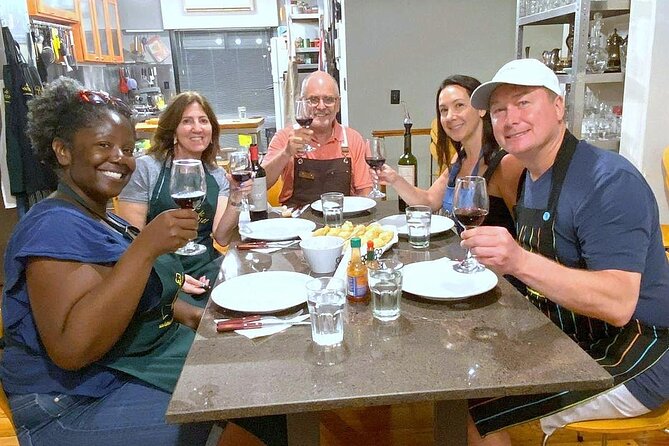
- The class is genuinely private: Only your own group participates, which suits couples, families, and friends who want a relaxed evening.
- Recipes go home with you: Past participants received recipes for dishes such as empanadas and chimichurri beef.
- Plan around a 6 p.m. start: The class begins at Tronador 3123 and ends back at the same meeting point.
What the Buenos Aires Evening Looks Like
The class begins at 6 p.m. at Tronador 3123, in the C1430DME area of Buenos Aires. The activity lasts about four hours and returns you to the starting point, so you do not need to arrange a second destination at the end of the night.
The first part is the cooking lesson. You spend roughly two and a half hours preparing a complete Argentine menu with Saul. This is not a demonstration where you sit and watch a chef do everything. The point is to take part, learn the steps, and then eat what you have made.
That format matters. Argentine food can look simple on the plate, but small choices affect the result: how you season meat, how you handle empanada dough, and how you build chimichurri. A patient teacher can explain those choices while you work, rather than presenting a polished dish with no clear way to repeat it at home.
The exact menu may vary, but the dishes described from past classes include traditional empanadas, chimichurri beef, ribeye-style steak, roasted potatoes, and desserts based on dulce de leche. One class also included homemade dulce de leche gelato, while a special alcohol-free cake was prepared for a 13-year-old participant. That suggests a menu with familiar ingredients and enough flexibility for different groups.
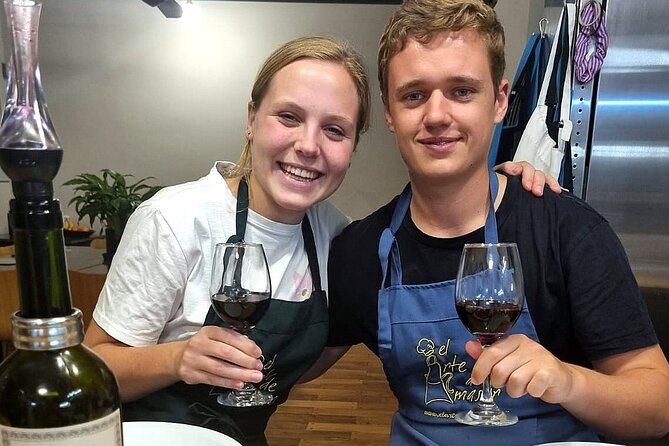
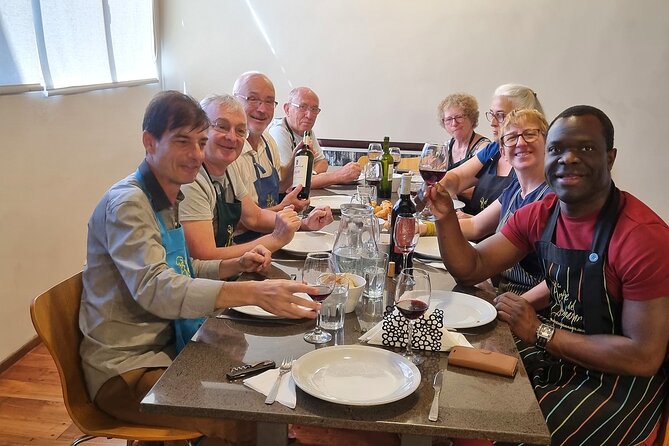
After the cooking, you sit down to enjoy the meal. The wines come during this part of the evening, turning dinner into a guided tasting rather than a quick glass with food. The pacing sounds sensible: cook while you are alert, then relax over the meal and conversation.
More Private Tours in Buenos Aires
- Buenos Aires City Private Tour with Local Guide
★ 5.0 · 3,475 reviews - Private Airport Transfer In or Out : Ezeiza (EZE) – Buenos Aires
★ 5.0 · 548 reviews - Private Full-Day Iguazu Falls Tour with Airfare from Buenos Aires
★ 4.5 · 387 reviews
Learning Empanadas, Beef, and Chimichurri
The strongest reason to book this class is the practical menu. Empanadas are one of the most recognizable Argentine foods, and making them yourself gives you a better feel for the dish than simply ordering one from a bakery or restaurant.
You can expect to learn the basic process and then eat the finished result. Past participants particularly enjoyed the empanadas and received recipes afterward. That is useful because empanadas are the kind of food you can make for family or friends back home, even if your first batch is not perfectly shaped.
The meat course gives the class a second Argentine cornerstone. Past menus have included chimichurri beef and ribeye-style steak, with roasted potatoes on the side. The focus is not on fancy restaurant plating. It is on seasoning, preparation, and the bold but approachable flavors that make Argentine cooking so popular.
Chimichurri is especially worth paying attention to. It is often treated as a simple sauce, but the balance of herbs, acidity, oil, and seasoning makes a real difference. Saul’s teaching style appears to focus on how ingredients are prepared, not just on handing you a recipe card.
That practical approach earned repeated praise. The class has been described as easy to follow, fun, and useful for learning how to prepare ingredients properly. I would still keep your expectations realistic: this is a short cooking lesson, not professional culinary training. You will leave with several recipes and techniques, but not with mastery of every Argentine dish.
Dessert With Dulce de Leche
Dessert gives the menu a distinctly Argentine finish. Dulce de leche appears in several of the dishes described from earlier classes, including a homemade gelato. If you already enjoy caramel-like flavors, this will likely be one of the most popular parts of the meal.
The dessert also helps keep the lesson approachable. Empanadas and steak require some hands-on work, while a dulce de leche dessert provides a sweeter, more relaxed ending. In one case, Saul prepared a special cake without alcohol for a teenage participant, a thoughtful touch for families with different needs.
Dietary flexibility is worth discussing before arrival. Saul has accommodated kosher meat for a participant, which shows a willingness to adjust when he has advance notice. The information provided does not promise every dietary request can be met, so contact the host before booking if food restrictions are important to you.
Four Wines From Patagonia and Mendoza
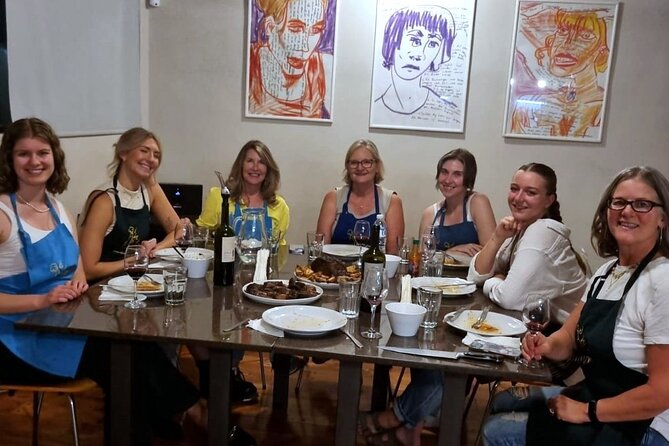
The wine tasting is not a token extra. You taste at least four bottles, each chosen to show a different part of Argentina’s wine country and grape selection.
The lineup includes:
- A barrel-fermented pinot noir from Patagonia
- A cabernet franc from Guallataray, Mendoza
- A premium malbec from the Uco Valley in Mendoza
- A late-harvest wine made from 100 percent torrontés
For someone who knows Argentine wine mainly through malbec, this is a good spread. The Uco Valley malbec gives you the famous Argentine variety, while the cabernet franc offers a different style from Mendoza. The Patagonian pinot noir shifts the focus south, and the late-harvest torrontés provides a sweet finish with a grape strongly associated with Argentina.
Torrontés is especially interesting because it is a local Argentine grape with a recognizable character. Tasting it as a late-harvest wine gives the lineup a clear final course rather than ending with four similar reds.
The wording of the tasting suggests a premium selection, but keep in mind that wine quality is personal. If you are a serious wine collector, you may want more technical information about producers, vintages, and tasting notes before deciding if the price suits you. If you simply want a well-chosen introduction to Argentine bottles, the selection looks much more rewarding than a standard house-wine pairing.
The best part is the chance to compare styles while eating food you helped prepare. Wine makes more sense when it is connected to a meal. You can notice how the malbec works with beef, how the pinot noir differs from the fuller Mendoza reds, and how the sweet torrontés changes the mood at dessert.
More Wine Tours in Buenos Aires
- Authentic Rooftop Asado Experience with Argentine Wine Pairing
★ 5.0 · 274 reviews - Bodega Gamboa Small-Group Wine Tasting Tour with Lunch
★ 5.0 · 212 reviews - Buenos Aires Small-Group Wine Tasting
★ 5.0 · 193 reviews - Buenos Aires: Wine Tasting and Lunch at Bodega Gamboa
★ 4.8 · 177 reviews
Saul’s Teaching Style and the Social Side
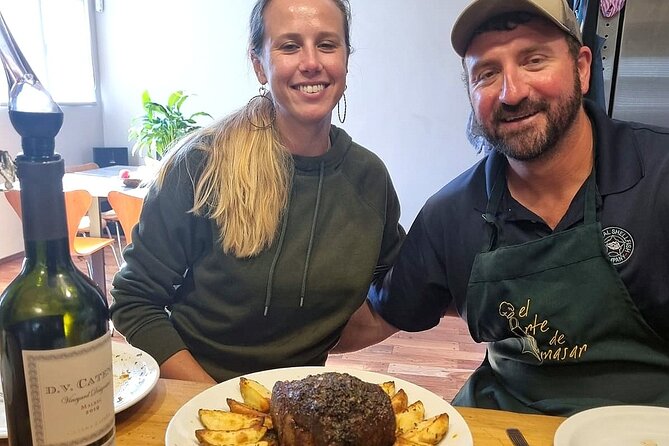
The host matters a great deal in a small cooking class. Saul is repeatedly described as affable, patient, gracious, and fun. His role seems to be part teacher, part host, and part cultural guide.
That combination works well for visitors who want conversation along with the cooking. He has shared information about South American food, Buenos Aires, and local culture, so the evening is not limited to instructions about chopping and seasoning.
The atmosphere has also received specific praise. The space is described as well organized, with music kept at a comfortable volume. That may sound minor, but it matters during a four-hour class. Loud music or a crowded work area can make cooking tiring. A calm setting lets you hear instructions and talk at the table.
Because the activity is private, only your group participates. That gives couples or families more control over the pace and conversation. It also avoids the awkwardness of being placed with a large group of strangers.
A private class can have one drawback: it may feel less social if you were hoping to meet people from around the world. Some past classes included another couple, but the activity description says only your group will participate. If you want an open group lesson, this is probably not the right format. If you want time with your own companions, the privacy is a strong benefit.
Is $210 Per Person a Fair Price?
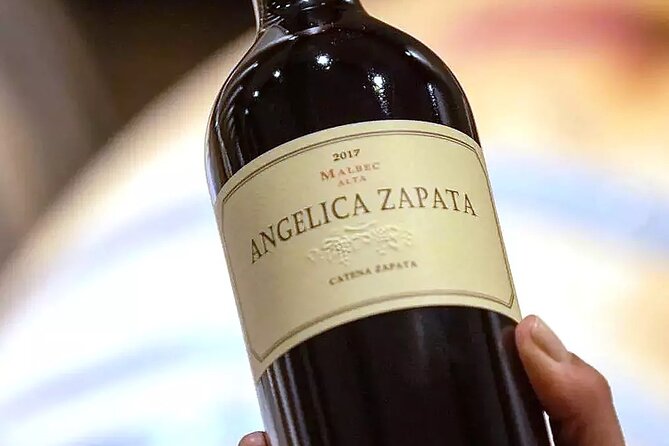
At $210 per person, this class is not cheap by Buenos Aires standards. You are paying for a four-hour private activity, a full cooking lesson, a meal, at least four bottles of selected local wine, and direct time with the host.
The value depends on how you would otherwise spend the evening. If you would book a high-end dinner, visit a wine bar, and take a separate cooking class, the combined cost could make this package look more reasonable. You also get recipes to use later, which gives the experience some value beyond the night itself.
The private format raises the price, but it also changes the quality of the evening. You can ask questions, request reasonable adjustments, and stay with your own group. Families may find that especially useful, as Saul has taught groups with teenagers and adapted a dessert for a younger participant.
Still, you should not book this simply because you want a low-cost meal. There are cheaper ways to eat steak, empanadas, and drink malbec in Buenos Aires. Choose this class because you want to learn, cook, talk, and taste several wines in one hosted evening.
The fact that it is often booked about 25 days ahead is a useful planning clue. It does not guarantee that every date sells out, but you should not leave this until the last minute if your Buenos Aires schedule is fixed.
Who Will Enjoy This Class Most?
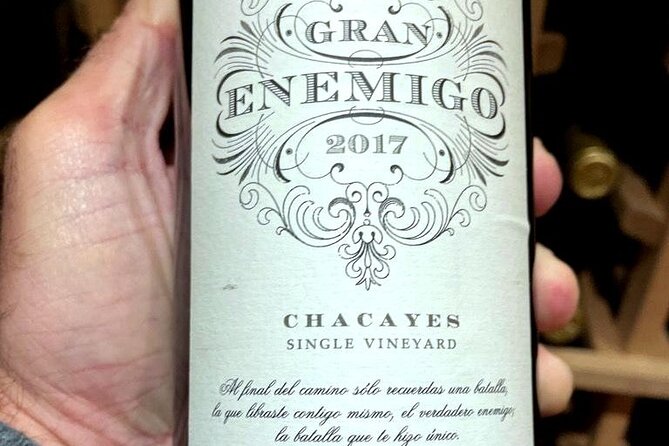
I would recommend it most strongly to couples, families, and small groups of friends who enjoy food but do not need a formal culinary school setting. You get active participation without a highly technical lesson.
It also suits visitors at the end of a longer Argentina itinerary. You can use the evening to gather dishes and flavors you may have encountered elsewhere, then learn how they fit together in a home-style meal. One past participant used the class as the final evening of a three-week Argentina trip and found it a fitting finish.
Food-focused visitors will appreciate the wine list and Argentine menu. People who prefer nonalcoholic activities should think carefully, since wine tasting is a central part of the evening, not an optional side note.
Families can work well here too. Previous groups included teenagers, and the host made a special dessert adjustment for a 13-year-old. I would still confirm any dietary or age-related needs before booking.
Timing, Location, and Cancellation
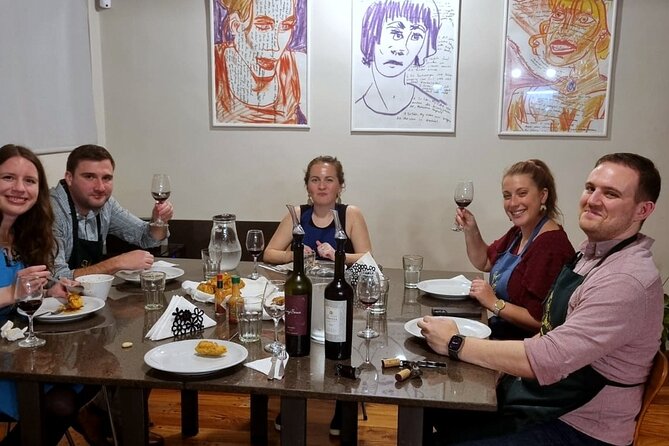
The start time is 6 p.m., and the activity ends back at Tronador 3123. The meeting point is near public transportation, which helps, but you should check your route in advance because the class ends in the evening.
Booking confirmation is provided at the time of reservation. Since the class begins at a fixed location and returns there, you do not need to plan a complicated transfer between cooking and dinner.
You can cancel for a full refund up to 24 hours before the local start time. Cancellations or changes made less than 24 hours in advance are not accepted for a refund. That policy is fairly clear, but keep the cutoff in mind when building your Buenos Aires plans.
The Bottom Line: Should You Book It?
Book this class if you want a personal Buenos Aires evening built around food, conversation, and Argentine wine. The strongest reasons are Saul’s patient hosting, the useful recipes, the private setting, and a tasting that goes beyond the usual malbec stereotype.
Skip it if you only want a cheap dinner, dislike participating in the kitchen, or have no interest in drinking wine. At $210 per person, the price demands that you use the full experience. For the right group, though, cooking empanadas, preparing beef and chimichurri, and comparing wines from Patagonia and Mendoza makes this a memorable and practical choice.
FAQ
Where does the Argentine cooking class begin?
The class begins at Tronador 3123, C1430DME, in Buenos Aires, Argentina.
What time does the activity start?
The scheduled start time is 6 p.m.
How long does the experience last?
The activity lasts approximately four hours. About two and a half hours are spent preparing the Argentine menu, followed by the meal and wine tasting.
Is this a private activity?
Yes. Only your group participates in the private tour and cooking lesson.
Which wines are included?
The tasting includes at least four bottles: barrel-fermented Patagonian pinot noir, cabernet franc from Guallataray in Mendoza, premium malbec from the Uco Valley in Mendoza, and late-harvest wine made from 100 percent torrontés.
What food might be prepared?
Menus described from the class include empanadas, chimichurri beef or ribeye-style steak, roasted potatoes, and dulce de leche desserts. The exact menu is not specified as fixed.
Can I cancel for a full refund?
Yes. You must cancel at least 24 hours before the experience start time for a full refund. Changes or cancellations made less than 24 hours before the start are not accepted for a refund.
More Cooking Classes in Buenos Aires
- Argentine Experience Interactive Dining and Cooking
★ 5.0 · 1,382 reviews - Cooking Class Designed by Michelin Chef @ Argentine Experience
★ 5.0 · 1,123 reviews - Buenos Aires: Empanadas and Alfajores Guided Cooking Class
★ 4.8 · 486 reviews - Private Cooking Lessons and Food Tasting in Buenos Aires
★ 5.0 · 223 reviews
More Wineries near Buenos Aires
- Tango Lesson and Wine Tasting in Buenos Aires, Argentina
★ 4.5 · 115 reviews - Premium Argentinian Wines and Malbec Tasting Experience
★ 4.6 · 60 reviews - Buenos Aires: Palacio Barolo Guided Night Tour with Wine
★ 4.4 · 54 reviews - Discover Argentine Wines Paired with Delicious Tapas
★ 5.0 · 51 reviews
Recently added around Buenos Aires
- Photo Session in Buenos Aires★ 5.0 · 26 reviews
- Your Personal Photographer in Buenos Aires★ 5.0 · 24 reviews
- Discover Buenos Aires’ independent art scene — Ticket included★ 5.0 · 30 reviews
- Your Private Photographer in Buenos Aires★ 5.0 · 4 reviews
- Yerba Mate Workshop – Learn to Drink Mate like a Local!★ 5.0 · 11 reviews
- Taste of Tradition: Yerba Mate & Alfajores Experience★ 4.0 · 5 reviews
- Day Tour Classic★ 3.5 · 35 reviews
- Wine tasting in OASIS Palermo★ 5.0 · 2 reviews
Wine Tours, compared.
All Day, Small Group, Luxury Wine Tour with Gourmet Lunch
Read our review →
Argentine Experience: Immersive Dinner & Wine Pairing in Iguazú
Read our review →
Browse the lists this tour appears in