
Reviewed · WINE TOURS
Premium Argentinian Wines and Malbec Tasting Experience
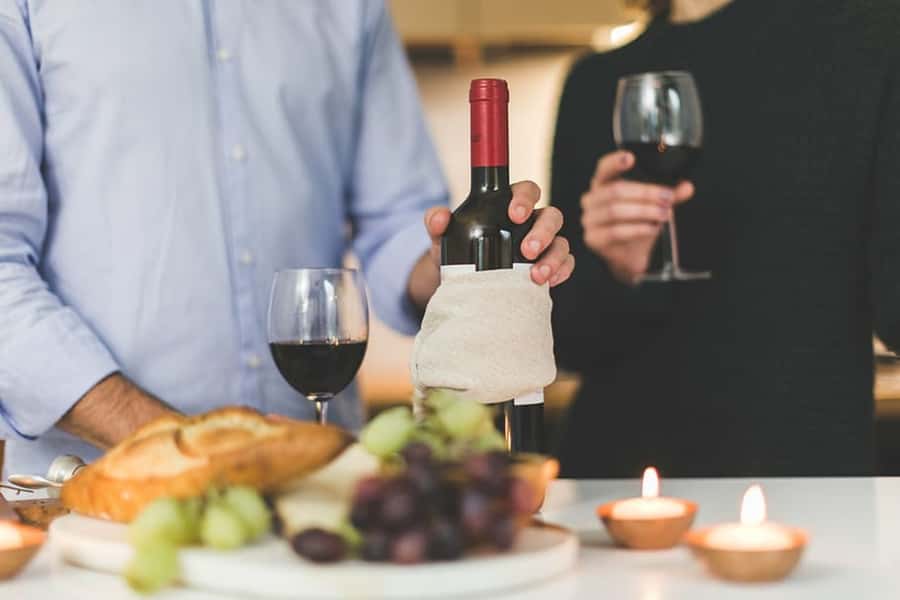
Wine tells Argentina’s story in three glasses. This 90-minute tasting in Palermo Soho gives you a friendly introduction to the country’s wine regions, with special attention to Mendoza, Salta, and Patagonia. I like the clear focus on three contrasting grapes, and I also like the food pairings, which include cheeses, salami, and a typical Argentinian appetizer. The hosts explain how to look at a wine, smell it, taste it, and match it with food, so you leave with more than a pleasant buzz.
The main drawback is the limited scope. You taste Torrontés, Pinot Noir, and Malbec, not a long parade of bottles, and the experience is aimed at adults only. The meeting point is easy to reach once you are in Palermo, but there is no hotel pickup, and the venue is not suitable for wheelchair users. One practical note: the activity is described as 90 minutes, while the itinerary labels the Palermo visit as two hours, so allow a little flexibility.
In This Review
- Key points at a glance
- Starting at Gorriti 4882 in Palermo Soho
- An introduction to Argentina’s three wine regions
- Three glasses: Torrontés, Pinot Noir, and Malbec
- Torrontés
- Pinot Noir
- Malbec
- Food pairings that make the tasting practical
- What the guide adds to the evening
- How the 90 minutes are likely to unfold
- Is $50 a fair price?
- Who should book this tasting?
- Should you book the Palermo wine experience?
- FAQ
- Where does the wine tasting take place?
- How long does the experience last?
- Which wines will I taste?
- What food is included?
- Which languages are available?
- Is hotel pickup included?
- Can children or wheelchair users join?
Key points at a glance
- Three distinctly different Argentine grapes: Compare floral Torrontés, lighter Pinot Noir, and the country’s signature Malbec.
- A useful regional map: Learn how Mendoza, Salta, and Patagonia shape different wine styles and flavors.
- Food is part of the lesson: Taste cheeses, salami, and a local appetizer chosen to work with the wines.
- Hosts make the difference: Guides such as Lourdes, Tomas, Faku, Myrian, and Pamela have been praised for clear explanations and warm conversation.
- A convenient Palermo Soho setting: Start at Gorriti 4882, or confirm the exact address because the meeting information also lists Gorriti 4886.
- A good first step into Argentine wine: You get enough background to order with more confidence at a Buenos Aires restaurant.
Starting at Gorriti 4882 in Palermo Soho
The experience begins at Gorriti 4882 in Palermo, with another meeting-point reference listing Gorriti 4886. That four-number difference is small, but I would check the confirmation before setting out. Palermo Soho is a useful base for an evening because you can combine the tasting with dinner, bars, or a walk through the neighborhood.
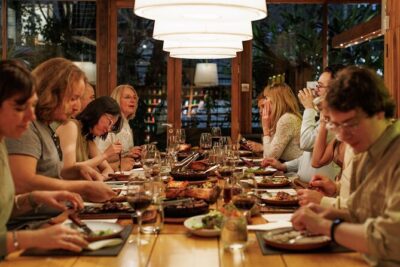
There is no hotel pickup or drop-off. You need to make your own way to the meeting point, and one clear piece of practical advice is to use a ride-hailing car if you are unfamiliar with the area. Once you arrive, the tasting takes place in a bright, high-ceilinged venue. One earlier version of the experience was held in a cellar, so the exact room may vary, but the setting is intended to feel intimate rather than like a large commercial lecture.
That smaller format matters. Wine questions are easier to ask when the host can speak directly with you. Several guides have been singled out for making people feel at home, including Lourdes, Tomas, Faku, Myrian, Pamela, and Andrea. The guide you get may differ, but the experience depends heavily on that person’s ability to explain wine without turning the evening into a technical class.
More Food Tours in Buenos Aires
- Local Foodie Adventure in Buenos Aires with Sherpa Food Tours
★ 5.0 · 6,875 reviews - Historical Sherpa Food Tour of San Telmo with Street Food, Drinks
★ 5.0 · 920 reviews - Buenos Aires: 9-Course Argentine Meat Tasting at Fogón Asado
★ 4.9 · 826 reviews
An introduction to Argentina’s three wine regions
The opening lesson places the wines on an oeno-logical map of Argentina, linking grapes to the places where they grow. Mendoza, Salta, and Patagonia are presented as the country’s three main vineyard regions, and the point is not simply to memorize names. You learn to connect location with style.
Mendoza is the best-known name in Argentine wine, especially for Malbec. Salta brings a different regional identity, while Patagonia is treated as another distinct source of grapes and flavor. The supplied information does not specify the exact vineyard or vintage for every bottle, so you should not expect a detailed winery-by-winery survey. Instead, the value comes from seeing how regional conditions can affect the wine in your glass.
Faku reportedly used original antique maps during his explanation. That is the sort of detail I appreciate because it gives the history a physical anchor. You are not just hearing a list of dates and places. You are looking at how wine production developed across a large country.
The history lesson also covers the growth of winemaking in Argentina. Tomas was praised for explaining both the wine regions and the history of the industry, while Pamela was noted for her broad grasp of Argentine wine. If you are already comfortable with Napa, Bordeaux, or Italian wine, the regional comparison can help you place Argentina in a wider picture.
Three glasses: Torrontés, Pinot Noir, and Malbec
The tasting centers on three wines: Torrontés, Pinot Noir, and Malbec. This is a smart lineup for a first introduction because the grapes are different enough to make the comparison useful.
Torrontés
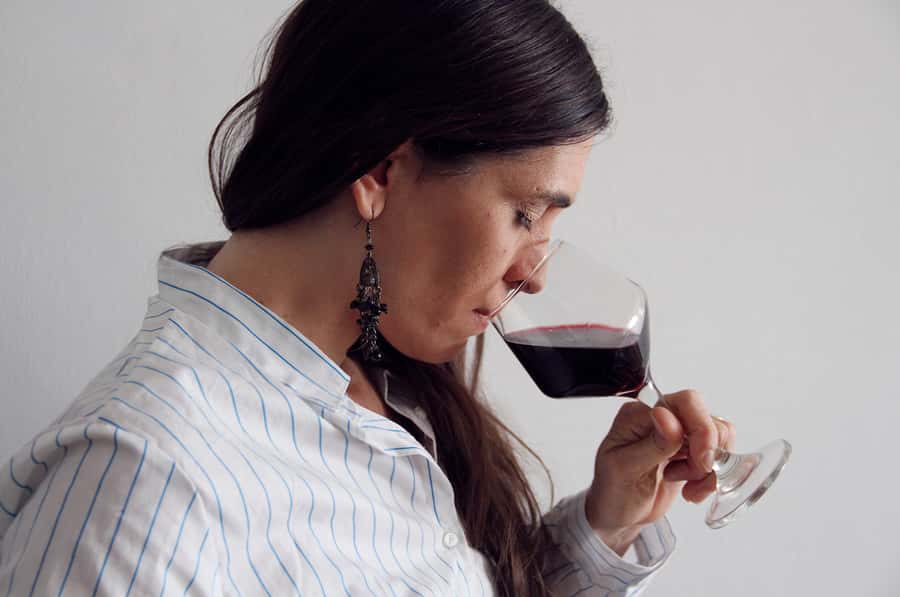
Torrontés is the Argentine white wine in the tasting. The format gives you a chance to notice its appearance, aroma, and taste before moving on to the red wines. One guide specifically explained those three stages, helping participants understand that tasting is not just taking a sip and deciding if you like it.
This is a good moment to ask questions about local grape varieties and how Argentine white wines differ from the reds for which the country is better known. The description does not promise a particular Torrontés producer or vintage, so the bottle can change. What remains consistent is the chance to see that Argentina’s wine identity is not limited to Malbec.
More Wine Tours in Buenos Aires
- Authentic Rooftop Asado Experience with Argentine Wine Pairing
★ 5.0 · 274 reviews - Bodega Gamboa Small-Group Wine Tasting Tour with Lunch
★ 5.0 · 212 reviews - Buenos Aires Small-Group Wine Tasting
★ 5.0 · 193 reviews - Buenos Aires: Wine Tasting and Lunch at Bodega Gamboa
★ 4.8 · 177 reviews
Pinot Noir
Pinot Noir provides a lighter, more delicate contrast to Malbec. Its inclusion keeps the tasting from becoming three versions of the same idea. You can compare the structure and feel of the wine while learning how grape variety and vineyard location affect the final character.
The activity does not specify the exact style of the Pinot Noir, so avoid booking this expecting a particular Patagonian bottle or a rare vintage. The useful part is the side-by-side comparison. With only three wines, you have enough time to consider each one rather than rushing through a crowded flight.
Malbec
Malbec is the main attraction, and rightly so. Argentina has become closely associated with the grape, making this the bottle many people will want to understand before ordering wine elsewhere in Buenos Aires.
The session treats Malbec as a starting point rather than the entire story. You learn how it fits into Argentina’s wine production and how the style can relate to vineyard location. That approach is more helpful than simply declaring one bottle the best. You get a framework for asking what region produced it, what vintage it comes from, and how it might work with food.
Food pairings that make the tasting practical
The food is not just something to nibble while the guide talks. It helps you understand why certain wines work better with certain dishes. The tasting includes cheeses and salami, along with a typical Argentinian appetizer. The exact appetizer is not specified, so you should not book it expecting one particular dish.
I like this part because pairing gives the evening a practical purpose. A wine can taste different with cheese than it does alone, and the host can explain those changes as you eat. Connie’s experience included guidance on pairing each wine with different foods, while other descriptions mention lovely cheese and salami. That makes the lesson useful for your next meal in Buenos Aires.
Dietary needs deserve a little advance attention. Myrian received especially high praise for adjusting the food for a participant who was celiac, lactose intolerant, had kidney problems, and did not eat meat. That is encouraging, but it is still wise to state your needs when booking or before arrival. The available information does not promise that every restriction can be handled every time.
The portions are also worth noting. One recent participant described the wine pours as generous. That sounds pleasant, but it means you should pace yourself, especially if you have dinner plans afterward. This is a tasting with food, not a quick sip at a shop counter.
What the guide adds to the evening
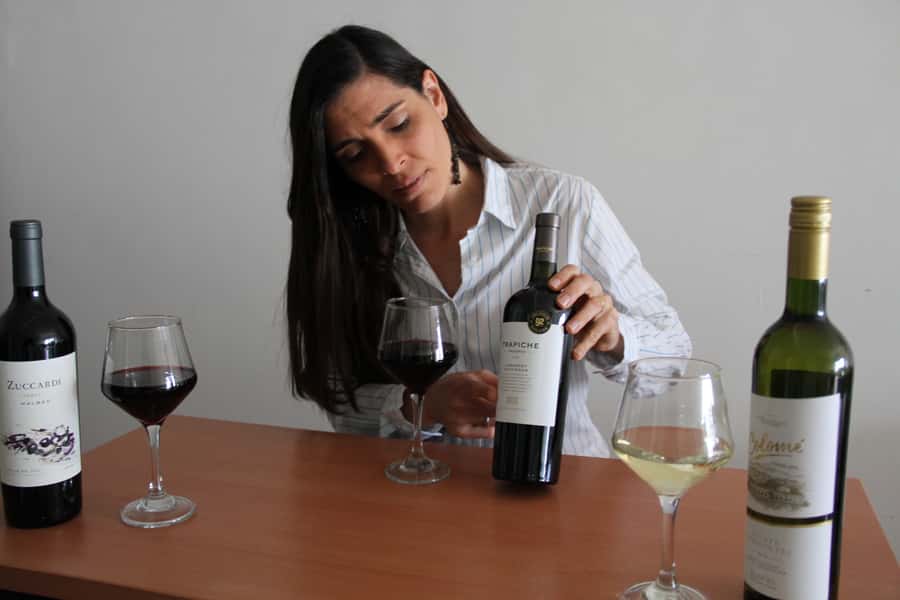
A good wine tasting rises or falls on the person leading it. Here, the strongest pattern is the guide’s ability to combine wine facts with ordinary conversation. Lourdes was praised for making people feel at home and for explaining the qualities of each wine. Tomas was recognized for his regional and historical explanations. Faku helped with maps, wine questions, and ideas for other things to do in Buenos Aires.
Other hosts received similar praise. Pamela was described as passionate about wine, and Andrea was appreciated for being friendly in an intimate venue. Myrian’s care with dietary needs shows another side of the job: a strong host pays attention to the person in front of them, not just the bottle on the table.
The tasting is offered in English, Spanish, and Portuguese. That is useful in an international city, but you should confirm your preferred language when booking. The guide’s personal approach seems to be one of the best parts of the experience, so do not hesitate to ask about Argentine grapes, restaurant choices, or how to read a wine list.
How the 90 minutes are likely to unfold
The stated duration is 90 minutes, with the itinerary also giving the Palermo visit a two-hour label. Plan around the longer window if you have a later reservation. A tasting has a natural rhythm, and you do not want to watch the clock while the guide is explaining a vintage or answering questions.
The first part covers Argentine winemaking and the main vineyard regions. The guide may use maps or other visual material, as Faku did, to show where Mendoza, Salta, and Patagonia sit within the country.
Next comes the tasting itself. You work through Torrontés, Pinot Noir, and Malbec, considering each wine’s appearance, aroma, and flavor. The host also discusses grape varieties, vineyard locations, and different vintages. Because the selection is limited to three wines, the lesson should feel focused rather than hurried.
Food appears alongside the wines, with cheeses, salami, and an appetizer used to show how pairings change the drinking experience. The final part is likely the most flexible, giving you room to ask questions or talk about what you have tasted. The exact order can vary, but the main structure is clear: place, grape, glass, and food.
Is $50 a fair price?
At $50 per person, the price is reasonable if you value explanation as much as tasting. You are paying for three wines, food, a professional guide, and a structured lesson in a central Buenos Aires neighborhood. You are not simply buying three glasses at a bar.
The strongest value comes from the context. If you are new to Argentine wine, the regional overview can help you make better choices during the rest of your trip. You may leave knowing why Malbec is so important, what Torrontés brings to the table, and how Pinot Noir gives the flight a different shape.
The value is less clear if you want a large selection or a highly specialized collector’s tasting. Three wines will not cover Argentina’s full range, and no particular producers or vintages are guaranteed in the supplied details. I would see this as an accessible introduction, not a formal certification course or a replacement for visiting vineyards.
The food improves the deal. Cheese, salami, and a local appetizer turn the tasting into a light social meal. If you add the cost of buying several glasses and a snack separately in Palermo, the package makes better sense.
Who should book this tasting?
I would recommend it to adults who want a friendly introduction to Argentine wine without leaving Buenos Aires. It suits couples, friends, solo visitors, and people who enjoy food history as much as food itself.
It is particularly useful before a meal at an Argentine restaurant. You will have a better sense of what to order, and you can ask the host for guidance while the information is fresh.
This is not suitable for children under 18. It is also not suitable for wheelchair users, and there is no transport from your hotel. Guests with dietary restrictions should contact the provider ahead of time, even though Myrian’s careful handling of complex needs is a promising sign.
The experience operates in rain or storms, so poor weather will not automatically cancel the tasting. That is good news for a wet Buenos Aires evening, though it makes arriving at the Palermo meeting point your responsibility.
Should you book the Palermo wine experience?
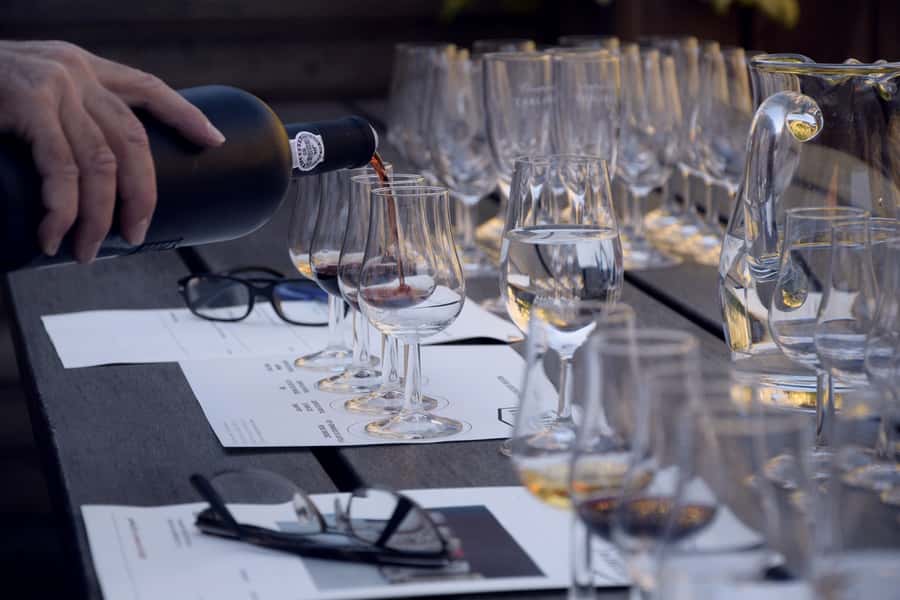
Book it if you want three well-chosen Argentine styles, clear regional background, and food pairings in a relaxed setting. The strongest reasons are the hosts, the practical tasting instruction, and the chance to understand Malbec in context rather than treating it as a single famous label.
Skip it if you want a full winery tour, a long list of rare bottles, or an outdoor vineyard setting. For most adults spending time in Buenos Aires, though, $50 buys a useful and enjoyable evening. Confirm the Gorriti address, allow up to two hours, arrange your own transport, and mention dietary needs in advance. If those details work for you, this is a sensible way to get your bearings with Argentine wine before ordering another glass.
FAQ
Where does the wine tasting take place?
The meeting point is Gorriti 4882 in Palermo, Buenos Aires. Another instruction lists Gorriti 4886, so confirm the exact number before you go.
How long does the experience last?
The experience is listed as 90 minutes. The itinerary also describes the Palermo visit as two hours, so allow some extra time in case the session runs longer.
Which wines will I taste?
The tasting includes three types of wine: Torrontés, Pinot Noir, and Malbec.
What food is included?
Food and drinks are included. The experience provides cheeses, salami, and a typical Argentinian appetizer for pairing with the wines.
Which languages are available?
The live guide may lead the experience in English, Spanish, or Portuguese.
Is hotel pickup included?
No. You must make your own way to the meeting point in Palermo.
Can children or wheelchair users join?
No. The experience is not suitable for children under 18 or for wheelchair users.
More Wineries near Buenos Aires
- Tango Lesson and Wine Tasting in Buenos Aires, Argentina
★ 4.5 · 115 reviews - Buenos Aires: Palacio Barolo Guided Night Tour with Wine
★ 4.4 · 54 reviews - Discover Argentine Wines Paired with Delicious Tapas
★ 5.0 · 51 reviews - Sailing with Wine Tasting in Buenos Aires
★ 5.0 · 50 reviews
Recently added around Buenos Aires
- Photo Session in Buenos Aires★ 5.0 · 26 reviews
- Your Personal Photographer in Buenos Aires★ 5.0 · 24 reviews
- Discover Buenos Aires’ independent art scene — Ticket included★ 5.0 · 30 reviews
- Your Private Photographer in Buenos Aires★ 5.0 · 4 reviews
- Yerba Mate Workshop – Learn to Drink Mate like a Local!★ 5.0 · 11 reviews
- Taste of Tradition: Yerba Mate & Alfajores Experience★ 4.0 · 5 reviews
- Day Tour Classic★ 3.5 · 35 reviews
- Wine tasting in OASIS Palermo★ 5.0 · 2 reviews
Wine Tours, compared.
All Day, Small Group, Luxury Wine Tour with Gourmet Lunch
Read our review →

Argentine Experience: Immersive Dinner & Wine Pairing in Iguazú
Read our review →
Browse the lists this tour appears in