Reviewed · TOURS
Tour a pie de Historia y Naturaleza por Palermo
Palermo reveals its character on foot. This three-hour private tour links history and nature across Buenos Aires, from Italian immigrant heritage at Plaza Italia to the gardens, forests, and folklore of Parque 3 de Febrero. I like the route’s variety, and I especially like that it includes the Botanical Garden, Rosedal, Ecopark, Planetarium, and Japanese Garden in one outing. The main consideration is pace: you will spend much of the tour walking between open-air sites, so it is best suited to people ready for a full three hours on their feet.
The tour costs $52 per person, with an English-speaking guide and mobile ticket. I also appreciate the private format, since only your group takes part. Guide Andrés Gabriel Pecchi, often called Gabriel, receives repeated praise for his clear explanations, good humor, and broad coverage of Buenos Aires history, geography, flora, fauna, architecture, food traditions, and mythology.
In This Review
- Key reasons this Palermo walk is worth considering
- Starting at Plaza Italia and meeting Palermo’s Italian roots
- The Carlos Thays Botanical Garden, where nature and folklore meet
- Ecopark and Rosedal, Palermo’s most enjoyable green stretch
- The Planetarium, seen from outside
- The Japanese Garden and the return to Plaza Italia
- What the guide adds to the experience
- Is $52 a fair price for three hours?
- Who should book this Palermo experience?
- Booking, timing, and practical details
- Should you book it?
- FAQ
- Where does the tour begin?
- Where does the tour end?
- How long does the tour last?
- Is the tour offered in English?
- Is this a private tour?
- What places are visited?
- Is admission included?
- Is the Planetarium visited inside?
- Can I cancel for a full refund?
Key reasons this Palermo walk is worth considering
- A rare mix of city history and green spaces: The route moves from Plaza Italia through gardens, forests, and major Palermo landmarks.
- The Botanical Garden is a major focus: You learn about regional and international plant life, local traditions, and nature-linked folklore.
- Rosedal and Parque 3 de Febrero provide the tour’s most scenic stretch: The gardens and wooded paths give the walk breathing room.
- The Planetarium is viewed from outside: It adds an important Buenos Aires landmark without turning the tour into an indoor museum visit.
- Private guiding keeps the experience personal: Only your group participates, with the guide able to explain the area directly to you.
- The return to Plaza Italia is practical: You finish where you began, near public transportation.
Starting at Plaza Italia and meeting Palermo’s Italian roots
The tour begins at Plaza Italia, a useful meeting point in one of Palermo’s best-connected areas. The plaza was built in the 19th century as a tribute to the Italian and Italian-Argentine population, as well as to Italian hero Giuseppe Garibaldi.
You spend about 20 minutes here. That is enough time for an introduction to the square and its meaning without getting bogged down in a long opening lecture. I like this start because it places Palermo within the story of Buenos Aires as a city shaped by immigration and international ties.
Plaza Italia also gives you a clear sense of the neighborhood’s urban side before the route turns toward gardens. You begin among streets, avenues, and city movement, then gradually shift into quieter public spaces. Since the tour returns here at the end, you do not need to arrange a second pickup point.
The plaza is not presented as a major ticketed attraction. Admission is free, and the value comes from the guide’s interpretation. If you have already seen the square on your own, the historical context is what makes this first stop worthwhile.
A few more Buenos Aires trips worth putting side by side
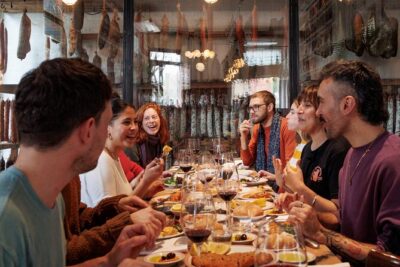
- Local Foodie Adventure in Buenos Aires with Sherpa Food Tours
★ 5.0 · 6,875 reviews - Buenos Aires City Private Tour with Local Guide
★ 5.0 · 3,475 reviews - Buenos Aires Small-Group City Tour
★ 5.0 · 2,226 reviews
The Carlos Thays Botanical Garden, where nature and folklore meet
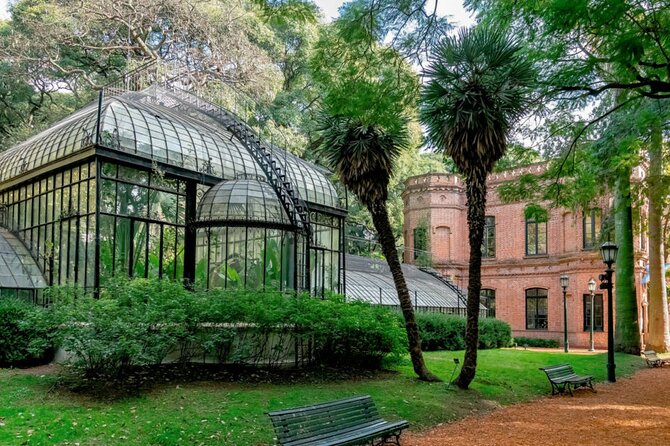
After Plaza Italia, the route enters the Carlos Thays Botanical Garden for about 40 minutes. The garden opened in the 19th century and was designed by French landscape designer Jules Charles Thays. It contains plant species from the region and from other parts of the world.
This is one of the strongest parts of the tour. The garden is not treated simply as a pleasant patch of greenery. It becomes a way to understand the plant life of Argentina, the natural setting of Buenos Aires, and the way people have explained nature through folklore.
The guide also connects the garden with the history of the city’s population. That combination is useful because Buenos Aires can sometimes feel like a city of grand buildings and busy avenues, while its natural setting gets less attention. Here, you get a closer look at the plants and traditions tied to the wider region.
Folklore is an unusual addition to a standard city walk. The tour discusses myths and traditional stories linked to the natural world. I like that angle because it moves beyond dates and monuments. You hear not only what was built, but how people have understood forests, plants, animals, and the forces of nature.
Admission is listed as free. The scheduled 40 minutes gives the garden real weight in the route, although it is still an introduction rather than a botanical study. If plants and local tradition interest you, this stop may become your favorite.
Ecopark and Rosedal, Palermo’s most enjoyable green stretch
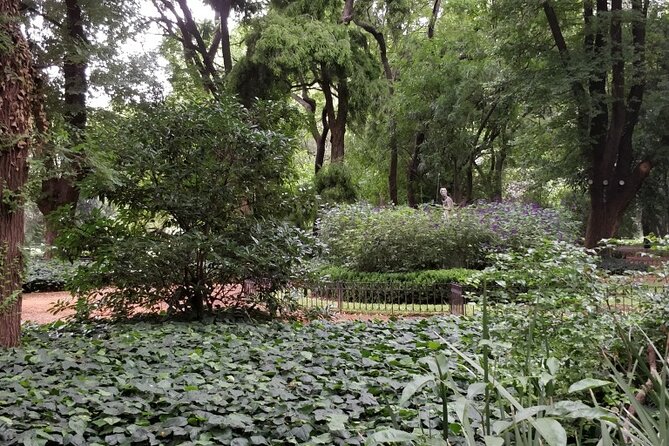
The route continues past the Ecopark before reaching Rosedal and the Palermo forests. The scheduled time here is about 40 minutes, with attention to local folklore, the rose garden’s story, and the relationship between these public gardens and the natural world around them.
The Rosedal is one of the places that gives this tour its visual appeal. You get formal gardens, open paths, and a setting designed for enjoying nature inside a large capital city. The tour does not treat the garden as a quick photo stop. Its history and role in Palermo receive part of the discussion.
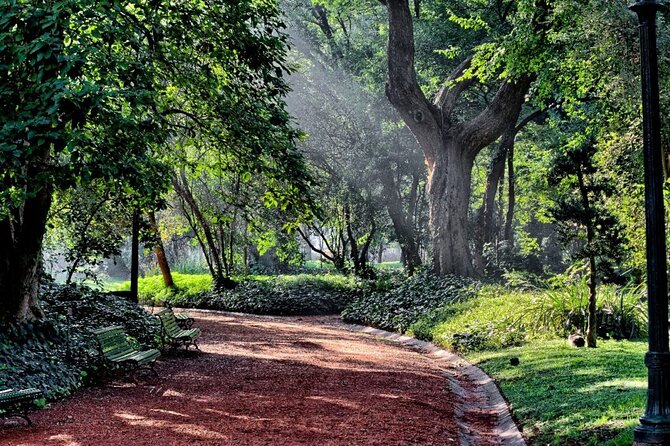
The nearby forests of Palermo, located within Parque 3 de Febrero, add a different feeling. The Botanical Garden is more enclosed and plant-focused. The forests give you broader views and a longer sense of movement through public parkland. I can understand why the stretch through Parque 3 de Febrero receives such strong praise. It is the point where the walk feels most relaxed and spacious.
The Ecopark is passed along the way rather than described as a separate extended visit. Keep that distinction in mind if you are expecting a full animal park experience. The route uses it as part of the transition into Palermo’s gardens and wooded areas.
Rosedal and the Japanese Garden are visited free of charge from Tuesday through Sunday, according to the tour information. If you are planning for another day, check the current access details before booking, since the stated free visits apply specifically to that schedule.
The Planetarium, seen from outside
The next stop is the Galileo Galilei Planetarium, where the tour pauses for about 30 minutes. The visit is outdoors, and the Planetarium is viewed from the outside rather than entered.
That makes this stop a good architectural and civic landmark, but not a substitute for a Planetarium program. The building adds variety after the gardens and gives the guide another point for discussing Buenos Aires and Parque 3 de Febrero.
The tour then continues through the park while the guide carries on with the city’s history. This part is less about a single admission-based attraction and more about understanding how the park fits into Palermo. You get the landmark, the surrounding public space, and the historical explanation in one section of the walk.
I appreciate the clear expectation here. If you want an indoor astronomy visit, this tour will not provide it. If you mainly want to see the Planetarium, hear about its place in the city, and continue walking through the park, the stop works well.
Still Argentina, but a completely different sort of afternoon:
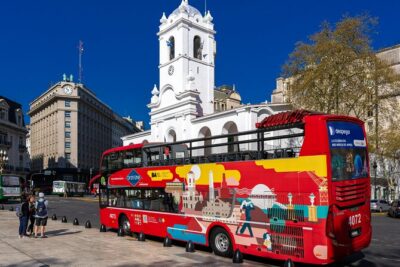
- Buenos Aires Hop-On Hop-Off Bus, Free Walking Tours & Discounts
★ 4.5 · 2,218 reviews - Buenos Aires: Piazzolla Tango Show with Optional Dinner
★ 4.4 · 2,122 reviews - Buenos Aires: City Highlights Guided Tour with Transfer
★ 4.7 · 1,946 reviews - Buenos Aires: Hop-On Hop-Off City Bus Tour
★ 4.2 · 1,855 reviews
The Japanese Garden and the return to Plaza Italia
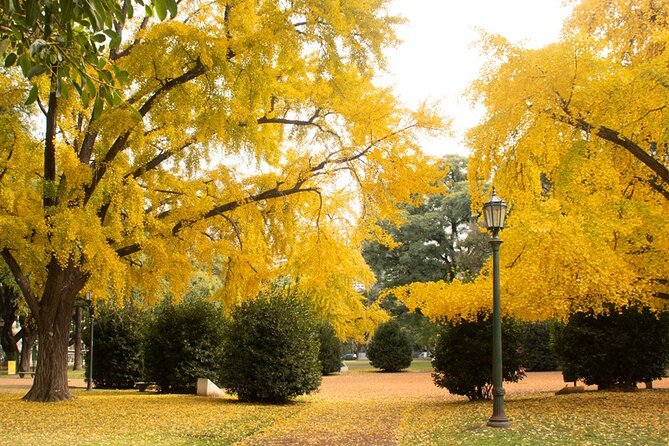
The final section takes about 50 minutes. You walk along tree-lined streets and avenues while the guide discusses the historical importance of architecture and Buenos Aires folklore. The route includes the Japanese Garden before returning to Plaza Italia.
The Japanese Garden is described as an essential part of the route, and it makes sense as a closing stop. After the Italian history of Plaza Italia, the plants and folklore of the Botanical Garden, and the European-style gardens of Rosedal, the Japanese Garden adds another cultural layer to Palermo.
The visit also reinforces one of the tour’s main ideas: Buenos Aires is shaped by many cultural influences, and those influences appear in both buildings and public gardens. The guide’s subject range includes architecture, railway architecture, traditions, gastronomy, and mythology, so you can expect the conversation to move well beyond garden design.
The final return to Plaza Italia is convenient. You finish at the same point where you started, rather than needing to find your way across an unfamiliar part of the city. The full outing lasts about three hours, and the listed stop times add up to that approximate duration.
What the guide adds to the experience
The guide is identified as Andrés Gabriel Pecchi, and the feedback about him is notably consistent. You can expect a professional and pleasant presentation, with explanations described as complete, clear, didactic, and fascinating.
The strongest praise concerns the breadth of topics. Gabriel covers the history and geography of Buenos Aires and Argentina, along with flora, fauna, population, cultures, architecture, railway architecture, gastronomy, traditions, and mythology. That is a wide range for a three-hour walk.
This breadth can be a real advantage if you want an introduction to Palermo rather than a narrow garden tour. You can connect the places you see with larger questions about how Buenos Aires developed and how its residents relate to public spaces.
The private format matters here. Only your group participates, so the experience is not built around a large crowd. The information does not promise a customized route or special access, but the small format should make it easier to ask questions and keep the explanations relevant to your interests.
The guide’s good humor is also worth noting. Three hours of historical explanation can feel heavy if the delivery is stiff. A pleasant and attentive style helps keep the walk enjoyable, especially when the route covers several different subjects.
Is $52 a fair price for three hours?
At $52 per person, this is not the cheapest way to see Palermo. You can visit many of these public areas independently, and the listed admission costs are free. The price is therefore paying mainly for the guide, the structure of the route, the historical interpretation, and the private setting.
I think the value is strongest for first-time visitors who want a clear introduction to Palermo’s parks and cultural background. You see several major sites in one continuous walk, without having to work out the order yourself or research the connections between them.
The value is also stronger if you are traveling with a small private group. A private guide can make a three-hour experience feel more focused than a standard large-group walk. The price may feel less attractive if you only want to stroll through the gardens silently or take photographs at your own pace.
There is another practical point: the tour gives you context that free entry alone does not provide. A garden is easy to visit without a guide, but it is harder to understand its place in the city’s population, folklore, architecture, and natural history without someone explaining those links.
Who should book this Palermo experience?
I would recommend this tour to you if you enjoy walking, public gardens, city history, and cultural stories. It suits first-time visitors who want to see a broad section of Palermo without spending the day inside museums.
It is also a good choice if you prefer private guiding in English. The route gives you a useful introduction to the neighborhood, while Gabriel’s subject range should appeal to anyone who wants more than a list of monument names.
Families and mixed-interest groups may find the variety helpful. The tour shifts from urban history to plants, folklore, formal gardens, architecture, and the Planetarium. Most people can participate, according to the available information, and the meeting point is near public transportation.
You should think twice if your main goal is indoor sightseeing, extensive time at one attraction, or a slow photography walk. The Planetarium is seen from outside, and the tour covers many places within about three hours. You are getting range and explanation, not long visits at each site.
Wear comfortable shoes and plan for an active walk. The information confirms a walking route but does not provide a precise distance, so you should not assume every stop involves a short stroll.
Booking, timing, and practical details
You receive confirmation when booking, and a mobile ticket is accepted. The tour is offered in English and begins at Plaza Italia in Buenos Aires, postal code C1425.
The activity ends back at the same meeting point. That makes it easy to continue sightseeing in Palermo or connect with public transportation afterward.
The tour is private, meaning only your group participates. Admission is free at the listed stops, with Rosedal and the Japanese Garden specifically noted as free from Tuesday through Sunday. The Planetarium visit is outside only.
Free cancellation is available if you cancel at least 24 hours before the start time. Changes or cancellations made less than 24 hours before the start are not accepted for a refund, and the cutoff uses local Buenos Aires time.
Should you book it?
Book this tour if you want Palermo explained as one connected story of people, plants, parks, architecture, and folklore. The Botanical Garden, Rosedal, and Parque 3 de Febrero are the strongest reasons to go, while the private English guiding adds the most value to the $52 price.
Skip it if you prefer to explore independently or want indoor visits and long stops at individual attractions. For a first look at Palermo with a friendly historian guide, a varied route, and a convenient return to Plaza Italia, this is a well-rounded choice.
FAQ
Where does the tour begin?
The tour begins at Plaza Italia in Buenos Aires, Argentina, at the address listed as C1425 Buenos Aires.
Where does the tour end?
The tour ends back at the meeting point in Plaza Italia.
How long does the tour last?
The experience lasts approximately three hours.
Is the tour offered in English?
Yes. The tour is offered in English.
Is this a private tour?
Yes. Only your group participates in the activity.
What places are visited?
The route includes Plaza Italia, the Carlos Thays Botanical Garden, the Ecopark area, Rosedal, the Palermo forests in Parque 3 de Febrero, the Galileo Galilei Planetarium from outside, and the Japanese Garden.
Is admission included?
The listed stops have free admission. Rosedal and the Japanese Garden are specifically noted as free to visit from Tuesday through Sunday.
Is the Planetarium visited inside?
No. The tour visits the Galileo Galilei Planetarium from outside.
Can I cancel for a full refund?
Yes, if you cancel at least 24 hours before the experience start time. Cancellations or changes made less than 24 hours before the start are not accepted for a refund.
Recently added around Buenos Aires
- Photo Session in Buenos Aires★ 5.0 · 26 reviews
- Your Personal Photographer in Buenos Aires★ 5.0 · 24 reviews
- Discover Buenos Aires’ independent art scene — Ticket included★ 5.0 · 30 reviews
- Your Private Photographer in Buenos Aires★ 5.0 · 4 reviews
- Yerba Mate Workshop – Learn to Drink Mate like a Local!★ 5.0 · 11 reviews
- Taste of Tradition: Yerba Mate & Alfajores Experience★ 4.0 · 5 reviews
- Wine tasting in OASIS Palermo★ 5.0 · 2 reviews
- Day Tour Classic★ 3.5 · 35 reviews
Tours, compared.
Local Foodie Adventure in Buenos Aires with Sherpa Food Tours
Read our review →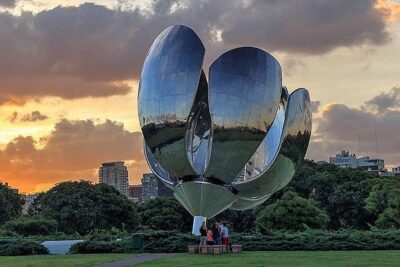
Buenos Aires City Private Tour with Local Guide
Read our review →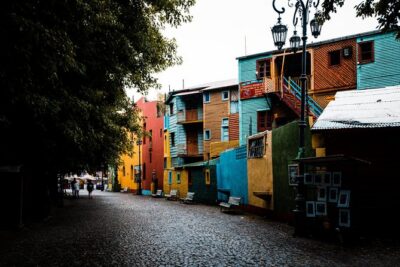
Buenos Aires Hop-On Hop-Off Bus, Free Walking Tours & Discounts
Read our review →