Reviewed · TICKETS
Temaiken Biopark Entry Tickets
Nature takes center stage here. Temaiken Biopark spreads across 178 acres near Buenos Aires, combining a zoo, botanical garden, aquarium, and museum-style learning spaces into one full-day outing. I like the wide range of habitats, from Buenos Aires wetlands to Asian forests, and I like that the park places real attention on animal protection and native species. The main drawback is that some animal areas can feel quiet, and you may spend time looking for creatures that are out of sight.
I also like the aquarium, which offers a welcome change of pace from the outdoor sections, and the helpful staff received especially strong praise. Plan carefully, though: transport is not included, and the separate ticket sent by the local provider must be printed. Your standard GetYourGuide voucher will not work at the entrance.
In This Review
- Key points to know before you go
- What Temaiken Biopark offers in one long day
- Starting with Buenos Aires native wildlife
- Mesopotamian fauna: yacarés, tapirs, and capybaras
- Patagonia from the Andes to the Atlantic
- African birds and open-air animal areas
- Asian animals, from tigers to flying foxes
- The aquarium gives the day a welcome change
- Botanical gardens and plants between the animals
- How much value do you get for $33?
- Practical planning for a smooth visit
- Who will enjoy Temaiken most?
- Should you book Temaiken Biopark?
- FAQ
- How much does admission to Temaiken Biopark cost?
- How long should I allow for the visit?
- What does the ticket include?
- Is transport to the park included?
- What animals can I see at the park?
- Does Temaiken have an aquarium?
- What should I bring for admission?
- Can I enter with my GetYourGuide voucher?
- Can I cancel for a refund?
Key points to know before you go
- 178 acres to explore: This is a full-day park, not a quick zoo visit. Give yourself about eight hours to cover the main areas without rushing.
- Almost 2,500 birds: The collection includes birds from five continents, making the bird areas one of the park’s biggest draws.
- Four distinct animal regions: Native, Mesopotamian, Patagonia, African, and Asian sections give the visit a clear geographic theme.
- An aquarium worth planning around: Tide pools, rivers, and shark tanks provide some of the most engaging indoor exhibits.
- A good choice for nature-minded families: The park combines animals, plants, conservation themes, and hands-on visual learning.
- Bring the correct ticket: The provider sends entry tickets by email or WhatsApp up to 24 hours before the visit, and you need the printed ticket for admission.
What Temaiken Biopark offers in one long day
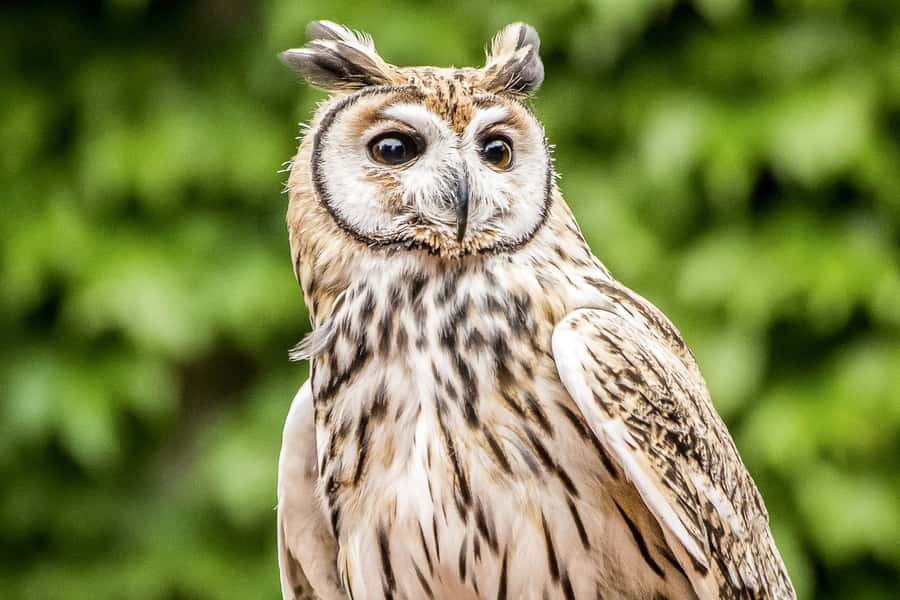
Temaiken is more than a standard animal park. You get several types of visit in one place: a botanical garden, a zoo, an aquarium, and a museum devoted to natural history and anthropology. That mix gives you more variety than a collection of animal enclosures alone.
The scale matters. With more than 178 acres to cover, you should expect plenty of walking and a steady change of scenery. An eight-hour visit makes sense if you want to see the major zones, spend time at the aquarium, and stop to appreciate the plants rather than simply moving from one animal to the next.
I would treat this as a full outing rather than a short add-on to a Buenos Aires sightseeing day. The park’s value comes from the amount of ground and the range of subjects. You can look at a tiger, then shift your attention to native wetlands, regional plants, or sharks in the same visit.
The park’s conservation message adds purpose. Its sections are arranged around regions and habitats, so the visit can help you connect an animal with its natural setting. That is especially useful for children, since it turns a day at the zoo into a simple lesson about geography, ecosystems, and preservation.
A few more Buenos Aires trips worth putting side by side
- Local Foodie Adventure in Buenos Aires with Sherpa Food Tours
★ 5.0 · 6,875 reviews - Buenos Aires City Private Tour with Local Guide
★ 5.0 · 3,475 reviews - Buenos Aires Small-Group City Tour
★ 5.0 · 2,226 reviews
Starting with Buenos Aires native wildlife
The Native Zone is a good place to understand the park’s local focus. It introduces flora and fauna from Buenos Aires Province, giving you a chance to see the area’s own natural world before moving on to animals from farther away.
That regional beginning is valuable. Many people come to Argentina hoping to see famous big animals, yet the local plants, birds, and wetland species tell you just as much about the country. The zone gives context to the rest of your visit and helps you see Temaiken as more than an international animal collection.
You may find this section quieter than the African or Asian zones, but that is part of its appeal. I like the idea of beginning with species that belong to the surrounding region rather than racing straight to the most familiar headline animals.
Mesopotamian fauna: yacarés, tapirs, and capybaras
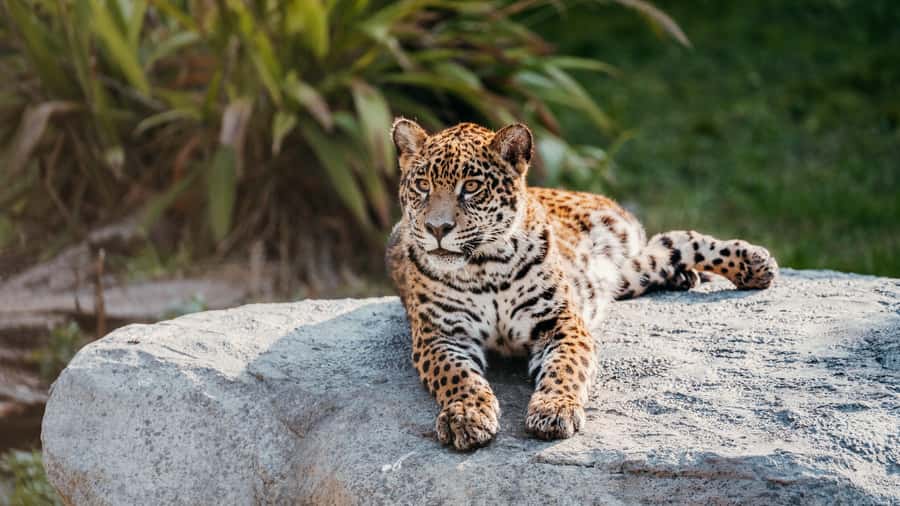
The Mesopotamian Fauna section focuses on animals associated with Argentina’s northeastern region. Here you can see black yacarés and overos, tapirs, capybaras, lagoon turtles, and other wildlife linked with wetlands and warm waterways.
The capybaras and tapirs offer a chance to see animals that are strongly tied to South American habitats but may be less familiar to many visitors than lions or tigers. The yacarés bring a more dramatic edge, while the turtles and other water-loving species make the section feel connected to rivers and lagoons.
This area works best if you slow down. Some animals may be easy to spot, while others can remain still or hidden. That is worth remembering if you are used to city zoos where every enclosure is designed for an instant view. The natural-style setting may be better for the animals, but it can require patience from you.
One visitor from the United States found the natural habitats appealing but felt that too many animals were difficult to see. That is a fair warning. The park’s spacious design is a strength, yet it also means you may not get a close look at every species on your list.
Patagonia from the Andes to the Atlantic
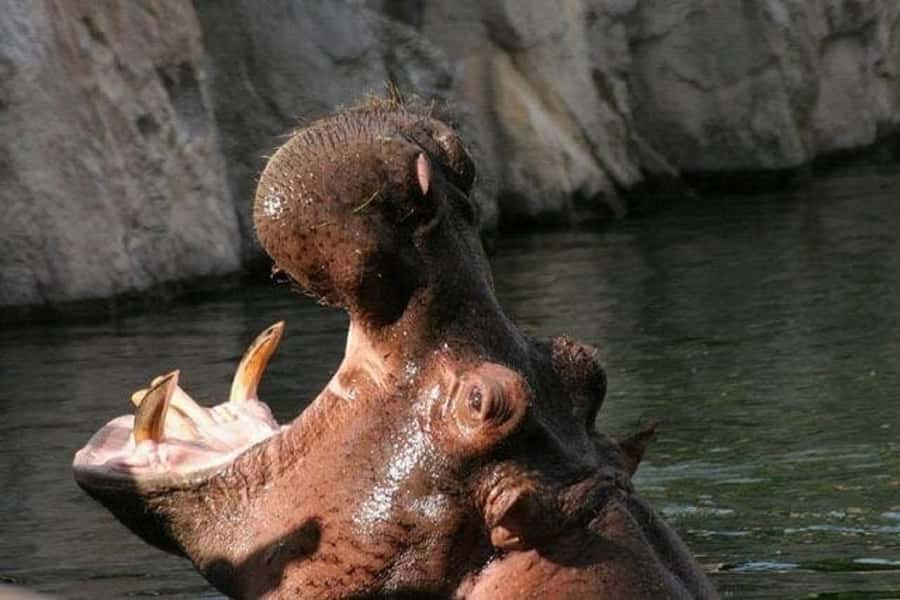
The Patagonia Fauna area recreates environments stretching from the Andes Mountain Range to the Atlantic coast. This gives you a broad look at one of Argentina’s most varied regions without leaving the park.
The appeal here is the change in setting. Patagonia is often pictured as a dry, open part of the country, but its environments vary greatly from mountains to coastal areas. A section that represents this range can help you think about how animals adapt to different conditions across one large region.
Do not expect every stop to deliver a constant animal sighting. The park’s habitat approach means that some views may feel more like observation than a staged display. I see that as a fair trade if you value animal space and regional context, but it may disappoint you if your main goal is a guaranteed close-up photograph.
Still Argentina, but a completely different sort of afternoon:
- Buenos Aires Hop-On Hop-Off Bus, Free Walking Tours & Discounts
★ 4.5 · 2,218 reviews - Buenos Aires: Piazzolla Tango Show with Optional Dinner
★ 4.4 · 2,122 reviews - Buenos Aires: City Highlights Guided Tour with Transfer
★ 4.7 · 1,946 reviews - Buenos Aires: Hop-On Hop-Off City Bus Tour
★ 4.2 · 1,855 reviews
African birds and open-air animal areas
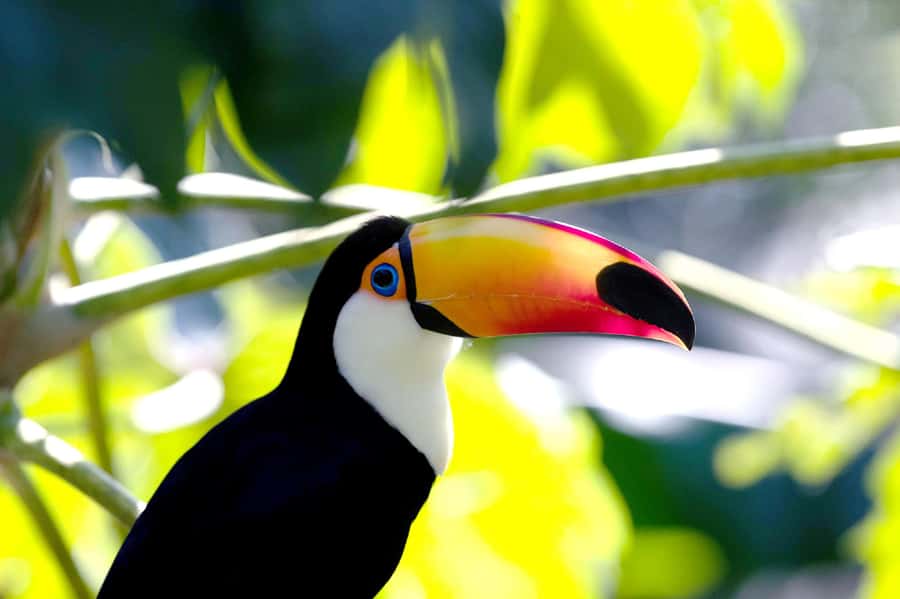
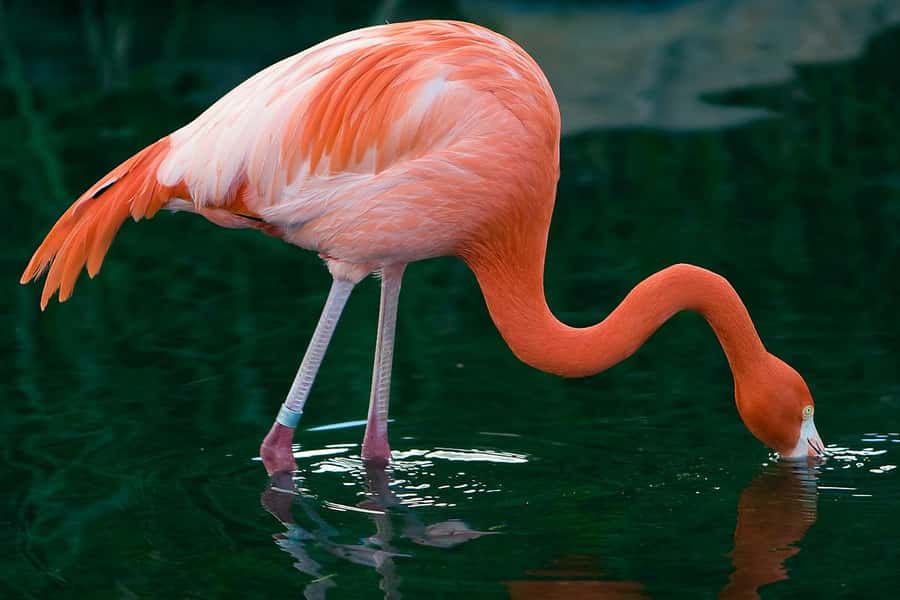
The African Zone brings a different tone, with flamingos, pelicans, antelopes, meerkats, and other animals. This is likely to be one of the most immediately appealing areas for families because the species are familiar, colorful, and varied.
The birds deserve special attention. Temaiken has almost 2,500 birds from five continents, so you should not treat the bird collection as a minor part of the visit. Flamingos and pelicans are among the named highlights, but the larger collection gives bird lovers plenty of reason to take their time.
The three islands add another layer to the African section. They are home to lemurs, hippos, cheetahs, and zebras, giving you several well-known species in separate settings. Each animal brings a different kind of interest: lemurs are lively and social, hippos are powerful and imposing, and cheetahs and zebras offer a sharper contrast in movement and appearance.
Again, visibility can vary. The natural habitat design may leave some areas looking empty at a given moment. If you are visiting with children, prepare them for the idea that a quiet enclosure does not mean the animal is missing. It may simply be resting or out of view.
Asian animals, from tigers to flying foxes

The Asian Zone shifts the focus to tigers, bats, flying foxes, squirrels, and other animals. This section gives you some of the park’s most recognizable animals, but it also includes smaller and less expected species.
Tigers are the headline attraction here, yet I would not rush past the bats and flying foxes. They show a different side of the animal world and make the zone more varied than a big-cat stop alone. Squirrels add a lighter, more familiar touch.
The Asian area is also a useful reminder that a good animal park does not need to rely only on the largest or most dramatic creatures. The mix of mammals and flying animals gives the section a broader educational purpose.
If seeing a specific animal is the central reason for your visit, keep your expectations sensible. Animal sightings are never fully predictable, and one person found the park’s spacious habitats meant a lot of searching. You may enjoy the setting more if you approach it as a day of observation rather than a checklist.
The aquarium gives the day a welcome change
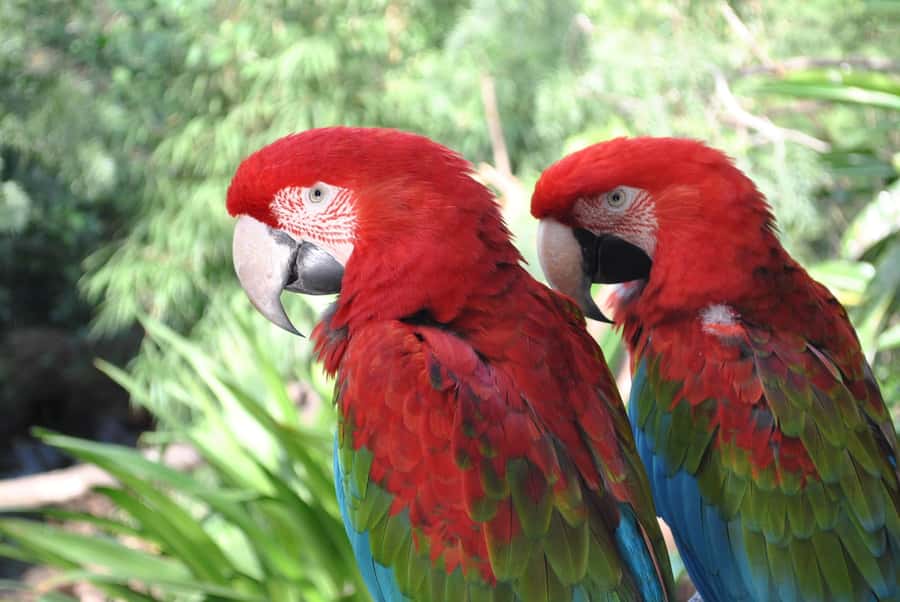
The aquarium is one of Temaiken’s strongest features. It takes you from land-based habitats into an underwater world, with displays about tide pools and rivers and tanks containing sharks.
This is a useful part of the day for two reasons. First, it gives you a break from walking through the outdoor sections. Second, it adds marine and freshwater environments that would otherwise be missing from a visit centered on land animals and birds.
The shark tanks provide the biggest visual moment, while the tide pool and river displays help explain smaller water ecosystems. The aquarium was described as well done and enjoyable, which matches its role in the overall visit: it is not just a filler attraction for rainy weather, but a key section in its own right.
I would make sure you leave enough time for it. With so many outdoor zones, it would be easy to spend the whole day among the mammals and birds and then hurry through the aquarium near closing time. That would mean missing one of the park’s more polished and accessible exhibits.
Botanical gardens and plants between the animals
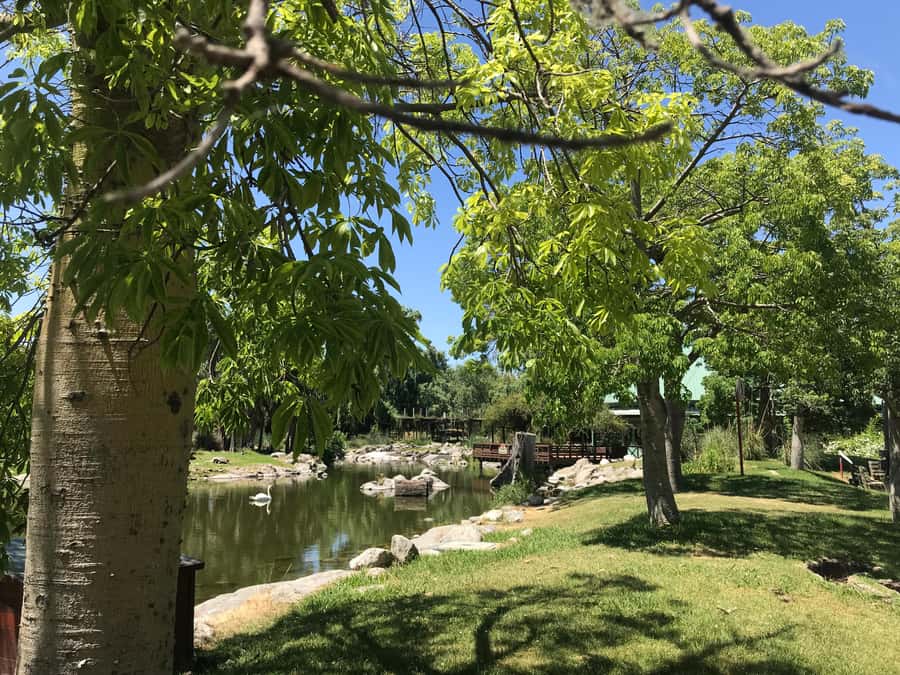
The botanical garden element helps Temaiken feel less like a conventional zoo. Between the animal zones, you can admire a broad range of plants and see how vegetation shapes each habitat.
That matters because plants are not just decoration here. They help create the sense of place that links each section to a region. The Native Zone, Patagonia area, African Zone, and Asian Zone should feel different partly because their plant life and surroundings differ.
A visitor from Brazil described the park as very beautiful and well maintained. I would give that praise proper weight, since the condition of the gardens can affect a long day outdoors just as much as the animal collection. Well-kept paths and planting make the hours of walking more pleasant.
The gardens also give you a quieter way to enjoy the park. If you need a pause from busy animal viewing, slow down and look at the flora. You will get more from Temaiken if you allow time for that rather than treating the plants as scenery between enclosures.
How much value do you get for $33?

At $33 per person, the ticket is not a small casual expense, but the eight-hour duration helps justify the cost. You are paying for access to a large park with animals from several continents, a substantial bird collection, botanical displays, and an aquarium.
The value depends on how you like to spend a day. If you want a compact attraction with guaranteed close views, this may feel expensive, especially if several animals stay hidden. If you enjoy walking, gardens, regional habitats, and a mix of indoor and outdoor exhibits, the price is easier to defend.
The ticket includes admission only. You must arrange your own transport to and from the park, so add that cost and time when planning your budget. The experience is best value when you can devote most of the day to it rather than squeezing it between other activities.
I also place value on the park’s range. A zoo ticket alone might give you animals, but Temaiken adds the aquarium, plant collections, and conservation education. That variety can keep a family or mixed-interest group engaged for longer.
Practical planning for a smooth visit
Set aside the full eight hours if you want a relaxed visit. You can move through the park more quickly, but the large grounds, multiple regional zones, bird collection, gardens, and aquarium all compete for your attention.
Wear something suitable for a long day of walking, although the supplied information does not specify particular clothing requirements. More importantly, bring your passport or ID card, since identification is listed as necessary.
Pay close attention to the ticket procedure. After booking, the local provider sends the actual entry tickets by email or WhatsApp up to 24 hours before the activity. You need to print those tickets, and the standard GetYourGuide voucher is not valid for entry.
That detail is not minor. One person reported receiving the tickets only at the last moment after considerable trouble. I would check your email and WhatsApp well before leaving, and I would contact the provider promptly if the separate ticket has not arrived.
The park is wheelchair accessible, which makes the large grounds more practical for visitors with mobility needs. Still, the experience involves a great deal of space, so you should consider your own pace and how much of the park you want to cover.
Staff helpfulness received particularly positive praise. That matters in a large site where you may need directions or help understanding the ticket process. Even with good staff support, print the provider-issued ticket before setting out rather than relying on your phone or booking voucher.
Who will enjoy Temaiken most?
I would recommend Temaiken to families, bird lovers, plant lovers, and anyone who prefers a full-day nature outing to a short city attraction. The mix of animals and gardens gives adults enough variety, while the sharks, tigers, hippos, cheetahs, zebras, meerkats, and bats provide plenty for children to notice.
It also suits visitors who want to learn about Argentine wildlife, not just see animals from distant continents. The Native and Mesopotamian sections add local context that many international zoos lack.
You may enjoy it less if your priority is photographing every major animal at close range. The habitats are designed with room for the animals, and that can mean empty-looking spaces or long searches. I consider that a reasonable compromise, but you should know about it before paying for admission.
The park is also a better fit for people who can give it most of a day. If you have only a few hours in Buenos Aires Province, the transport and size may make the visit feel rushed.
Should you book Temaiken Biopark?
Book it if you want a broad, educational day with animals, gardens, birds, and an aquarium. The combination of Argentine wildlife, regional habitats, almost 2,500 birds, and strong aquarium displays gives the ticket solid value for a full day.
Skip it if you need a compact zoo with constant animal visibility or if arranging transport feels inconvenient. For everyone else, $33 is a fair price for the range of exhibits, provided you budget for transport and remember that the printed provider ticket, not the ordinary booking voucher, gets you through the gate.
FAQ
How much does admission to Temaiken Biopark cost?
The listed price is $33 per person.
How long should I allow for the visit?
The stated duration is eight hours. This gives you time to explore the large grounds, animal zones, botanical gardens, bird areas, and aquarium.
What does the ticket include?
The ticket includes admission to Temaiken Biopark.
Is transport to the park included?
No. Transport to and from the park is not included.
What animals can I see at the park?
The park includes tigers, hippos, cheetahs, zebras, bats, meerkats, flamingos, pelicans, antelopes, lemurs, tapirs, capybaras, yacarés, lagoon turtles, and many other animals.
Does Temaiken have an aquarium?
Yes. The aquarium includes displays about tide pools and rivers, as well as tanks with sharks.
What should I bring for admission?
Bring your passport or ID card. You also need the printed entry ticket sent by the local provider.
Can I enter with my GetYourGuide voucher?
No. The GetYourGuide voucher is not valid for entry. The local provider sends the actual tickets by email or WhatsApp up to 24 hours before the activity, and those tickets must be printed.
Can I cancel for a refund?
Yes. You can cancel up to 24 hours in advance for a full refund.
Recently added around Buenos Aires
- Photo Session in Buenos Aires★ 5.0 · 26 reviews
- Your Personal Photographer in Buenos Aires★ 5.0 · 24 reviews
- Discover Buenos Aires’ independent art scene — Ticket included★ 5.0 · 30 reviews
- Your Private Photographer in Buenos Aires★ 5.0 · 4 reviews
- Yerba Mate Workshop – Learn to Drink Mate like a Local!★ 5.0 · 11 reviews
- Taste of Tradition: Yerba Mate & Alfajores Experience★ 4.0 · 5 reviews
- Wine tasting in OASIS Palermo★ 5.0 · 2 reviews
- Day Tour Classic★ 3.5 · 35 reviews
Tickets, compared.



Skip the Line Ticket for Tango Porteño Show with Dinner Platea
Read our review →