
Reviewed · FOOTBALL AND STADIUM TOURS
River Plate Stadium and Museum Guided Tour
Football is Buenos Aires at full volume. River Plate’s museum and stadium tour gives you a close look at one of Argentina’s biggest clubs, from its early years to its many international titles. I especially like the private guide and the chance to enter the stadium tunnel and visitors’ changing room, rather than seeing only a museum display.
The tour also includes skip-the-line entry, a snack, and a souvenir. The main point to consider is that access to the stadium, tunnel, and changing rooms can change when matches, concerts, training, cleaning, or renovation work takes priority.
The advertised meeting point is the main entrance of the River Plate Museum in Núñez. You should not assume hotel pickup, since transfers are not included, and one booking note mentioned hotel collection while the tour details specifically exclude transportation.
In This Review
- Key points about the River Plate stadium tour
- Why River Plate means so much in Argentina
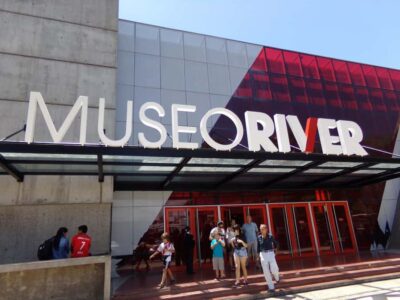
- Starting at the River Plate Museum in Núñez
- Inside the museum: titles, identity, and River Plate’s story
- Seeing El Monumental from inside
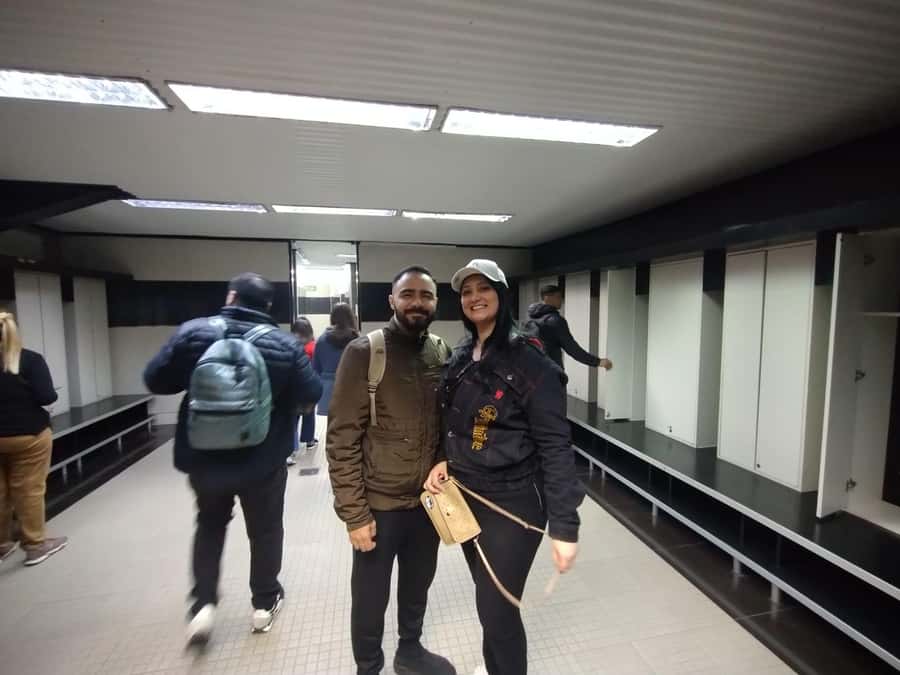
- The tunnel and visitors’ changing room
- Snack and souvenir: small extras with mixed value
- Private guide, languages, and group size
- Price and practical value at $117
- Who will enjoy this experience most
- Should you book the River Plate stadium and museum tour?
- FAQ
- Where does the River Plate stadium tour meet?
- How long does the River Plate museum and stadium tour last?
- What does the ticket include?
- Is transportation included?
- What languages are available?
- Is the tour private?
- Can the stadium route change?
Key points about the River Plate stadium tour
- The stadium holds 86,000 spectators: El Monumental is described as the largest stadium in the American continent, giving the visit a scale that a small club museum cannot match.
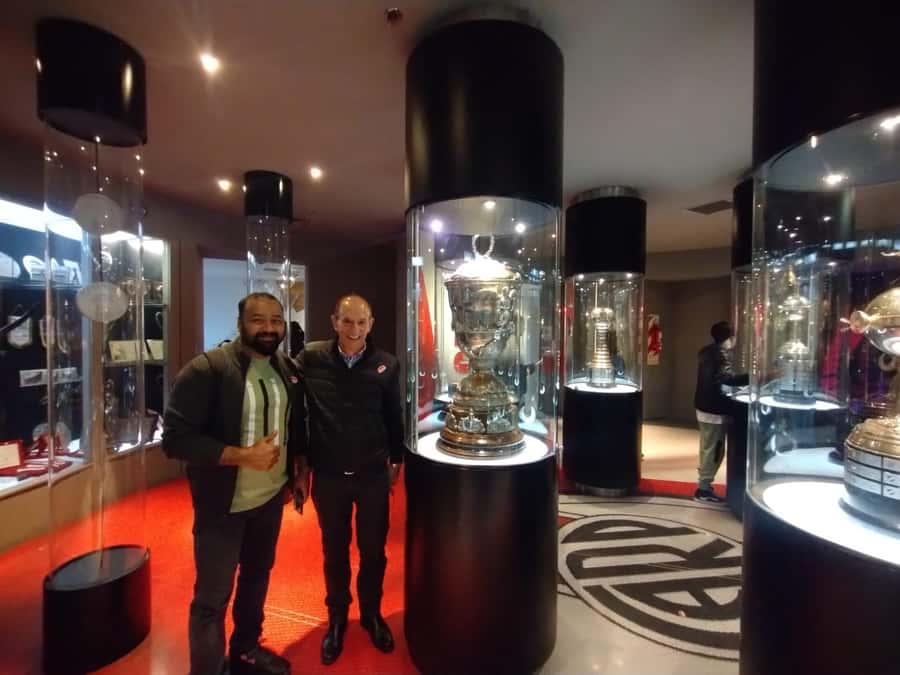
- The museum covers more than a century: You follow River Plate from humble beginnings through more than 70 major titles.
- The private format matters: You can ask questions and move at a more personal pace with an English, Portuguese, or Spanish-speaking guide.
- The route goes beyond trophies: The experience includes the stadium, a single tunnel, and the visitors’ changing room.
- Guide quality has been a highlight: Juan is specifically praised in recent feedback, while other comments describe the guide as friendly and willing to help.
- Allow two to three hours: The tour is long enough for context and photos, though one recent booking described the experience as a little short.
Why River Plate means so much in Argentina
River Plate is not simply a football club with a stadium attached. Its supporters call it El más grande, or the greatest, and the club has more than a century of history behind that claim.
River is one of Argentina’s five major football clubs and the historic rival of Boca Juniors. That rivalry is part of the larger Buenos Aires football story, but you do not need to be a lifelong supporter to understand why this place matters. River Plate has built a national and international following, and its success has made the club important far beyond the Núñez neighborhood.
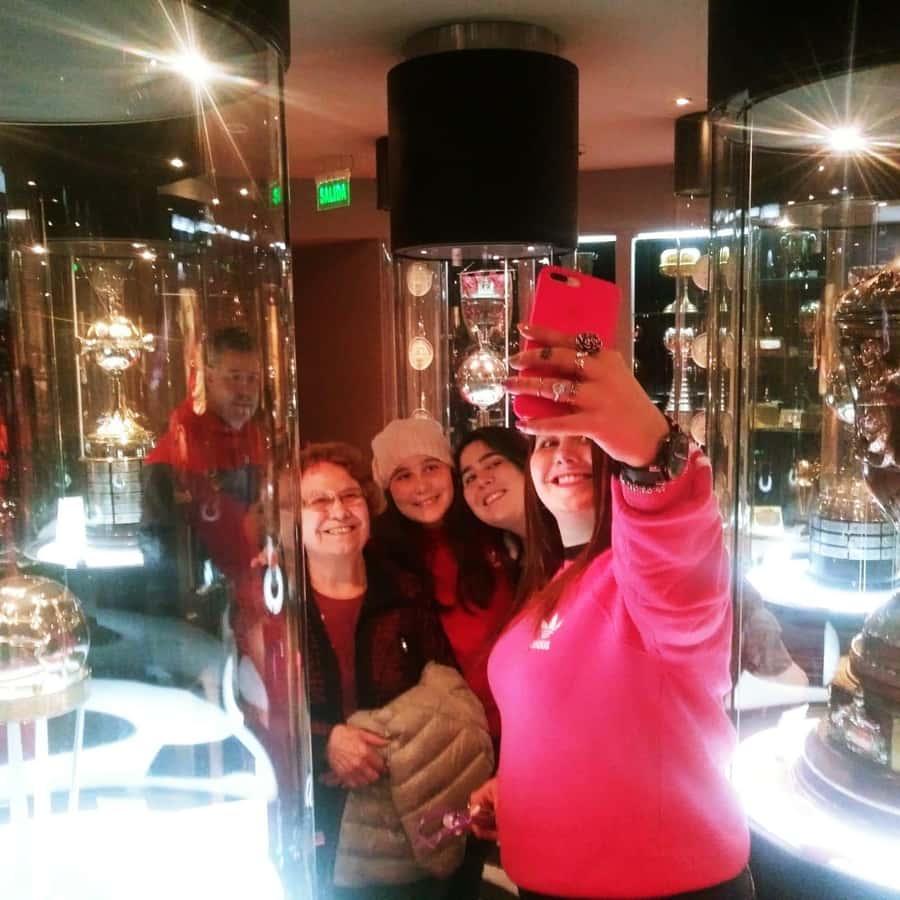
The club has won more than 70 titles, including four Copa Libertadores de América trophies, three Recopa Sudamericana titles, one Interamericana, a Supercopa Sudamericana, a Copa Sudamericana, and a Suruga Bank. The museum gives those achievements a physical home, with the kind of displays that help turn a long list of victories into a story.
The stadium also carries national meaning. El Monumental witnessed Argentina’s victory in the 1978 World Cup, so the building belongs to both River Plate and the country’s football identity. That extra layer makes the tour useful even if your interest is Argentine culture rather than club statistics.
More football and stadium visits in Buenos Aires:
- Buenos Aires: Tickets to Boca Juniors Museum & Stadium
★ 4.5 · 581 reviews - Boca Juniors Tickets for a Match at La Bombonera
★ 4.5 · 140 reviews - Soccer Match in Buenos Aires with Transfers and Local Guide
★ 5.0 · 103 reviews
Starting at the River Plate Museum in Núñez
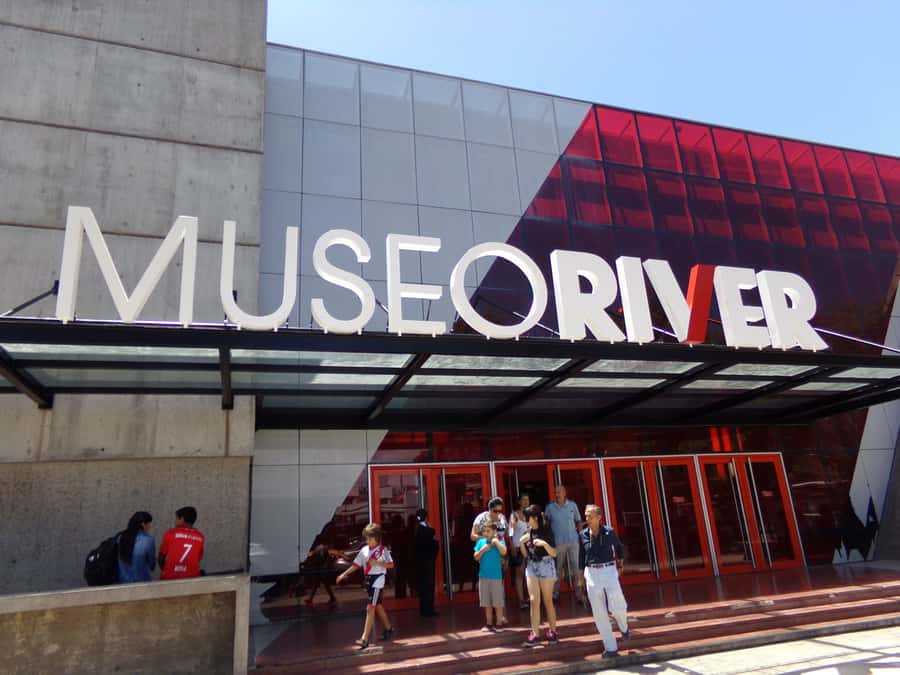
You meet at the main entrance of the River Plate Museum. This is important because transportation is not included, so you need to arrange your own way to the stadium and arrive at the correct entrance.
The tour includes skip-the-line service through a separate entrance. That can save time, especially on a busy day, but you should still check the exact starting time when booking. The listed duration is two to three hours, and available start times can vary.
The museum entrance is a sensible place to begin. It gives you the club’s story before you see the physical spaces where players and supporters gather. You can understand the importance of the shirts, trophies, and photographs better after hearing how River Plate grew from its early years into one of Argentina’s most successful teams.
Bring your passport or identity card, even though the tour information does not specify exactly when it will be checked. Comfortable shoes are a good idea because the visit includes several parts of a large sports complex. Sunglasses, a hat, and sunscreen are also listed as useful items, particularly if part of your route is exposed to the sun.
Inside the museum: titles, identity, and River Plate’s story
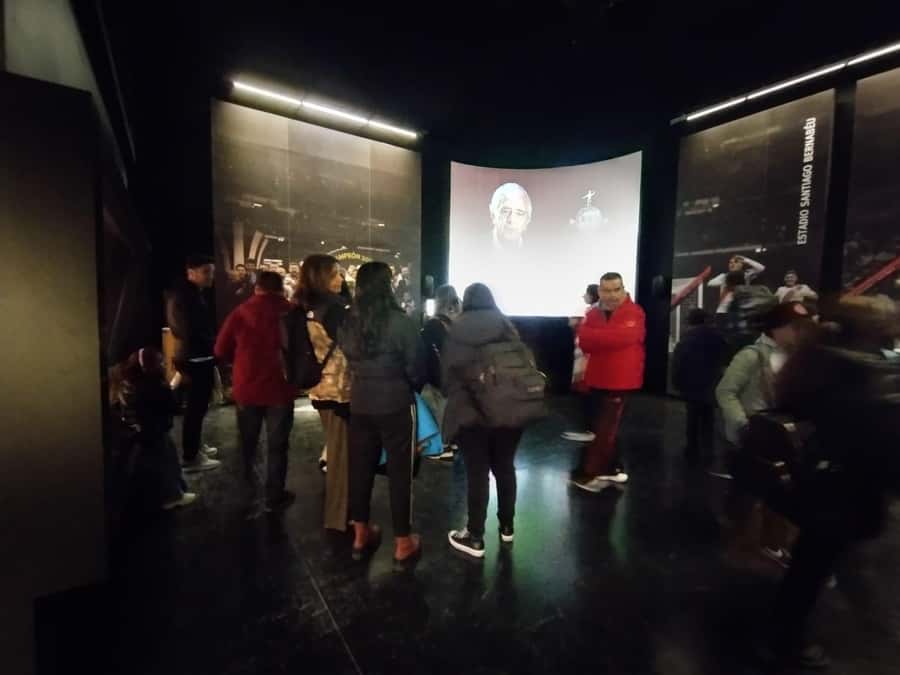
The museum is the tour’s main source of historical context. You can expect a guided presentation of River Plate’s development, from its modest beginnings to its current place among Argentina’s most successful clubs.
The value of a private guide is clearest here. A display case can show a trophy, but a guide can explain why that trophy matters, how it fits into River’s wider story, and why the club’s rivalry with Boca Juniors still carries such force. If you speak English, Portuguese, or Spanish, you can request a guide in your preferred language.
The museum also helps nonfans find an entry point. You might not recognize every player or competition, but the club’s achievements, colors, rivalries, and connection to Argentine national football provide a readable story. If you already follow South American football, you will likely spend more time on specific tournaments and titles.
Recent feedback gives the guide a strong mark overall. Juan has been singled out as excellent, and another comment praised the guide’s kindness and willingness to help. One English-language comment simply said the visitor learned a lot, which is a good sign for anyone hoping for more than a quick walk through glass cases.
Still, the guide’s quality can depend on the person assigned that day. The tour is advertised as private, but the exact guide name is not guaranteed. If Juan is available, you may be able to request him, but do not treat that as promised unless the operator confirms it.
Seeing El Monumental from inside
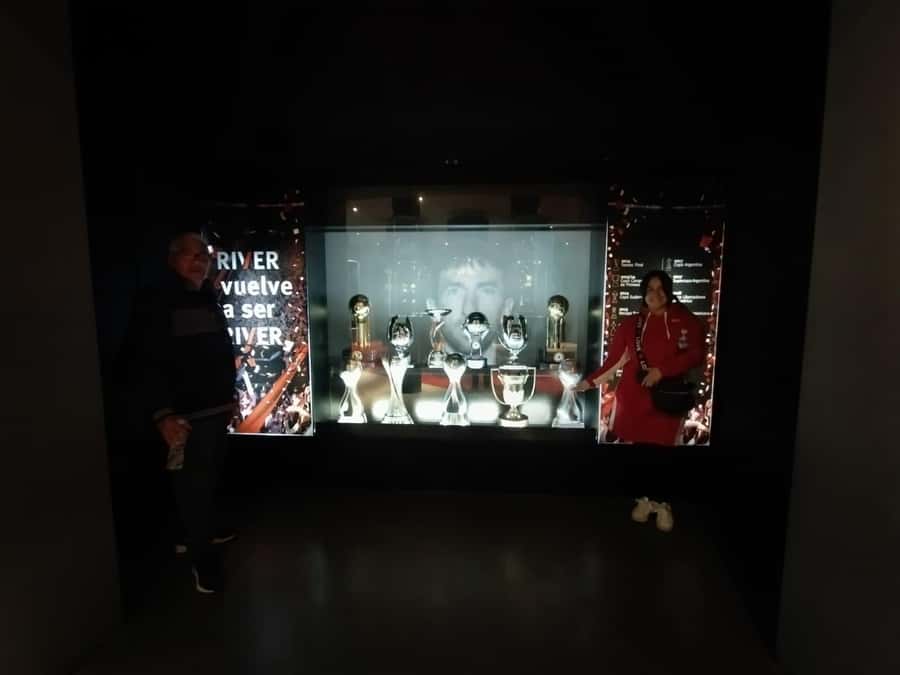
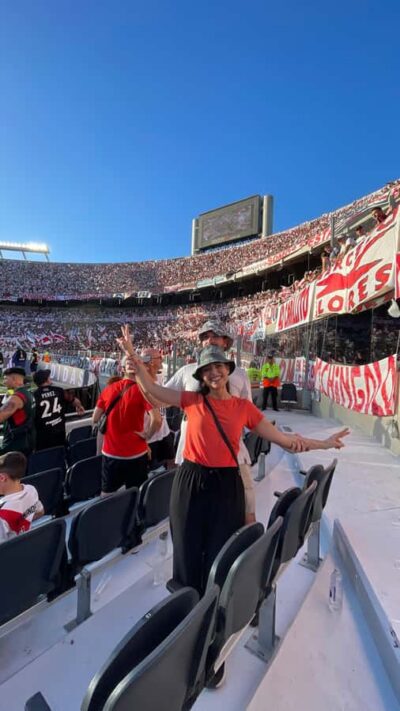
After the museum, the visit moves into the stadium itself. El Monumental has a capacity of 86,000 spectators and is described as the largest stadium in the American continent. Even without a match taking place, that size gives you a clear sense of River Plate’s reach.
The stadium is not presented as a quiet historical shell. It is a working sports venue, and that is both part of its appeal and the source of the main uncertainty. Matches, concerts, training sessions, renovations, refurbishment, and cleaning can all affect which areas are open.
You may see sections of the stadium that show how the venue functions on a match day. Exact viewing areas can change, so it is better to think of the visit as access to the stadium complex rather than a guaranteed seat-by-seat route around every section.
This is where the private format can help. You can ask the guide about the stadium’s role in River Plate’s victories, the 1978 World Cup, and the club’s place in Argentine football. You can also ask for clarification if the route changes on your date.
For a fan, the emotional value comes from being inside a place associated with major wins and large crowds. For a casual visitor, the attraction is scale. An 86,000-seat stadium is a different experience from a small local ground, and the size is easier to appreciate from inside than from a street photograph.
A few more Buenos Aires trips worth putting side by side
- Buenos Aires: River Plate and Boca Juniors Museum Tour
★ 4.5 · 72 reviews - Buenos Aires: Hop-On Hop-Off Bus and Football Museums
★ 4.3 · 39 reviews - Buenos Aires: Tickets to River Plate Museum
★ 4.6 · 32 reviews - Boca Juniors and River Plate Stadium Tour + TOP Museum.
★ 4.5 · 30 reviews
The tunnel and visitors’ changing room
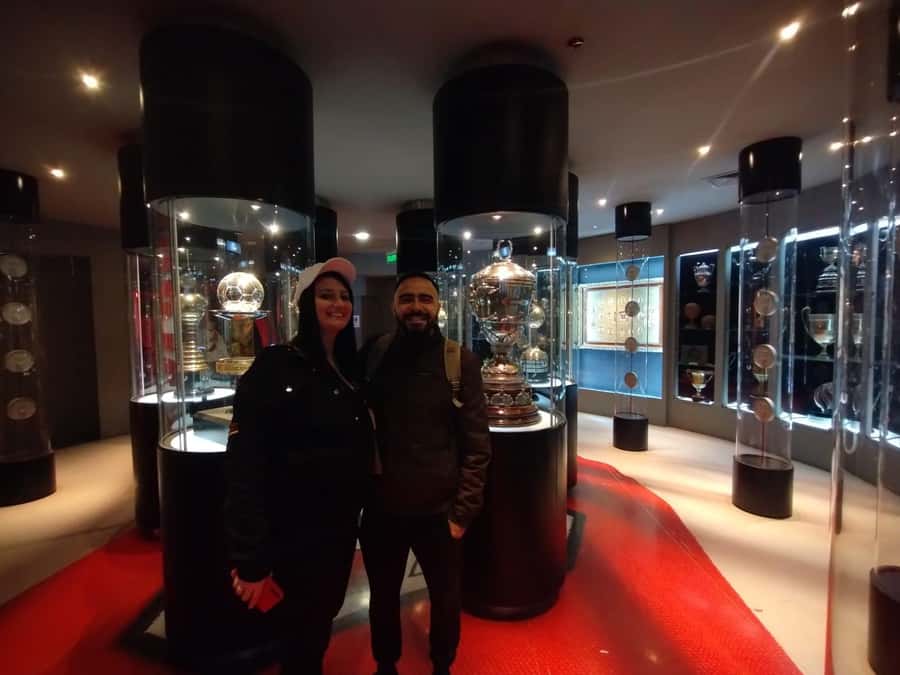
The tour includes a single stadium tunnel and the visitors’ changing room. These are among the most appealing parts for anyone curious about the match-day routine.
A tunnel is a small passage with a big role. It connects the private side of football with the public spectacle of the field, and standing there helps you picture the movement of players, officials, and teams before a match. The visitors’ changing room offers another look at the stadium from the perspective of an away team.
The wording matters: the included route specifies a single tunnel and the visitors’ changing room. It does not promise access to every dressing room, every tunnel, or all player-only areas. If those details are important to you, ask the guide what is open on the day.
Access can also change without much notice. A match, concert, training session, renovation, refurbishment, or cleaning work may close one or more spaces. This is the tour’s biggest practical drawback because the stadium areas are likely to be the part you most want to see.
The operator says that route changes may occur, so book this with some flexibility. If you would be disappointed by missing the changing room or tunnel, confirm the day’s access as early as possible. The museum remains the more dependable part of the experience, but it cannot fully replace the behind-the-scenes stadium route.
Snack and souvenir: small extras with mixed value
A snack and souvenir are included. These are pleasant additions, but I would not use them as the main reason to pay for the tour.
The snack is a minor convenience during a two to three-hour visit. It may be useful if you arrive between meals, but the information does not specify the food, drink, or dietary options. If you have allergies or special dietary needs, ask before booking rather than relying on the general word snack.
One recent complaint said the contracted snack was not received. That does not prove it will be missing on your visit, but it is a fair reason to confirm what is included and how it will be provided. The same complaint also raised concerns about access and said the service delivered did not match the private arrangement. Most feedback is positive, but this warning is worth taking seriously.
The souvenir can be a nice keepsake for a River Plate supporter. Its exact form is not specified, so treat it as a bonus rather than something you can select in advance.
Private guide, languages, and group size
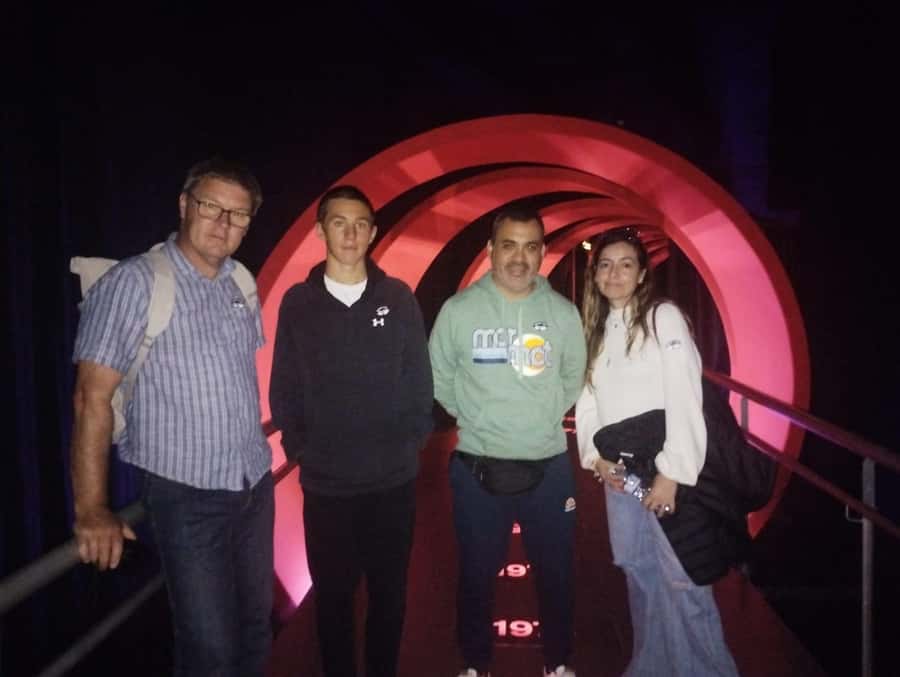
This is a private-group tour, which gives it a different feel from a standard stadium walk with a large crowd. You have more room to ask questions, request explanations, and focus on the parts that interest you most.
The guide service is available in English, Portuguese, and Spanish. That range is particularly useful in Buenos Aires, where football history can include club names, competitions, and local references that are easy to miss in a rushed presentation.
A private guide is most valuable in the museum. If you already know River Plate’s history, you can ask about specific titles and rivalries. If you are new to the club, the guide can explain the basic story without leaving you to decode displays on your own.
The private format may also help families or mixed groups. A football fan can ask detailed questions while someone less interested in sport can focus on the architecture, national history, and match-day spaces. The duration of two to three hours gives the guide enough time to adjust, although one recent comment felt the tour was a little short.
The overall rating is 4.4 from 15 reviews, with many strong marks for the guide and general experience. That is encouraging, but it is not a large sample. I would book because the format and access are appealing, not because the rating removes every risk.
Price and practical value at $117
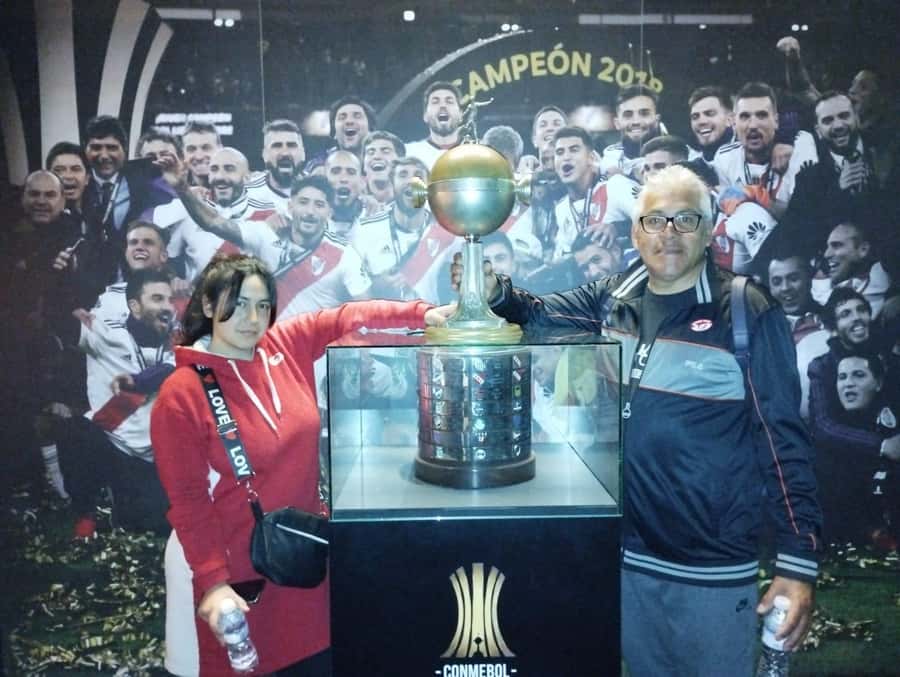
At $117 per person, this is not a low-cost museum visit. You are paying for the private format, a live guide, skip-the-line access, entry to the museum and stadium, the tunnel and visitors’ changing room, plus a snack and souvenir.
The price makes more sense if you value personal attention. A standard museum ticket may be cheaper, but it may not include the same guided explanation or the same route through the stadium. For a committed River Plate supporter, the private access can justify the extra cost.
The value is weaker if you mainly want to see a few trophies and take a quick photograph. One comment described the tour as good but a little short, and access to the stadium areas is not guaranteed. Paying a premium for a private tour becomes harder to justify if the route is restricted by an event or maintenance work.
I would also factor in your transport costs. Since transfers in and out are excluded, the $117 price is not the total cost of the outing. The meeting point is clear, but one booking record mentioned hotel pickup, which conflicts with the stated inclusion list. Confirm this before you make plans, and assume you must reach the museum yourself unless pickup is written into your booking.
Free cancellation up to 24 hours before the activity and the option to reserve now and pay later make the booking less rigid. Those terms are useful if your Buenos Aires plans are still changing, but they do not solve the question of stadium access on the day.
Who will enjoy this experience most
I would recommend the tour most strongly to:
- River Plate supporters who want to see the club’s museum and match-day spaces
- Football fans interested in Argentine and South American competition
- Visitors who prefer a private guide to a large group
- Families or mixed-interest groups that need explanations in English, Portuguese, or Spanish
- People who want context about the 1978 World Cup and Argentina’s football culture
You do not need to know River Plate’s full trophy list before arriving. The guide can provide the background, and the museum gives you a clear starting point.
I would be more cautious if you have only a short amount of free time, dislike paying for extras, or need guaranteed access to every stadium area. The route can change, and the tour requires you to reach Núñez independently.
Wear comfortable shoes and bring sun protection. Alcohol and drugs are not allowed. A passport or identity card should be carried, and biodegradable sunscreen is specifically recommended in the tour information.
Should you book the River Plate stadium and museum tour?
Book it if you want more than a museum ticket. The private guide, skip-the-line entry, stadium visit, tunnel, and visitors’ changing room create a fuller picture of River Plate and its place in Argentina. The strong comments about friendly guides, including Juan, support the idea that the personal format is a real benefit.
Before paying $117, confirm three things: the meeting arrangement, the snack, and which stadium areas are open on your date. The tour is best for people who accept that a working stadium can change its access plan. If you can live with that, it offers a personal look at one of Buenos Aires’ most important football institutions.
FAQ
Where does the River Plate stadium tour meet?
The meeting point is the main entrance of the River Plate Museum in Núñez.
How long does the River Plate museum and stadium tour last?
The tour lasts approximately two to three hours.
What does the ticket include?
It includes skip-the-line entry, the museum, the stadium, a single tunnel, the visitors’ changing room, a snack, and a souvenir.
Is transportation included?
No. Transfers to and from the meeting point are not included.
What languages are available?
The live guide service is available in English, Portuguese, and Spanish.
Is the tour private?
Yes. The experience is listed as a private-group tour with a private guide.
Can the stadium route change?
Yes. Visits to the stadium, tunnel, and changing rooms may change because of matches, concerts, training sessions, renovations, refurbishment, or cleaning.
Recently added around Buenos Aires
- Photo Session in Buenos Aires★ 5.0 · 26 reviews
- Your Personal Photographer in Buenos Aires★ 5.0 · 24 reviews
- Discover Buenos Aires’ independent art scene — Ticket included★ 5.0 · 30 reviews
- Your Private Photographer in Buenos Aires★ 5.0 · 4 reviews
- Yerba Mate Workshop – Learn to Drink Mate like a Local!★ 5.0 · 11 reviews
- Taste of Tradition: Yerba Mate & Alfajores Experience★ 4.0 · 5 reviews
- Wine tasting in OASIS Palermo★ 5.0 · 2 reviews
- Day Tour Classic★ 3.5 · 35 reviews
Football and Stadium Tours, compared.

Boca Juniors Tickets for a Match at La Bombonera
Read our review →
Soccer Match in Buenos Aires with Transfers and Local Guide
Read our review →
Buenos Aires Football Experience: Boca & River Stadium Tour
Read our review →Browse the lists this tour appears in