
Reviewed · CANOES & KAYAKS
PATAGONIA INDIGENOUS PEOPLES: Tehuelche, Mapuche, canoe tribes
History hides in plain sight. This 90-minute walk connects Bariloche’s main civic, religious, and waterfront sights with the stories of the Tehuelche, Mapuche, and canoe-using peoples who lived in Patagonia long before the city took shape. I like the way it links colonization, Christianity, and Indigenous life instead of treating them as separate subjects. I also like the small maximum of 15 people, which gives you a better chance to ask questions.
The possible drawback is time. Ninety minutes is enough for a sharp introduction, but not enough for a full museum visit or a long discussion at every stop. The walk is fairly manageable, though you should have a moderate level of fitness and be ready to move through downtown Bariloche.
The guides are the heart of the experience. Diego is praised for making difficult history clear and engaging, while Diana has been described as an excellent guide for understanding Bariloche’s past and present. If you want more than chocolate shops, mountain views, and postcard streets, this is a thoughtful and unusual city tour.
In This Review
- Key points to know before booking
- Why this short walk matters in Bariloche
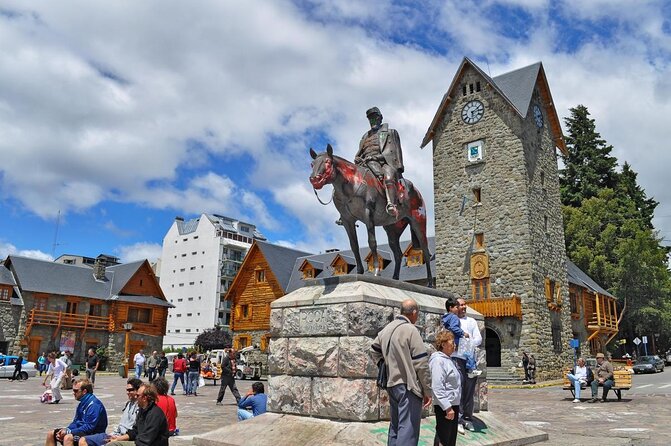
- Starting at the Centro Civico
- Following the Indigenous story to Lago Nahuel Huapi
- Reading the cathedral through a different lens
- The optional Patagonia Museum room
- What the guide adds to the experience
- Is $41 a fair price?
- Who should book this Bariloche experience?
- Timing, meeting point, and practical details
- FAQ
- How long does the Patagonia Indigenous Peoples tour last?
- What time does the tour start?
- Where does the tour begin?
- Where does the tour end?
- What places does the tour visit?
- Is the museum visit included?
- How many people can join the tour?
- Is the tour suitable for people with mobility concerns?
- Can I cancel for a refund?
- Should you book it?
Key points to know before booking
- The Centro Civico opens the story: You begin at Bariloche’s best-known civic monument, where the guide points out traces of Indigenous peoples in the area.
- The lakefront adds a useful sense of place: A walk beside Lago Nahuel Huapi connects local stories to the water and surrounding region.
- The cathedral visit is better with commentary: The guide explains the relationship between Indigenous communities and the Catholic Church, including details you might otherwise miss.
- The museum visit is short and optional: You see one room devoted to Indigenous history, with admission not included in the tour price.
- Small groups improve the conversation: The group can include no more than 15 people, so questions are more practical than on a large coach tour.
- The tour is inexpensive for a focused history walk: At $41 per person, the value depends on how much you want context rather than sightseeing alone.
Why this short walk matters in Bariloche
Bariloche is often sold through its scenery. The lake, surrounding peaks, Swiss-style architecture, and outdoor activities understandably take center stage. But that can leave the city feeling like a pretty base for excursions rather than a place with its own complicated past.
This tour corrects that imbalance. You spend time in central Bariloche, but the subject is not simply the city’s architecture or tourist economy. You learn how Indigenous peoples lived in the region, how colonization changed their lives, and how the Catholic Church became part of that story.
I appreciate the direct approach. The experience does not appear designed to romanticize Indigenous culture or reduce it to a few decorative symbols. The guide discusses several groups, including the Tehuelche and Mapuche, as well as canoe-using peoples, then places their history beside the monuments created by later institutions.
That makes the walk useful early in your stay. Take it near the beginning of your time in Bariloche, and later visits to the lakefront, cathedral, or museum will have more meaning. You will recognize that the city is not just a modern resort center. It also sits within a much older human story.
A few more Bariloche trips worth putting side by side
- Half a day of kayaking on Lake Moreno in private service
★ 5.0 · 92 reviews - Half a day of kayaking on the Nahuel Huapi lake in private service
★ 5.0 · 53 reviews - Kayak paddling adventure around Bariloche
★ 5.0 · 49 reviews
Starting at the Centro Civico
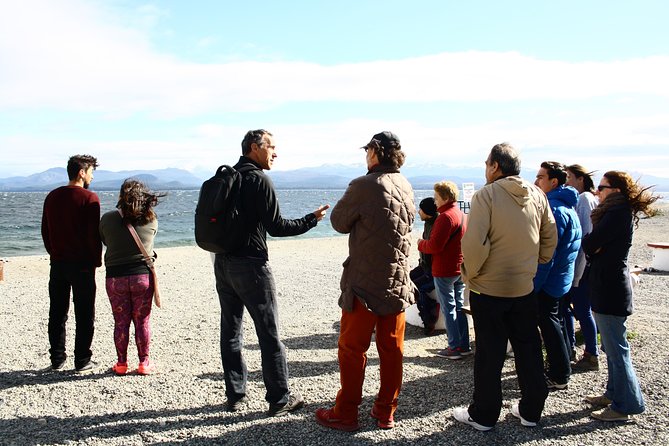
The meeting point is the Bariloche Tourism Secretariat at Libertad 56, near the Centro Civico. The start time is 11:00 in the morning, and the tour returns to this same area at the end.
The Centro Civico is a practical opening place because it is central, easy to find, and visually important. Rather than rushing straight to the lake, the guide begins with the historic monument and uses it to introduce the Indigenous presence in the region.
Expect about 30 minutes here. That is a useful amount of time for an introduction without turning the first stop into a lecture. You can look at the civic setting while the guide explains the footprints of aboriginal tribes in the area and gives you the basic framework for the rest of the walk.
The value of this stop is not only the building itself. It sets up a contrast between official public history and the people whose lives existed before modern Bariloche. A good guide can show you how monuments shape the story a city tells about itself, then point to what may have been left out.
Diego seems especially strong at this kind of explanation. His style has been praised for making historical material easy to follow while still giving enough detail for serious history fans. That balance matters because the subject can become either too light or too academic.
Following the Indigenous story to Lago Nahuel Huapi
From the civic center, the tour continues toward Lago Nahuel Huapi and through a lakeside park. This section lasts about 30 minutes and gives the walk a physical connection to the region under discussion.
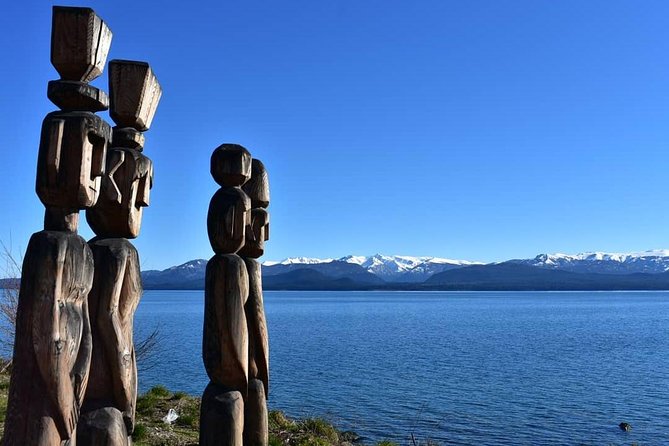
The lake is not just a scenic pause. The route uses the shore to explore relics and stories connected with Indigenous peoples. That helps you picture how water shaped movement, trade, food gathering, travel, and settlement in Patagonia, without separating the subject from the place where it happened.
I like this part because it keeps the tour grounded. You are not only looking at displays or hearing names in the abstract. You are walking beside the water and hearing why the lake matters to the communities connected with it.
The park and waterfront also provide a change of pace after the civic center. You can expect a relaxed walk rather than a demanding hike. Still, the tour requires enough mobility for city walking and time on your feet. One useful point from the available feedback is that the route involves only a small amount of walking for people with mobility concerns or older visitors, but the official guidance still calls for moderate physical fitness.
Do not expect a long scenic stroll. The lake stop is part of a compact historical route, not a full waterfront excursion. If your main goal is photography or quiet time by the water, you may want to return later on your own.
Reading the cathedral through a different lens
The next stop is Iglesia Nuestra Señora del Nahuel Huapi, where the tour spends about 15 minutes. The focus is the relationship between Indigenous communities and the Catholic Church.
This is one of the most useful parts of the walk because religious buildings often look straightforward until someone explains the human stories behind them. The guide helps you consider how Christian institutions interacted with Indigenous peoples and how colonization affected those relationships.
The cathedral commentary receives unusually strong praise. Diego is credited with pointing out details that would be easy to miss, making the visit far more meaningful than simply stepping inside, looking around, and leaving. That is exactly where a local guide can earn the cost of a tour.
Fifteen minutes is brief, so the visit is an introduction rather than a full architectural or religious study. The benefit is focus. You are less likely to get lost in a long explanation of every feature and more likely to leave with a clear understanding of why the church belongs in a tour about Indigenous history.
This stop also adds balance. The experience does not discuss colonization only through government policy or settlement. It looks at the role of Christianity as well, which gives you a fuller picture of the forces that changed Patagonia.
Still Argentina, but a completely different sort of afternoon:
- Bariloche: 7 Lakes & San Martin de Los Andes Road Trip
★ 4.5 · 624 reviews - German Footprint & Nazi presence – Walking Tour in Bariloche
★ 5.0 · 337 reviews - Bariloche: Circuito Chico with optional Cerro Catedral
★ 4.5 · 316 reviews - Fly Fishing Bariloche
★ 5.0 · 305 reviews
The optional Patagonia Museum room
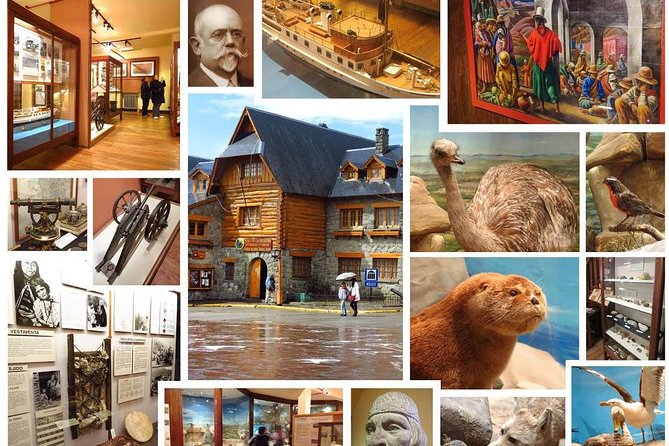
The final stop is the Museo de la Patagonia. The planned visit is about 15 minutes and centers on one room containing objects and material related to aboriginal history. The museum visit is optional, and admission is not included in the $41 tour price.
That short visit works best as a focused supplement. You should not expect enough time to explore the entire museum. Instead, the guide directs your attention to the Indigenous history material, helping you connect physical objects with the themes discussed during the walk.
A museum can make the tour’s ideas easier to remember. A spoken explanation about tools, clothing, movement, or cultural contact becomes more concrete when you see related historical material in front of you. The guide’s commentary is important here, since a quick look at a room without context may not tell you much.
Allow a little extra money for admission. The exact fee is separate from the tour, and one account describes a low-cost ticket that could also be used for later museum visits, but you should confirm the current arrangement when booking or arriving.
If you are short on time, the museum is the part you could skip. If you care about history, I would keep it. The extra room gives the tour a better finish and turns the experience from a city walk with historical commentary into a compact introduction to Patagonia’s Indigenous past.
What the guide adds to the experience
The guide makes or breaks a history tour, and the strongest praise here goes to Diego and Diana. Diego is described as friendly, entertaining, and able to make the material feel alive without losing the facts. Diana is praised for giving a clear sense of both Bariloche’s past and present.
That combination is important. You want enough detail to satisfy your inner history fan, but not so much that the walk feels like a classroom with sidewalks. The best comments about this experience point to a conversational style, with explanations that feel personal and easy to follow.
The small group helps. With a maximum of 15 people, you can ask about a particular group, a church detail, or the effect of colonization without shouting over a large crowd. A small group also makes it easier for the guide to adjust the pace and spend a moment longer on a subject that catches your interest.
English ability is another strength. Diego is specifically praised for speaking excellent English, which matters when discussing names, cultural relationships, and historical events that can be difficult to understand through a rushed translation.
One guide also helped a couple find a Nahuel Huapi boat tour for another day. That is not a promised part of the experience, but it suggests the practical value of having a local person to ask about the rest of your stay.
Is $41 a fair price?
At $41 per person, this is not the cheapest way to walk around central Bariloche. You can see the civic center, lakefront, cathedral exterior, and downtown streets without paying for a guide.
The question is what you would miss without one. You would miss the organized link between those places, the discussion of Indigenous peoples, the explanation of colonization, and the cathedral details that are easy to overlook. You would also need to pay separately for the museum if you visit it independently.
For a 90-minute experience with a small group and a specialist subject, I think the price is reasonable. It offers more than transportation or a standard sightseeing loop. You are paying for interpretation, not just access to public places.
The value is strongest if you enjoy history, want an English-language tour, or prefer a focused introduction over a broad city overview. It is weaker if you want a long walk, extensive museum time, or a full-day cultural program.
The tour has a 4.9 rating from 20 reviews, with 100 percent of reviewers recommending it. Those figures suggest a strong record, though the sample is still small. I would treat them as encouraging rather than as a guarantee that every guide or group will suit every person.
Who should book this Bariloche experience?
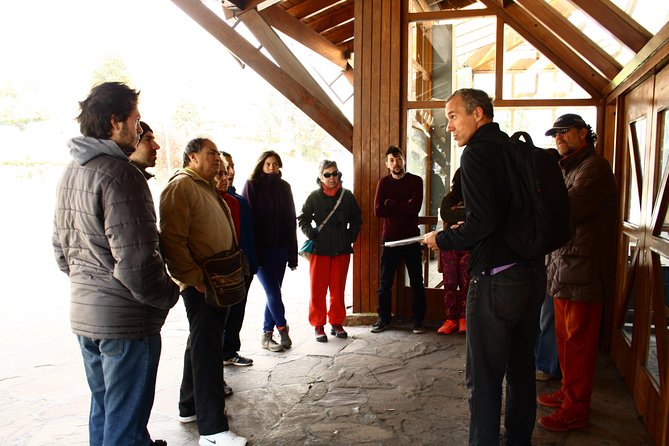
I would recommend it to first-time visitors who want to understand Bariloche beyond its tourist surface. It is also a good fit for anyone interested in Indigenous history, colonial encounters, the Catholic Church, or the way cities present their own past.
The experience suits solo visitors and couples especially well because the group size encourages conversation. Families with older children may also find it useful if they are comfortable with a serious historical subject and a short walking tour.
People with limited mobility may appreciate that the walking requirement is modest, but you should still be prepared for movement through downtown and around the lakeside area. The official guidance asks for moderate physical fitness, so do not treat it as a seated museum talk.
You may want to skip it if your time in Bariloche is extremely limited and you only want outdoor scenery. You should also think twice if you dislike guided discussion or prefer to explore museums at your own pace. This tour is built around explanation and context.
Timing, meeting point, and practical details
The tour starts at 11:00 am at Secretaría de Turismo Bariloche, Informes Turísticos, Libertad 56, San Carlos de Bariloche. It ends back at the same meeting point, which makes it easy to continue with lunch or another central activity afterward.
The route is close to public transportation. Confirmation is provided at booking, and the group can have up to 15 people. Since the experience is often reserved around 11 days ahead, booking early is sensible during a busy visit.
The cancellation terms are strict. The $41 payment is non-refundable and cannot be changed for any reason. If the minimum group size is not reached and the operator cancels, you will be offered another date or experience, or receive a full refund.
Bring comfortable shoes and allow room in your schedule for the optional museum stop. Since the tour lasts about 90 minutes, it fits neatly into a morning or early afternoon, but the exact balance between walking and discussion may depend on the guide and group.
FAQ
How long does the Patagonia Indigenous Peoples tour last?
The experience lasts approximately 1 hour and 30 minutes.
What time does the tour start?
The tour starts at 11:00 am.
Where does the tour begin?
It begins at Secretaría de Turismo Bariloche, Informes Turísticos, Libertad 56, San Carlos de Bariloche, Río Negro, Argentina.
Where does the tour end?
The experience ends back at the meeting point.
What places does the tour visit?
The route includes the Centro Civico, Lago Nahuel Huapi, Iglesia Nuestra Señora del Nahuel Huapi, and the Museo de la Patagonia.
Is the museum visit included?
The museum visit is optional, and museum admission is not included in the tour price.
How many people can join the tour?
The maximum group size is 15 people.
Is the tour suitable for people with mobility concerns?
The tour guidance says participants should have a moderate physical fitness level. Tour information also indicates that the amount of walking is small, including for seniors or people with mobility issues.
Can I cancel for a refund?
No. The experience is non-refundable and cannot be changed for any reason. If the operator cancels because the minimum number of participants is not reached, you will be offered another date or experience, or a full refund.
Should you book it?
Book this tour if you want Bariloche’s Indigenous story explained in the places where it connects to the modern city. The small group, strong English guidance, and clear treatment of colonization give it real value, while the cathedral and museum add substance to a short route.
Skip it if you want a long scenic walk or a broad museum tour. For $41, you are buying a compact history lesson with a local guide, not a full-day cultural program. For the right visitor, that is exactly the point: a short, useful way to see Bariloche with more understanding.
Recently added around Bariloche
- Snow excursion in Bariloche – Suitable for the whole family★ 4.5 · 3 reviews
- MATE tasting ceremony – (Argentina traditional tea)★ 5.0 · 2 reviews
- Exclusive Sailboat Trip through the Lakes of Bariloche★ 4.0 · 9 reviews
- Snow Baptism Adventure: Skiing and Snowboarding at Cerro Catedral★ 4.0 · 5 reviews
- Transfer from the Airport to Bariloche★ 3.5 · 4 reviews
- Camino de los siete Lagos, bilingüe★ 4.0 · 4 reviews
- GERMAN TREKKING TO BERGHOF – Mountain stories★ 4.5 · 4 reviews
- 10 Secrets of Bariloche, Nahuel Huapi, and Patagonia★ 5.0 · 46 reviews
Canoes & Kayaks, compared.
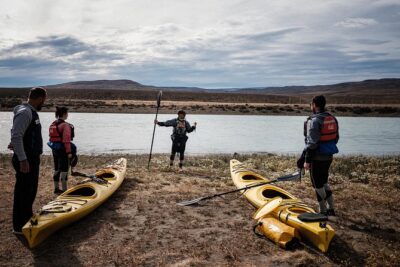
Kayak Full-Day Activity in La Leona River from El Calafate
Read our review →
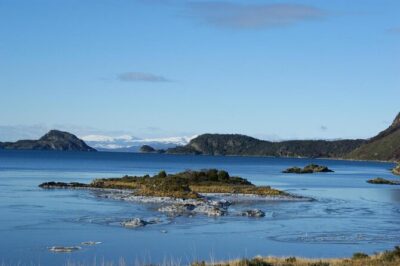
Tierra del Fuego National Park Trekking and Canoeing in Lapataia Bay
Read our review →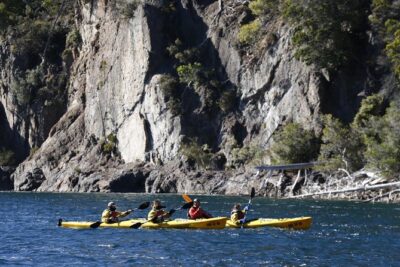
Half a day of kayaking on Lake Moreno in private service
Read our review →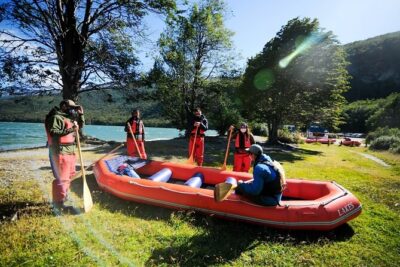
Exclusive Tierra del Fuego National Park Hike and Canoe Tour
Read our review →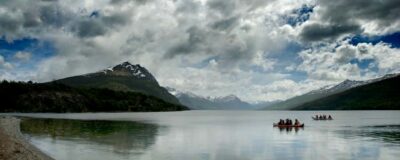
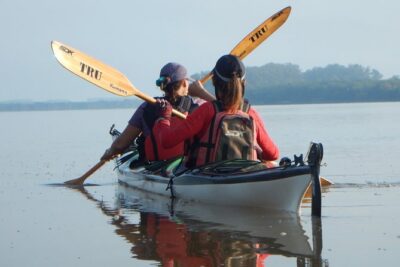
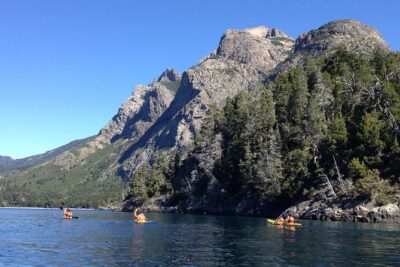
Half a day of kayaking on the Nahuel Huapi lake in private service
Read our review →Browse the lists this tour appears in