Reviewed · TOURS
Palermo Graffiti Tour
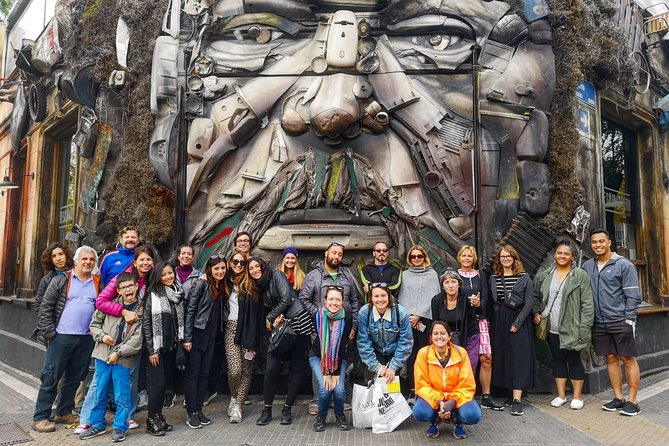
Look up, and Palermo changes. This two-hour walk turns an ordinary stroll through Buenos Aires into a lesson in public art, local culture, and neighborhood life. I like the chance to see small interventions and major murals that you could easily miss alone, and I like the stories behind the artists, styles, football images, and social projects. The $13 price is excellent for a guided introduction.
The main caution is the group size, which can sometimes reach 30 or more people. On a hot day, much of the route may be in direct sun, and a fast-speaking guide or crowded pavement can make it hard to hear or photograph every work. Still, the high 4.9 rating from 798 reviews and 97 percent recommendation rate suggest that most people find the walk lively, useful, and well worth the modest cost.
In This Review
- Key points to know before you book
- Palermo, where street art meets café life
- Starting at Jorge Luis Borges 1627
- The opening lesson: graffiti, street art, and Argentina
- Worldwide Wall Paste-up and the art of layering
- Mural of the Dreams and Palermo’s larger walls
- Martin Ron’s selfie girl mural
- Alfredo Segatori’s trash mural
- Football murals and Argentine identity
- What the guides add to the walk
- Group size, walking pace, and weather
- Finishing near Gorriti and Lavalleja
- Is $13 good value?
- Who should book this Palermo walk?
- Should you book the Palermo Graffiti Tour?
- FAQ
- How long does the Palermo Graffiti Tour last?
- Where does the tour start?
- Where does the tour finish?
- How much does the tour cost?
- Is the tour suitable for most people?
- Can I cancel for a refund?
Key points to know before you book
- Palermo’s walls are the gallery: The route uses ordinary streets, alleys, shopfronts, and building walls instead of a formal museum.
- The art keeps changing: Murals fade, disappear under fresh paint, and are replaced by new work, so the exact route can shift over time.
- Martin Ron and Alfredo Segatori are highlights: The selfie girl mural and the trash mural give the walk some memorable large-scale works.
- Football is part of the local art scene: Argentina’s football passion appears often, especially in murals connected to the national team and the World Cup.
- Expect a real walk: The tour lasts about two hours and finishes seven blocks from the starting point, near bars and eight blocks from Line D’s Scalabrini Ortiz station.
- Guide quality matters: Juan and Vito receive especially warm praise for their energy, English, humor, and ability to explain both art and Argentine culture.
Palermo, where street art meets café life
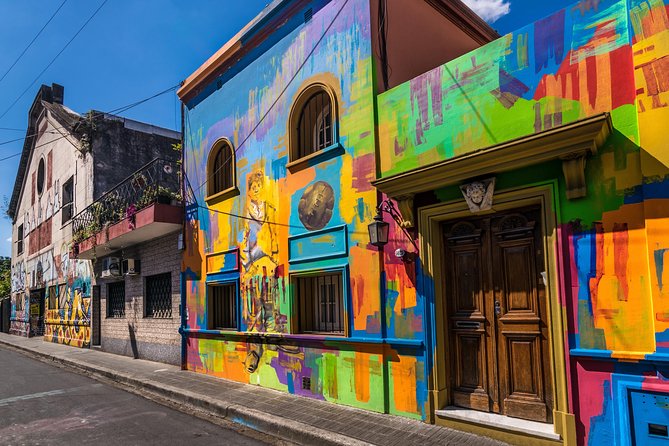
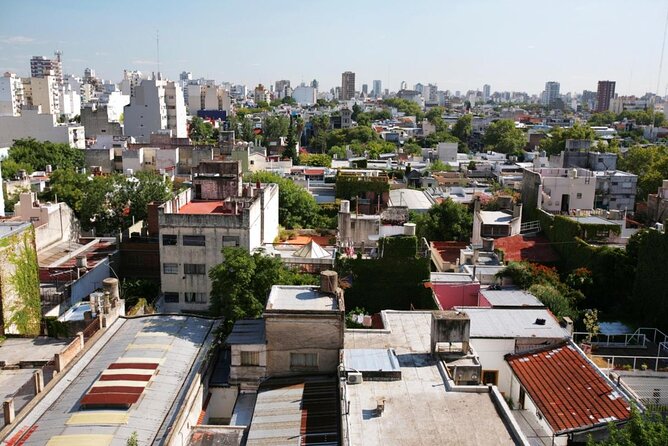
Palermo is one of Buenos Aires’ most fashionable neighborhoods, with cobbled streets, cafés, shops, and a strong design culture. That setting gives the tour more variety than a simple wall-to-wall art display. You walk through a working neighborhood, not a fenced-off art district.
The appeal is partly visual, but the bigger reward is learning how to look. A painted wall can seem like decoration when you pass it alone. With a guide, you get the background concepts of graffiti, the difference between graffiti and street art, and some explanation of why artists choose certain walls, subjects, and styles.
The walk also places the art in Argentina’s current culture. Football images are not a side note here. They reflect a subject that occupies a huge place in public life, especially after Argentina’s World Cup victory following more than 30 years of waiting. If you do not care about football, a long run of football murals may feel repetitive. If you want to understand Argentine street culture, those same murals are useful clues.
A few more Buenos Aires trips worth putting side by side
- Local Foodie Adventure in Buenos Aires with Sherpa Food Tours
★ 5.0 · 6,875 reviews - Buenos Aires City Private Tour with Local Guide
★ 5.0 · 3,475 reviews - Buenos Aires Small-Group City Tour
★ 5.0 · 2,226 reviews
Starting at Jorge Luis Borges 1627
The meeting point is Jorge Luis Borges 1627, in the center of Palermo. The start time is 3:00 pm, and confirmation is provided when you book. The address is easy to locate in a central part of the neighborhood, which makes it practical to combine with lunch, coffee, or time exploring Palermo before the walk.
Bring water, especially in warm weather. The tour includes no food or drinks, and several people found the walk more demanding than expected on hot, sunny days. Comfortable shoes are a sensible choice because the route covers a good deal of ground rather than stopping on one single block.
The tour provider supplies a professional guide with a portable microphone. That is important because groups may be large. The microphone generally helps, but your position still matters. Stay near the guide at the beginning, especially if you have hearing trouble or want the full explanation of each stop.
The opening lesson: graffiti, street art, and Argentina
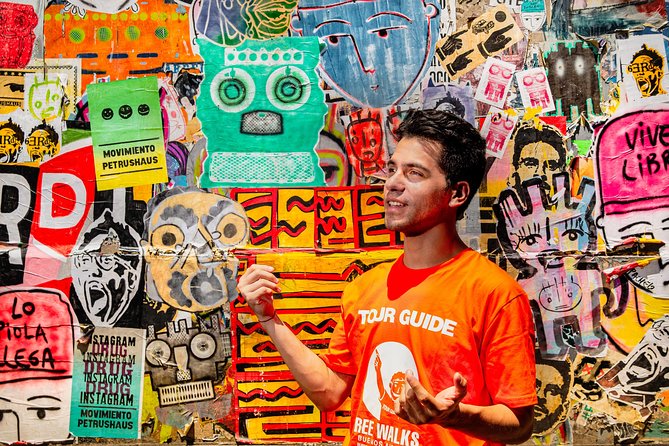
The first section introduces basic graffiti concepts and the broader street-art scene in Argentina. This is useful for beginners because the route includes several forms of wall art, from quick tags and pasted paper works to carefully planned murals.
I like this introduction because it gives you a way to sort what you see. You learn that not every painted wall has the same purpose or process. Some pieces are designed for quick impact. Others tell a story, honor a public figure, mark a political moment, or transform a large blank surface.
The drawback is that experienced street-art fans may find the opening material familiar. One of the walk’s strengths is its accessibility, but that also means it may not satisfy someone looking for a highly technical art lecture. Think of it as a clear introduction rather than an advanced seminar.
Worldwide Wall Paste-up and the art of layering
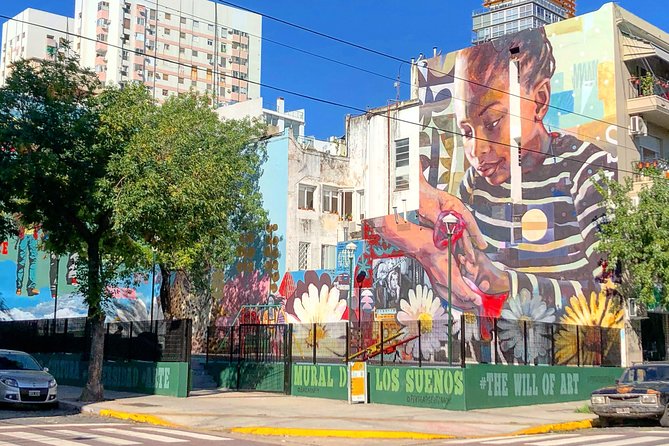
The Worldwide Wall Paste-up section brings attention to pasted paper and repeated graphic images. These works can be easy to overlook because they may appear beside larger paintings, on construction walls, or in corners that seem unimportant.
A guide helps you notice scale and placement. Paste-ups often work through repetition, contrast, or a clever response to the wall itself. They also show how street art can be temporary and portable. Unlike a large mural, a pasted image may be installed quickly and may vanish just as quickly.
This stop is a good reminder that Palermo’s art is not only about giant, colorful walls. Small pieces count too. If you like photography, look beyond the obvious centerpiece and check the edges of the buildings, doors, and nearby surfaces.
Still Argentina, but a completely different sort of afternoon:
- Buenos Aires Hop-On Hop-Off Bus, Free Walking Tours & Discounts
★ 4.5 · 2,218 reviews - Buenos Aires: Piazzolla Tango Show with Optional Dinner
★ 4.4 · 2,122 reviews - Buenos Aires: City Highlights Guided Tour with Transfer
★ 4.7 · 1,946 reviews - Buenos Aires: Hop-On Hop-Off City Bus Tour
★ 4.2 · 1,855 reviews
Mural of the Dreams and Palermo’s larger walls
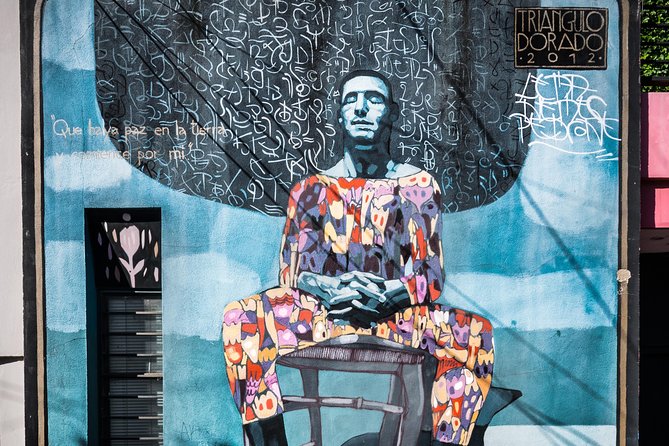
The Mural of the Dreams gives the route a larger, more traditional mural experience. Large works can be easier to appreciate than small tags because you have time to study the composition, colors, and figures from a distance.
The guide’s role is especially useful here. You may hear about the artist, the ideas behind the work, and the way the mural fits the neighborhood. This is where the tour becomes more than a photo walk. Several people enjoyed learning the stories and reasons behind pieces they would otherwise have passed without a second thought.
The exact condition of any mural can change. Outdoor art is exposed to weather, new construction, graffiti, and fresh layers of paint. A piece that looks central to the route today may be altered later. That instability is part of the subject, but it also means you should not book expecting a fixed museum collection.
Martin Ron’s selfie girl mural
Martin Ron’s selfie girl is one of the clearest named highlights on the route. Martin Ron is an important figure in Buenos Aires’ mural scene, and this work gives you a chance to see how a large painted figure can interact with the viewer and the surrounding street.
The title points toward a modern habit, but the work also invites you to think about scale and viewpoint. Large murals often reward a few different photographs, including one from farther back and one that includes the surrounding buildings.
This is a stop where time can become an issue. Some people wanted more room to take photographs, while others felt the guide moved quickly. If photography matters to you, listen to the explanation first, then ask for a moment to frame your shot before the group moves on. Staying close to the guide helps you avoid missing the next part of the commentary.
Alfredo Segatori’s trash mural
The Alfredo Segatori trash mural adds a social and environmental angle. Its subject gives the guide a natural way to discuss how artists use discarded materials, urban problems, and everyday objects as part of a public message.
This type of work may appeal to you more than a purely decorative mural because it connects art with the way a city functions. It asks you to notice what is usually ignored. Even if you prefer cleaner, more polished paintings, the piece helps show the range of Palermo’s street art.
The tour also includes an NGO-sponsored mural involving a young woman with different abilities. That work may not appeal to every visitor on artistic grounds, but it has a meaningful social context. The route is not designed only around famous names. It also reflects community projects and newer forms of public expression.
Football murals and Argentine identity
Football appears repeatedly on the route, and the subject can shape your impression of the walk. Argentina’s streets reflect its football culture, so the murals are not random filler. They connect art with national pride, heroes, victories, and the emotional life of the city.
If you follow football, these stops can be among the most interesting. You get a glimpse of how public art records major events and shared feeling. If you do not follow the sport, the early part of the walk may feel too focused on football.
My advice is to treat these murals as cultural evidence, even if you are not a fan. You do not need to know every player or team to understand that football is a major public language in Argentina. Still, if your main goal is modern mural art with little sports content, ask yourself if this emphasis suits you before booking.
What the guides add to the walk
Guide quality is a major part of this experience. Juan is praised for his friendly manner, strong English, humor, and ability to connect murals with Buenos Aires history and culture. Vito is described as energetic, passionate, easy to hear, and full of detail about both artists and Argentina.
Those personal qualities matter because street art is not always self-explanatory. A guide who simply points at a wall would add little. The best version of this tour gives you the background that turns a painted surface into a story.
There is some variation in delivery. One guide was described as speaking too quickly, making parts of the commentary hard to follow. A large group can also make it difficult to stay close. If you find yourself at the edge of the pack, move forward when the group stops rather than waiting for everyone else to settle.
Group size, walking pace, and weather
The stated maximum is 35 people, but some tour groups have been reported as larger, with 40 to 50 people or additional people joining along the way. That is the biggest practical weakness.
A large group affects three things: hearing, photographs, and the feeling of the walk. You may need to wait for people to clear the view, and you may not hear every sentence if you remain behind the main cluster. A portable microphone helps, but it cannot solve every problem on a noisy street.
The weather matters too. Much of the route may be exposed to direct sunlight, particularly on very hot days. Guides may stop in shaded places for explanations, allowing you to step into the sun for photos, but shade is not guaranteed at every wall. Carry water, wear sun protection, and consider the forecast before choosing this afternoon activity.
The two-hour length is about right for a first look at Palermo. It is long enough to cover several areas without taking over your entire day. The finish may come around 5:00 pm, with roughly ten minutes of flexibility depending on the group, weather, traffic lights, and walking speed.
Finishing near Gorriti and Lavalleja
The walk ends at Gorriti and Lavalleja, about seven blocks from the starting point. You finish in a safe area with bars nearby, so it is easy to continue the evening with a drink or meal.
The end point is also about eight blocks from Scalabrini Ortiz station on Buenos Aires’ Line D. That makes the tour practical if you are using the metro, though you should allow time for the walk to the station after the official finish.
This point-to-point route is useful because you see more of Palermo instead of retracing the same streets. It also means you should not leave anything at the meeting point or expect to finish exactly where you began.
Is $13 good value?
At $13 per person, this is a strong value if you want context as well as photos. A private guide would cost far more, while an unguided walk gives you only what you can identify yourself. Here, the price buys two hours of walking, explanations of artists and styles, and a broader sense of Palermo’s cultural life.
The value is less certain for an art expert seeking rare works, small groups, or long time at each mural. The walk is designed for a broad audience, and the route changes as walls fade or are painted over. You are paying for a guided snapshot of a living art scene, not guaranteed access to a fixed list of masterpieces.
Free cancellation is available up to 24 hours before the start time for a full refund. Changes or cancellations inside that 24-hour window are not accepted for a refund.
Who should book this Palermo walk?
I would choose this tour if you want an easy introduction to Buenos Aires street art, enjoy walking through neighborhoods, or like connecting art with local history and current culture. It suits solo visitors, couples, and friends who want an afternoon activity that is different from the standard monuments and museums.
It is also a good choice if you are unsure how to read street art. The guide gives you a framework, points out details, and explains why a work matters. You will likely notice far more on the rest of your Buenos Aires visit.
I would hesitate if you dislike walking in sun, need a quiet small-group setting, or want every stop to feature a giant mural by a famous artist. Football fans and casual art lovers are likely to enjoy the mix more than strict mural specialists.
Should you book the Palermo Graffiti Tour?
Book it for the guide, neighborhood access, and cultural context. The best moments come from seeing Palermo’s ordinary streets as an open-air gallery, then learning the stories behind works such as Martin Ron’s selfie girl and Alfredo Segatori’s trash mural.
Go with realistic expectations. The route may include football-heavy sections, small paste-ups, NGO projects, and murals that are less impressive than others. The group may be large, and the art can change before your visit. Even so, at $13, this is an affordable way to see Palermo with sharper eyes and a better sense of how Buenos Aires expresses itself on its walls.
FAQ
How long does the Palermo Graffiti Tour last?
The tour lasts approximately two hours. It normally starts at 3:00 pm and may finish close to 5:00 pm, with some flexibility based on walking pace, weather, traffic lights, and other conditions.
Where does the tour start?
The meeting point is Jorge Luis Borges 1627, C1414 Buenos Aires, in the Palermo neighborhood.
Where does the tour finish?
The tour ends at Gorriti and Lavalleja, about seven blocks from the starting point and about eight blocks from Scalabrini Ortiz station on Line D.
How much does the tour cost?
The listed price is $13 per person. Food and drinks are not included.
Is the tour suitable for most people?
Most people can participate, and service animals are allowed. The tour is near public transportation. You should be prepared for about two hours of walking, and hot weather may make the route more tiring.
Can I cancel for a refund?
Yes. You can cancel at least 24 hours before the scheduled start time for a full refund. Cancellations or changes made less than 24 hours before the start time are not refunded or accepted.
Recently added around Buenos Aires
- Photo Session in Buenos Aires★ 5.0 · 26 reviews
- Your Personal Photographer in Buenos Aires★ 5.0 · 24 reviews
- Discover Buenos Aires’ independent art scene — Ticket included★ 5.0 · 30 reviews
- Your Private Photographer in Buenos Aires★ 5.0 · 4 reviews
- Yerba Mate Workshop – Learn to Drink Mate like a Local!★ 5.0 · 11 reviews
- Taste of Tradition: Yerba Mate & Alfajores Experience★ 4.0 · 5 reviews
- Wine tasting in OASIS Palermo★ 5.0 · 2 reviews
- Day Tour Classic★ 3.5 · 35 reviews
Tours, compared.
Local Foodie Adventure in Buenos Aires with Sherpa Food Tours
Read our review →
Buenos Aires City Private Tour with Local Guide
Read our review →
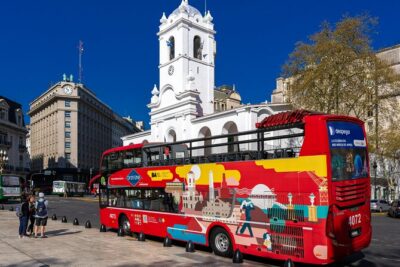
Buenos Aires Hop-On Hop-Off Bus, Free Walking Tours & Discounts
Read our review →