
Reviewed · STREET ART
Palermo: Graffiti and Street Art Guided Tour in English
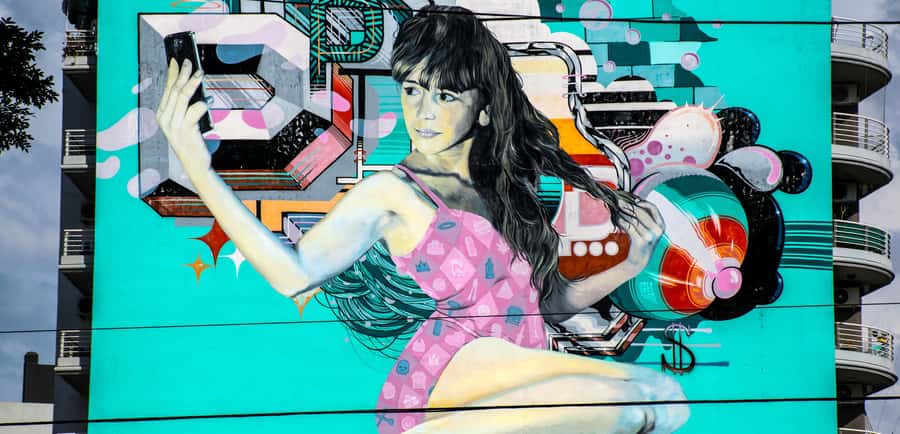
Art tells Palermo’s story in full color. This two-hour walking tour links eye-catching murals with Argentina’s political past, moving through one of Buenos Aires’s most eclectic neighborhoods. I like the way it treats graffiti as more than decoration, and I like the low $13 price, which makes the tour an easy addition to a day in Palermo.
The main consideration is that this is a walking tour, not a gallery visit. You will spend the full two hours outdoors, and the amount of art you see can depend on the route and what is currently painted on the walls. Still, the guide’s stories give the streets a meaning you would likely miss on your own.
Guides such as Juan, Vito, Victor, Aylen, and Ailen have earned praise for their humor, enthusiasm, and clear explanations. The tour has a 4.8 rating from 684 reviews, and the strongest pattern is simple: the guide makes the art easier to understand without making the experience feel like a lecture.
In This Review
- Key points to know before you go
- Starting at Plaza Serrano in Palermo
- Palermo’s walls as a political record
- From quick photographs to stories behind the paint
- The guides make the two hours work
- Walking from Plaza Cortazar to Plaza Inmigrantes de Armenia
- What the $13 price really gives you
- Who will enjoy this Palermo walk most?
- A smart way to fit it into your Buenos Aires plans
- Should you book the Palermo graffiti tour?
- FAQ
- Where does the Palermo graffiti tour begin?
- How do I find the guide?
- Where does the tour finish?
- How long does the experience last?
- Is the tour conducted in English?
- What is included in the price?
- What happens if it rains?
Key points to know before you go
- Start at Plaza Serrano: Meet at the corner of Jorge Luis Borges and Honduras streets, also called Plazoleta Julio Cortazar or Plaza Cortazar.
- Look for the orange shirt: The guide wears an orange T-shirt and stands near the large PALERMO sign.
- Follow the story from the 1920s: The tour explains how graffiti became tied to political support, propaganda, and election campaigns.
- See the Trump Wall: A stop at Madison Avenue Bar gives you a chance to photograph the well-known Trump Wall graffiti.
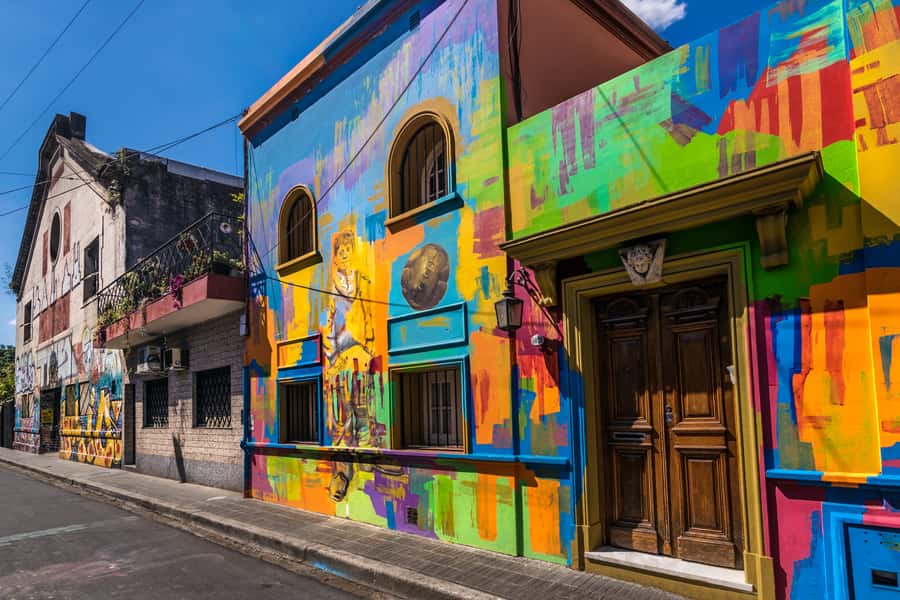
- Expect more than murals: The route connects art with football, politics, social conflict, local culture, and the changing meaning of public space.
- Finish at Plaza Inmigrantes de Armenia: The walk ends in a useful Palermo location, surrounded by places to continue your afternoon.
Starting at Plaza Serrano in Palermo
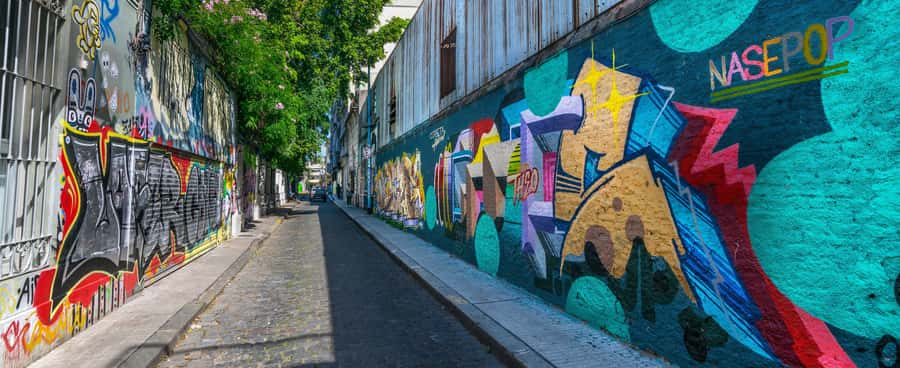
The meeting point is Plaza Serrano, the lively public square also known as Plaza Cortazar. You will find it at the corner of Jorge Luis Borges and Honduras streets. The large PALERMO sign and the guide’s orange T-shirt should make the group fairly easy to spot.
This is a practical starting point because it puts you right in Palermo, rather than asking you to spend time reaching a distant neighborhood. If you are staying elsewhere in Buenos Aires, allow extra time to get there. The activity does not include hotel pickup or drop-off, so you make your own way to the square.
The opening part of the tour sets the scene. Instead of rushing straight to the biggest mural, the guide introduces Palermo and explains how public art fits into the area. That matters because a painted wall can look impressive in a photograph, but its subject, location, and local setting often tell you much more.
The route is wheelchair accessible, and the tour takes place even if it rains. You should still wear shoes suited to walking and bring weather protection. Since food and drinks are not included, carry water if you need it during the two-hour outing.
A few more Buenos Aires trips worth putting side by side
- AsadoAdventure and Street Art Tour in Palermo Viejo
★ 5.0 · 142 reviews - BA Street Art Walking Tour – Small Shared Group
★ 5.0 · 141 reviews - 2 Hours Football and Street Art Walking Tour in Buenos Aires
★ 5.0 · 9 reviews
Palermo’s walls as a political record
The most useful part of this experience is its historical frame. The tour travels back to the 1920s, when political movements were gaining ground in Argentina. At that time, graffiti could serve as a public sign of political support, propaganda, or an election message.
This gives you a better way to read the walls. You are not simply looking for pretty colors or clever lettering. You are also asking who wanted the message seen, who controlled public space, and how a city’s streets became a place for political communication.
The guide then explains the arrival of aerosol paint in 1969. This changed the speed and reach of street writing. Messages could be put up far faster than before, which affected urban movements during the 1970s.
I find this useful because it connects a familiar tool, the spray can, with a major change in how people could communicate. The material was not just a technical improvement. It helped people put messages into public view quickly, especially during periods of tension and government control.
The conversation also reaches Argentina’s protest culture and the social conflict of the period. You will hear how people became increasingly involved in protest and how public writing could reflect disagreements that were too important to remain private.
The guide does not present graffiti as one simple thing. It can be art, political support, protest, propaganda, personal expression, or vandalism, depending on the work and the circumstances. That distinction was one of the more useful themes reported by people who took the tour.
From quick photographs to stories behind the paint
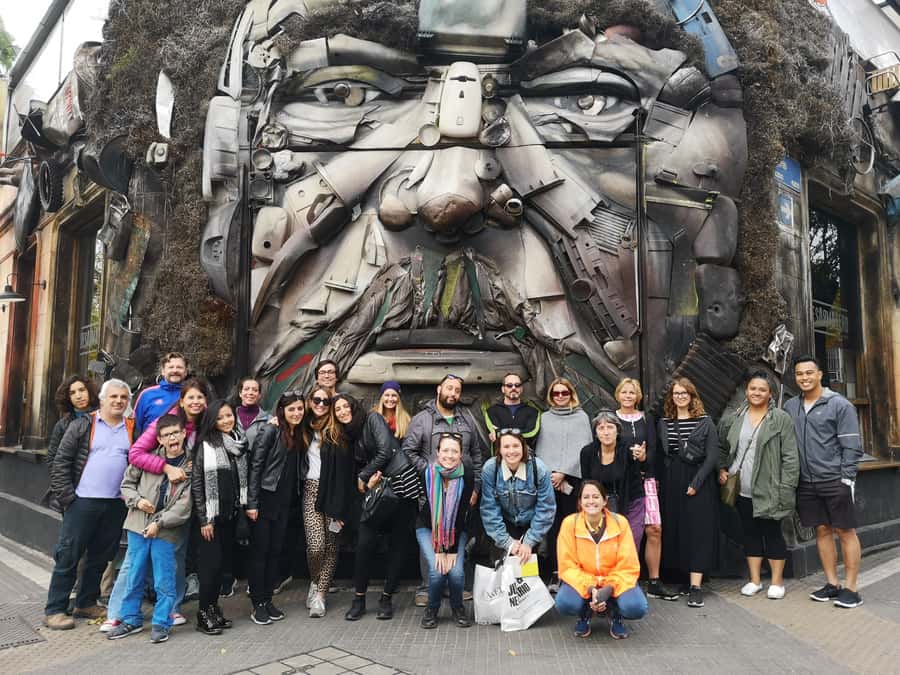
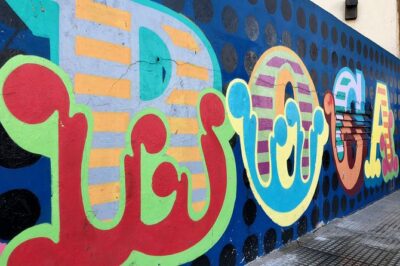
Palermo offers plenty to photograph, but the tour’s value is not just the number of walls. You might see different styles and subjects, including football imagery, butterflies, large murals, and more direct political or social pieces.
Football is an important thread. Argentina’s football culture appears in public art, and the guides often connect the murals to the country’s sporting pride. The subject gives the walk a local feel, especially when the guide adds context about Argentina’s teams and national identity.
You will also learn to notice smaller details. A guide may point out an artist’s style, the difference between graffiti and a commissioned mural, or the way one piece fits with the wall around it. Those are details that are easy to pass on a self-guided walk.
The photo stop at the Trump Wall at Madison Avenue Bar is one of the named highlights. It gives you a clear target for your camera and a memorable point along the route. As with any outdoor art, the exact condition of a wall can change over time, so do not treat a street-art tour as a fixed museum display.
This is also why the walk works best for curious visitors rather than people seeking a guaranteed list of famous artworks. The city’s walls change. New paint covers old paint. Buildings are altered. The guide helps you understand that temporary quality instead of pretending every piece is permanent.
The guides make the two hours work
The guide is central to this experience. Names reported from recent tours include Juan, Vito, Victor, Aylen, Ailen, and Elina. You may be assigned a different guide, but the consistent strengths are clear: enthusiasm, humor, strong local knowledge, and a real interest in art and Buenos Aires.
Juan receives repeated praise for his warmth, pride in Argentina, and ability to mix facts with personal stories. He has also been praised for answering questions about Buenos Aires after the walk and for making the time pass quickly.
Vito is often described as energetic and passionate about both the artwork and its makers. He has also brought sports and politics into the discussion, giving the murals a broader cultural setting. Victor has been praised for a lively presentation and a strong command of the local street-art scene.
Ailen and Aylen are also praised for making the subject approachable and entertaining. Elina has been singled out for combining art and Buenos Aires history with a lively presentation.
This range of guides matters. A street-art walk can become dry if it turns into a list of dates and artists. Here, the teaching style appears to be conversational. You can ask questions, listen to stories, and keep moving rather than standing in one place for long stretches.
There is one practical caveat: group size can vary. One person described a large group, though the guide kept everyone together and audible. If you prefer a quiet, intimate art lesson, a bigger departure may feel less personal. The positive side is that the guides seem practiced at managing a crowd.
Still Argentina, but a completely different sort of afternoon:
- Local Foodie Adventure in Buenos Aires with Sherpa Food Tours
★ 5.0 · 6,875 reviews - Buenos Aires City Private Tour with Local Guide
★ 5.0 · 3,475 reviews - Buenos Aires Small-Group City Tour
★ 5.0 · 2,226 reviews - Buenos Aires Hop-On Hop-Off Bus, Free Walking Tours & Discounts
★ 4.5 · 2,218 reviews
Walking from Plaza Cortazar to Plaza Inmigrantes de Armenia
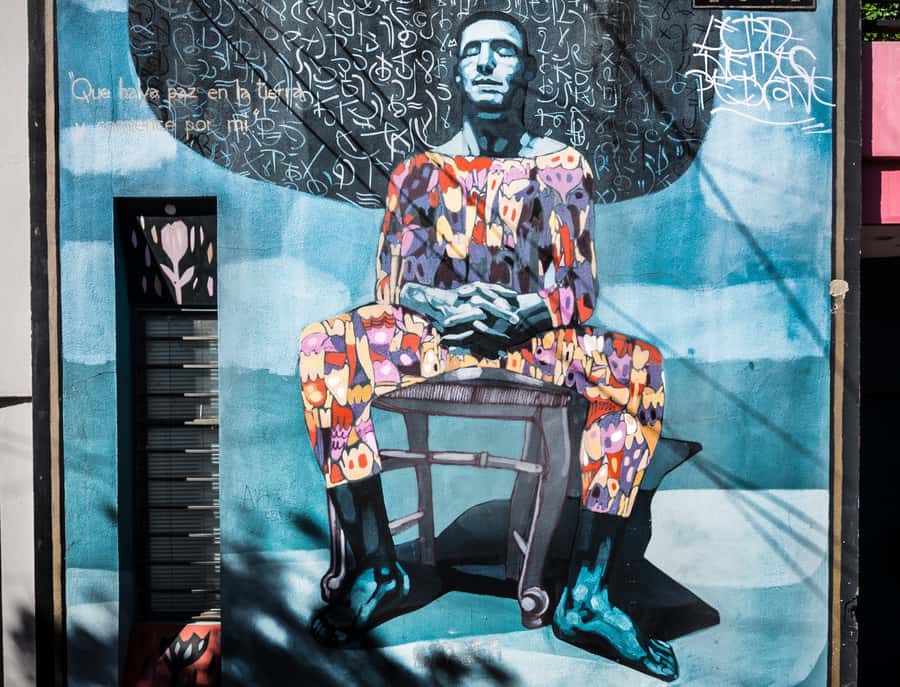
The walk begins at Plaza Cortazar and ends at Plaza Inmigrantes de Armenia. Both points are in Palermo, so the experience stays focused on one neighborhood instead of losing time to transport between scattered sights.
That compact route is a good fit for a first afternoon in Palermo. You get an introduction to the streets, art, and local atmosphere, while also learning where the neighborhood’s main squares are. Afterward, you can continue exploring from the finishing point or return to places you noticed along the way.
The two-hour length is another strength. Several people found the timing just right, long enough to see plenty of work but short enough to avoid fatigue. You should expect steady walking, pauses for explanations, and stops for photographs.
The route may not satisfy someone who wants every major mural in Buenos Aires. This is a Palermo-focused tour, not a citywide survey. Its strength is the connection between a particular neighborhood and the ideas painted across its walls.
What the $13 price really gives you
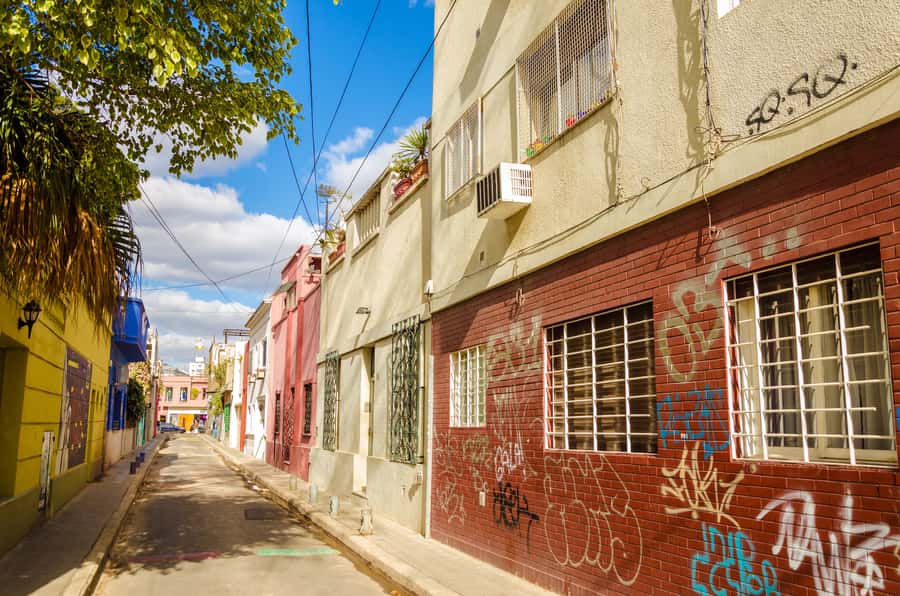
At $13 per person, this is strong value if you want context as well as pictures. You are paying for a live English-speaking guide, a planned route, and an explanation of Argentina’s political and social relationship with street art.
The price is especially appealing for a short stay in Buenos Aires. You can fit the tour into a morning or afternoon without committing to a full-day activity. It also gives you a useful introduction before exploring Palermo independently.
I would not judge the value by counting murals alone. The real benefit is learning how to look. After the walk, you may recognize certain artists, notice the difference between forms of public art, and understand why a football mural or political slogan carries weight in Argentina.
The tour does not include food, drinks, or hotel transfers. Those omissions are normal for a short walking experience, but you should plan around them. Meet fed and ready to walk, especially if you are joining during the warmer part of the day.
Free cancellation is available up to 24 hours before the tour for a full refund, and you can reserve now and pay later. Starting times vary, so check availability when you choose your date.
Who will enjoy this Palermo walk most?
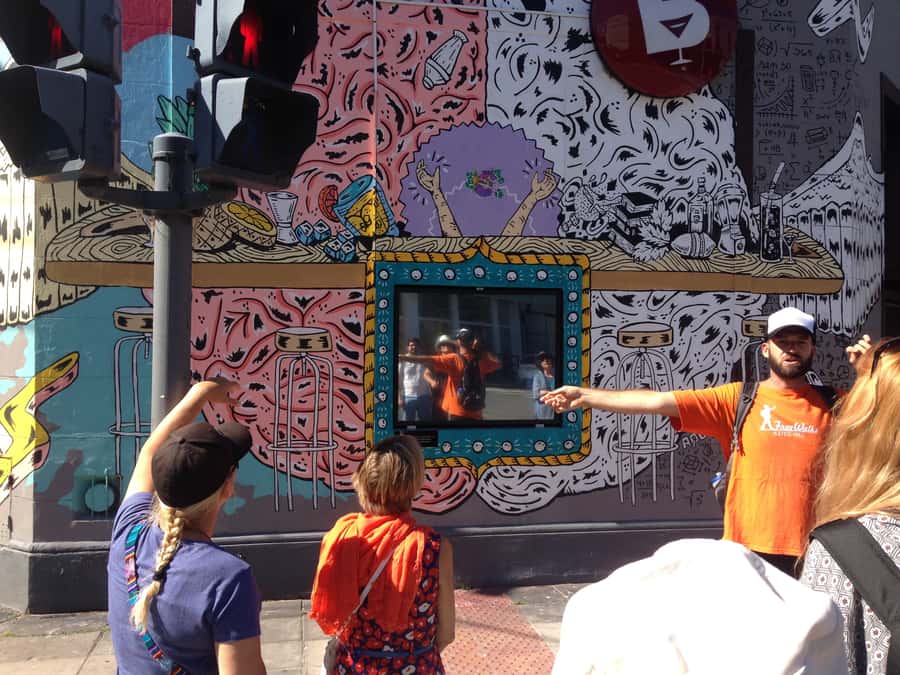
I would recommend it to first-time visitors who want a different way into Buenos Aires. It is also a good pick if you have already seen the standard sights and want to understand the city through its public art.
The tour suits:
- Art lovers who want background on street art and graffiti
- Visitors interested in Argentine politics and protest culture
- Football fans curious about the country’s sporting identity
- Photographers looking for colorful walls and large-scale work
- People who prefer a short guided walk to a long museum visit
- Anyone who wants an English-language introduction to Palermo
Families and mixed-age groups may also find the two-hour format manageable, though the material includes political conflict and protest. If you want a silent photo walk, this is not the right choice. The explanations are the main product.
You should also be comfortable with outdoor conditions. The tour runs in the rain, and there is no hotel transport. Wheelchair accessibility is listed, but the supplied information does not provide further detail about pavement conditions or specific route features, so ask the provider if you need precise mobility information.
A smart way to fit it into your Buenos Aires plans
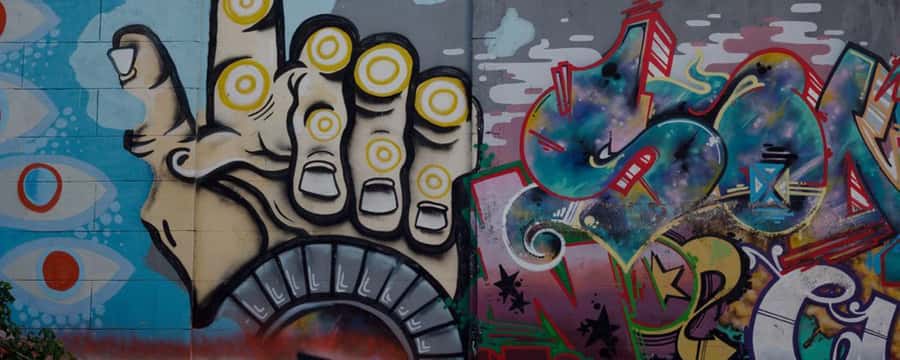
Schedule this tour when you have time to stay in Palermo afterward. The ending at Plaza Inmigrantes de Armenia makes it easy to keep exploring the neighborhood instead of crossing the city immediately.
Bring a phone or camera, but listen before photographing every wall. The guide’s explanation is what turns a collection of images into a story about Argentina. If you are taking notes, record artist names and themes as you go, since the route may introduce styles you later notice elsewhere.
Try to arrive a little early at the marked corner. The meeting point is specific, but the plaza has several surrounding streets and names. Look for the orange shirt and PALERMO sign rather than relying only on a general map pin.
Most important, arrive with an open mind about what counts as art. The tour deals directly with the tension between commissioned murals, political writing, personal tags, and vandalism. That uncertainty is part of the subject, not a flaw in the experience.
Should you book the Palermo graffiti tour?
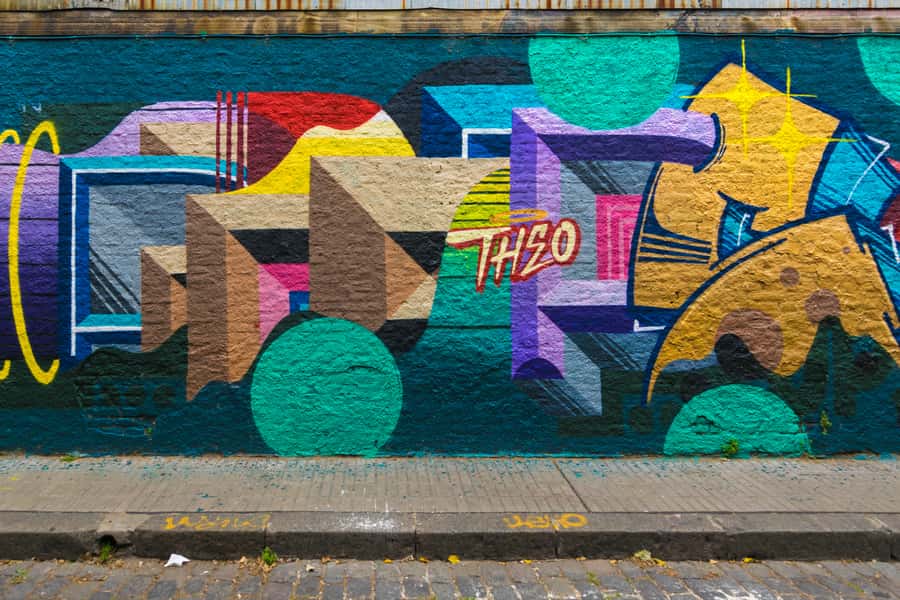
Yes, if you want an affordable, thoughtful introduction to Palermo and prefer local stories to a simple photo checklist. The combination of political history, aerosol-paint culture, football art, and lively guiding gives the two-hour walk more substance than its price suggests.
I would skip it only if outdoor walking is difficult for you, your schedule is extremely tight, or you have no interest in public art. For everyone else, the $13 cost and two-hour length make this an easy choice. Book it early in your Palermo plans, then use what you learn to see the rest of Buenos Aires with sharper eyes.
FAQ
Where does the Palermo graffiti tour begin?
It begins at Plaza Serrano, also called Plaza Cortazar or Plazoleta Julio Cortazar, at the corner of Jorge Luis Borges and Honduras streets.
How do I find the guide?
Look for the guide wearing an orange T-shirt near the large PALERMO sign.
Where does the tour finish?
The walk finishes at Plaza Inmigrantes de Armenia in Palermo.
How long does the experience last?
The guided walking tour lasts two hours.
Is the tour conducted in English?
Yes. It includes a live English-speaking guide.
What is included in the price?
The price includes the two-hour guided walking tour. Hotel transfers, food, and drinks are not included.
What happens if it rains?
The tour still takes place in rainy weather. Dress appropriately for outdoor walking.
Recently added around Buenos Aires
- Photo Session in Buenos Aires★ 5.0 · 26 reviews
- Your Personal Photographer in Buenos Aires★ 5.0 · 24 reviews
- Discover Buenos Aires’ independent art scene — Ticket included★ 5.0 · 30 reviews
- Your Private Photographer in Buenos Aires★ 5.0 · 4 reviews
- Yerba Mate Workshop – Learn to Drink Mate like a Local!★ 5.0 · 11 reviews
- Taste of Tradition: Yerba Mate & Alfajores Experience★ 4.0 · 5 reviews
- Wine tasting in OASIS Palermo★ 5.0 · 2 reviews
- Day Tour Classic★ 3.5 · 35 reviews
Street Art, compared.
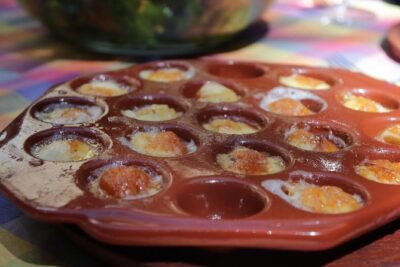
AsadoAdventure and Street Art Tour in Palermo Viejo
Read our review →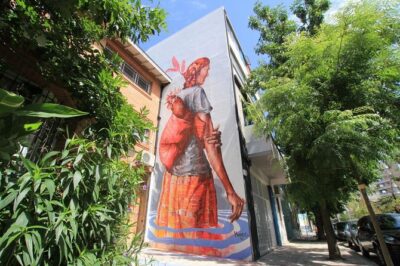
BA Street Art Walking Tour – Small Shared Group
Read our review →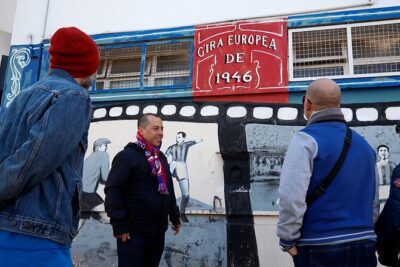
2 Hours Football and Street Art Walking Tour in Buenos Aires
Read our review →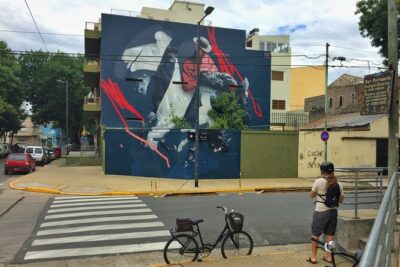
Buenos Aires Palermo Street Art Private Walking Tour
Read our review →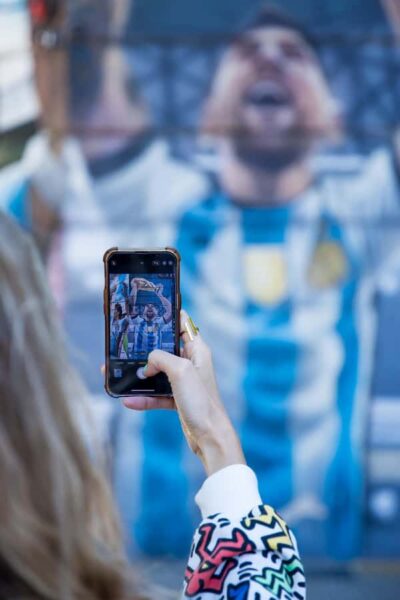
Browse the lists this tour appears in