
Reviewed · FOOTBALL AND STADIUM TOURS
Official Entrance to River Plate Museum and Stadium Visit Express
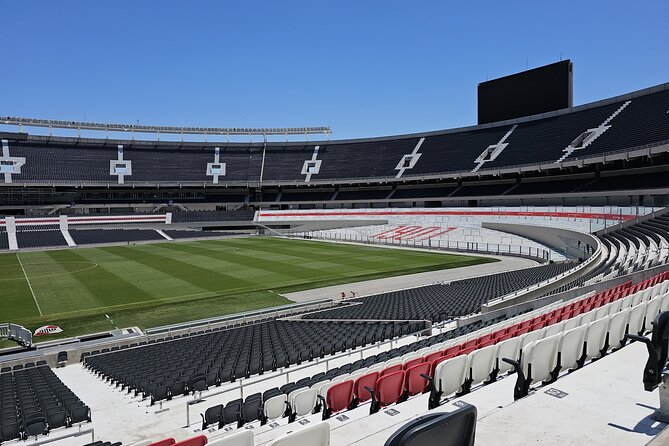
Football history comes alive at El Monumental. This one-hour express visit pairs the River Plate Museum with access to one stadium grandstand, giving you two things I particularly like: the freedom to explore the museum at your own pace and the chance to see Argentina’s largest stadium from inside. The main thing to watch is the wording: this is not a full stadium tour, and the guided stadium portion takes place in Spanish at scheduled times.
The museum covers River Plate’s trophies, famous players, memorable goals, and major victories through films and interactive displays. I also like that some history screens use English and Portuguese, which helps if you do not speak Spanish. Still, the experience can feel disappointing if you expect locker rooms, the pitch, tunnels, or a broad stadium walk.
In This Review
- Key points before you book
- What the $28 River Plate experience actually includes
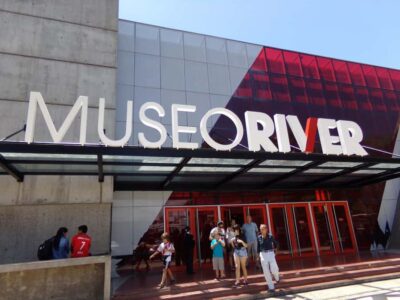
- Entering the River Plate Museum
- Seeing El Monumental from the grandstand
- Why the museum is stronger than the stadium stop
- Timing, language, and group size
- The experience’s service concerns
- Who will enjoy this River Plate visit most
- How to get the best value from the hour
- Cancellation and practical booking notes
- Should you book the River Plate Museum and Stadium Express?
- FAQ
- How long does the River Plate Museum and Stadium Express Visit last?
- What does the ticket include?
- Does the experience include a full stadium tour?
- Is the museum guided?
- Is the stadium visit guided?
- Are English-language materials available?
- Can I take photographs inside the stadium?
- Is transportation included?
- Are service animals allowed?
- What is the cancellation policy?
- How many people can join the experience?
Key points before you book
- One hour covers two different experiences: a self-guided museum visit and a guided look from one grandstand.
- El Monumental is Argentina’s largest stadium, making the seating-area view the main practical highlight.
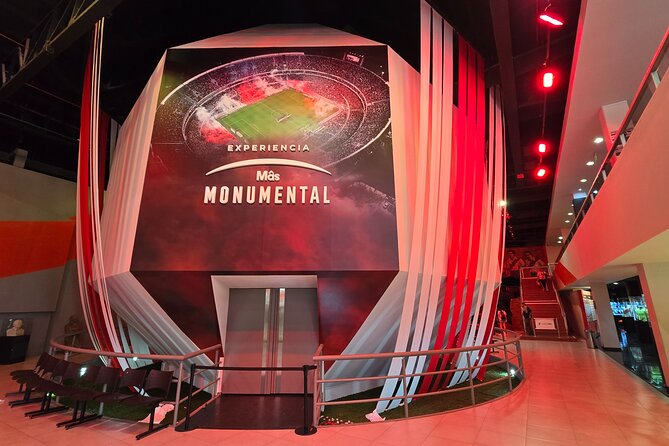
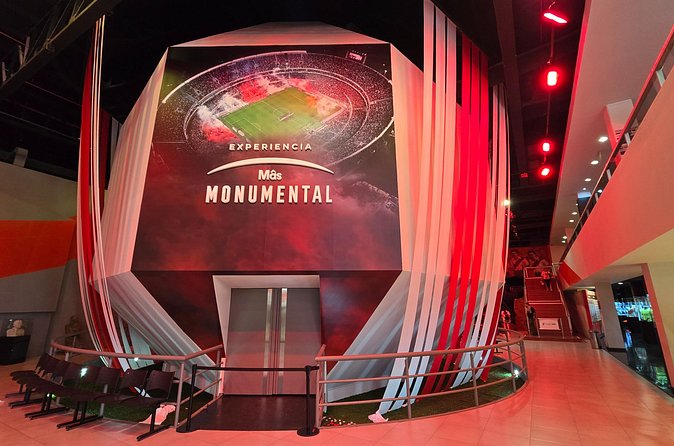
- The museum includes a 360-degree movie theater and a chronological tunnel of River Plate history.
- Museum material is mainly self-guided, with selected screens available in English and Portuguese.
- The stadium portion is guided in Spanish and runs at pre-set times, so timing matters.
- The price is $28 per person, reasonable for a focused museum and stadium stop, but less attractive if you want a full stadium tour.
What the $28 River Plate experience actually includes
At $28 per person, this is a short, focused visit rather than an all-day football attraction. Your admission covers the River Plate Museum and access to a grandstand at El Monumental de Nuñez. Transfers are not included, so you make your own way to the stadium.
That price can work well if you already plan to visit the Nuñez area or want a compact activity between other Buenos Aires plans. You get the club’s major story, multimedia displays, and a proper view into the stadium. For a football fan, those pieces have clear value.
The price becomes harder to justify if you picture a classic behind-the-scenes stadium tour. The experience does not promise access to the changing rooms, press areas, field level, player tunnel, or other restricted spaces. The stadium visit is specifically from the stands, so read the description carefully before paying.
The express format is also useful for people with limited time. In about an hour, you can see the museum’s main displays and look across the stadium bowl. I would not choose it as your only River Plate experience if you want to spend a long time with every exhibit or take a slower look at the club’s story.
More football and stadium visits in Buenos Aires:
- Buenos Aires: Tickets to Boca Juniors Museum & Stadium
★ 4.5 · 581 reviews - Boca Juniors Tickets for a Match at La Bombonera
★ 4.5 · 140 reviews - Soccer Match in Buenos Aires with Transfers and Local Guide
★ 5.0 · 103 reviews
Entering the River Plate Museum
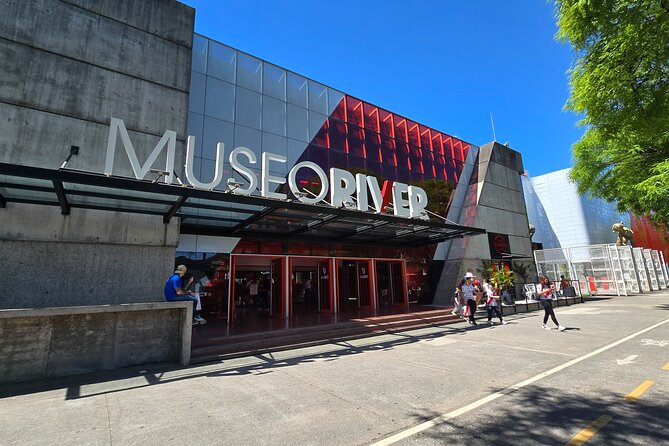
The museum is self-guided, which gives you control over the pace. You can spend longer with displays that interest you and move quickly past material that means less to you. That is a good arrangement for families, casual football fans, and visitors who do not want to follow a guide through every room.
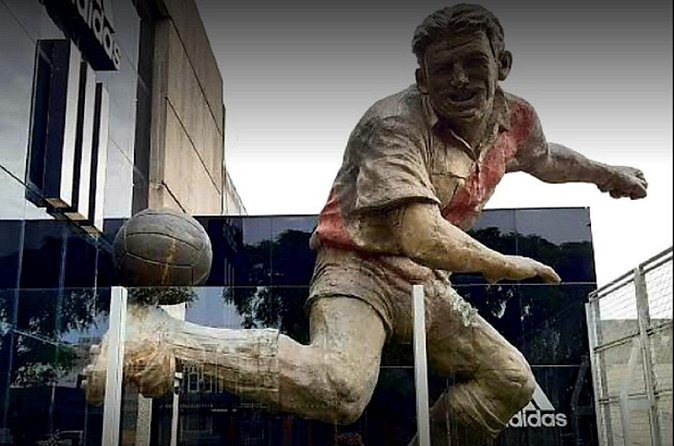
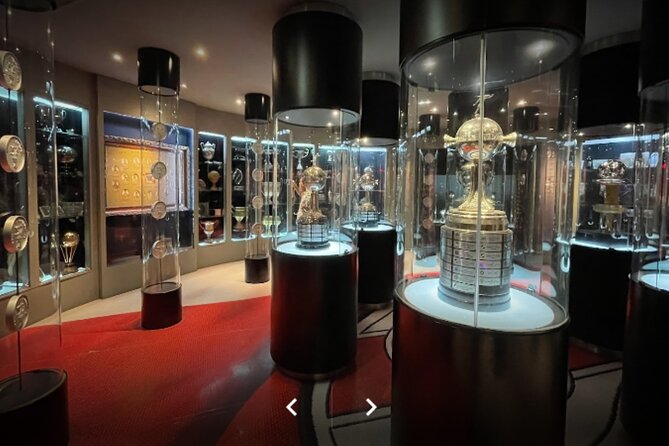
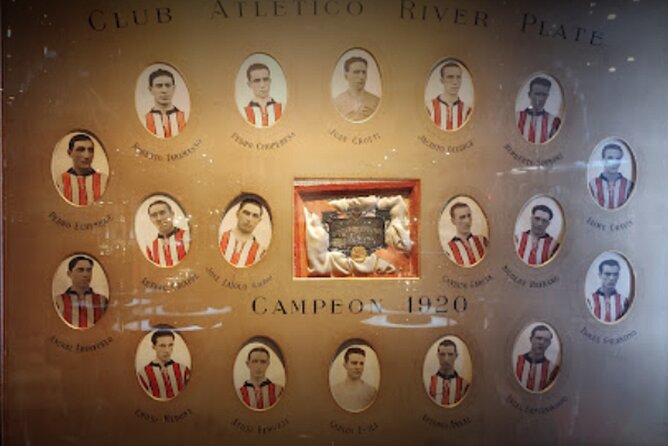
The subject matter is broad. You can expect exhibits about River Plate’s most important players, the teams that made the club famous, major goals, memorable wins, and national and international achievements. The museum presents the club not just as a sports team, but as a major part of Argentine football culture.
One of the most appealing features is the tunnel of time. It presents the club’s story in chronological order, allowing you to follow River Plate from its earlier years through its later successes. That structure matters because it gives the visit a clear shape instead of leaving you with a collection of disconnected jerseys, photographs, and trophies.
The museum also includes a 360-degree movie theater. A film there aims to express the emotional connection between River Plate and its supporters. Even if you are not a lifelong fan, the theater helps explain why a match at El Monumental carries such weight for the club’s community.
Do not expect every display to be available in English. The information provided for this experience specifically notes screens with River Plate history in English and Portuguese in one part of the museum. That should help, but the visit remains largely self-guided, and language support may not cover every object or display.
If you are a serious football fan, bring patience for the details. The museum’s value is not only in the size of the stadium next door. It is in the chance to connect players, teams, goals, titles, and supporters across a long club story.
Seeing El Monumental from the grandstand
The stadium portion is the experience’s most important point of clarification. You visit one grandstand and look out across El Monumental. This is a view of the stadium, not a full tour of its interior spaces.
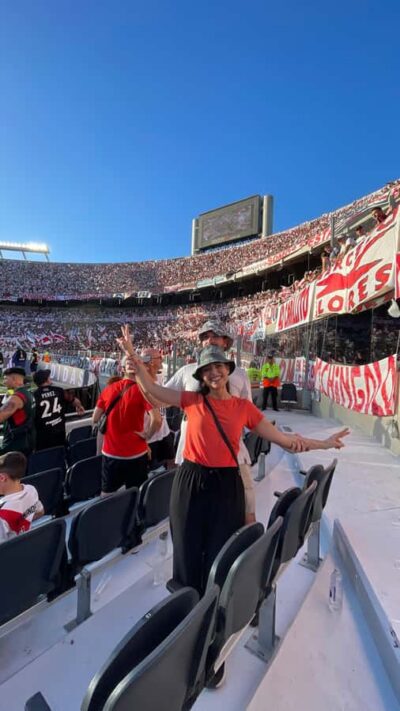
El Monumental is recognized worldwide and is described as Argentina’s largest stadium. From a grandstand, you can appreciate its scale and layout in a way that photographs cannot fully provide. You can also take photographs during the visit, which makes this part especially useful for anyone who wants a clear stadium image rather than only museum exhibits.
The stadium access is guided in Spanish and takes place at pre-set times. You should plan around that schedule instead of assuming you can enter the grandstand whenever you finish the museum. If the timing does not suit you, the visit may feel rushed or less convenient.
The Spanish guidance may be a limitation for English-speaking visitors. The museum offers some English and Portuguese screens, but the stadium portion does not promise English commentary. You can still understand the basic visual experience, but you should not book this expecting a detailed English-language stadium explanation.
This distinction also explains the harshest complaint attached to the experience. One customer arrived expecting stadium access beyond the museum and described the visit as museum-only. The provider replied that the booked Express Visit included one stadium grandstand. That exchange points to a real risk of confusion, not necessarily a missing inclusion: the advertised stadium access is limited, but it is still stadium access.
Why the museum is stronger than the stadium stop
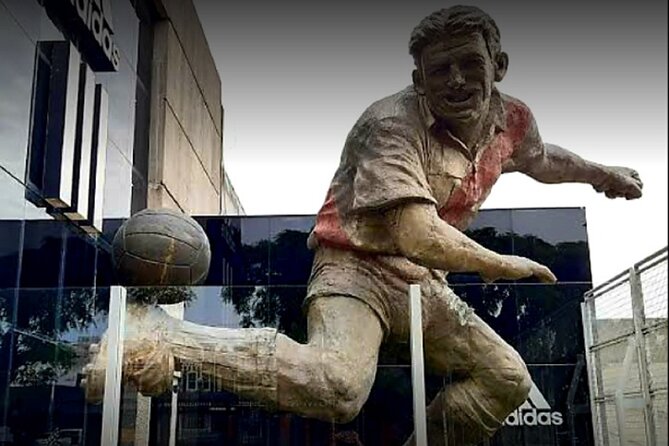
The museum gives you the largest share of the content. It has the 360-degree film, the chronological tunnel, club figures, team achievements, goals, and victories. Because you explore it on your own, the amount of time you spend there depends on your interest.
The grandstand gives you the strongest sense of place. You are not simply looking at football history on a wall. You are looking into El Monumental, the setting where River Plate’s supporters gather and where the club’s identity is played out.
For that reason, the two parts work best together. The museum tells you why the stadium matters, while the grandstand gives that story a physical setting. Yet the balance is not equal. If you want a full architectural tour, the grandstand stop will feel limited. If you want context before a match or a quick introduction to the club, the combination makes sense.
I would describe this as a museum visit with a stadium view, rather than a stadium tour with a museum attached. That simple distinction should guide your decision.
A few more Buenos Aires trips worth putting side by side
- Buenos Aires: River Plate and Boca Juniors Museum Tour
★ 4.5 · 72 reviews - Buenos Aires: Hop-On Hop-Off Bus and Football Museums
★ 4.3 · 39 reviews - Buenos Aires: Tickets to River Plate Museum
★ 4.6 · 32 reviews - Boca Juniors and River Plate Stadium Tour + TOP Museum.
★ 4.5 · 30 reviews
Timing, language, and group size
The advertised duration is about one hour. That is enough for an express visit, but not enough for a slow museum day. If you like to read every panel, watch every film carefully, and linger over each display, you may want more time than this format allows.
The museum itself is self-guided. One part includes screens in English and Portuguese, while the stadium visit is guided in Spanish. This makes the experience more approachable than a Spanish-only museum, but it does not provide full multilingual support throughout.
The maximum group size is 100 people. That is a relatively large possible group for a one-hour visit, although the actual number at your chosen time may be smaller. A group of that size can affect how easily you hear Spanish commentary or how long you wait for a clear photograph from the grandstand.
Service animals are allowed, and the location is near public transportation. Most people can participate. Since transfers are not provided, public transport access is useful, but the supplied information does not specify a route, travel time, or exact station details. You should check your route before setting out.
A printed ticket may also be requested. One complaint specifically involved being asked to bring a printed version. I would carry the printed confirmation if possible, even if you normally rely on a phone voucher. It is a small precaution that may prevent an avoidable argument at the entrance.
The experience’s service concerns
The public rating is 3.4 from five ratings, so the sample is small but not especially strong. Two serious complaints focus on service rather than the club’s museum content. One describes unpleasant treatment from a guide and security guard, while another calls the visit a scam because of confusion over the stadium inclusion.
The provider apologized for the reported behavior and said the treatment did not reflect its standards. That response is worth noting, but it does not erase the practical lesson for you: keep your expectations precise and confirm what your ticket includes before arrival.
There is no named guide listed for this experience. The stadium portion is guided in Spanish at fixed times, but you should not expect a particular guide or a personalized tour. The museum is self-guided, so much of the visit depends on the displays rather than staff interaction.
I would not let the service complaints automatically rule out the experience, especially if you are keen to see El Monumental. But I would choose it for the museum and grandstand access, not for warm personal service or a polished, deeply explained stadium presentation.
Who will enjoy this River Plate visit most
This express experience suits you if you:
- Have about an hour for a football stop in Buenos Aires
- Want River Plate history without committing to a long tour
- Enjoy self-guided museums
- Can manage a Spanish-guided stadium portion
- Mainly want to see El Monumental from a grandstand
- Are comfortable arranging your own transport
It is particularly useful for River Plate supporters who want a compact introduction to the club’s trophies, famous figures, goals, and major wins. The chronological tunnel and 360-degree film add atmosphere beyond a standard display of memorabilia.
Families may also find the format manageable because the visit is short and visitors can move through the museum at their own pace. Service animals are allowed, and most people can participate.
I would be more cautious if you are expecting a full stadium access experience. The available information does not include field access, locker rooms, a players’ tunnel, or other behind-the-scenes areas. If those are essential to you, this express option is probably too limited.
How to get the best value from the hour
Start with the timing. Since the grandstand visit occurs at pre-set times, treat that appointment as the fixed part of your visit. Use the remaining time for the self-guided museum, rather than assuming the museum schedule will determine everything.
Next, focus on the displays that give the club’s story structure. The tunnel of time should help you understand the order of major events, while the film can provide a sense of supporter feeling. Then spend your remaining minutes on the players, teams, goals, and titles that interest you most.
If English or Portuguese matters to you, look for the screens that provide those languages. Do not assume every exhibit has a translation. If you speak neither Spanish nor Portuguese, the visual displays, film, trophies, and stadium view will still carry much of the experience, but the guided commentary may be harder to follow.
Bring a camera or phone for the grandstand photographs. Photography is permitted during the tour, and the stadium view is one of the clearest reasons to book this version rather than visiting only a football museum.
Finally, carry your printed ticket and keep the confirmation available. That advice comes directly from the entrance confusion connected with this experience. It costs little and may make the arrival smoother.
Cancellation and practical booking notes
You receive confirmation at the time of booking. Free cancellation is available if you cancel at least 24 hours before the local start time. Cancellations made less than 24 hours before the experience are not refunded, and changes inside that window are not accepted.
The maximum capacity is 100 people. Transfers are not included, so you are responsible for reaching the museum and stadium. The location is near public transportation, which makes independent arrival possible, but you should allow enough time to find the entrance and handle the ticket check before the scheduled stadium portion.
The most important booking step is checking the exact product name and inclusions. The express option includes the museum and one grandstand, but it should not be treated as a full stadium tour. If a booking page or voucher uses unclear wording, ask for confirmation before the cancellation deadline passes.
Should you book the River Plate Museum and Stadium Express?
Book it if you want a short, affordable introduction to River Plate and are happy with a self-guided museum plus a view from one grandstand. The 360-degree film, chronological tunnel, club achievements, and photographs from El Monumental give the hour real substance.
Skip it if you want extensive stadium access, English guiding throughout, or a relaxed visit with lots of time for every display. The service record is mixed, and the low rating suggests that expectations and staff interaction have not always matched what customers hoped for.
My advice is simple: think museum first, grandstand second. At $28, that combination can be good value for a football fan who wants a compact Buenos Aires experience. It is poor value only when you pay expecting a full behind-the-scenes stadium tour. Carry a printed ticket, arrive prepared for Spanish guidance, and make sure you understand that the included stadium access is limited to a stand.
FAQ
How long does the River Plate Museum and Stadium Express Visit last?
The experience lasts approximately one hour.
What does the ticket include?
The ticket includes admission to the River Plate Museum and a visit to one grandstand at El Monumental de Nuñez.
Does the experience include a full stadium tour?
No. The included stadium visit is from a grandstand. The provided information does not include access to locker rooms, the field, tunnels, or other stadium areas.
Is the museum guided?
The museum visit is self-guided.
Is the stadium visit guided?
Yes. The stadium portion is guided in Spanish and takes place at pre-set times.
Are English-language materials available?
Some screens in one part of the museum present River Plate history in English and Portuguese. Full English support throughout the experience is not specified.
Can I take photographs inside the stadium?
Yes. You can take photographs during the stadium visit.
Is transportation included?
No. Transfers are not included. The location is near public transportation.
Are service animals allowed?
Yes. Service animals are allowed.
What is the cancellation policy?
You can cancel for a full refund up to 24 hours before the experience start time. Cancellations or changes made less than 24 hours before the start time are not accepted for a refund.
How many people can join the experience?
The activity can have a maximum of 100 participants.
Recently added around Buenos Aires
- Photo Session in Buenos Aires★ 5.0 · 26 reviews
- Your Personal Photographer in Buenos Aires★ 5.0 · 24 reviews
- Discover Buenos Aires’ independent art scene — Ticket included★ 5.0 · 30 reviews
- Your Private Photographer in Buenos Aires★ 5.0 · 4 reviews
- Yerba Mate Workshop – Learn to Drink Mate like a Local!★ 5.0 · 11 reviews
- Taste of Tradition: Yerba Mate & Alfajores Experience★ 4.0 · 5 reviews
- Wine tasting in OASIS Palermo★ 5.0 · 2 reviews
- Day Tour Classic★ 3.5 · 35 reviews
Football and Stadium Tours, compared.

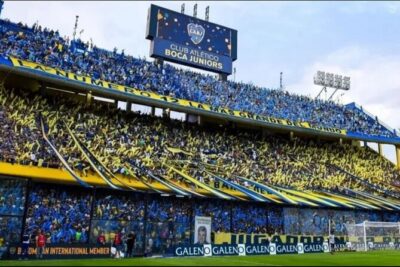
Boca Juniors Tickets for a Match at La Bombonera
Read our review →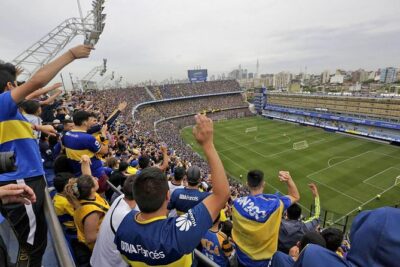
Soccer Match in Buenos Aires with Transfers and Local Guide
Read our review →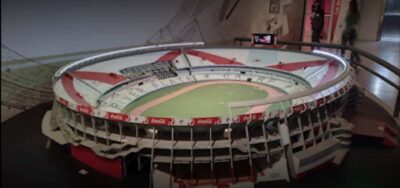
Buenos Aires Football Experience: Boca & River Stadium Tour
Read our review →Browse the lists this tour appears in