
Reviewed · FOOD & DRINK
N1 Coffee Tasting Experience in Buenos Aires
Coffee can be a whole new language. At this private Buenos Aires workshop, you taste freshly roasted single-origin coffees, train your nose with a Le Nez du Café aroma kit, and learn how beans move from seed to cup. I especially like the hands-on sensory game and the chance to compare coffees from top Buenos Aires roasters. The guide, Lyubov, also gets strong praise for making technical ideas friendly and easy to follow.
The experience costs $85 per person and lasts about two and a half hours. That is fair if you want a serious coffee class, not just a quick tasting. The main consideration is simple: if you only want to drink a good cup and move on, this may feel too detailed. It is built for people who want to understand what they are tasting.
- Four or more specialty coffees: Compare rare and unusual single-origin beans from different places and roasters.
- Aroma training with Le Nez du Café: Practice identifying scents before connecting them to coffee flavors.
- Coffee education from seed to cup: Learn about growing, harvesting, roasting, brewing, and quality.
- Private attention: Your group has the guide to itself, which makes questions and palate coaching much easier.
- Morning or afternoon timing: You can fit the workshop into different Buenos Aires sightseeing plans.
- A practical skill to take home: Learn how to read coffee bags and choose beans that suit your taste.
In This Review
- What This Buenos Aires Coffee Class Really Offers
- Starting at Al Diablo Coffee Roasters
- Learning the Coffee Chain, From Seed to Cup
- The Le Nez du Café Aroma Game
- Comparing Single-Origin Coffees Side by Side
- A Private Class With Room for Questions
- Why the $85 Price Can Make Sense
- How Long the Session Feels
- Who Will Enjoy This Most
- Smart Ways to Prepare
- Cancellation and Basic Planning
- Should You Book the N1 Coffee Tasting?
- FAQ
- Where does the coffee tasting begin?
- Where does the activity end?
- How long does the experience last?
- How much does the experience cost?
- Is the tour private?
- Can I choose a morning or afternoon departure?
- What kind of coffee will I taste?
- Do I need previous coffee experience?
- What is the Le Nez du Café kit used for?
- Can I cancel for a full refund?
What This Buenos Aires Coffee Class Really Offers
This is not a café stop with a few samples on the side. It is a compact coffee class held at Al Diablo Coffee Roasters, at Costa Rica 4752 in Buenos Aires. The advertised time is about two hours and 30 minutes, though one participant described the session as lasting closer to three hours.
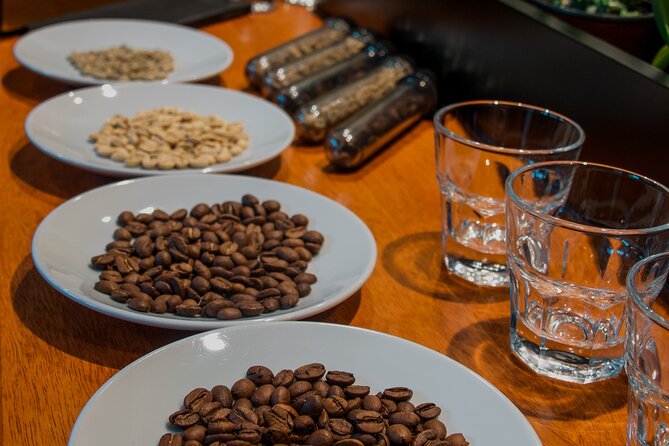
The focus is specialty coffee. That means the session looks at coffee as an agricultural product and a crafted drink, rather than treating every dark roast as roughly the same. You examine beans, smell aromas, taste several coffees, and learn how origin and preparation affect the cup.
I like this format because it gives you a reason for every sip. Instead of hearing a string of coffee facts and then forgetting them, you connect the information to smell, taste, and texture. That helps the lesson stick.
The private setup matters, too. Only your group participates, so you can ask basic questions without feeling out of place. If you already know a great deal about coffee, you can ask more advanced questions and spend extra time comparing your preferences.
Starting at Al Diablo Coffee Roasters
The meeting point is Al Diablo Coffee Roasters, Costa Rica 4752, in the C1414 area of Buenos Aires. The location is near public transportation, which makes the workshop fairly easy to add to a day around the city.
The experience begins and ends at this same meeting point. That is useful in a city where a tour with several far-flung stops can eat up half a day in transit. You do not need to arrange a separate return transfer or figure out where the final tasting ends.
The coffee-roaster setting also suits the subject. You are learning about beans in a place connected to roasting and specialty coffee, rather than in a generic classroom. The available information does not promise a full roastery production tour, so book this for the tasting and teaching rather than for a behind-the-scenes factory visit.
You can choose a morning or afternoon departure. Morning works well if you want to begin the day with coffee education. An afternoon session may fit better after sightseeing, though you should consider how much caffeine you want late in the day.
More Food Tours in Buenos Aires
- Local Foodie Adventure in Buenos Aires with Sherpa Food Tours
★ 5.0 · 6,875 reviews - Historical Sherpa Food Tour of San Telmo with Street Food, Drinks
★ 5.0 · 920 reviews - Buenos Aires: 9-Course Argentine Meat Tasting at Fogón Asado
★ 4.9 · 826 reviews
Learning the Coffee Chain, From Seed to Cup
Lyubov builds the class around the full path of coffee production. You learn how coffee begins as a planted seed, how it is grown and harvested, how beans are processed and roasted, and how those choices influence the final drink.
That wider view is one of the best reasons to book. Coffee flavor does not come from roasting alone. The bean’s origin, growing conditions, processing, roast level, brewing method, and storage all affect what reaches your cup.
You also learn how to examine coffee beans and read the information printed on a coffee bag. This is valuable in daily life. Coffee packaging often uses terms that sound impressive but mean little to a new buyer. The class aims to turn those labels into useful clues, helping you choose beans with more confidence.
The teaching is designed for beginners, but it does not seem limited to beginners. People who already drink specialty coffee can use the private format to ask about roast styles, origins, flavor notes, and brewing choices. The goal is not to memorize a list of coffee facts. It is to work out what your own palate prefers.
The Le Nez du Café Aroma Game
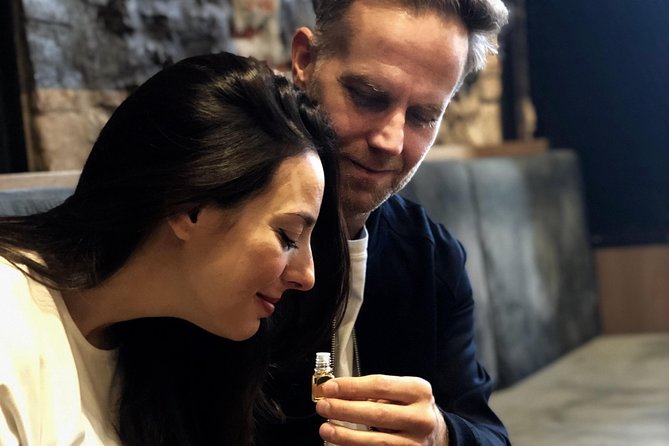
The aroma workshop is a particularly appealing part of the experience. You use a Le Nez du Café sommelier kit, a set of aroma references designed to train your sense of smell.
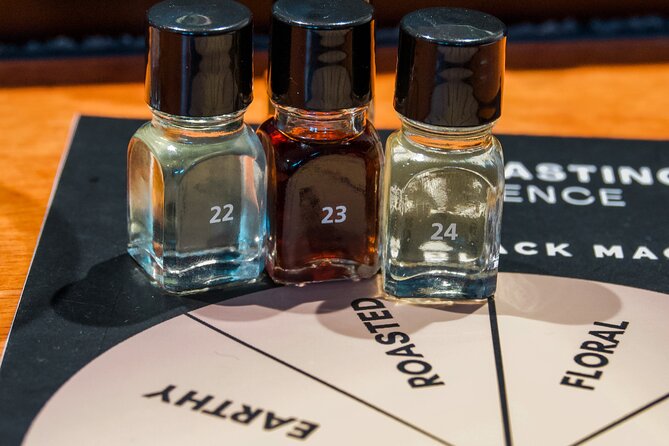
The format is playful. You smell different aromas and try to identify them, then connect those scents to the coffees you taste. This can be harder than it sounds. Many people can recognize an aroma once it is named but struggle to identify it without help.
That challenge is useful. Coffee descriptions often mention fruit, flowers, spices, chocolate, nuts, or other scents. The aroma exercise gives those words a real sensory reference. You may not suddenly identify every note in every cup, but you will have a better vocabulary for describing what you notice.
I also like that the exercise does not require you to be naturally gifted at tasting. The point is practice, not a perfect score. The game keeps the session from becoming a lecture and gives you something active to do between explanations.
Comparing Single-Origin Coffees Side by Side
The tasting includes a variety of freshly roasted single-origin coffees. Several accounts describe trying around four coffees, although the exact selection can change. The coffees come from top roasters in Buenos Aires and may include rare or unusual varieties.
Single-origin coffee offers a clear way to compare differences. Instead of blending beans from many places, a single-origin coffee gives you a more focused sense of a particular growing region or production style. The contrast may appear in aroma, acidity, sweetness, body, or finish.
The tasting is not about declaring one coffee the winner. Lyubov guides you toward your own preferences. You may prefer a brighter and more aromatic cup, while someone else in your group may favor a fuller, darker, or sweeter profile.
That personal approach is important. Coffee advice often becomes too absolute, with one brewing method or roast level presented as the correct choice. Here, the useful question is what suits your palate. The experience helps you make that choice based on direct tasting rather than marketing language.
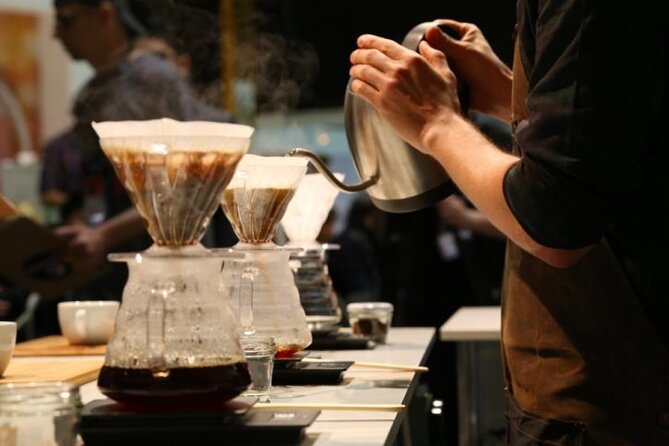
You will likely smell the beans, consider their appearance, taste them, and compare your impressions. The supplied details do not specify every brewing method used, so you should not book expecting a fixed lineup of espresso, pour-over, French press, or other preparations. The clear promise is guided tasting and sensory education.
Still Argentina, but a completely different sort of afternoon:
- Buenos Aires City Private Tour with Local Guide
★ 5.0 · 3,475 reviews - Buenos Aires Small-Group City Tour
★ 5.0 · 2,226 reviews - Buenos Aires Hop-On Hop-Off Bus, Free Walking Tours & Discounts
★ 4.5 · 2,218 reviews - Buenos Aires: Piazzolla Tango Show with Optional Dinner
★ 4.4 · 2,122 reviews
A Private Class With Room for Questions
The guide’s teaching style is a major part of the appeal. Lyubov is described as warm, patient, engaging, and deeply passionate about coffee. Her personal coffee journey and first-hand experience add a human touch to what could otherwise become a technical lesson.
A private tour gives you freedom to set the pace. If you know little about coffee, you can ask basic questions about origins, roasts, or preparation. If you already own a grinder and have strong opinions about brewing, you can use the time for more specific advice.
The class also appears to work for mixed groups. One person can be a serious coffee drinker while another simply enjoys a morning cup. The aroma and tasting exercises give both people something to explore.
Still, the private format does not mean the session is casual in the sense of being unstructured. It is described as well organized, with a clear connection between aroma practice, coffee origins, and tasting. If you prefer a loose café chat with no teaching, this may feel more like a lesson than a social outing.
Why the $85 Price Can Make Sense
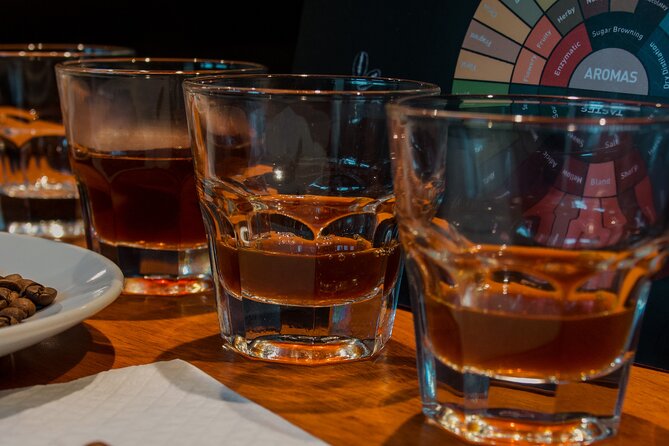
At $85 per person, this is not a cheap coffee break. You are paying for a private two-and-a-half-hour session, multiple specialty coffees, the guide’s time, and access to a structured sensory workshop.
The value depends on what you want. If you are seeking a quick introduction and one memorable drink, you can spend far less in Buenos Aires cafés. If you want to learn how to buy and taste coffee at home, the class offers skills that continue to be useful after your holiday.
The private arrangement improves the value for couples, families, friends, and solo visitors who want personal attention. A group can ask questions freely and compare reactions without sharing the guide with strangers.
The cost may be harder to justify for someone who does not drink coffee or dislikes tasting several samples in succession. The description does suggest that the experience can suit people who are not already coffee experts, but coffee remains the center of the activity. Tea drinkers may enjoy the aroma work and the educational side, yet the class is still designed around coffee.
The fact that it is often booked about 38 days ahead is worth noting. That does not guarantee every date will sell out, but it suggests you should plan early if the workshop is important to your Buenos Aires schedule.
How Long the Session Feels
The official duration is approximately two hours and 30 minutes. That is long enough to cover production, aromas, tasting, and questions without turning the activity into an all-day commitment.
Some sessions may run longer, especially if your group asks many questions. One account describes a class of about three hours. Allow a little breathing room before your next reservation rather than scheduling this right before a fixed dinner, show, or airport transfer.
The length is one of the experience’s strengths. A shorter tasting might let you sample coffee, but it would leave little time to explain why the cups differ. Here, the extra time gives you a chance to smell, taste, reconsider, and compare.
You will also want to pace yourself. Several coffees and a sensory lesson can be stimulating. The available information does not state how much coffee is served or whether alternative drinks are offered, so anyone sensitive to caffeine should consider asking about the tasting format before booking.
Who Will Enjoy This Most
I would recommend this experience to:
- Coffee drinkers who want to improve their palate.
- People confused by coffee bag labels and roast descriptions.
- Couples or friends who enjoy hands-on classes.
- Solo visitors who appreciate a private guide.
- Travelers interested in Buenos Aires specialty coffee.
- Beginners who want a friendly introduction without having to study first.
- Experienced coffee drinkers who want to compare rare single-origin beans.
It may be less suitable if you want a fast sightseeing stop, a full coffee plantation visit, or a tour focused mainly on Argentine café culture. The activity is about tasting and understanding specialty coffee, not about visiting farms or touring a list of Buenos Aires cafés.
It is also a good choice for a group with mixed experience. You do not need to arrive knowing terms such as acidity, body, extraction, or processing. The class teaches the language as you go.
Smart Ways to Prepare
You do not need special equipment or prior training. Arrive ready to smell carefully, taste slowly, and describe what you notice in your own words.
Do not worry about using formal coffee vocabulary. Your first impression might be as simple as sweet, sharp, smoky, light, or heavy. Lyubov’s role is to help you connect those impressions to coffee characteristics.
It may help to avoid planning another major food or drink tasting immediately before the class. The experience depends on your senses, so a fresh palate can make comparisons easier. This is practical advice rather than a stated rule, and the supplied details do not list any food or drink restrictions.
If you want to buy coffee afterward, bring the questions you normally have at home. Ask about the type of roast, the origin, and the flavor profile you prefer. The class is especially useful when you use it to solve a real problem, such as finding beans that taste good with your usual brewing routine.
Cancellation and Basic Planning
You receive confirmation when you book. The activity is near public transportation, begins at Costa Rica 4752, and returns to the same meeting point.
Free cancellation is available up to 24 hours before the local start time for a full refund. Cancellations or changes made less than 24 hours before the start are not accepted for a refund, so keep your Buenos Aires schedule reasonably firm once you are inside that window.
The morning and afternoon departure choices make planning easier. Since the activity is frequently reserved well ahead, I would book early, particularly if you have only a few days in the city.
Should You Book the N1 Coffee Tasting?
Book it if you want more than a good cup. This experience gives you a working vocabulary for coffee, a better sense of your own palate, and practical help with choosing beans at home.
The strongest reasons to go are the private attention, the aroma kit, and the thoughtful comparison of single-origin coffees. Lyubov’s warm teaching style also seems to make the class comfortable for beginners while leaving room for serious questions.
Skip it if you are looking for a plantation visit, a broad Buenos Aires food tour, or a quick café experience. At $85, it asks you to commit time and attention. For a coffee lover, though, it offers something rare on a city break: a skill you can use every morning after you return home.
FAQ
Where does the coffee tasting begin?
It begins at Al Diablo Coffee Roasters, Costa Rica 4752, C1414 Cdad. Autónoma de Buenos Aires, Argentina.
Where does the activity end?
The experience ends back at the meeting point.
How long does the experience last?
The listed duration is approximately two hours and 30 minutes. Some sessions may last closer to three hours.
How much does the experience cost?
The price is $85 per person.
Is the tour private?
Yes. Only your group participates, so you receive the guide’s attention without a shared public group.
Can I choose a morning or afternoon departure?
Yes. The experience offers a choice of morning or afternoon departure.
What kind of coffee will I taste?
You will taste a variety of freshly roasted single-origin specialty coffees, including coffees from top roasters in Buenos Aires.
Do I need previous coffee experience?
No previous coffee expertise is stated as a requirement. The session is designed to teach coffee tasting and the language of coffee, so it can suit beginners and experienced coffee drinkers.
What is the Le Nez du Café kit used for?
It is used during a sensory workshop to help you smell and identify different aromas, then relate those aromas to the coffees you taste.
Can I cancel for a full refund?
Yes, if you cancel at least 24 hours before the experience’s local start time. Cancellations or changes made less than 24 hours before the start are not accepted for a refund.
Recently added around Buenos Aires
- Photo Session in Buenos Aires★ 5.0 · 26 reviews
- Your Personal Photographer in Buenos Aires★ 5.0 · 24 reviews
- Discover Buenos Aires’ independent art scene — Ticket included★ 5.0 · 30 reviews
- Your Private Photographer in Buenos Aires★ 5.0 · 4 reviews
- Yerba Mate Workshop – Learn to Drink Mate like a Local!★ 5.0 · 11 reviews
- Taste of Tradition: Yerba Mate & Alfajores Experience★ 4.0 · 5 reviews
- Wine tasting in OASIS Palermo★ 5.0 · 2 reviews
- Day Tour Classic★ 3.5 · 35 reviews
Food & Drink, compared.
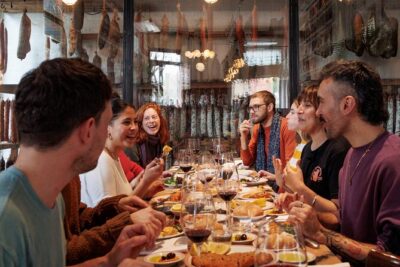
Local Foodie Adventure in Buenos Aires with Sherpa Food Tours
Read our review →
Historical Sherpa Food Tour of San Telmo with Street Food, Drinks
Read our review →
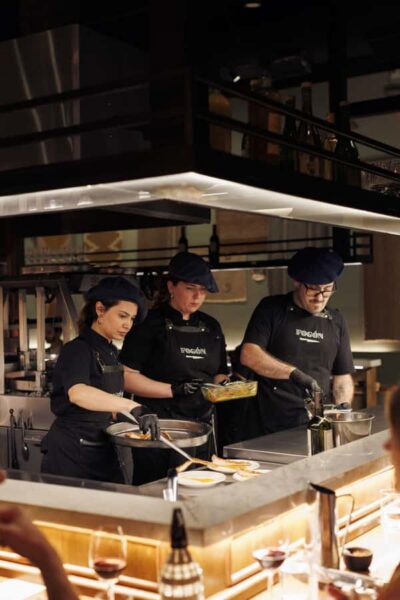

5hs Small Group City Tour of Buenos Aires (Optional Street Food)
Read our review →
Browse the lists this tour appears in