
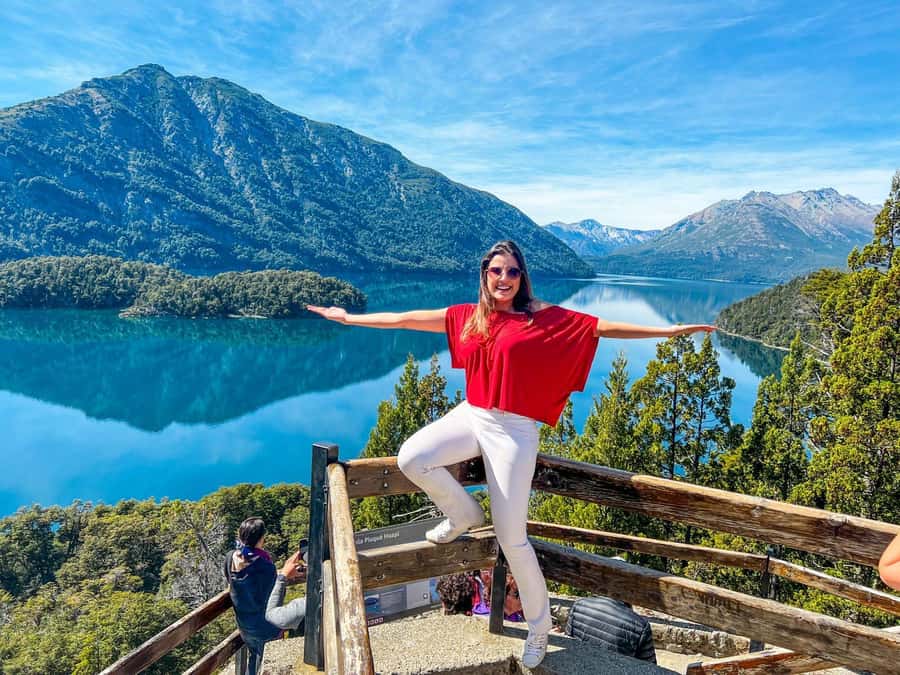
Reviewed · BARILOCHE TOURS
Bariloche: Cerro Tronador and Ventisquero Negro Tour
The mountain makes its own thunder. This full-day outing from Bariloche follows Route 40 through Nahuel Huapi National Park to Cerro Tronador, with stops at Lake Gutierrez, Lake Mascardi, Playa Negra, and Ventisquero Negro. I like the way the tour combines a long scenic drive with several short stops, so you see more than one famous viewpoint. I also like the chance to reach a glacier and its meltwater lagoon without arranging a separate mountain expedition. The main consideration is the road itself: an eight-hour day on curvy mountain routes may feel tiring, and the national park entrance fee costs extra.
This is a Spanish-language guided excursion with bus transport and hotel pickup in central Bariloche. I would choose it for a broad introduction to the southern part of Nahuel Huapi National Park, especially if you have limited time and want lakes, forest, rapids, mountain views, and ice in one day. The one available rating is five out of five, with a brief comment meaning fun, but there is limited written feedback to judge the guide or vehicle in detail.
In This Review
- Key points about the Cerro Tronador tour
- Why this eight-hour outing is worth considering
- Leaving Bariloche for Lake Gutierrez
- Lake Mascardi and the changing light
- Into Nahuel Huapi National Park
- Playa Negra and the Ventisquero Negro story
- Mirador de la Isla Corazón and the rapids
- Pampa Linda and the first view of the mountain
- What the transport and guide service mean
- Is $130 a fair price?
- What to pack for the mountain road
- Who should book this Bariloche excursion?
- Should you book Cerro Tronador and Ventisquero Negro?
- FAQ
- How long does the Cerro Tronador and Ventisquero Negro tour last?
- What language is the guide?
- Is transportation included?
- Is hotel pickup available?
- How long can hotel pickup take?
- Is the Nahuel Huapi National Park entrance fee included?
- Which lakes are visited or seen on the route?
- What is Ventisquero Negro?
- What should I bring?
- Can I cancel the booking?
Key points about the Cerro Tronador tour
- Cerro Tronador reaches the Argentina-Chile border: The mountain marks the frontier and is the highest peak in this sector of the Patagonian Andes.
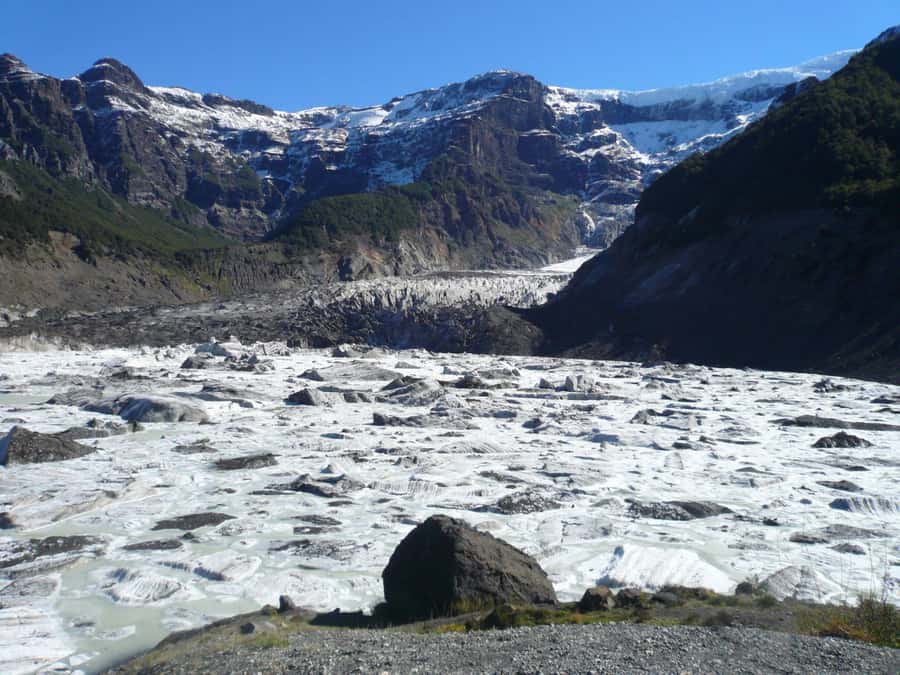
- Ventisquero Negro is the unusual glacier stop: Its dark glacial ice gives Playa Negra its name and makes this different from a standard snow viewpoint.
- Lake Mascardi changes color with the light: Short stops let you see how sunlight affects the water and the surrounding forest.
- The route begins with Bariloche icons: You pass Lake Gutierrez, Cerro Ventana, and Cerro Catedral before turning toward the national park interior.
- Pampa Linda adds a human-scale pause: This stop sits near the base area of Cerro Tronador and helps frame the mountain before the glacier visit.
- You need to dress for shifting weather: Warm layers, walking shoes, water, snacks, sunscreen, and a camera are all sensible choices.
Why this eight-hour outing is worth considering
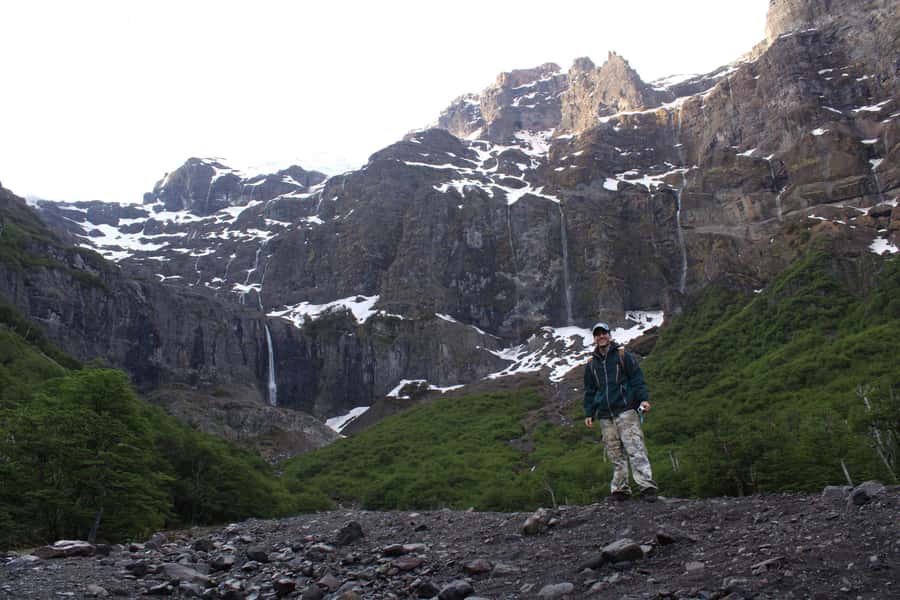
Cerro Tronador is not simply a mountain with a snowy top. Its name comes from the Mapuche language and refers to the frequent thunder-like noise made by moving ice. That detail gives the visit some character: you are not only looking at a distant summit, but at an active glacial environment with a name tied to sound.
I like this excursion because it gives you a sense of how the area changes as you leave Bariloche. The first part uses Route 40 and passes familiar sights near the city. Later, the road narrows into a more winding mountain route, with coihue trees and caña colihue vegetation along the way. The scenery shifts from open lake views to thicker forest and high mountain country.
At $130 per person, the price is not a bargain-basement outing. Still, it can be fair value if you want transportation, a Spanish-speaking guide, scenic stops, and access to a remote part of the national park in one package. You avoid arranging the long drive yourself, and the stops are selected to give the day some variety.
The price does not include the Nahuel Huapi National Park entrance fee. Keep that extra cost in mind before booking. Since the tour lasts eight hours and pickup can take 30 to 35 minutes while the bus collects people from hotels, this is best treated as a full-day commitment rather than a quick side trip.
A few more San Carlos De Bariloche trips worth putting side by side
- Bariloche: 7 Lakes & San Martin de Los Andes Road Trip
★ 4.5 · 624 reviews - Bariloche: Circuito Chico with optional Cerro Catedral
★ 4.5 · 316 reviews - Bariloche: German Immigration and History Walking Tour
★ 4.8 · 169 reviews
Leaving Bariloche for Lake Gutierrez
The tour departs from central Bariloche and follows Route 40 south. Hotel pickup is included, but regular pickup runs can take 30 to 35 minutes. You should wait outside your hotel lobby and listen for the guide or driver calling the main traveler’s name.
The first major views include Lake Gutierrez, Cerro Ventana, and Cerro Catedral. These early sights help set the scale of the region. You get broad water views close to Bariloche, followed by mountain forms that make the route feel increasingly remote.
Lake Gutierrez is a useful first scenic marker because it shows the blue and green character of the area before the tour reaches the more isolated roads. Do not expect a long walk or a separate activity here. The format is a sightseeing drive with short stops, so your best strategy is to keep your camera ready and use each pause well.
Cerro Catedral is one of the better-known mountain references around Bariloche. On this tour, it is part of the passing scenery rather than the main destination. That matters if you are hoping for a detailed visit to the ski area. This excursion is focused on Cerro Tronador and the glacier, not on exploring Cerro Catedral.
Lake Mascardi and the changing light
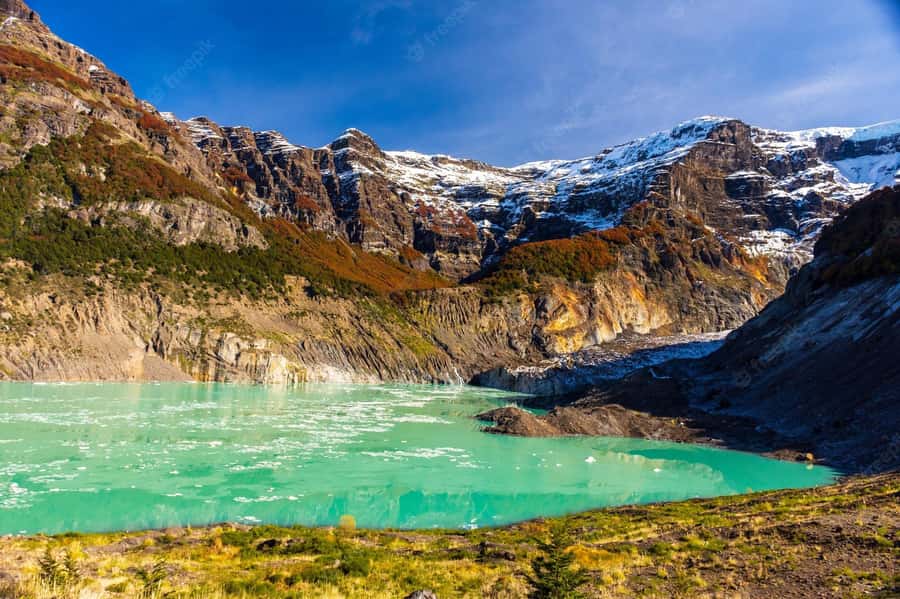
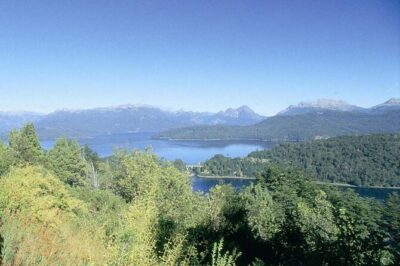
The route continues to Lake Mascardi, one of the main visual highlights before the glacier. The lake is described as having different colors depending on the sunlight, so weather plays a real role in what you see. On a clear day, the water may catch the light in a very different way than it does beneath cloud.
I like this stop because it gives you time to notice the scenery rather than simply rushing toward the mountain. The lake, forest, and surrounding peaks offer a quieter contrast to the grand finale at Ventisquero Negro.
The tour makes short stops around Lake Mascardi, so plan for brief viewing time rather than a long lakeside stay. Bring water and a snack, since the information provided does not promise a restaurant meal or a full lunch break. A small food supply can make an eight-hour bus day much easier.
You should also pack sunscreen even if the air feels cold. Sun exposure can be strong around open water and high mountain areas. The tour specifically advises sunscreen, and that is good advice for Patagonia in any season.
Into Nahuel Huapi National Park
After reaching the entrance to Nahuel Huapi National Park, the journey takes a curvy mountain road. This is where the outing becomes less like a standard city sightseeing trip and more like a route into wild country.
The road passes among coihues and caña colihues. These plants give the drive a strong local sense of place, and the changing vegetation helps you see the transition from the Bariloche area into the mountain interior.
If you are prone to motion sickness, the curves deserve attention. The tour is not suitable for people with mobility impairments, pregnant women, or people with heart problems, according to the stated restrictions. Those limits do not explain every possible concern, so anyone with a medical condition should think carefully about the long drive and changing mountain conditions.
The scenery is the main activity between stops. You will spend substantial time seated on the bus, with views appearing through the windows and at designated viewpoints. Comfortable shoes still matter because the day includes stops outside the vehicle, but this is not described as a strenuous hiking tour.
Still Argentina, but a completely different sort of afternoon:
- San Martín de los Andes por 7 Lagos
★ 4.4 · 155 reviews - Circuito Chico
★ 4.5 · 146 reviews - Bariloche: Circuito Chico and Campanario Hill
★ 4.6 · 83 reviews - Bariloche: Half-Day Small Circuit Tour with Mount Campanario
★ 4.6 · 64 reviews
Playa Negra and the Ventisquero Negro story
Playa Negra, or Black Beach, is linked to the dark appearance of Ventisquero Negro. This glacier is one of the most distinctive parts of the tour because it does not present the clean white look many people expect from a glacier. Its ice is dark, giving the stop a striking and slightly unusual character.
The glacier is fed by the eternal snow and ice of Cerro Tronador. At the mountain base, you can see the glacial ice and the lagoon formed by melting ice. That combination is valuable because it shows a process rather than a single frozen object. The lagoon is part of the glacier story, shaped by meltwater from the mountain.
You should not expect to walk on the glacier. The provided details describe viewing the glacial ice, the summit snow, and the lagoon from the base area. This is a scenic and educational stop, not a glacier trekking experience.
Weather can change how much of Cerro Tronador you see. The mountain may appear clearly, or clouds may cover parts of the summit. Bring warm clothing even if Bariloche feels mild when you leave. The tour specifically warns you to prepare for changes in weather conditions.
Mirador de la Isla Corazón and the rapids
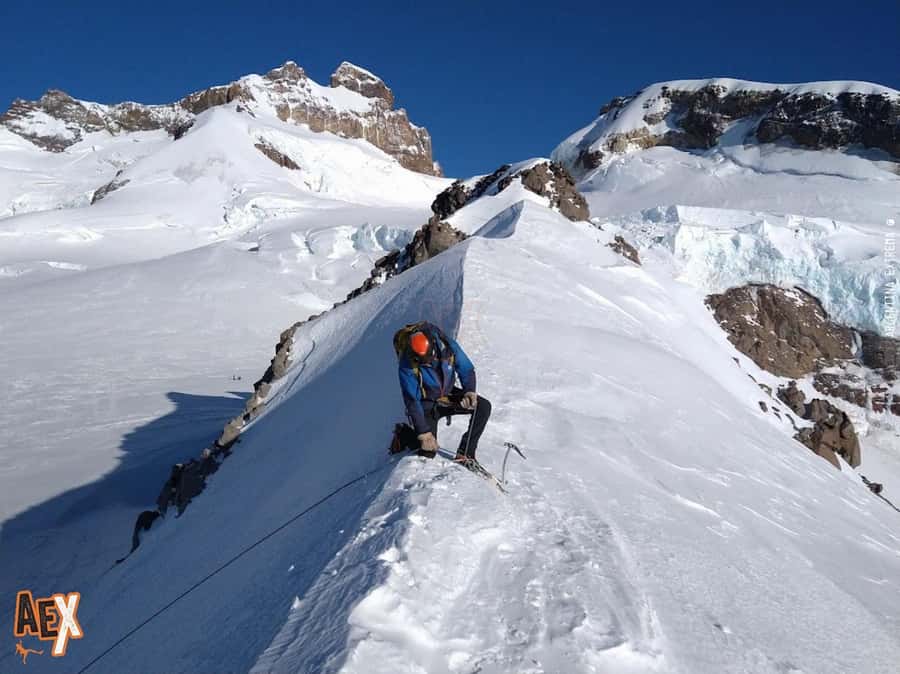
Another stop is the rapids at Mirador de la Isla Corazón. The lookout adds movement to a day otherwise filled with still water, forest, and ice. Rapids also give you a different way to read the terrain, showing how water moves through the mountain environment.
The stop is short, so you will want to step out promptly and make the most of the viewpoint. Comfortable walking shoes are useful here, though the activity information does not promise a long trail or a difficult walk.
I see this stop as part of the tour’s strength. Rather than driving directly to one famous mountain view, the route includes several smaller scenes that build a fuller picture of the park. The tradeoff is that no single stop receives unlimited time.
Pampa Linda and the first view of the mountain
Pampa Linda is one of the final important stops before the base area of Cerro Tronador. Here, you get the first clear sense of the mountain’s scale and position within the surrounding terrain.
Cerro Tronador forms part of the border between Argentina and Chile. It is also the highest peak in this section of the Patagonian mountain range within Nahuel Huapi National Park. Those facts give the mountain more weight than a simple photo stop. Its height, border position, glaciers, and Mapuche name all connect the scenery to the wider geography of the region.
The first sight of the mountain may come across an open glacier plain. That setting helps you see the summit and eternal snow from a broad angle before you reach the base. If clouds or changing weather interfere, the view may be less complete, so keep your expectations flexible.
Pampa Linda is also a useful pause after the winding drive. You can stretch your legs, take photos, and reset before the glacier and lagoon views. Since this is a full-day tour, small breaks make a real difference.
What the transport and guide service mean
The excursion uses a bus and includes a professional Spanish-speaking guide. The guide service is important because the route includes natural features whose names and meaning are easy to miss without context, including Tronador’s Mapuche origin and the connection between the dark ice, Playa Negra, and the meltwater lagoon.
The activity does not list an English-language guide. If you do not understand Spanish, you should consider how much explanation you want during the drive and at the stops. The tour may still offer strong scenery, but the interpretive side will be limited if you cannot follow the guide.
Pickup is included from your hotel, with the main traveler’s name used for identification. Be outside the lobby at the expected time rather than waiting in your room. Since pickup can take 30 to 35 minutes, the start may feel slow if you are collected early, but that is part of the practical cost of a shared excursion.
No group size is provided, so I would not assume a small vehicle or an intimate outing. The bus format suggests a standard organized tour. That works well if you value simple transport and a set route, but less well if you want to linger at one viewpoint or change the schedule.
Is $130 a fair price?
At $130, I would judge the tour by convenience as much as by scenery. Cerro Tronador and Ventisquero Negro are reached through a long route with mountain roads, and the package includes transport, a guide, hotel pickup, and several scenic stops.
The strongest value comes if you are staying in Bariloche without a car, have only one day for this side of the park, or do not want to handle the route yourself. You get Lake Gutierrez, Lake Mascardi, Playa Negra, the Isla Corazón viewpoint, Pampa Linda, and the glacier area in one organized day.
The value is weaker if you want an active hike, a long stop at each lake, or a flexible private schedule. You will spend much of the day on the bus, and the park entrance fee is extra. Food is also not listed as included, so plan for your own snacks and water.
The single five-out-of-five rating and the brief positive comment support the basic appeal of the outing, but they do not provide enough detail to judge every part of the service. I would book for the route and scenery rather than expecting a highly personalized experience.
What to pack for the mountain road
Pack for several conditions in one day. Warm clothing is essential, even if the morning in Bariloche feels comfortable. Layers are more useful than one heavy item because the temperature can shift between the bus, lakeside stops, and glacier area.
You should bring:
- Comfortable walking shoes
- Warm clothing
- Water
- Snacks
- Sunscreen
- A camera
Smoking is not allowed. The tour also advises you to prepare for weather changes. That warning is especially relevant around a high mountain with glaciers, where visibility and temperature can change during the day.
Do not rely only on your phone for photos if you care about the mountain views. A camera is specifically recommended, and the route includes several distinct subjects: lake water, forest, rapids, dark ice, a meltwater lagoon, and the snow-covered summit.
Who should book this Bariloche excursion?
I would recommend this tour to you if you want a broad, scenic introduction to Cerro Tronador and the southern part of Nahuel Huapi National Park. It fits people who prefer organized transport, appreciate several short stops, and are comfortable spending eight hours on the road.
It also suits photographers and sightseers who want variety. You can photograph lakes, mountains, vegetation, rapids, glacier ice, and a lagoon without booking separate activities.
I would be more cautious if you dislike winding roads, need a flexible schedule, or want substantial walking. The excursion is not suitable for pregnant women, people with mobility impairments, or people with heart problems. Those restrictions should be taken seriously rather than treated as routine wording.
The Spanish-only format is another deciding factor. If you understand Spanish, the guide can add useful meaning to the views. If you do not, the scenery remains the main attraction, but the spoken explanation may not be accessible to you.
Should you book Cerro Tronador and Ventisquero Negro?
Book it if you want to see a major Patagonian mountain, a dark glacier, and several lakes in one organized day from Bariloche. I especially like the progression from Lake Gutierrez and Cerro Catedral to Lake Mascardi, the forest road, Playa Negra, Isla Corazón, Pampa Linda, and finally the glacier plain.
The best practical advice is to budget for the park entrance fee, bring your own food and water, wear warm layers, and accept that the road and weather will shape the day. At $130, it is a reasonable choice for convenience and range, though not the right pick for a relaxed hike or a private, flexible outing.
FAQ
How long does the Cerro Tronador and Ventisquero Negro tour last?
The tour lasts eight hours.
What language is the guide?
The live guide speaks Spanish.
Is transportation included?
Yes. Transport by bus is included.
Is hotel pickup available?
Yes. Pickup is included from hotels in the regular pickup area. You should wait outside your hotel lobby, and the guide or driver will call the main traveler’s name.
How long can hotel pickup take?
Regular pickups can take up to 30 to 35 minutes.
Is the Nahuel Huapi National Park entrance fee included?
No. The park entrance fee is not included in the tour price.
Which lakes are visited or seen on the route?
The route includes views and stops connected with Lake Gutierrez and Lake Mascardi.
What is Ventisquero Negro?
Ventisquero Negro is the dark glacial ice at the base of Cerro Tronador. The tour also visits the lagoon formed by melting ice.
What should I bring?
Bring comfortable walking shoes, warm clothing, water, snacks, a camera, and sunscreen.
Can I cancel the booking?
You can cancel up to 24 hours in advance for a full refund. The reserve-now-and-pay-later option lets you book without paying immediately.
Recently added around San Carlos De Bariloche
- Navigation through Isla Victoria and Bosque de Arrayanes★ 4.4 · 9 reviews
- From Bariloche: Half-Day Circuito Chico Sightseeing Tour★ 4.3 · 9 reviews
- From Bariloche: San Martin de los Andes and 7 Lakes Circuit★ 4.6 · 22 reviews
- From Bariloche: Chico Circuit & Colonia Suiza Tour★ 4.4 · 35 reviews
- Crossing to Puerto Blest and Cascada de los Cántaros★ 4.4 · 5 reviews
- Bariloche: Cerro Tronador and Ventisquero Negro Glacier Tour★ 4.8 · 24 reviews
- Bariloche: Tour to Circuito Chico + Optional: Arrayanes★ 4.2 · 3 reviews
- Bariloche: Victoria Island and Arrayanes Forest Navigation★ 3.4 · 7 reviews
Bariloche Tours, compared.
German Footprint & Nazi presence – Walking Tour in Bariloche
Read our review →
Bariloche Small Circuit: Mt Campanario and Llao Llao Peninsula
Read our review →Browse the lists this tour appears in