Reviewed · ASADO AND ARGENTINE FOOD
BA: Small Group Empanadas Cooking Class & Wine Tasting in Palermo
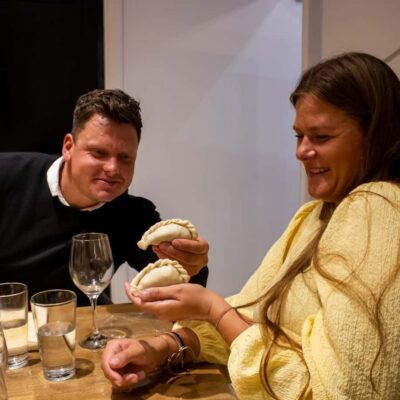
Start with dough, end with wine. This two-and-a-half-hour Palermo class combines hands-on empanada making with a guided taste of Argentine wines, including Malbec from three major wine regions. I like the friendly, social setup and the chance to learn a dish you can make at home. I also like that the class includes vegetarian options, though the hands-on work may be less extensive than the promotional photos suggest.
The class meets at Gorriti 4882 in Palermo and costs $49 per person. Hosts such as Carolina, Lourdes, Tomas, Deborah, Valentine, and Thomas have earned especially warm praise for clear instruction and easy conversation. The group can include up to 12 people, so you get a social experience without being swallowed by a tour bus crowd.
In This Review
- Key points to know before booking
- What happens at Gorriti 4882
- The empanada lesson: what you actually do
- Argentine wines from Mendoza, Salta, and Patagonia
- Cheese, mate, and the Argentine touch
- How much hands-on cooking should you expect?
- The social side of a small group
- Is $49 a good value?
- Timing, booking, and practical details
- Who should book this Palermo class?
- Should you book the empanada and wine class?
- FAQ
- Where does the empanada class meet?
- How long does the experience last?
- How many people can join the class?
- Is wine included?
- Is food included?
- Can vegetarians participate?
- What is the cancellation policy?
Key points to know before booking
- You make the filling and shape the empanadas: Expect to chop vegetables and meat, mix ingredients, fold the dough, and prepare the empanadas for baking.
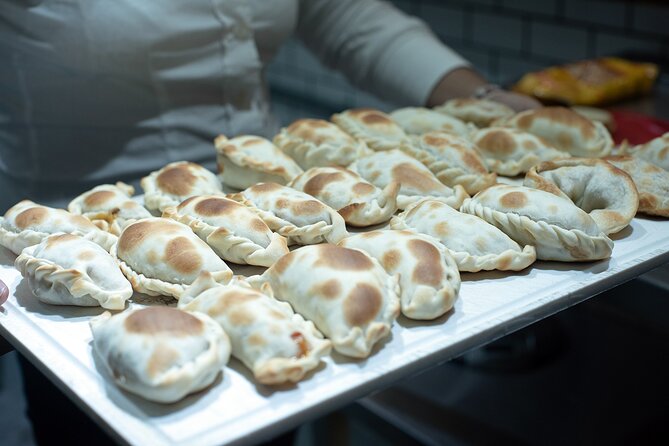
- The dough may already be prepared: One important detail is that participants may not make the crust from scratch, despite what some images suggest.
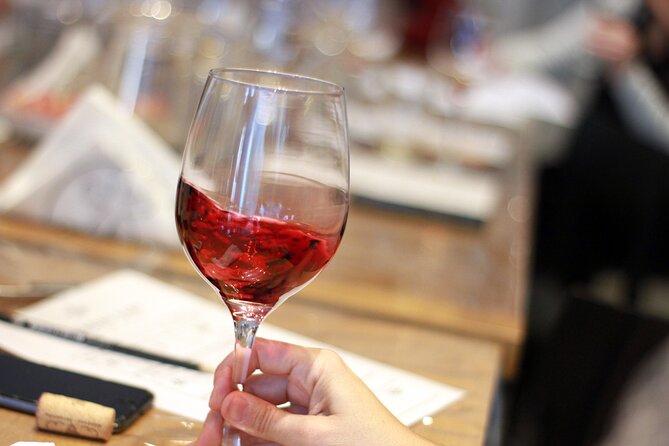
- Wine is more than a side activity: You taste wines from Mendoza, Salta, and Patagonia while learning how Argentina’s growing regions affect flavor.
- Vegetarian food is available: A vegetarian option was specifically appreciated during one class, but mention your dietary needs when booking.
- The class suits solo visitors well: Small groups, shared food, and a relaxed host make it easy to chat with people from different countries.
- The location is in Palermo: The meeting point is near public transportation, and one participant paid about $8 for a cab from a downtown hotel near the Waldorf.
What happens at Gorriti 4882
The class begins at Gorriti 4882, in Buenos Aires’ Palermo neighborhood. You finish at the same place, so there is no second meeting point to find and no transfer to arrange afterward.
The location is near public transportation, but the supplied directions do not specify the best station or bus route. I would allow extra time if you are crossing town. A taxi or ride service may be the simplest choice, particularly for an evening class or if you are staying in central Buenos Aires.
Once you arrive, the host and cooking team welcome the group and introduce the plan. The setting appears to be a comfortable cooking space rather than a large commercial kitchen. That matters here. You are there to talk, chop, fold, taste, and ask questions, not simply watch a chef work from the back of a room.
The maximum group size is 12. That is large enough to create a sociable table, but small enough for an instructor to see what you are doing. Some sessions have been much smaller. One couple had the class to themselves, while another solo participant joined a mixed group of people from Canada, the United Kingdom, Norway, Germany, and elsewhere.
That mix is part of the appeal. You are likely to spend as much time comparing travel stories as discussing the correct empanada fold.
More Asado Experiences in Buenos Aires
- Buenos Aires: 9-Course Argentine Meat Tasting at Fogón Asado
★ 4.9 · 826 reviews - Join a Local Family Asado in Buenos Aires with Betty and Marcelo
★ 5.0 · 686 reviews - Buenos Aires: Empanadas and Alfajores Guided Cooking Class
★ 4.8 · 486 reviews
The empanada lesson: what you actually do
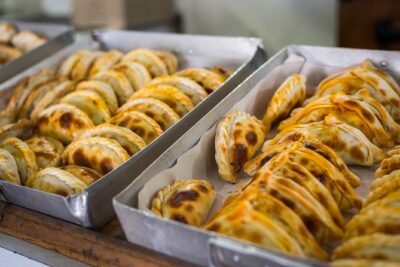
Empanadas are among Argentina’s most useful foods for a visitor to learn. They can be breakfast, lunch, dinner, a snack, or a party dish. They are also forgiving. Even if your first fold looks more like a small pastry accident, it can still taste good.
The class explains the preparation step by step. Based on the actual class format described by participants, you should expect to help cut vegetables and meat, prepare or mix the filling, and learn how to close the pastry properly before baking.
Here is the key practical point: the dough may already be made. You may not roll and prepare the crust from flour and fat all the way through. Instead, the class focuses more on the filling, assembly, folding technique, and cooking process.
That is not necessarily a flaw. Making empanada dough from scratch can take time, and a two-and-a-half-hour class has to leave room for eating and wine. Still, if your main goal is a full pastry lesson, you should know what you are signing up for.
The fillings are cooked in a pot on an induction stove, according to one detailed account of the class. Participants cut the ingredients and take part in the preparation, but the chef or host handles some of the cooking. This gives you a practical introduction without turning the class into a race to manage hot pans and raw meat.
The most satisfying part comes next: folding. Your instructor shows you how to seal each empanada so the filling stays inside during baking. This is where the class becomes a useful skill rather than just a meal. You can take the technique home and practice with different fillings.
Hosts have made this process easy for beginners. Lourdes received praise for giving clear instructions, while Carolina added personal stories as she guided the group. Deborah was singled out for explaining the process in a friendly way, and Tomas was praised by people who considered themselves non-cooks.
I especially like that the atmosphere does not seem competitive. Nobody needs to produce a perfect pastry. The point is to learn the method, enjoy the food, and leave with enough confidence to host an empanada dinner later.
Argentine wines from Mendoza, Salta, and Patagonia
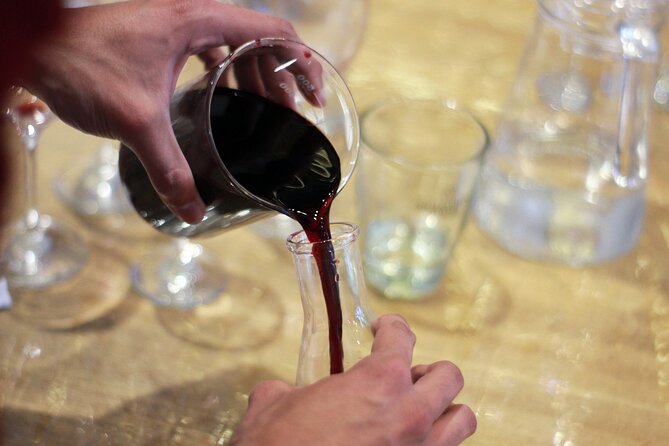
The wine portion gives the class a wider purpose. You are not simply handed a glass of Malbec and told that Argentina makes good wine. The host explains how the country’s three main wine regions differ and how those differences show up in the glass.
Mendoza is the name most visitors know, and Malbec is the star. Argentina has become closely linked with the grape, so a tasting here would feel incomplete without it. But the class also introduces other local varieties and wines from Salta and Patagonia.
The regional comparison is useful because it gives you a basic map for future meals. Mendoza, Salta, and Patagonia do not produce identical wines, and the class explains their different flavor qualities as you taste. You learn to connect the wine’s character with the place where it was grown, rather than treating every Argentine bottle as the same.
The tasting includes a selection of regional wines, with some sessions featuring four wines. The exact lineup can vary, so do not book this expecting a fixed list of labels. Cheese is served alongside the wines, helping you notice how food changes the taste of each pour.
That pairing is a smart choice for a cooking class. Empanadas are savory, rich, and filling, while cheese offers a simple way to compare the wines before the main food is ready. The wine also gives you something to discuss during the cooking pauses.
The hosts receive strong praise for explaining wine in plain language. Thomas, for example, was praised for his impressive knowledge of Argentine wine, while other instructors made the information easy to follow. You do not need a technical wine vocabulary to take part.
A word of caution: this is a tasting, not a serious wine certification course. You will gain a practical introduction to Argentine regions and varieties, but the emphasis remains social and accessible.
Cheese, mate, and the Argentine touch
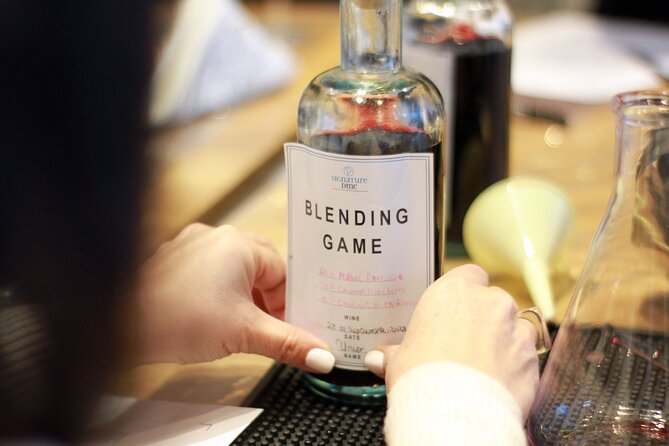
The food and wine would be enough for a good class, but the small cultural details help make it feel more local. One host served mate during the session, adding a traditional Argentine drink to the experience.
Mate is not just another beverage. It is part of everyday social life in Argentina, and sharing it gives you a glimpse of a custom that does not always appear on a standard city tour. Its presence may depend on the host and session, so treat it as a welcome extra rather than a guaranteed part of the schedule.
The cheese pairing also keeps the wine lesson grounded. You taste, eat, and compare rather than sitting through a lecture. The result is practical knowledge you can use at a restaurant or wine shop later in your trip.
This is where the class works best. It connects cooking, drinking, and conversation without making any one part feel too formal.
More Food Tours in Buenos Aires
- Local Foodie Adventure in Buenos Aires with Sherpa Food Tours
★ 5.0 · 6,875 reviews - Historical Sherpa Food Tour of San Telmo with Street Food, Drinks
★ 5.0 · 920 reviews - Buenos Aires: Local Foodie Adventure with Sherpa Food Tours
★ 4.9 · 670 reviews - 5hs Small Group City Tour of Buenos Aires (Optional Street Food)
★ 4.5 · 245 reviews
How much hands-on cooking should you expect?
The answer is: enough to learn the core technique, but not necessarily enough to prepare every element from zero.
You should expect to:
- Cut vegetables and meat for the filling
- Help mix the ingredients
- Learn about the filling and its cooking process
- Fold and seal the empanadas
- Prepare them for baking
- Eat the finished food with wine and cheese
You should not assume that you will make the pastry dough from scratch. The dough and filling process may be partly prepared before the class, and the cooking takes place in a pot on an induction stove.
This distinction matters because some cooking classes are really demonstrations with a little participation. This one appears to sit in the middle. You do real preparation and assembly, but the staff controls some of the more technical or time-sensitive work.
For most people, that is the right balance. You get to cook without spending the whole session measuring flour or waiting for a filling to cool. Families and first-time cooks may find the format especially comfortable.
The class has also worked well for children and teenagers. One family attended with children aged 10, 13, and 15, and found it enjoyable for everyone. The wine portion naturally suits adults, but the food preparation gives younger participants something active to do.
The social side of a small group
A cooking class is partly about the people around the table. The maximum of 12 helps keep the group personal, while the international mix can turn a simple meal into a memorable evening.
Solo visitors are well served here. One solo participant called it an excellent way to spend an evening, and the format gives you an easy opening line: ask someone which empanada shape they are attempting. You do not need to arrive with a companion to feel included.
Couples can also benefit from a smaller session. One pair had only two participants and appreciated having plenty of time to ask questions and chat with Lourdes. A small group may give you more direct attention, though group size depends on the date and season.
Families should consider the age and interests of their children. Younger participants can help with chopping and folding under supervision, but the class is not presented as a dedicated children’s program. Teenagers and older children are likely to get more from the wine and food discussion.
Friends will find the format easygoing and shared. It is a good choice when you want an activity that is more memorable than another restaurant meal but less demanding than a full-day excursion.
Is $49 a good value?
At $49 per person, this is a reasonable price for a two-and-a-half-hour activity that includes a professional host, ingredients, cooking tools, empanadas, wine tasting, and cheese pairings.
The value comes from combining several costs in one experience. You receive a meal, an introduction to Argentine wine, a cooking lesson, and a social activity. If you would otherwise pay separately for dinner and a wine tasting, the price looks stronger.
It is also useful that equipment and ingredients are supplied. You do not need to shop, bring utensils, or figure out how to manage the filling before you arrive.
The value is weaker if you want a full professional cooking course. Since the dough may be prepared in advance and the filling is cooked partly by the staff, you are paying for a guided experience rather than advanced culinary training.
I would call it good value for a first-time visitor, solo visitor, couple, or family seeking an approachable introduction to Argentine food. It is less compelling for someone who already makes empanadas and wants detailed instruction in pastry technique.
Timing, booking, and practical details
The experience lasts about 2 hours and 30 minutes. That is long enough for introductions, preparation, wine tasting, cooking, and eating without taking over your entire day.
You receive confirmation when booking. The experience ends back at Gorriti 4882, and transfers are not included. Tips are also not included, so carry some extra money if you want to thank the host or cooking team.
The activity has a maximum of 12 participants and is near public transportation. Because it is booked an average of 43 days ahead, popular dates may fill early. I would reserve ahead if your Buenos Aires schedule is tight, especially if you want a particular day or are traveling during a busy period.
Free cancellation is available until 24 hours before the start time for a full refund. Changes or cancellations made inside that 24-hour window are not accepted for a refund, and the cut-off uses local Buenos Aires time.
Who should book this Palermo class?
I would choose this class if you want food, conversation, and a manageable amount of activity. It is especially well suited to:
- Solo visitors who want a friendly evening activity
- Couples looking for a meal with something to do
- Families with older children or teenagers
- First-time cooks who want clear instructions
- Anyone curious about Argentine Malbec and regional wine
- Visitors who want to learn a dish they can recreate at home
I would think twice if your priority is making every component from scratch. The class teaches the practical heart of the dish, but the dough may already be prepared and some cooking may be handled by the staff.
The experience also depends on your host. That is not unusual for a small cooking class, and the instructors named in the feedback, including Carolina, Lourdes, Tomas, Deborah, Valentine, and Thomas, have been praised for friendliness and clear teaching. Still, the exact personality and pacing may differ from one date to another.
Should you book the empanada and wine class?
Yes, if you want an easy, social introduction to Buenos Aires through food. The strongest parts are the warm instruction, the chance to fold and bake your own empanadas, and the useful comparison of wines from Mendoza, Salta, and Patagonia.
Go in with the right expectation. This is not a strict pastry school, and you may not make the crust from scratch. It is a relaxed cooking and tasting session where you prepare the filling, shape the food, learn about Argentine wine, and sit down to enjoy the result.
At $49, the combination of food, wine, instruction, equipment, and conversation makes sense. I would book it early, mention a vegetarian need in advance, and leave room afterward for a walk through Palermo.
FAQ
Where does the empanada class meet?
The class begins at Gorriti 4882, C1414BJN, in Buenos Aires. It ends back at the same meeting point.
How long does the experience last?
The activity lasts approximately 2 hours and 30 minutes.
How many people can join the class?
The maximum group size is 12 participants. Some sessions may be smaller, including occasional classes with only two people.
Is wine included?
Yes. A selection of Argentine regional wines is included, along with information about Mendoza, Salta, Patagonia, local varieties, and Malbec.
Is food included?
Yes. Empanada ingredients are included, and the finished empanadas are eaten during the experience. Cheese is also served to pair with the wine.
Can vegetarians participate?
A vegetarian option has been provided during the class. Contact the provider when booking if you need a vegetarian preparation.
What is the cancellation policy?
You can cancel at least 24 hours before the start time for a full refund. Cancellations or changes made less than 24 hours before the experience are not refunded or accepted.
More Asado and Argentine Cooking in Buenos Aires
- The Asado Experience – Premium Steak
★ 5.0 · 347 reviews - Buenos Aires: Empanada & Alfajor Cooking Lesson in Palermo
★ 4.6 · 186 reviews - Parrilla Tour Palermo
★ 5.0 · 185 reviews - Buenos Aires: Authentic Argentine Asado BBQ with Live Music
★ 5.0 · 178 reviews
More Wine Tours in Buenos Aires
- Authentic Rooftop Asado Experience with Argentine Wine Pairing
★ 5.0 · 274 reviews - Bodega Gamboa Small-Group Wine Tasting Tour with Lunch
★ 5.0 · 212 reviews - Buenos Aires Small-Group Wine Tasting
★ 5.0 · 193 reviews - Buenos Aires: Wine Tasting and Lunch at Bodega Gamboa
★ 4.8 · 177 reviews
Recently added around Buenos Aires
- Photo Session in Buenos Aires★ 5.0 · 26 reviews
- Your Personal Photographer in Buenos Aires★ 5.0 · 24 reviews
- Discover Buenos Aires’ independent art scene — Ticket included★ 5.0 · 30 reviews
- Your Private Photographer in Buenos Aires★ 5.0 · 4 reviews
- Yerba Mate Workshop – Learn to Drink Mate like a Local!★ 5.0 · 11 reviews
- Taste of Tradition: Yerba Mate & Alfajores Experience★ 4.0 · 5 reviews
- Wine tasting in OASIS Palermo★ 5.0 · 2 reviews
- Day Tour Classic★ 3.5 · 35 reviews
Asado and Argentine Food, compared.
Join a Local Family Asado in Buenos Aires with Betty and Marcelo
Read our review →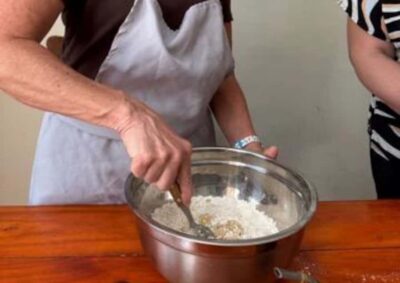

Authentic Rooftop Asado Experience with Argentine Wine Pairing
Read our review →