
Reviewed · FOOTBALL AND STADIUM TOURS
AllMaradona Buenos Aires: Maradona House Museum and Stadium
Maradona’s story begins in a neighborhood, not a trophy room. This three-hour tour follows his early years through La Paternal, where he lived, trained, and made his professional debut for Argentinos Juniors. I especially like the visit to La Casa de D10S, his first owned home, and the access to the stadium’s pitch, dressing rooms, press room, and stands. The other strong point is the small group size, capped at 10 people, which gives the guide room to explain the details instead of rushing you from display to display.
The main consideration is the price: $138 per person is a serious spend for a three-hour activity, especially since food and drinks are not included. Still, hotel pickup and drop-off, both entrances, a bilingual guide, and a focused look at Maradona’s beginnings make this good value for devoted football fans. Fernando Ponce receives repeated praise for his English, care, and passion, while Fernando, Jaime, and the Argentinos Juniors team are also singled out for making the visit feel personal.
In This Review
- Key points about the Maradona experience
- Why Maradona’s La Paternal story matters
- Inside the Diego Armando Maradona Stadium
- Walking the streets of La Paternal
- La Casa de D10S and Maradona’s family home
- What the guide adds to the experience
- Hotel pickup, group size, and timing
- Is $138 a fair price?
- Who should book this tour?
- Final decision: a strong choice for Maradona fans
- FAQ
- How long does the AllMaradona tour last?
- Where does the tour begin and end?
- What locations are included?
- How long is the stadium and museum visit?
- How long is the visit to La Casa de D10S?
- Is the tour available in English?
- What is included in the price?
Key points about the Maradona experience
- Walk through La Paternal: Follow the streets Maradona knew when he was beginning his football career.
- Enter his first owned home: La Casa de D10S was his family home from 1978 to 1980 and was given to him by Argentinos Juniors for his 18th birthday.
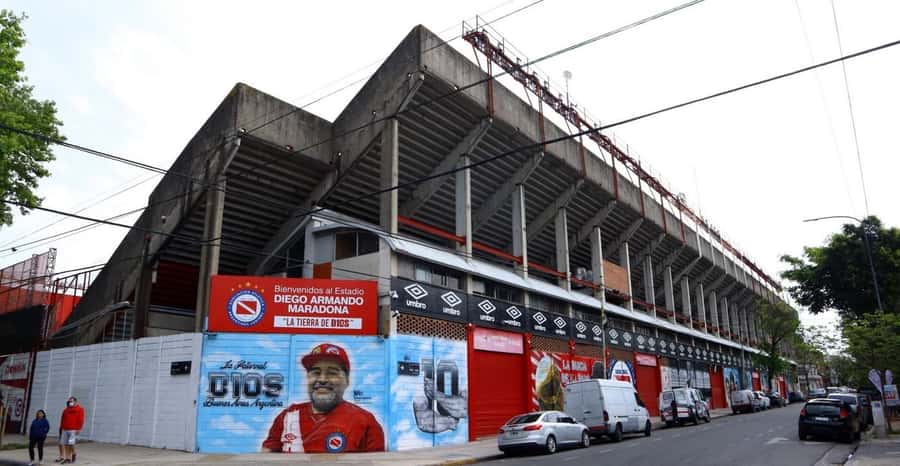
- Visit a stadium named for him: The Diego Armando Maradona Stadium is where he made his professional debut with Argentinos Juniors.
- See a fan-made museum: El Templo del Fútbol was created through voluntary work by supporters and members of the club.
- Go beyond the stands: The tour includes the pitch, changing rooms, central hall, press room, and stands.
- Keep the day simple: Hotel pickup, return transport, English and Spanish guiding, and a maximum group of 10 are included.
Why Maradona’s La Paternal story matters
Many Buenos Aires football tours focus on famous matches, giant clubs, or national-team glory. This one takes a different route. It looks at the young Maradona before global fame, when Argentinos Juniors was the club shaping his early career.
That setting gives the tour its appeal. You are not only seeing objects connected to a famous player. You are also walking through La Paternal, the neighborhood where Diego lived as a rising footballer. The streets help connect the public legend with the young player and his family.
The tour is built around two places with a clear personal link. The first is the stadium where Maradona made his professional debut for Argentinos Juniors. The second is his first owned home, where he lived with his family between 1978 and 1980.
I think that combination is stronger than a standard museum visit. The stadium gives you the football setting. The house gives you a more private look at the family life behind the famous name.
You should also know what this tour is not. It is not a full survey of Maradona’s entire playing career, and it is not mainly about every club he represented. The emphasis is on Argentinos Juniors, La Paternal, and the early stage of his rise.
More football and stadium visits in Buenos Aires:
- Buenos Aires: Tickets to Boca Juniors Museum & Stadium
★ 4.5 · 581 reviews - Boca Juniors Tickets for a Match at La Bombonera
★ 4.5 · 140 reviews - Soccer Match in Buenos Aires with Transfers and Local Guide
★ 5.0 · 103 reviews
Inside the Diego Armando Maradona Stadium
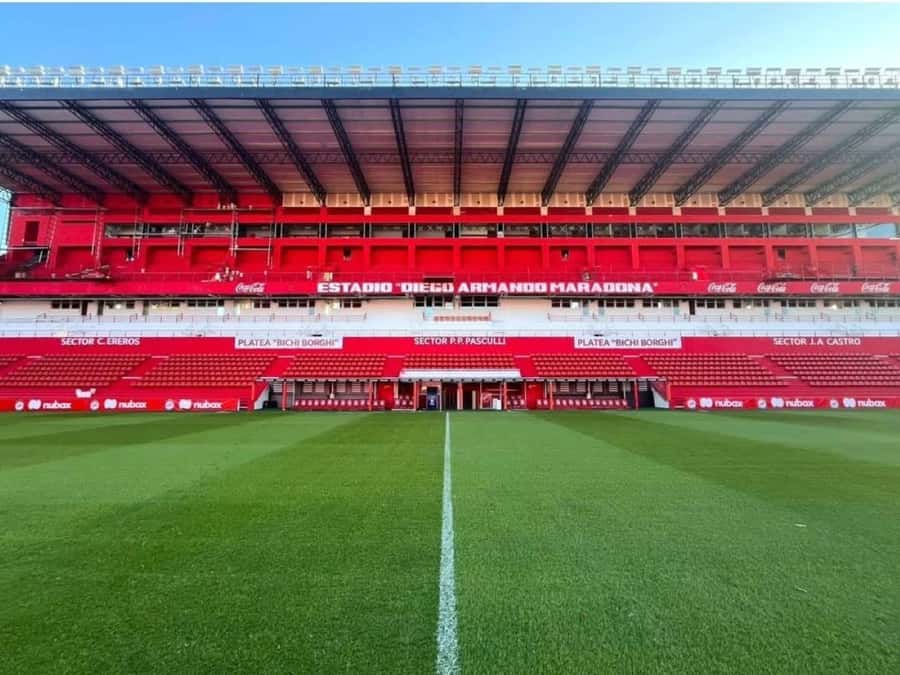
The stadium visit takes about 90 minutes, making it the longest part of the experience. Its name tells you how closely the club remains tied to its most famous former player, but the tour gives you more than a photo beside the entrance.
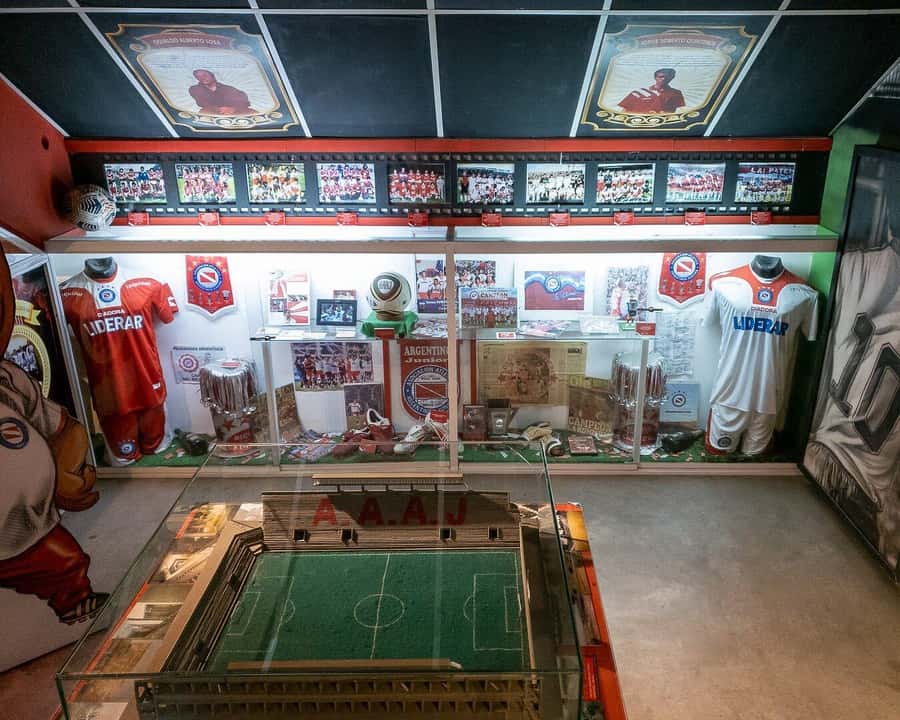
You visit the playing field, changing rooms, central hall, press room, and stands. Each location helps you picture the club from a different angle. The pitch connects to Maradona’s football career. The changing rooms and central hall show the working side of match day. The press room points to the attention that followed him as his career grew.
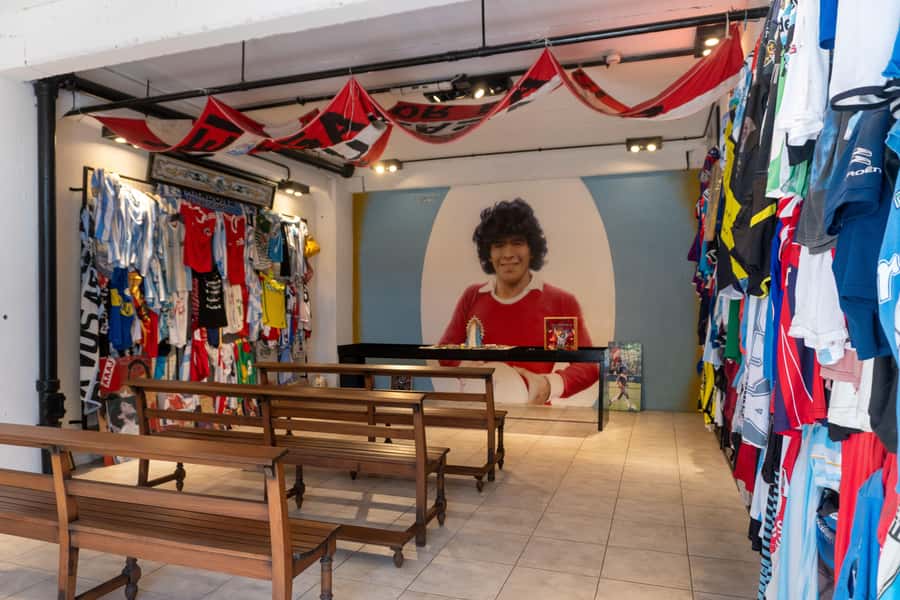
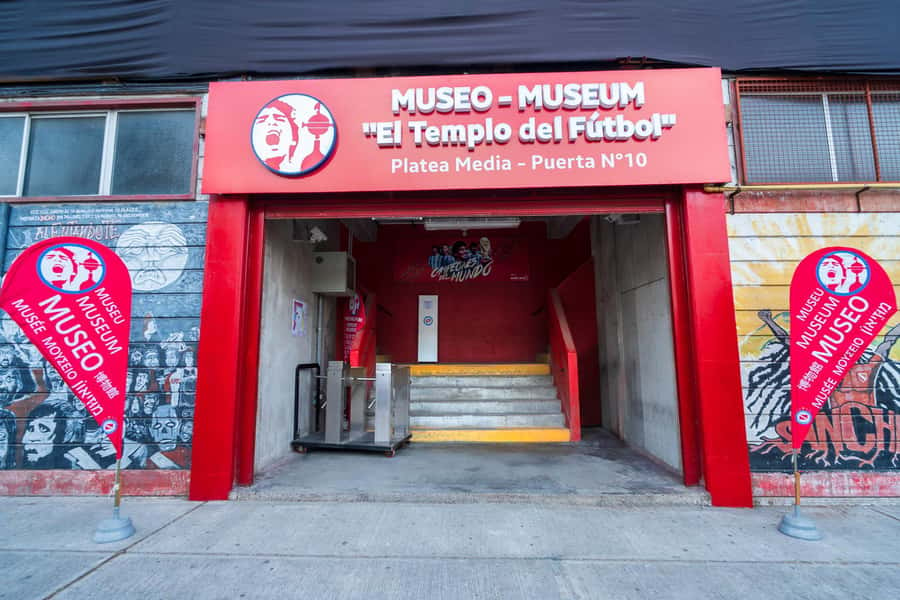
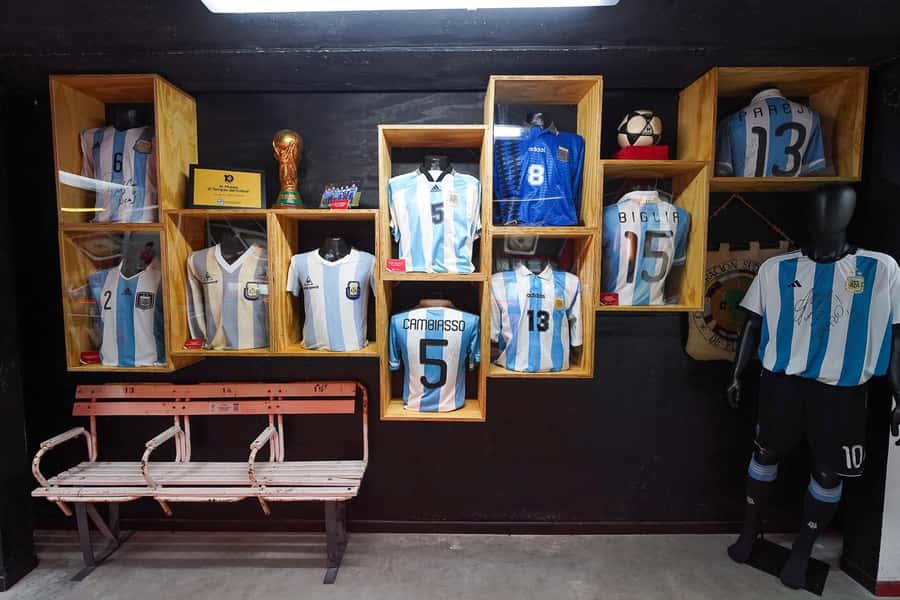
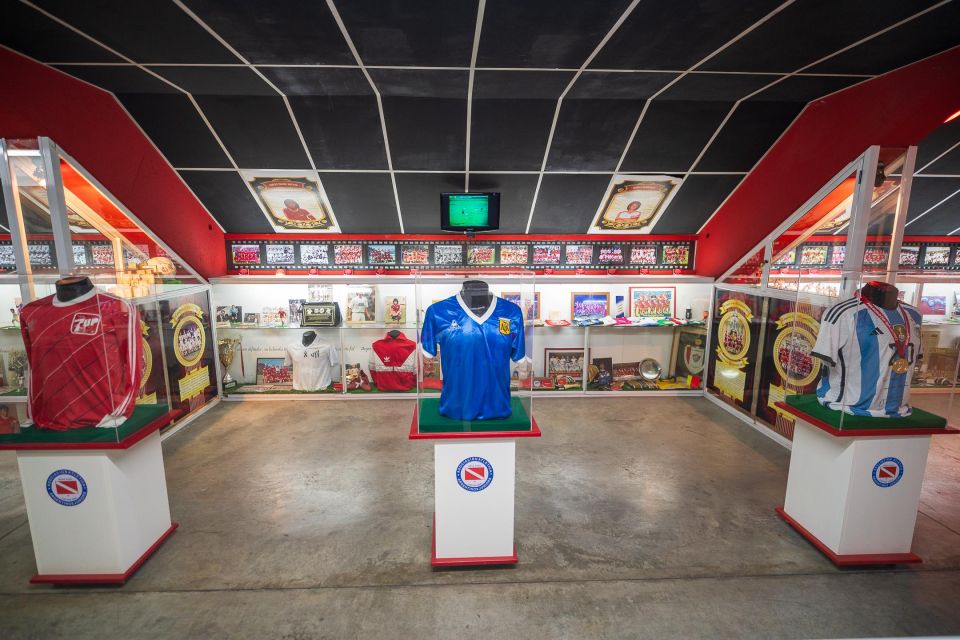
The stadium is also home to El Templo del Fútbol, the club museum. Its most unusual feature is its origin. Fans and club members built it through voluntary work, rather than as a polished commercial attraction produced by a large museum company.
That matters because the museum’s character is tied to the supporters. You can expect a place shaped by affection for Argentinos Juniors and Maradona. It is a club-focused collection, not a detached national institution.
The museum’s name, El Templo del Fútbol, reflects the devotion surrounding football in Argentina. For someone who knows Maradona mainly through famous television clips, this stop can add useful context. You see how his story began inside a local club and how strongly that club identifies with him.
The stadium portion should suit fans who enjoy access to working sports spaces. If you prefer only major trophies and sleek exhibition design, the fan-made nature of the museum may feel modest. That is part of its appeal, though. The tour is about connection and place, not a high-tech production.
Walking the streets of La Paternal
The neighborhood portion adds meaning to the indoor visits. You walk the same La Paternal streets Maradona walked when he was starting in football. The tour does not treat the neighborhood as a backdrop only. It places his early career in the everyday setting where it developed.
That is useful for understanding scale. Maradona later became one of the most famous people in the world, but this experience begins with a local club and familiar streets. The contrast is the point.
I would pay attention here to the guide’s storytelling. The supplied information gives no exact list of street stops, so you should not expect a fixed set of famous addresses beyond the house and stadium. The value comes from linking the neighborhood to the rest of the visit.
A small group helps in this part of the tour. With no more than 10 participants, you have a better chance to hear the guide and ask questions as you move around. The bilingual format also makes the experience practical for English speakers who want more than a Spanish-only club tour.
Fernando Ponce has received especially warm praise for speaking excellent English and for explaining the football context with care. Other strong feedback names Fernando and Jaime, along with Argentinos Juniors staff. If you are hoping for a guide who treats this as a serious cultural story rather than a quick football stop, the praise points in a good direction.
La Casa de D10S and Maradona’s family home
La Casa de D10S is scheduled for about 50 minutes. This was Maradona’s first owned home, where he lived with his family from 1978 to 1980.
Argentinos Juniors gave the house to him for his 18th birthday. That detail makes the building more than a celebrity address. It shows the importance of the relationship between player and club at a key stage in his life.
The home was recovered, valued, and recognized by the City Parliament as a historic place. It was also designated as a tribute to Maradona. Those facts give the stop official cultural weight, but the emotional appeal comes from its domestic setting.
A stadium tells you how a player performed. A home suggests how he and his family lived during the years when his career was taking shape. For many people, this will be the most personal part of the tour.
The house visit lasts less than an hour, so expect a focused guided visit rather than a long museum session. The available information does not list every room or object inside, so it is best to approach it as a preserved historic home connected to Maradona’s family years.
This stop may mean more to you if you already know something about Maradona’s life. If you only want a general football attraction, the stadium and museum may be enough. If you want to understand the person behind the public figure, the house adds a valuable second layer.
A few more Buenos Aires trips worth putting side by side
- Buenos Aires: River Plate and Boca Juniors Museum Tour
★ 4.5 · 72 reviews - Buenos Aires: Hop-On Hop-Off Bus and Football Museums
★ 4.3 · 39 reviews - Buenos Aires: Tickets to River Plate Museum
★ 4.6 · 32 reviews - Boca Juniors and River Plate Stadium Tour + TOP Museum.
★ 4.5 · 30 reviews
What the guide adds to the experience
A tour built around a football idol depends heavily on explanation. Objects and rooms can only tell part of the story. The guide has to connect the club, neighborhood, family, and player.
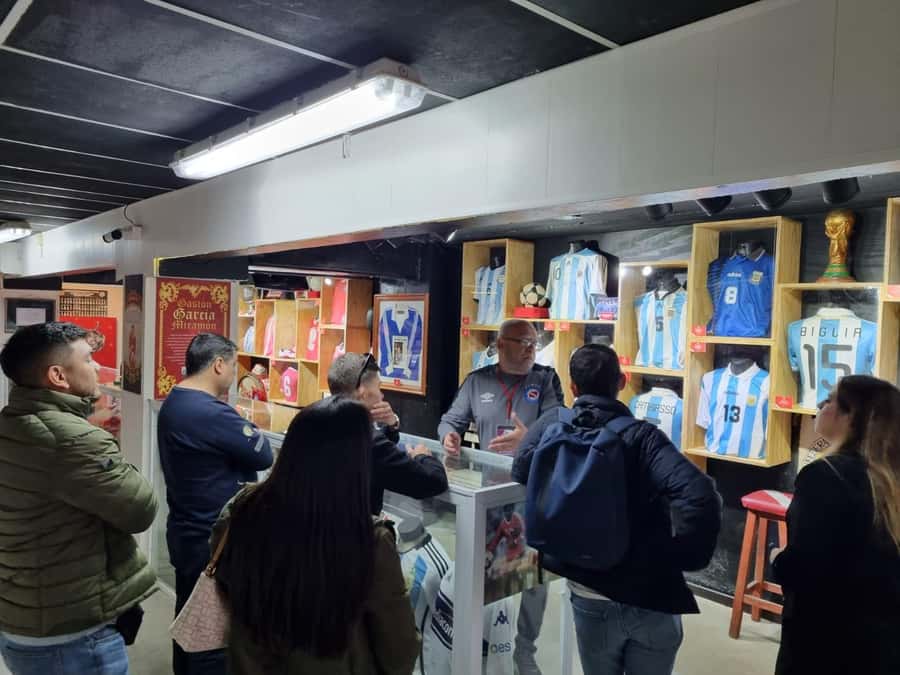
The feedback gives the guides unusually strong emphasis. Fernando Ponce is praised for excellent English, professionalism, attention, and a genuine understanding of football. His ability to make the visit engaging for an English-speaking audience is important, since the experience includes local club history that may not be obvious from the displays alone.
You can also expect the guide to explain the significance of Argentinos Juniors and Maradona’s place within it. The stadium is not simply a stop for photographs. It is where the young player made his professional debut, and the museum was built by people connected to the institution.
One person booked the experience for a second time, which suggests the tour can work even for someone who already knows the basic story. A repeat visit may be worthwhile if you want more time with the museum or a different guide’s interpretation.
The guide is also likely to shape the balance between football detail and personal history. If you are a committed supporter, ask questions about Argentinos Juniors. If you are visiting with someone less interested in tactics or club records, the house and neighborhood provide a more accessible route into the story.
Hotel pickup, group size, and timing
The tour lasts three hours, with pickup and return at your hotel in Buenos Aires. That is a practical advantage because you do not need to arrange separate transport to La Paternal or work out the return journey after the visit.
The schedule includes about 90 minutes at the stadium and museum, followed by about 50 minutes at La Casa de D10S. The remaining time allows for hotel transfers and movement between the two main stops.
Pickup is included at the door of your hotel in Buenos Aires. The supplied details do not specify an exact pickup time, so you need to check the available starting times when booking.
The maximum group size is 10 people. That is small enough to keep the guide’s explanations useful, especially inside the museum and stadium areas. It also makes the outing less cumbersome than a large coach visit.
The tour is offered in Spanish and English, with a live guide. That bilingual setup is important here because the experience depends on spoken stories as much as on what you see.
You should plan to eat before or after the activity. Food and drinks are not included, and the three-hour duration does not list a meal stop. The tour is compact, but hotel transfers can affect the exact amount of time available in each location.
Cancellation is flexible, with a full refund available if you cancel at least 24 hours in advance. You can also reserve now and pay later, which helps if your Buenos Aires schedule is still changing.
Is $138 a fair price?
At $138 per person, this is not a budget football outing. The value depends on what you want from your time in Buenos Aires.
For the price, you receive hotel pickup and drop-off, entry to the museum, the stadium and museum tour, entry to the house museum, and a bilingual guide. The small group limit also gives the experience a more personal feel than a basic admission ticket.
The strongest value comes from the combination of places. A stadium visit alone would offer a shorter and narrower experience. A museum alone might not give you the same sense of place. Adding the historic house and neighborhood walk makes this a more complete look at Maradona’s beginnings.
The price is harder to justify if you have little interest in football or already plan to visit several other football attractions in Buenos Aires. You may find the focus too narrow if your main aim is a broad introduction to Argentine culture.
For a serious Maradona fan, the cost is easier to defend. The house is a rare personal link, the stadium carries the story of his debut, and the museum reflects the club’s own affection for him. Hotel transport also removes some of the effort from a destination outside the center of a typical sightseeing route.
I would treat this as a specialist experience rather than an ordinary three-hour city tour. Specialist visits often cost more because they rely on access, local guiding, and a narrow subject. Here, the price makes the most sense when Maradona or Argentine football is a major reason for your visit.
Who should book this tour?
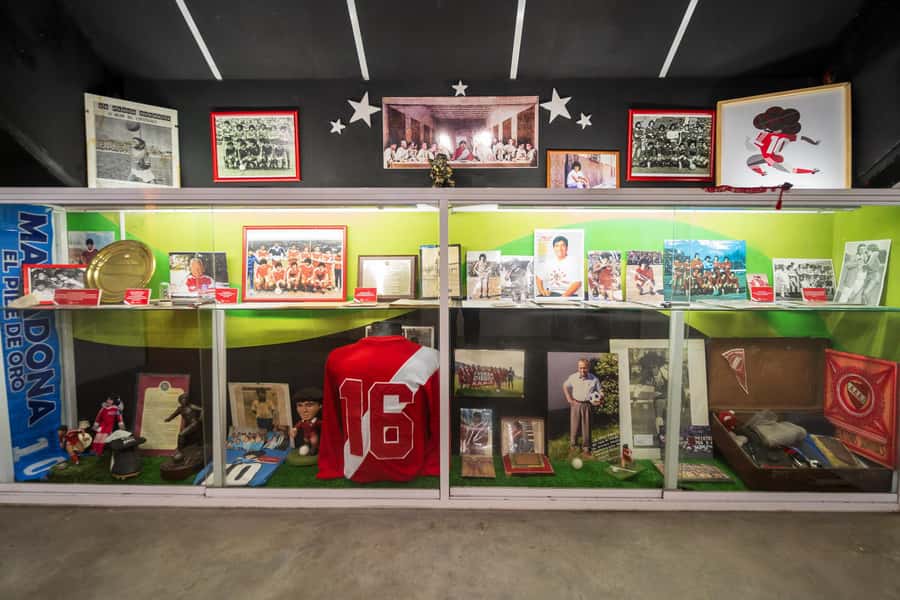
You should consider booking if Maradona is central to your interest in Argentina. The tour gives you several kinds of access in one outing: a neighborhood walk, a stadium, a supporter-built museum, and a family home.
It also suits football fans who want to look beyond famous match footage. Argentinos Juniors is essential to the story, and the tour keeps the club at the center rather than using it only as a stop on a celebrity trail.
English-speaking visitors should find the tour practical, especially with guides such as Fernando Ponce, whose English and thoughtful approach have been praised. Spanish speakers can also enjoy the bilingual format and the local football setting.
Families or mixed-interest groups may need to think about the balance. The experience is not designed as a broad Buenos Aires tour, so people with no interest in football may not get the same value. The home and neighborhood provide human context, but the stadium and museum remain the core.
The tour may also suit repeat visitors to Buenos Aires. If you have already seen the central sights, this gives you a different side of the city and takes you into a club neighborhood with a strong connection to Argentine football.
Final decision: a strong choice for Maradona fans
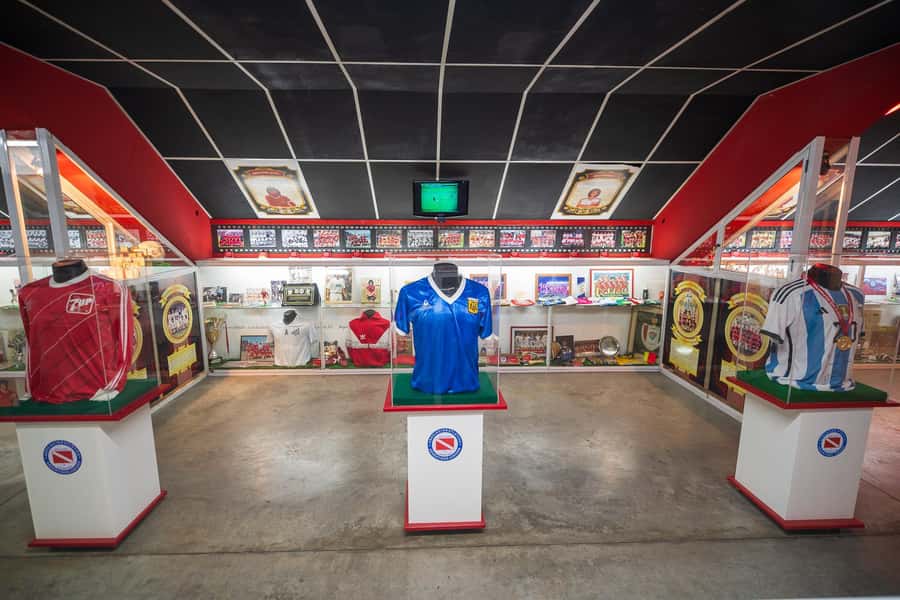
I would book AllMaradona if Maradona, Argentinos Juniors, or Argentine football is high on your list. The most valuable part is the way the tour joins public and private history: the stadium where he made his professional debut, the fan-made El Templo del Fútbol museum, the streets of La Paternal, and his first family home.
The $138 price deserves careful thought, but hotel transport, a small group, two admissions, and a bilingual guide make it more than a simple stadium ticket. Choose it for the focused story and the access, not for a general overview of Buenos Aires.
If you want a polished blockbuster museum or a broad city sightseeing tour, spend your money elsewhere. If you want to understand where Maradona’s story began, this is one of the clearest and most personal ways to do it.
FAQ
How long does the AllMaradona tour last?
The full experience lasts three hours, including hotel pickup and return in Buenos Aires.
Where does the tour begin and end?
Pickup and drop-off are provided at the door of your hotel in Buenos Aires.
What locations are included?
The tour includes the Diego Armando Maradona Stadium, El Templo del Fútbol museum, the streets of La Paternal, and La Casa de D10S.
How long is the stadium and museum visit?
The guided visit to the stadium and museum takes about one and a half hours.
How long is the visit to La Casa de D10S?
The guided house museum visit takes about 50 minutes.
Is the tour available in English?
Yes. A live bilingual guide provides the tour in English and Spanish.
What is included in the price?
The price includes hotel transfers, admission to El Templo del Fútbol, the stadium and museum tour, admission to La Casa de D10S, and a bilingual guide. Food and drinks are not included.
Recently added around Buenos Aires
- Photo Session in Buenos Aires★ 5.0 · 26 reviews
- Your Personal Photographer in Buenos Aires★ 5.0 · 24 reviews
- Discover Buenos Aires’ independent art scene — Ticket included★ 5.0 · 30 reviews
- Your Private Photographer in Buenos Aires★ 5.0 · 4 reviews
- Yerba Mate Workshop – Learn to Drink Mate like a Local!★ 5.0 · 11 reviews
- Taste of Tradition: Yerba Mate & Alfajores Experience★ 4.0 · 5 reviews
- Wine tasting in OASIS Palermo★ 5.0 · 2 reviews
- Day Tour Classic★ 3.5 · 35 reviews
Football and Stadium Tours, compared.

Boca Juniors Tickets for a Match at La Bombonera
Read our review →
Soccer Match in Buenos Aires with Transfers and Local Guide
Read our review →

Buenos Aires Football Experience: Boca & River Stadium Tour
Read our review →Browse the lists this tour appears in