
Reviewed · WINE TOURS
Introduction to Wine Culture in Buenos Aires
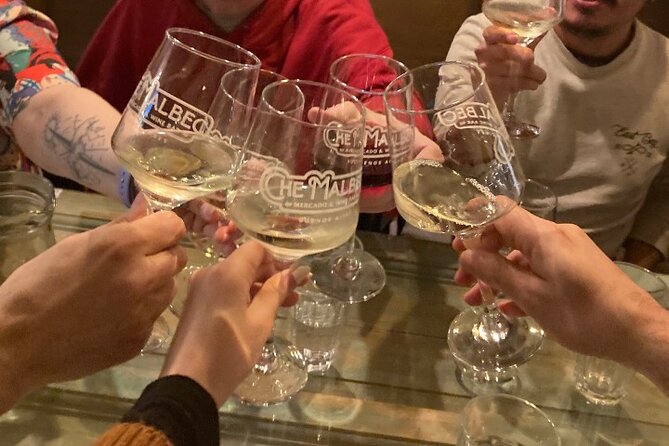
Wine tells Buenos Aires stories. This $66 experience combines Argentine wine, a private cellar, and a picada of cheese and charcuterie in a small group. I like the intimate setting and the way the food makes each tasting feel more complete. The main catch is that the history walk can take up about half the experience, and the tasting may include only two wines.
You’ll also get a useful introduction to Argentina’s wine culture from a sommelier or guide such as Martin, Juan, or Ezequiel. I appreciate the central city setting and the chance to hear about Buenos Aires beyond the usual sightseeing script. If you expect a long flight of wines from many regions, this may feel too limited.
In This Review
- Key Points to Know Before You Book
- What This Buenos Aires Wine Experience Is Really Like
- Starting at Av. Don Pedro de Mendoza 1713
- The Buenos Aires History Walk Comes First
- Entering the Private Wine Cellar
- The Wine Tasting: Quality Over Quantity
- The Picada Pairing Makes the Tasting More Argentine
- What You Can Learn About Argentina’s Wine Culture
- The Guides Shape the Whole Afternoon
- Group Size, Timing, and Practical Comfort
- Is $66 a Good Value?
- Who Should Book This Experience?
- Should You Book It?
- FAQ
- How much does the wine experience cost?
- How long does the experience last?
- Where does the experience begin?
- Where does the experience end?
- How many people can join the experience?
- How far in advance should I book?
- What food is included?
- Are service animals allowed?
- What happens if the experience is canceled?
Key Points to Know Before You Book
- Two-hour, 30-minute format: The experience mixes Buenos Aires history, a walking portion, and wine tasting rather than focusing only on wine.
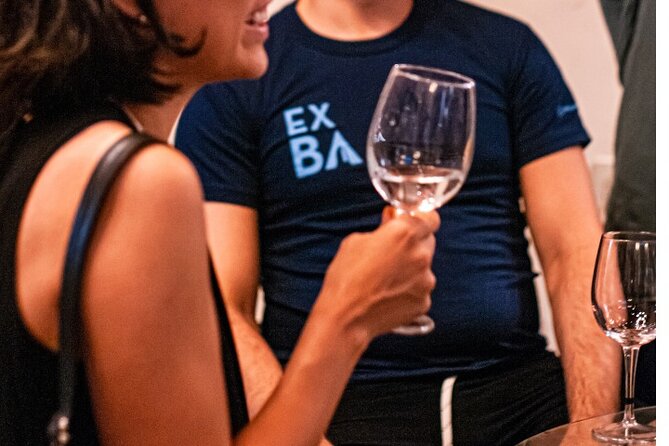
- Private cellar setting: The tasting takes place in a reserved wine cellar with a small group of no more than 15 people.
- Argentine wine basics: You’ll learn about local wine culture, winemaking, different varietals, and the country’s place in the Americas’ wine trade.
- Picada pairing: Cheese and charcuterie accompany the wines, giving you a classic Argentine food-and-wine combination.
- Only two wines may be served: This is an introduction, not an extended tasting flight. That detail matters if you want to compare many regions and grape varieties.
- Guides add personality: Martin, Juan, and Ezequiel have each been praised for making the history and tasting enjoyable and easy to follow.
What This Buenos Aires Wine Experience Is Really Like
This is best understood as a short cultural introduction, not a full afternoon at a winery. You spend about two hours and 30 minutes learning how wine fits into Argentine identity, hearing stories about Buenos Aires, and tasting wine with food in a private cellar.
The setting gives the experience a more personal feel than a large restaurant tasting. The group is capped at 15 people, so you should have a reasonable chance to hear the guide and ask questions. It is still large enough that the atmosphere can vary depending on the group.
The price is $66 per person. That is fair if you value the combination of a guide, a reserved cellar, food pairings, and a short history lesson in one sitting. It is less attractive if your main goal is to taste six or eight wines. In that case, you are paying for the story and setting as much as for the wine itself.
More Wine Tours in Buenos Aires
- Authentic Rooftop Asado Experience with Argentine Wine Pairing
★ 5.0 · 274 reviews - Bodega Gamboa Small-Group Wine Tasting Tour with Lunch
★ 5.0 · 212 reviews - Buenos Aires Small-Group Wine Tasting
★ 5.0 · 193 reviews
Starting at Av. Don Pedro de Mendoza 1713
The meeting point is Av. Don Pedro de Mendoza 1713, C1169AAB, in Buenos Aires. The experience begins and ends at this same address, which keeps the logistics simple.
The description also places the activity near Plaza de Mayo and in an iconic part of the city. Check the exact route from your hotel before setting out, since the listed address is the detail you should use for navigation.
The activity is near public transportation, which helps if you are moving around Buenos Aires without a car. Confirmation arrives when you book. You should still allow enough time to find the meeting point, especially if you are unfamiliar with the area.
Book at least 24 hours ahead. The experience is often reserved around six days in advance, so leaving it until the last day could put your preferred date at risk.
The Buenos Aires History Walk Comes First
One of the most important things to understand is that this is not simply a cellar tasting. A meaningful part of the experience is devoted to the history of Buenos Aires and the role wine played in the city’s early story.
One person described the history portion as taking at least half the tour. That can be a plus if you enjoy walking and local context. It can also be disappointing if you read wine tasting and pictured a long session comparing bottles.
The history content gives the wine a sense of place. Instead of treating Argentine wine as a collection of labels and grape names, the guide connects it to the development of Buenos Aires. You hear about the founding of the city and the part wine played in that story.
That approach suits me because food and drink make more sense when you know how they reached the table. It also gives the experience more range than a standard tasting room talk. Still, you should arrive with the right expectation: this is part city orientation, part wine lesson, and part food stop.
Martin has been praised for making the history and food portions interesting. His approach appears to include more than facts, with enough local detail to keep the walk from feeling like a dry lecture.
Entering the Private Wine Cellar
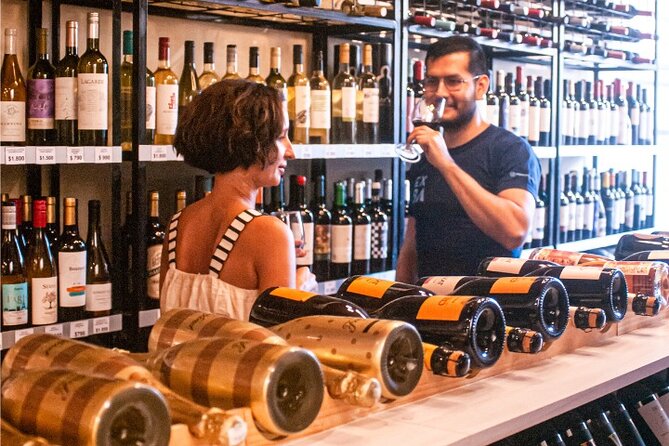
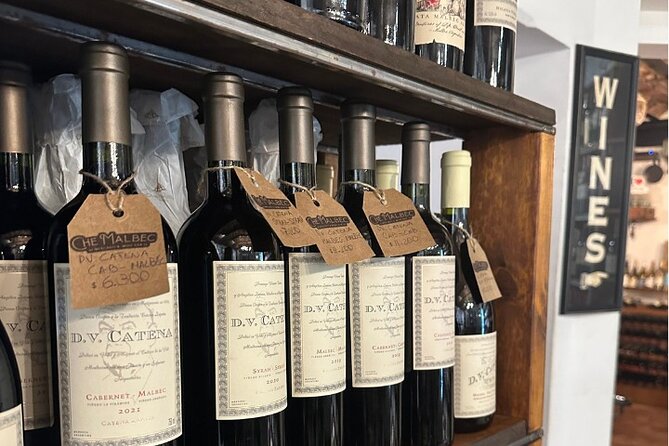
The cellar is the heart of the experience. Here, a sommelier or member of the house team introduces the fundamentals of Argentine wine in a cozy, private setting.
A private cellar can make a big difference in how a short tasting feels. You are not simply standing at a busy bar while staff rush through a script. The reserved space gives the group a clear place to sit, listen, taste, and talk.
The exact cellar layout and seating arrangement are not specified, so you should not expect a particular style of room. What is clear is that the tasting takes place in an intimate environment rather than at an outdoor vineyard.
The sommelier explains the basics of Argentine wine and guides you through the tasting. You may hear about varietals, regional differences, and the wider culture of winemaking in Argentina. The experience is designed for people who want a friendly foundation rather than an advanced technical course.
Juan has received especially warm praise for being both well informed and fun. That balance matters. Wine explanations can become a fog of grape names and production terms, but a good guide keeps the subject practical.
Ezequiel has also been singled out for making the history and wine portions enjoyable. Since the guide may vary, your exact style of presentation will depend on who leads your session.
More wineries you can taste at near Buenos Aires:
- Buenos Aires: Wine Tasting and Lunch at Bodega Gamboa
★ 4.8 · 177 reviews - Tango Lesson and Wine Tasting in Buenos Aires, Argentina
★ 4.5 · 115 reviews - Premium Argentinian Wines and Malbec Tasting Experience
★ 4.6 · 60 reviews - Buenos Aires: Palacio Barolo Guided Night Tour with Wine
★ 4.4 · 54 reviews
The Wine Tasting: Quality Over Quantity
Here is the detail to weigh most carefully: the tasting may include only two wines.
That is fewer than many people expect from a dedicated wine experience. One person enjoyed the history and the wines but felt the description suggested a wider comparison of Argentine regions and varietals. That is a reasonable concern, especially for anyone hoping to build a broad map of Malbec, Bonarda, Torrontés, and other local styles.
At the same time, two wines can be enough for a focused introduction. A sommelier can spend more time explaining what you are drinking instead of rushing through a long list of samples. You may get a clearer lesson in how to taste, how food changes a wine, and what makes an Argentine bottle distinctive.
The provider describes the wines as two of the best examples made in the Argentine industry. That is a quality-focused approach, but it does not replace variety. If you already know a fair amount about wine, ask at the start how many pours are planned and what each wine represents.
I would book this for an introduction, not for serious bottle comparison. You are buying a guided taste of Argentine wine culture, not a survey course covering every major region.
The Picada Pairing Makes the Tasting More Argentine
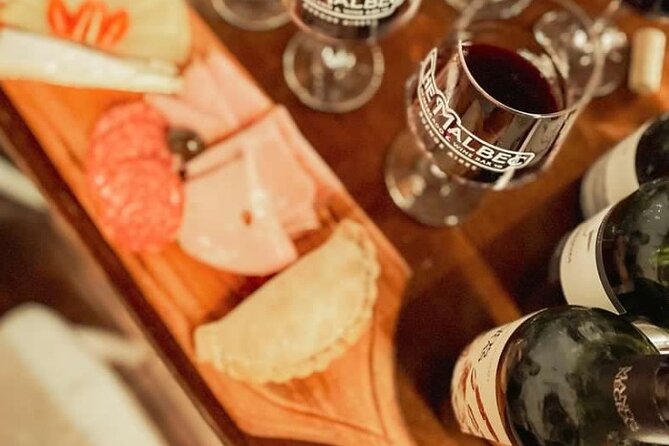
The wine comes with a picada, a shared table of cheese and charcuterie. This is one of the most appealing parts of the experience because it gives you a familiar Argentine social food tradition alongside the wine.
The meat and cheese plate has been praised as first class. That is useful context when judging the $66 price. You are not paying for wine alone. The food helps turn a short tasting into a small meal and gives the sommelier something concrete to discuss.
Pairing wine with cheese and cured meats also makes the tasting more approachable. If you are new to wine, you can focus on simple questions: Does the wine feel lighter or fuller with the food? Does the saltiness change the flavor? Which pairing do you prefer?
The information also includes a mention of making and tasting mata in one food-focused account. The term may be a transcription issue, so I would not book this expecting a specific mate activity. The dependable food element is the picada of cheese and charcuterie.
If you have dietary restrictions, ask the provider before booking. The available information confirms the standard pairing but does not list substitutions.
What You Can Learn About Argentina’s Wine Culture
Argentina’s wine identity is often reduced to one famous grape, but this experience aims to provide a wider cultural frame. You learn the fundamentals of Argentine wine and taste examples while hearing how wine connects with Buenos Aires.
The focus is not just on production. The guide also discusses the history and cultural details of the city’s iconic neighborhoods. That can help you notice connections between food, migration, commerce, and daily life as you continue exploring Buenos Aires.
This is particularly useful near the start of a trip. A city walk gives you context for the streets around you, while the cellar session offers a quiet place to process what you have learned. You can then visit restaurants and wine shops with a better sense of what to ask for.
Do not expect a formal qualification or a detailed lesson in vineyard management. The experience is pitched as an introduction, and that is the right level for most casual wine drinkers.
The Guides Shape the Whole Afternoon
The guide is a major part of the value. Martin has been praised for an interesting presentation about food, history, and the city. Juan has been described as making the tasting both fun and informative, while Ezequiel has received credit for a strong history and wine session.
Those comments point to a consistent strength: the human side of the experience. Wine can feel intimidating when the guide uses too much technical language. A lively presenter makes it easier for you to ask basic questions without feeling out of place.
Because the experience can include a walk, guide quality matters twice. You need someone who can bring Buenos Aires history to life and then shift comfortably into wine service. The best version of this tour will feel like a conversation with a local who knows both the city and the bottle.
The guide is also why the same itinerary can feel different from one date to another. The structure remains similar, but the amount of discussion and the tone may change.
Group Size, Timing, and Practical Comfort
The maximum group size is 15 people. That is small enough for a more personal session, although it is not a private booking for just your party.
Most people can participate, and service animals are allowed. The activity is near public transportation. No special fitness requirement is listed, but the history portion includes walking, so comfortable shoes are a sensible choice.
The total duration is about two hours and 30 minutes. That is long enough to make the outing worthwhile without taking an entire day from your Buenos Aires plans.
I would schedule it when you can take your time afterward. A rushed departure can make the final tasting feel hurried, especially if the group discussion runs long. Since the activity ends back at the starting point, you can continue sightseeing or arrange transport from there.
The experience requires good weather and a minimum number of participants. If poor weather cancels it, you are offered another date or a full refund. The same applies if the minimum group is not reached.
Is $66 a Good Value?
At $66, this is good value for the right kind of visitor. You receive a guided city component, access to a private cellar, wine instruction, up to two featured wines, and a substantial cheese and charcuterie pairing.
The value drops if you measure the price by the number of pours alone. Two wines is a modest tasting. You may find a cheaper bar tasting if all you want is a sip and a snack.
The stronger case for booking is the combination. You get a short cultural lesson, a guide, food, and wine in one compact experience. That can be especially useful on a first visit to Buenos Aires when you want an easy introduction to local customs without committing to a full-day excursion.
The rating is 4.6 from 25 reviews, which suggests a strong overall response but not universal agreement. The lower score is useful because it points to the clearest mismatch: the tasting may not include the wide range of wines implied by some expectations.
Who Should Book This Experience?
I would recommend it to first-time visitors who want a gentle introduction to Argentina’s food and wine culture. It also suits couples, solo visitors, and small groups who prefer a sit-down tasting with a bit of city history.
It is a good pick if you enjoy learning from a guide and want a more personal setting than a large commercial tour. The praised guides, generous food plate, and central meeting arrangement all support that choice.
I would look elsewhere if you are a serious wine collector, an experienced taster, or someone determined to compare many Argentine regions in one session. Two wines will probably leave you wanting more.
Should You Book It?
Book this experience if you want a friendly introduction to Buenos Aires through wine, history, and food. The private cellar, picada, and engaging guides give the $66 price a solid basis.
Skip it if your priority is quantity and technical depth. Before paying, make sure you are comfortable with a tasting that may feature only two wines and a history walk that can occupy a large share of the time.
For most casual wine drinkers, I would call it a worthwhile first taste of Argentine wine culture, as long as you expect a cultural outing rather than a large tasting flight.
FAQ
How much does the wine experience cost?
The price is $66 per person.
How long does the experience last?
The experience lasts approximately two hours and 30 minutes.
Where does the experience begin?
It begins at Av. Don Pedro de Mendoza 1713, C1169AAB, Ciudad Autónoma de Buenos Aires, Argentina.
Where does the experience end?
The activity ends back at the meeting point.
How many people can join the experience?
The maximum group size is 15 people.
How far in advance should I book?
Booking at least 24 hours in advance is recommended to help guarantee availability. The activity is booked about six days ahead on average.
What food is included?
The wine is paired with a picada, a table of cheese and charcuterie.
Are service animals allowed?
Yes. Service animals are allowed.
What happens if the experience is canceled?
If poor weather causes a cancellation, you are offered a different date or a full refund. If the minimum number of participants is not reached, you are offered a different date or experience, or a full refund. Free cancellation is available when you cancel at least 24 hours before the start time.
Recently added around Buenos Aires
- Photo Session in Buenos Aires★ 5.0 · 26 reviews
- Your Personal Photographer in Buenos Aires★ 5.0 · 24 reviews
- Discover Buenos Aires’ independent art scene — Ticket included★ 5.0 · 30 reviews
- Your Private Photographer in Buenos Aires★ 5.0 · 4 reviews
- Yerba Mate Workshop – Learn to Drink Mate like a Local!★ 5.0 · 11 reviews
- Taste of Tradition: Yerba Mate & Alfajores Experience★ 4.0 · 5 reviews
- Wine tasting in OASIS Palermo★ 5.0 · 2 reviews
- Day Tour Classic★ 3.5 · 35 reviews
Wine Tours, compared.
All Day, Small Group, Luxury Wine Tour with Gourmet Lunch
Read our review →
Argentine Experience: Immersive Dinner & Wine Pairing in Iguazú
Read our review →
Browse the lists this tour appears in