
Reviewed · CITY TOURS
Cordoba City Tour
Córdoba reveals itself in layers. This three-hour city tour links the colonial center, university quarter, parks, riverfront, and northern suburbs in one efficient outing. I like the choice of English or Spanish guide, and I like that downtown hotel pickup and drop-off are included.
The tour also takes you to Córdoba’s Jesuit Block, a UNESCO World Heritage Site, plus Parque Sarmiento and the monument to the Urban Woman. The main caution is that much of the sightseeing may happen from the vehicle, so you should not book this expecting a walking tour with long stops for photographs.
In This Review
- Key points at a glance
- What this Córdoba tour is really designed to do
- The Historic Center: Plaza San Martín, Cabildo, and Cathedral
- The Jesuit Block and Córdoba’s university story
- Nueva Córdoba and the Capuchin Church
- Parque Sarmiento and Carlos Thays’s urban vision
- Government House, University City, and the Urban Man
- Along the Suquía River to Barrio Alberdi
- Cerro de las Rosas and the Urban Woman
- What the $54 price includes
- Pickup, language, and timing details
- Common frustrations and how to avoid them
- Who should book this Córdoba tour?
- Should you book the Córdoba City Tour?
- FAQ
- How long is the Córdoba City Tour?
- Is hotel pickup included?
- Is the tour offered in English?
- Does the tour visit a UNESCO World Heritage Site?
- What is included in the price?
- What is the cancellation policy?
Key points at a glance
- The Jesuit Block is the cultural centerpiece, with the Cathedral, Cabildo, Colegio Nacional de Monserrat, and historic university buildings close together.
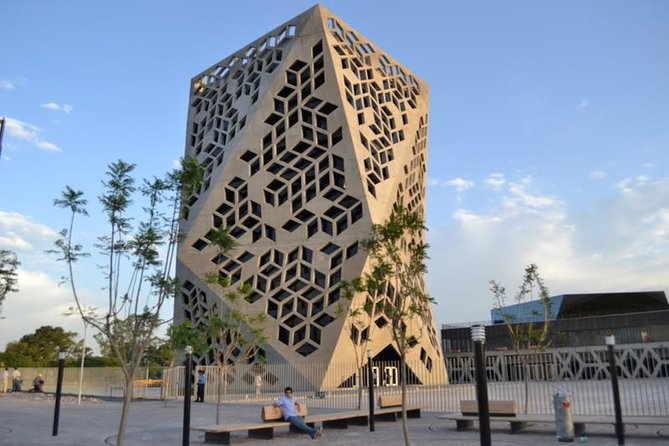
- The route covers far more than the old center, including Nueva Córdoba, Barrio Alberdi, the Suquía River, Cerro de las Rosas, and the Indigenous Park viewpoint.
- Hotel pickup is included for Córdoba downtown hotels, but some properties fall outside the route and require a nearby meeting point.
- English and Spanish options are available, an important detail for a tour that depends on commentary from the guide.
- The three-hour format is useful for orientation, though it leaves limited time to explore individual sights on foot.
- The $54 price is reasonable for transport and a private-feeling small group, but less appealing if you mainly want entrance visits and extended photo stops.
What this Córdoba tour is really designed to do
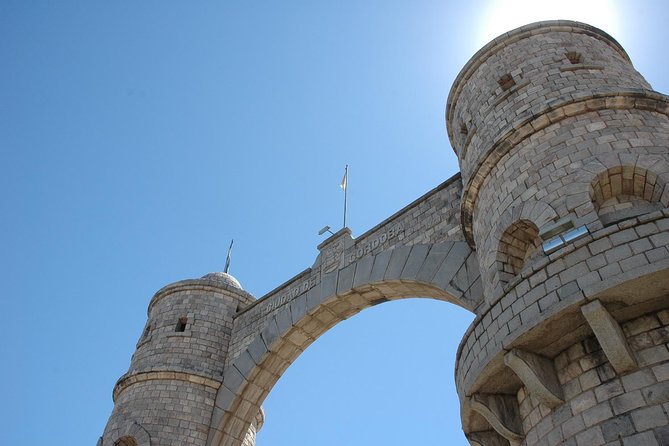
This is a broad city orientation, not a museum tour or a slow historical walk. In roughly three hours, you move through Córdoba’s major districts and landmarks while a guide explains what you are seeing along the way.
That format suits you if you have just arrived, have limited time, or want a clear sense of how the city fits together. Córdoba is spread across several distinct areas, so reaching the Jesuit center, Sarmiento Park, the riverfront, and Cerro de las Rosas on foot would take much longer.
The trade-off is simple: coverage comes before depth. You will see many places, but the schedule does not promise extended visits at every stop. If you want to study church interiors, browse university buildings, or take careful photographs, plan a separate walking outing afterward.
The maximum group size is listed as 10 people. That is much more manageable than a large coach group, especially when you need to hear the guide or ask a question. Still, the exact vehicle matters. A poor vehicle can make a sightseeing ride uncomfortable, and one account described an old bus with an exposed screw that caused an injury. I would check the vehicle and keep bags clear of the floor and seats.
A few more Cordoba trips worth putting side by side
- Wine Tour Privado a Colonia Caroya, Córdoba – Argentina
★ 5.0 · 103 reviews - La Cumbrecita and Villa General Belgrano Full Day Tour
★ 4.5 · 55 reviews - Wine Tour Privado a Calamuchita, Córdoba – Argentina
★ 5.0 · 50 reviews
The Historic Center: Plaza San Martín, Cabildo, and Cathedral
The tour begins with Córdoba’s foundational center, where several of the city’s most important buildings sit around and near Plaza San Martín. This is the best part of the route for understanding Córdoba’s colonial core.
The plaza gives you a useful starting point. From here, the Cabildo represents the city’s historic civic authority, while the Cathedral brings together Córdoba’s religious and architectural traditions. Seeing them in the same compact area helps you understand how the city developed around church, government, and public space.
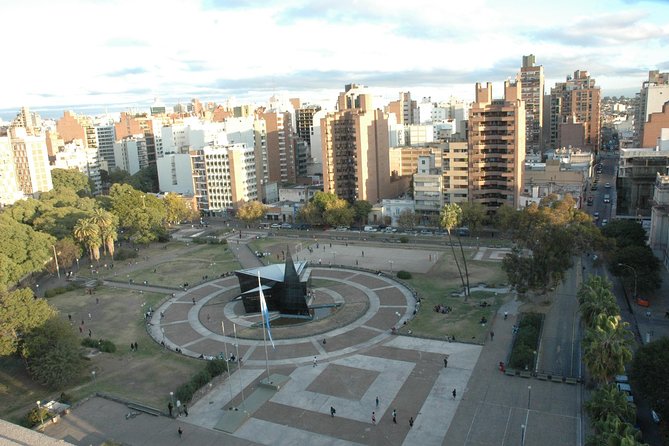
The tour also passes through the Civic Center, with sights such as City Hall, the Courthouse, Plaza Italia, the Cañada, and Plaza de la Administración. These are not just isolated photo stops. Together, they show the shift from the old colonial center to the administrative and modern city.
The Cañada, known locally as the stream and gorge, is especially helpful for getting your bearings. It cuts through the city and gives this part of Córdoba a distinct urban shape. From a vehicle, you can appreciate its route, though you may want to return later on foot for a closer look.
The Jesuit Block and Córdoba’s university story
The Jesuit Block is the most important historical visit on the tour. UNESCO added the site to its World Heritage list in 2000, recognizing a group of 17th-century buildings that includes the Colegio Nacional de Monserrat and the former colonial university campus.
This is where Córdoba’s long academic identity becomes clear. The university campus now belongs to the historical museum of the National University of Córdoba, one of Argentina’s major universities and, since the early 20th century, the country’s second-largest by students, faculty, and academic programs after the University of Buenos Aires.
I consider the Jesuit Block the strongest reason to choose this tour over a simple panoramic bus ride. Even if your time inside is limited, you are being taken to a place with national importance and international recognition.
Pay close attention to the guide here. The buildings can look like a quick collection of old façades if you only see them from the road. The value comes from understanding how Jesuit education, colonial architecture, and Córdoba’s university life connect.
There is also a practical issue. The tour description says you visit the Jesuit Block, but it does not specify how long you spend inside or whether admission to every building is included. If this site is your top priority, ask for that detail before booking and confirm whether the visit involves getting off the vehicle.
Nueva Córdoba and the Capuchin Church
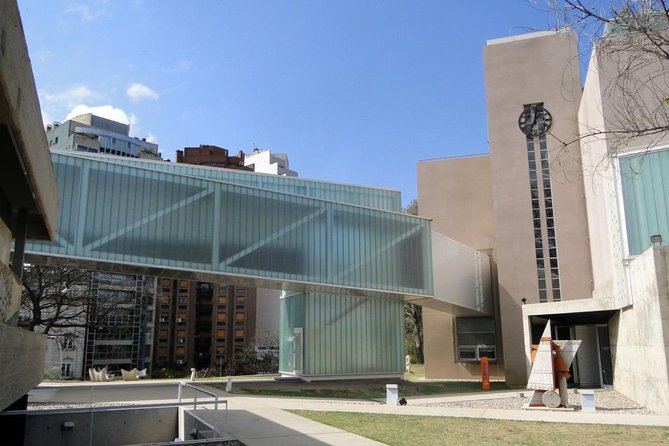
After the historic center, the route enters Nueva Córdoba, the student district. This change in atmosphere matters. You are moving from Córdoba’s colonial heart into a district shaped by students, universities, culture, and newer city life.
The Capuchin Church is the key stop in this part of town. It gives the tour another architectural and religious point of comparison after the Cathedral and Jesuit buildings.
This section is useful because it prevents Córdoba from feeling like a single old quarter preserved for sightseeing. You see a city with several identities: colonial, academic, civic, residential, and contemporary.
The tour then continues past the Libertador General San Martín Theatre. Even a passing view helps fill in Córdoba’s cultural map, especially if you want to return later for a performance or a closer look at the building.
Do not expect a long theatre visit. This is a city survey, and the theatre forms part of the route rather than a separate admission stop.
Still Argentina, but a completely different sort of afternoon:
- PRIVATE TOUR: La Cumbrecita & Villa Gral. Belgrano
★ 5.0 · 33 reviews - Cordoba for the curious
★ 5.0 · 25 reviews - La Docta Free Walking Tour “Córdoba La Moderna”.
★ 4.7 · 25 reviews - PRIVATE TOUR: World Heritage Jesuit Museums
★ 5.0 · 23 reviews
Parque Sarmiento and Carlos Thays’s urban vision
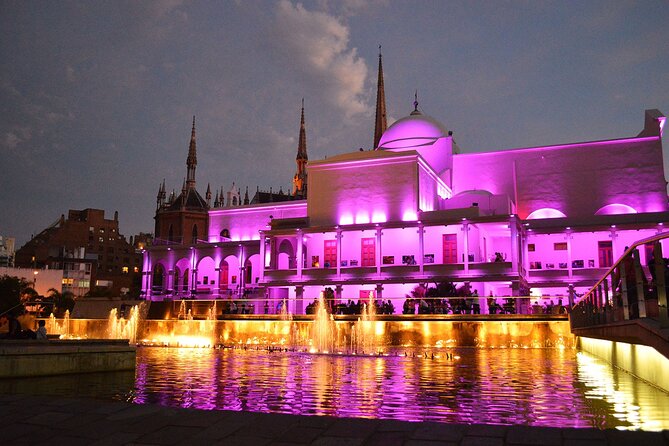
Parque Sarmiento is one of the most worthwhile sections of the tour because it adds open space and city planning to the usual church-and-plaza route. The park was created as Córdoba expanded southward in the late 19th century.
Miguel Crisol, the main developer of the new neighborhood, commissioned French urban planner Carlos Thays in 1889. Thays had recently arrived in Argentina and went on to plan more than a dozen major urban projects across the country before his death in 1934.
The park was named for Domingo Sarmiento, a former president and major promoter of Argentina’s national education system. Its rose garden soon became a favored setting for Córdoba’s upper society.
You will also pass the grounds linked to Dr. Juan Ferreyra’s Beaux Arts mansion, built between 1912 and 1916 on land beside the park. This gives the guide a chance to explain how public parks, private wealth, and new neighborhoods developed together.
I like this stop because it adds a human scale to the tour. You are not only checking off monuments. You are seeing how Córdoba’s residents shaped places for leisure, status, education, and public life.
Government House, University City, and the Urban Man
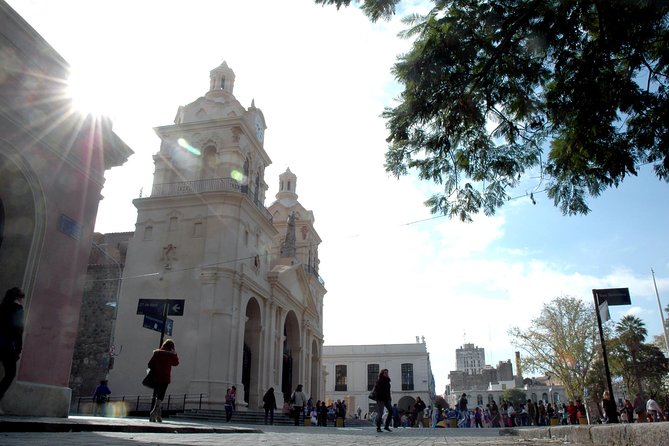
The route continues past Government House and University City before reaching the monument to the Urban Man. These stops broaden the story beyond colonial Córdoba.
University City reinforces the city’s academic character, which began with the Jesuit Block but continues in modern institutions. The Urban Man monument then shifts the subject toward public art and the way Córdoba presents itself through large civic symbols.
The tour does not promise a dedicated visit at each monument, so treat these as visual landmarks and orientation points. If you enjoy public sculpture, note where the monument sits and ask the guide for its background. If you prefer interiors and extended walks, this part may feel quick.
That quick pace is not necessarily a flaw. A city tour has to keep moving, and these brief views help you decide where to spend your free time later.
Along the Suquía River to Barrio Alberdi
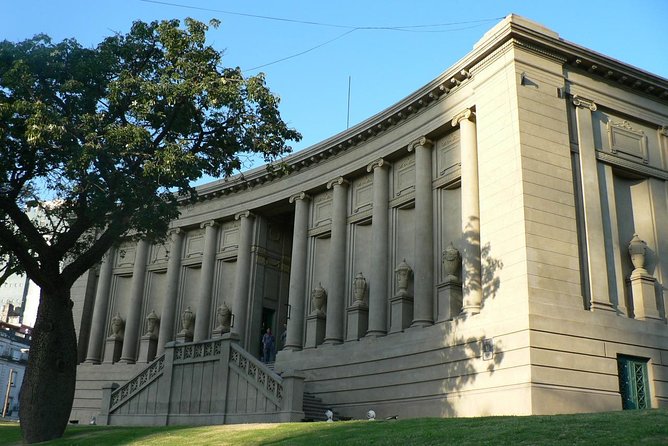
The vehicle then follows the Suquía River waterfront and reaches Barrio Alberdi. This is a valuable change of setting because the river helps explain Córdoba’s physical layout.
Barrio Alberdi gives the route a more local residential dimension. You are no longer looking only at official buildings and grand public spaces. The neighborhood helps show how daily city life extends beyond the central monuments.
The route later uses Avenida Colón toward the Olympic Stadium, Fair Complex, Free University of the Environment, and City Botanic Gardens. These sights give you a wider sense of Córdoba’s public facilities and recreation areas.
This is also where expectations matter most. A panoramic pass through several districts can be informative, but it is not the same as visiting each venue. You should not assume the tour includes entry to the stadium, fair complex, environmental university, or botanical gardens unless the operator confirms it.
Cerro de las Rosas and the Urban Woman
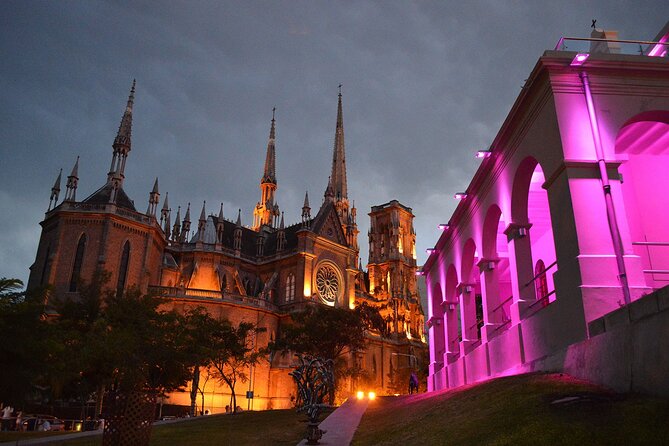
The final major section crosses the river and reaches the elegant Cerro de las Rosas district. Here, the route includes Avenida Rafael Núñez, the monument to the Urban Woman, and the viewpoint at Indigenous Park.
The Urban Woman is one of the tour’s advertised highlights. It gives the ride a memorable visual marker, while Cerro de las Rosas shows another side of Córdoba, with a more polished residential character than the historic center or Barrio Alberdi.
The Indigenous Park viewpoint is a fitting final outlook. From here, you can look back across part of the city and connect the separate areas visited during the ride.
I would pay attention to the sequence rather than treating every sight as a major stop. The value of this section is the contrast between districts and the broader view of Córdoba. You get a sense of how the city spreads from its colonial center toward newer residential and civic areas.
What the $54 price includes
At $54 per person, this is not the cheapest way to see Córdoba, especially if you compare it with a basic local sightseeing bus. The price makes more sense when you count the hotel transfers, guide, English or Spanish language choice, and small maximum group size.
For you, the strongest value comes from convenience. You do not need to arrange transport between the Jesuit center, Parque Sarmiento, riverfront, and Cerro de las Rosas. In three hours, the tour covers a wide area that would otherwise require several taxi rides or careful route planning.
The value is weaker if you are staying near the center and already plan to walk. The historic core, Jesuit Block, Cathedral, Cabildo, and nearby civic sights can form a satisfying self-guided day. In that case, paying $54 mainly buys transportation and commentary for the outlying districts.
Food, drinks, and services not specifically listed are not included. Keep that in mind when comparing the price with longer excursions.
Pickup, language, and timing details
Hotel pickup and drop-off apply to downtown Córdoba hotels. Some city hotels are outside the pickup route. If yours is not covered, you should receive the location of the closest pickup point and wait in the lobby of the designated hotel.
Choose the language carefully at booking. English and Spanish options are offered, but the guide’s explanations are central to the experience. A panoramic ride without clear commentary would leave you with many names and few connections.
The duration is approximately three hours. That is long enough for a first look at the city without consuming a full day, and it leaves time for a later museum visit, meal, or independent walk.
The timing also means you should treat the tour as an introduction. Mark the places you want to revisit, especially the Jesuit Block, Cañada, Parque Sarmiento, and any viewpoint that catches your interest.
Common frustrations and how to avoid them
The biggest practical concern is the possibility that the experience feels like a ride-by tour. One account described a format in which passengers stayed on the bus and could not get out to take photographs. That does not match the fuller itinerary promised here, which includes visits to important sites, but it is a good reason to confirm the stopping plan.
Ask three questions before departure:
- How many times will the group leave the vehicle?
- Is the Jesuit Block an exterior view or an entry visit?
- How much time is allowed for photographs at the Urban Woman and Indigenous Park viewpoint?
There has also been a complaint about unexpected currency and traveler-tax charges. Before paying, check the final amount, currency, and any taxes shown at checkout. Keep your booking confirmation so you can compare the charge.
Finally, guide quality can shape the whole outing. One poor account described a guide who offered little explanation and focused on outer neighborhoods instead of the city center and Jesuit Block. You can reduce that risk by confirming the language, the planned route, and the main historical stops with the operator.
Who should book this Córdoba tour?
I would recommend it to a first-time visitor who wants a broad introduction, a person with only one free morning or afternoon, or anyone staying downtown who values hotel pickup. It is also a sensible choice if you want to see districts beyond the center without arranging local transport yourself.
Families and older visitors may appreciate the limited walking and organized route. The small group cap is another plus, since it should make questions and commentary easier than on a large sightseeing coach.
I would be more cautious if your main goal is photography, architecture study, or long visits inside historic buildings. The tour covers a lot of ground, and that means some sights may pass quickly.
Should you book the Córdoba City Tour?
Book it if you want efficient city coverage with a guide and transport, especially for your first look at Córdoba. The Jesuit Block, Parque Sarmiento, riverfront, student district, and northern viewpoint make this more useful than a narrow center-only outing.
Skip it if you prefer to explore slowly on foot or need guaranteed time inside each landmark. Before paying, confirm the pickup point, final price, guide language, vehicle condition, and exactly which stops allow you to get out.
The best use of this tour is as a city orientation. Take notes, choose your favorite districts, then return independently to the Jesuit Block, Cañada, or Parque Sarmiento for the unhurried visit they deserve.
FAQ
How long is the Córdoba City Tour?
The tour lasts approximately three hours.
Is hotel pickup included?
Hotel pickup and drop-off are included for downtown Córdoba hotels. If your hotel is outside the route, you will be given the closest pickup location and should wait in that hotel’s lobby.
Is the tour offered in English?
Yes. You can choose an English-speaking or Spanish-speaking guide.
Does the tour visit a UNESCO World Heritage Site?
Yes. The route includes Córdoba’s Jesuit Block, which was declared a UNESCO World Heritage Site in 2000.
What is included in the price?
The price includes hotel pickup and drop-off for eligible downtown hotels and a Spanish- or English-speaking guide. Food, drinks, and other services not specified are excluded.
What is the cancellation policy?
You can cancel up to 24 hours before the experience begins for a full refund. Cancellations or changes made less than 24 hours before the start time are not accepted for a refund.
Recently added around Cordoba
- Wine Tour to Colonia Caroya, Cordoba – Half Day★ 5.0 · 8 reviews
- PRIVATE TOUR: Jesuit Museums and Winerys Fullday Tour★ 5.0 · 4 reviews
- Exploring Villa Carlos Paz: Guided Sightseeing Tour★ 4.5 · 8 reviews
- La Cumbrecita & Villa General Belgrano – Full day tour★ 3.0 · 2 reviews
- Traslasierra Valley Escapade: A Day Trip from Cordoba★ 3.0 · 9 reviews
- Córdoba: Villa Carlos Paz Tour★ 4.5 · 8 reviews
- Private Transfer from Cordoba Airport (COR)★ 3.0 · 2 reviews
- Summit and Villa General Belgrano Tour from Cordoba Capital★ 5.0 · 11 reviews
City Tours, compared.
Buenos Aires City Private Tour with Local Guide
Read our review →
Bike Tour: Half-Day City Highlights of Buenos Aires
Read our review →
Best of Buenos Aires: Guided Sightseeing City Tour
Read our review →
Private City Tour with a friend in Buenos Aires
Read our review →Browse the lists this tour appears in