
Reviewed · CITY TOURS
Buenos Aires City Private Tour 7 Hours with Local Guide
Buenos Aires unfolds in big, colorful chapters. I like the way this private seven-hour tour links the city’s political center, football district, elegant Recoleta, and leafy Palermo without making you arrange separate rides. I also like the personal touch: guide Andy asked about his guests’ interests and adjusted the day around them. The main drawback is pace, since fourteen half-hour stops leave little time for long walks, museums, or relaxed meals.
You pay $335 per group of up to four, which can be good value when shared by a family or small group. Just remember that the Japanese Garden and Recoleta Cemetery cost extra, food is not included, and the tour is built around seeing many places rather than exploring a few in depth.
In This Review
- Key points at a glance
- A seven-hour introduction to Buenos Aires
- Plaza de Mayo and the political heart of the city
- The Obelisk and Buenos Aires in full view
- San Telmo, Mafalda, and the city’s older streets
- Caminito and the colors of La Boca
- La Bombonera and Argentine football culture
- Puerto Madero and the turning bridge
- Floralis Genérica and the Palermo planetarium
- Recoleta, the cemetery, and the city’s elegant side
- El Ateneo Grand Splendid, a theater turned bookstore
- Japanese Garden and Chinatown in Belgrano
- Teatro Colón and the Rosedal de Palermo
- What the $335 price really buys you
- Who should book this private city tour?
- Should you book it?
- FAQ
- How long does the Buenos Aires private tour last?
- How much does the tour cost?
- Is hotel pickup available?
- Is the tour offered in English?
- Is transportation private?
- Are admission tickets included?
- Are food and drinks included?
- What baggage can I bring?
Key points at a glance
- Fourteen stops in seven hours: You cover central Buenos Aires, San Telmo, La Boca, Puerto Madero, Recoleta, Belgrano, and Palermo in one organized day.
- A genuinely private format: Only your group participates, with private air-conditioned transportation and pickup across the federal capital.
- Andy’s personalized approach: The guide has been praised for asking about interests and shaping the day accordingly.
- Strong mix of old and new: Casa Rosada, colonial San Telmo, colorful Caminito, the modern Puente de la Mujer, and futuristic Planetarium all appear.
- Two optional admission costs: Entry to the Japanese Garden and Recoleta Cemetery is not included and requires your request and payment.
- Best for first-time orientation: You get a broad look at Buenos Aires, then can return later to the neighborhoods that catch your attention.
A seven-hour introduction to Buenos Aires
This is a sightseeing circuit, not a slow neighborhood walk. Each stop is planned for roughly 30 minutes, so you can expect a short walk, an explanation from the guide, photos, and a return to the vehicle.
That structure makes sense in Buenos Aires, a large city with attractions spread across several districts. Private transportation saves time and gives you shelter from heat, rain, or heavy traffic. It also lets you cover places that would be awkward to connect in one day by public transportation.
The tradeoff is clear. Thirty minutes is enough to understand the importance of a site, but not always enough to visit an interior, browse a market, or sit with a coffee. I would treat the day as an introduction. Use it to mark your favorites, then return on your own for a deeper look.
Pickup is available throughout the federal capital, either at your hotel or at an agreed meeting point. The vehicle is air-conditioned, bottled water is included, and photos are provided for all participants. The tour is offered in English, with a bilingual guide providing information throughout the day.
More City Tours in Buenos Aires
- Buenos Aires City Private Tour with Local Guide
★ 5.0 · 3,475 reviews - Buenos Aires Small-Group City Tour
★ 5.0 · 2,226 reviews - Buenos Aires: City Highlights Guided Tour with Transfer
★ 4.7 · 1,946 reviews
Plaza de Mayo and the political heart of the city
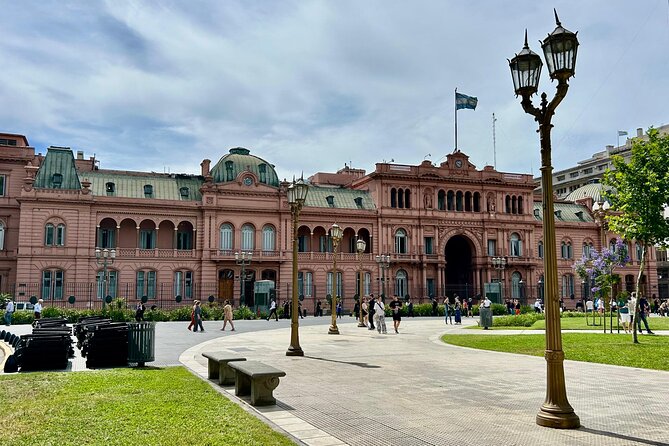
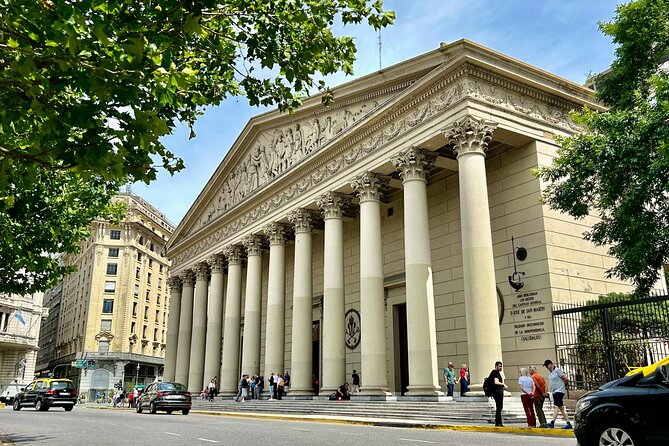
Plaza de Mayo is the right place to begin because it connects Buenos Aires to Argentina’s political past and present. You will see the Casa Rosada, the Cabildo, and the Metropolitan Cathedral while the guide explains how the square became the setting for major national events.
The Casa Rosada’s pink color is one of the small details that makes a guided visit useful. The guide also covers curiosities connected to the underground square and explains the role of the surrounding buildings. You are not simply taking a picture of a famous government building. You are learning why this particular space matters.
Expect about 30 minutes here. That is enough for a focused introduction and photographs, though you will not have time for an extensive indoor visit. Admission to the square and the exterior sights is free.
The Obelisk and Buenos Aires in full view
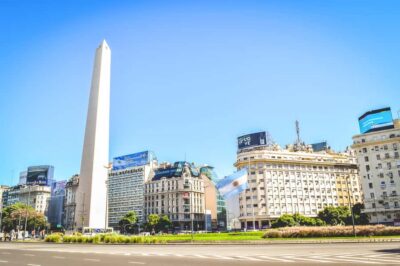
The Obelisk is one of the easiest symbols of Buenos Aires to recognize. Built in 1936, it has become a meeting point for mass celebrations and major public events.
Your guide will explain the inscriptions and the role the monument has played in the life of the city. This is a quick stop, but it gives you a useful sense of how Buenos Aires uses public spaces. The Obelisk is not presented as an isolated monument. It is part of the city’s daily rhythm and public identity.
Plan on another 30 minutes. You will have time for photos and a short explanation, but not a long walk through the surrounding avenues.
San Telmo, Mafalda, and the city’s older streets
San Telmo gives the tour a change of mood. Its cobblestone streets, colonial architecture, markets, and street art help explain how the neighborhood shifted from an aristocratic center to a bohemian district.
The Mafalda Statue is a particularly appealing detail. Quino’s sharp, questioning comic character is one of Argentina’s best-known creations, and the statue adds a playful stop to the historical walk. If you like local culture more than grand monuments, this may be one of the more memorable parts of the day.
Thirty minutes lets you hear the neighborhood’s story and see a small portion of it. It is not enough for a leisurely market visit or a long wander through side streets. Keep that in mind if San Telmo is high on your personal list.
More Private Tours in Buenos Aires
- Private Airport Transfer In or Out : Ezeiza (EZE) – Buenos Aires
★ 5.0 · 548 reviews - Private Full-Day Iguazu Falls Tour with Airfare from Buenos Aires
★ 4.5 · 387 reviews - Private City Tour with a friend in Buenos Aires
★ 5.0 · 363 reviews - Private Tour: Buenos Aires and Delta del Tigre with Local Guide
★ 5.0 · 334 reviews
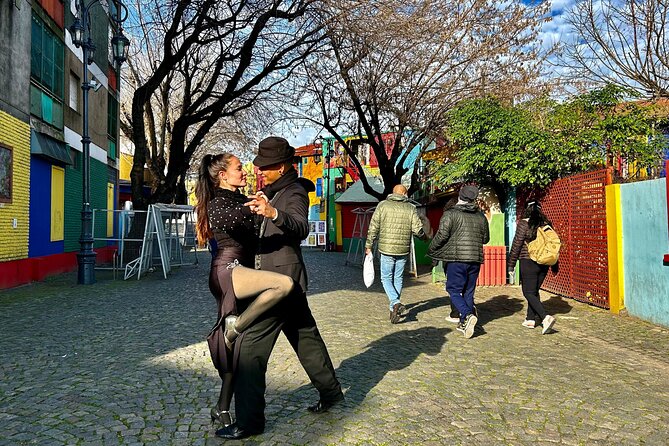
Caminito and the colors of La Boca
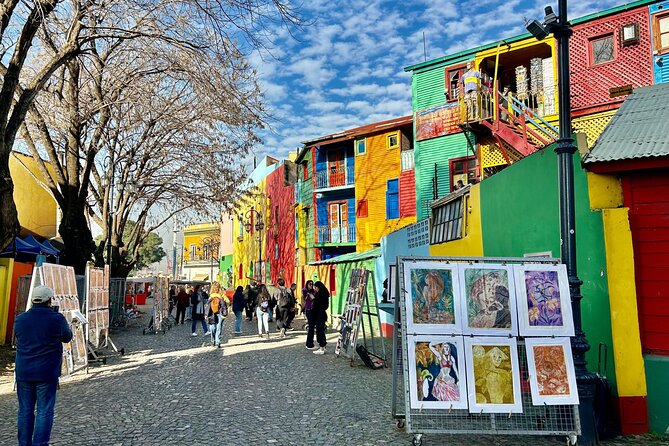
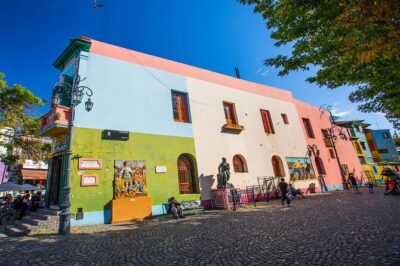
Caminito is one of the most photogenic stops on the route. Its colorful houses, street art, music, and tango associations reflect the influence of immigrants who helped shape Buenos Aires.
The guide places the area in its cultural setting rather than treating it as just a bright photo backdrop. You will hear about La Boca’s roots and the neighborhood’s bohemian character while walking through the open-air art setting.
The 30-minute visit is useful for first impressions. If you want time to study artwork, browse shops, or stop for food, you will need a return visit. Food and drinks are not included, so the schedule is better suited to a brief look than a full lunch stop.
La Bombonera and Argentine football culture
The stop at Estadio Boca Juniors, better known as La Bombonera, gives you a glimpse into the place football holds in Argentine life. The stadium opened in 1940 and is famous for its unusual design, including steep stands that help create an intense atmosphere during matches.
You will learn about the stadium’s history and its importance to Boca Juniors. The tour description presents this as an exterior or sightseeing stop, with no included stadium admission listed. If you want an inside tour or museum visit, ask before booking, since the published plan does not promise entry.
Football fans will appreciate the context. If you are not interested in the sport, the stop still helps explain an important part of Buenos Aires culture, but you may prefer more time elsewhere.
Puerto Madero and the turning bridge
Puente de la Mujer provides one of the clearest contrasts of the day. The pedestrian bridge, designed by Spanish architect Santiago Calatrava, uses a rotating structure and a form meant to suggest a tango couple.
Around it, Puerto Madero presents a newer side of Buenos Aires, with modern buildings, restaurants, and river views. The bridge links the former port area with the city’s contemporary development, making it a good place to see how Buenos Aires combines old traditions with modern architecture.
The visit lasts about 30 minutes and includes time for photographs. It is a pleasant pause after the older streets of San Telmo and La Boca.
Floralis Genérica and the Palermo planetarium
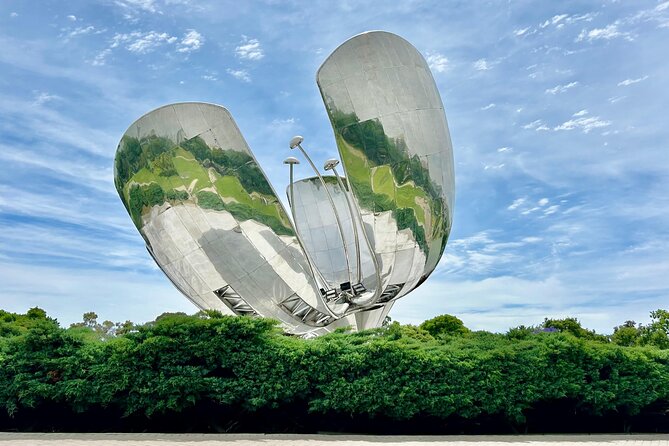
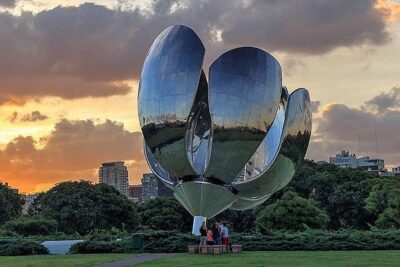
Floralis Genérica is a 20-meter metal flower created by Argentine architect Eduardo Catalano. Its petals are designed to open and close according to the time of day, giving the sculpture a changing quality rather than making it a static monument.
The reflective metal can catch the sky, and the surrounding gardens offer a calmer setting for photographs. You will not need admission for this stop.
The Galileo Galilei Planetarium continues the science and design theme. Its rounded, futuristic shape has become one of Buenos Aires’ most recognizable modern images. Located among Palermo’s green spaces and a lake, it is especially appealing when the building is lit near sunset.
Both stops offer a break from dense city streets. They are short, photo-friendly visits, not full museum experiences. The value comes from seeing two distinctive landmarks that are not always easy to fit into a first visit without private transportation.
Recoleta, the cemetery, and the city’s elegant side
Recoleta brings a more formal mood. The neighborhood is known for classic architecture, tree-lined squares, cafés, art, and an atmosphere shaped by European influences.
The route includes the exterior of Recoleta Cemetery, one of the city’s best-known sights and the burial place of major Argentine figures. The impressive entrance gives you a sense of the cemetery’s scale and style, but entry is not included. You must request it and pay separately.
This is an important point for planning. Thirty minutes may work well for seeing the façade and hearing the background. If you want to walk among the tombs and explore the site properly, ask whether extra time can be arranged. The private format may allow some flexibility, but the supplied details do not promise a longer cemetery visit.
El Ateneo Grand Splendid, a theater turned bookstore
El Ateneo Grand Splendid is one of the strongest stops for architecture lovers. The bookstore occupies a former early-20th-century theater and retains its ceiling frescoes, balconies, ornament, and stage, which now serves as a café.
Even if you do not plan to buy a book, the building is worth seeing. Its design gives you a glimpse of Buenos Aires’ theatrical and cultural past in a very practical form: a working bookstore inside a preserved theater.
The half-hour timing is well suited to looking around and taking photographs. You may not have time to browse every section or settle in with a drink, but the stop adds variety to a day otherwise filled with plazas, stadiums, bridges, and gardens.
Japanese Garden and Chinatown in Belgrano
The Japanese Garden is the only listed stop with an admission fee. Entry is available at the client’s request and payment, so confirm the extra cost before the tour if you want to go inside.
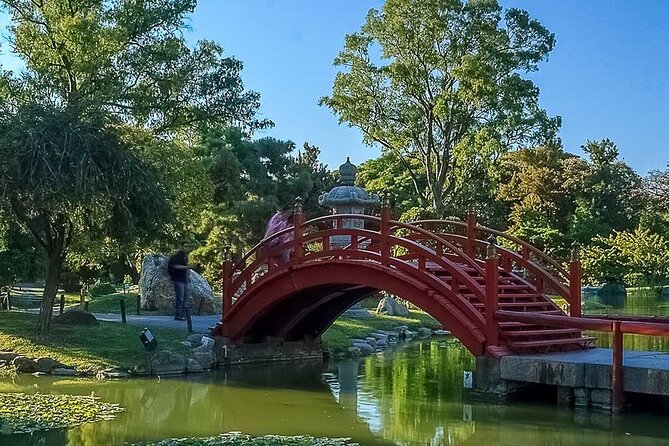
The garden was created in 1967 to mark friendship between Japan and Argentina. Its lakes, koi carp, wooden bridges, bonsai, pagoda, tea house, cultural center, and Japanese restaurant offer a peaceful contrast to the city streets. I would prioritize this stop if you value gardens, photography, or quiet spaces.
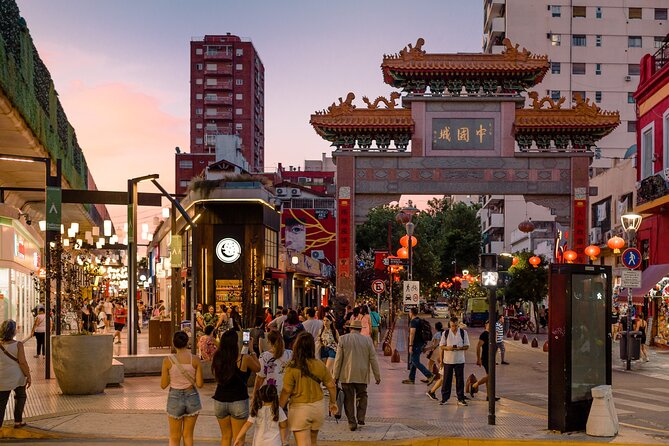
Chinatown, in Belgrano, brings a different kind of cultural experience. The entrance arch leads to shops selling imported goods and ingredients, along with restaurants and food stalls focused on Chinese, Japanese, and Taiwanese cooking.
The district is fairly compact, which makes a 30-minute orientation practical. Food is not included, so plan to return if you want a proper meal. During Chinese New Year, traditional performances, parades, and dances add another layer to the neighborhood, though the tour details do not promise that these events will be taking place on your date.
Teatro Colón and the Rosedal de Palermo
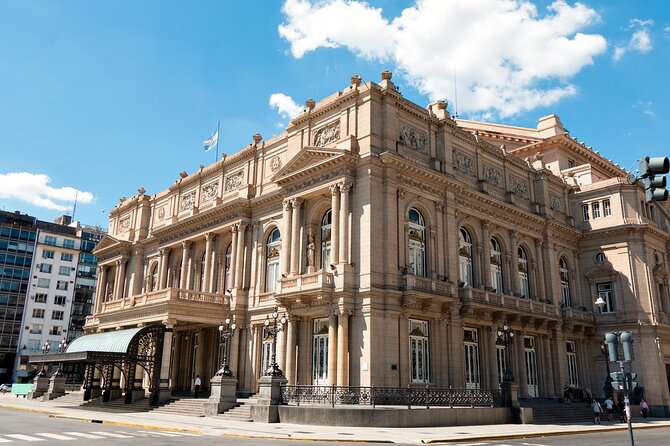
Teatro Colón is one of Buenos Aires’ great cultural landmarks. Opened in 1908, it is known for its grand architecture and acclaimed acoustics. This tour views the theater from outside and includes time for photographs in the area around Plaza Lavalle.
That limitation matters if you want an interior tour or a performance. The stop gives you the building’s exterior and context, not a full theater visit. Still, it is an efficient way to include one of the city center’s most important sights.
Rosedal de Palermo closes the route on a gentler note. Opened in 1914, the rose garden contains more than 18,000 rose bushes, along with tiled paths, pergolas, ponds, bridges, the Andalusian Courtyard, and the Garden of the Poets.
This is one of the better places to slow your pace, at least briefly. The garden offers color, fragrance, and open space after a long day in the vehicle. Admission is free, and the 30-minute stop works well for a walk and photographs.
What the $335 price really buys you
At $335 for up to four people, the per-person cost is $83.75 if your group is full. For a couple, the effective cost is $167.50 per person, so the value depends heavily on group size.
You are paying for private transportation, an air-conditioned vehicle, a bilingual guide, hotel pickup or a central meeting point, bottled water, and a highly efficient route. You are also paying for the ability to adjust the day around your interests, an approach Andy has received specific praise for.
This makes the tour most attractive for a family or group of friends who would otherwise arrange several taxis and coordinate a complicated route. It is less attractive if you prefer public transportation, long café stops, or a single neighborhood explored slowly.
There are extra costs to remember. Japanese Garden entry and Recoleta Cemetery entry are paid separately if requested. Snacks, meals, and drinks are also your responsibility. Only one carry-on of up to 12 kilograms per passenger is accepted, and additional baggage requires a higher fee.
Who should book this private city tour?
I would recommend it to first-time visitors with one full day available and a long list of must-see sights. It is also a practical choice for families, older participants, or anyone who values door-to-door transport and does not want to navigate a large city alone.
The private setup is the key advantage. You can tell the guide what interests you, and Andy’s example suggests that the day is not treated as a fixed script. Football fans can give more attention to La Bombonera. Architecture lovers can focus on Teatro Colón, El Ateneo, and Puente de la Mujer. Garden lovers can ask to prioritize the Japanese Garden and Rosedal.
I would not choose it as my only Buenos Aires experience if I wanted long visits inside museums, a full cemetery walk, a stadium tour, or extended meals. The itinerary is broad by design. It gives you a clear first map of the city, then leaves you to decide where to return.
The tour has a rating of 5 from six published evaluations, and the strongest praise is for the guide’s personalized planning. Confirmation is sent within 48 hours, subject to availability. Free cancellation is available until 24 hours before the start time, while cancellations or changes made later are not accepted.
Should you book it?
Book this tour if you want to cover a great deal of Buenos Aires in one private day and value a guide who can shape the route around your interests. A full group of four gets the best price, and the included vehicle, water, photos, and pickup make the day simple.
Skip it if you want to linger. The 30-minute stops are enough for orientation, stories, and photos, but not for thorough visits. For most first-time visitors, though, this is a useful way to see the city’s main districts before choosing where to spend the rest of your time.
FAQ
How long does the Buenos Aires private tour last?
The tour lasts approximately seven hours, with about 30 minutes planned at each of the 14 stops.
How much does the tour cost?
The price is $335 per group of up to four people. The cost is charged by group, not per person.
Is hotel pickup available?
Yes. Pickup is offered throughout the federal capital, with the option of arranging a meeting point or being collected at your hotel.
Is the tour offered in English?
Yes. The experience is offered in English and includes a bilingual guide providing information throughout the tour.
Is transportation private?
Yes. The tour includes private transportation in an air-conditioned vehicle, and only your group participates.
Are admission tickets included?
Most listed stops are free to visit. Admission to the Japanese Garden and Recoleta Cemetery is not included and can be arranged at the client’s request and payment. Teatro Colón is viewed from outside.
Are food and drinks included?
No. Snacks, food, and drinks are not included. Bottled water is included.
What baggage can I bring?
The tour accepts one carry-on weighing up to 12 kilograms per passenger. If you want to bring additional baggage, a higher fee must be paid.
Recently added around Buenos Aires
- Photo Session in Buenos Aires★ 5.0 · 26 reviews
- Your Personal Photographer in Buenos Aires★ 5.0 · 24 reviews
- Discover Buenos Aires’ independent art scene — Ticket included★ 5.0 · 30 reviews
- Taste of Tradition: Yerba Mate & Alfajores Experience★ 4.0 · 5 reviews
- Your Private Photographer in Buenos Aires★ 5.0 · 4 reviews
- Yerba Mate Workshop – Learn to Drink Mate like a Local!★ 5.0 · 11 reviews
- Wine tasting in OASIS Palermo★ 5.0 · 2 reviews
- Day Tour Classic★ 3.5 · 35 reviews
City Tours, compared.
Buenos Aires City Private Tour with Local Guide
Read our review →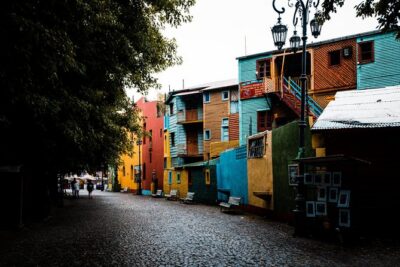
Bike Tour: Half-Day City Highlights of Buenos Aires
Read our review →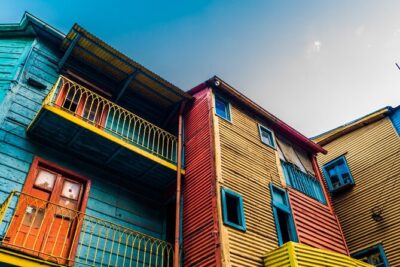
Best of Buenos Aires: Guided Sightseeing City Tour
Read our review →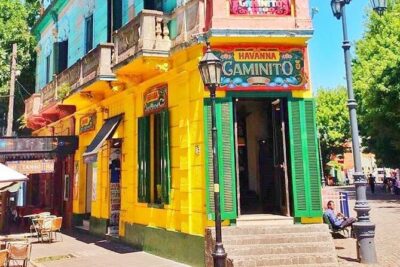
Private City Tour with a friend in Buenos Aires
Read our review →Browse the lists this tour appears in