
Reviewed · WINE TOURS
Argentina: Leather Butterfly Chair Workshop Tour with Wine
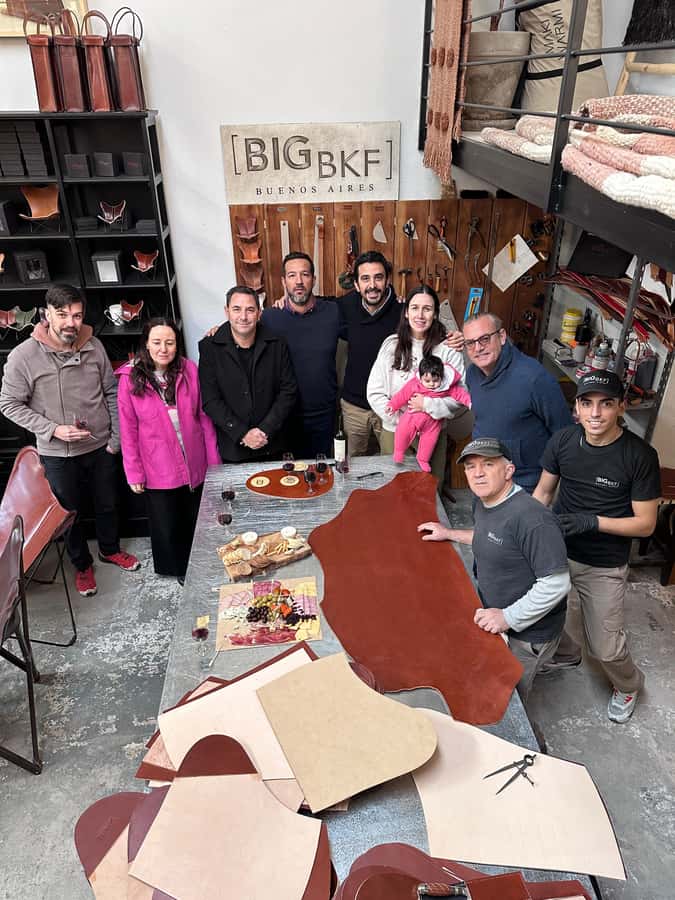
Furniture can tell a country’s story. This two-hour workshop in Buenos Aires Province brings you close to the BKF butterfly chair, an Argentine design classic first developed in 1938. I like the direct contact with the Palermo family and artisans, and I like that you do more than watch: you try some of the techniques yourself. The wine, salami, and cheese make the visit feel warm and social rather than like a dry museum lesson.
The main consideration is that transportation is not included, so you must arrange your own way to the workshop. You will also spend part of the two hours standing, and the experience is focused on one design rather than a broad tour of Argentine culture. Still, at $35 per person, it offers unusual access to a working showroom and workshop that is not normally open to the public.
In This Review
- Key points to know before you go
- Why the BKF butterfly chair matters in Argentina
- Arriving at the gray workshop marked Año 1921
- Watching leather become a butterfly chair
- Trying the techniques yourself
- Meeting the Palermo family and hearing the human story
- Wine, salami, and cheese at the right moment
- Is $35 a fair price?
- Who will enjoy this workshop most?
- Planning your two hours carefully
- Should you book the leather butterfly chair tour?
- FAQ
- How long does the leather butterfly chair workshop tour last?
- How much does the tour cost?
- Is transportation to the workshop included?
- What can I expect to do during the workshop?
- Does the experience include food and wine?
- Is the workshop wheelchair accessible?
Key points to know before you go
- A 1938 Argentine design icon: Learn how the famous leather butterfly chair became part of the country’s design heritage.
- A working workshop, not just a display: See leather selection, chair construction, and finishing work at close range.
- Hands-on practice: Try some of the methods used to make the chair, with guidance from the artisans.
- A personal family connection: Hear stories directly from the Palermo family, whose workshop and showroom host the visit.
- Wine with a proper Argentine snack: Taste boutique Argentine wines alongside picada-style salami and cheese.
- A small practical detail: Look for the gray workshop with the sign marked Año 1921, and wear comfortable shoes.
Why the BKF butterfly chair matters in Argentina
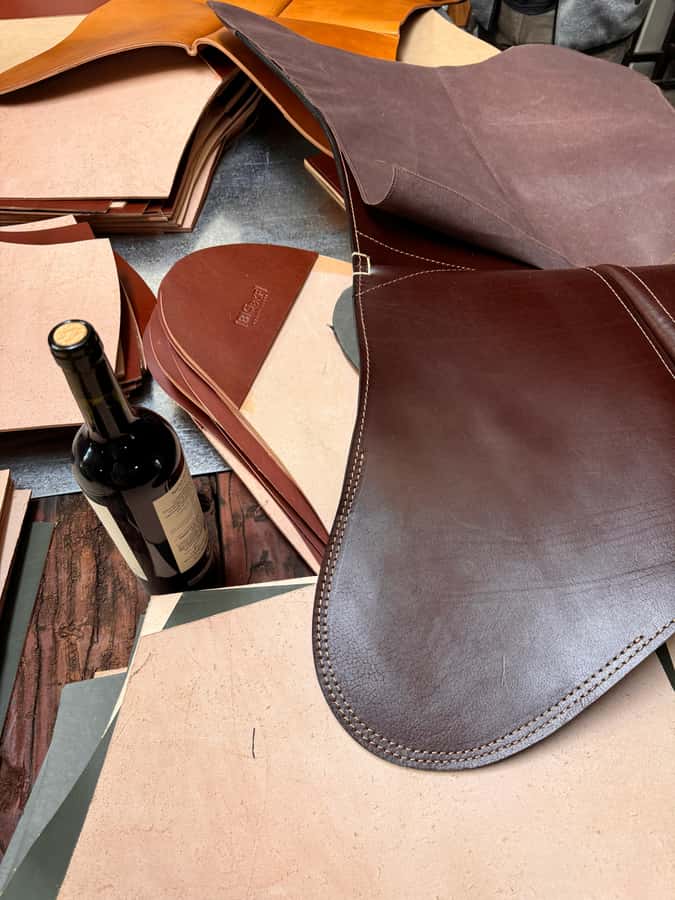
The butterfly chair is easy to recognize. Its simple frame supports a loose leather cover, creating a shape that looks almost like wings. The design is spare, useful, and attractive, which explains why it has remained familiar well beyond its original moment.
This tour gives you a chance to see that chair as a handmade object rather than a piece of furniture in a design store. You learn how the design from 1938 connects to Argentine design heritage, then follow the work involved in turning raw materials into a finished chair.
I appreciate this kind of context because it makes the chair easier to understand. A quick photo of a finished BKF chair tells you very little. Watching the leather being selected and handled helps you see why the material matters, how the shape is achieved, and why small finishing decisions affect the final result.
The workshop also gives you a more personal link to the object. Instead of hearing a general lecture from a distant guide, you interact with the people who work with the design and its traditions. The Palermo family is directly involved, and that family connection was one of the strongest parts of the experience for visitors who valued its personal character.
More Wine Tours in Buenos Aires
- Authentic Rooftop Asado Experience with Argentine Wine Pairing
★ 5.0 · 274 reviews - Bodega Gamboa Small-Group Wine Tasting Tour with Lunch
★ 5.0 · 212 reviews - Buenos Aires Small-Group Wine Tasting
★ 5.0 · 193 reviews
Arriving at the gray workshop marked Año 1921
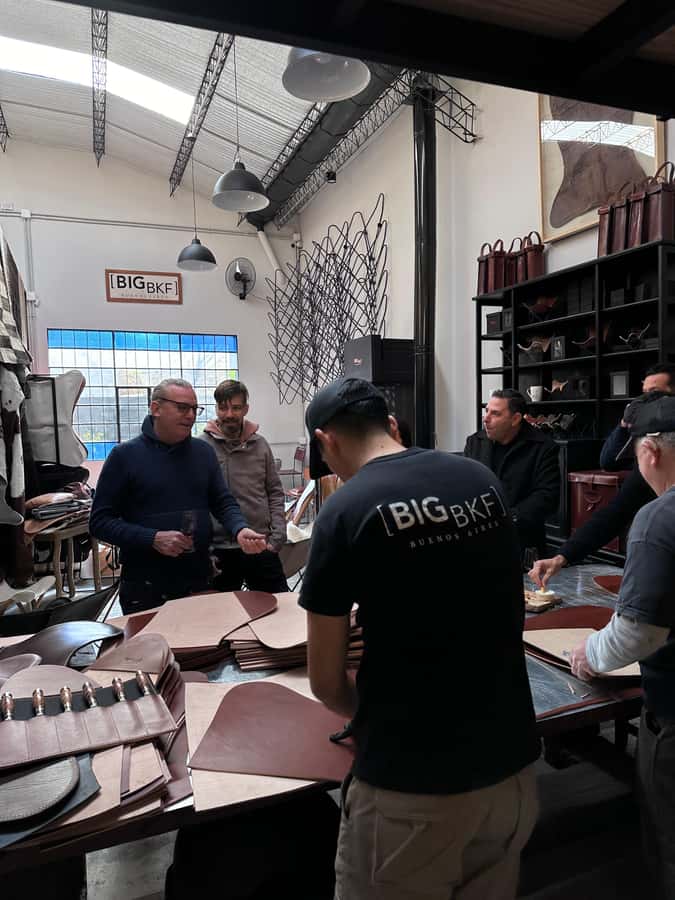
The meeting point is a gray leather workshop with a sign from Año 1921. That detail matters, since the entrance may not look like a major tourist attraction. You should keep the description handy and allow yourself enough time to identify the correct building.
Transportation to and from the workshop is not included. You will need to plan that part of the outing yourself, and the supplied information does not specify a pickup service or a particular route. Check your exact meeting instructions before leaving your hotel.
Once inside, the setting is part of the appeal. This is a workshop and showroom rather than a formal museum. You get to see the place where the chairs are made and displayed, which gives the visit a practical feel. The space is not presented as a public attraction that happens to contain leather chairs. It is a working place with a family story behind it.
The experience can be booked as a private group, which may suit you if you prefer to ask questions at your own pace. Group size details are not specified, so check availability if the atmosphere of a private visit matters to you.
Watching leather become a butterfly chair
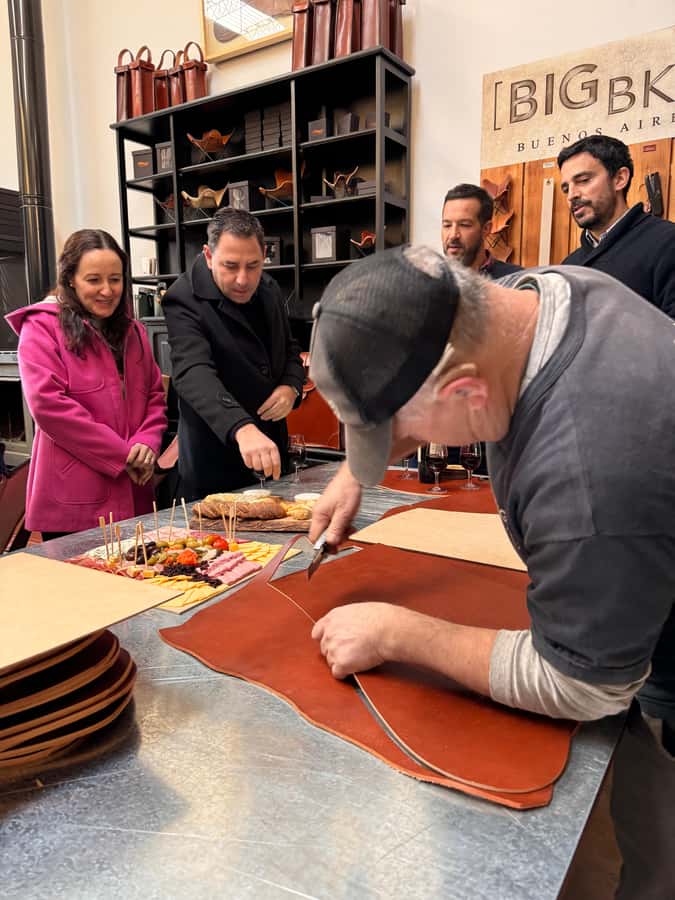
The main tour follows the chair through its making. You begin with the material itself, including how the finest leather is selected. This is a valuable part of the visit because leather can look simple from a distance, while its quality affects both the feel and the appearance of the finished chair.
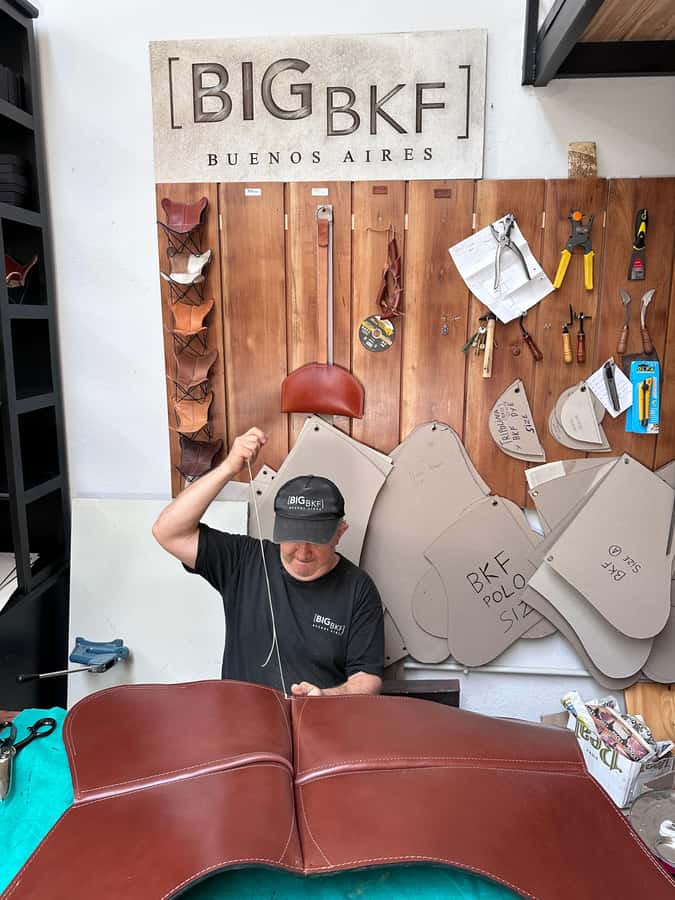
From there, the artisans show how the chair is constructed. You see the work at close range and learn about the techniques that have developed in the workshop over time. The tour does not promise that you will make a complete chair in two hours. Instead, it gives you a clear look at selected stages and lets you understand the skill behind the finished piece.
Pay attention to the smaller details. The final result may look relaxed and uncomplicated, but that appearance depends on careful work. The leather must be chosen and shaped properly, and the finishing touches help determine how the cover sits on the frame.
I like that the workshop does not hide the process behind a polished retail display. You see the difference between an object that looks handmade and one that has actually passed through many careful steps. For anyone interested in furniture, materials, crafts, or industrial design, this is the strongest part of the visit.
Trying the techniques yourself
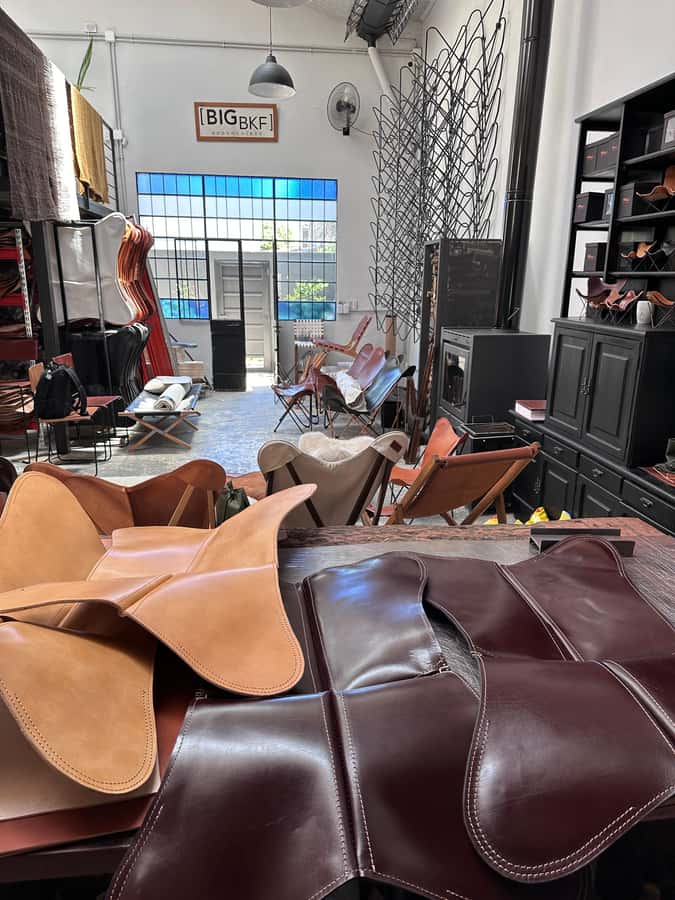
After watching the artisans, you get a hands-on session. You try some of the techniques used to create the chair, with instruction from the people who do this work regularly.
The practical session is not a full vocational class, and you should not expect to leave with a finished butterfly chair. Its purpose is to help you understand the work through your hands. Even a short attempt can show why leather production demands control, patience, and a good eye for detail.
This is also where the tour becomes more memorable than a standard workshop visit. You are not simply standing beside a demonstration. You get to test part of the process and see how much precision is required.
Comfortable shoes are a sensible choice. You will be standing for part of the tour, and the workshop setting may require you to move around while watching different stages of the work. Bring water as well, especially if you are combining the activity with a full day of sightseeing.
A camera is allowed and recommended. The workshop, leather, tools, chair shapes, and showroom displays give you plenty to photograph, though you should follow the artisans’ instructions about where and when to take pictures.
More wineries you can taste at near Buenos Aires:
- Buenos Aires: Wine Tasting and Lunch at Bodega Gamboa
★ 4.8 · 177 reviews - Tango Lesson and Wine Tasting in Buenos Aires, Argentina
★ 4.5 · 115 reviews - Premium Argentinian Wines and Malbec Tasting Experience
★ 4.6 · 60 reviews - Buenos Aires: Palacio Barolo Guided Night Tour with Wine
★ 4.4 · 54 reviews
Meeting the Palermo family and hearing the human story
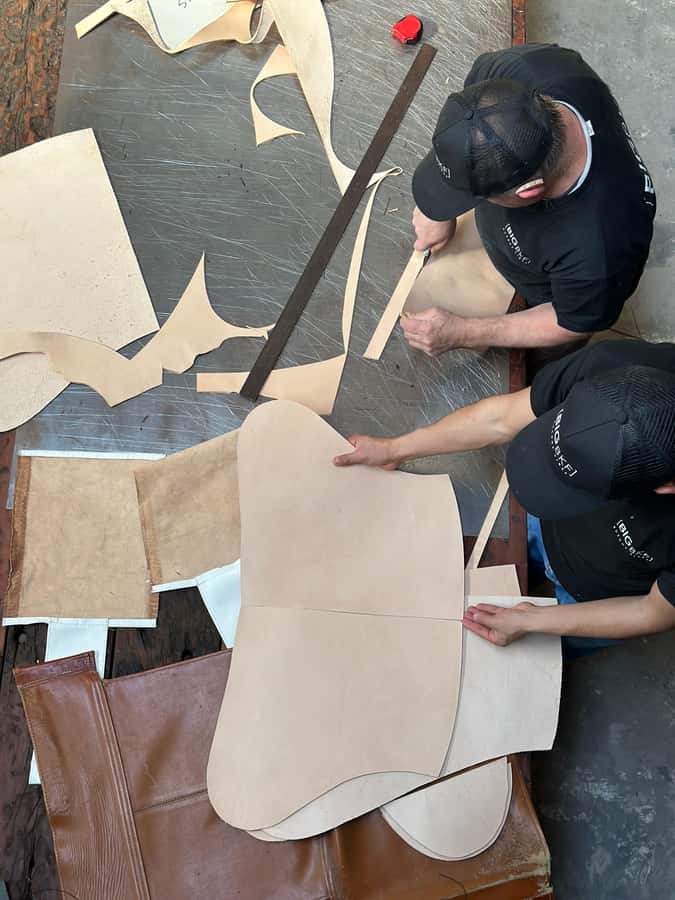
The contact with the Palermo family gives this experience its strongest sense of personality. You hear stories directly from the family and artisans, rather than receiving only a standard explanation of design dates and materials.
That personal connection helps explain how workshop methods and traditions continue over time. You learn not only what the chair is, but also how people relate to the work of producing it. The family’s workshop and showroom are not normally open to the public, so this access adds real value to the visit.
The conversation is also useful if you want to ask questions. You can explore the chair’s history, production methods, leather, and the workshop’s traditions in a direct way. The supplied experience information confirms that English is spoken, which makes the tour suitable for English-speaking visitors.
The strongest praise for the experience has focused on its warm, friendly character and the quality of the information. That fits the format: a small workshop visit works best when you want human contact, not a fast-moving attraction with a long line of people.
Wine, salami, and cheese at the right moment
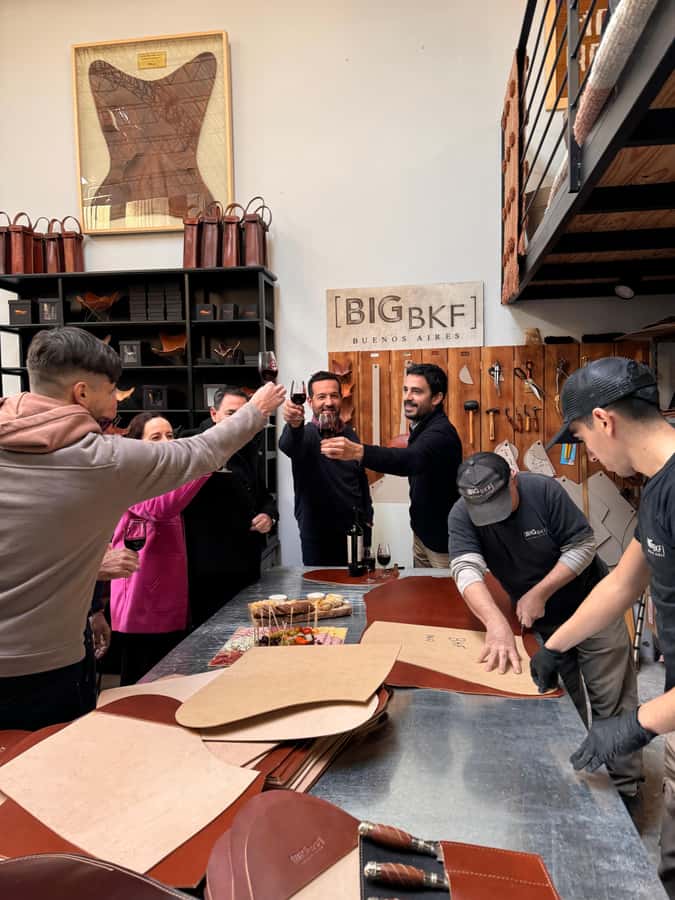
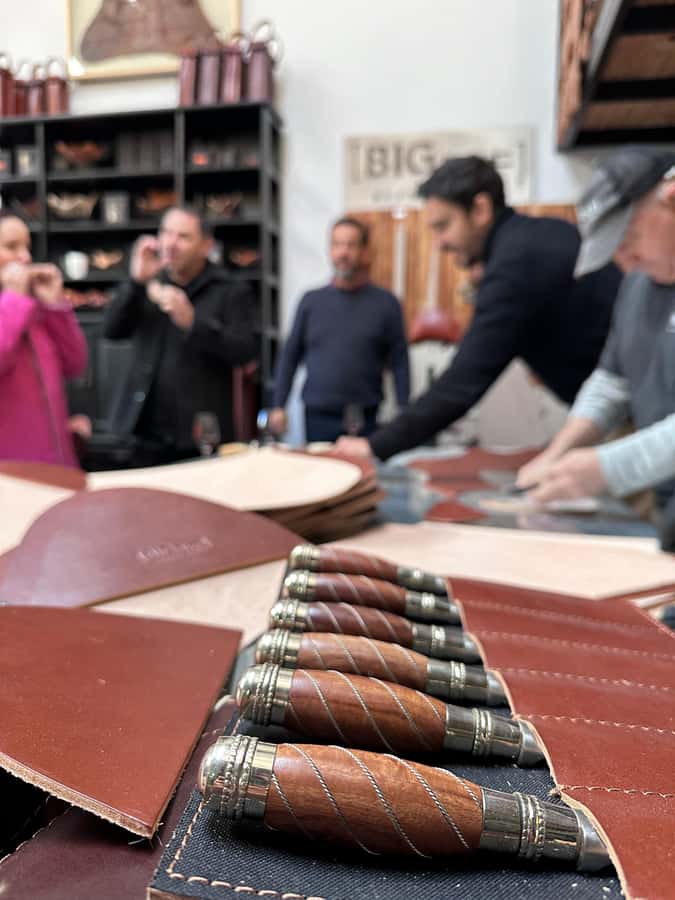
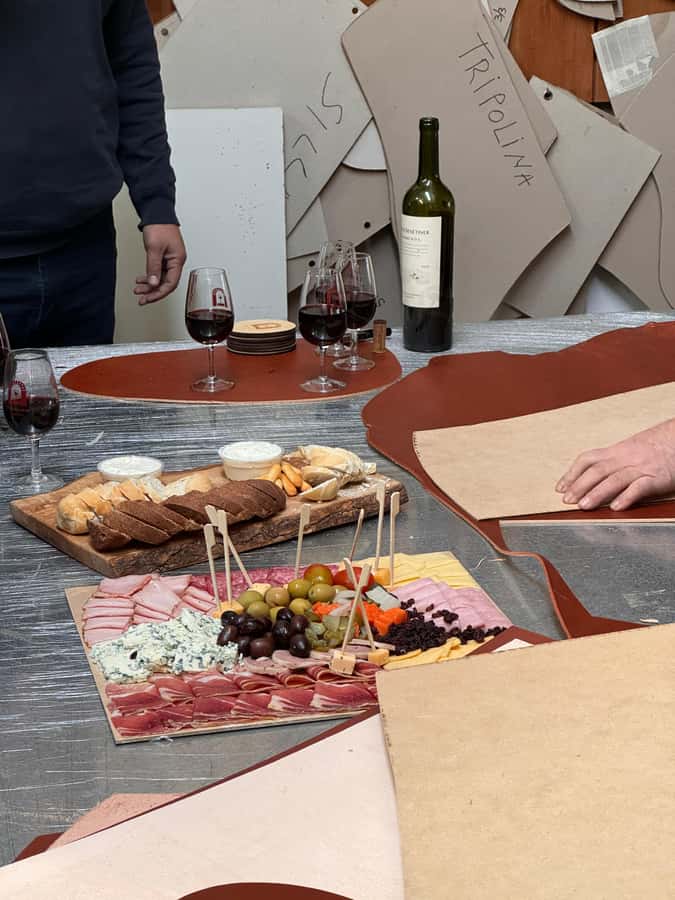
The visit includes a tasting of boutique Argentine wines, served with picada-style salami and cheese. This is more than a free drink added to the ticket. It gives you time to slow down, talk with the artisans, and reflect on what you have seen.
The food pairing is simple, but it fits the setting. Salami and cheese are easy to share, and the wine adds a social Argentine touch without taking over the workshop experience. You should think of it as a tasting rather than a full meal.
I like this combination because it connects craft with hospitality. The chairs are made through patient manual work, while the tasting gives you a relaxed way to meet the people behind that work. The two parts support each other.
If you do not drink wine, the supplied information does not specify a substitute. You may want to check with the provider before booking if that is important to you. Smoking is not allowed during the activity.
Is $35 a fair price?
At $35 per person, this tour offers good value if you care about design, handmade goods, or meeting local artisans. You receive a private-feeling workshop visit, historical background, a hands-on activity, and wine with salami and cheese. Similar access to a working showroom can be difficult to find through ordinary sightseeing.
The value is less obvious if you only want a quick look at a famous chair. You will spend two hours on one design and its production process, so the experience will not suit someone who prefers a broad city tour or a packed list of major landmarks.
For me, the price makes sense because the workshop is not normally open to the public. You are paying for access and conversation as much as for the activity itself. The hands-on part also gives the visit more substance than a simple showroom stop.
The two-hour length is well judged for this subject. It allows time for the history, workshop demonstration, practice session, artisan conversation, and tasting without requiring a full day. You can fit it into a Buenos Aires schedule, provided you allow time to reach the meeting point independently.
Who will enjoy this workshop most?
You should consider booking if you enjoy:
- Handmade furniture and design history
- Leather goods and traditional production methods
- Small-group cultural activities
- Meeting craftspeople in their own work setting
- Argentine wine and casual food pairings
- Experiences that offer participation instead of only sightseeing
It is also a good choice for couples, design students, craft enthusiasts, and anyone who wants a different kind of Buenos Aires activity. The private group option may be useful for families or friends who want a quieter visit.
You may want to skip it if you dislike standing, have no interest in furniture, or expect to produce a complete chair yourself. The session gives you a taste of the techniques, not a finished craft project.
Wheelchair access is listed as available, but standing is also expected for part of the tour. If you need a particular seating arrangement or have mobility concerns, confirm the practical setup before you reserve.
Planning your two hours carefully
Wear comfortable shoes and bring a camera. Water is recommended, and you should not smoke during the activity.
The tour lasts two hours, but starting times depend on availability. Since no transportation is included, plan your route before the day of the visit. The workshop is identified as gray and marked Año 1921, so use that description when you arrive.
You can cancel up to 24 hours before the activity for a full refund, and the reserve-now, pay-later option lets you keep your schedule flexible. These policies are useful if you are arranging several Buenos Aires activities and do not yet want to commit all your funds.
The experience is offered in a private group format, though the standard group arrangement is not specified. Ask about this if you want to know how much individual attention you will receive.
Should you book the leather butterfly chair tour?
I would book this tour if you want a focused, personal activity with a strong sense of place. The chair’s 1938 origin, the workshop’s Año 1921 sign, the Palermo family connection, the hands-on practice, and the Argentine wine tasting give the visit more character than a typical shopping stop.
The best reason to go is the access. You get to see how the chair is made, handle part of the process, and speak directly with the people who preserve the workshop’s methods. At $35, that is a fair exchange for two hours, especially with the wine, salami, and cheese included.
Just arrange your own transportation and arrive ready to stand for a while. If those points suit you, this is a smart pick for a more intimate and design-focused side of Buenos Aires.
FAQ
How long does the leather butterfly chair workshop tour last?
The activity lasts two hours.
How much does the tour cost?
The price is $35 per person.
Is transportation to the workshop included?
No. Transportation to and from the workshop is not included.
What can I expect to do during the workshop?
You will see how the leather butterfly chairs are made, learn about the design’s history, and try some of the techniques used by the artisans.
Does the experience include food and wine?
Yes. The visit includes boutique Argentine wine along with picada-style salami and cheese pairings.
Is the workshop wheelchair accessible?
Yes. The experience is listed as wheelchair accessible, although you should note that you will be standing for part of the tour.
Recently added around Buenos Aires
- Photo Session in Buenos Aires★ 5.0 · 26 reviews
- Your Personal Photographer in Buenos Aires★ 5.0 · 24 reviews
- Discover Buenos Aires’ independent art scene — Ticket included★ 5.0 · 30 reviews
- Taste of Tradition: Yerba Mate & Alfajores Experience★ 4.0 · 5 reviews
- Your Private Photographer in Buenos Aires★ 5.0 · 4 reviews
- Yerba Mate Workshop – Learn to Drink Mate like a Local!★ 5.0 · 11 reviews
- Wine tasting in OASIS Palermo★ 5.0 · 2 reviews
- Day Tour Classic★ 3.5 · 35 reviews
Wine Tours, compared.
All Day, Small Group, Luxury Wine Tour with Gourmet Lunch
Read our review →



Argentine Experience: Immersive Dinner & Wine Pairing in Iguazú
Read our review →
Browse the lists this tour appears in