
Reviewed · SALINAS GRANDES AND HUMAHUACA TOURS
Salta: Cafayate, Cachi, and Salinas Grandes Guided Day Trips
Three days, three very different worlds. This guided package links Salta with vineyard country, cactus-filled highlands, colonial Cachi, Purmamarca, the Hill of Seven Colors, and the vast Salinas Grandes. I especially like the variety and the fact that the package includes hotel pickup, a bilingual guide, and air-conditioned Mercedes-Benz transport. The main tradeoff is time on the road, including about two hours over rough dirt roads and another two hours on the highway during the return from some excursions.
I also like the chance to see places that are awkward to connect by public transport, especially the remote salt flats and the high Cuesta del Obispo. The $95 price for three full day trips is appealing, but food, drinks, and some entrance fees are extra, so you should budget beyond the advertised rate.
In This Review
- The essential details at a glance
- Why this three-day package works well
- Day one: tobacco fields, red rock, and Torrontés in Cafayate
- Day two: the Cuesta del Obispo and Cachi’s quiet streets
- Day three: Purmamarca, the Hill of Seven Colors, and Salinas Grandes
- What the $95 price really covers
- How to prepare for three long road days
- Who should book this experience?
- Should you book the three-day Salta package?
- FAQ
- How long does the experience last?
- Can I choose the order of the three excursions?
- Is hotel transportation included?
- Is the guide available in English?
- Are meals and drinks included?
- Is the winery visit included?
- Is this tour suitable for children?
The essential details at a glance
- Cafayate brings the wine: Visit a local winery, learn how Torrontés is made, and taste the region’s best-known wine.
- Cachi reaches 3,348 meters: The route climbs the Cuesta del Obispo before crossing Los Cardones National Park, a striking cactus country.
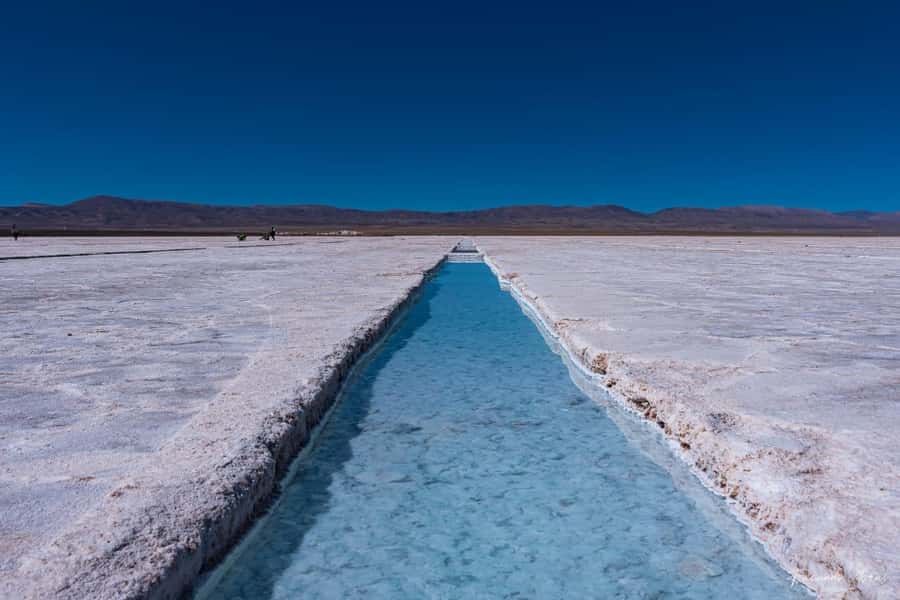
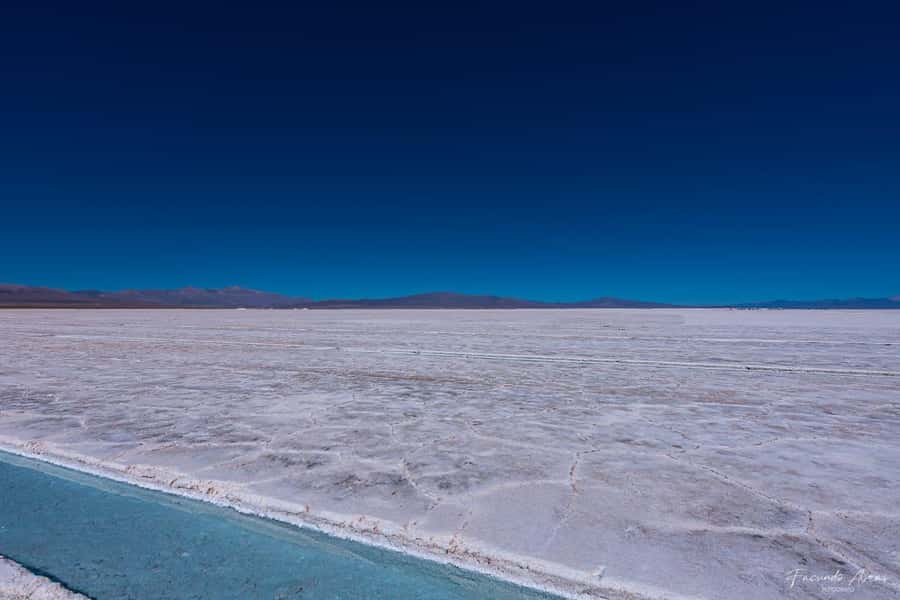
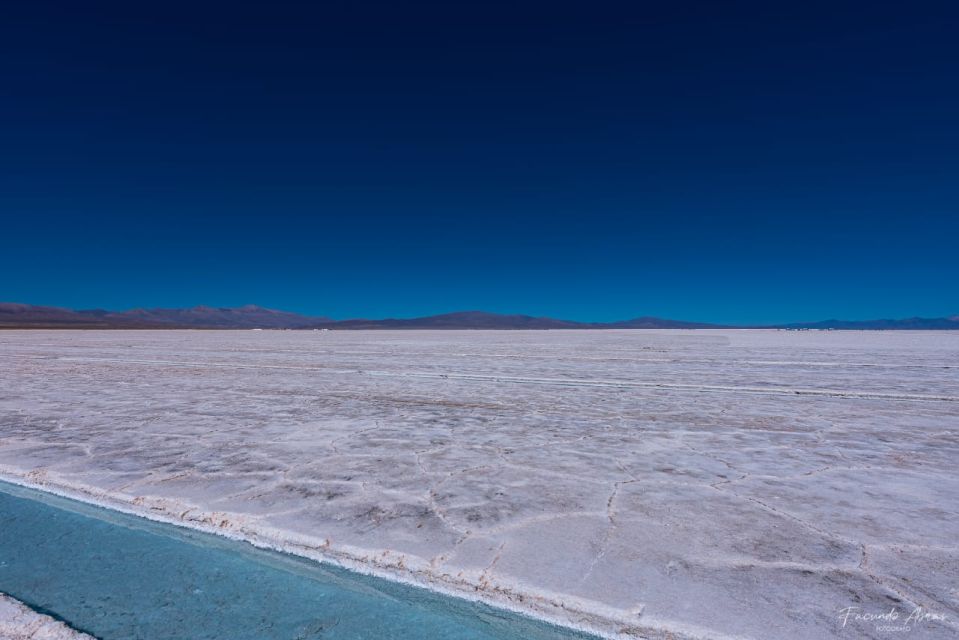
- Salinas Grandes is the visual high point: You get free time on one of Argentina’s famous salt flats, with its white surface and pools.
- Purmamarca adds local color: The town’s square and craft stalls make it a useful stop for fabric, pottery, and artwork.
- Every day has a different mood: Vineyards and red rock come first, mountain roads and colonial streets follow, then high desert and salt.
- The schedule can change: You choose the dates, but the operator may arrange the three excursions in a different order depending on availability.
Why this three-day package works well
Salta is a fine base, but many of its best surrounding sights are spread across two provinces and several hours of driving. Booking these excursions together gives you a simple way to reach Cafayate in Salta Province, Cachi in the Calchaquí Valley, and the Jujuy highlands without arranging separate transport.
The strongest feature is variety. You will not spend three days looking at the same type of scenery. The first outing moves through farmland, tobacco plantations, red rock, and vineyards. The second trades those for steep mountain roads, giant cacti, and colonial buildings. The third heads into dry high country, where striped mountains give way to a bright salt plain.
That variety also means the pace is demanding. These are not gentle half-day outings. Each day includes a long drive, several stops, and a return to Salta. If you have back problems, this package is not a good fit. The rough road sections and repeated time in a vehicle can be tiring even for people who enjoy road trips.
Transport is by air-conditioned Mercedes-Benz minivan, with hotel pickup and drop-off. A driver and bilingual guide accompany you, with English and Spanish available. That matters on routes where a guide can explain the wine industry, local communities, road names, and mountain geography while you keep your attention on the scenery.
More runs up to Salinas Grandes and the Quebrada:
- From Salta: Full-Day Trip to Salinas Grandes and Purmamarca
★ 4.6 · 914 reviews - From Salta: Salinas Grandes, Purmamarca & Los Colorados Hike
★ 4.3 · 356 reviews - Full-Day Tour Salinas Grandes and Purmamarca from Salta
★ 4.0 · 220 reviews
Day one: tobacco fields, red rock, and Torrontés in Cafayate
The Cafayate outing begins south of Salta on Provincial Route 68. Early views cross the Lerma Valley, a farming area where tobacco plantations fill the countryside. You may see tobacco leaves drying in the sun, a small detail that gives the drive a local, working character rather than turning it into a string of photo stops.
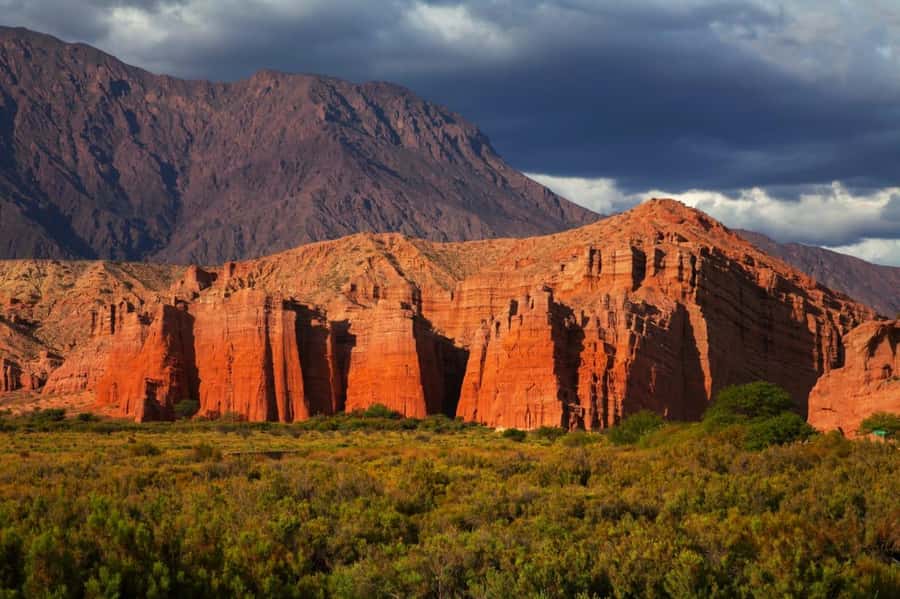
The route continues through the town of Alemania, then into red mountains and unusual rock formations. The formation known as the House of the Parrots is one of the memorable landmarks along this road. The name hints at the area’s shape and character, but the larger pleasure is watching the terrain change as the cultivated valley gives way to bare rock.
Cafayate is the practical center of this day and the reason many people will choose the excursion. The area is known for Torrontés, Argentina’s fragrant white wine, and the program includes a winery visit. You learn about local winemaking methods, see how the industry works, and sample several wines.
The tasting is included through the winery entrance, but lunch and drinks are not included in the package. Plan to pay for your meal separately. The information supplied does not specify the winery’s name, the number of tastings, or the lunch stop, so anyone seeking a particular vineyard should confirm those details before booking.
I like that the return to Salta follows a different route. You are not simply retracing the morning drive, so the day gives you two sets of views. After the vineyard visit and lunch, the changing scenery continues as you head back toward the city.
The drawback is the amount of sitting. Even with good stops, Cafayate is best for people who enjoy a scenic road day. If your priority is a long, relaxed winery visit with plenty of time at one estate, this itinerary may feel too broad. It is designed to combine wine with the road, the rock formations, and the valley.
Day two: the Cuesta del Obispo and Cachi’s quiet streets
The second trip begins west of Salta and passes through Cerrillos, La Merced, and El Carril. These smaller towns lead toward the Escoipe Gorge and Los Laureles, where the road becomes more dramatic and the mountains close in.
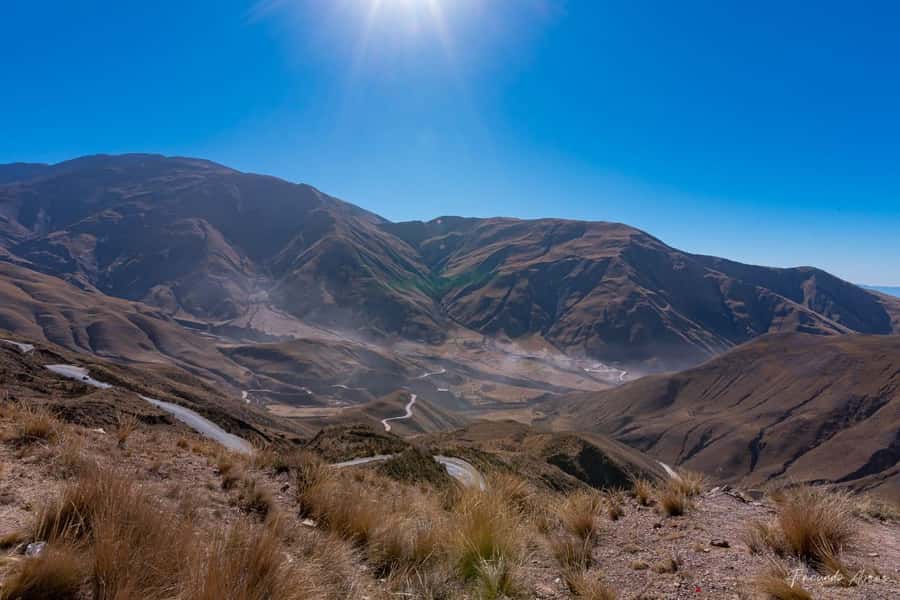
The main event is the Cuesta del Obispo, or Bishop’s Slope. The winding road climbs to about 3,348 meters above sea level, with rock formations appearing along the route. This is a road for looking out the window, not for rushing to the next stop. The ascent gives you a strong sense of how quickly the terrain rises around Salta.
You then enter Los Cardones National Park. Its name refers to the cardon grande cactus, a large column-shaped plant that gives this high country its distinctive character. The cacti are not a minor decoration here. They are the visual signature of the park, scattered across dry mountain country in a way that makes the drive feel far removed from the tobacco fields of day one.
Altitude deserves practical attention. The tour information does not give medical guidance about altitude, but it does identify the route’s high point and warns that the trip includes rough roads. Move at a comfortable pace, bring comfortable clothing, and be realistic about your tolerance for winding mountain travel.
Cachi is the day’s main town stop, with time for lunch and a walk. Its preserved colonial architecture gives the visit a slower mood than the mountain drive. The central plaza and the town church are key sights, and strolling here lets you see the town at street level rather than from a minivan window.
A museum visit adds context about Indigenous communities in the Calchaquí Valley. That is an important part of the itinerary because Cachi is more than a pretty collection of old buildings. The museum helps connect the valley’s present-day scenery with the people who have lived in and shaped the region.
You also get free time at the craft market. Look for artisan fabric, artwork, and pottery if you want a souvenir tied to the region. The market stop is useful because the package includes time to shop without requiring you to search for a store after the guide has moved on.
Day two may be the best choice for anyone who prefers a mix of scenery and culture. It is also likely to be the hardest day physically, because of the mountain road, the altitude, and the rough sections mentioned in the tour information. The experience is not suitable for people with back problems, and children under 18 must travel with an adult.
Day three: Purmamarca, the Hill of Seven Colors, and Salinas Grandes
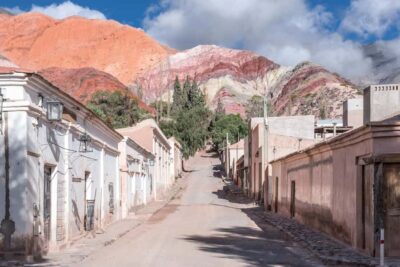
The final excursion heads into neighboring Jujuy Province. The route passes Volcán and Tumbaya before reaching Purmamarca, a small town associated with the Quebrada de Humahuaca UNESCO World Heritage Site.
Purmamarca gives you a compact town stop before the long climb to the salt flats. Its main square has craft stands selling local goods, including fabric, artwork, and pottery. This is one of the better places in the three-day package to buy a practical souvenir, especially if you want something made in the region rather than a generic item.
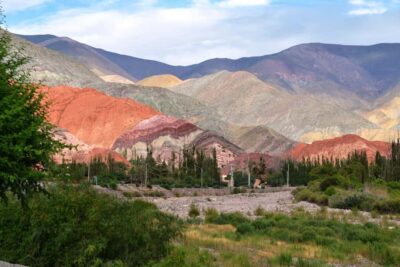
The Hill of Seven Colors is next to town and earns its name from its striped rock layers. The colors come from different mineral bands in the exposed rock, producing an effect that changes with light and viewpoint. The stop is easy to understand at a glance, but it rewards taking a few minutes to look closely at the separate bands rather than treating it as a single photo backdrop.
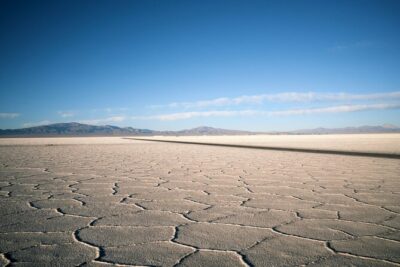
From Purmamarca, the road climbs the Cuesta del Lipan toward Salinas Grandes. The change is sharp: the small town and folded hills give way to a wide, pale expanse that can feel almost empty. Salinas Grandes is one of the 7 Wonders of the Argentine Republic, and the open space is the point. You are not visiting a built attraction with a long list of facilities. You are there to see the salt surface, its patterns, and the famous pools.
You receive free time at the salt flat. That flexibility matters because the site is best appreciated without being hurried from one marked point to another. Take your passport or ID card, as required for the tour, and wear comfortable clothes suitable for a day that includes high, exposed terrain. The supplied information does not specify whether sun protection is provided, so bring what you normally need for strong outdoor conditions.
Lunch takes place back in Purmamarca, at one of the traditional restaurants. Food and drinks are not included, so you can choose and pay for your own meal. The return to Salta follows after lunch.
This day has the strongest contrast between town and open country. Purmamarca gives you shopping and a local square. The Hill of Seven Colors supplies close-up geology. Salinas Grandes delivers scale. The downside is another long day on the road, with the tour information specifically noting about two hours on low-quality dirt roads and about two hours on the highway on the way back.
A few more Salta trips worth putting side by side
- From Salta: Full-Day Tour to Cafayate with Wine Tasting
★ 4.5 · 478 reviews - From Salta: Cafayate, land of wines and imposing ravines
★ 4.4 · 347 reviews - Full-Day Tour Cafayate Calchaqui Valleys with Wine
★ 4.5 · 347 reviews - From Salta: Serranías del Hornocal & Hill of 14 Colors Tour
★ 4.4 · 339 reviews
What the $95 price really covers
At $95 per person, the package offers good value if you want all three areas and would otherwise need to arrange several separate day trips. The price includes three excursions, a driver and guide, hotel pickup and drop-off, air-conditioned minivan transport, bilingual guiding in English and Spanish, and entrance to a winery.
The package does not include food, drinks, or entrance fees beyond the winery visit. That wording is worth checking carefully before you book, because the itinerary includes a museum and several named attractions, but the exact entrance charges are not provided. Ask the operator what extra fees, if any, are expected on your dates.
The value is strongest for solo visitors, couples, and small groups who want a ready-made route. You avoid the work of comparing transport options, finding the correct mountain roads, and coordinating Salta with Jujuy. The guide also gives the days a clear structure.
The value is weaker if you want complete control over timing. The order of the three trips can change according to agency availability, and each day already has a fixed route with several major stops. You should not book this expecting to linger for hours at one site or choose every lunch stop yourself.
Free cancellation up to 24 hours before departure and the option to reserve now and pay later make the booking less rigid. Still, confirm starting times when you check availability, since the duration is listed as three days but exact departure hours are not provided here.
How to prepare for three long road days
Pack light, but bring the basics. Your passport or ID card is required, and comfortable clothing is specifically advised. A small bag is easier to manage in a minivan and leaves you free to shop at the craft markets.
The roads are a serious part of the experience, not a footnote. Rough dirt sections can make the ride bumpy, and the mountain route adds winding turns. People with back problems should skip this package. If you are sensitive to motion, sit where you can see the road ahead and ask the guide about the best seat available.
Keep money available for lunch, drinks, and souvenirs. The itinerary gives you lunch opportunities in Cafayate, Cachi, and Purmamarca, but none of those meals is included. Craft stalls may take different forms of payment, and no payment details are provided, so carrying a practical amount of local currency is sensible.
Children under 18 must be accompanied by an adult. Children under two can travel free if they do not occupy their own seat. Unaccompanied minors are not allowed.
The tour is available in English and Spanish. That is useful for mixed-language groups, but it is still worth confirming your preferred language when you reserve.
Who should book this experience?
I would recommend it to you if you want maximum regional variety from a Salta base. It suits people who enjoy scenic drives, photography, local food and wine, small-town walks, geology, and craft shopping. It is also a strong option if you prefer one coordinated booking instead of three separate transport arrangements.
The package is especially useful for a short stay. In three days, you see vineyards near Cafayate, the high road to Cachi, and the Jujuy route to Salinas Grandes. You will not know every corner of those places, but you will get a broad and memorable look at the region.
I would think twice if you dislike long drives, rough roads, or set schedules. People with back problems should not book, and anyone wanting a slow wine holiday or extended time in one town may prefer separate private tours.
Should you book the three-day Salta package?
Book it if your goal is to see the major sights around Salta and Jujuy with minimal planning. The changing scenery, Torrontés tasting, Cachi’s colonial center, Purmamarca’s crafts, and Salinas Grandes give the package a strong range of experiences. The high customer rating and praise for the scenery, food, and friendly guides fit the tour’s main strengths.
Skip it if comfort and flexibility matter more than coverage. Four hours of road travel on some days, rough dirt sections, extra meal costs, and a changeable excursion order require patience. At $95, though, the package is a practical deal for an active visitor who wants three big day trips without arranging the details alone.
FAQ
How long does the experience last?
The experience lasts three days, with one guided day trip on each day. Starting times are provided when you check availability.
Can I choose the order of the three excursions?
You choose the dates, but the order of the Cafayate, Cachi, and Salinas Grandes trips may change based on the agency’s availability.
Is hotel transportation included?
Yes. Hotel pickup and drop-off are included, along with transport in an air-conditioned Mercedes-Benz minivan.
Is the guide available in English?
Yes. Live guiding is available in English and Spanish.
Are meals and drinks included?
No. Food and drinks are not included. You will have opportunities to buy lunch in Cafayate, Cachi, and Purmamarca.
Is the winery visit included?
Entrance to a winery is included. The visit includes information about local winemaking and Torrontés wine tasting.
Is this tour suitable for children?
Children under 18 must be accompanied by an adult. Children under two can travel free if they do not use a separate seat. Unaccompanied minors are not allowed.
Recently added around Salta
- Floated by Kayak in the Oath Canyon★ 5.0 · 5 reviews
- Juramento River Rafting Adventure: Conquer the Rapids★ 3.5 · 4 reviews
- Rafting on the River Oath★ 5.0 · 3 reviews
- Unveiling Cafayate: Premium Wine Road Adventure★ 5.0 · 2 reviews
- Tilcara: 2 hours cycling tour trough the rural area★ 5.0 · 5 reviews
- Salta: Tour to the Salinas Grandes and Purmamarca★ 3.7 · 3 reviews
- Salta or Jujuy: Iruya and Salinas Grandes 2-Day Tour★ 4.3 · 3 reviews
- From Salta: Quebrada de Humahuaca, Purmamarca and Tilcara★ 4.2 · 43 reviews
Salinas Grandes and Humahuaca Tours, compared.
Full-Day Trip to Salinas Grandes and Purmamarca
Read our review →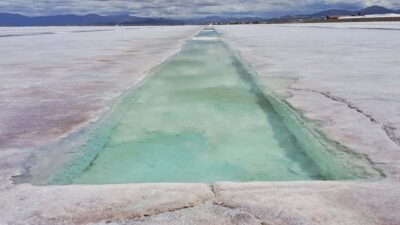
Salinas Grandes, Purmamarca & Los Colorados Hike
Read our review →
Full-Day Tour Salinas Grandes and Purmamarca from Salta
Read our review →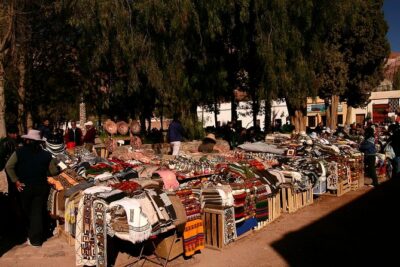
Salinas Grandes and Purmamarca: Full Day Excursion from Salta Capital
Read our review →
Full-Day Tour to Humahuaca, Purmamarca and Tilcara
Read our review →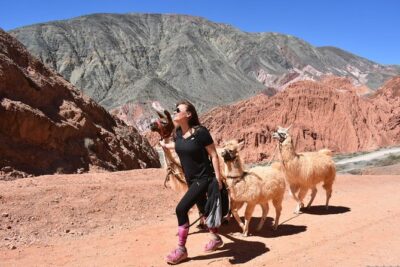
Browse the lists this tour appears in