
Reviewed · SALINAS GRANDES AND HUMAHUACA TOURS
Hornocal: Tour of the 14 Colors Mountain & Humahuaca´s Gorge
Fourteen colors reward a very long day. This 12-hour trip from Salta links the famous Seven Colors Hill in Purmamarca with Maimará, Tilcara, Uquía, Humahuaca, and the striking Hornocal viewpoint. I like the range of scenery and the chance to see both major mountain sights and small Andean towns in one outing. I also like the final switch into a 4×4 for the rough road to Hornocal, which makes the last stretch feel like a proper mountain excursion.
The main caution is time. There are many stops packed into one day, and some may be brief or may not happen exactly as described. Recent feedback points to missed visits at Maimará, Uquía, and the Pucará of Tilcara, while another passenger had little time in Tilcara. The minibus can also be old or uncomfortable, with one report of poor suspension and another of a guide’s microphone being hard to hear.
In This Review
- Key points to know before booking
- Why Hornocal is worth the long ride
- Purmamarca and the Seven Colors Hill
- Maimará and the Painter’s Palette
- Tilcara’s Andean character and the Pucará question
- Uquía and the church with armed angels
- The Tropic of Capricorn stop
- Humahuaca before the final 4×4 ride
- Transport comfort can shape the day
- What the $68 price really covers
- Who should book this Hornocal excursion?
- Should you book it?
- FAQ
- How long is the Hornocal tour?
- Is hotel pickup included?
- What languages does the guide speak?
- Is the Pucará de Tilcara entrance included?
- Is food included?
- What should I bring?
Key points to know before booking
- Hornocal is the main event: The 14 Colors Mountain viewpoint is reached from Humahuaca in a local 4×4, and this section earns the strongest praise.
- You cover a lot of ground: Purmamarca, Maimará, Tilcara, Uquía, the Tropic of Capricorn, Humahuaca, and Hornocal all appear in the planned route.
- It is a full-day outing: Pickup runs between 6:30 and 7:15 AM, with a return after roughly 12 hours.
- The scenery changes constantly: Expect red, yellow, orange, pastel, and sharply folded rock formations along the Quebrada de Humahuaca.
- The minibus is the weak link: Vehicle comfort and sound quality have not been consistent, so pack patience along with your camera.
- The $68 price buys convenience: Round-trip transport and a Spanish or English-speaking guide make this useful if you want to see Hornocal without arranging several separate transfers.
Why Hornocal is worth the long ride
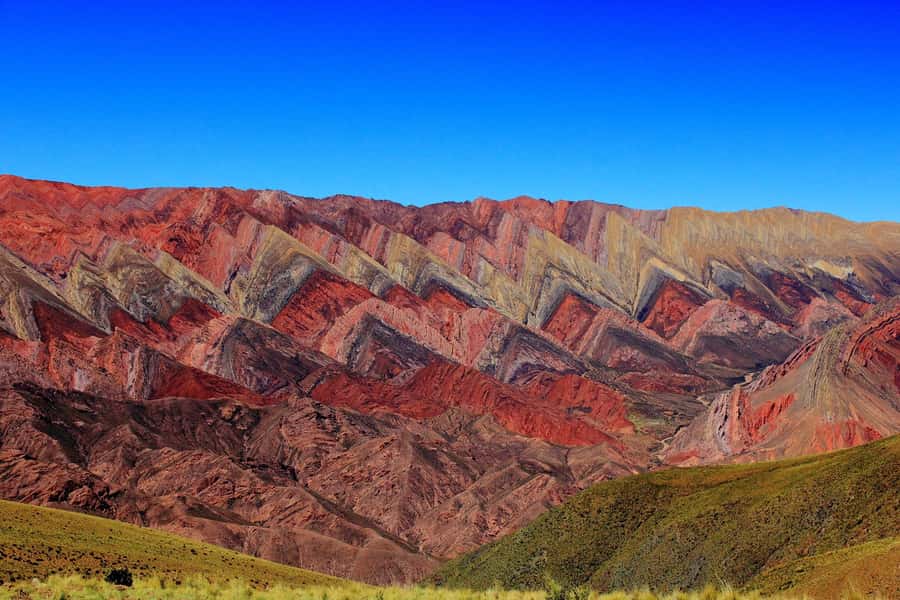
Hornocal is the reason to book this excursion. The mountain belongs to the Yacoraite calcareous formation, a huge geological band that runs from Salta through the Quebrada de Humahuaca and onward across the Bolivian Altiplano toward Peru.
At the viewpoint, the rock folds into strong bands of color. The name 14 Colors Mountain gives you the basic idea, but the scene is more than a striped hill. You may see reds, ochres, yellows, pale pinks, grays, and creams arranged in sharp zigzags across the slope.
The journey from Humahuaca uses a 4×4 all-terrain vehicle rather than the main tour bus. That change matters. The road is rough enough to need a sturdier vehicle, and the ride gives the last part of the day a more remote feel. A local guide accompanies this section, and it has been singled out as the best part of the outing.
You should set your expectations correctly. Hornocal is a viewpoint experience, not a long hike. The reward comes from the scale and color of the mountain, so clear weather matters. Bring a phone or camera with enough battery, but do not let photography keep you from simply looking across the gorge.
More runs up to Salinas Grandes and the Quebrada:
- From Salta: Full-Day Trip to Salinas Grandes and Purmamarca
★ 4.6 · 914 reviews - From Salta: Salinas Grandes, Purmamarca & Los Colorados Hike
★ 4.3 · 356 reviews - Full-Day Tour Salinas Grandes and Purmamarca from Salta
★ 4.0 · 220 reviews
Purmamarca and the Seven Colors Hill
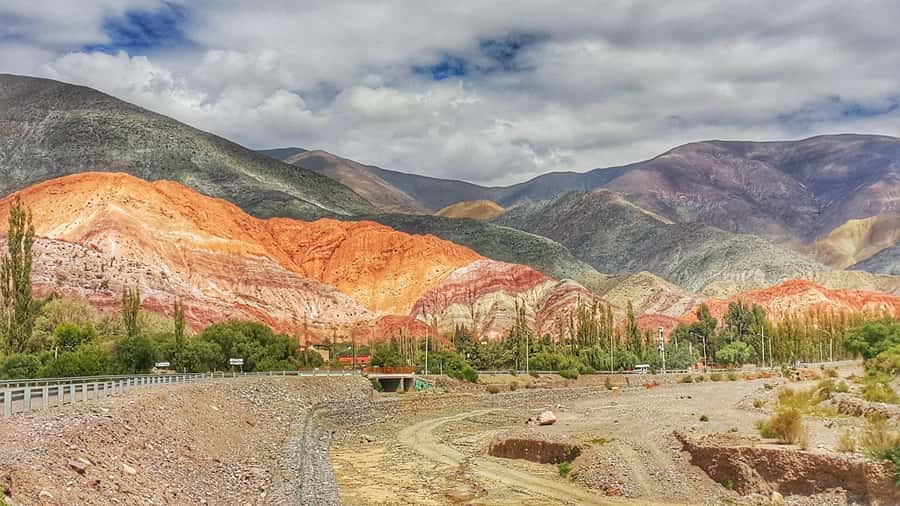
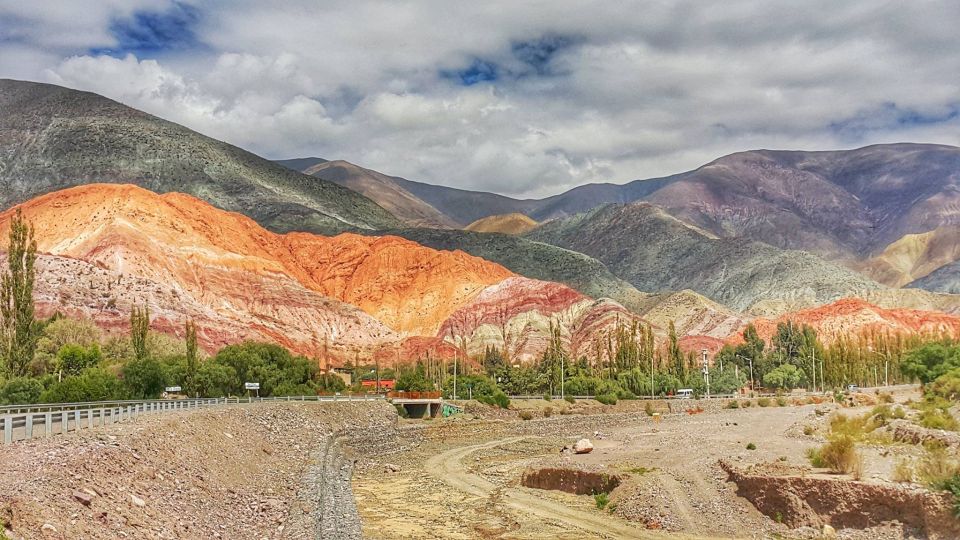
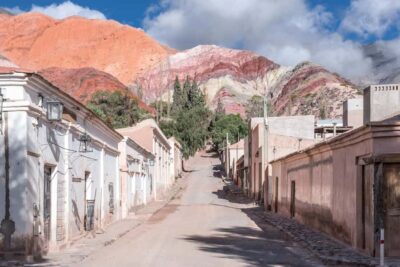
The first major stop is Purmamarca, a small village at the foot of the Seven Colors Hill. Its mountain is lower and more compact in appearance than Hornocal, but it gives you an early introduction to the mineral colors that define this part of northern Argentina.
Purmamarca is useful as a visual warm-up. You can see how the village sits against the rock, then compare this softer, more rounded formation with the sharper folds at Hornocal later in the day. The stop also gives the route a human scale before the road runs deeper into the Quebrada de Humahuaca.
Time is the issue. Since this tour covers so many places, you should not expect an extended visit in every town. The exact amount of free time is not specified, and the schedule may change with road conditions, group timing, or the length of the Hornocal visit.
For you, the choice is simple: if you want a relaxed morning in Purmamarca with time for shopping and wandering, a dedicated Purmamarca visit may suit you better. If you want to combine the Seven Colors Hill with Hornocal in one day, this tour is far more efficient.
Maimará and the Painter’s Palette
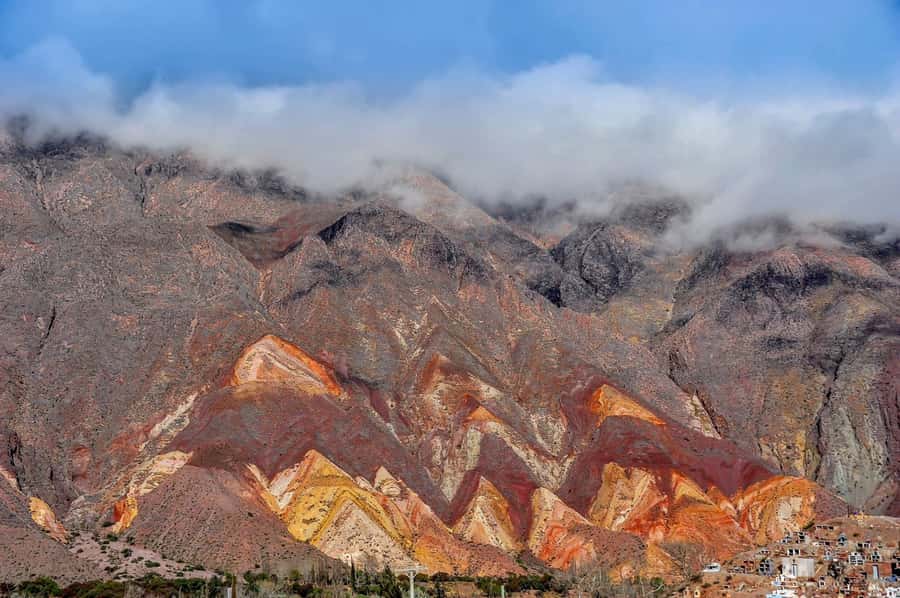
Maimará lies below the Monolith Painter’s Palette, another colorful rock formation along the route. Its red, yellow, orange, and pastel tones add a different look to the day. Here, the point is less about a single famous viewpoint and more about seeing how the colored rock walls shape village life.
The planned route includes a look at the Monolith, but you should treat this stop as conditional rather than guaranteed. One recent account specifically says Maimará was not visited. That does not make the scenery irrelevant, but it does mean the printed plan should not be treated as a promise of long stops at every village.
I find this useful context when judging the tour. The experience is really a scenic corridor leading toward Hornocal, with several town and viewpoint pauses along the way. It is not a slow cultural tour where each village receives equal attention.
Tilcara’s Andean character and the Pucará question
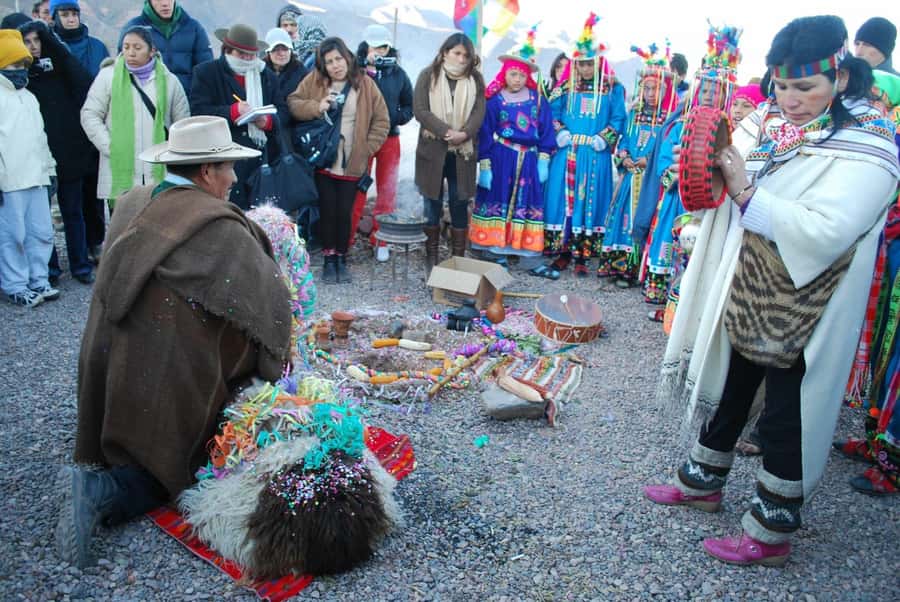
Tilcara is one of the most appealing towns on the route. It has Andean character, mountain views, and a lively local culture. The stop helps break up the road journey and gives you a feel for the communities of the Quebrada rather than only a series of roadside photo points.
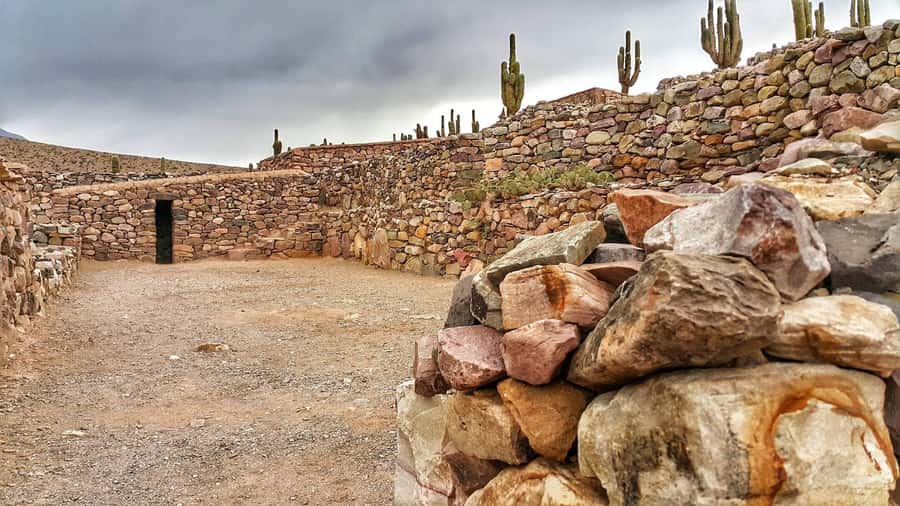
The Pucará de Tilcara Archaeological Site is not included in the price. Admission must be paid separately, and the schedule may not leave enough time to visit it. One passenger said there was little time to see Tilcara, so you should not book this tour mainly for the archaeological site.
If the Pucará is high on your list, plan a separate visit or choose a tour built around Tilcara. If your priority is Hornocal, Tilcara works well as part of a wider day, even when the stop is short.
A guide named Martin received particular praise for explaining the places clearly. That is worth noting because the quality of commentary can make a long transfer feel much more useful. Still, guide performance is not guaranteed on every departure. Other feedback describes the agency guide as cold, even while praising the driver or local Hornocal guide.
A few more Salta trips worth putting side by side
- From Salta: Full-Day Tour to Cafayate with Wine Tasting
★ 4.5 · 478 reviews - From Salta: Cafayate, land of wines and imposing ravines
★ 4.4 · 347 reviews - Full-Day Tour Cafayate Calchaqui Valleys with Wine
★ 4.5 · 347 reviews - From Salta: Serranías del Hornocal & Hill of 14 Colors Tour
★ 4.4 · 339 reviews
Uquía and the church with armed angels
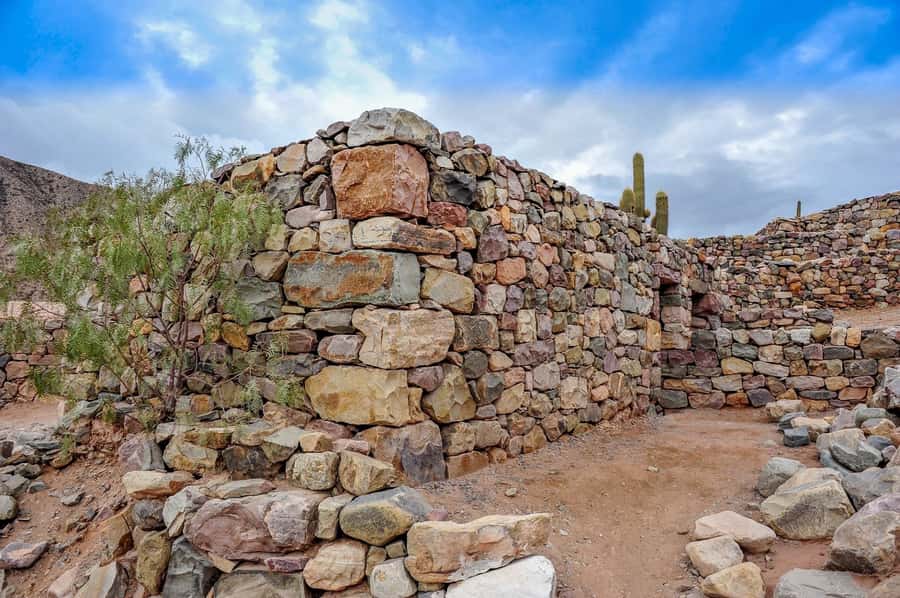
Uquía is a quiet town known for its historic church and its unusual paintings of angels carrying guns. These are the famous ángeles arcabuceros, a striking example of religious art shaped by the colonial Andes.
The detail makes Uquía more than another colorful village stop. It offers a cultural counterpoint to the mountain views, and it gives you a chance to see how European religious imagery was adapted in South America.
There is an important practical warning here: the published route includes Uquía, but a recent account says the stop did not happen. The same problem was reported for Maimará and the Pucará of Tilcara. I would therefore regard Uquía as a possible stop, not the central reason to pay for the tour.
The Tropic of Capricorn stop
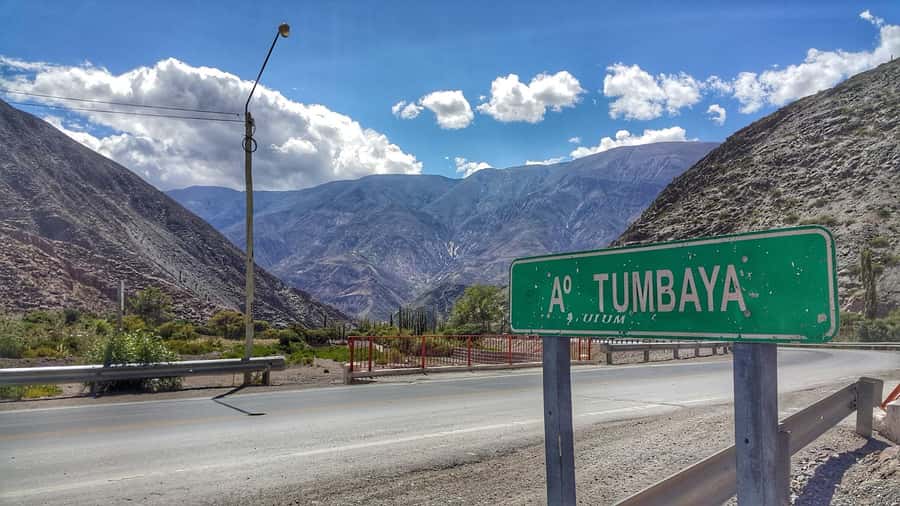
The tour pauses at the Tropic of Capricorn, the most southerly latitude where the sun can appear directly overhead at noon. It is a quick geographical marker, but it adds a fun change of pace after the rock formations and village scenery.
This stop is especially useful if you enjoy the small facts that make a route memorable. You are not simply riding through a beautiful valley. You are crossing a named line with a clear place in global geography.
Do not expect a full attraction with a long program. It is best understood as a brief roadside pause and photo opportunity within the wider journey.
Humahuaca before the final 4×4 ride
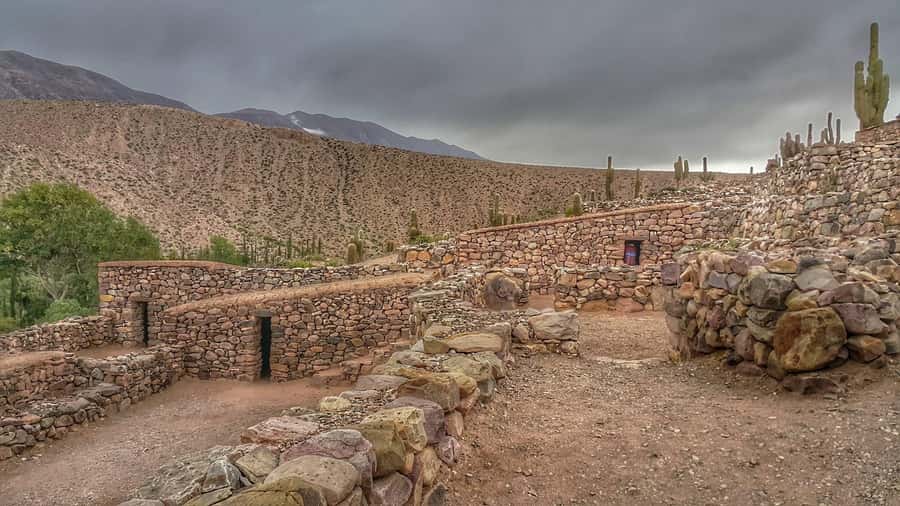
Humahuaca town comes before the main mountain visit. The tour includes a short stop here, and this is where you change from the minibus or bus into a 4×4 vehicle for Hornocal.
That vehicle change is practical as well as interesting. The road to the viewpoint requires an all-terrain vehicle, so the group divides briefly before heading up. After the Hornocal visit, you return and rejoin the rest of the group.
The town itself is part of the cultural heritage of the Quebrada, but the stop is short. If you hope to spend a leisurely afternoon in Humahuaca’s streets, this schedule will feel rushed. The advantage is that you see the town and reach the mountain without arranging a separate vehicle.
Transport comfort can shape the day
The biggest weakness is transport. A 12-hour excursion puts a lot of weight on the condition of the minibus, and the reports are mixed. One passenger described poor suspension and a rough ride throughout the route. Another found the bus old and said the microphone was difficult to hear.
That does not mean every departure will be uncomfortable, but you should prepare for a basic vehicle rather than a luxury coach. Wear comfortable clothes, keep water and snacks within reach, and bring a layer for changing weather. Comfortable shoes are also sensible, especially for standing at viewpoints and walking through town streets.
The guide speaks Spanish and English. A clear guide can add real value on a route where geology, local culture, geography, and colonial art all compete for your attention. Martin was praised for explaining well, but the feedback also shows that communication and attitude can vary.
The driver and guide are not always judged the same way. One account called the driver sympathetic while describing the agency guide as cold. Another described the driver as arrogant. I would book this for the scenery and transport convenience, not because you expect a polished luxury service.
What the $68 price really covers
At $68 per person, the tour offers a good deal if your goal is to see Hornocal from Salta without piecing together buses, local transfers, and a 4×4 ride yourself. Round-trip transport, an English or Spanish-speaking guide, and hotel pickup when selected make the day easy to arrange.
The value drops if you expect every named location to receive a proper visit. Food, drinks, and admission to the Pucará de Tilcara are not included. The price also does not protect you from a rushed stop or a vehicle that is less comfortable than expected.
I would compare this cost with the price and effort of arranging Humahuaca and Hornocal independently. The tour’s real product is convenience. You pay to have the long route organized and to secure the 4×4 connection at Humahuaca.
Bring your own food and drinks because none are supplied. An early pickup and a late return also make it wise to prepare the night before. Hotel pickup is available for centrally located accommodation up to eight blocks from the 9 de Julio central square, but a bus may not reach your door. In that case, the local partner will arrange another meeting point.
Who should book this Hornocal excursion?
I would choose this outing if you have limited time in Salta and want the region’s main mountain sights in one day. It suits you if Hornocal is the priority, you are comfortable with a long road day, and you prefer an organized route to several separate connections.
It also works well for anyone who wants a broad introduction to the Quebrada. You get colorful mountains, Andean towns, colonial art, a geographical landmark, and the final 4×4 ride in one package.
I would hesitate if you dislike long transfers, need guaranteed time in every town, or want to focus on Tilcara’s archaeological site. The descriptions of missed stops and short visits matter. So does the mixed transport feedback.
The strongest part is clear: the Hornocal viewpoint and its local 4×4 transfer. The weaker part is the rushed middle section and the possibility that some named stops will be shortened or skipped. That balance makes this a worthwhile scenic expedition, but not a slow village-by-village cultural tour.
Should you book it?
Book it if Hornocal is your main goal and $68 feels fair for a full day of transport and coordination. The 14-color mountain is the payoff, and the route gives you a useful sweep of northern Argentina’s scenery and culture.
Skip it if you want a relaxed pace or guaranteed visits to Maimará, Uquía, Tilcara, and the Pucará. In that case, use separate day trips or a smaller, more focused tour. For most people with one free day from Salta, I would book it with realistic expectations, sturdy shoes, food in your bag, and patience for an old-fashioned road ride.
FAQ
How long is the Hornocal tour?
The tour lasts 12 hours. Hotel pickup is scheduled between 6:30 and 7:15 AM when pickup is selected.
Is hotel pickup included?
Hotel pickup and drop-off are included if that option is selected. Pickup is available from centrally located accommodation up to eight blocks from the 9 de Julio central square. If the vehicle cannot reach your hotel, the local partner will arrange another meeting point.
What languages does the guide speak?
The live guide service is available in Spanish and English.
Is the Pucará de Tilcara entrance included?
No. Admission to the Pucará de Tilcara Archaeological Site is not included in the tour price.
Is food included?
No. Food and drinks are not included, so you should bring what you need for the long day.
What should I bring?
Bring your passport or ID card, comfortable shoes, comfortable clothing, and clothing suited to the weather. A passport or ID card is specifically required.
Recently added around Salta
- Floated by Kayak in the Oath Canyon★ 5.0 · 5 reviews
- Juramento River Rafting Adventure: Conquer the Rapids★ 3.5 · 4 reviews
- Rafting on the River Oath★ 5.0 · 3 reviews
- Unveiling Cafayate: Premium Wine Road Adventure★ 5.0 · 2 reviews
- Tilcara: 2 hours cycling tour trough the rural area★ 5.0 · 5 reviews
- Salta: Tour to the Salinas Grandes and Purmamarca★ 3.7 · 3 reviews
- Salta or Jujuy: Iruya and Salinas Grandes 2-Day Tour★ 4.3 · 3 reviews
- From Salta: Quebrada de Humahuaca, Purmamarca and Tilcara★ 4.2 · 43 reviews
Salinas Grandes and Humahuaca Tours, compared.
Full-Day Trip to Salinas Grandes and Purmamarca
Read our review →
Salinas Grandes, Purmamarca & Los Colorados Hike
Read our review →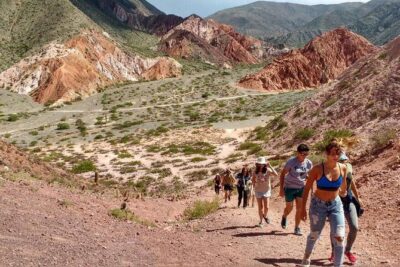
Full-Day Tour Salinas Grandes and Purmamarca from Salta
Read our review →
Salinas Grandes and Purmamarca: Full Day Excursion from Salta Capital
Read our review →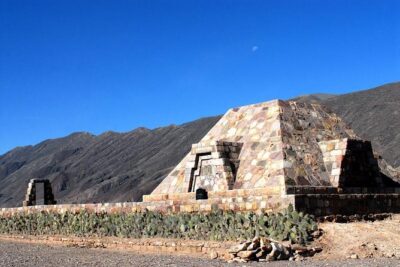
Full-Day Tour to Humahuaca, Purmamarca and Tilcara
Read our review →
Browse the lists this tour appears in