
Reviewed · NATIONAL PARKS
Half-Day Tierra del Fuego National Park
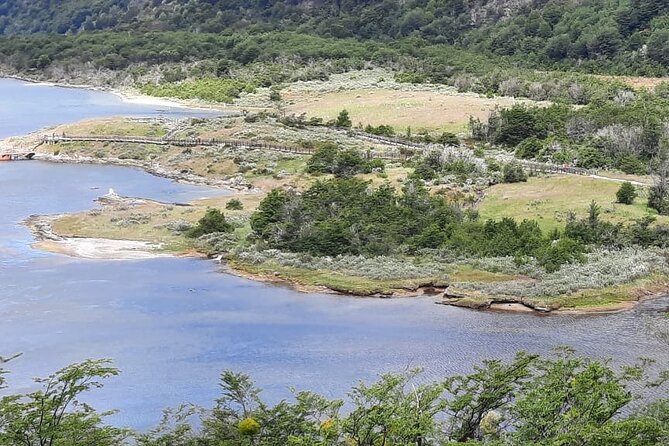
Reach the end of the road. This five-hour excursion takes you from Ushuaia into Tierra del Fuego National Park, with stops at Lake Acigami and Bahia Lapataia, the southern end of Argentina’s famous Ruta 3. I like the comfortable small-group minibus and the guides, who have earned strong praise for clear English and Spanish explanations. The main catch is cost: the $75 tour price does not include the $25 park admission, and the optional End of the World Train adds about $50.
I also like how much scenery fits into half a day. You get mountains, water, forest, short walks, and the emotional pull of reaching the southern end of the Pan-American route, which begins in Alaska and runs more than 15,000 kilometers to this point. But you should read the schedule carefully. The train is optional, and if you skip it, the waiting time may be long.
In This Review
- Five useful things to know before you go
- What the half-day format really gives you
- The ride into Tierra del Fuego National Park
- Lake Acigami, the quiet water stop
- Bahia Lapataia and the end of Ruta 3
- The End of the World Train: worth the extra $50?
- Short walks, big scenery, and the level of effort
- Is $75 a fair price?
- The warm surprise and other small promises
- Who should choose this excursion?
- My booking advice
- FAQ
- How long does the Tierra del Fuego National Park tour last?
- Is park admission included in the $75 price?
- Is the End of the World Train included?
- What happens if I do not take the train?
- Does the tour pick up cruise passengers?
- How many people can join the tour?
Five useful things to know before you go
- The Pan-American Highway ends at Bahia Lapataia: This is the photo stop that gives the tour its big emotional moment.
- The $75 price is not the final cost: Add roughly $25 for mandatory park admission, plus about $50 if you choose the train.
- The minibus keeps the group small: The maximum is 20 people, and smaller groups may move faster than full-size coaches.
- Guides are a major strength: Josephina, Juan, Regina, Luciano, Aluh, and Andre have all been praised for friendly, well-organized guiding and bilingual explanations.
- The End of the World Train needs careful planning: It is optional, can be worthwhile for the views, and may create a long wait for anyone who does not ride.
- The experience is gentle rather than strenuous: Expect short walks and scenic stops, not a demanding hike.
What the half-day format really gives you
This is a compact introduction to the national park, not a full day in the woods. Most of the time is spent inside Tierra del Fuego National Park, with roughly 20-minute stops at Lake Acigami and Bahia Lapataia listed separately within the wider park visit.
That makes the tour a useful choice if you have limited time in Ushuaia. You can see the park, hear local context from a guide, and reach the southern end of Ruta 3 without arranging transport yourself. The tradeoff is that you will not have much freedom to linger at every viewpoint.
The excursion has an average rating of 4.6 out of 5, with 91 percent of customers recommending it. That high score fits the strongest parts of the experience: prompt pickup, comfortable vehicles, capable guides, and impressive scenery. The lower scores focus on price, unclear information about the train, waiting time, and a few mismatches between the advertised plan and the actual day.
A few more Ushuaia trips worth putting side by side
- Ushuaia: National Park & Train of the End of the World Tour
★ 4.5 · 811 reviews - National Park and Train Trip End of the World Guided Tour
★ 4.0 · 414 reviews - Tierra del Fuego National Park with the End of the World Train
★ 4.0 · 184 reviews
The ride into Tierra del Fuego National Park
Pickup and return transportation are included for ordinary hotel arrangements, but cruise passenger pickup is specifically excluded. If you are arriving by ship, you need to confirm your own transfer plan before booking.
The vehicle is usually a modern minibus rather than a large coach. That matters in Ushuaia, where a smaller group can get on and off more quickly and may reach viewpoints ahead of larger tour parties. Several customers praised the bus as comfortable, prompt, and safe.
The maximum group size is 20 people. That is not a private tour, but it is small enough for a guide to answer questions and keep an eye on the group. A smaller group also suits the park itself. You are there to hear the forest and water, not spend the morning in a crowd of buses.
Guiding is one of the best reasons to choose this excursion instead of simply taking a taxi. Josephina received especially warm praise for her friendly bilingual presentation. Juan was described as informative and dependable, while Regina was appreciated for switching quickly between Spanish and English and using maps and pictures to explain the region.
Other guides named in the feedback include Aluh, Luciano, and Andre. The exact guide will depend on your departure, but the pattern is clear: the human side of the tour is a strong point. You are not just being driven from photo stop to photo stop.
Lake Acigami, the quiet water stop
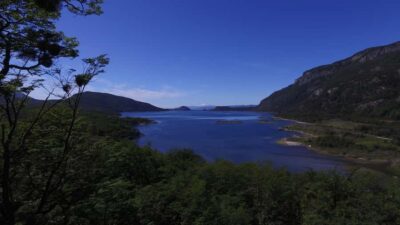
Lake Roca is also called Lake Acigami, its original name. The lake is shared by Argentina and Chile, so this short stop carries a little more geographical interest than a simple viewpoint.
You have about 20 minutes here. That is enough for photographs and a short look around, but not enough for a long walk or a slow picnic. The water, mountains, and forest provide the kind of broad Ushuaia scenery that makes this park worth visiting.
The timing here is one point to watch. A few people felt the early stops were longer than necessary compared with the visitor center later in the day. If you prefer explanations, facilities, and a place to pause with a hot drink, you may wish the schedule gave more time there and less time at brief roadside viewpoints.
Still, Lake Acigami helps establish the park’s character. The point is not a single grand monument. It is the combination of water, forest, mountain slopes, and the feeling that you are near the bottom of the continent.
Bahia Lapataia and the end of Ruta 3
Bahia Lapataia is the emotional high point of the excursion. Here, the Pan-American route reaches its southern terminus inside the national park. The road network begins in Alaska and continues for more than 15,000 kilometers before ending here, only about 1,000 kilometers from Antarctica.
You will have about 20 minutes at this final point. Bring your camera, but do not rush past the meaning of the place. The familiar sign, map, or marker is more than a photo prop. It links Ushuaia to a route that crosses much of the Americas and gives the town its powerful End of the World identity.
The stop is best for anyone who enjoys geographical milestones. If you have driven parts of the Pan-American route before, the moment may carry extra weight. One customer who had lived in Alaska and Panama found the southern terminus especially meaningful for that reason.
The practical limitation is time. Twenty minutes can feel short if several people need photographs, especially when weather changes quickly. Stay close to the guide and listen for the meeting time. A late departure here can affect everyone’s return to Ushuaia.
Still Argentina, but a completely different sort of afternoon:
- End of the World Train Ticket
★ 4.0 · 685 reviews - Beagle Channel Navigation with Minitrekking
★ 5.0 · 642 reviews - Ushuaia: Penguin Watching Tour by Catamaran
★ 4.5 · 439 reviews - Ushuaia: Catamaran Sailing to Penguin Island
★ 4.4 · 436 reviews
The End of the World Train: worth the extra $50?
The train is optional and costs about $50 per person. It is not part of the $75 base price, and the park admission is separate as well. If you take the train, your likely minimum cost becomes about $150 per person before any other spending.
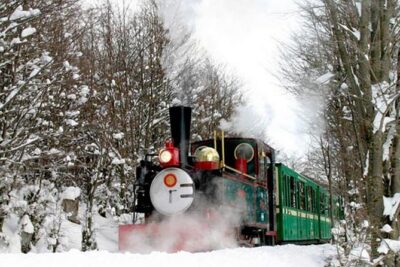
Some customers thought the train was worth it, especially in winter when snow added to the views. Others felt the fare was high for the length and type of ride. I would treat it as a personal choice, not a required part of the national park visit.
The train adds a historic tourist element and another way to see the area. It can make the day feel more distinctive, particularly if you enjoy rail travel or want the classic End of the World experience. The ride also gives you a different view of the mountains and bays than you get from the road.
The biggest issue is the waiting arrangement. If you skip the train, you may have around 1.5 hours to wait while other members of the group ride. That is a serious weakness for younger visitors or anyone who dislikes sitting around without a clear activity.
One customer did not realize the train was an option and had trouble finding an extra seat on the day. That points to a practical rule: decide before departure. Ask exactly when and where the train fits into the schedule, and ask what happens if you do not ride.
The tour description also mentions a possible visitor center stop, where you might find exhibits, bathrooms, hot drinks, and food. The amount of time there appears to vary. If the train is included in your version of the day, confirm how much free time remains for the visitor center.
Short walks, big scenery, and the level of effort
This tour is designed around easy outdoor sightseeing. The description specifically presents it as a series of beautiful places with short walks and no great physical effort. That makes it a sensible option for older visitors, mixed-age groups, and anyone who wants to see the park without committing to a strenuous hike.
You should still expect outdoor conditions. The supplied information does not promise a particular weather pattern or walking surface, so wear practical shoes and clothing suitable for changing conditions. At the stops, you will be getting out of the vehicle, walking a little, and returning on schedule.
The scenery is the main event. You can expect views of lakes, mountains, bays, forest, and the road through the park. The park does not need a packed program to be rewarding. The quiet stretches between stops are part of the experience.
The gentle pace is also why some younger, more active visitors may find the tour too restrained. If you want long walks, independent exploration, or a full day on trails, this is probably not the right format. You are buying access, transport, and interpretation more than exercise.
Is $75 a fair price?
At first glance, $75 for five hours seems reasonable for a guided national park visit. But the mandatory $25 admission brings the basic total to about $100 per person. Add the optional train and the cost reaches roughly $150.
That can feel expensive if you are comfortable renting a car or taking a taxi. A self-drive option may give you more control over how long you spend at each stop, though the supplied information does not provide rental or taxi prices, so you should compare current local costs before deciding.
The guided price makes more sense if you value convenience and explanation. You do not need to plan the route, navigate the park, or work out the significance of the Pan-American terminus on your own. A good guide can also help you make sense of the Argentine and Chilean geography around Lake Acigami.
The small-group vehicle adds value compared with a large coach. The guide can speak to the group more directly, and the minibus may make roadside stops quicker. If you are short on time, that efficiency may matter more than the lowest possible transport cost.
I would book it for a first visit or a tight schedule. I would compare alternatives if you are staying several days and want to set your own pace.
The warm surprise and other small promises
A warm detail at the end of the tour is included in the description. Some people enjoyed a special treat from the guide at the final lake stop. Others said the promised surprise did not appear, or wondered if it referred to a recommendation made at the end.
This is not the reason to book the excursion, but it is worth keeping expectations modest. Treat it as a pleasant extra if it happens, not as part of the tour’s core value.
The more important extras are the guide’s explanations, the comfortable bus, and the chance to see the park without logistical fuss. Those are the parts that consistently shape the day.
Who should choose this excursion?
I would recommend it to you if:
- You have only half a day available in Ushuaia.
- You want a guided introduction to Tierra del Fuego National Park.
- You value bilingual explanations in English and Spanish.
- You prefer a minibus and a group of no more than 20 people.
- You want to reach Bahia Lapataia and photograph the end of Ruta 3.
- You prefer short walks rather than demanding hikes.
- You want hotel pickup and return rather than arranging transport yourself.
I would hesitate if:
- You want a full day of hiking.
- You dislike fixed schedules.
- You plan to skip the train but do not want a long wait.
- You are very price-sensitive.
- You are arriving from a cruise and need included port pickup.
- You want to spend lots of time at the visitor center or one favorite viewpoint.
Cancellation is free if you cancel at least 24 hours before the local start time. Cancellations or changes made within 24 hours are not refunded.
My booking advice
I would book this half-day park tour if your time in Ushuaia is limited and you want the main sights with a capable guide. The strongest combination is the small minibus, the bilingual commentary, and the sense of reaching a real geographical endpoint at Bahia Lapataia.
Before paying, I would ask two questions: Is the train operating on your date, and what will you do during the train wait if you skip it? I would also budget $25 for park entry from the start and confirm pickup if you are a cruise passenger.
The tour is not a bargain outing, and it is not designed for energetic hiking. But for an easy, well-organized introduction to Tierra del Fuego National Park, it offers a practical way to see the End of the World without losing a full day.
FAQ
How long does the Tierra del Fuego National Park tour last?
The advertised duration is approximately five hours. Some departures may run longer, so allow extra time before scheduling another activity.
Is park admission included in the $75 price?
No. Mandatory admission to Tierra del Fuego National Park costs approximately $25 per person and is paid separately.
Is the End of the World Train included?
No. The train is optional and costs approximately $50 per person. You should confirm the schedule and availability before the tour.
What happens if I do not take the train?
You may need to wait while other people take the train. One reported wait was about 1.5 hours, so ask the operator how your specific departure handles non-riders.
Does the tour pick up cruise passengers?
Cruise passenger pickup is not included. You need to arrange or confirm a separate meeting point.
How many people can join the tour?
The maximum group size is 20 people. Transportation is generally by minibus rather than a full-size touring coach.
Recently added around Ushuaia
- Private Experience “Tierra del Fuego” National Park★ 4.7 · 3 reviews
- Tierra del Fuego Park & Train Tour for Cruisers (no tickets)★ 4.2 · 35 reviews
- Tierra del Fuego National Park★ 4.5 · 4 reviews
- Ushuaia 4WD Off-Road Adventure: Hidden Lakes & Argentine BBQ★ 4.5 · 6 reviews
- From Ushuaia: Discover Tierra del Fuego National Park★ 4.1 · 34 reviews
- Vinciguerra Ice Experience★ 5.0 · 5 reviews
- Full Day Trip to Tierra del Fuego National Park★ 4.2 · 3 reviews
- From Ushuaia: Private Fagnano Lake 4WD Tour★ 5.0 · 4 reviews
National Parks, compared.
National Park & Train of the End of the World Tour
Read our review →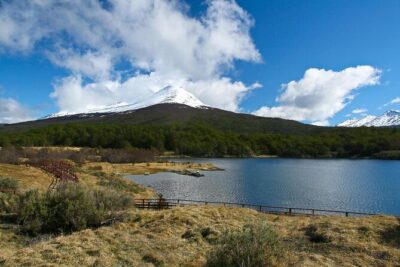
National Park and Train Trip End of the World Guided Tour
Read our review →
Tierra del Fuego National Park with the End of the World Train
Read our review →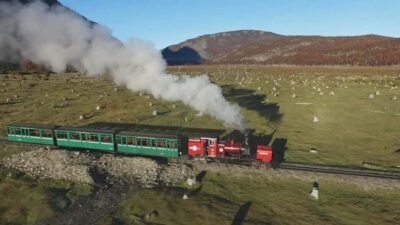
National Park, Train, and Beagle Channel Navigation
Read our review →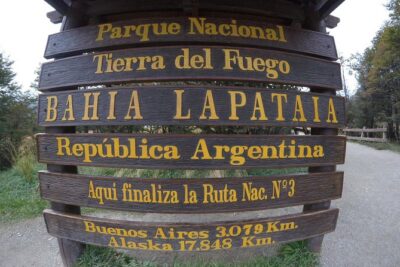
Shore Excursion – National Park Tierra del Fuego
Read our review →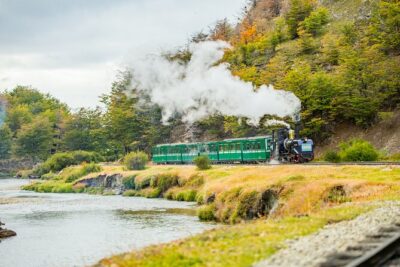
Tierra Del Fuego National Park and Fin del Mundo Train (INCLUDED)
Read our review →
Tierra del Fuego National Park, Ushuaia City Tour Shore Excursion
Read our review →Browse the lists this tour appears in