
Reviewed · CORDOBA TOURS
Full Day Jesuit Legacy Tour from Cordoba
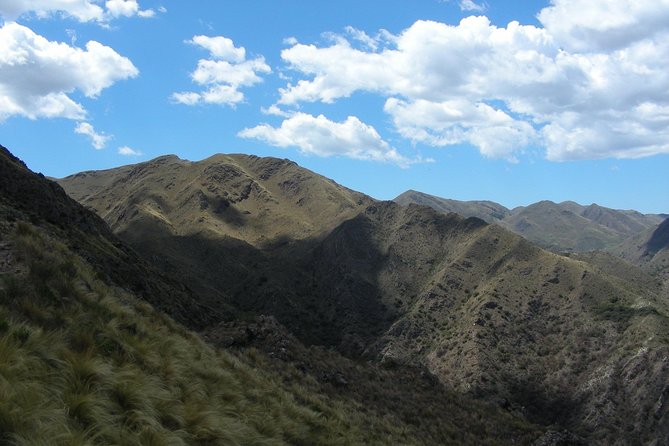
Step into Córdoba’s working past. This full-day trip takes you beyond the city to Jesuit estancias, rural museums, a baroque church, historic roads, and the towns of Sierras Chicas. I like the way the route links religious history with agriculture, wine making, military production, folk festivals, and local politics.
I also like the practical setup: hotel pickup, an air-conditioned vehicle, and a professional guide handling a long day of driving. Guides Angus and driver Armando were praised for their care and attention to small details. The main drawback is the length. At about 10 hours, this is a serious history day, not a relaxed countryside outing, and food and drinks are not included.
In This Review
- Key Points Before You Book
- Why Córdoba’s Jesuit Route Matters
- A 9:00 am Start From Your Córdoba Hotel
- Colonia Caroya and the First Rural Settlement
- Jesús María: Art, Agriculture, and Argentine Rodeo Culture
- Sinsacate and Barranca Yaco, A Shift Into National Politics
- Estancia Santa Catalina and Its Baroque Church
- The Sierras Chicas Drive Through Seven Towns
- Guides, Vehicle, and Group Size
- Is $86.43 a Fair Price?
- Who Should Book This Córdoba Day Trip?
- Practical Tips for a Better Day
- Final Verdict
- FAQ
- Where does the tour start?
- Is hotel pickup included?
- How long does the tour last?
- What places does the tour visit?
- Is food included?
- Is the tour offered in English?
- What is the cancellation policy?
Key Points Before You Book
- Colonia Caroya dates to 1616, making it the first rural establishment founded by the Society of Jesus in this area.
- Jesús María combines museum time with Argentine folklore, including the fields used for the January Doma y Folklore festival.
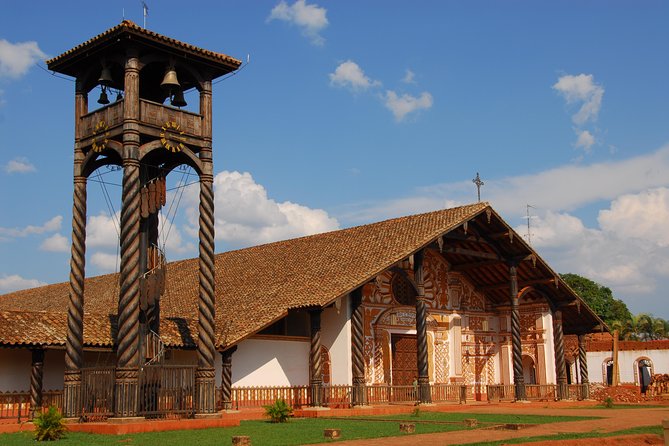
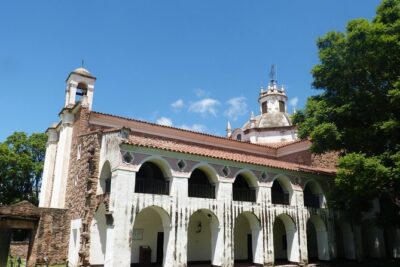
- Estancia Santa Catalina is the visual high point, with its striking baroque church.
- Barranca Yaco connects the tour to national politics, marking the place where leader Facundo Quiroga was killed.
- The Sierras Chicas drive adds variety, passing through Ascochinga, La Granja, Villa Animi, Agua de Oro, Salsipuedes, and Río Ceballos.
- The tour suits history-minded visitors best, especially those who want transport and interpretation rather than independent driving.
Why Córdoba’s Jesuit Route Matters
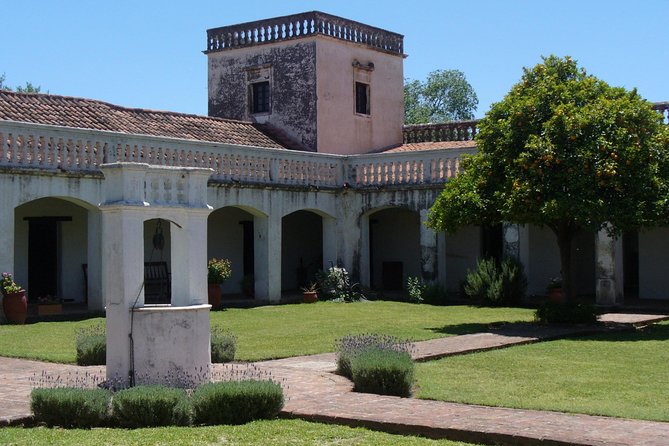
Córdoba is one of Argentina’s best places to see how the Jesuits shaped life outside the city. Their work was not limited to churches and religious teaching. The rural estancias functioned as farms, residences, production centers, and support sites for educational institutions.
That wider story is what makes this outing worthwhile. You are not simply moving from one old church to another. You are seeing how the Society of Jesus operated across the countryside, how its properties supported students and communities, and how later Argentine events became tied to the same roads and settlements.
The day also gives you a useful contrast with Córdoba’s urban sights. In town, you can focus on grand religious buildings and colonial streets. Here, you see the working side of the system: fields, wineries, workshops, rural buildings, and long roads through the Sierras Chicas.
This is best understood as a guided regional circuit. The guide’s commentary matters because many of the sites are easier to appreciate when you know what role they played. If you prefer to explore every museum at your own pace, the shared format may feel brisk. If you want the story explained while someone else deals with the route, it is a good use of a day.
A few more Cordoba trips worth putting side by side
- Wine Tour Privado a Colonia Caroya, Córdoba – Argentina
★ 5.0 · 103 reviews - La Cumbrecita and Villa General Belgrano Full Day Tour
★ 4.5 · 55 reviews - Wine Tour Privado a Calamuchita, Córdoba – Argentina
★ 5.0 · 50 reviews
A 9:00 am Start From Your Córdoba Hotel
Pickup begins at about 9:00 am from selected centrally located hotels in Córdoba. You need to provide your hotel name and address when booking. If your accommodation sits outside the pickup area, the operator confirms the closest meeting point.
That detail is worth checking early. A hotel pickup sounds simple, but the service is not available at every address. Confirming the meeting point before the morning of departure will save you from starting a 10-hour excursion with a rushed taxi ride.
You travel in a shared, air-conditioned vehicle with a maximum group size of 20. That is large enough for a social group outing but still small enough for a guide to answer questions. The vehicle also removes the need to navigate unfamiliar country roads or coordinate several remote stops yourself.
The tour is offered in English, though the guide may be multilingual. The supplied information does not promise a private guide or a vehicle reserved for your party. You should expect a group experience and a mix of commentary, driving, museum visits, and stops at historic sites.
Colonia Caroya and the First Rural Settlement
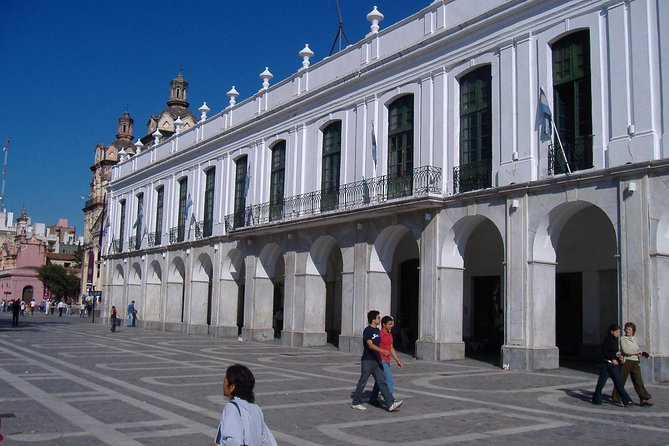
The first major stop is Colonia Caroya, about an hour after leaving Córdoba along Route 9N. The site began in 1616 as the first rural establishment founded by the Society of Jesus in this region.
You spend about an hour visiting the museum and examining the old buildings and displays. The material covers the Jesuit presence, the operation of what was known as the First White Weapons Factory, and the Italian influence that later shaped the site.
That mix gives Colonia Caroya a broader appeal than a purely religious monument. You get a look at production and settlement, not only worship. The reference to white weapons points to the practical, industrial side of the property, while the Italian connection adds another layer to the place’s later identity.
The museum visit is included, so you do not need to budget an extra admission fee at this stop. Still, the one-hour schedule means you should expect an introduction rather than a slow, detailed museum study. I would pay close attention to the guide here, since the site’s importance comes from how its different uses fit together.
Jesús María: Art, Agriculture, and Argentine Rodeo Culture
The route continues to Jesús María, a place closely linked with the Doma y Folklore festival held each January. You pass the broad fields associated with the event before visiting the Jesuit Estancia Jesús María, founded in 1618.
The stop lasts about two hours, with roughly an hour and a half devoted to the museum. This is the longest museum visit of the day, and it gives the tour its strongest art and archaeology component.
The collection includes sacred Cusquenian art, archaeology, ceramics, and other objects connected with the estancia. That range helps explain how religious institutions operated within a larger cultural world. You are not looking only at architecture. You are also seeing the objects, artistic traditions, and material evidence tied to the site.
The connection to the Doma y Folklore festival adds a distinctly Argentine note. The countryside around Jesús María is not presented as a frozen colonial scene. It remains associated with public celebrations and rural traditions, giving you a bridge between the Jesuit period and modern Argentine culture.
There is a practical issue here: the tour does not include food or drinks. Jesús María arrives around the middle of a long day, but the supplied schedule does not list a dedicated lunch stop. Bring whatever you need for the day, and confirm with the guide how meal timing will work. Do not assume that a restaurant stop is part of the price.
Still Argentina, but a completely different sort of afternoon:
- PRIVATE TOUR: La Cumbrecita & Villa Gral. Belgrano
★ 5.0 · 33 reviews - Cordoba for the curious
★ 5.0 · 25 reviews - La Docta Free Walking Tour “Córdoba La Moderna”.
★ 4.7 · 25 reviews - PRIVATE TOUR: World Heritage Jesuit Museums
★ 5.0 · 23 reviews
Sinsacate and Barranca Yaco, A Shift Into National Politics
After Jesús María, the tour moves toward Posta Sinsacate and Barranca Yaco. These sites change the subject from Jesuit institutions to the political history of Argentina.
Barranca Yaco is remembered as the place where Facundo Quiroga, a major Argentine leader, was killed. Posta Sinsacate adds the setting of an old roadside post, linking the route to the movement of people and messages across the region.
This portion is important because it shows that the day is not limited to church history. The same rural corridor later carried political and military significance. A good guide can help you connect the old estates, roads, and stopping places to the wider story of Argentina.
You should not expect a large standalone attraction at every point on the route. Some stops are valued for their setting and historical meaning rather than for a long museum visit. If you enjoy places where a guide’s explanation brings the site into focus, this is a strong part of the day. If you need a major monument at every stop, the schedule may feel uneven.
Estancia Santa Catalina and Its Baroque Church
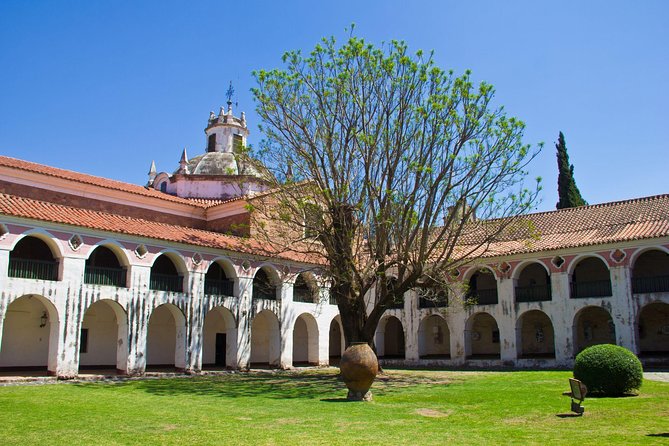
The final major heritage stop is Estancia Santa Catalina, known for its baroque church. The visit takes about two hours as part of the wider section that includes Sinsacate and Barranca Yaco.
The church is the architectural highlight of the circuit. Its baroque design gives you a more dramatic visual experience after the museum-heavy stops at Colonia Caroya and Jesús María. The setting also helps you understand the scale of the Jesuit rural properties and the effort invested in building religious centers far from Córdoba’s urban core.
This is the point where the tour’s varied pieces come together. You have seen a former student residence, a productive rural establishment, a museum with sacred art, a historic roadside post, and now a church with a strong architectural presence.
The exact pace can depend on the group and the day’s road conditions. Two hours is enough for a meaningful visit, but the entire schedule remains tightly packed. I would avoid booking another fixed activity in Córdoba that evening.
The Sierras Chicas Drive Through Seven Towns
On the return route, the vehicle passes through the Sierras Chicas and a string of towns: Ascochinga, La Granja, Villa Animi, Agua de Oro, Salsipuedes, and Río Ceballos.
This section is not presented as a series of formal walking tours. It is a scenic and cultural drive, giving you views of the region and a look at smaller communities outside Córdoba. The route adds breathing room after several historical visits, though you will still spend much of the day seated in the vehicle.
The town names also show the range of the outing. You are not simply driving out to one estate and coming straight back. The tour makes a broad circuit through the hills before returning to the city.
I would treat this part as a bonus rather than the main reason to book. The strongest content is at Colonia Caroya, Jesús María, Barranca Yaco, Sinsacate, and Santa Catalina. The Sierras Chicas route makes the day more varied, but the information provided does not promise extended stops in each town.
Guides, Vehicle, and Group Size
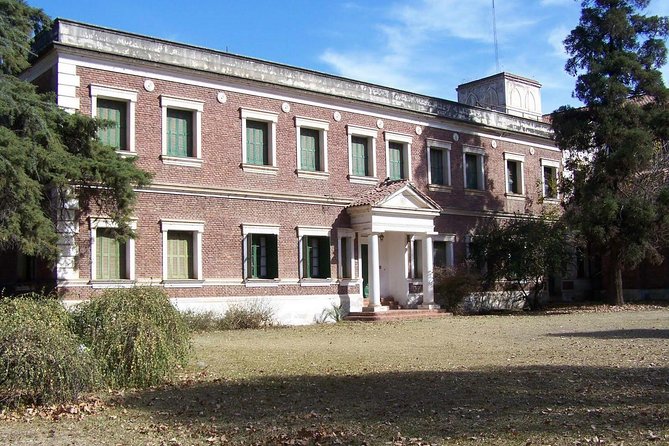
A professional guide accompanies the tour, and the vehicle is air-conditioned. Round-trip shared transport and hotel drop-off are included, which is a real advantage on a route covering several distant sites.
The praise for Angus and Armando is specific: they were described as attentive professionals who took care with small details. That is especially useful on a long day with multiple transfers. A careful driver and an organized guide can make the difference between a pleasant circuit and a tiring one.
The group can reach 20 people. That limit keeps the experience from becoming a giant coach excursion, but it does not guarantee a quiet or private day. You should be comfortable asking questions in a group and moving according to a shared schedule.
The tour requires at least two people per booking. Most people can participate, but the information provided does not give detailed accessibility specifications for the vehicle, museums, paths, or church grounds. If mobility is a concern, ask the operator before booking.
Is $86.43 a Fair Price?
At $86.43 per person, the price includes roughly 10 hours of touring, a professional guide, hotel pickup and drop-off, round-trip transport, and an air-conditioned vehicle. Museum admission is listed as included at the main stops.
I consider that fair value if you want to see several sites in one day without renting a car or arranging separate transfers. The distance between the attractions is the main reason to choose an organized tour. Independent travel could give you more time at each place, but it would require planning the route and transport between scattered locations.
The price does not cover food or drinks. That omission matters because the day begins in the morning and ends after a long return drive. Pack snacks and water unless the guide confirms a meal stop. You should also budget time and energy carefully. The tour is good value in transport and access, but it is not designed as a leisurely food-and-wine day.
The experience is often booked well ahead, with an average booking lead time of about 33 days. That is useful planning information, particularly if your Córdoba dates are fixed. It does not guarantee that every departure will sell out, but booking early is sensible if you want this specific day trip.
Who Should Book This Córdoba Day Trip?
I would recommend it to you if you enjoy museums, colonial architecture, religious history, Argentine politics, and rural culture in one package. It works particularly well for a first visit to Córdoba when you want to understand the province beyond the city center.
It is also a good choice if you do not want to drive. The route covers several places that would be awkward to connect by public transport in one day, and the hotel transfer simplifies the logistics.
You may want a different plan if your main goal is wine tasting, a relaxed countryside lunch, or long walks in the Sierras Chicas. The tour visits a site associated with wine making at San Isidro Labrador, but the supplied schedule does not promise a tasting. It also includes no food or drinks.
The historical focus is broad rather than narrowly devotional. You will hear about the Jesuits, but also about production, Italian influence, sacred art, folklore, roadside travel, political violence, and regional towns. That range makes the outing more interesting, though visitors seeking only church interiors may find some of the stops less compelling.
Practical Tips for a Better Day
Wear comfortable shoes and prepare for a mix of museum visits, outdoor site visits, and vehicle time. The route includes historic properties and a church, but the exact walking conditions are not specified.
Bring water and food for the vehicle. Food and drinks are not included, and no fixed meal stop is listed.
Ask questions during the drive. Much of the value comes from understanding how the sites connect, and the tour information specifically encourages questions for the guide.
Keep your evening free. With a 9:00 am start and an approximate duration of 10 hours, the return to Córdoba is likely to come late in the day.
The tour offers free cancellation up to 24 hours before the start time. Changes or cancellations inside that window are not accepted for a refund. Poor weather can lead to a different date or a full refund, since the experience requires good weather.
Final Verdict
Book this tour if you want the Jesuit story told across the countryside rather than confined to Córdoba’s churches. The combination of Colonia Caroya, Jesús María, Barranca Yaco, Sinsacate, Santa Catalina, and the Sierras Chicas gives you a full picture of how religion, work, art, politics, and rural life met in this part of Argentina.
Skip it if you want a slow day, a guaranteed lunch, or an in-depth visit to just one estate. For history-focused visitors who value convenient transport and live commentary, $86.43 is a reasonable price for a long and varied excursion.
FAQ
Where does the tour start?
The tour starts in Córdoba, Córdoba Province, Argentina, with pickup beginning at about 9:00 am.
Is hotel pickup included?
Yes. Pickup and drop-off are included from selected centrally located Córdoba hotels. If your hotel is outside the pickup area, the operator confirms the closest meeting point.
How long does the tour last?
The tour lasts approximately 10 hours, including the visits, scenic driving, and return to Córdoba.
What places does the tour visit?
The route includes Colonia Caroya, Jesús María, San Isidro Labrador, Posta Sinsacate, Barranca Yaco, Estancia Santa Catalina, and towns in the Sierras Chicas.
Is food included?
No. Food and drinks are not included in the tour price.
Is the tour offered in English?
Yes. The experience is offered in English, although the guide may be multilingual.
What is the cancellation policy?
You can cancel up to 24 hours before the start time for a full refund. Cancellations or changes made less than 24 hours before the start time are not refunded or accepted. If poor weather causes cancellation, you can receive a different date or a full refund.
Recently added around Cordoba
- Wine Tour to Colonia Caroya, Cordoba – Half Day★ 5.0 · 8 reviews
- PRIVATE TOUR: Jesuit Museums and Winerys Fullday Tour★ 5.0 · 4 reviews
- Exploring Villa Carlos Paz: Guided Sightseeing Tour★ 4.5 · 8 reviews
- La Cumbrecita & Villa General Belgrano – Full day tour★ 3.0 · 2 reviews
- Traslasierra Valley Escapade: A Day Trip from Cordoba★ 3.0 · 9 reviews
- Córdoba: Villa Carlos Paz Tour★ 4.5 · 8 reviews
- Private Transfer from Cordoba Airport (COR)★ 3.0 · 2 reviews
- Summit and Villa General Belgrano Tour from Cordoba Capital★ 5.0 · 11 reviews
Cordoba Tours, compared.
Wine Tour Privado a Colonia Caroya, Córdoba – Argentina
Read our review →
La Cumbrecita and Villa General Belgrano Full Day Tour
Read our review →
Wine Tour Privado a Calamuchita, Córdoba – Argentina
Read our review →
PRIVATE TOUR: La Cumbrecita & Villa Gral. Belgrano
Read our review →
Browse the lists this tour appears in