
Reviewed · WINE TOURS
From Salta: Local Landscape, Winery, and Culture Tour
Salta opens into a world of color. This four-day tour links Cafayate’s wine country with the red cliffs of Quebrada de las Conchas, colonial towns, high Andean roads, and the blinding salt flats of Salinas Grandes. I like the range here: you get scenery, food, wine, and culture instead of four versions of the same mountain view. I also like that a bilingual guide and hotel pickup take care of the long drives. The main drawback is clear: expect rough roads, long hours in a minivan, and little appeal if your back does not handle bumpy travel well.
The $130 price is reasonable for four full day trips, transportation, a certified guide, and winery admission. Lunch is extra, and the days can feel demanding, but this is a practical way to reach places that are spread widely across Salta and Jujuy provinces. One small tip: keep the order flexible, since the agency may rearrange the excursions around available dates.
In This Review
- Key details before you book
- Why this four-day Salta tour works
- Cafayate and the red walls of Quebrada de las Conchas
- Cuesta del Obispo, cardon cacti, and Cachi
- Purmamarca and the Hill of 7 Colors
- Quebrada de Humahuaca and Salinas Grandes
- Food, wine, and local culture
- Transport, pace, and physical comfort
- Is $130 good value?
- Who should book this experience?
- Should you book it?
- FAQ
- How long does the tour last?
- What places does the tour visit?
- Is lunch included?
- Is hotel pickup provided?
- What languages are available?
- Are there rough roads?
Key details before you book
- Four different day trips from Salta: Each outing returns to Salta, covering Cafayate, Cachi, Purmamarca, Tilcara, Quebrada de Humahuaca, and Salinas Grandes.
- Torrontés tasting in Cafayate: The winery visit introduces Argentina’s distinctive white wine, a local specialty with roots in the country.
- The Cuesta del Obispo and Cardones National Park: Expect a winding mountain road, big views, and tall cardon grande cacti.
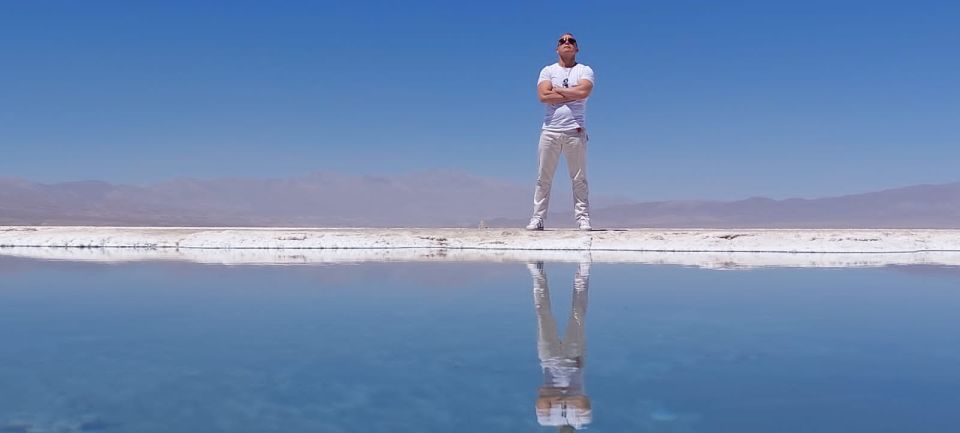
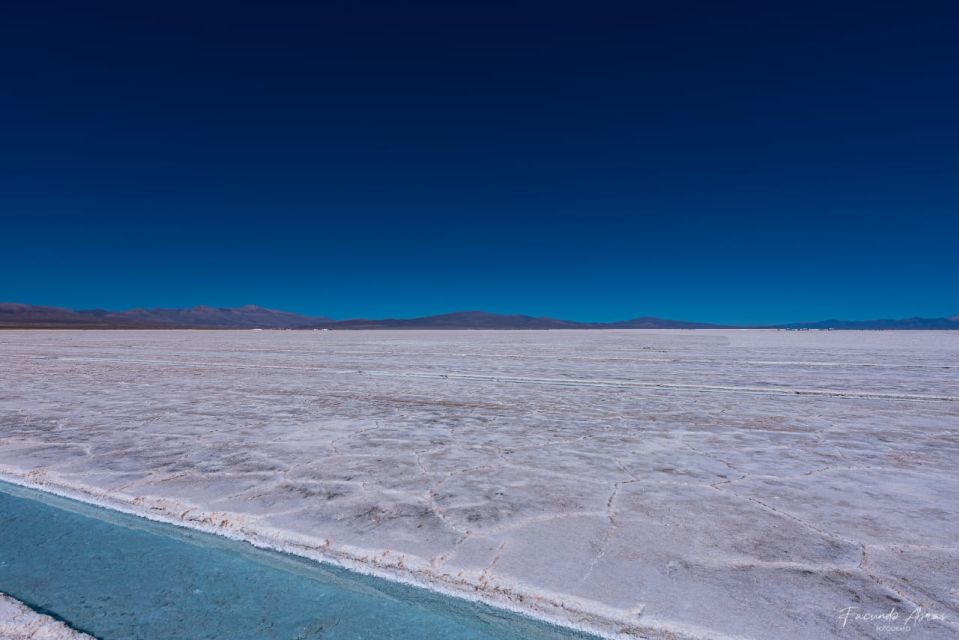
- Salinas Grandes by way of Cuesta del Lipan: The salt flats provide one of the tour’s most unusual settings, with broad white plains and salt pools.
- Indigenous and colonial culture: Churches, museums, craft stalls, Inca ruins, and the old trade route through Quebrada de Humahuaca give the scenery a human story.
- Rough-road warning: About two hours may be spent on poor dirt roads, followed by about two hours on the highway during the return.
Why this four-day Salta tour works
Salta is a good base for exploring northern Argentina, but the province is spread out. A day trip to one region does not easily connect with another, and public transport will not take you neatly from a winery to a cactus park to a salt flat. This tour solves that problem with four organized outings, each built around a different part of the northwest.
You begin with hotel pickup in central Salta. The van is air-conditioned, and the guide speaks English and Spanish. Pickup may take place within 40 minutes after your selected start time, so you should be ready at your hotel rather than waiting until the exact departure minute.
The best feature is the variety. One day brings red rock and wine. Another moves through high mountain roads and cactus country. The third combines colorful hills, old churches, and Tilcara’s archaeological site. The fourth reaches the salt flats and the Quebrada de Humahuaca.
The tradeoff is time on the road. These are not gentle city excursions with short transfers between stops. You will spend hours in the van, sometimes on rough dirt roads. If you prefer slow meals, long walks, or independent pacing, four separate private day trips may suit you better. If you want the major sights without arranging several complicated routes, the format is useful.
More Wine Tours in Salta
- From Salta: Full-Day Tour to Cafayate with Wine Tasting
★ 4.5 · 478 reviews - Full-Day Tour Cafayate Calchaqui Valleys with Wine
★ 4.5 · 347 reviews - From Salta: Cafayate, land of wines and imposing ravines
★ 4.4 · 347 reviews
Cafayate and the red walls of Quebrada de las Conchas
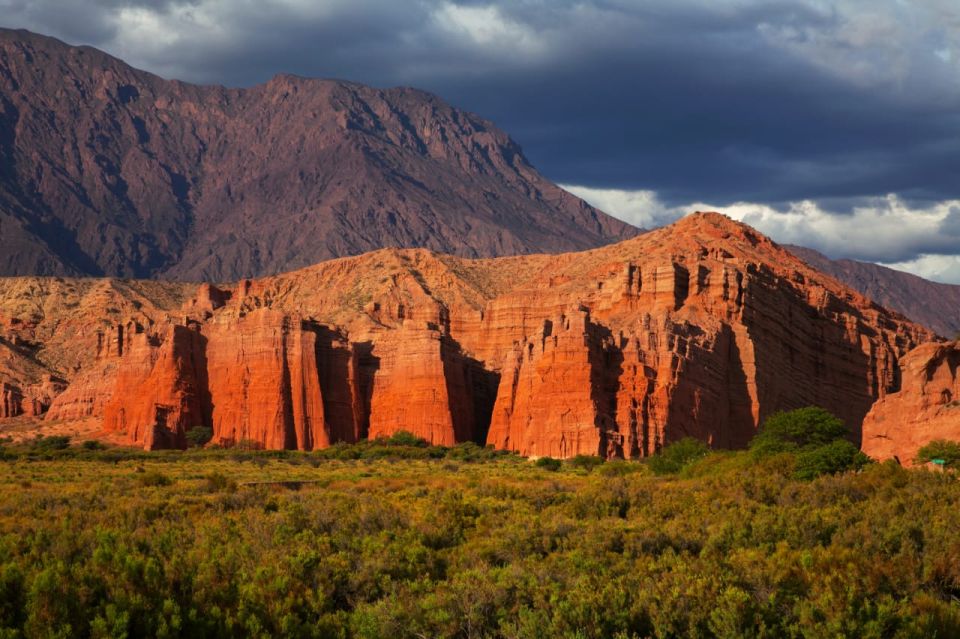
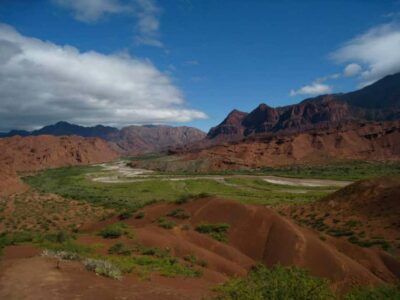
The first route heads south from Salta through the Lerma Valley. Farms and tobacco plantations give way to the small town of Alemania, where the scenery begins to change. The road enters Quebrada de las Conchas, a dramatic corridor of red mountains and weather-shaped rock.
The stops include formations known as the Devil’s Throat and the Parrots’ House. These names are more than road signs. They help you read the rock, since the shapes and colors make sense when you see them from close range. The route is especially worthwhile if you enjoy geology and photography, but the views also work for anyone who likes a good change of scenery every few minutes.
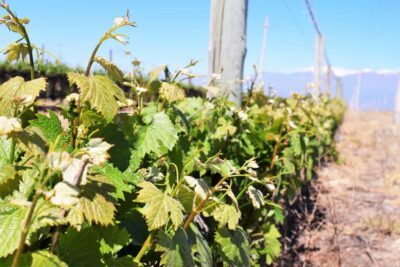
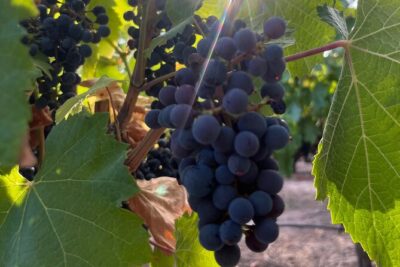
When you reach Cafayate, the focus shifts from stone to wine. The winery visit is included, and you learn about the local wine industry before tasting several wines. The key pour is Torrontés, an Argentine variety that originated in the country. Its presence gives the tasting a local point instead of turning the stop into a generic winery visit.
The tasting is not the only reason to like this day. It shows how the region’s dry conditions support a distinct food and drink culture. You also get a useful contrast between the red cliffs on the way in and the scenery on the return to Salta, which is described as completely different.
Lunch is not included, so budget separately for a meal. The supplied information does not specify how long the winery visit lasts or how many wines you will taste, so you should think of it as an introduction to Cafayate’s wine culture rather than a long specialist tasting.
Cuesta del Obispo, cardon cacti, and Cachi
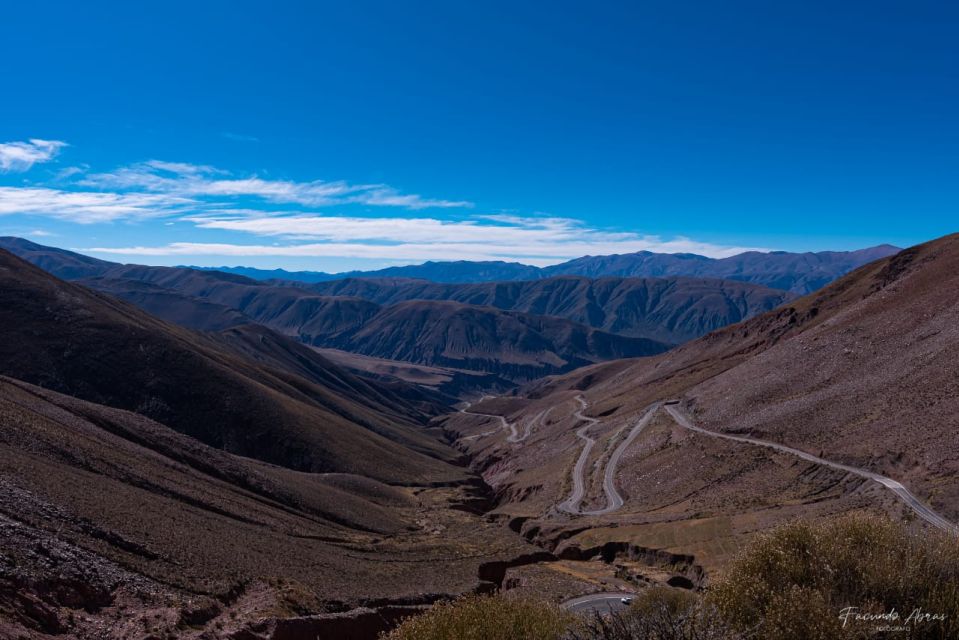
The second day takes Provincial Route 33 toward the Escoipe River gorge and Los Laureles. The road then climbs the Cuesta del Obispo, a famous winding route with rock formations and wide mountain views.
This is one of the tour’s most demanding days for anyone who dislikes curving roads. The route is scenic precisely because it crosses rugged terrain, but the same road can make some people uncomfortable. Bring water, wear comfortable clothes, and avoid booking this experience if you have back problems. The tour information specifically warns about roughly two hours on low-quality dirt roads.
The road continues into Cardones National Park. The park takes its name from the cardon grande, a large cactus found in abundance across the area. The cacti give the high plain a strong visual character, and they are a useful reminder that the Andes are not only snowy peaks. Here, the plants are shaped by dry mountain conditions and spread across open, rocky ground.
Cachi provides the day’s town stop. You have free time to eat lunch, walk the colonial streets, visit the church on the Central Plaza, or choose a museum about local history. Shops offer a chance to buy a small souvenir, though you should not expect a long guided walk through every corner of town. The value of Cachi is the pause: after the mountain road, you can walk at your own pace and see how the old town is arranged.
I would save some energy for this section. The combination of winding roads and a high-altitude setting can make the day feel longer than the distance suggests. On the other hand, this is a strong choice if you want a quieter town and a closer look at the region’s older architecture.
Purmamarca and the Hill of 7 Colors
The third outing introduces Purmamarca, one of the most visually striking towns on the route. The Hill of 7 Colors rises behind the town, and the colors change with the rock layers and the light. You can see it from the town and again from the road as the journey continues.
Purmamarca’s main square is a practical stop for browsing local crafts. The town also has a church with an important place in local history. Lunch is not included, so this is a good place to choose a traditional restaurant and build in time for a walk.
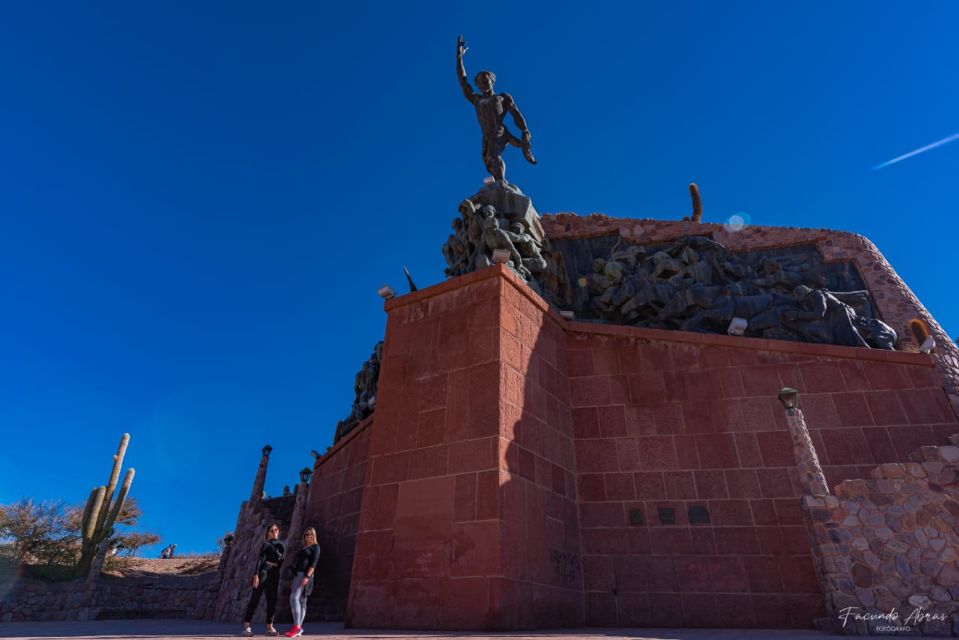
The day is not just about one famous hill. You also pass the Paleta del Pintor Hill, a name that fits the painted appearance of the rock. The Monumento de la Independencia adds a national-history stop, while a chapel described as 700 years old offers a more intimate religious site. Its altar is covered in gold, and it contains paintings from the Cusco School, a major artistic tradition in colonial South America.
A small monument marking the Tropic of Capricorn adds another quick stop. It is the sort of place that works best as part of a broad day, not as a destination by itself. You will see several cultural and geographic markers without needing to arrange separate transport.
Tilcara brings another change of pace. You can walk to the main square and church before visiting the Inca ruins of Pucara de Tilcara. The museum explains who first lived at the site, giving the ruins context that bare stone walls cannot provide.
This day has a lot packed into it. That is useful if you want an overview, but it also means the stops may feel brief. Keep your expectations practical: you are getting a guided introduction to several places, not a full archaeological study of Tilcara or an unhurried afternoon in Purmamarca.
More wineries you can taste at near Salta:
- From Salta: Cafayate Day Trip with Wine Tasting
★ 4.4 · 226 reviews - Full-day Cafayate, Lerma Valley, and Wine Tasting from Salta
★ 4.5 · 116 reviews - From Salta: Full-Day Tour to Cafayate, Land of Wines
★ 4.5 · 74 reviews - Unveiling Cafayate: Premium Wine Road Adventure
★ 5.0 · 2 reviews
Quebrada de Humahuaca and Salinas Grandes
The fourth route heads toward Jujuy, passing Volcán and Tumbaya before entering Quebrada de Humahuaca. This UNESCO World Heritage Site once served as a major trade route thousands of years ago. That fact changes how you see the valley. The road is not only cutting through striking rock. It follows a corridor used by people and goods long before modern tourism.
The itinerary returns to Purmamarca, so you may have another chance to explore the main square, shop at craft stands, and visit the Hill of 7 Colors. If the previous day’s stop felt rushed, this repeat visit can be welcome. If you already bought souvenirs, you may prefer to use the time for food or another walk.
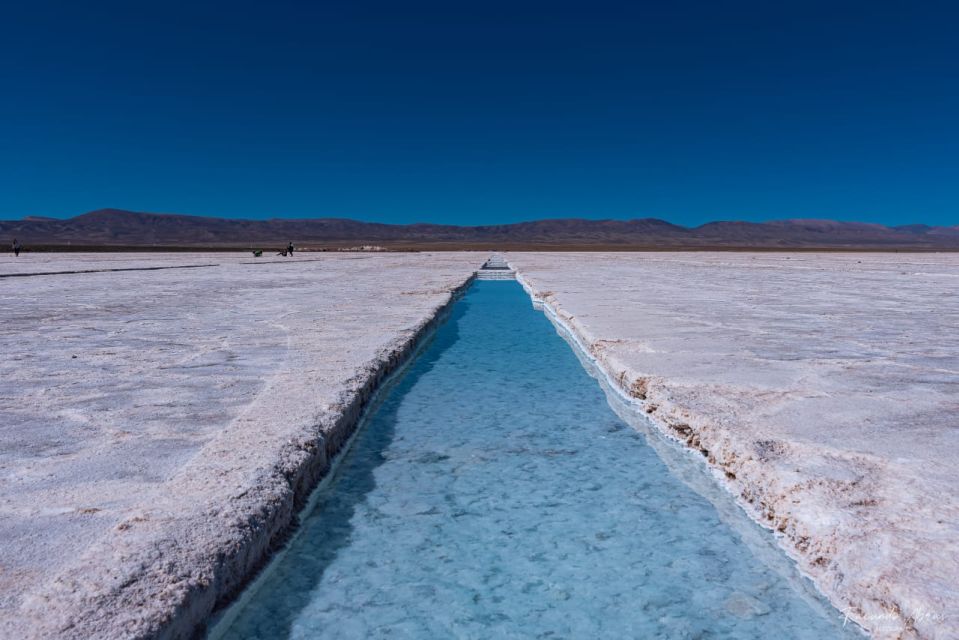
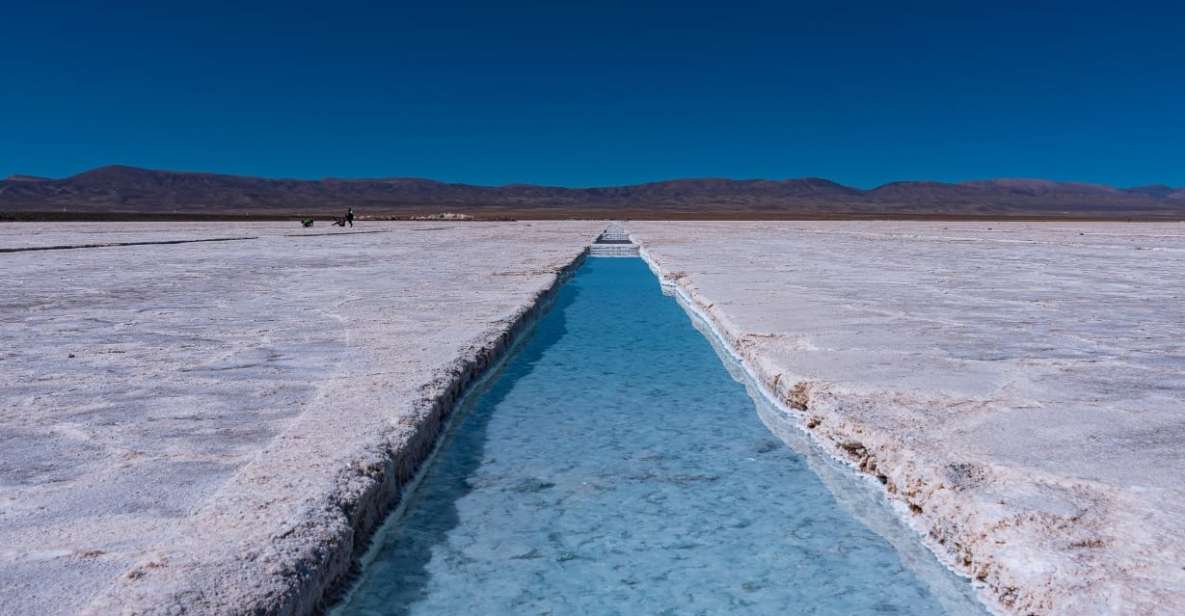
From Purmamarca, the road climbs the Cuesta del Lipan toward Salinas Grandes. The change is dramatic. The colorful hills give way to broad white salt plains, with pools and geometric textures across the surface. Salinas Grandes is considered one of the 7 Wonders of the Argentine Republic, and it earns its place through scale and strangeness rather than a single monument.
You get free time to look around the salt flats and take photographs. The bright surface can be hard on your eyes, so sunglasses are a sensible addition even though the required packing list only mentions comfortable clothes and an ID or passport. The tour does not state whether salt-flat access varies with conditions, so follow the guide’s instructions once you arrive.
Lunch is again at your own expense, with time back in Purmamarca for a traditional restaurant and another look around town. This arrangement is simple but effective: the guide handles the difficult mountain route, while you choose how to spend your meal break.
Food, wine, and local culture
The food element is modest but worthwhile. The included winery entry and tastings give you a direct link to Cafayate, especially through Torrontés. Lunches are not included on any of the days, so the $130 price does not cover the full cost of eating on the road.
The cultural side is stronger than the short overview might suggest. You pass tobacco farms, old town centers, churches, chapels, craft markets, museums, and an archaeological site. You also hear about Indigenous communities and the people who first lived at Pucara de Tilcara.
The stops in Purmamarca, Cachi, and Tilcara give you chances to buy local crafts. A practical tip is to carry some spending money for these town breaks, though the tour information does not specify accepted payment methods. You should also leave room in your day for a slower look at the main squares. The value of these places is not only the famous viewpoint. It is the chance to see how the towns connect daily life, religion, craft work, and regional history.
One Italian-language review praised the guides as very competent and kind, and specifically recommended shopping in Purmamarca. That matches the structure of the trip: the guide provides direction and context, but the town stops leave room for your own choices.
Transport, pace, and physical comfort
The air-conditioned minivan is a practical benefit. Northern Argentina can be hot and exposed, while some routes are dusty and rough. A comfortable vehicle makes the long transfers easier, though it cannot remove the bumps.
The biggest issue is the road quality. About two hours of low-quality dirt roads and another two hours on the highway during the return are specifically noted. That warning matters more than the standard duration label. Each day is a full outing, and several routes involve curves, altitude changes, or long stretches without major stops.
This tour is not suitable for people with back problems. It is also not designed for unaccompanied minors. Children under two can travel free if they do not need a separate seat, but families should still consider the long drives and rough-road sections before booking.
Bring your passport or ID card, comfortable clothing, and practical sun protection. The official requirements only name identification and comfortable clothes, but the bright salt flats and open mountain roads make sunglasses and water sensible choices. Those additions are practical suggestions, not extra inclusions.
Because the order of excursions may change according to the agency’s availability, you should avoid planning a fixed sequence around a particular day. The important thing is that the four regions are covered, not which one comes first.
Is $130 good value?
At $130 per person, the tour offers four day trips with hotel pickup and drop-off at downtown hotels, air-conditioned transportation, a certified bilingual guide, and entry to a winery. You are paying for access to distant areas as much as for the sights themselves. Hiring separate transport for Cafayate, Cachi, Purmamarca, Tilcara, and Salinas Grandes could become complicated and costly.
The value is strongest if you are short on planning time or do not want to drive unfamiliar mountain roads. It is also useful if you want explanations in English or Spanish while moving through areas with complicated Indigenous, colonial, and regional history.
The value is weaker if you want private guiding, long meals, or control over every stop. Lunch costs extra, and the itinerary covers a lot of ground. Think of the package as a broad introduction to Salta Province and nearby Jujuy, not a slow food tour or a specialist archaeology trip.
Free cancellation up to 24 hours before the experience and the option to reserve now and pay later add useful flexibility. Still, the main decision is physical, not financial: can you enjoy several hours in a vehicle, including rough roads?
Who should book this experience?
I would recommend it to first-time visitors who want the major sights around Salta without renting a car. It suits people who enjoy changing scenery, short town walks, cultural stops, and a full schedule. Wine fans will appreciate the Cafayate tasting, while photographers will have plenty to work with in the red-rock gorge, Hill of 7 Colors, cactus park, and salt flats.
It is also a good fit for anyone who wants to combine Salta Province with the Quebrada de Humahuaca area in one organized plan. The bilingual guide helps bridge the language gap, and hotel pickup removes the need to reach a distant departure point.
I would hesitate if you have back problems, dislike winding mountain roads, or need a relaxed pace. Independent visitors may prefer to spend several nights in Cachi, Purmamarca, or Tilcara rather than return to Salta each evening. Families with very young children should consider the long road hours even though children under two may travel free without a separate seat.
Should you book it?
Book this tour if you want a broad, efficient look at northern Argentina and are happy to trade slow travel for coverage. The Cafayate winery, Cuesta del Obispo, Purmamarca, Tilcara, and Salinas Grandes offer enough variety to make four road-heavy days worthwhile.
Skip it if the rough-road warning sounds miserable or if your ideal holiday leaves room for long lunches and spontaneous detours. For everyone else, $130 is a fair price for the transport, guide, winery entry, and access to remote sights that are difficult to link on your own.
FAQ
How long does the tour last?
The experience lasts four days. Starting times depend on availability, and the agency may change the order of the excursions.
What places does the tour visit?
The routes include Cafayate, Quebrada de las Conchas, Cachi, Cuesta del Obispo, Cardones National Park, Purmamarca, Tilcara, Quebrada de Humahuaca, and Salinas Grandes.
Is lunch included?
No. Lunch is not included, so you should plan to pay for meals in Cachi, Purmamarca, or other town stops.
Is hotel pickup provided?
Yes. Pickup and drop-off are included for downtown hotels. Pickup may take place within 40 minutes after your chosen start time, so be ready at your hotel.
What languages are available?
The live guide service is available in English and Spanish.
Are there rough roads?
Yes. The tour includes about two hours on low-quality dirt roads, plus about two hours on the highway during the return. The experience is not suitable for people with back problems.
Recently added around Salta
- Floated by Kayak in the Oath Canyon★ 5.0 · 5 reviews
- Juramento River Rafting Adventure: Conquer the Rapids★ 3.5 · 4 reviews
- Rafting on the River Oath★ 5.0 · 3 reviews
- Unveiling Cafayate: Premium Wine Road Adventure★ 5.0 · 2 reviews
- Tilcara: 2 hours cycling tour trough the rural area★ 5.0 · 5 reviews
- Salta: Tour to the Salinas Grandes and Purmamarca★ 3.7 · 3 reviews
- Salta or Jujuy: Iruya and Salinas Grandes 2-Day Tour★ 4.3 · 3 reviews
- From Salta: Quebrada de Humahuaca, Purmamarca and Tilcara★ 4.2 · 43 reviews
Wine Tours, compared.
All Day, Small Group, Luxury Wine Tour with Gourmet Lunch
Read our review →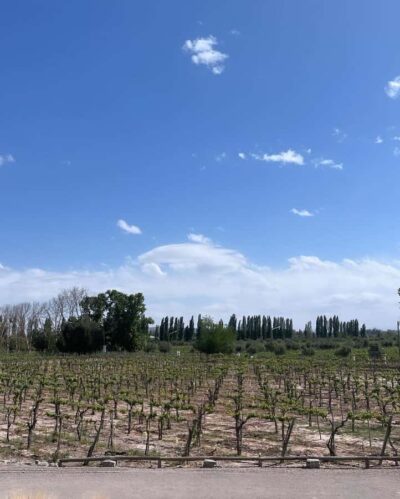
Argentine Experience: Immersive Dinner & Wine Pairing in Iguazú
Read our review →
Browse the lists this tour appears in