
Reviewed · SALTA TOURS
From Salta: Full-day excursions through Cafayate and Cachi
Two days, two very different Salta. This paired excursion takes you from Cafayate’s red-rock gorges and wineries to Cachi’s high mountain roads, colonial streets, and Los Cardones National Park. I like the clear contrast between the two routes, and I like that transport, hotel pickup, bilingual guiding, and a winery visit are included. The main drawback is the long schedule: each day can run from about 7 am until 6 or 7 pm, with limited time in some towns.
The guides can make a real difference. Caro received praise for being friendly and making the day pleasant, while Milagros was noted for watching the needs of the whole group. English support is available, but it may be limited on some departures, and the winery visit may be conducted only in Spanish.
In This Review
- Key points to know before booking
- Why these two days work well together
- Day one: leaving Salta for Cafayate
- Las Conchas Gorge and its famous rock forms
- Cafayate’s wine stop and free time
- Day two: the climb toward Cachi
- The Windmill Stone at 3,348 meters
- Los Cardones National Park and the Inca straight road
- Cachi town and its two-hour pause
- Guides, language, and the real comfort level
- Is $56 good value for two days?
- What to bring for both days
- Who should choose these Salta excursions?
- Should you book it?
- FAQ
- How long does the experience last?
- What is included in the price?
- Are meals and drinks included?
- Is English guiding available?
- Where does pickup take place?
- What should I bring?
- Does bad weather cancel the excursion?
Key points to know before booking
- Cafayate follows the red-rock route: Las Conchas Gorge brings you to striking formations such as Devil’s Throat, the Amphitheater, the Obelisk, and the Toad.
- Cachi is the tougher road day: The route climbs through Escoipe Gorge and Cuesta del Obispo before reaching elevations above 3,300 meters.
- Wine is part of the Cafayate day: A winery visit and tasting are included, but food and drinks beyond the tasting are not.
- Two hours in each town: You get free time in Cafayate and Cachi, though the schedule leaves little room for extra activities.
- The price covers practical essentials: At $56 per person for two full-day outings, transport, hotel pickup, guides, and the main stops make this good value.
- Bring cash and toilet paper: Facilities along the route can be basic, and those small supplies may save you trouble.
Why these two days work well together
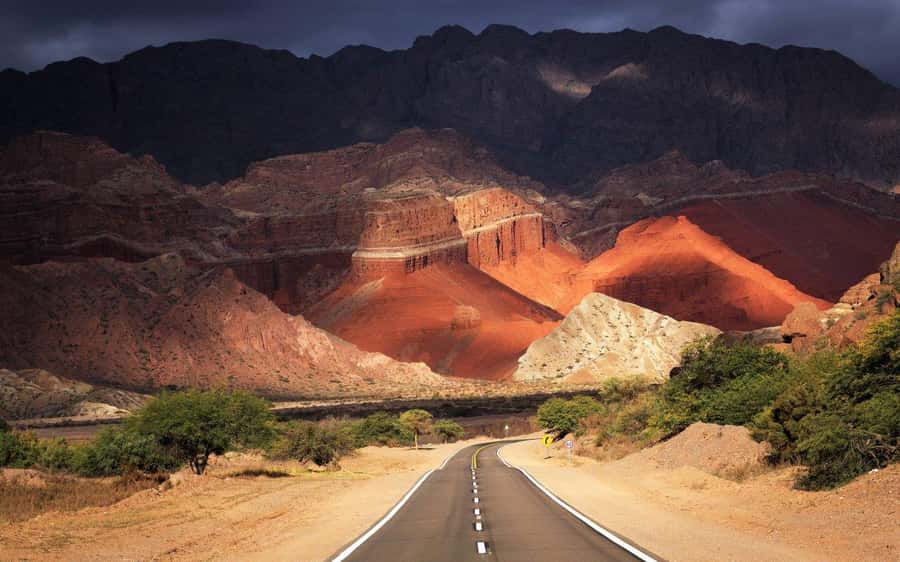
Salta Province is best understood from the road. The city itself is only the starting point. Beyond it, the scenery changes quickly, from the fertile Lerma Valley to dry red cliffs, then to high mountain passes and open cactus country.
The Cafayate and Cachi routes show two different sides of the province. Cafayate heads south through the Calchaquí Valley toward vineyards and the Las Conchas Gorge. Cachi heads west and north through steep mountain roads, an Inca-built straightaway, and Los Cardones National Park.
I like this pairing because you do not spend both days looking at the same kind of scenery. Cafayate is about rock formations, wine, and a more relaxed town stop. Cachi is about altitude, mountain roads, broad views, and the pleasure of reaching a small town after a demanding drive.
The tradeoff is time. These are road trips, not quick sightseeing loops. You will spend much of each day in a transit, Sprinter, or minibus. That is part of the experience, but you should enjoy looking out the window and accept that the schedule is fixed.
A few more Salta trips worth putting side by side
- From Salta: Full-Day Trip to Salinas Grandes and Purmamarca
★ 4.6 · 914 reviews - From Salta: Full-Day Tour to Cafayate with Wine Tasting
★ 4.5 · 478 reviews - From Salta: Salinas Grandes, Purmamarca & Los Colorados Hike
★ 4.3 · 356 reviews
Day one: leaving Salta for Cafayate
The Cafayate day begins in Salta and passes through the center and south of the Lerma Valley. Hotel pickup is included for hotels or central addresses within about 15 blocks of the main square. You should wait in the lobby 10 minutes before the scheduled time. The driver carries a sign with your surname and will wait no more than five minutes after pickup time, so this is not the morning to wander out for coffee.
The trip covers about 180 kilometers to Cafayate. The first section through the Lerma Valley is more fertile and settled than the country ahead. As the route continues, the terrain tightens and the colors become more dramatic.
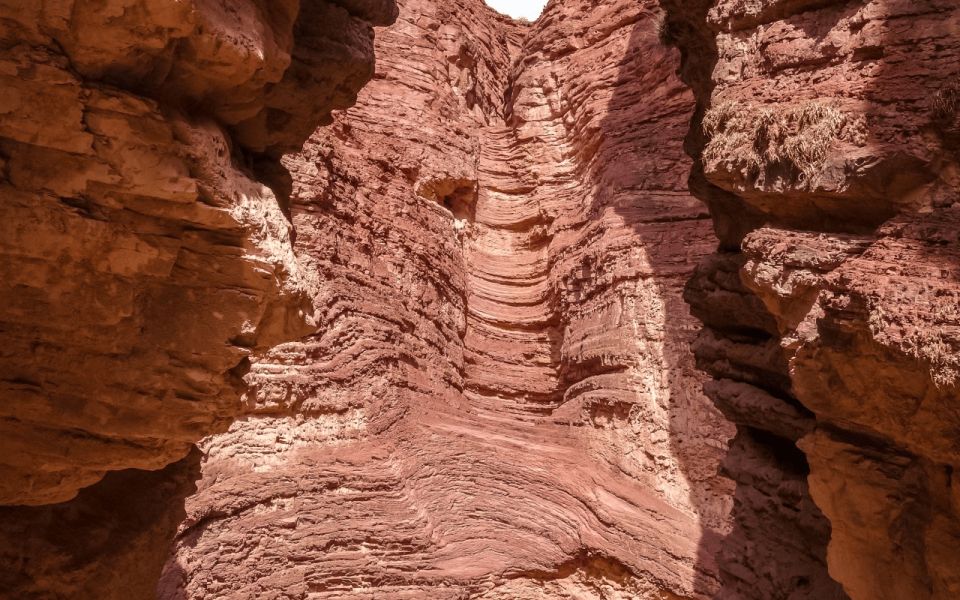
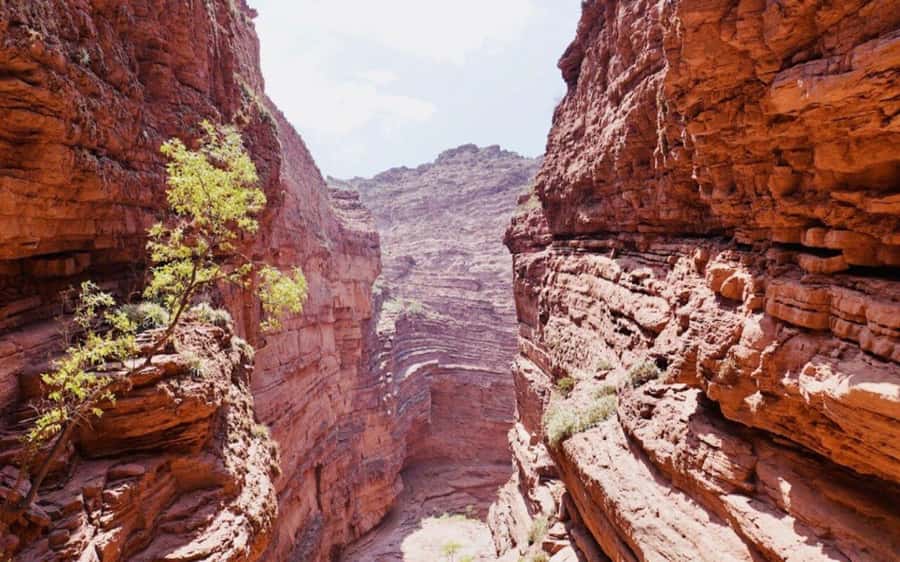
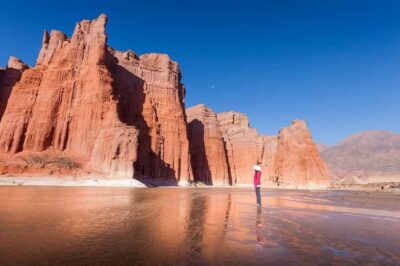
The road enters the Las Conchas Gorge Natural Reserve, where the attraction is not one single viewpoint but a long series of rock forms. The hills show strong orange and red tones, and erosion has cut them into shapes with memorable names.
Las Conchas Gorge and its famous rock forms
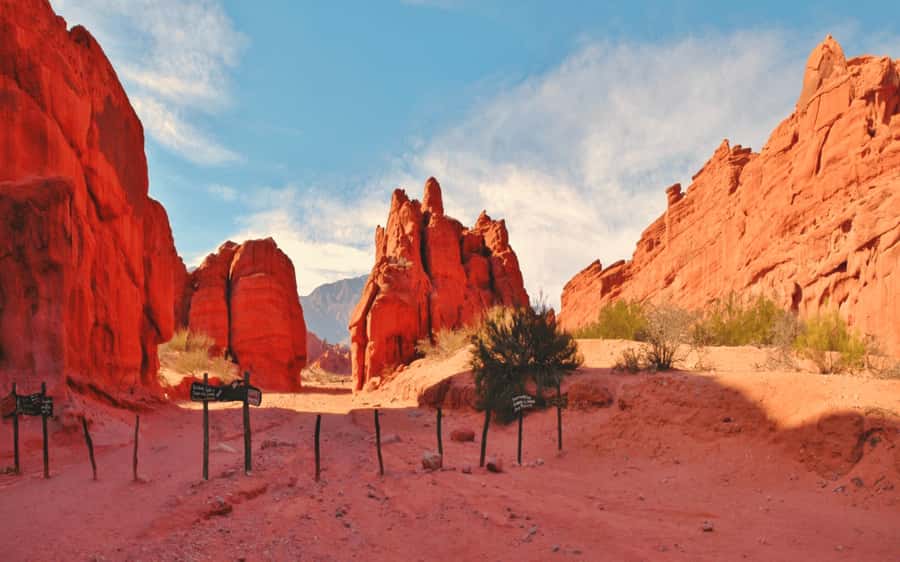
The stops in Las Conchas Gorge are the heart of the Cafayate outing. You may see Devil’s Throat, the Amphitheater, the Windows, the Castles, La Yesera, the Toad, the Friar, and the Obelisk.
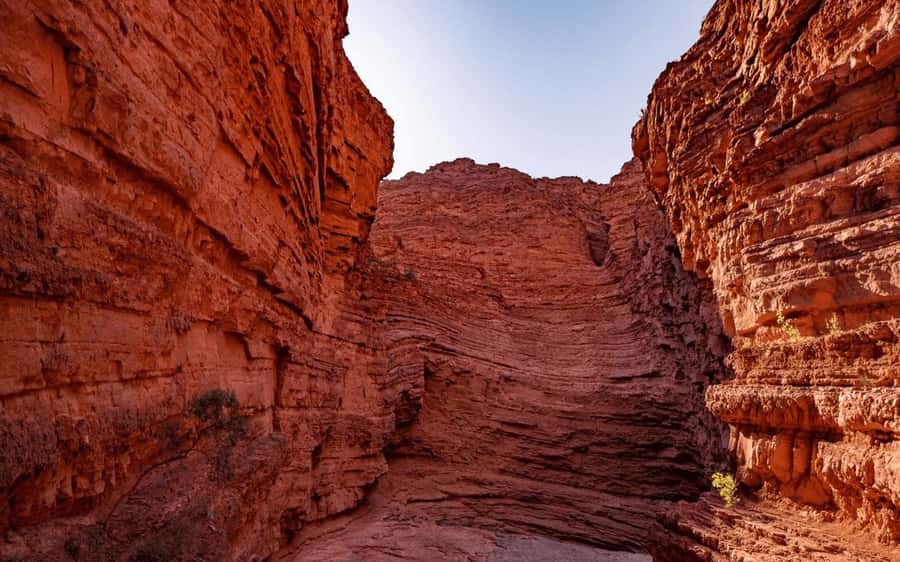
Devil’s Throat is a narrow, steep-sided formation that feels more enclosed than the broad valley outside. The Amphitheater has a larger hollow shape, and its curved rock walls make it one of the most distinctive stops on the road.
The names help you look at the rock with a little imagination, but the real appeal is geological. Wind, water, and time have carved the sandstone into walls, slots, towers, and hollows. Your guide’s explanations are useful here because the formations can blur together if you rush from one photo stop to the next.
This is also where the excursion format earns its keep. The route is scenic, but it is not an easy road for someone unfamiliar with the region. Having a driver lets you focus on the gorge instead of navigating and checking road conditions.
The main limitation is that the exact amount of time at each formation is not specified. You should expect a series of stops rather than a long walk at every site. Wear comfortable shoes or sports shoes, since the ground at viewpoints may not be perfectly even.
Cafayate’s wine stop and free time
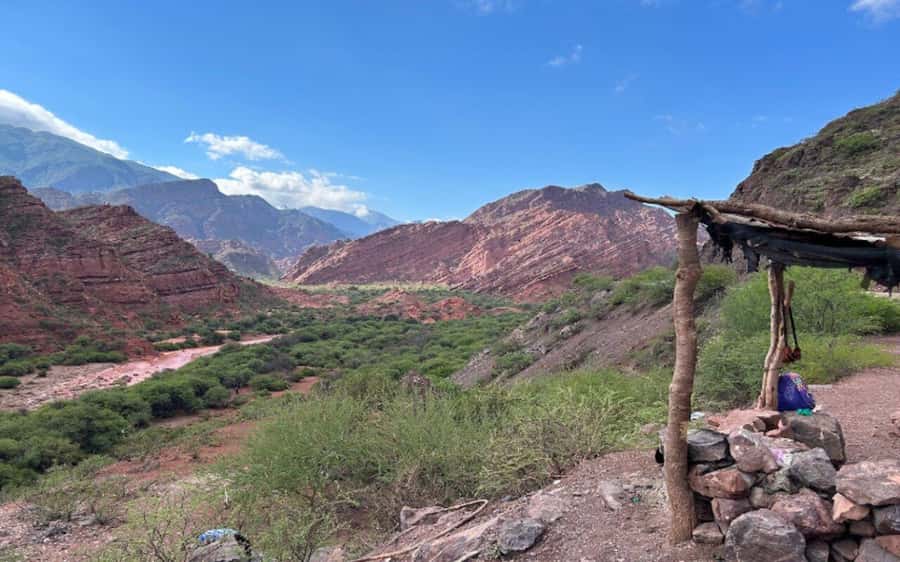
Cafayate is known as the wine center of the Calchaquí Valley, and the excursion includes a winery visit with a tasting of local wines. This is a valuable inclusion because the town is not only a scenic endpoint. It gives the day a cultural and food-related focus after the red-rock drive.
You should keep your expectations practical. The winery tour may be in Spanish even when you book an English-language excursion. English interpretation may be brief or limited, so the experience will be easier if you are comfortable following visual demonstrations and tasting along with the group.
Food is not included. Lunch is taken after the winery visit, and you pay for it yourself. There is also free time in Cafayate, with about two hours noted for the town stop. That gives you a chance to eat, walk around, and look at the colonial-style streets at your own pace.
Some people will find two hours generous. Others may wish that part of the time were shifted to scenic stops along the road. If your main interest is wine and the town itself, the pause works well. If you want a more active winery program or extra tastings, the group schedule may feel restrictive.
After lunch and the town visit, the route returns to Salta by the same road. That means you see the gorge again from a different direction, but it also makes for a long day. The reported timing is roughly 7 am to 6 or 7 pm.
Still Argentina, but a completely different sort of afternoon:
- From Salta: Cafayate, land of wines and imposing ravines
★ 4.4 · 347 reviews - Full-Day Tour Cafayate Calchaqui Valleys with Wine
★ 4.5 · 347 reviews - From Salta: Serranías del Hornocal & Hill of 14 Colors Tour
★ 4.4 · 339 reviews - From Salta: Cachi and Los Cardones National Park Tour
★ 4.5 · 285 reviews
Day two: the climb toward Cachi
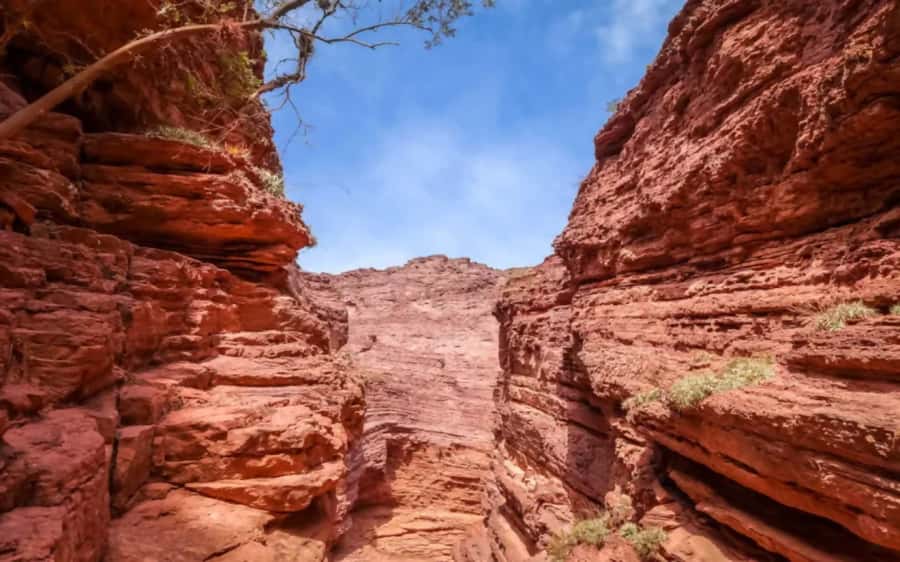
The Cachi outing has a more serious mountain feel. The route leaves the fertile Lerma Valley and passes through El Carril before entering the Escoipe Gorge. From there, the road climbs toward Cuesta del Obispo and the Enchanted Valley.
This day is less about one famous stop and more about the steady change in altitude and scenery. The road becomes more dramatic as it climbs. Mountain walls close in, then open into wide views. Photo stops are included at Cuesta del Obispo and in Los Cardones National Park, giving you time to get out and appreciate the scale of the surroundings.
Cuesta del Obispo is one of the defining parts of the trip. The ascent brings sharp turns, exposed slopes, and a strong sense of distance from Salta. If you are inexperienced on mountain routes, this is the day when a professional driver is most useful.
The road can include unpaved sections. That is why I would choose this excursion over a self-drive trip if you do not know the route or have little experience with high mountain roads. A guide can also help you understand how the route fits together instead of treating each viewpoint as an isolated photo stop.
The Windmill Stone at 3,348 meters
One of the highest points on the route is the Windmill Stone, listed at about 3,348 meters above sea level. The stop gives you a clear sense of how high the road has climbed.
Altitude affects people differently, and the supplied information does not promise a specific health arrangement or medical support. Take it slowly, stay aware of how you feel, and bring comfortable clothing and water for the day. The tour continues in poor weather, so the scenery and road conditions may change if rain or other bad weather arrives.
The Enchanted Valley adds another mountain setting before the route reaches Los Cardones National Park. This is a good place to keep your camera ready, but do not spend the whole day looking through it. The value of this route is the changing view outside the vehicle.
Los Cardones National Park and the Inca straight road
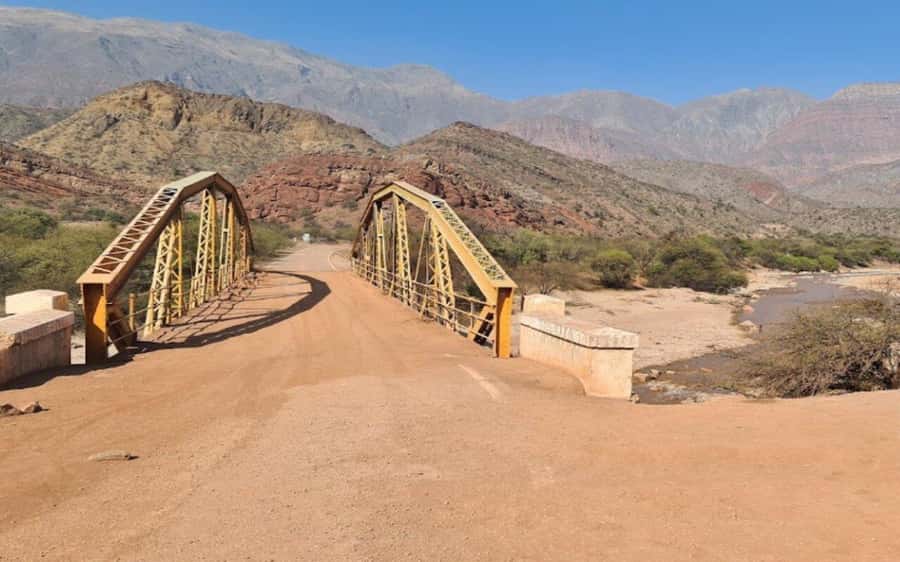
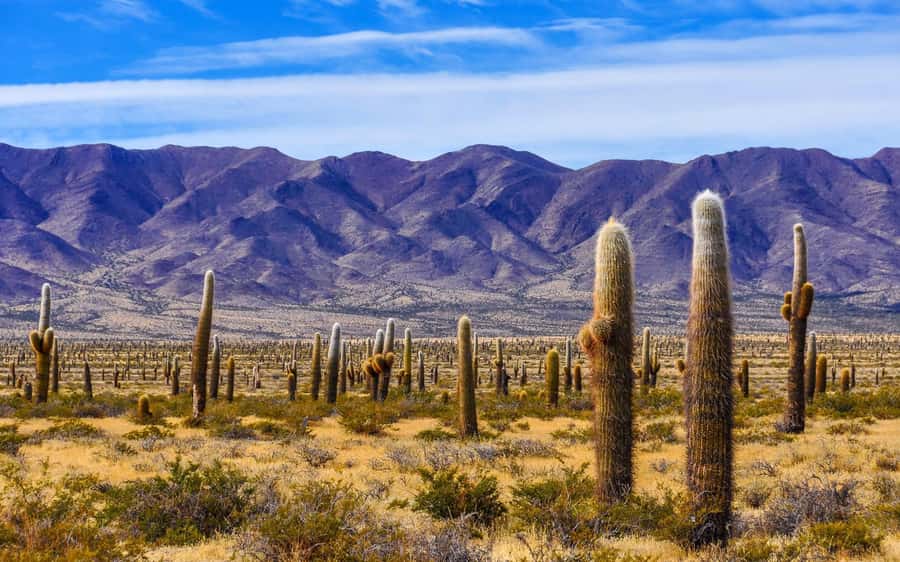
Los Cardones National Park is described as Argentina’s only high-altitude national park. Its name refers to the large columnar cacti found across the dry mountain country.
The park is also linked to the Recta del Tin Tin, an exceptionally straight road about 11 kilometers long and built by the Incas. Its direct line across the open terrain is one of those details that makes the route more than a scenic drive. It shows how older transport routes still shape the modern journey.
Photo stops in the park are included. You may also catch sight of the snow peaks near Cachi, with the mountain height given at about 6,380 meters. These distant peaks add a colder, sharper note to a route otherwise marked by dry slopes, rock, and cactus.
The park is not presented as a long hiking outing. Expect roadside viewing and short stops rather than extended trails. That suits a full-day road trip, but it may disappoint you if you are looking for a dedicated national park walk.
Cachi town and its two-hour pause
Cachi sits at the foot of the snow-capped mountain of the same name. The town is known for colonial-style facades, large houses, and narrow cobbled streets. After the high road, it feels small and calm.
You get about two free hours in Cachi. Use the time for lunch, a slow walk, and a look at the town’s architecture. Food is not included, so plan to pay for your own meal and drinks.
A practical point: the town stop is not the only part of the Cachi day. You will already have spent hours on the route through the gorges, pass, national park, and mountain viewpoints. Two hours can pass quickly, especially if you want to eat and explore.
The return to Salta completes a very full day. Cachi is best for you if you value the journey as much as the destination. If you want several hours in town with no fixed return, a private or independent arrangement would give you more control, but it would not offer the same simple structure.
Guides, language, and the real comfort level
Spanish and English are offered, but you should not assume that every piece of commentary will be delivered in fluent English. One English-speaking participant found that the guide sometimes translated only a small amount, and the winery visit was in Spanish.
That does not cancel out the scenery or transport value, but it matters if detailed interpretation is central to your plans. Before paying, check the departure language and ask how much English guiding is expected on that date.
The guide quality can be a strong point. Caro was praised for being kind and making the day pleasant. Milagros was described as attentive to the needs of the group. Those comments suggest that the human side of the outing may be especially good when you get one of these guides, though a specific guide cannot be guaranteed.
Transport is provided in a transit, Sprinter, or minibus. The vehicles are described as comfortable enough and the service as punctual. You should still expect a long day in a shared vehicle, with road time that may feel tiring on the Cachi route.
Is $56 good value for two days?
At $56 per person, the price is attractive if it truly covers both full-day outings. You receive transport, pickup in central Salta, a Spanish and English guide, the winery visit, wine route, major gorge stops, Cuesta del Obispo, Los Cardones National Park, and the main photo stops.
You are also avoiding the practical headaches of driving unfamiliar mountain roads. That matters most for Cachi, where parts of the route are not paved and the altitude is significant.
The price does not cover meals or drinks. Budget for lunch on both days, plus anything you buy in Cafayate or Cachi. Bring some cash, since facilities and small purchases along the route may be easier to handle that way.
The value is strongest for a first visit to Salta, especially if you want to see the province’s major road routes without arranging separate transport. It is weaker for anyone who wants long winery visits, flexible meal times, or freedom to stop whenever a view catches the eye.
Free cancellation up to 24 hours before departure and the option to reserve now and pay later also make planning easier. Bad weather does not automatically suspend the excursion, so you should be ready for the outing to operate in rain or changing conditions.
What to bring for both days
Keep your bag simple and practical:
- Passport or identity card
- Comfortable shoes or sports shoes
- Cash for food and small purchases
- Toilet paper for basic facilities
- Clothing suited to changing conditions
- Water and anything you personally need at altitude
Pets, alcohol, and drugs are not allowed. You should also arrive at the pickup point early. The five-minute waiting limit is firm.
Who should choose these Salta excursions?
I would recommend this pair if you want the main scenery with little planning. It suits first-time visitors, solo visitors who prefer organized transport, and anyone who does not want to drive mountain roads.
It is also a good fit if you like scenic variety. Cafayate gives you red rock and wine. Cachi gives you mountain passes, cactus country, Inca engineering, and a colonial town.
I would hesitate if your English needs are strict or if you want a fully English-speaking winery experience. I would also hesitate if long minibus days make you uncomfortable. The schedule is efficient, but it is not leisurely.
Should you book it?
Book it if you want a low-cost way to cover Cafayate and Cachi from Salta, and you are happy to trade flexibility for reliable transport. The scenery is the main reward, with the strongest moments in Las Conchas Gorge, Cuesta del Obispo, and Los Cardones National Park.
Choose it with realistic expectations: bring cash, expect long days, and confirm the level of English guiding. For Cachi in particular, this organized trip is a sensible choice if you lack mountain-road experience. For Cafayate, independent travel could give you more time for wineries and town activities, but this excursion is a convenient and worthwhile first look.
FAQ
How long does the experience last?
The experience lasts two days, with one full-day excursion to Cafayate and one full-day excursion to Cachi. Each day may run from about 7 am until 6 or 7 pm.
What is included in the price?
The price includes transport in a transit, Sprinter, or minibus, pickup from eligible central hotels or addresses, a bilingual Spanish and English guide, a winery visit in Cafayate, Las Conchas Gorge, the Wine Route, Cuesta del Obispo, Los Cardones National Park, photo stops, and a visit to spice grocers.
Are meals and drinks included?
No. Foods and drinks are not included, so you should budget for lunch and other purchases in Cafayate and Cachi.
Is English guiding available?
Spanish and English are offered. However, English interpretation may be limited on some departures, and the winery tour may be conducted only in Spanish.
Where does pickup take place?
Pickup is included from hotels or central addresses within about 15 blocks of Salta’s main square. You should wait in the lobby 10 minutes before the scheduled pickup time.
What should I bring?
Bring a passport or identity card, comfortable shoes, and sports shoes. It is also practical to carry cash and toilet paper for some facilities along the route.
Does bad weather cancel the excursion?
No. The excursion is not suspended because of rain or bad weather. You should be prepared for changing conditions on both routes.
Recently added around Salta
- Floated by Kayak in the Oath Canyon★ 5.0 · 5 reviews
- Juramento River Rafting Adventure: Conquer the Rapids★ 3.5 · 4 reviews
- Rafting on the River Oath★ 5.0 · 3 reviews
- Unveiling Cafayate: Premium Wine Road Adventure★ 5.0 · 2 reviews
- Tilcara: 2 hours cycling tour trough the rural area★ 5.0 · 5 reviews
- Salta: Tour to the Salinas Grandes and Purmamarca★ 3.7 · 3 reviews
- Salta or Jujuy: Iruya and Salinas Grandes 2-Day Tour★ 4.3 · 3 reviews
- From Salta: Quebrada de Humahuaca, Purmamarca and Tilcara★ 4.2 · 43 reviews
Salta Tours, compared.
Full-Day Trip to Salinas Grandes and Purmamarca
Read our review →
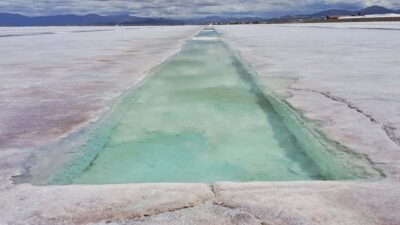
Salinas Grandes, Purmamarca & Los Colorados Hike
Read our review →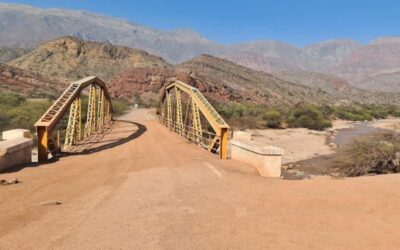
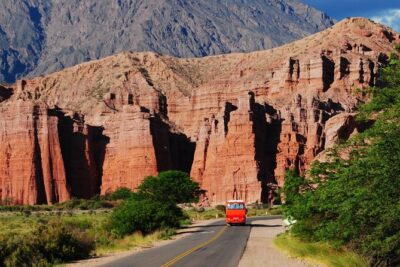
Full-Day Tour Cafayate Calchaqui Valleys with Wine
Read our review →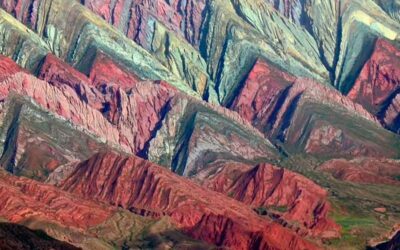
Serranías del Hornocal & Hill of 14 Colors Tour
Read our review →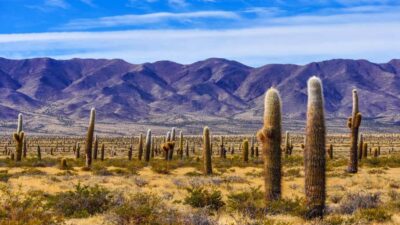
Browse the lists this tour appears in