
Reviewed · HORSES
6-Day Andes Crossing from Mendoza to Chile by Horse
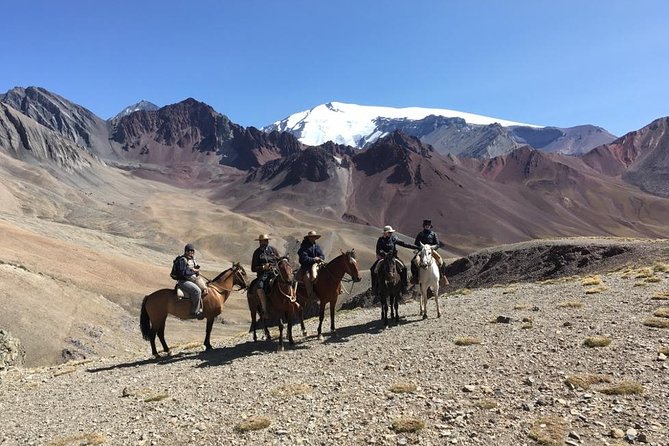
Ride into real mountain country. This six-day crossing from Mendoza to Chile trades tour buses for horses, muleteers, army shelters, tents, and high passes. I like the authentic gaucho-led route and the rare chance to cross the Argentina-Chile border on horseback, changing horses at the frontier. I also like the careful support system, including bilingual guides, pack horses, meals, a satellite phone, and first-aid equipment.
The main catch is the physical demand. One day means about eight hours in the saddle, with steep climbs, river crossings, cold nights, and basic toilet facilities. You need to arrive in Mendoza the day before, carry the right mountain gear, and be comfortable with a six-day expedition rather than a polished resort holiday.
In This Review
- Five things to know before you book
- Why this Andes crossing feels different
- Day 1: From Mendoza to Manzano Histórico
- Day 2: Portillo Argentino and the longest ride
- Day 3: Rest, walking, and gaucho skills
- Day 4: River crossing and the final Argentine camp
- Day 5: Piuquenes Pass and the move into Chile
- Day 6: Transfer to Santiago
- What the $2,280 price really covers
- Horses, guides, and the human side of the trip
- Gear, weather, and comfort
- Who should book this crossing?
- Should you book the Andes crossing?
- FAQ
- How long is the Andes crossing?
- Where does the tour start?
- Do I need to arrive in Mendoza before the tour?
- What is the highest point on the route?
- How many hours will I spend riding?
- Can I ride the same horse into Chile?
- What accommodation is included?
- Are meals included?
- What is the minimum age?
- Is travel insurance included?
Five things to know before you book
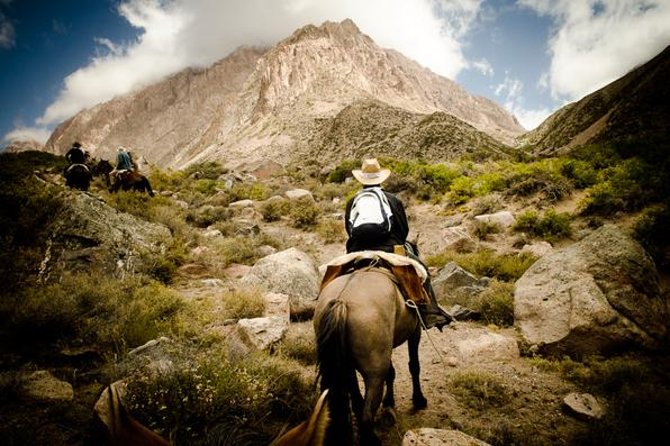
- Portillo Argentino reaches 4,380 meters: The second day brings the highest riding point and the biggest views, but also the hardest hours in the saddle.
- Horses change at the border: Argentine horses cannot cross into Chile, so Chilean horses and muleteers take over at Piuquenes Pass.
- The third day is a real rest day: You can stay near Refugio Real de la Cruz or take a short guided hike before a gaucho skills display.
- This is an adult expedition: The minimum age is 18, and a moderate level of fitness is required.
- The price covers nearly everything on the route: At $2,280 per person, you receive transport, meals, accommodation, horses, guides, tents, and support animals.
- Simple camps are part of the deal: Toilets and paper supplies may be rough around the campsites, so bring patience and personal essentials.
Why this Andes crossing feels different
Mendoza has a well-earned name for wine, but this trip quickly leaves the vineyards behind. Your first drive heads southwest to the Uco Valley and the Manzano Histórico, a region tied to General José de San Martín, the liberator who led the Andes crossing that helped free Chile and Peru.
That historical link gives the trip a useful sense of place. You are not simply riding through pretty mountains. You are following an old route through a frontier shaped by armies, gauchos, mule trains, and high passes.
The route is also small and private. Only your group participates, which matters on a trip where the pace, weather, horse handling, and altitude can affect the day. The guides are not just there to point out views. They ride, cook, help with acclimatization, manage the horses, and support you when conditions get tough.
The strongest praise has gone to the guiding team. Tim, Fabian, Gabriela, Fede, and the local horse guide David are singled out for care, clear communication, and good humor. David and his family, including his daughter Sara, help with the horses and the day-to-day riding operation. That local connection is one of the best reasons to choose this trip over a standard mountain excursion.
More Horseback Rides in Mendoza
- Mendoza: Sunset Horse Back Riding in the Mountains and BBQ
★ 4.9 · 515 reviews - Horseback riding and roast in the mountains of Mendoza
★ 5.0 · 356 reviews - Horseback riding at sunset
★ 5.0 · 115 reviews
Day 1: From Mendoza to Manzano Histórico
You begin with an 8:30 a.m. pickup from your hotel in Mendoza or nearby areas. The first drive takes about two hours in a private vehicle, heading into the Uco Valley.
At Manzano Histórico, you can visit the museum honoring San Martín. It is a short cultural stop before the expedition turns fully toward the mountains. I like this opening because it gives the route a historical frame without filling the day with sightseeing.
You then continue by vehicle to Refugio Portinari, operated by the National Gendarmerie. Here you meet the guides and local arrieros, the muleteers who will help carry supplies and manage the animals. Customs clearance and registration with the authorities take place before dinner.
The evening includes a welcome meal and a bonfire at the refuge. This is your chance to meet the group and sort out any last questions before the riding begins.
You must arrive in Mendoza one day before departure so the company can check your equipment. One hotel night in Mendoza is included, and an extra night can be arranged at an additional cost if needed. Build that extra time into your plans. It is not wise to land in Mendoza and expect to begin a demanding mountain trip immediately.
Day 2: Portillo Argentino and the longest ride
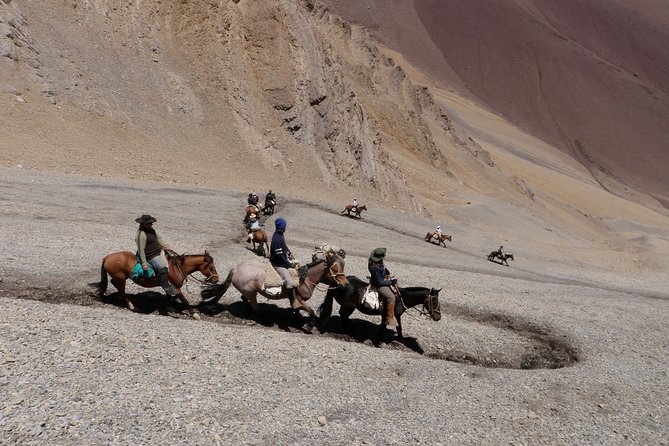
Day two is the physical centerpiece. After breakfast, you prepare the horses and begin the climb toward Portillo Argentino at 4,380 meters.
The first uphill stretch takes about two hours on horseback. The reward is a broad view of the Andes and the distant Chilean border. After reaching the pass, the route continues for roughly five more hours, mostly downhill, toward the Tunuyán River valley.
The night is spent at Refugio Real de la Cruz, an Argentine Army shelter used by mountaineers, porters, and other people moving through the range. Dinner is served there, and the evening may include songs and stories with muleteers and other people staying at the refuge.
The full riding time is about eight hours, making this the longest day on a horse. The supplied timing also lists roughly six hours, so expect the schedule to vary with conditions, riding pace, breaks, and the group. Ask the operator for the current day plan before departure.
This is where fitness matters. You are not required to be an expert rider according to the supplied details, but you do need moderate physical fitness and the ability to handle a long day in the saddle. If you have never spent a full day riding, ask about the horses, saddle style, and expected pace before paying the deposit.
Day 3: Rest, walking, and gaucho skills
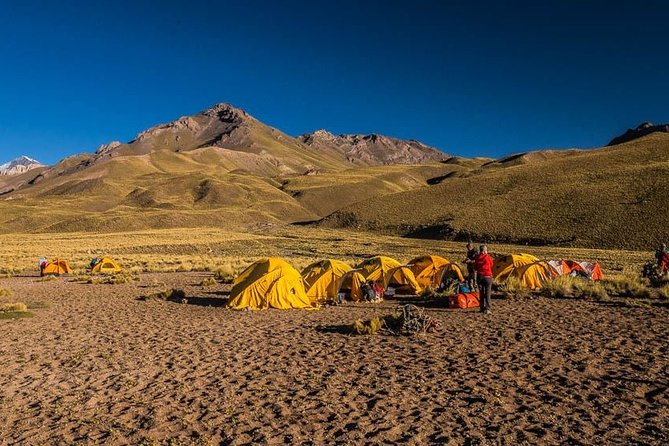
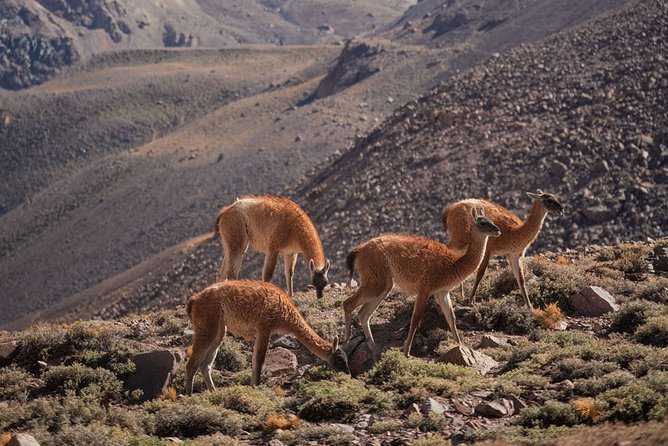
The third day breaks up the riding. You can stay near Refugio Real de la Cruz or take a short hike with your guide to see local plants and wildlife.
That flexibility is valuable after the previous day. You can use the time to rest your legs, adjust your gear, and let your body get used to the altitude. The trip provider also places emphasis on acclimatization, which is important at these elevations.
After lunch, local gauchos demonstrate traditional skills with the lazo and boleadoras. This is more than filler between riding days. The animals, ropes, and working methods are central to the culture of the route, and this demonstration gives you a closer look at the skills used by the people who make the crossing possible.
Dinner and a second night at the refuge keep the day simple. Do not expect a menu of activities or comfortable hotel facilities. The point is to rest, share the mountain shelter, and prepare for the next section.
More rides on horseback around Mendoza:
- Sunset Horseback Riding
★ 5.0 · 101 reviews - Horseback riding and barbecue in a private ranch – La Carrera, Mendoza
★ 5.0 · 75 reviews - Horseback ride through vineyards followed by gourmet lunch
★ 5.0 · 70 reviews - Horseback Riding in the Andes, gaucho experience & BBQ
★ 5.0 · 25 reviews
Day 4: River crossing and the final Argentine camp
After breakfast, the horses and mules are prepared for the Tunuyán River crossing. The route continues toward a fine viewpoint of Mount Tupungato, which rises to 6,800 meters.
You then follow the Palomares stream upriver to Caletón, the last camp on the Argentine side. This section brings a stronger feeling of moving through remote country, with water, high peaks, animals, and a changing route beneath you.
If the weather allows, you may bathe in mineralized stream water and enjoy an informal beauty treatment. Treat this as a pleasant possibility, not a guaranteed spa stop. Mountain weather controls the schedule, and water conditions can change.
The night is spent in tents, with a chance to sleep near the campfire and under the stars. Camping equipment includes mountain tents and a dining tent with tables, chairs, and dinnerware. You still need your own sleeping bag, mattress, headlamp, and personal items.
This is also the point where the comforts become most basic. One person praised the scenery, organization, guides, and cooking, but found the toilet facilities and scattered toilet paper around camping areas disappointing. Pack toilet paper, hand sanitizer, and a small personal hygiene kit. Those items take little space and can make a rough camp much easier.
Day 5: Piuquenes Pass and the move into Chile
Day five brings the international crossing. You ride toward Piuquenes Pass at 4,030 meters, the boundary between Argentina and Chile.
The border procedure is unusual and worth understanding in advance. The horses cannot cross from one country to the other, so you change to Chilean horses at the frontier. Chilean muleteers then guide you down toward the El Plomo River.
That horse change is part of the character of the trip, but it can also affect timing. You are not simply riding across a marked line and continuing without interruption. There are animals to organize, people to coordinate, and customs rules to follow.
After crossing the river, private vehicles meet you and take you toward Cajón del Maipo and the Yeso Reservoir. At San Gabriel, you complete customs paperwork at the police office.
The overnight stay is in a cabin complex, followed by a farewell dinner at a local restaurant. After several nights in a refuge or tent, a cabin and restaurant meal should feel like a proper finish to the hard mountain section.
The day includes about six hours of riding, though the schedule can change with weather and border procedures. Keep your passport accessible and make sure the operator has the correct passport name, number, expiration date, and country for every member of your group.
Day 6: Transfer to Santiago
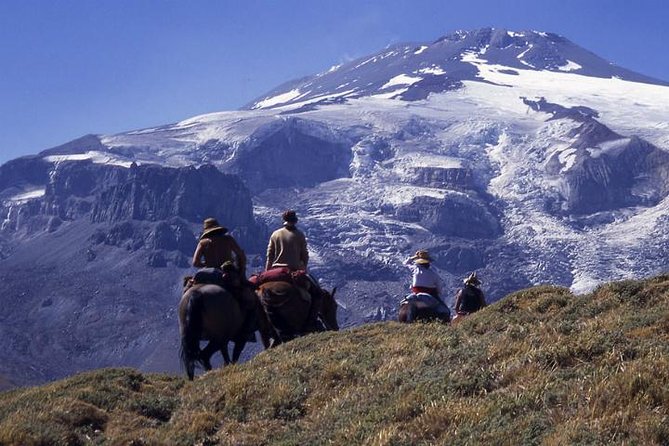
The final transfer to Santiago takes about three hours. The program ends there, and an optional transfer back to Mendoza may be arranged directly with the provider.
This makes the trip useful for a wider Argentina and Chile itinerary. You can begin in Mendoza, cross the Andes by a traditional route, and finish near Santiago without retracing the entire journey.
Do not book a tight international flight immediately after the transfer unless the operator confirms the timing. Mountain trips can be affected by weather, road conditions, border formalities, and the pace of the group. The supplied program gives an approximate transfer time, not a flight guarantee.
What the $2,280 price really covers
At $2,280 per person, this is not a cheap horseback outing. It is a supported expedition with five nights of included accommodation, although the standard varies from hotel to refuge, tent, and cabin.
The package includes:
- Mendoza and Santiago transfers
- One hotel night in Mendoza
- One night in Cajón del Maipo
- Five breakfasts, six lunches, and five dinners
- A welcome dinner
- Bilingual professional guides
- Horses, saddles, and pack horses
- Local arrieros
- Mountain tents and a dining tent
- Tables, chairs, and dinnerware
- Satellite phone and first-aid kit
That list gives the price real weight. You are paying for animal support, food logistics, border coordination, vehicles, guides, and equipment transport in a remote setting. The pack horses carry supplies so you do not need to haul every camp item yourself.
The value is strongest if you want a complete crossing and would otherwise need to arrange several separate rides, camps, meals, transfers, and border details. The value is weaker if you only want a scenic half-day ride near Mendoza.
International transport, travel insurance, rescue, hospitalization, and medical expenses are not included. Insurance is especially important for a high-altitude trip in a remote area. Confirm that your policy covers horseback riding, evacuation, and medical treatment before departure.
Horses, guides, and the human side of the trip
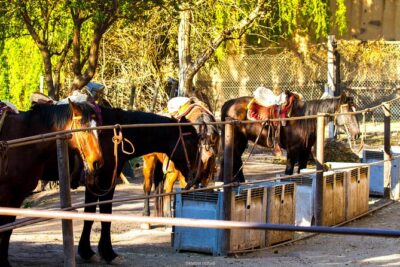
The horses are described as strong riding horses with saddles suited to the route. Local gauchos and muleteers handle the animal work, while the guide team manages the broader expedition.
The best details from the feedback concern the people. Tim and Fabian are praised for being attentive and capable. Gabriela receives special credit for explaining the route and keeping details organized. Fede is thanked for making the trip easy from the start, including for a first-time participant from Brazil.
David is the key horse connection. His role combines riding guidance, contact with the animals, route knowledge, and cooking, including a memorable barbecue in the mountains. That combination is useful because a good riding guide needs to understand both horses and people.
The company also has experience supporting clients through difficult moments. One participant described facing several challenging situations and receiving strong guidance from the guides. Another praised the careful attention to acclimatization and the fluid communication with the team.
This does not remove the need for self-reliance. You still need to dress correctly, manage your own water and personal kit, and tell the team if you feel unwell. Good guides help, but they cannot replace preparation.
Gear, weather, and comfort
The gear list is serious. You need layered underwear, long-sleeve shirts, fleece, windproof and down jackets, gloves, hats, trekking pants, waterproof shell trousers, and both light and thick socks.
For footwear, bring Gore-Tex trekking boots and gaiters. Other required or recommended items include glacier glasses with side protection and full UV protection, a headlamp, sleeping bag, hiking poles, mattress, utensils, sunscreen, lip balm, water bottles, a large backpack, spare camera batteries, hygiene items, and a personal first-aid kit.
Do not treat this as a warm-weather riding holiday. High passes, wind, sun, and cold nights can arrive in the same trip. Layering lets you adjust during climbs and descents.
Vegetarian meals are available if you advise the company at booking. Breakfast, box lunches, and dinners are included, with the dining tent providing a more organized meal setup than a basic backpacking trip.
The sanitation is the weakest comfort point. Camps are simple, and toilet facilities may not meet your expectations. Bring your own toilet paper and keep it in a sealed bag. That is practical, not glamorous, but it matters.
Who should book this crossing?
I would choose this trip if you want a genuine Andes expedition, enjoy horses, and value local contact more than comfort. It suits adults who can handle long days outside, variable weather, basic camps, and a moderate fitness challenge.
It is a good match for couples looking for a memorable shared adventure. The remote camps, mountain views, bonfire, and stars also give the trip a romantic side, although romance becomes less important when you are cold and looking for the toilet.
It can work for a private group because only your party participates. That offers more personal attention and may make the pace easier to discuss. Solo booking may still be possible, but the supplied information does not state how solo pricing or group minimums work, so ask before booking.
This is not suitable for anyone under 18. It is also a poor fit if you need reliable hotel comfort, private bathrooms, short riding days, or a fixed timetable.
Should you book the Andes crossing?
Book it if you want the full Mendoza to Chile route and accept that the reward comes with real effort. The route combines San Martín history, gaucho culture, high passes, wildlife, river crossings, army refuges, tent camping, and a genuine international border crossing.
I would be most comfortable booking after confirming four points: the current riding hours, the equipment inspection, the accommodation setup, and the insurance requirements. Also ask how weather delays affect the transfer to Santiago.
The 4.9 rating from seven reviews fits the strongest pattern in the feedback: careful organization, warm guides, dramatic scenery, and a memorable connection with the horses. The practical warning is just as clear: this is a demanding trip with basic camp facilities.
If that sounds like your kind of adventure, $2,280 is a fair price for the level of support and the scale of the crossing. If you want an easy introduction to horseback riding, choose a shorter Mendoza outing instead.
FAQ
How long is the Andes crossing?
The experience lasts approximately six days, beginning in Mendoza and ending with a transfer to Santiago.
Where does the tour start?
Pickup is offered from hotels in Mendoza City and surrounding areas. The start time is 8:30 a.m.
Do I need to arrive in Mendoza before the tour?
Yes. You must arrive one day before departure so the company can inspect your equipment. One hotel night in Mendoza is included.
What is the highest point on the route?
The route reaches Portillo Argentino at 4,380 meters on day two. Piuquenes Pass reaches 4,030 meters on day five.
How many hours will I spend riding?
Day two is the longest, at approximately eight hours on horseback. Day five includes about six hours of riding. Timing can vary.
Can I ride the same horse into Chile?
No. Horses cannot cross from one country to the other. You change to Chilean horses at the Argentina-Chile border.
What accommodation is included?
The package includes one hotel night in Mendoza, nights at Refugio Real de la Cruz, a night in mountain tents, and one night in a cabin complex in Cajón del Maipo.
Are meals included?
Yes. The package includes five breakfasts, six lunches, and five dinners, plus a welcome dinner. Vegetarian food is available if requested when booking.
What is the minimum age?
Participants must be at least 18 years old.
Is travel insurance included?
No. Travel insurance is not included. Rescue, hospitalization, and medical costs are also excluded from the price.
Recently added around Mendoza
- Transportation around Mendoza or others states!!! Trips.. transfers★ 5.0 · 46 reviews
- wine tours in wine country mendoza Argentina★ 5.0 · 6 reviews
- Maipú: Historical Vineyards, Premium Olive and Vigilant Experience★ 5.0 · 8 reviews
- Extended Flight with Instructor★ 4.5 · 18 reviews
- Zipline Adventure: Exploring Potrerillos Valley★ 4.5 · 10 reviews
- Wine Tour in Huentala Wines Departing from Ciudad Mendoza★ 5.0 · 11 reviews
- Wine tour with lunch★ 4.5 · 33 reviews
- Winery Tour with Lunch and Blend Game★ 5.0 · 15 reviews
Horses, compared.
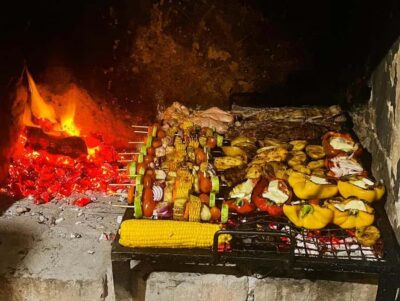
Sunset Horse Back Riding in the Mountains and BBQ
Read our review →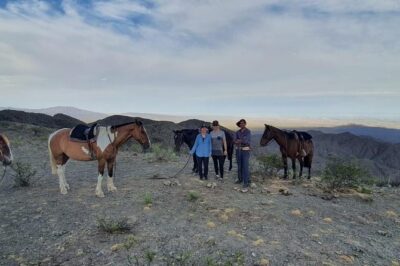
Horseback riding and roast in the mountains of Mendoza
Read our review →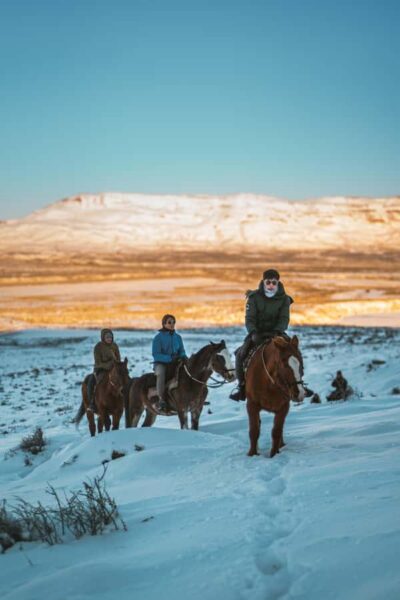
Horseback riding and barbecue in a private ranch – La Carrera, Mendoza
Read our review →
Bariloche Horseback Riding & Traditional Argentine Barbecue Tour
Read our review →
Browse the lists this tour appears in